

Shuyi Technology (Shukang) Files for IPO: Pioneering Digital Therapeutics in Chronic Disease Management through Remote Exercise Rehabilitation and Scalable Clinic Chain
Faced with 100 million people in need of treatment and services for sports injuries and conditions, the number of professional rehabilitation centers is a drop in the bucket compared to the population in need. No unicorn companies have emerged yet, and relatively large-scale institutions are few and far between.
High out-of-pocket costs per visit and inadequate insurance coverage have left startups in this sector still striving for break-even. Yet, in the sports rehabilitation field—where capital activity is relatively low—Shukang has secured a multi-million-dollar financing round. Among disclosed funding deals for sports rehabilitation companies, this round ranks among the top.
Chengdu-based Shukang Medical Sports Center is the fourth startup in the sports rehabilitation sector that VCBeat (WeChat ID: vcbeat) has engaged with. What sets them apart is that their services extend beyond treating sports injuries to include chronic disease management through exercise therapy. Following the standardization and scalable replication of its operational model, Shukang’s third sports medicine center, located in Chongqing, is poised to commence operations.
What are the advantages of Shukang in its step-by-step development process? How did it expand from online remote consultations to offline stores at scale? Recently, VCBeat conducted an exclusive interview with Lei Zhen, founder of the Shukang App under RECOVERY PLUS.
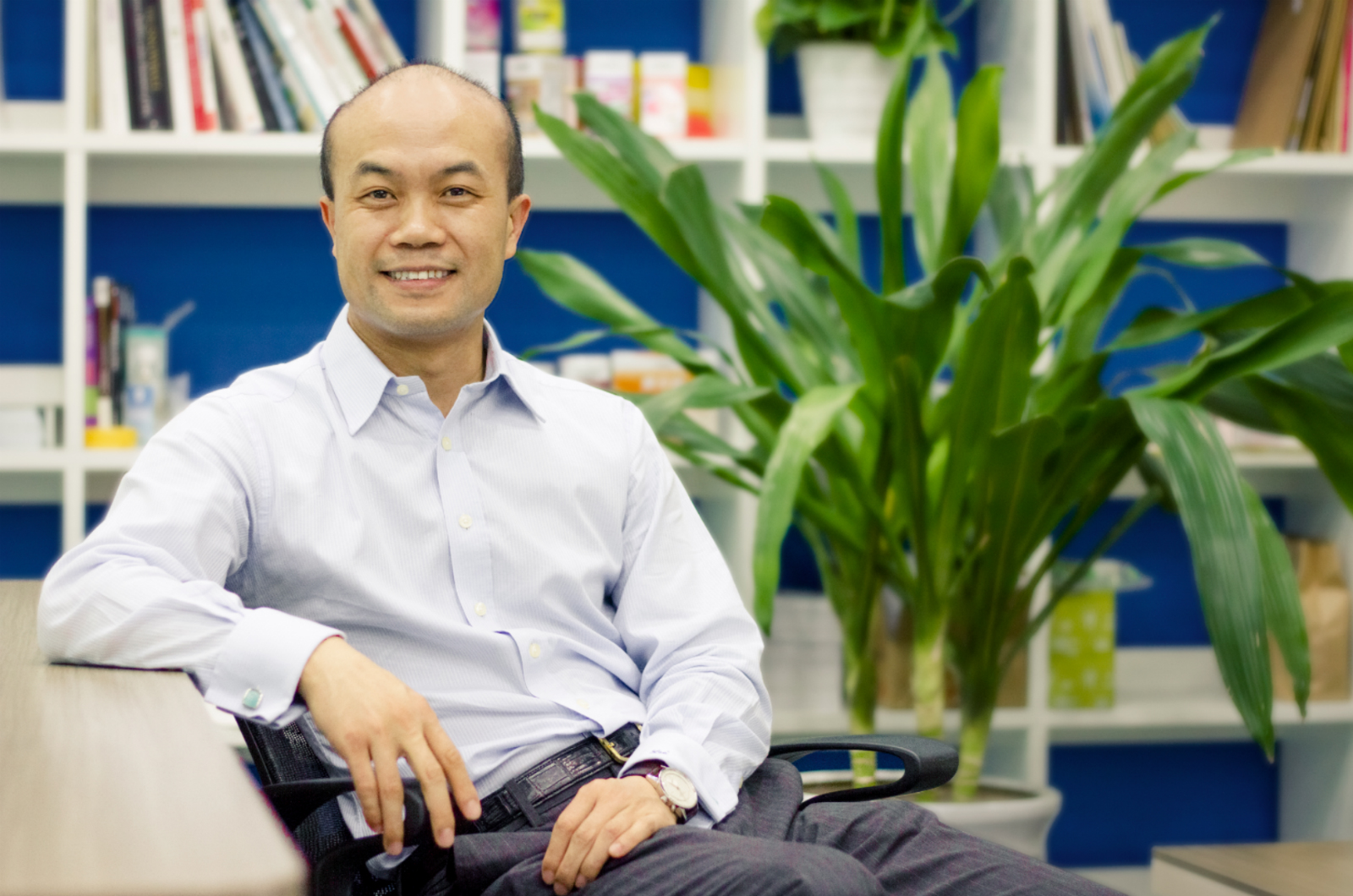
Lei Zhen, Founder of RECOVERY PLUS
From POCT to Exercise Therapy
With years of medical background, Lei Zhen’s entrepreneurial ventures have been closely intertwined with the medical profession. After obtaining his Master’s degree in Surgery from West China University of Medical Sciences in 1999, Lei Zhen went to the United States for further study and work. In 2007, he returned to China to launch his own business after earning an MBA from Columbia University.
His first entrepreneurial venture was the establishment of Wuxi Bohuis Biopharmaceutical Technology Co., Ltd., which primarily focuses on POCT diagnostic tools. The company develops point-of-care testing products suitable for use in remote mountainous areas, enabling physicians to assess patients’ conditions anytime and anywhere. One of its devices, no larger than a smartphone, can measure glycated hemoglobin levels on the go.
By 2014, inspired by a senior alumnus from his university, Lei Zhen began to focus on using exercise therapy for chronic diseases, aiming to improve patients’ cardiovascular health. Through exercise and dietary interventions, he sought to enhance blood circulation and cardiopulmonary function, thereby treating or assisting in the treatment of conditions such as diabetes, hypertension, hyperlipidemia, hyperglycemia, post-operative recovery from breast cancer, sports injuries, and chronic pain. This initiative led to the creation of what is now known as Shukang.
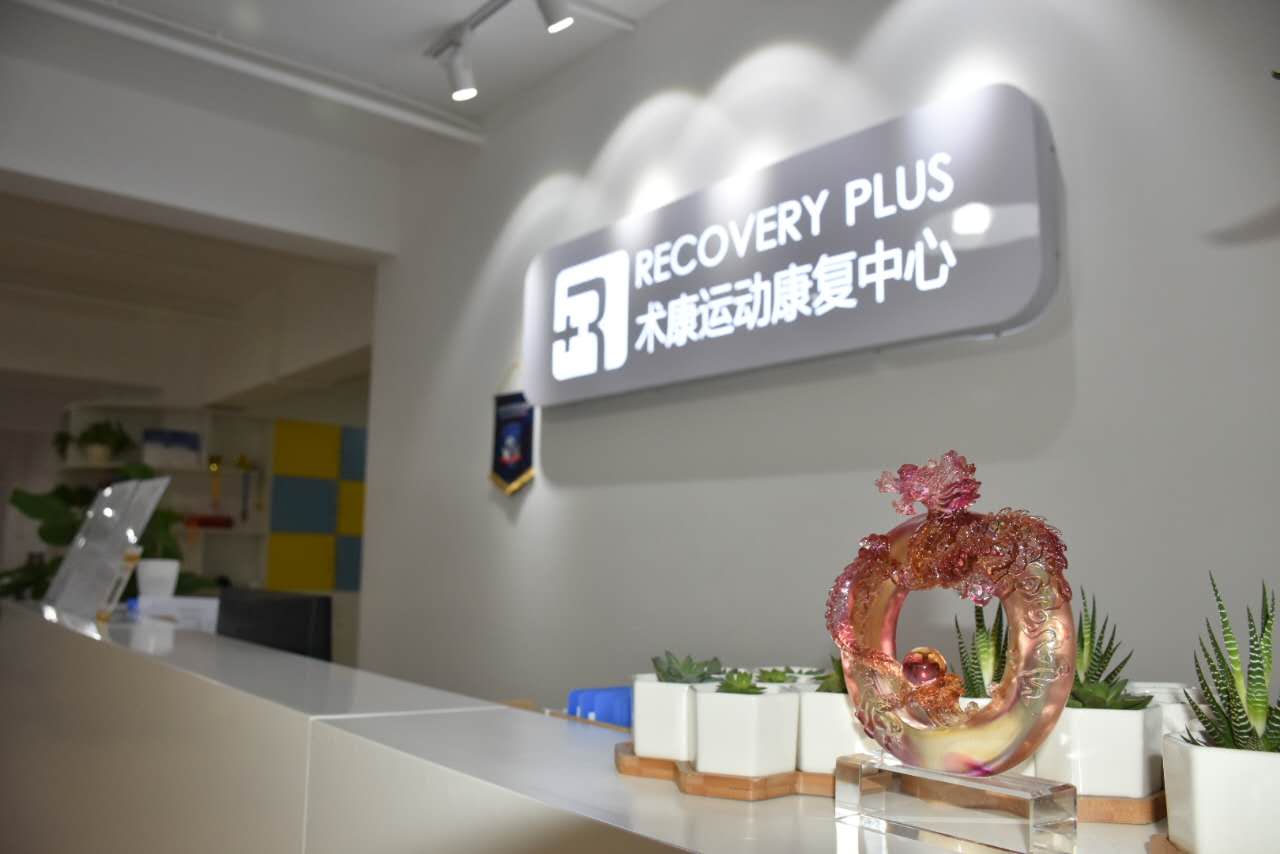
Supporting Remote Assessment and Treatment with In-Person Outpatient Services
The initial version of Shukang was an app paired with wearable devices. Lei Zhen and his team leveraged mature heart rate strap technology to monitor users’ cardiopulmonary function, calculate effective exercise heart rate zones, and develop systematic exercise prescriptions. These prescriptions included scientifically designed exercise content, quantified exercise loads, and musculoskeletal improvement training. The system also collected exercise data in real time and dynamically optimized the exercise prescriptions based on training progress.
“In Lei Zhen’s view, offline practice is essential to better support the development of online remote consultations.”"We found that without offline support, online remote treatment lacks a core foundation."“Our Medical Department has continuously summarized and refined our in-person outpatient practices, ultimately developing an effective telemedicine treatment protocol.”
He initially hoped to provide doctors with follow-up tools to collect patients’ out-of-hospital rehabilitation data, aiming to deliver precise rehabilitation services once sufficient data had been accumulated. However, this model is not suitable under the current circumstances in China, as patients require direct and effective services. Therefore, launching offline rehabilitation services is the most straightforward approach.
Lei Zhen emphasized that Shukang differs from pure rehabilitation O2O models. The team’s current focus remains on delivering remote therapy online, using offline treatment protocols as the standard and extension. By guiding patients through remote training, therapeutic interventions are administered online, thereby reducing treatment costs.
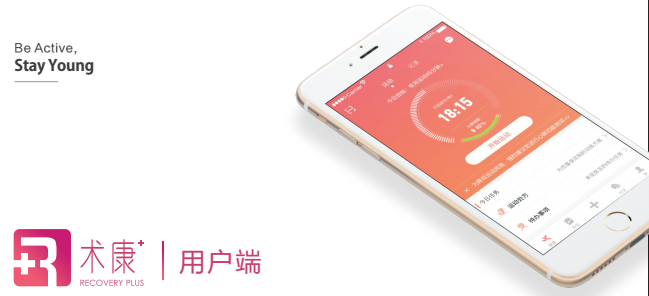
Shukang App
Notably, unlike other startups focused solely on sports rehabilitation, Shukang has also made significant strides in cardiac rehabilitation. Through its offline clinics, Shukang provides cardiac rehabilitation services to outpatients with cardiovascular diseases and individuals in the early stages of the “three highs” (hypertension, hyperglycemia, and hyperlipidemia). By integrating its mobile app, the company facilitates follow-up consultations with physicians and supports rehabilitation through structured learning courses on exercise, nutrition, and psychology. Currently, the Shukang Sports Medicine Center in Chengdu primarily focuses on cardiac rehabilitation.
Shukang is a member of the Cardiovascular Professional Committee of the Chinese Association of Rehabilitation Medicine and also a member of the American Association of Cardiovascular and Pulmonary Rehabilitation (AACVPR). Its cardiopulmonary enhancement is primarily achieved through exercise training and nutritional interventions, while the musculoskeletal system determines whether an exercise regimen can be performed healthily and with ease. Lei Zhen states, “The strength of your cardiopulmonary function determines the length of your life.” Cardiopulmonary fitness serves as the baseline for life expectancy and disease incidence rates.
Currently, Shukang Clinic adopts two payment models: pay-per-visit and prepaid card recharge. This approach is similar to that of most sports rehabilitation institutions on the market, with the total cost for a typical course of treatment averaging several thousand yuan.
Adopting the U.S. Baylor Standards to Provide Lifestyle Therapy
Under the guidance of Baylor College of Medicine in the United States, the team utilizes heart rate monitors as remote monitoring devices and resistance bands as tools for resistance training. The team remotely assesses patients’ cardiopulmonary function and exercise status via a mobile app based on the aforementioned guidelines, and provides video-guided, personalized, and quantified exercise therapy.
Meanwhile, physicians can remotely monitor patients' exercise data and changes in their condition. Through the Shukang APP, remote, quantified, and personalized "appropriate exercise" regimens are enabled, making it possible to implement lifestyle interventions on a large scale at low cost.
Lei Zhen believes that,Shukang currently offers Intensive Therapeutic Lifestyle Change (ITLC), a comprehensive approach that spans the entire continuum of chronic disease prevention, treatment, and rehabilitation. This therapeutic model has been developed over several decades in developed countries, where outpatient-based exercise and nutritional interventions are highly mature.
“ShuKang has access to abundant international resources, enabling us to rapidly learn from and adopt the experience of developed countries. Meanwhile, the rapid development of mobile internet in China in recent years has allowed us to stand on the shoulders of giants and deliver highly cost-effective remote assessments and training.”
Amid the widespread shortage of rehabilitation professionals, Shukang has developed its own proprietary system.Shukang currently focuses on training EPs (Exercise Physiologists) and PTs (Physical Therapists) to conduct rehabilitation assessments and develop rehabilitation plans for patients.
According to Lei Zhen, physicians at Shukang are required to have work experience at Grade A tertiary hospitals. For Exercise Physiology (EP) specialists, the company primarily selects candidates with suitable backgrounds and sends them to Baylor University Medical Center in the United States for training. This internal advanced study program mandates that physicians obtain relevant certification before they can return to Shukang Rehabilitation Centers to perform clinical procedures. Additionally, Shukang has introduced highly accomplished physical therapists from Taiwan.
In China, Shukang also collaborates with public and private hospitals to facilitate regular exchange and study programs for in-house physicians at the Baylor Health Medical Center in the United States, and jointly establishes training and certification systems.
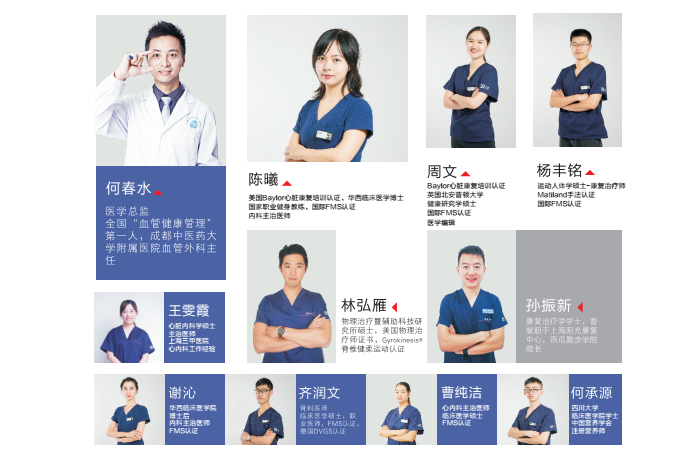
Shukang Team
Deliver High-Efficiency Services at Lower Costs
Currently, ShuKang has established rehabilitation centers in Chengdu, Shanghai, and Chongqing. All facilities adhere to a unified visual identity (VI) system and are divided into the following zones: cardiopulmonary assessment, musculoskeletal evaluation, aerobic training, functional training, and nutritional assessment. The centers are equipped with various medical-grade exercise training, assessment, and monitoring devices, such as Cardiopulmonary Exercise Testing (CPET) systems, central ECG monitoring systems, and Sling Exercise Therapy (SET) suspension training systems.
Lei Zhen told VCBeat that ShuKang invested over RMB 30 million in its early stage, covering personnel, app development, and store setup, with the largest cost being the development of its mobile app (specifically the remote assessment and remote training modules).
In terms of patient acquisition, B-end and C-end clients each account for a portion of the user base. He revealed that users of the Chengdu outpatient clinic are essentially all from the C-end, with service repurchase and referral rates exceeding 70%. In addition to the patient base established through word-of-mouth, Shukang also collaborates with public hospitals to facilitate the off-site delivery of certain rehabilitation services not covered by medical insurance. Furthermore, it partners with outdoor sports and fitness companies to help users undergo more professional cardiopulmonary function training and injury rehabilitation therapy.
As early as May 2015, Shukang publicly announced that it had secured a multi-million-dollar Pre-A financing round from IDG. Relying on the operations of its two outpatient clinics in Chengdu and Shanghai, the company has currently achieved break-even.
The decision to launch outpatient clinics in Chengdu, Shanghai, and Chongqing was driven by two key factors: first, to assess healthcare ecosystems and market acceptance across different regions; second, to refine service processes. Currently, Shukang’s expansion through its chain model is ongoing. According to Lei Zhen, Shukang plans to cover most first-tier cities with the support of suitable local partners. “Progress in Chongqing has been relatively rapid. Preparations are underway in Beijing and Shenzhen. As the outpatient market in Shanghai is currently quite saturated, we are preparing to open a new, larger clinic there.”