

Survey on Doctors' Use of Internet Medical Tools: Preference for Platforms That Enhance Professional Competence
By Su Mei and Xia Yuhao
In recent years, the internet healthcare sector has witnessed surging popularity, with a proliferation of software applications and web platforms emerging in this field. Currently, internet-based medical tools used by physicians fall primarily into two categories: one comprises professional knowledge-exchange tools (hereinafter referred to as “physician tools”), which help doctors enhance their professional expertise; the other consists of doctor–patient service platforms that provide medical consultation and care services (hereinafter referred to as “internet diagnosis and treatment platforms”), enabling physicians to conveniently serve patients and increase their income.
After attending a training session on the 2017 UpToDate clinical decision support system at Xinqiao Hospital of the Army Medical University (formerly the Third Military Medical University) in Chongqing, the author developed a questionnaire to assess physicians’ attitudes toward the use of internet-based medical tools within the hospital. Survey participantsThis study focuses on physicians from various departments at Chongqing Xinqiao Hospital, aiming to investigate their usage of the aforementioned two types of medical apps/platforms (hereinafter referred to as “apps/platforms”). The objective is to assess the penetration rate and satisfaction levels of these products among physicians, as well as to examine differences in usage patterns, demand characteristics, and user experiences across different physician specialties.
The classification of medical internet-based tools identified in this survey is as follows:
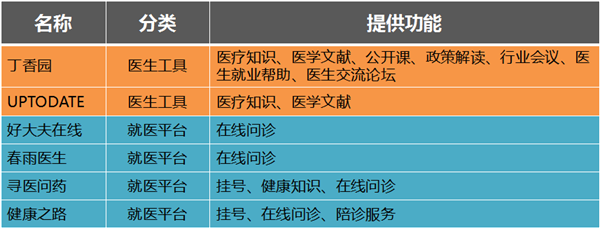
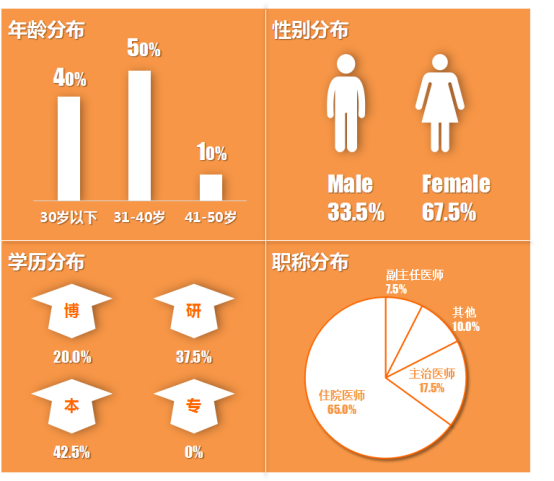
The sample for this survey was derived from a questionnaire administered to nearly 100 physicians and healthcare professionals across 16 departments at Xinqiao Hospital of the Third Military Medical University in Chongqing, including Dermatology, Orthopedics, Cardiovascular Surgery, Pediatrics, Endocrinology, Neurosurgery, Neurology, Nuclear Medicine, Obstetrics and Gynecology, Hematology, Otolaryngology, Rehabilitation and Physical Therapy, Hepatobiliary Surgery, Nephrology, Traditional Chinese Medicine, Medical Affairs, and Health Economics and Medical Insurance. The sample information is as follows:
Primary Outcomes
● Physicians demonstrate high awareness of medical apps/platforms, with an average awareness of more than three apps/platforms per physician. Among various apps/platforms, DXY is the most well-known.
● Physicians are more familiar with “physician tool” apps/platforms, while there is still considerable room for growth in the penetration of “internet-based diagnosis and treatment” apps/platforms;
● The internet and colleagues/friends are the primary channels for awareness of apps/platforms, with gender and age having a significant impact on information acquisition channels;
● Physicians exhibit high levels of usage and reliance on apps/platforms; over 75% of physicians use such products, and more than one-third use them on a daily basis.
● Male physicians exhibit low adoption rates but high dependency on apps/platforms, whereas female physicians show high adoption rates but low dependency. Adoption rates decline with increasing professional title, while usage frequency remains remarkably consistent across different age groups.
● Most doctors spend between 16 and 30 minutes on apps/platforms, with physicians holding a doctoral degree having the shortest usage time, rarely exceeding 15 minutes;
● Users are relatively satisfied with the aesthetic appeal, practicality, and content quality of medical apps/platforms, but express lower satisfaction with their authority.
● The primary reason physicians do not use medical apps/platforms is their heavy workload and lack of time;
● The demands for medical apps/platforms are diversified, with significant variations in needs among different physicians;
● Doctors are willing to share their professional expertise and services on the platform, but their willingness varies by educational background and gender. For instance, male doctors tend to share experience and professional knowledge, while female doctors are more inclined to provide medical consultation services to patients.
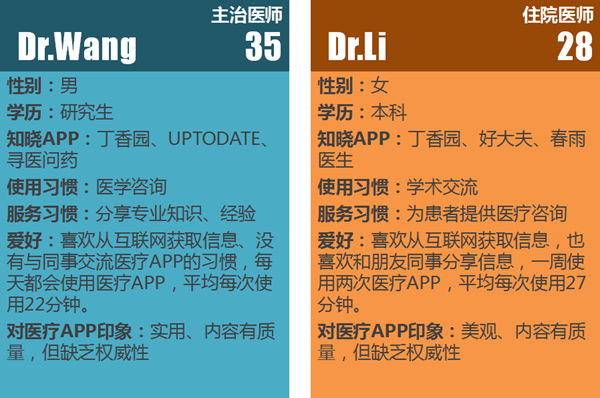
User Persona for Healthcare App/Platform Users
High Physician Adoption of Medical Apps/Platforms
、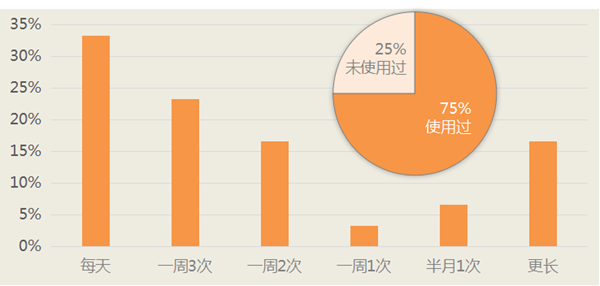
Figure 1: Frequency of Use of Medical Apps/Platforms
Among the surveyed sample, 75% of physicians reported using medical apps/platforms, with usage frequency primarily concentrated in the categories of “daily” and “twice a week.” These two groups accounted for more than 70% of all physicians who had used medical apps. “Daily” was the most common frequency, representing over 30% of users. These figures indicate that physicians exhibit a high level of engagement with and reliance on medical apps/platforms.
There are differences in the utilization of male and female physicians.
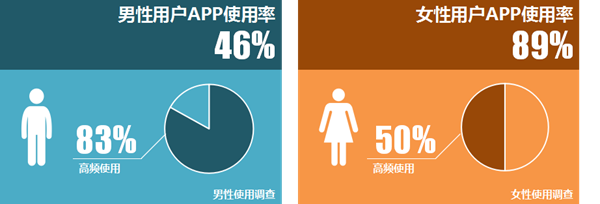
Figure 2: Differences in Medical App/Platform Usage Behavior Between Men and Women
Among the surveyed sample, the app/platform usage rate was 46% for men and 89% for women, significantly higher than that of men. We defined high-frequency usage as using the app/platform at least twice a week, and found that 83% of male users were high-frequency users, whereas only 50% of female users were high-frequency users. This suggests that compared to men, women are more likely to try medical apps, but they use them less frequently, indicating lower user stickiness among women than among men.
Professional Title Is Inversely Correlated with Utilization Rate, While Age Does Not Affect Usage Frequency
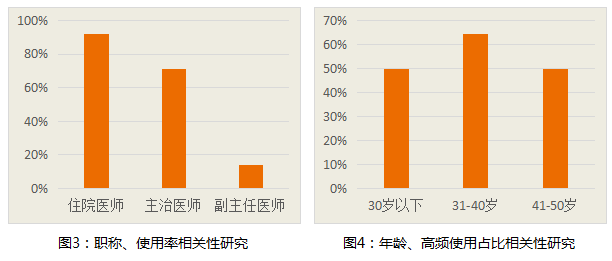
Among the three given professional titles, resident physicians exhibited the highest app/platform usage rate, with over 90% utilizing such tools. Chief physicians followed with a usage rate of 70%, slightly below the average, while associate chief physicians had the lowest usage rate, at less than 15%. This may be because higher professional titles often correlate with older age, leading to a reduced willingness to try new technologies. Additionally, senior physicians possess more robust knowledge reserves and have lower research demands compared to their junior counterparts, resulting in less pronounced demand for these types of tools.
Figure 8 shows that users of healthcare apps/platforms across different age groups exhibit similar usage frequency distributions. This indicates that once individuals try healthcare apps/platforms, users of different ages demonstrate comparable usage frequencies, with high-frequency users accounting for 50% or more in each group.
Most physicians spend between 16 and 30 minutes.
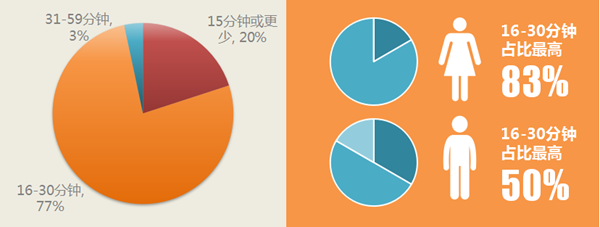
Figure 5:Most physicians' usage time ranges from 16 to 30 minutes.
Among the survey respondents, over 77% of users spent between 16 and 30 minutes per session. In terms of gender, both male and female physicians most frequently reported usage durations of 16–30 minutes. Notably, female physicians’ usage times were more concentrated, with over 83% falling within the 16–30 minute range, whereas only 50% of male users fell into this interval, indicating a more even distribution across different time ranges. Usage duration is often driven by user needs, suggesting that male users may have more diverse requirements, while female users exhibit more focused usage intentions.
Physicians have limited spare time, but such apps/platforms can make full use of their fragmented time to maximize their professional value.
Short App/Platform Usage Time Among Physicians with Doctoral Degrees
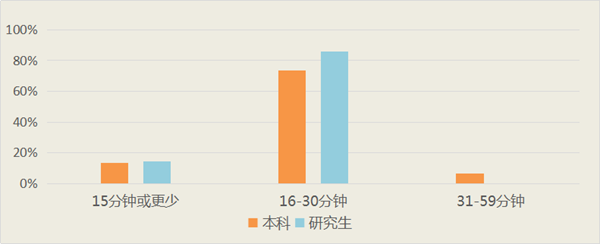
Figure 6: Duration of Medical App/Platform Usage by Users with Different Educational Backgrounds
The usage time of physicians with master’s degrees is similar to that of those with bachelor’s degrees, while the usage time of physicians with doctoral degrees is shorter.Among physicians with master’s and bachelor’s degrees, over 70% spend between 16 and 30 minutes on medical apps/platforms, with similar usage durations observed in both groups. The key difference is that physicians holding a master’s degree rarely exceed 30 minutes of usage, whereas a small proportion of those with a bachelor’s degree use these platforms for more than 30 minutes. Notably, within the survey sample, physicians with doctoral degrees spent no more than 15 minutes on medical apps/platforms. Service providers of such platforms should deeply explore the latent needs of this user segment.
Overall user satisfaction is high, but the platform’s authority needs to be enhanced.
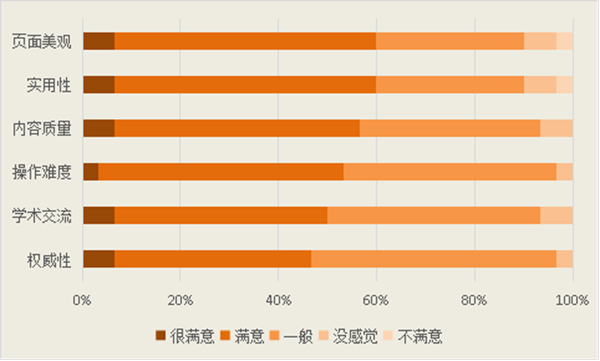
Figure 7: Satisfaction Survey of Medical Apps/Platforms
Users report high satisfaction with medical apps/platforms, with physicians’ dissatisfaction rates across all dimensions remaining below 10%. The highest satisfaction is attributed to page aesthetics and practicality. In terms of usability and content quality, current apps/platforms are already able to meet user needs relatively well. Going forward, providers of internet-based healthcare tools need to deliver more valuable and representative content to enhance industry authority and achieve higher user satisfaction.
Time cost is the key factor affecting physician utilization rates.
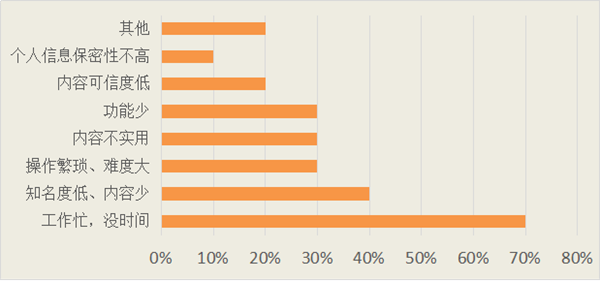
Figure 8: Analysis of Reasons for Non-Use of Medical Apps/Platforms
Busy schedules and lack of time are the primary reasons why physicians do not use medical apps/platforms, affecting 70% of non-users. Effectively reducing the time burden on physicians and providing more convenient and efficient support has become key to attracting potential users of medical apps/platforms.
Higher Ranking in Awareness of Physician Tools
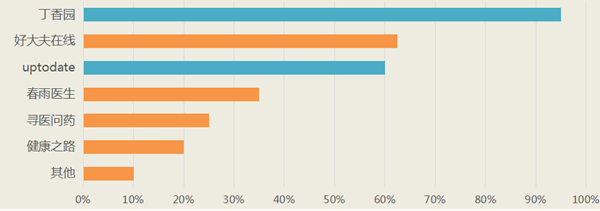
Figure 9: Awareness of Medical Apps/Platforms
We selected six well-known medical apps/platforms, including physician tools and online consultation platforms, to conduct an awareness survey among physicians. The survey results showed that DXY is the most widely recognized medical internet tool, with 95% of the surveyed physicians indicating they were aware of or had heard of DXY. Among all the apps/platforms surveyed, three achieved awareness rates exceeding 50%.
UpToDate is the clinical decision support system used by Xinqiao Hospital. At the time of the survey, the system had been deployed at Xinqiao Hospital for only two months, and its awareness among physicians was relatively low.It is worth noting that awareness of physician-oriented tools ranks relatively high. This is because physicians need to leverage these tools to enhance their professional competence and expertise, a finding corroborated by the aforementioned needs survey, which indicated a strong willingness among physicians for self-improvement. Awareness of online consultation platforms among physicians mostly ranges between 20% and 60%, indicating low penetration rates and considerable room for growth.
Most doctors are aware of more than two apps/platforms.
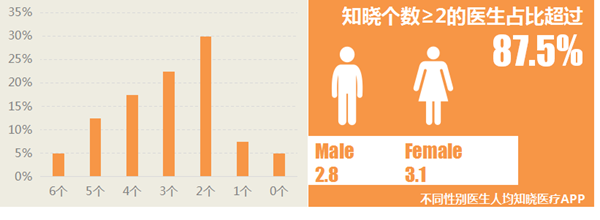
Figure 10: Per Capita Awareness of Healthcare Apps/Platforms
On average, physicians are aware of three medical apps/platforms, with over 87% knowing more than two. The majority of physicians are familiar with 2–4 apps/platforms, accounting for 70% of the total sample size, while the proportions of physicians outside this range are gradually decreasing.
On average, women are aware of 3.1 medical apps/platforms, higher than the 2.8 for men. Information about medical apps spreads more widely among female physicians, which may be related to women’s social habits.
Personal Background Influences Channels for App/Platform Awareness
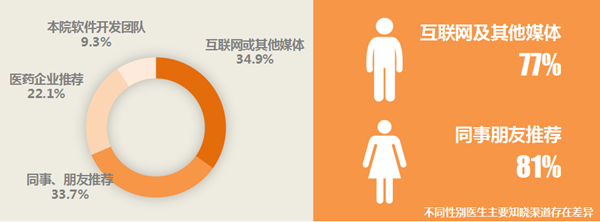
Figure 11: Differences in Information Acquisition Channels for Medical Apps/Platforms
We provided four channels through which physicians became aware of medical apps/platforms for survey respondents to choose from. The statistical results show that “the Internet and other media” and “recommendations from colleagues and friends” are the primary channels through which physicians learned about medical apps/platforms, accounting for nearly 70% of this population.
There are significant differences in the channels through which men and women obtain information. The primary channel for male physicians to access information is “the Internet and other media,” with over 77% of men having obtained information from medical apps/platforms via this channel.
The primary channel through which female physicians obtain information is “recommendations from colleagues and friends,” with 81% of respondents selecting this option. In contrast, only 50% of male physicians chose this channel, a figure significantly lower than that of their female counterparts. This suggests that the stronger social orientation among female physicians facilitates the dissemination of information via medical apps/platforms, as they are more inclined to accept information shared by colleagues and friends.

Figure 12: Differences in Acquisition Channels for Medical Apps/Platforms Among Physicians of Different Age Groups
Compared with senior physicians, junior physicians are more likely to learn about medical apps/platforms through “recommendations from colleagues and friends,” although “the internet and other media” also serve as important channels for this group. In contrast, senior physicians tend to obtain information on medical apps/platforms primarily from “the internet or other media” and “recommendations from pharmaceutical and healthcare-related companies.”
Medical app/platform service providers need to develop different promotional strategies for doctor groups of different genders and ages to seek better communication efficiency.
Diversified Usage Demands for Medical Apps/Platforms
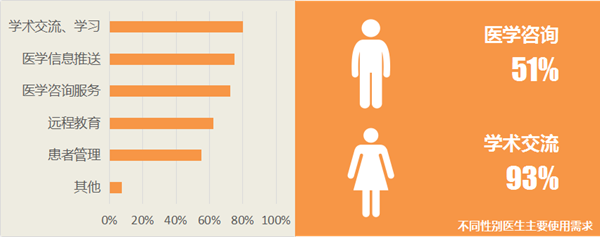
Figure 13: Survey on the Demand for Using Medical Apps/Platforms
The average demand for medical apps/platforms per physician exceeds three categories. Physicians’ needs are diverse, with the highest demand observed in academic exchange, medical information dissemination, and medical consultation services; each of these individual categories is sought by over 70% of physicians.
There are significant differences in the usage needs between male and female physicians. The primary need for male physicians is medical consultation, with 51% of them expressing this demand. In contrast, the primary need for female physicians is academic exchange, with a striking 93% indicating this requirement.
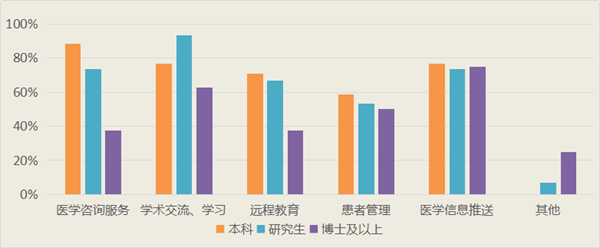
Figure 14: Differences in Needs Among Users of Medical Apps/Platforms with Different Educational Backgrounds
Differences in usage needs are also reflected in educational background. Physicians with a bachelor’s degree have the greatest demand for medical consultation services; those with a master’s degree prioritize academic exchange and learning; while those with a doctoral degree show the highest demand for medical information push services. Overall, users of different types have varying usage needs. Providers of healthcare apps/platforms should develop precise and personalized content services tailored to users’ diverse backgrounds, thereby meeting the needs of a heterogeneous user base.
Doctors Are Willing to Share Professional Expertise and Services on the Platform
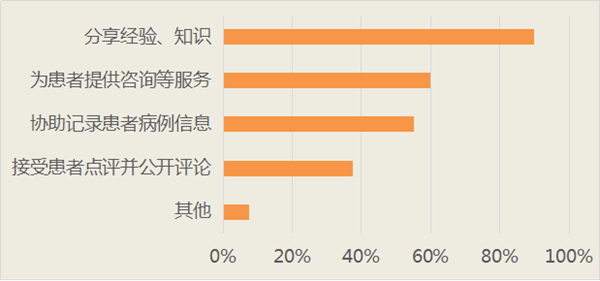
Figure 15: Study on Physicians’ Willingness to Provide Services
Among the entire survey sample, over 90% of physicians expressed willingness to share their knowledge and experience on medical apps/platforms. This willingness was consistently observed across physicians of different genders, educational backgrounds, ages, and professional titles. Furthermore, more than 60% of physicians were also willing to provide consultation services to patients on these platforms, with female physicians demonstrating a higher propensity for patient engagement than their male counterparts.
In summary, physicians demonstrate high levels of both awareness and utilization of medical apps/platforms. They are more familiar with internet-based knowledge services that enhance their professional medical expertise, whereas there is still room for improvement in the visibility of internet tools designed for doctor-patient communication. The user base skews younger overall; while female physicians exhibit higher adoption rates, male physicians report higher frequency of use. Physician needs are diverse, with usage requirements showing certain correlations with educational attainment and gender. Furthermore, physicians express a strong willingness to share knowledge and provide patient services via medical apps or platforms.
These findings prompt new reflections on various dimensions of healthcare apps/platforms, including positioning, target customer selection, feature development, content structure, and promotional strategies. In the future, providers of internet-based healthcare tools must clearly understand the intrinsic needs of physicians with diverse backgrounds, deliver personalized and authoritative value-added content, and enhance their industry visibility and influence. By leveraging cost-effective interactive experiences and targeted marketing strategies, they can uncover a larger base of potential users.