

Shiling Tech Doubles Revenue for Two Consecutive Years by Leveraging RFID in Healthcare IoT
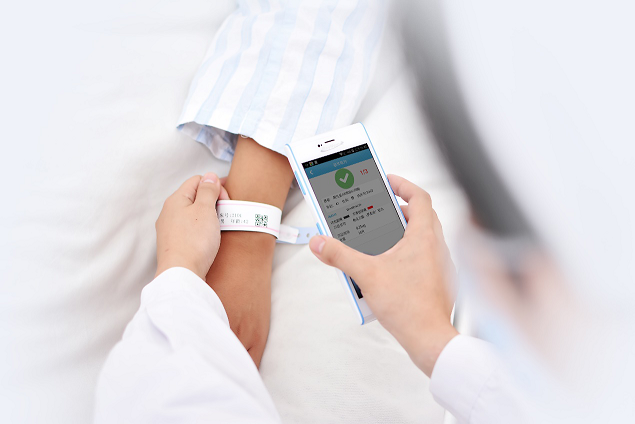
Early in the morning, a nurse from the Hepatobiliary and Pancreatic Center of Wuxi No. 3 People’s Hospital arrived at the patient’s bedside to prepare for blood collection. Holding an SDA device, she gently scanned the patient’s wristband. With a beep, the system instantly verified the patient’s identity. The nurse then scanned the blood collection tube, and a large checkmark (√) immediately appeared on the SDA screen. After completing the two-way matching, the nurse proceeded with the blood draw with confidence.
This scenario is a microcosm of the application of Shiling Technology’s RFID technology in hospitals.
China's First Passive Microwave RFID Enterprise
Wuxi Shiling Technology Co., Ltd. (hereinafter referred to as “Shiling Technology”), located in the Wuxi Sensor Network University Science Park, is a high-tech enterprise dedicated to researching comprehensive solutions in the field of medical Internet of Things (IoMT). Although this startup, founded by overseas returnees, has been in operation for just over seven years, it is the first developer of passive microwave RFID technology in China.
Over the past few years, Shiling Technology has applied for and obtained authorization for more than 60 domestic and international invention patents and copyrights in the field of ultra-high frequency (UHF) and microwave passive RFID technology. Meanwhile, the hospital IoT information integration platform and RFID smart terminal devices developed by Shiling Technology have been deployed in over 340 hospitals across China, including renowned Grade A tertiary hospitals such as The First Affiliated Hospital of Sun Yat-sen University, Sir Run Run Shaw Hospital of Zhejiang University, Sinopharm Zhongyuan Hospital Management Group, and Hebei General Hospital.
Overseas, Shiling Technology has also established collaborations with multiple hospitals and medical groups in Japan and the United States.
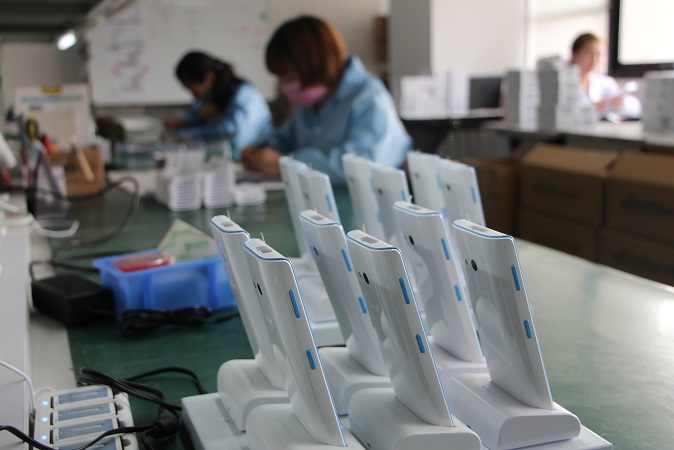
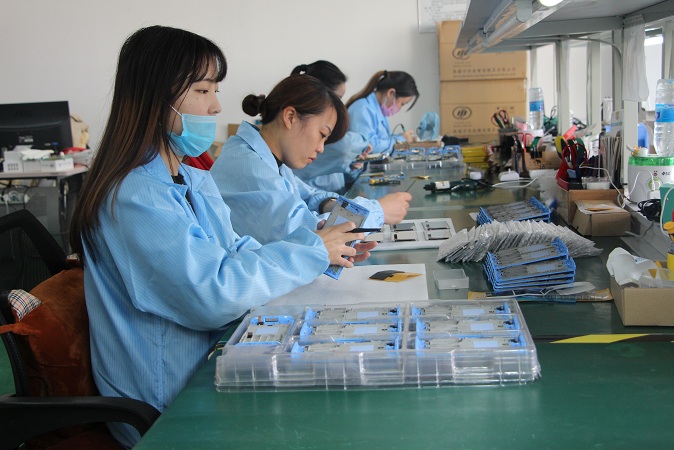
Shiling Technology Assembly Workshop
The Standard-Setter for the Internet of Things
In 2014, the National Development and Reform Commission (NDRC) issued the "Guiding Opinions on Promoting the Healthy Development of Smart Cities." The "Opinions" stated that it is necessary to accelerate the application of the Internet of Things (IoT) in key areas. Efforts should be made to speed up the promotion and application of IoT in urban management, transportation, energy conservation and emission reduction, food and drug safety, social security, healthcare, public livelihood services, public safety, and product quality, so as to improve the precision of urban management and gradually form a comprehensive, perceptible, and widely interconnected intelligent urban management and service system.
Leveraging its leading position in the industry, Shiling Technology was invited by the National Internet of Things (IoT) Basic Standards Working Group to participate in the development of multiple national-level IoT standards. As the primary drafting entity, the company authored three of these standards, including: “Specification for 800/900 MHz RFID Patient Wristband Tags in Medical IoT”; “Specification for 800/900 MHz RFID Handheld Reader/Writer Devices in Medical IoT”; and “Specification for 800/900 MHz RFID Fixed Reader/Writer Devices in Medical IoT.”
In addition, Shiling Technology served as a core member in the development of standards and specifications related to hospital informatization under the National Health and Family Planning Commission, including the Comprehensive Evaluation Indicators for Smart Hospitals, Guidelines on Application Functions of Hospital Information Platforms, Guidelines for Hospital Informatization Construction, and Standards for Informatization Construction.
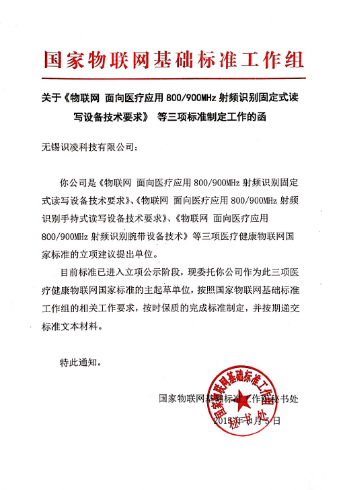
Shiling Technology also participated as a member of the editorial committee in the "White Paper on Internet of Things in Healthcare 2016," which was led and compiled by the Statistical Information Center of the National Health and Family Planning Commission.
A Leader in the Mobile Smart Terminal Market for Nursing Care
Ensuring nursing safety and improving nursing quality are crucial steps in alleviating doctor-patient conflicts.
Currently, medical malpractice incidents occur frequently in hospitals across China, often leading to significant doctor-patient disputes when they arise. Data indicates that 70%–80% of medical disputes are not classified as medical malpractice but are instead caused by improper nursing care. Taking intravenous (IV) infusion, the most common procedure, as an example, nurses are highly prone to administration errors during patient IV management. Strict regulations govern IV medications, dosages, and timing; any deviation in these aspects can potentially result in medical malpractice.
If every patient wears an RFID wristband, nurses can scan the wristband and medication code before infusion to verify their match, thereby minimizing the risk of infusion errors.
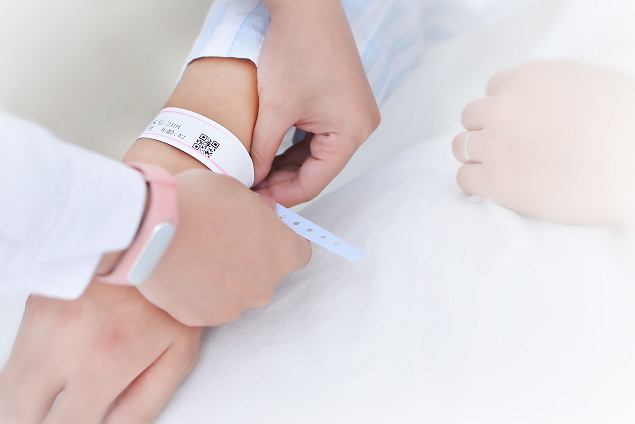
Nurse attaches an RFID wristband from Shiling Technology to the patient.
“Some large hospitals pay out millions of yuan in compensation to patients each year due to medical malpractice alone. Therefore, when hospitals crunch the numbers, it becomes evident that leveraging the Internet of Things (IoT) to enhance healthcare quality is highly cost-effective,” Wang Huaping, Deputy General Manager of Shiling Technology, told VCBeat.
Shiling Technology’s RFID-based Intelligent Hospital Nursing System, built upon hospital wards and aligned with the IoT RFID application needs of healthcare facilities, pioneers the use of ultra-high frequency (UHF) wireless RFID technology in hospital nursing care in China. This system enables comprehensive, contactless patient identification, real-time collection of nursing operation data, procedural verification, and automated documentation.
In July 2013, the Hepatobiliary and Pancreatic Center of Wuxi No. 3 People's Hospital officially launched Shiling Technology’s RFID-based Intelligent Nursing System for Hospitals.
Hua Jiao, Director of the Nursing Department, stated: “The intelligent nursing system ensures that nurses adhere to the ‘three checks and seven verifications’ protocol, thereby reducing nursing errors. Upon admission, each patient is issued an RFID wristband, which serves as a ‘temporary ID’ during their hospital stay. The wristband contains basic patient information—such as name, gender, age, department, bed number, and blood type—as well as data related to medical order processing, laboratory tests, intravenous infusions, and injections.”
Previously, nurses had to spend considerable time at the nursing station manually entering paper-based data into computers, a process that was both mentally and physically demanding. Now, with Shiling Technology’s SDA, nurses can perform direct scanning at the patient’s bedside, eliminating the need to return to the nursing station for secondary data entry.
Compared with the traditional process of “handwriting vital signs data on paper and then entering it into a computer at the nurses’ station,” SDA enables real-time data entry and upload, greatly simplifying operational workflows and improving work efficiency.
According to hospital feedback, after implementing Shiling Technology’s RFID-based Smart Nursing System, healthcare staff reduced query time by 90%, saving an average of 58 minutes per day, while daily walking distance decreased from 10 kilometers to 7.5 kilometers; patient satisfaction rose from 96.3% to 99.3%. Currently, Wuxi No. 3 People’s Hospital has rolled out the system across all its inpatient wards.
After seven years of development, BayNexus has become one of the most recognized brands in China’s nursing endpoint market.
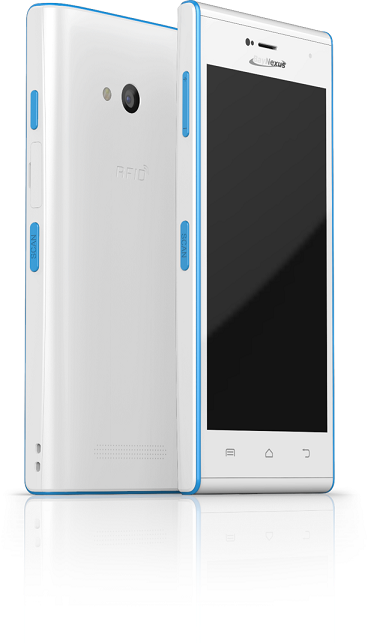
Mobile Smart Terminal SDA-G03S Series Products
Overall Solution for the Medical Internet of Things
Enhancing medical quality and improving diagnostic and treatment safety are the core demands of hospitals for the Internet of Things.
Furthermore, against the backdrop of healthcare reform, refined hospital management has gradually emerged as a key future trend. This trend has become increasingly pronounced following the elimination of drug markups and the promotion of third-party testing and inspection centers. For hospitals, effective control of high-value consumables, improved utilization efficiency of large-scale medical equipment, stringent procurement management, and efforts to increase revenue while reducing expenditures have become essential components of refined management.
Having reaped the benefits from mobile healthcare solutions, Shiling Technology has, since 2016, focused on hospital information infrastructure by leveraging RFID technology to build medical Internet of Things (IoT) platforms and support the development of hospital big data platforms. This platform effectively enables interoperability of medical data and enhances lean management in hospitals.
Wang Huaping told VCBeat, “In the past, when hospitals’ high-value consumables were distributed by the Equipment Department to clinical departments, there was no visibility into which specific patient they were used on, or whether they were actually used or simply lost. However, with the introduction of IoT technology, a closed-loop management system covering the entire process can be established. For instance, hospitals can clearly track which department requested the consumables, which supplier provided them, the procurement price, which department withdrew them from inventory, and ultimately which patient they were used on, as all this information is systematically recorded.”
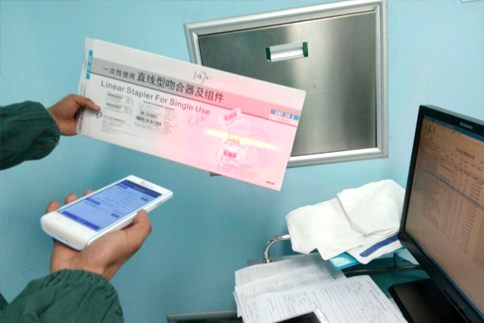
In terms of medical equipment, tertiary hospitals currently hold a substantial amount of fixed assets, yet few possess accurate data. Significant discrepancies between reports from the Finance Department and the Medical Equipment Department are considered quite normal within the industry.
“The barcode-based inventory system we previously used required at least two months for annual stocktaking. Some damaged barcodes were unreadable, and the limited data capacity of barcodes compromised data accuracy. By adopting RFID electronic tags, we can achieve comprehensive information capture and full-process traceability, reducing the entire inventory process to an estimated one week,” said the president of a Grade A tertiary hospital.
In response, Wang Huaping stated, “Assume a hospital has ten ultrasound machines and generates total annual revenue of RMB 10 million; the average revenue per machine would be approximately RMB 1 million. However, it is impossible to verify the specific contribution of each individual device. By implementing refined management through the Shiling SDA Equipment Management System, hospitals can clearly ascertain the economic benefit generated by each piece of equipment.”
In the past, hospitals tended to purchase additional equipment when their overall financial performance was strong. However, with the implementation of refined management, hospital equipment departments now first analyze the cost-effectiveness of each piece of equipment. If a particular device is found to have low utilization, it indicates that the hospital does not need to acquire new equipment; rather, it should focus on improving the utilization rate of the existing device.
“Often, repairing a set of medical equipment in hospitals costs more than buying new ones due to the lack of reference data. Now, through the IoT platform, managers can have a clear understanding of the entire product utilization curve, including equipment purchase costs, revenue generated by the equipment, and maintenance expenses.”
Choosing Between Large and Small Hospitals
The Internet of Medical Things (IoMT), currently in a phase of rapid development, has gradually moved past the industry’s exploratory stage.
Currently, Shiling Technology’s primary partners are tertiary (Grade 3A) hospitals, while engagement with lower-tier hospitals, community health centers, and township health centers remains relatively limited, consisting only of scattered pilot projects.。
Wang Huaping stated that the reasons primarily lie in two aspects: first, the hospital’s revenue-generating capacity; and second, the hospital’s mindset.
In central and western China, a significant proportion of secondary hospitals generate less than RMB 100 million in annual operating revenue, with annual IT investments amounting to only several hundred thousand yuan.
Over the past two years, the state has allocated substantial funds to secondary hospitals for infrastructure renewal and modernization. Consequently, new building construction and equipment procurement have become the primary objectives for these institutions, while upgrades to information systems and the Internet of Things (IoT) have been deferred to the next phase.
Furthermore, unlike medical equipment, where a CT scanner begins generating revenue from the moment it becomes operational in a hospital, the direct benefits of information technology upgrades are not immediately apparent. This is also why many hospital presidents are reluctant to adopt the Medical Internet of Things (MIoT).
Particularly in western China, including some Grade 3A hospitals, hospital IT spending is primarily allocated to maintenance fees and the replacement of computer equipment. In fact, these hospitals generate substantial annual revenues. For example, a certain Grade 3A hospital in Shaanxi Province reports an annual revenue of approximately RMB 1.5 billion, with its annual IT investment ranging between RMB 1 million and RMB 2 million, accounting for only one-thousandth of its total revenue.
In eastern regions such as Wuxi, the situation is entirely different. The Wuxi Municipal Health and Family Planning Commission requires hospitals to allocate a proportional share of their budgets to health information technology (IT) infrastructure. For a hospital with an annual revenue of approximately RMB 1.5 billion, this translates to an annual IT investment exceeding RMB 20 million.
“At present, it is not yet the optimal time for comprehensive IoT infrastructure development in hospitals below the secondary level. The mindset of directors at Grade 3A hospitals also requires further cultivation. IoT enterprises must not only achieve continuous breakthroughs in technologies such as sensors and strive to obtain CFDA approval for clinical use, but also sustain their efforts in market promotion,” said Wang Huaping.
Introduction to the Founder of Shiling Technology
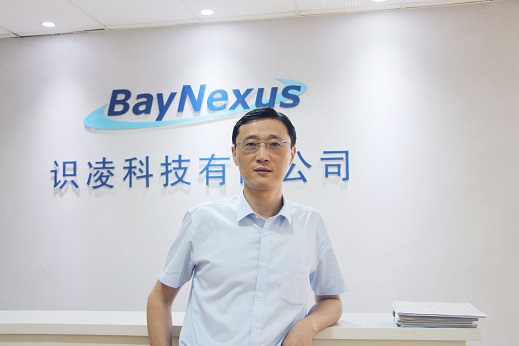
Liu Jun, Founder of Shiling Technology
After obtaining his Ph.D. in Electrical Engineering from McMaster University in Canada in 1999, he spent 11 years in North America engaged in product research and development in the fields of wireless communications and RFID, as well as the implementation of large-scale RFID application projects. He holds over 60 U.S. and international patents and patent applications in the fields of RFID and wireless communications. He subsequently founded enterprises such as “Renji China” and BayNexus Inc. In July 2010, leveraging Wuxi Municipal Government’s policy to attract high-level overseas talent, Liu Jun established Shiling Technology in Wuxi, focusing on the research and development of Internet of Things (IoT) radio-frequency identification (RFID) technologies and application solutions in the smart healthcare sector.
Interviewee: Wang Huaping, Deputy General Manager of Wuxi Shiling Technology Co., Ltd., in charge of the Project Consulting Department
Expert in the field of healthcare informatization, with nearly 20 years of experience in the medical and health informatization industry. Possesses in-depth research expertise in hospital informatization and has participated in the drafting of multiple standards and specifications for the National Health and Family Planning Commission.