China Leads in Multiple Medical AI Applications Despite Gaps in Talent and Data Standardization, Comparative Report Finds

1
# This Week's Hot Topics
# Comparison of the Healthcare + AI Industries in China, the United States, and Europe#
Across the globe, medical artificial intelligence has evolved beyond a mere innovative concept; today, various products developed based on AI technologies are tangibly serving physicians, patients, enterprises, and healthcare institutions.
Recognizing the immense potential of artificial intelligence, countries and regions worldwide are introducing policies and injecting capital to accelerate their strategic deployment. This has led to what some jokingly refer to as the quiet onset of an “AI arms race.” Among all regions globally, the United States, China, and Europe stand out as the most prominent players in medical AI.
# In Literature, There Is No First; In Martial Arts, There Is No Second: VCBeat Reviews the Current State of Medical AI Development in Three Regions from a Clinical Application Perspective to Identify the Leader in the Field
Viewpoint
1、In terms of health data, China’s foundational data volume far surpasses that of Europe and the United States, particularly in medical and health data derived from its large population.
China's volume of foundational data far surpasses that of Europe and the United States, particularly in medical and health data derived from its large population. However, this massive amount of data lacks an ecosystem with unified standards and cross-platform sharing capabilities. Most data remains siloed, resulting in low utilization rates and limited value extraction.
Compared with Europe and the United States, although China’s medical data is vast in volume, there are no detailed legal provisions specifying the ownership, usage rights, storage rights, and trading rights of such data. Current policies merely require the entities managing these data—namely hospitals and government agencies—to safeguard privacy and permit the use of this data for scientific research purposes.
2、In the development of medical AI, China lags significantly behind Europe and the United States only in new drug discovery; in other areas, we are by no means inferior and have even surpassed them by a considerable margin. Nevertheless, it is evident that China needs to increase investment in talent reserves and data standardization.
Medicine is a rigorous science. For entrepreneurs in medical AI to integrate their products into clinical workflows, they must possess a certain medical background to better understand physicians’ needs. Therefore, cultivating interdisciplinary talent at the intersection of medicine and engineering contributes to the healthy development of companies.
Standardized data is a key factor in training AI systems, attracting talent, and accelerating innovation. This also forms the foundation for China’s leadership in global medical AI. To build a more robust data ecosystem, China can establish and implement data standards and open up public data for individual research and development.
Standardization is a critical prerequisite for widespread data sharing and interoperability within systems, enhancing the value of IoT and AI technologies. Given the vast volume of data with untapped potential across China, the country is uniquely positioned to take the lead in ensuring the adoption of Chinese-language data standards.
Report
Comparison of the Healthcare + AI Industries in China, the United States, and Europe: China Leads Globally in Applications Across Multiple Sub-sectors, but Must Catch Up in Talent Reserves and Data Standardization
2
This Week's Headlines

3
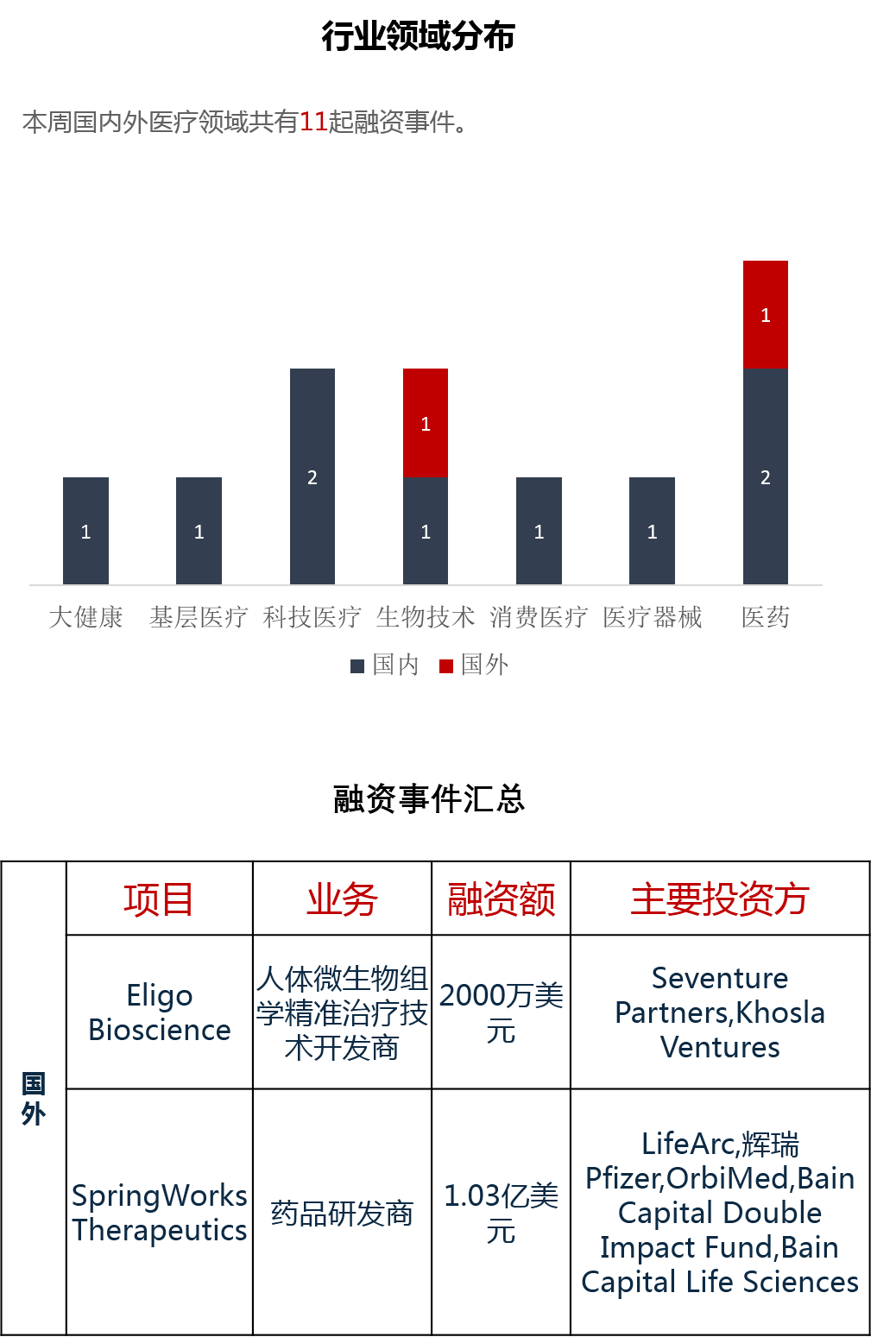
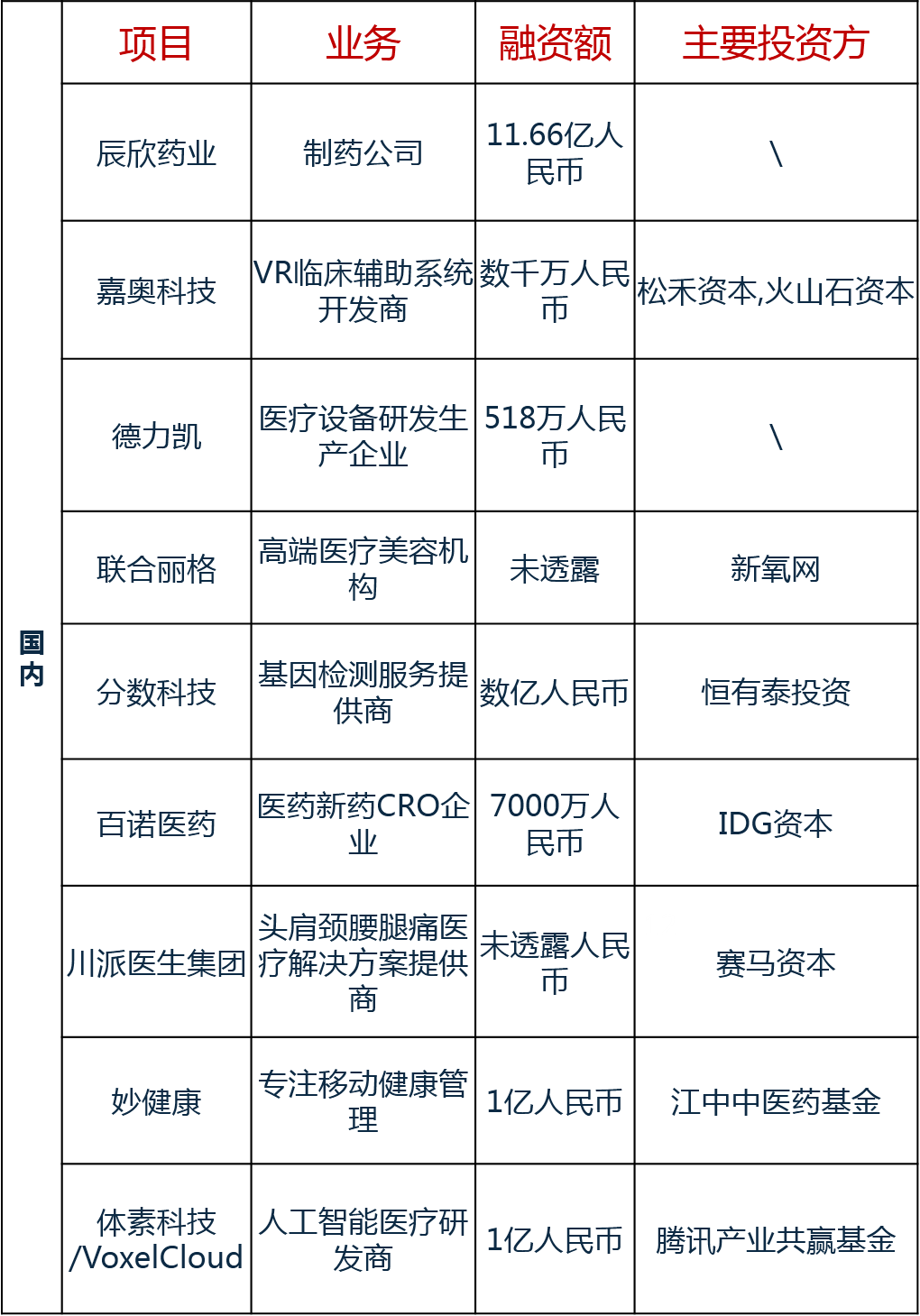
This Week's Financing Events in the Healthcare Sector
4
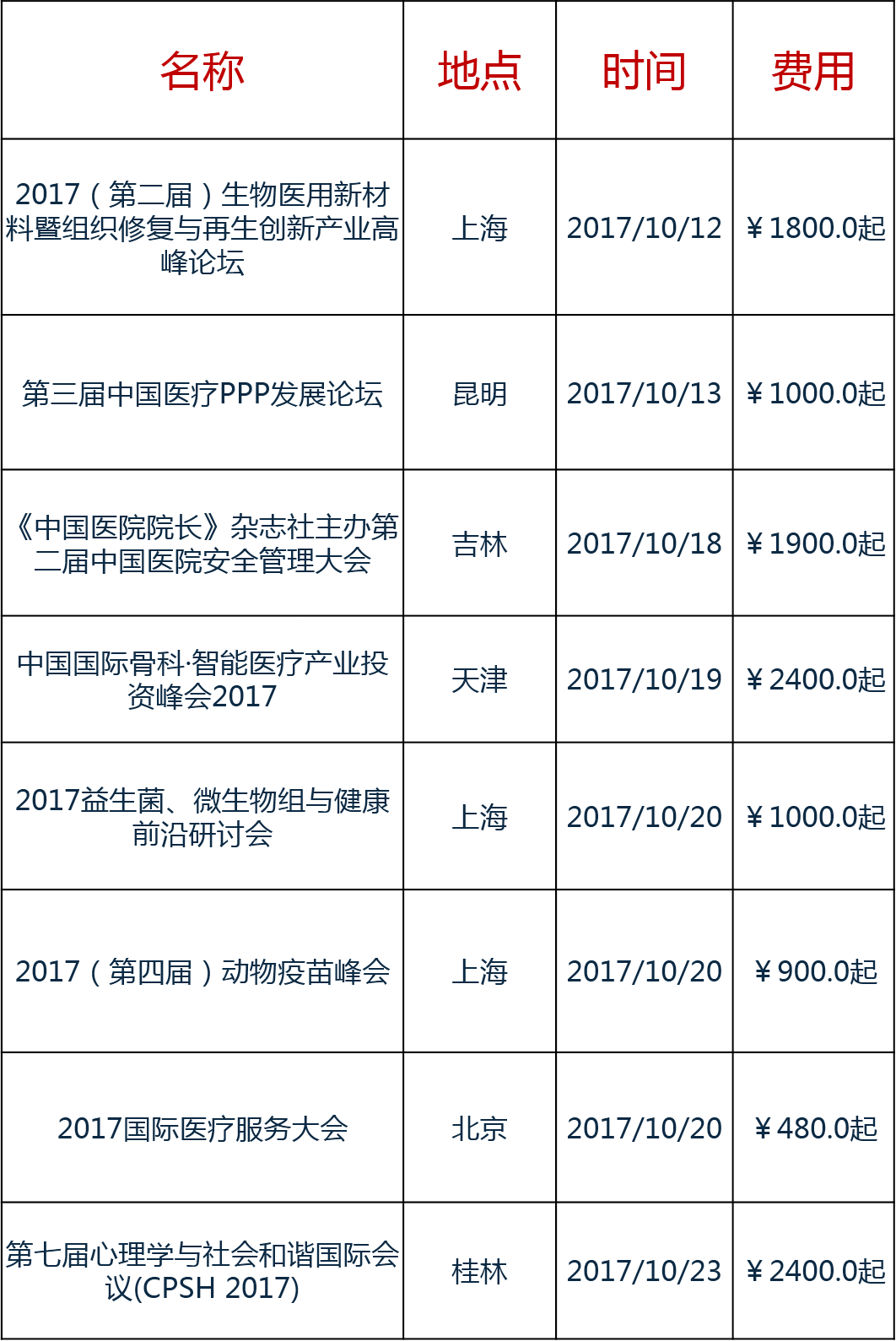
Healthcare Industry Event Preview
5
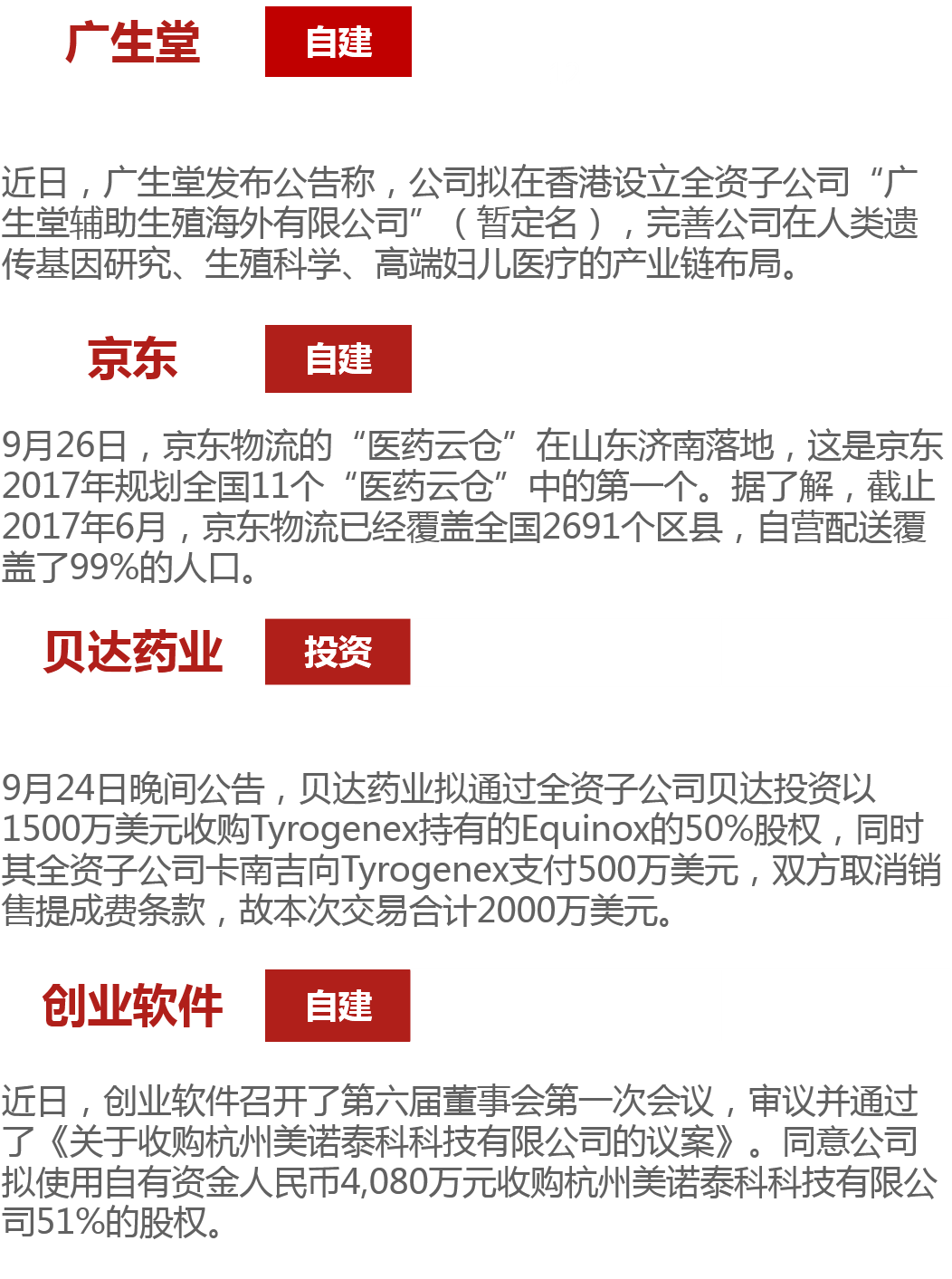
This Week's Industry Updates
6
This Week's In-Depth Report
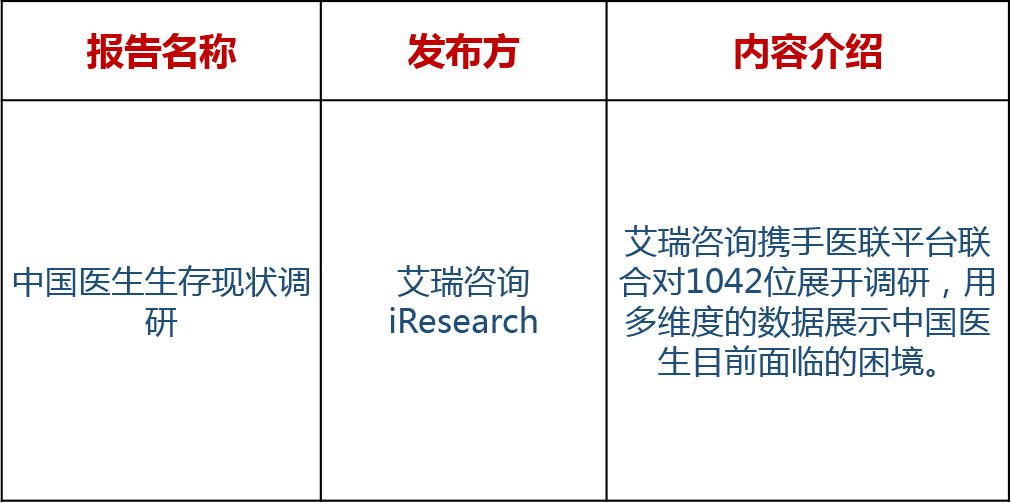
For more content, please visit the VCBeat knowledge base!