

Shengmeifu Technology Integrates AI into Traditional Chinese Medicine's 'Four Diagnostic Methods' to Advance Preventive Healthcare
Imagine the potential outcomes if machine-based equipment were to replace the four diagnostic procedures of Traditional Chinese Medicine: inspection, auscultation and olfaction, inquiry, and palpation.
Since its inception, traditional Chinese medicine (TCM) has continually sought directions for standardization, informatization, industrialization, and modernization. These priorities have also been incorporated into the Outline of the Strategic Plan for the Development of Traditional Chinese Medicine (2016–2030). Many believe that leveraging modern scientific and technological methods to develop TCM diagnostic and therapeutic equipment, and quantifying TCM diagnostic data, constitutes a critical task for advancing the TCM industry.
“Traditional Chinese medicine (TCM) diagnosis and treatment techniques and methods are facing new opportunities and challenges. To adapt to the evolving landscape, it is imperative for the times—and essential for TCM’s own development—to develop TCM diagnostic and therapeutic equipment and enrich TCM diagnostic and treatment methodologies,” stated Wang Guoqiang, Deputy Director of the National Health and Family Planning Commission and Administrator of the State Administration of Traditional Chinese Medicine.
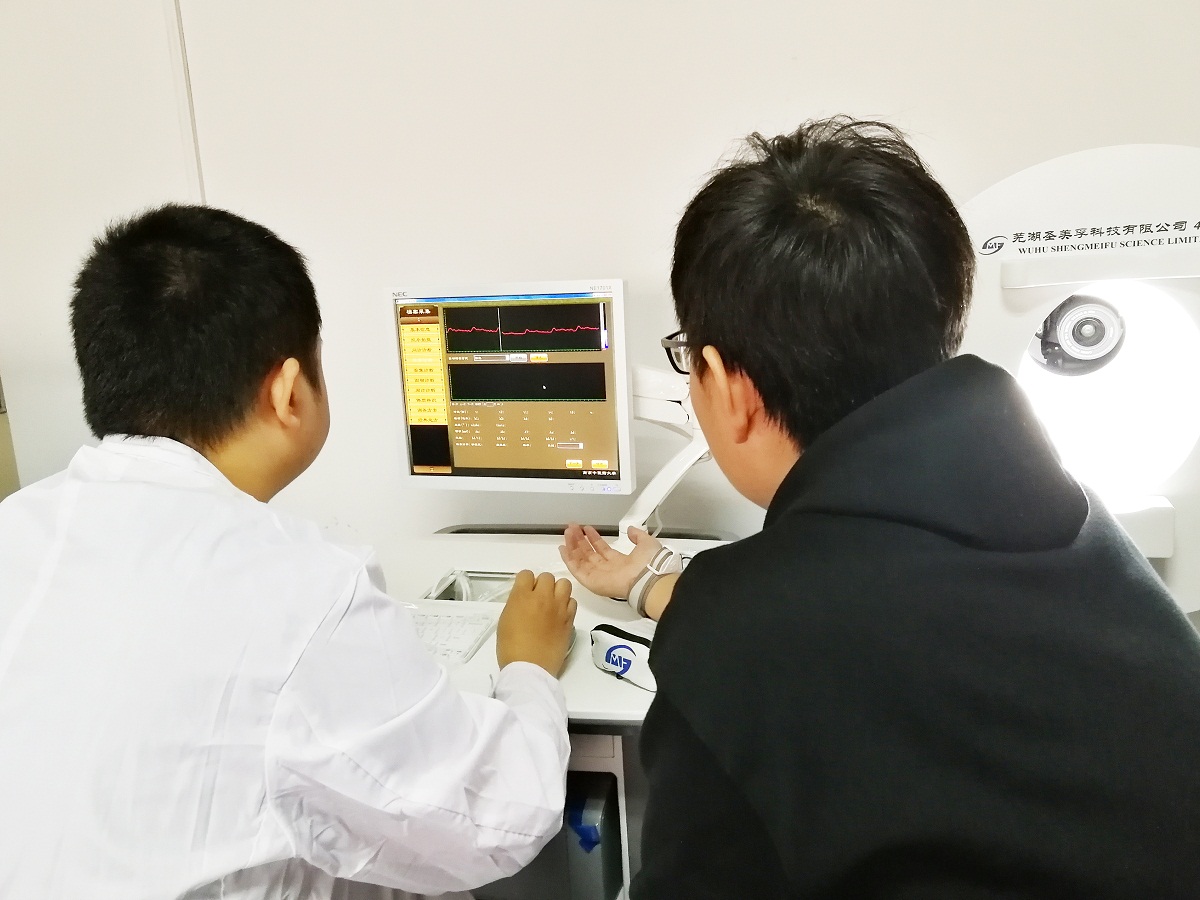
Research on traditional Chinese medicine (TCM) diagnostic and therapeutic equipment has been ongoing for many years, yet few companies have entered this field. Shengmeifu, based in Wuhu, Anhui Province, is one of the companies that has seized the opportunity presented by policy trends.
Shengmeifu Technology is a medical device enterprise specializing in the research, development, and production of traditional Chinese medicine (TCM) diagnostic equipment and human health monitoring systems. In the field of TCM diagnosis and treatment equipment, it is currently the only company in China with fully independent intellectual property rights and complete in-house research and development capabilities for both software and hardware.
How to seize the policy opportunities in traditional Chinese medicine (TCM), how to build an intelligent TCM diagnostic and treatment system, and how to assist thousands of TCM hospitals in achieving informatization and establishing remote consultation services—VCBeat conducted an exclusive interview with Wang Lian, Chairman of Wuhu Shengmeifu Technology Co., Ltd.
Wind Vents
The establishment of Shengmeifu Technology stems from the resurgence of the “preventive treatment” concept in traditional Chinese medicine.
In 2007, Wu Yi, then Vice Premier of the State Council, proposed launching initiatives on the TCM concept of “preventive treatment of disease,” and the Ministry of Health included the “Preventive Treatment of Disease” project in its “Top 100 Projects over Ten Years.”
In 2007, Wu Yi, then Vice Premier of the State Council, proposed at the National Conference on Traditional Chinese Medicine (TCM) to launch and promote TCM “preventive treatment of disease” initiatives in county-level hospitals. In response, the State Administration of Traditional Chinese Medicine promptly initiated pilot programs for “preventive treatment of disease.” A year later, “Preventive Treatment of Disease” centers emerged in pilot TCM hospitals across China.
“Treating pre-disease” and “treating disease” differ by only one character, yet this signifies a shift in focus from a disease-centered approach to a people-centered one. This entails providing wellness and healthcare services targeting chronic diseases and sub-optimal health status, with an emphasis on preventive, self-protective care.
Wang Lian, who was engaged in the R&D and sales of medical devices, had no concept of “preventive treatment” at that time, just like most people. However, he had a vague feeling that this would be an astonishing market.
“We had two simple ideas at the time. The first was to align with national policies. The second was our belief that, while it would be impossible for us to become the number one player in China or globally in any segment of Western medical instrumentation, we could potentially gain a first-mover advantage—and an irreplaceable position—by developing intelligent devices for Traditional Chinese Medicine (TCM),” said Wang Lian.
He believes that intelligent TCM diagnostic and therapeutic devices will be the essential technological support for developing “preventive treatment of disease.”
The market pain points addressed by intelligent TCM diagnostic and treatment equipment are the limited availability of traditional Chinese medicine (TCM) resources and the need to extend “preventive treatment” services for chronic diseases and sub-health conditions to grassroots communities. “Grassroots TCM facilities suffer from shortages of both personnel and technical expertise. Why not deploy intelligent TCM diagnostic and treatment devices, which encapsulate tens of thousands of clinical cases and prescription regimens from renowned experts, to these grassroots settings to overcome the difficulties in implementing ‘preventive treatment’ initiatives?”
After Vice Premier Wu Yi proposed that county-level hospitals implement the TCM concept of “preventive treatment of disease,” Wang Lian led his team to visit 13 top-tier (Grade III, Class A) traditional Chinese medicine (TCM) hospitals across China. They found that none of these hospitals possessed any TCM diagnostic equipment. “With the national government urging county-level TCM hospitals to pilot ‘preventive treatment of disease,’ how can limited medical personnel conduct health diagnostics and monitoring or carry out preventive care without proper equipment?” Wang Lian decided to devote all his efforts to developing TCM diagnostic devices.
In May 2010, the State Administration of Traditional Chinese Medicine issued the “Opinions on Promoting the Development of TCM Diagnostic and Therapeutic Equipment,” aiming to enable such equipment to play a greater role in preserving and leveraging the distinctive advantages of traditional Chinese medicine (TCM), enriching clinical diagnostic and therapeutic methods, and improving clinical efficacy. Subsequently, development goals for TCM diagnostic and therapeutic devices were established to promote their widespread application across healthcare institutions nationwide.
With the promulgation and implementation of the Law on Traditional Chinese Medicine, the standardization and informatization of TCM have created greater market demand for the widespread application of TCM diagnostic and therapeutic devices. Among the 100 Key Initiatives of the 13th Five-Year Plan, Item 32 is “Develop and Apply Medical Devices with Distinctive Advantages of Traditional Chinese Medicine.”
Start
In fact, research on TCM diagnostic equipment has been conducted in China for many years. After the 1970s, the national “Sixth Five-Year Plan” and “Seventh Five-Year Plan” key projects for the development of pulse diagnosis instruments sparked the first wave of research on the objectification of pulse diagnosis across China. Since the turn of the new century, advances in theoretical understanding and the gradual maturation of technology have made it possible to modernize TCM inspection diagnostics.
The Wang Lian team, with extensive experience in the pharmaceutical industry, has collaborated for many years with national-level biomedical research laboratories, including those at Tianjin University of Traditional Chinese Medicine and Tianjin University. The team has been consistently engaged in the research and clinical development of traditional Chinese medicine (TCM) diagnostic equipment.
In February 2011, Shengmeifu Technology received policy support from the Ministry of Science and Technology under the “Innovation Fund for Small and Medium-sized Technology-based Enterprises.” In May, its product registration was successfully approved, filling a gap in domestic TCM diagnostic equipment and becoming an important tool for the TCM concept of “preventive treatment of disease.”
Currently, Shengmeifu Technology’s Integrated Traditional Chinese Medicine (TCM) Diagnostic System comprises five major modules: the TCM Pulse Diagnosis System, the Tongue and Facial Diagnosis System, the TCM Constitution Identification System, the Personalized Health Preservation and Conditioning System, and the Classic Prescription System. The system incorporates products such as the constitution identification module, TCM pulse diagnostic instrument, TCM tongue diagnostic instrument, TCM facial diagnostic instrument, TCM four-diagnostic instrument, TCM meridian detection system, and TCM auricular point diagnostic instrument.
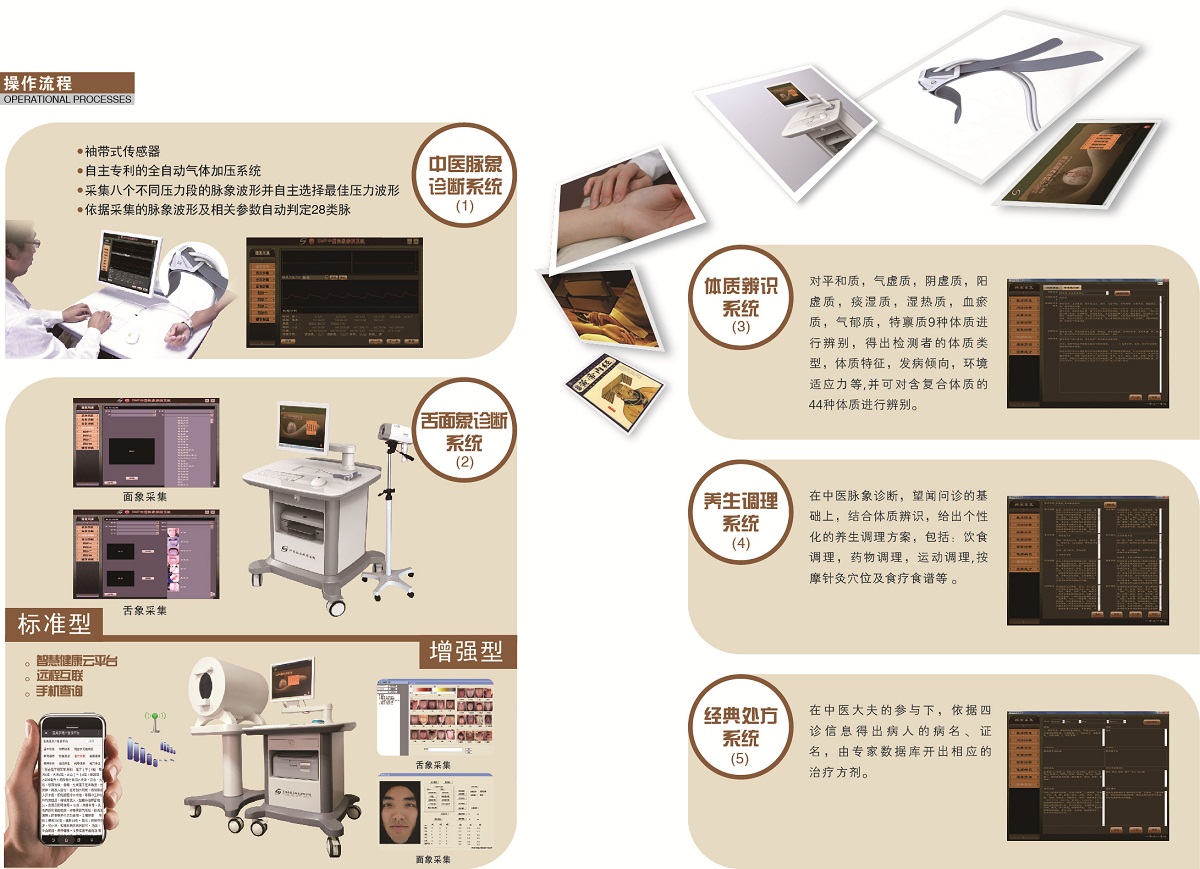
Comprehensive diagnosis provides a basis for clinical practice in Traditional Chinese Medicine (TCM), enabling the assessment of an individual's health status, including constitution type, constitutional characteristics, disease susceptibility, and environmental adaptability. Based on this assessment, personalized wellness and conditioning plans are formulated, encompassing dietary adjustments, herbal interventions, exercise regimens, and medicated diet recipes, along with classic TCM prescriptions.
These product series leverage technologies such as computer science, image processing, standardized atlas-based breakthrough comparison, and data analysis to translate physical health status into digital health metrics through the device’s implementation of Traditional Chinese Medicine’s four diagnostic methods—inspection, auscultation and olfaction, inquiry, and palpation. These metrics are then analyzed against the system’s case database to generate clinical case reports. According to Wang Lian’s recollection, the pulse diagnosis instrument required the most time to overcome technical challenges among all comprehensive diagnostic devices.
Pulse Diagnostic InstrumentBased on Traditional Chinese Medicine (TCM) pulse diagnosis, this instrument employs an automatic air pressure inflation system. Using cuff-style sensors, it detects pulse signals at the three radial artery positions—Cun, Guan, and Chi—mimicking the finger techniques of TCM practitioners. Following the diagnostic procedures of “lifting,” “pressing,” and “searching,” it automatically applies varying levels of air pressure to capture pulses at superficial, intermediate, and deep depths. The system acquires pulse waveforms across eight different pressure segments, automatically selects the optimal pressure waveform, and analyzes parameters related to the pulse’s location, rate, shape, strength, and pulse graph characteristics to identify 28 types of pulse conditions.
In the operational process of establishing the "Preventive Treatment of Disease" department of Traditional Chinese Medicine (TCM) at Shengmeifu Technology, health status and TCM constitutional identification are first conducted through a diagnostic system. Subsequently, physicians interpret the reports, assess risks, and provide health consultations and guidance, followed by health interventions such as clinical treatment and wellness recommendations.
“Intelligent TCM diagnostic and therapeutic devices do not replace physicians; rather, they share a complementary and symbiotic relationship with them. Their integration enhances the efficiency, standardization, and accuracy of TCM diagnosis and treatment,” said Wang Lian. Backed by a robust R&D team, Shengmeifu Technology ensures the annual launch of two new models of intelligent TCM diagnostic and therapeutic devices.
The use of TCM intelligent diagnostic and therapeutic equipment in primary healthcare institutions holds greater significance. The product’s examination capabilities cover the majority of general check-up items required by public health service programs. General practitioners (including village doctors) can utilize the product platform to perform one-click saving of patients’ basic information, examination data, physician diagnoses, and health recommendations—including follow-up schedules—thereby providing authentic and reliable data sources for physicians in their daily public health service work. This establishes the essential preliminary infrastructure for primary healthcare institutions to implement “TCM telemedicine” and “expert-assisted diagnosis.”
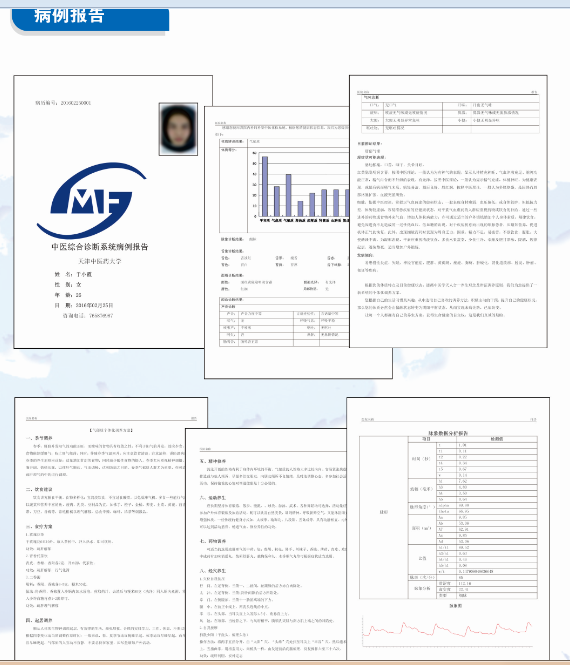
Currently, the Shengmeifu Integrated TCM Diagnostic System has successfully covered markets across 32 provinces and municipalities in China, establishing customer bases in each province with benchmark clients such as Provincial Hospitals of Traditional Chinese Medicine (TCM) and Provincial People’s Hospitals. In addition to hospitals at all levels and “Preventive Treatment of Disease” centers, TCM universities, community health service centers, sanatoriums, and nursing homes are also beginning to adopt intelligent TCM diagnostic and treatment equipment.
Shengmeifu Technology is also collaborating with pharmaceutical companies. In 2015, Conba acquired a 17.75% equity stake in Shengmeifu through “equity transfer plus capital injection.” As part of Conba’s strategic plan, its chain of traditional Chinese medicine (TCM) clinics primarily features Shengmeifu’s TCM diagnostic equipment as the core configuration.
Deeper
Intelligent Traditional Chinese Medicine (TCM) diagnostic and therapeutic devices are far more than just tools for the “four examinations” of inspection, auscultation/olfaction, inquiry, and palpation. The integrated diagnostic system serves not only as a diagnostician but also as a recorder of physiological status.
In the research paradigm of preventive treatment of disease in the big data era, intelligent TCM diagnostic and therapeutic devices collect data on preventive treatment, followed by the establishment of a dedicated database. The system then analyzes and mines this data to identify information and patterns, interpreting deep-seated and implicit insights from massive datasets. These findings are presented intuitively through tables and graphs, providing technical support for research on preventive treatment of disease and health management.
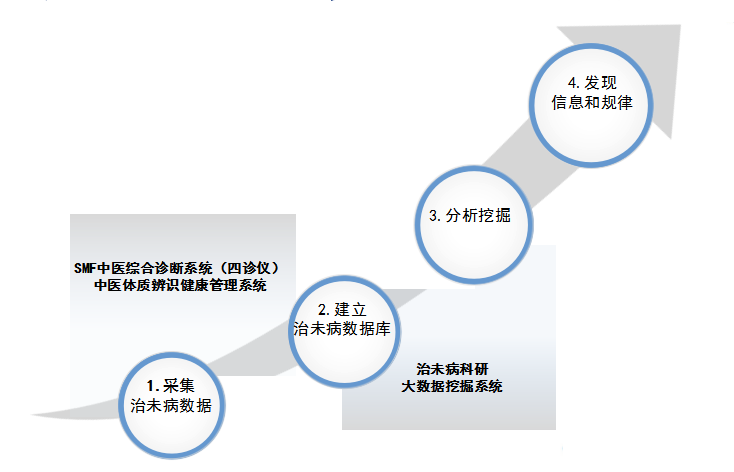
“For Traditional Chinese Medicine (TCM) diagnosis and treatment, the initial consultation is crucial. While physicians cannot be expected to recall a patient’s pulse condition from a week prior, medical devices can record such data. By analyzing data on pulse conditions and other physiological indicators collected at different time points, it becomes possible to prevent and treat potential pathological factors,” said Wang Lian. “Moreover, while traditional TCM prescriptions are not compatible with current Hospital Information Systems (HIS), the data generated by these devices can be seamlessly integrated.”
According to the introduction, each terminal of the integrated diagnostic system is a network-based version capable of independent data storage, with ports available for integration with the Hospital Information System (HIS) and the municipal-level network database.
In the TCM remote expert consultation system built by Shengmeifu, tertiary-level TCM hospitals serve as the core guidance, while county-level TCM hospitals and township community health centers form a network of grassroots departments. This structure establishes a smart healthcare cloud platform that fulfills the requirements for building TCM medical consortia, achieving goals such as telemedicine, multi-site expert consultations, and tiered diagnosis and treatment, thereby strengthening and enhancing grassroots TCM service capabilities.
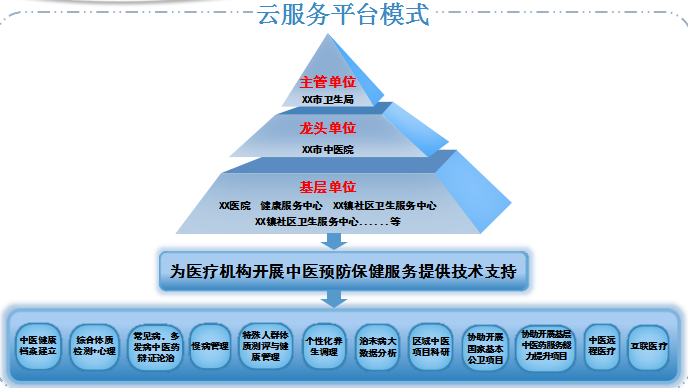
Recent news reports that by the end of September, Shengmeifu Technology had assisted the Health and Family Planning Commission of Xining City, Qinghai Province, in installing the SMF TCM Constitution Identification System at 336 primary healthcare institutions, in accordance with the “Guiding Opinions of the General Office of the State Council on Promoting the Construction of a Tiered Diagnosis and Treatment System,” thereby participating in the establishment of a Traditional Chinese Medicine (TCM) Medical Consortium.
Building a TCM Medical Consortium covering more than 300 primary care collection centers, based on the existing diagnostic centers of Shengmeifu Technology’s clients, including Qinghai Provincial Hospital of Traditional Chinese Medicine, Xining Hospital of Traditional Chinese Medicine, and the Red Cross Hospital.
Within the Traditional Chinese Medicine (TCM) Medical Consortium in Qinghai Province, the Shengmeifu TCM Remote Expert Consultation System and Comprehensive Diagnosis and Treatment System equipment will be utilized to establish a comprehensive collaborative framework among member institutions. This initiative aims to build five major application service systems: patient services, telemedicine and collaboration, remote teaching, diagnostic centers, and pharmaceutical care services.
“As the Director of the National Administration of Traditional Chinese Medicine, I have always had a dream. I hope that by integrating TCM theory with modern science and technology, we can develop a device imbued with TCM thinking—a device belonging to the Chinese people. This is my TCM dream.” The wish made by Wang Guoqiang, Director of the National Administration of Traditional Chinese Medicine, in 2014 has now been realized.