

Allergan's Breakthrough Ophthalmic Drug Ozurdex Receives CFDA Approval as China's First and Only Intravitreal Therapy for RVO-Associated Macular Edema
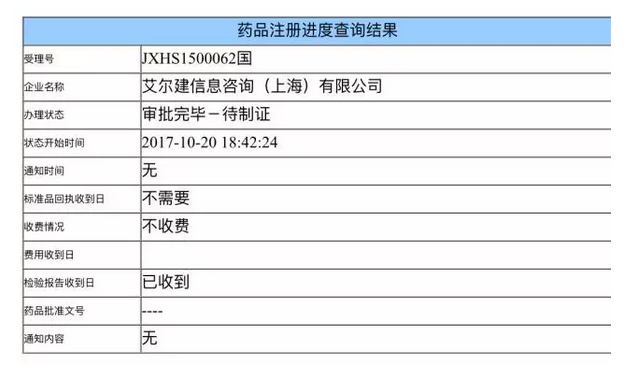
Aodishi Receives CFDA Approval for Market Launch
VCBeat (WeChat: vcbeat) has learned that on October 21, Allergan (NYSE: AGN), a growth-oriented pharmaceutical company, announced that its new ophthalmic drug Ozurdex (dexamethasone intravitreal implant) had received marketing approval from the China Food and Drug Administration (CFDA).
Ozurdex (dexamethasone intravitreal implant) represents a breakthrough treatment for macular edema caused by branch retinal vein occlusion (BRVO) or central retinal vein occlusion (CRVO) in adult patients, marking the first intravitreal injection approved for this indication in China.
Retinal Vein Occlusion (RVO) is a multifactorial retinal disease in which inflammation, neovascularization, and vascular leakage collectively contribute to visual impairment in the affected eye, potentially leading to blindness due to complications.
The major risk factors for retinal vein occlusion (RVO) include advanced age, cardiovascular diseases such as hypertension, and diabetes. With population aging and changes in lifestyle, the prevalence of RVO remains a significant concern, making it the second most common retinal vascular disease after diabetic retinopathy.
Based on the site of venous occlusion, it is classified into central retinal vein occlusion (CRVO), hemi-central retinal vein occlusion, and branch retinal vein occlusion (BRVO). Macular edema is its most common complication and the primary cause of visual impairment. Clinical management typically aims to shorten the disease course and prevent long-term damage, advocating for early interruption of the inflammatory process to avert permanent vision loss.
Macular edema caused by retinal vein occlusion will lead to a visual acuity of less than 0.2 in 58% of patients after 3 years[1], and long-term macular edema is more likely to result in permanent vision loss.
The launch of Ozurdex® will empower ophthalmology healthcare professionals to provide new treatment options for patients with this condition, addressing urgent clinical needs and delivering significant benefits to patients across China.
It has been learned that Allergan, a publicly listed company headquartered in the United States, was founded in 1950. Since its inception, Allergan has been an R&D-focused medical company with a primary emphasis on ophthalmology. In China, the company already offers a portfolio of key ophthalmic products across multiple therapeutic areas, including glaucoma, artificial tears, and corticosteroids. Additionally, it has pioneered novel treatment approaches, such as surgical instruments for minimally invasive glaucoma surgery (MIGS).
In the field of fundus diseases, Allergan has successfully explored sustained-release drug technologies to enhance their bioavailability, thereby achieving safer and more effective therapeutic outcomes.
The GENEVA trial, an acronym for “Global Evaluation of implaNtable dExamethasone in retinal Vein occlusion with macular oedemA,” comprised two large-scale Phase III clinical trials that served as the basis for the approval of Ozurdex® (dexamethasone intravitreal implant).
Early trial results suggest that OZURDEX® 0.7 mg is effective in treating macular edema secondary to retinal vein occlusion (RVO). A single injection provides sustained visual improvement, significantly enhancing vision in patients with branch retinal vein occlusion (BRVO) and central retinal vein occlusion (CRVO), and helping patients rapidly achieve a gain of more than 3 lines in visual acuity.
An open-label extension study was conducted after the 6-month follow-up period, during which patients received retreatment. The primary endpoint was safety at 12 months, while efficacy continued to be monitored. Efficacy results: Patients who received two injections of OZURDEX® had similar or better best-corrected visual acuity (BCVA) compared to those who received a single treatment; patients who initiated treatment earlier achieved better visual outcomes.
Safety outcomes: Consistent with previous studies, the treatment demonstrated a favorable safety profile. The most common adverse reactions were elevated intraocular pressure and cataract formation; however, intraocular pressure was satisfactorily controlled in patients through the addition of intraocular pressure-lowering medications. These findings suggest that early treatment with OZURDEX® for macular edema secondary to retinal vein occlusion is recommended to more effectively improve visual acuity and enhance patients' quality of life.
In 2009, the U.S. Food and Drug Administration (FDA) approved OZURDEX® for the treatment of macular edema caused by RVO, and it received marketing authorization from the European Medicines Agency in 2010.
Previously, pharmacological options for macular edema secondary to retinal vein occlusion (RVO) were limited, including intravitreal injections of corticosteroids and anti-vascular endothelial growth factor (VEGF) agents. The approval of OZURDEX®, an implantable sustained-release corticosteroid, provides longer-lasting protection for such patients.
Unlike other traditional therapies, Ozurdex can be implanted into the vitreous body to provide slow and sustained drug delivery, with therapeutic effects lasting up to 6 months. Clinical Study 2 demonstrated that patients experienced significant improvement in visual acuity following treatment with Ozurdex.
Furthermore, Ozurdex® is well tolerated, with a reduced side effect profile compared to intravitreal steroid injections, thereby providing patients with a better treatment experience.
Currently, the efficacy and safety of this drug have been recognized by foreign regulatory authorities such as those in the United States and the European Union, and it has received marketing approval in more than 30 countries and regions worldwide.
The successful approval and market launch of Ozurdex are closely tied to China’s increasingly open medical policy environment. In recent years, the country has continued to deepen reforms of its drug review and approval system to accelerate the market entry of innovative medicines and encourage industry innovation. As a result, Ozurdex was included in the priority review program due to its clear therapeutic advantages over existing treatments and received early approval.
Zhao Ping, President of Allergan China, stated, “The approval of Ozurdex is highly encouraging and inspires us to continue upholding our consistent spirit of forging ahead, bringing more innovative and effective treatment options to patients in China, and helping them unlock their limitless potential for life. Moving forward, Allergan will continue to work closely with relevant government authorities and industry partners to ensure that Ozurdex reaches patients in China as soon as possible.”