Weekly Report: A Comprehensive Review of China's Healthcare, Pharmaceutical, and Medical Insurance Policies in 2017

1
This Week's Hot Topics
#2017 China Healthcare, Pharmaceutical, and Medical Insurance Policy Review#
According to incomplete statistics, by mid-October of this year, national and local competent authorities had successively issued more than 2,000 policies and administrative orders related to the healthcare and pharmaceutical industries.
Among these, national-level competent authorities have issued over 400 policies, while local competent authorities have issued more than 1,600. In terms of issuing bodies, the State Council, the Ministry of Human Resources and Social Security, the National Health and Family Planning Commission, and the China Food and Drug Administration are the primary publishers, with other entities such as the State Administration of Traditional Chinese Medicine and the Ministry of Industry and Information Technology also participating in the formulation of certain policies.
In terms of the key areas covered, high-frequency topics include comprehensive reform of public hospitals, rectification of pharmaceutical distribution, and the development and inheritance of traditional Chinese medicine, as well as payment method reforms. The coverage also extends to new technologies and trends such as “Internet+,” big data, and artificial intelligence.
Perspective
1. Pharmaceutical Regulatory Logic: Eliminating the Non-Essential to Preserve the Essential, Encouraging Innovation
An overview of policies issued in the pharmaceutical industry in recent years reveals three main focal areas: pharmaceutical R&D, pharmaceutical manufacturing, and pharmaceutical distribution and utilization. The strategic direction emphasizes promoting innovation through survival of the fittest, enhancing drug quality via consistency evaluation, and rectifying distribution practices. The policies released this year have continued to follow this approach.
The combination of “replacing business tax with value-added tax (VAT),” the “two-invoice system,” and “distribution sector rectification” helps curb gray-market practices such as invoice trafficking and ticket reselling in pharmaceutical distribution, thereby enhancing industry transparency. Meanwhile, a cohort of high-quality enterprises will leverage their competitive advantages to pursue mergers and acquisitions, driving greater industry consolidation.
A review of the 2017 regulatory policies in the pharmaceutical sector reveals an overarching logic of eliminating the superfluous and retaining the essential, while encouraging innovation. The aim was to gradually dismantle unreasonable practices within the pharmaceutical field, strengthen regulation, and promote sustained, positive industry development. This was achieved by streamlining processes, introducing imported new drugs, and improving the infrastructure of the innovative drug supply chain, thereby boosting the enthusiasm of domestic pharmaceutical companies for research and development innovation.
2. Healthcare: Comprehensive Reform of Public Hospitals + Encouraging Private Investment in Healthcare
Healthcare policies are essentially anchored in two core areas: one is the comprehensive reform of public hospitals, and the other is the encouragement of private healthcare provision.
In terms of comprehensive reform of public hospitals, key initiatives include the separation of pharmaceutical sales from medical services, price adjustments, compensation and personnel reforms, the separation of government administration from hospital management, and the implementation of tiered diagnosis and treatment. Regarding the encouragement of private healthcare provision, key focuses are the development of third-party medical services, the promotion of elderly care services, and the relaxation of regulations on clinic establishment.
Regarding objectives, the Opinion requires that all tertiary public hospitals participate and play a leading role; in each prefecture-level city of provinces piloting comprehensive medical system reforms, as well as in cities piloting tiered diagnosis and treatment, at least one medical consortium with demonstrated effectiveness shall be established. By 2020, on the basis of summarizing pilot experiences, the construction of medical consortia will be comprehensively advanced to form a relatively complete policy framework for medical consortia. All secondary public hospitals and government-run primary healthcare institutions shall fully participate in medical consortia.
Report
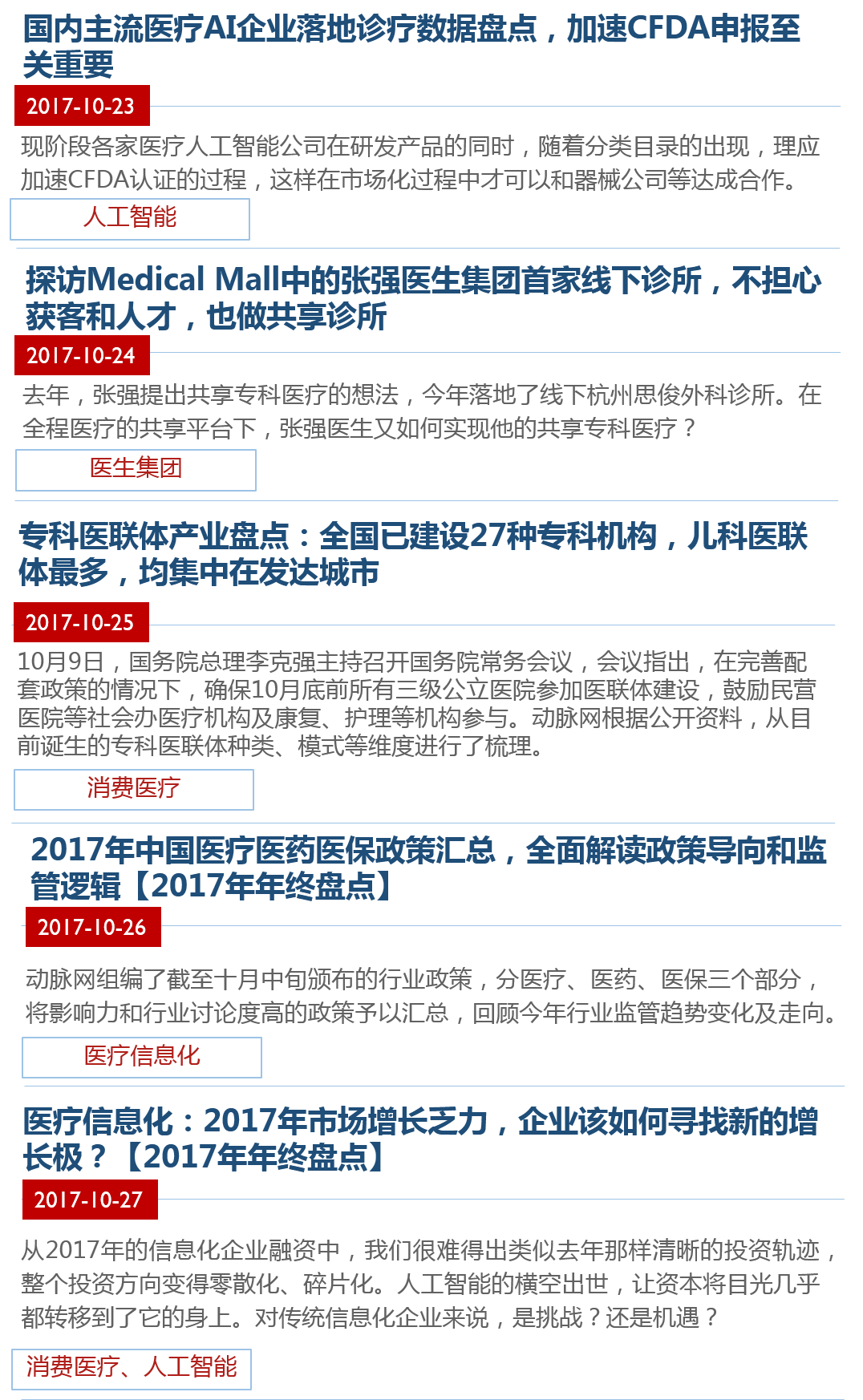
Summary of China’s 2017 Policies on Healthcare, Pharmaceuticals, and Medical Insurance: A Comprehensive Analysis of Policy Directions and Regulatory Logic [2017 Year-End Review]
2
This Week's Headline Report
3
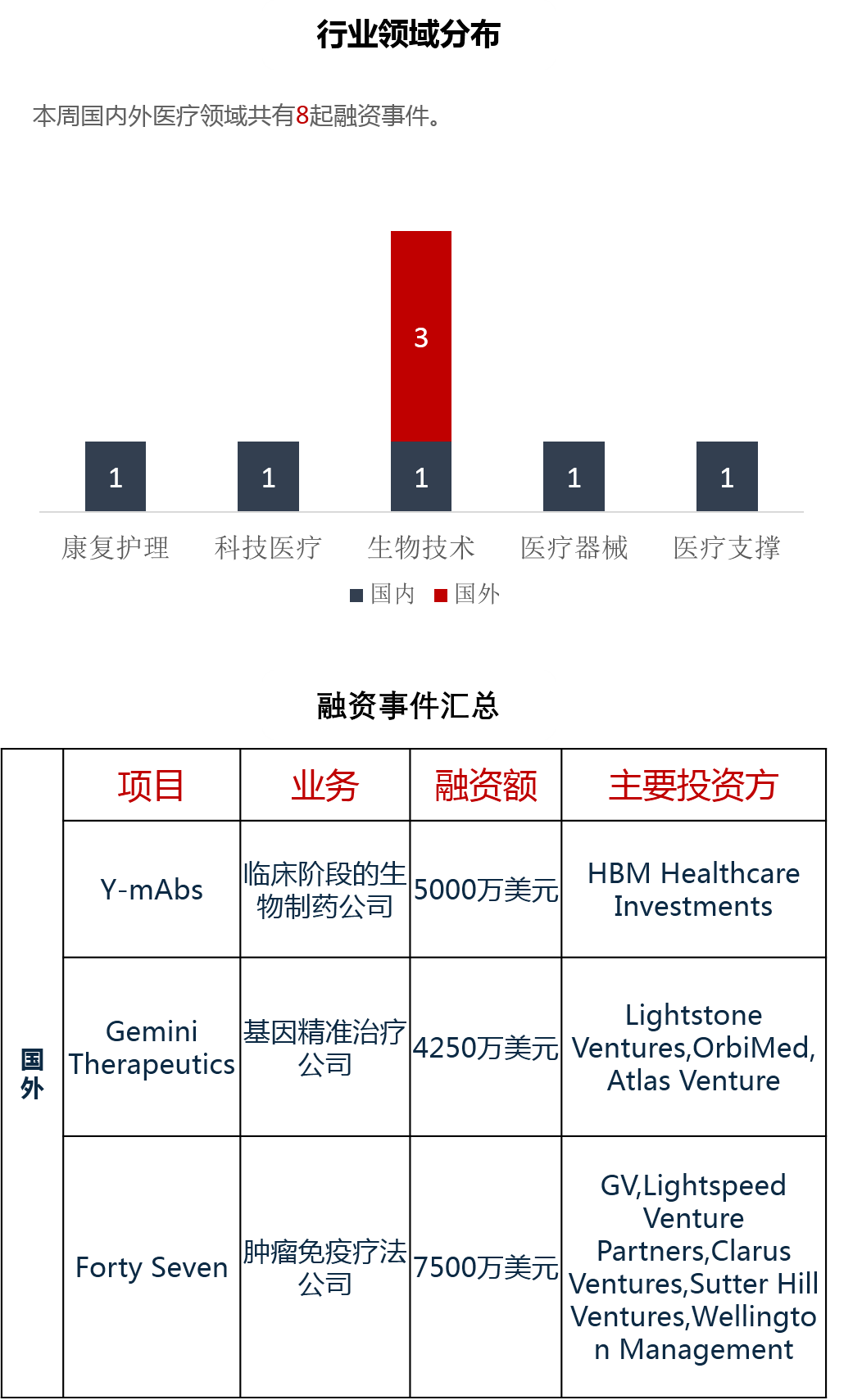
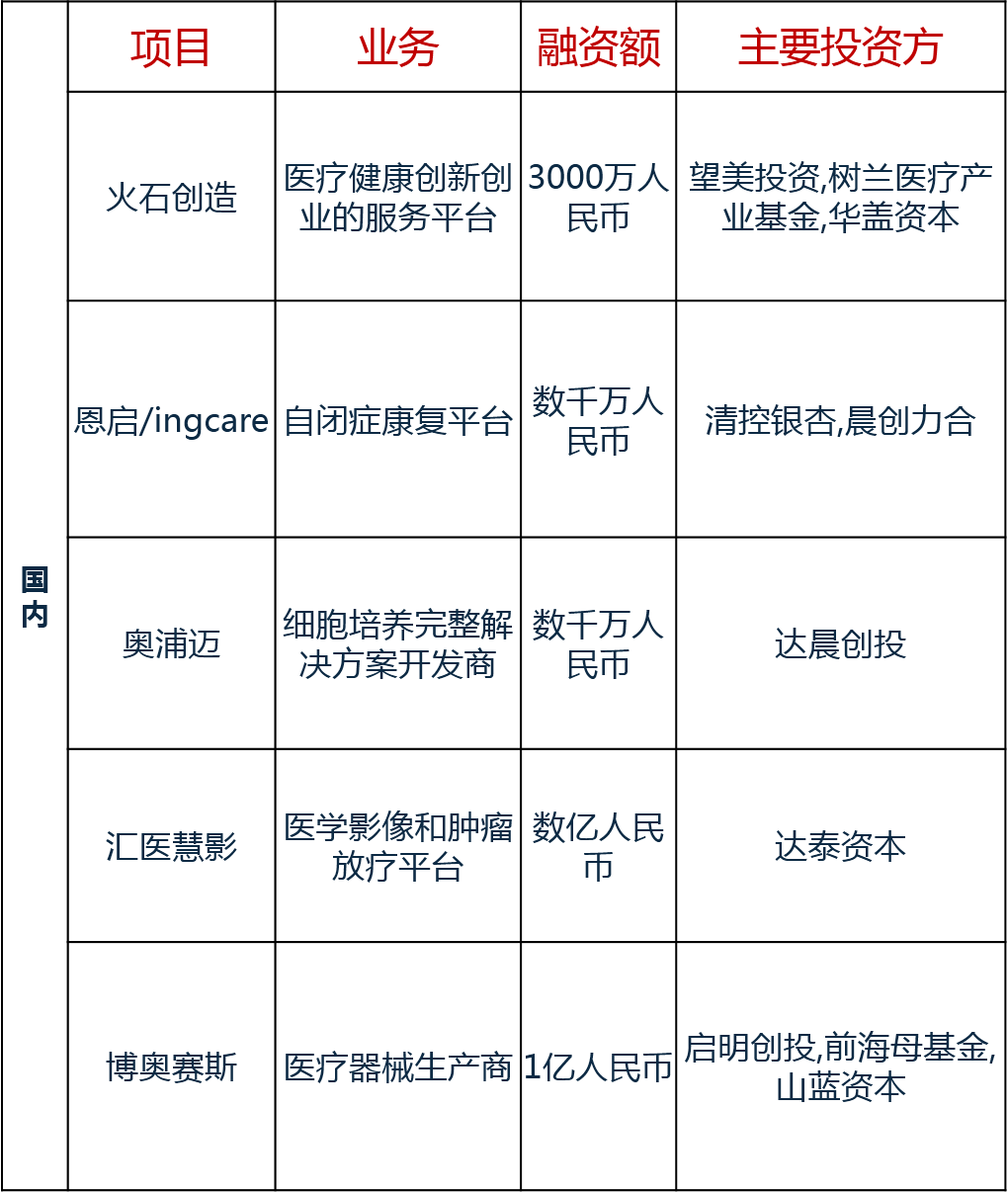
This Week's Financing Events in the Healthcare Sector
4
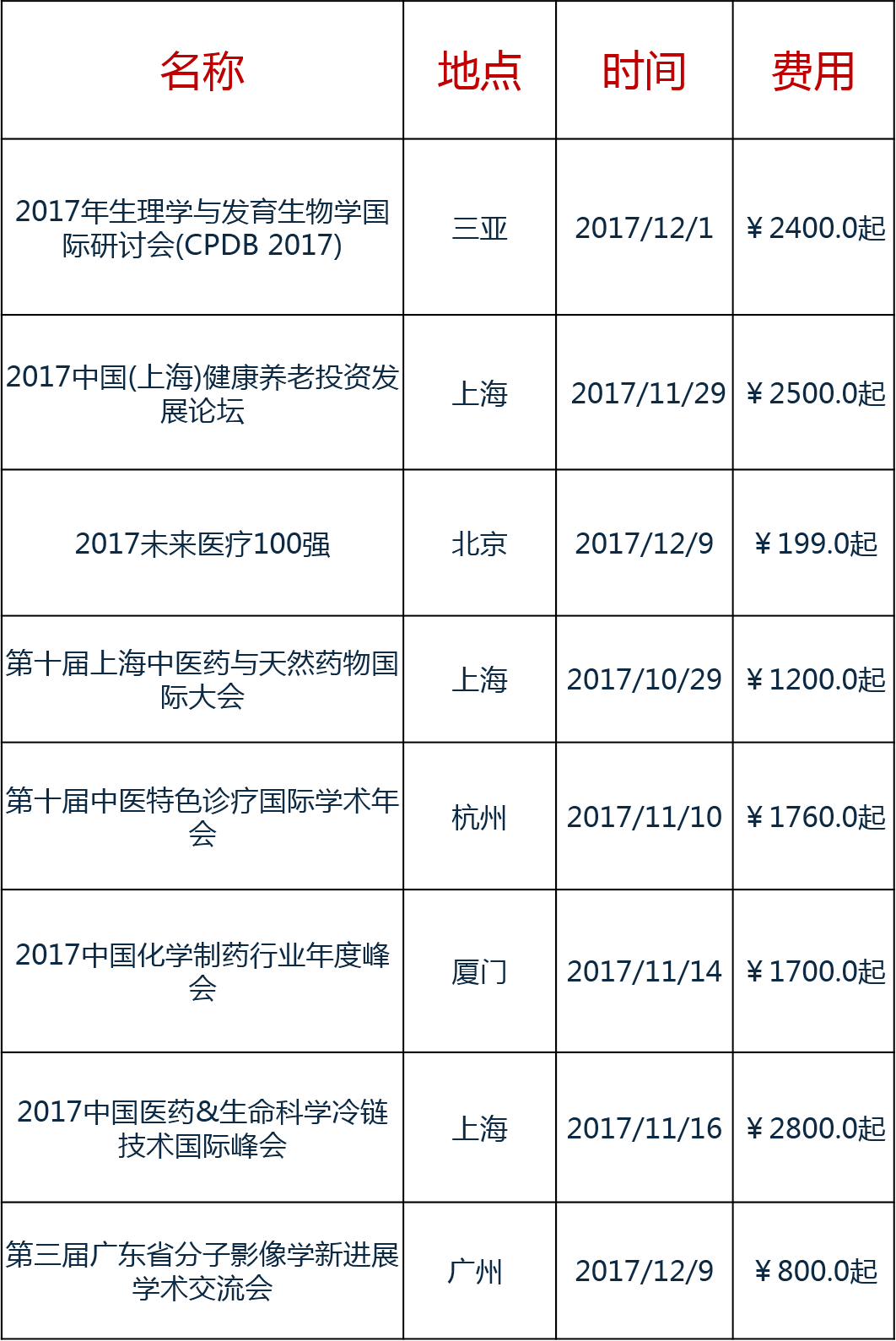
Healthcare Event Preview
5
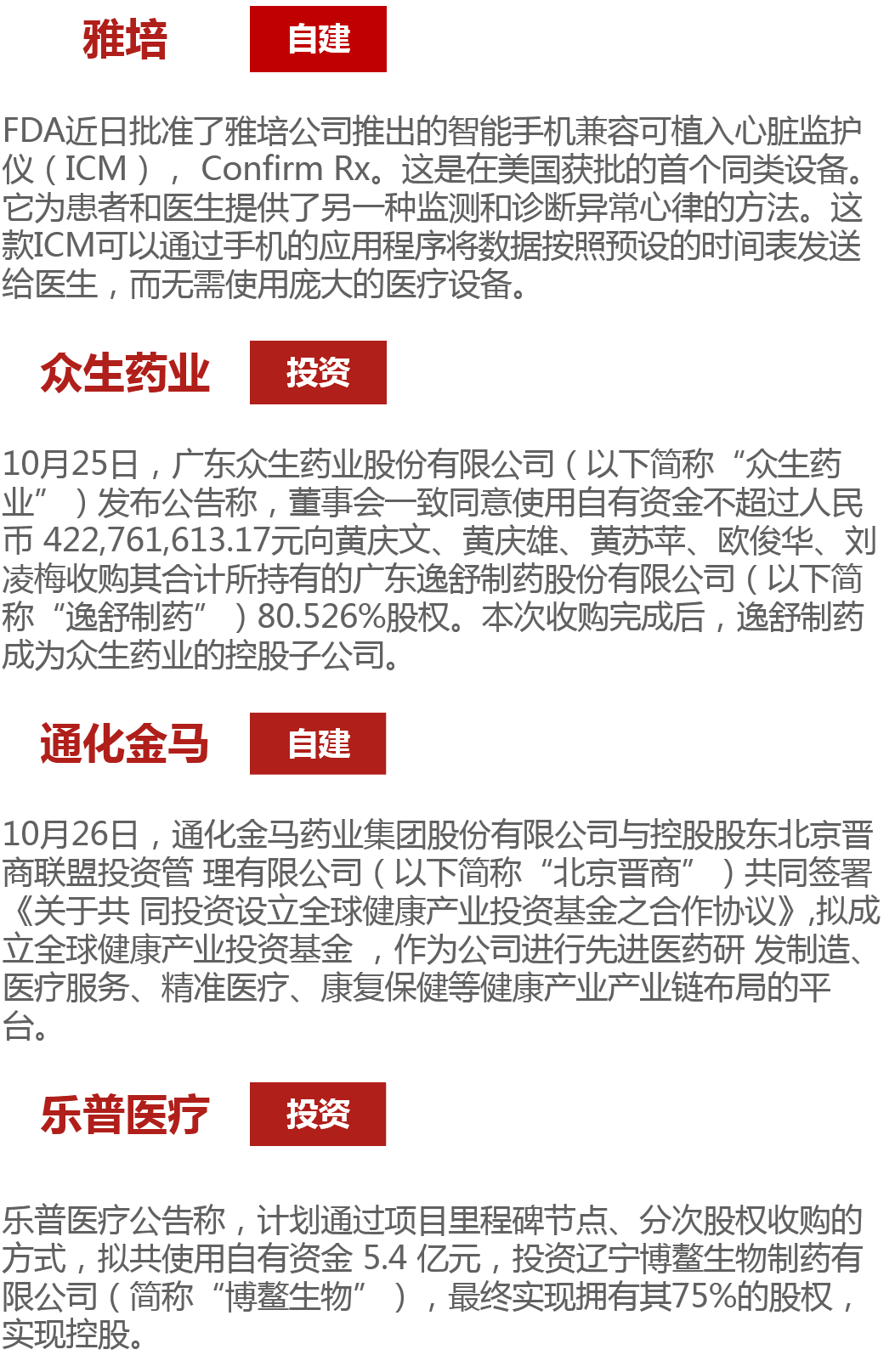
This Week's Industry Updates
6
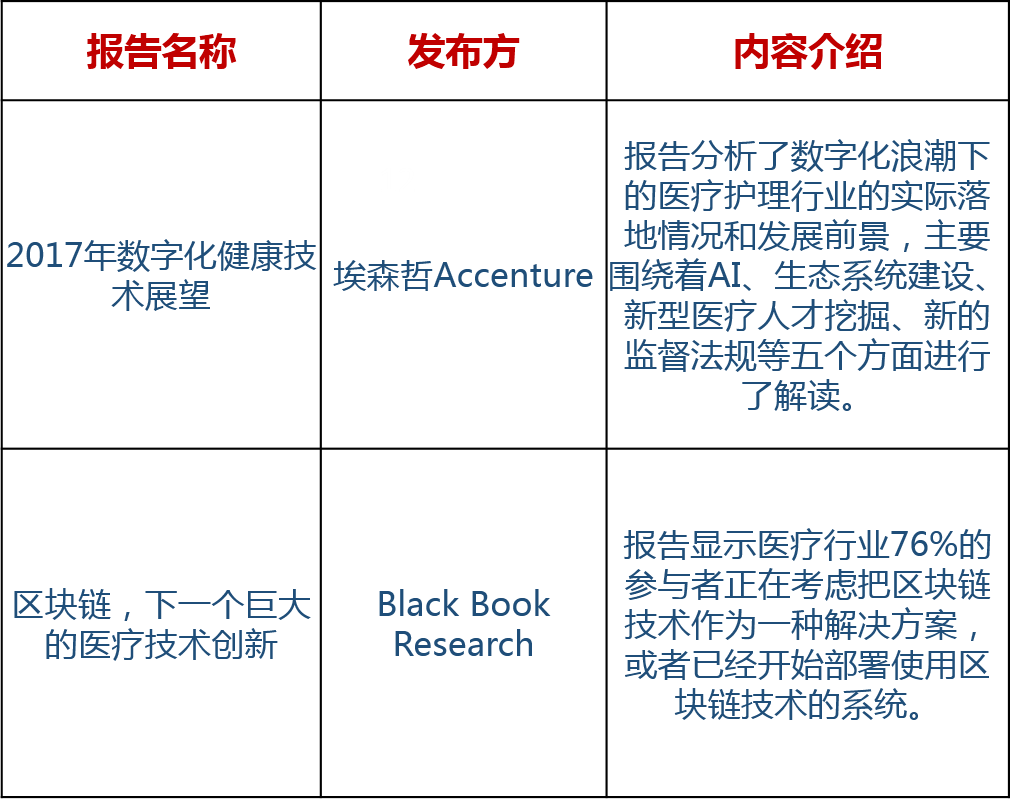
This Week's In-Depth Report
7
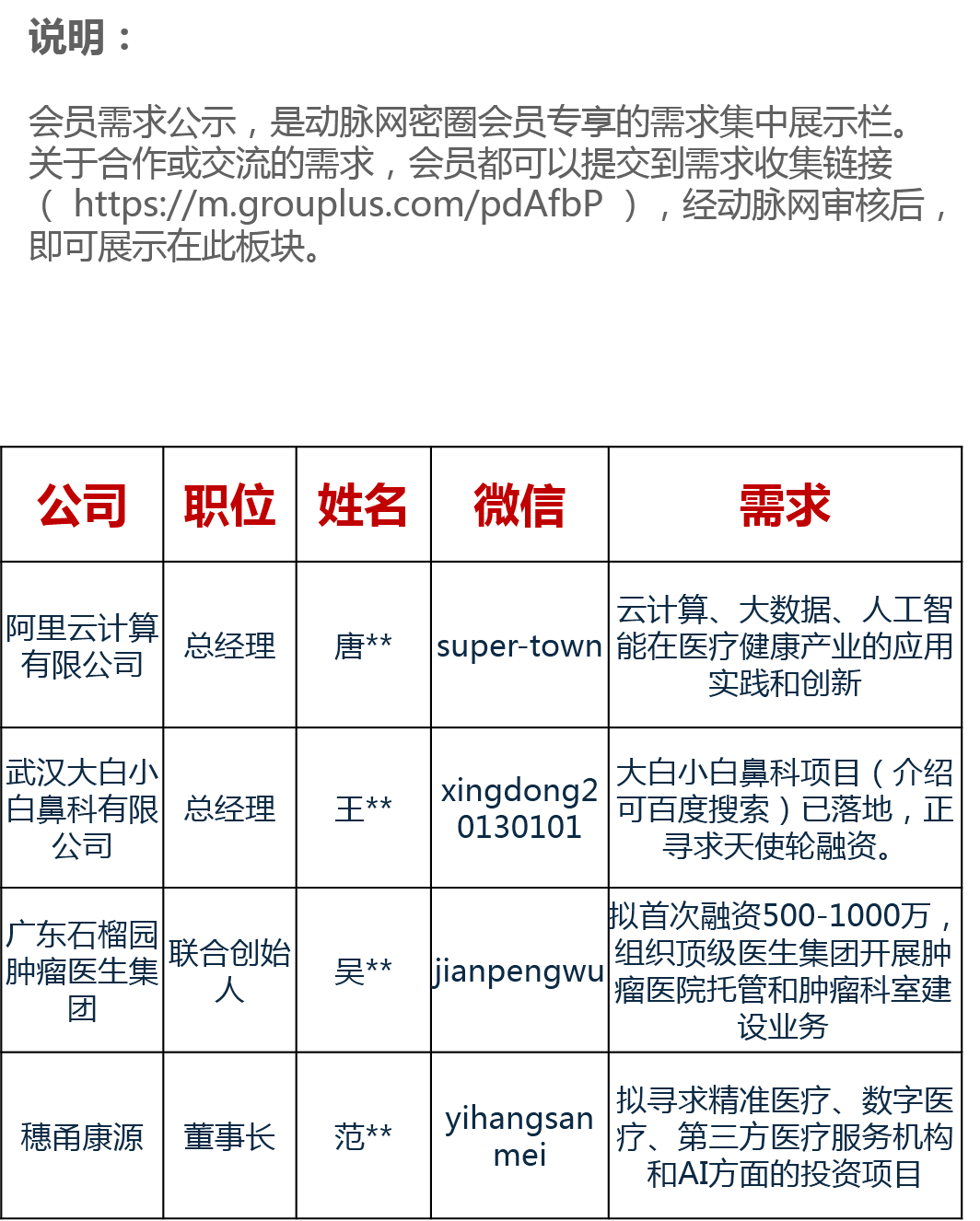
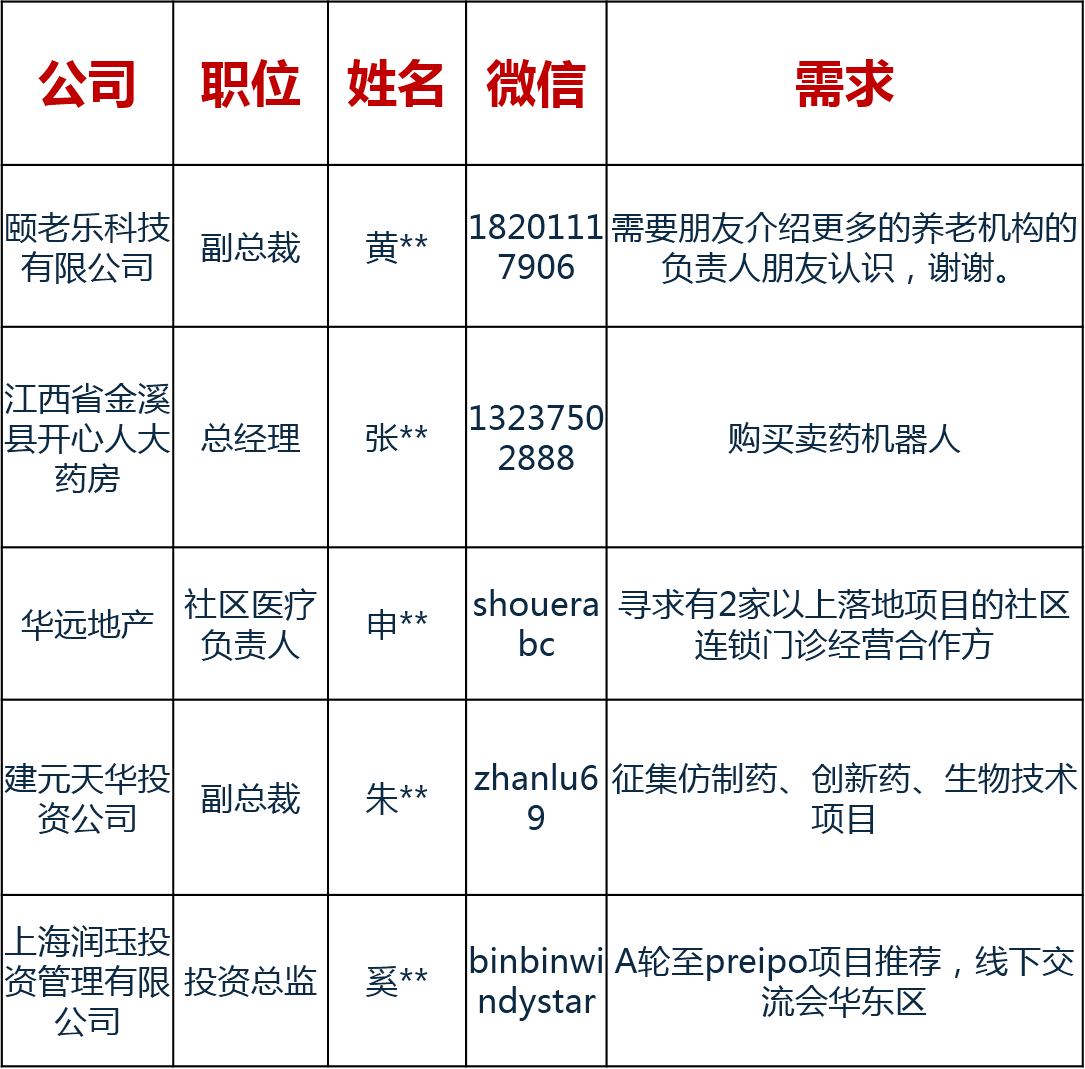
Member Needs Announcement
For more content, please visit the VCBeat Knowledge Base!