

Tellgen Bio Completes RMB 30 Million Series A Financing Led by Origin Ventures to Advance Molecular Diagnostics for Major Diseases
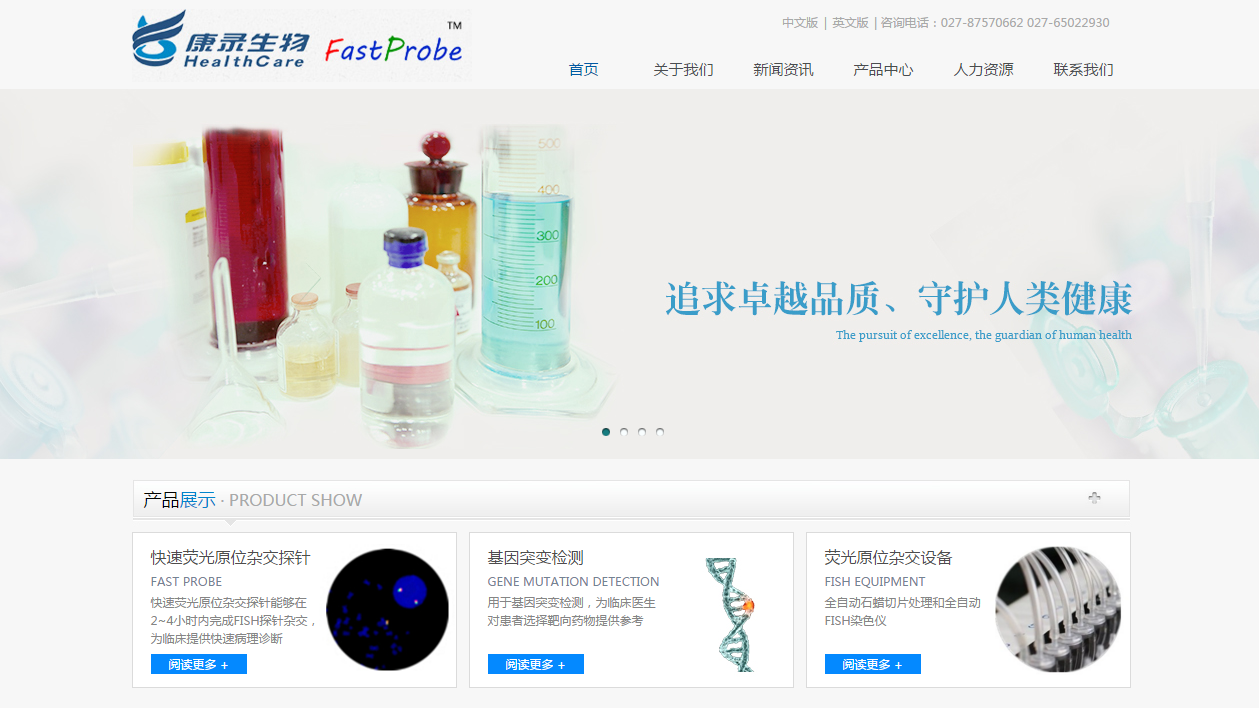
Recently, Wuhan Kanglu Biotechnology (hereinafter referred to as "Kanglu Biotech") announced the successful completion of its RMB 30 million Series A financing round. This round was exclusively invested by Yansheng Venture Capital. The funds raised will be allocated to product research and development, market expansion, and CFDA/CE registration and certification of its products.
Kanglu Biotech, established in 2013, is a biotechnology company based in Wuhan Optics Valley. The company positions itself as a provider of molecular diagnostic products for the clinical diagnosis of major diseases and guidance on clinical medication, as well as comprehensive molecular diagnostic service solutions, catering to tertiary and secondary hospitals and independent third-party clinical testing laboratories.
The company's products and services are primarily applied in the fields of major diseases, such as cardiovascular and cerebrovascular disorders, tumors, and cancer. Its business scope encompasses the research and development, production, and sales of pharmacogenomic testing kits, rapid fluorescence in situ hybridization (FISH) probe kits, and related equipment.
Since its inception, the company has been granted more than 10 invention patents and has developed proprietary technology platforms for quantitative fluorescence PCR, multiplex PCR, and FastProbe®, all with independent intellectual property rights. Among these, two pharmacogenomics products targeting CYP2C19, CYP2C9 & VKORC1 obtained Class III registration certificates from the China Food and Drug Administration (CFDA) and CE marking in 2017. The rapid fluorescence in situ hybridization (FISH) probes for ALK and HER2 have already received CE marking and are expected to obtain CFDA Class III registration in the near future.
The FastProbe® fluorescence in situ hybridization (FISH) probes, developed with the company’s independent intellectual property rights, have overcome a long-standing technical bottleneck in the field, successfully reducing the sample hybridization incubation time from 10 hours using traditional methods to just 1 hour. Chen Gang, Chairman of Kanglu Bio, stated, “Rapid hybridization technology enables the broader adoption of fluorescence in situ hybridization, the gold standard for pathological diagnosis, thereby providing clinicians with pathological information more efficiently.”
It is understood that, in addition to its pharmacogenomics projects, the company has also devoted significant resources to the oncology field this year. According to Chen Gang, the company’s oncology product portfolio now comprises a reserve of more than 200 probe-based reagent products, covering solid tumors such as lung cancer and breast cancer, as well as hematologic malignancies.
This round of financing will help Kanglu Bio advance the R&D of its subsequent product pipeline. The company is currently developing an automated fluorescence in situ hybridization (FISH) instrument, which will transform the current fully manual operation status of FISH testing. When used in conjunction with the company’s FastProbe® probes, it will enable fully automated and rapid FISH detection.