HiMed Introduces Stanford's Biodesign Medical Innovation Process to Zhangjiang Free Trade Zone
Recently, a consortium comprising HiMed Medical Innovation Space in the Zhangjiang Free Trade Zone, University of Shanghai for Science and Technology, Yanxitang National-Level Medical Incubator, Yangpu Bay Incubator, and Aobo Capital, among others, jointly introduced Stanford University’s “Biodesign Process for Medical Innovation” to China. The program has been established in the Zhangjiang Free Trade Zone, where it aims to equip Chinese medical innovators and entrepreneurs with advanced and systematic thinking in medtech entrepreneurship within this most open and innovative environment.
It is understood that the Biodesign Innovation Center was founded at Stanford University in 2002 by Professor Paul Yock and Josh Makower, a serial entrepreneur. Leveraging Silicon Valley’s abundant medical resources and culture of innovation, the Biodesign Center advances healthcare technology innovation and systematically disseminates its innovative methodology to more healthcare innovators through structured coursework. The English edition of the book *Biodesign* was officially published in 2010, with the second edition released in 2015.
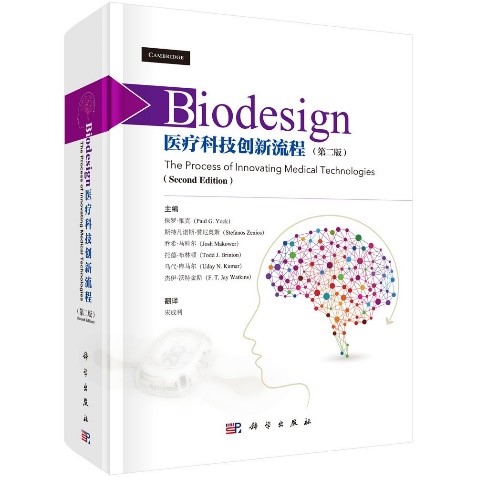
The core philosophy of Biodesign is that a thorough analysis of needs constitutes the DNA of innovation; it requires assembling a multidisciplinary research team to drive R&D innovation centered on clinical needs.
Must-Have vs. Nice-to-Have
Biodesign categorizes medical technology innovations into “Must-Have” and “Nice-to-Have.” Must-Have attributes primarily include targeted application, accuracy, affordability, and ease of use. Nice-to-Have attributes mainly encompass rapid onset of action, compact size, biodegradable components, and user-friendly operation. This classification framework can guide the progress of innovative research and development.
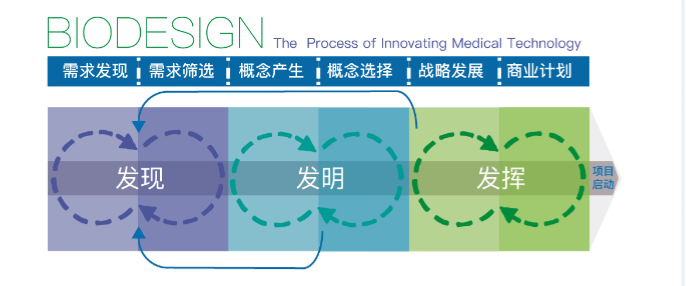
The Biodesign philosophy is rich in practical significance! To date, 42 companies have joined the Stanford Biodesign Center for Innovation, employing 635 full-time staff, raising $377 million, and treating over 880,000 patients worldwide. Biodesign takes greatest pride in its collaborative, brainstorming-driven innovation teams. Only by engaging more scientists in the invention process and fully mobilizing their innovative enthusiasm can the medical device industry achieve genuine international competitiveness.
The Singapore Biodesign Center was established in 2010!
2015: Japan iodesign Innovation Center Established!
Professor Song Chengli from the College of Food and Medical Device Technology at the University of Shanghai for Science and Technology currently serves as Deputy Director of the National Engineering Research Center for “Modern Minimally Invasive Medical Devices and Technologies.” Deeply inspired by the Biodesign philosophy, Professor Song summarizes it as: Physicians + Engineers + Entrepreneurs = A Revolution in Medical Technology! He aims to introduce the Biodesign approach to China and foster the development of original medical device products. After three years of arduous and challenging efforts, he completed the Chinese translation of the book Biodesign. In January 2017, the Chinese edition of Biodesign was finally released to meet medical innovators across China.
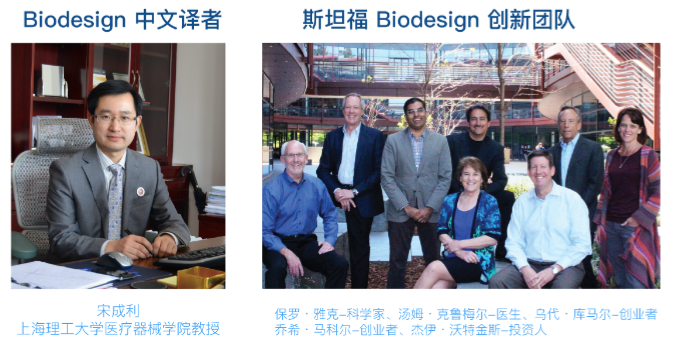
Passionate about medical innovation, Professor Song Chengli joined the HiMed Medical Innovation Community as early as March 2014, becoming one of its founding initiators. Each year, the HiMed Community engages in dynamic exchanges with hundreds of medical entrepreneurs. However, China’s overall medical innovation landscape remains in the stage of import substitution, characterized primarily by imitative innovation. Yet, in Zhangjiang, a fertile ground for innovation and entrepreneurship, who wouldn’t aspire to develop original products? The challenge lies in the constraints of existing innovation mechanisms and the lack of a systematic methodology.
In March 2017, the HiMed-Biodesign Medical Innovation Camp working group was established, committed to localizing the Biodesign methodology. After more than six months of preparation, instructors and startup mentors for the Biodesign Entrepreneurship Camp were secured. Targeting medical startups, innovators with entrepreneurial aspirations, and R&D managers in enterprises facing innovation pain points, the Biodesign Medical Innovation Camp will guide participants through a systematic and comprehensive understanding of the entire innovation and entrepreneurship process. By integrating research, industrial, and investment resources in healthcare innovation, the camp aims to propel advancements in medical technology innovation. Biodesign serves not only as a methodology for medical technology innovation but also as an innovation hub that converges diverse resources. Let us join hands and innovate together! The first session of the HiMed-Biodesign Medical Innovation Camp will officially commence on November 24, 2017. Stay tuned!
With Bidodesign’s innovative thinking, we believe there will be more creations from Zhangjiang, and more Made in China!
To register, please scan the QR code to contact Mr. Wang.