

Experts Huang Shangzhi, Liang Zhiqing, Yao Hong and Others Convene to Discuss the Past, Present, and Future of Clinical Prenatal Screening and Diagnosis
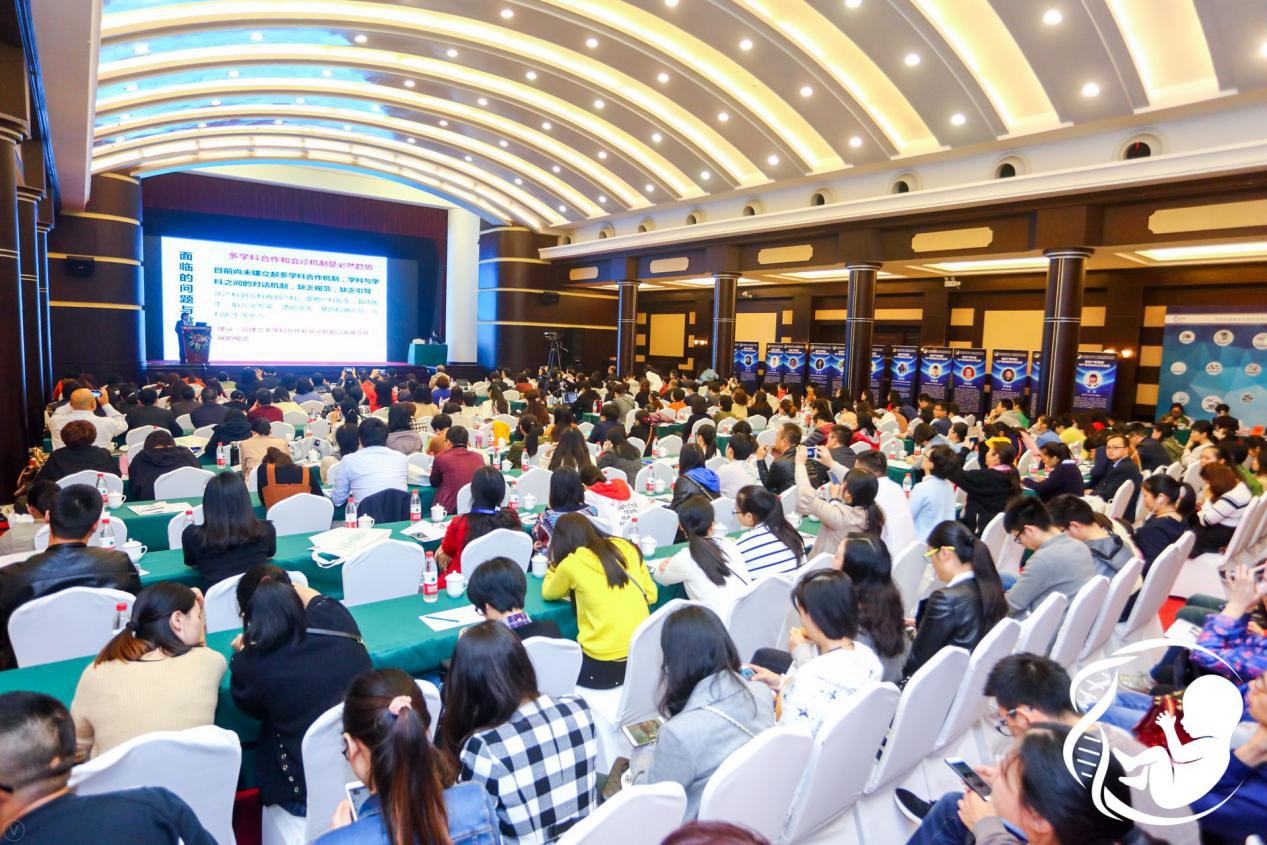
On November 4, 2017, the conference hall of Chongqing Yuzhou Hotel was packed to capacity. It gathered China’s leading experts in genetic diagnosis, along with hundreds of clinicians and medical students. Undoubtedly, a grand symposium on genetics and medicine was underway.
The 6th Academic Conference on Fetal Developmental Abnormalities, Prenatal Diagnosis, and Intrauterine Therapy, and the Symposium on the Clinical Application of Genomics Technologies in the Field of Reproductive Health, hosted by the PLA Center for Family Planning and Eugenics at Southwest Hospital, co-organized by the Reproductive Health Professional Committee of the Chongqing Society for Maternal and Child Health, the Prenatal Diagnosis Center of the Department of Obstetrics and Gynecology at the First Affiliated Hospital of Army Medical University (PLA), and the Prenatal Diagnosis Center of Gynecology at Southwest Hospital, and organized by BGI Genomics.
Centered on the theme of clinical prenatal screening and diagnostic technologies and their applications, the conference invited dozens of renowned domestic clinical experts and scholars. They engaged in discussions and knowledge sharing on topics including the standardized interpretation of prenatal screening and diagnostic techniques, clinical case studies, prenatal ultrasound diagnosis, current status and advances in intrauterine fetal therapy, and the clinical application of new technologies such as high-throughput sequencing.
The two-day conference featured a session on the morning of the first day, during which seven experts delivered presentations on the theme “Standardized Interpretation and Clinical Sharing of Prenatal Screening and Diagnostic Technologies.”
Huang Shangzhi, Director of the WHO Collaborating Centre for Community Control of Hereditary Diseases and a national expert in prenatal diagnosis, delivered a presentation on ethical considerations in the prevention of birth defects. He discussed the current status of birth defects in China and the present state of their clinical identification.
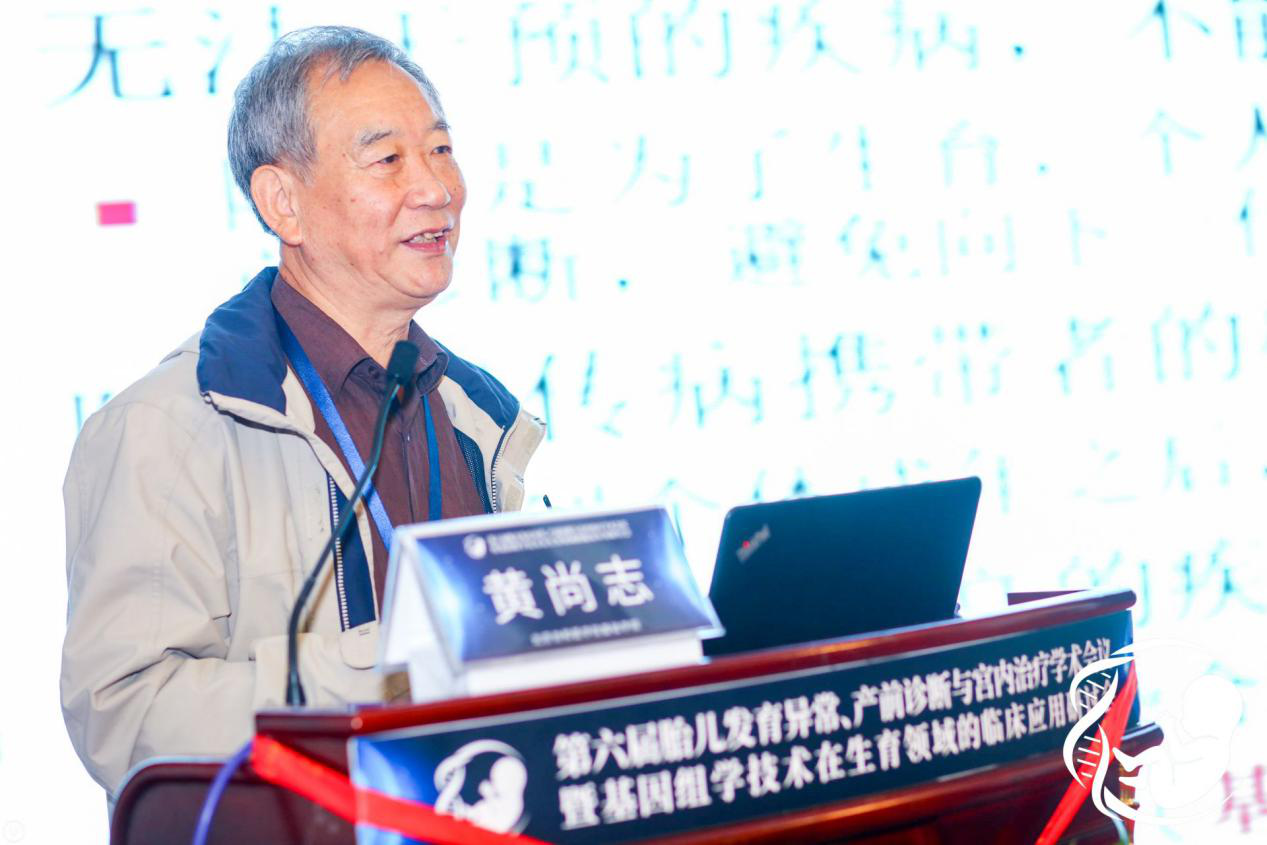
WHO Community Control of Genetic DiseasesHuang Shangzhi, Director of the Cooperative Center and National Expert in Prenatal Diagnosis
Other speakers included Zhu Jun, an expert from West China Second University Hospital of Sichuan University; Qiao Fuyuan, Chief Physician at Tongji Hospital Affiliated to Huazhong University of Science and Technology; Zhu Baosheng, Director of the Genetic Diagnosis Center at Yunnan Provincial First People's Hospital; and Ji Xing, Attending Physician at Xinhua Hospital Affiliated to Shanghai Jiao Tong University School of Medicine. They presented on the current landscape of birth defect prevention and control, as well as strategies and methods for prenatal screening and intervention. Wang Weipeng, Chief Technician at Hubei Maternal and Child Health Hospital, introduced the implementation plan for the clinical application of NIPT in Hubei Province.
Zhao Lijian, Executive Chairman of the Conference and Vice President of BGI Group, delivered the closing remarks, introducing the attendees to the progress in the application of genomic medicine. Starting with the Human Genome Project, Zhao outlined BGI’s integrated network system that combines biotechnology with information technology, as well as the development trajectory of BGI’s non-invasive prenatal testing (NIPT) technologies.
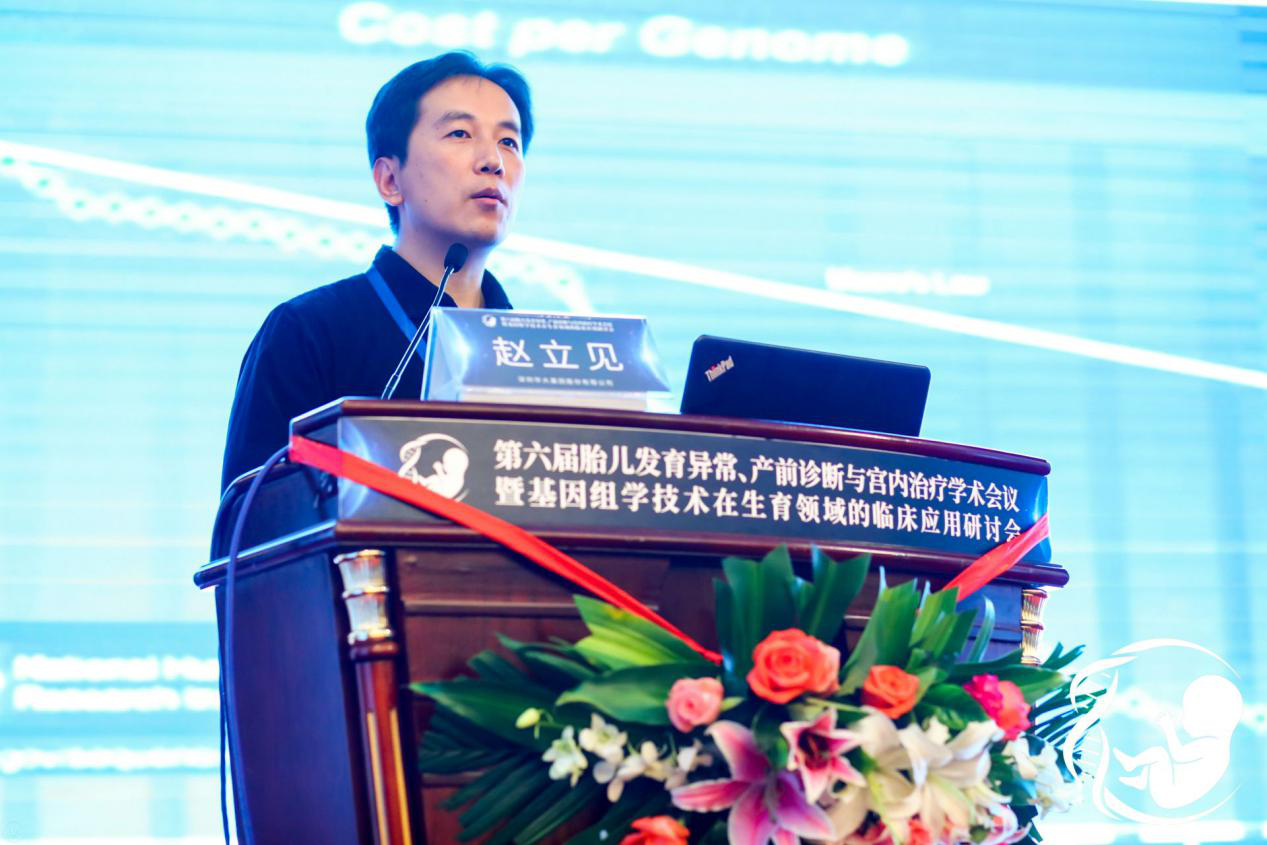
Zhao Lijian, Executive Chairman of the Conference and Vice President of BGI
He stated that, in addition to the growing adoption of NIPT among the general population, several other trends should emerge, such as non-invasive testing for twin pregnancies, expanded NIPT panels covering more target diseases, and even future discussions on using NIPT to screen for pregnancy-associated tumors.
The afternoon session focused on prenatal ultrasound diagnosis and intrauterine fetal therapy. Wang Dan from the Department of Obstetrics and Gynecology at Southwest Hospital, Guo Yanli from Southwest Hospital, Liao Can, Vice President of Guangzhou Women and Children’s Medical Center, and Dai Yi from Peking Union Medical College Hospital took the stage in succession. They respectively shared insights on fetal ultrasound markers, research on fetal cardiac sectional anatomy and hemodynamic characteristics during the second and third trimesters, genetic diagnosis and counseling for fetal lateral ventriculomegaly, and the role of clinicians in genetic diagnosis.
During the session on the analysis of intrauterine fetal therapy, Liang Zhiqing, Conference Chair and Director of the Department of Obstetrics and Gynecology at Southwest Hospital, took the stage to deliver a presentation, sharing insights on advances in perinatal surgical treatment.
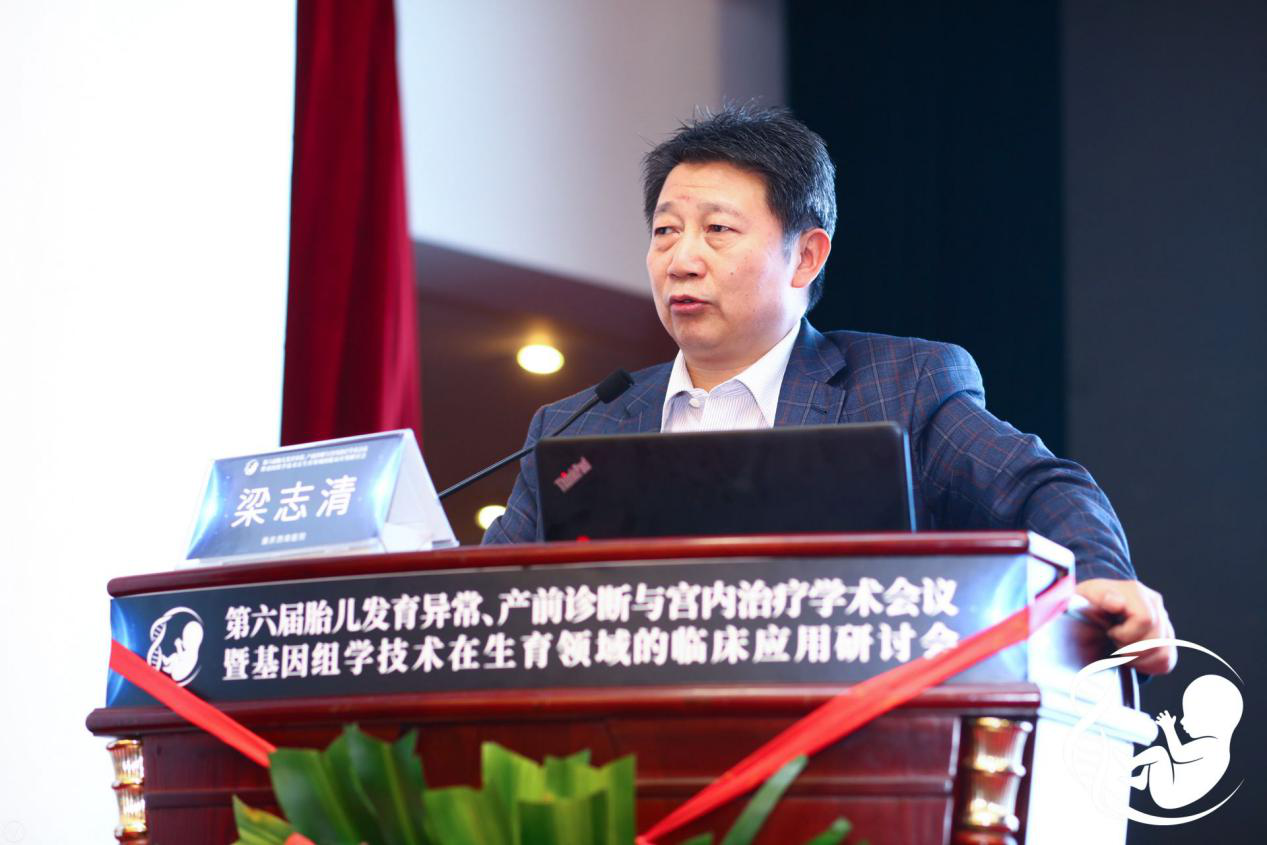 Conference Chair, Liang Zhiqing, Director of the Department of Obstetrics and Gynecology at Southwest Hospital
He introduced that fetal medicine is an emerging discipline encompassing multiple fields of basic and clinical medicine, including fetal diagnostics and therapeutics.
Liang Zhiqing stated, “The development of fetal surgery can, to a certain extent, improve outcomes for infants with congenital malformations and prevent fetal death.”
Chen Gongli, Attending Physician at Southwest Hospital; Dong Xiaojing, Professor at the Second Affiliated Hospital of Chongqing Medical University; and Xiong Yi, Chief Physician at Shenzhen People’s Hospital, respectively shared insights on the current status of intrauterine fetal therapy, systematic ultrasound screening for fetuses in the early to mid-trimesters, and case studies on the management of high-risk pregnancies.
The second day’s conference centered on new technologies such as high-throughput sequencing.
Professor Xu Xiangmin from the School of Basic Medical Sciences at Southern Medical University delivered a lecture titled “Population Screening and Prenatal Diagnosis of Hemoglobinopathies.” Professor Xu introduced that hemoglobinopathies are among the most common birth defects worldwide, ranking third among the five most prevalent types, with approximately 336,000 new cases occurring annually. He emphasized that prenatal diagnosis serves as the technical foundation for preventing birth defects, particularly thalassemia. He further stated that, compared with conventional detection methods, next-generation sequencing (NGS)-based mutation detection significantly improves the carrier detection rate and demonstrates clear technological advantages.
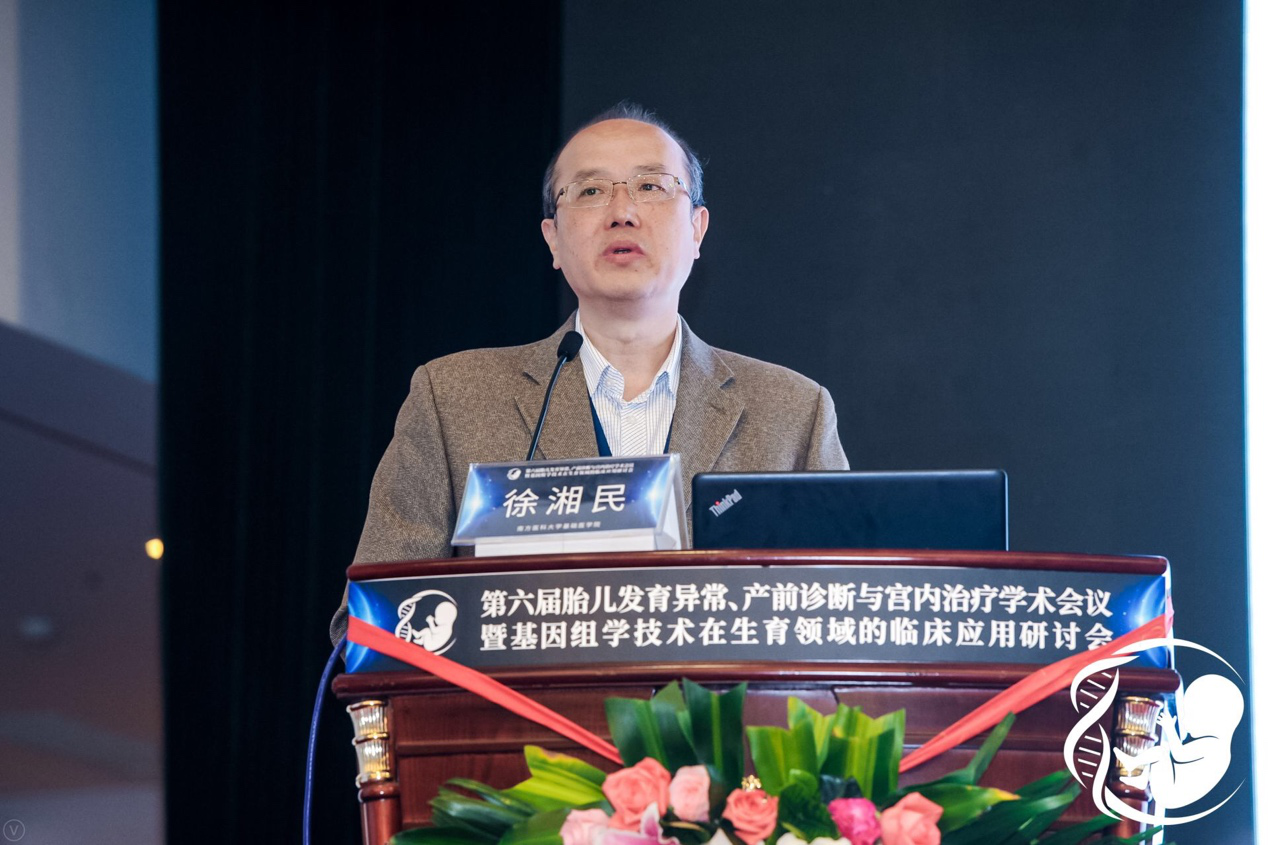
Xu Xiangmin, Professor at the School of Basic Medical Sciences, Southern Medical University
Yao Hong, one of the executive chairs of this conference, delivered the closing remarks and shared new insights on genetic testing technologies, as well as the opportunities and challenges in prenatal diagnosis. He emphasized that strict control of indications is crucial during the prenatal diagnostic process. Meanwhile, rigorous data management systems should be established for clinical tests, along with effective follow-up mechanisms.
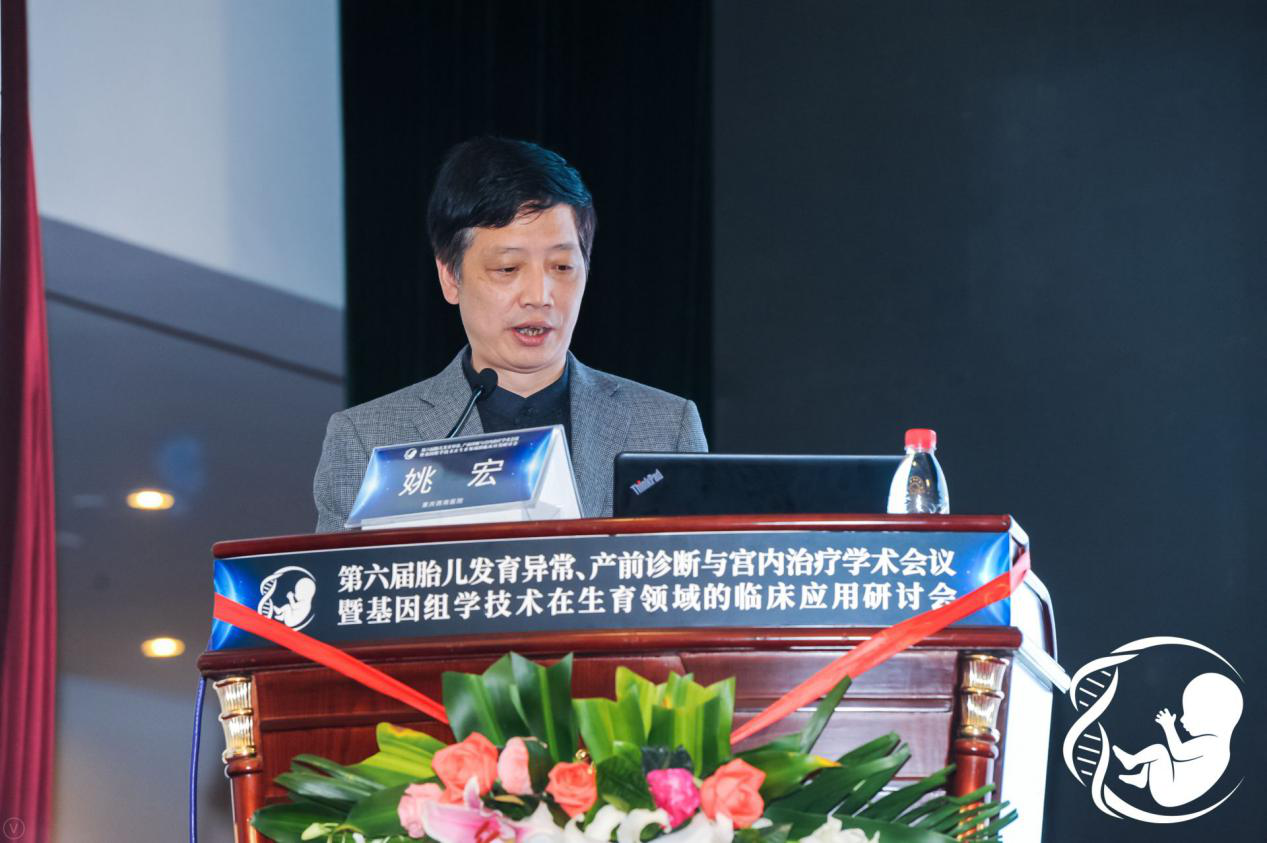
Yao Hong, Executive Chair of the Conference and Director of the Prenatal Diagnosis Center at Southwest Hospital
In addition, Dr. Chen Xinlin, Chief Physician of the Department of Ultrasound at Hubei Maternal and Child Health Hospital; Dr. Yue Shaojie, First-Class Chief Physician at Xiangya Hospital of Central South University; Dr. Lv Kangmo, Chief Physician at Chengdu Women’s and Children’s Central Hospital; and Dr. Xu Chenming from the International Peace Maternity and Child Health Hospital affiliated with Shanghai Jiao Tong University School of Medicine also delivered speeches during the second day of the conference.
As the closing ceremony proceeded, the conference officially came to a close. In fact, since non-invasive prenatal testing (NIPT) began to be introduced into clinical practice, the conference has been held for six years, witnessing the implementation and standardization of the technology.
Although clinical guidelines for NIPT have been established, the dynamic interplay between this technology and clinical practice continues to evolve. With newer technologies constantly emerging, the novel insights and explorations they inspire in clinical settings will be unending.