2017 National Hospital Internet Influence Rankings Released: The Era of Physician Personal Branding Begins (With Full List)
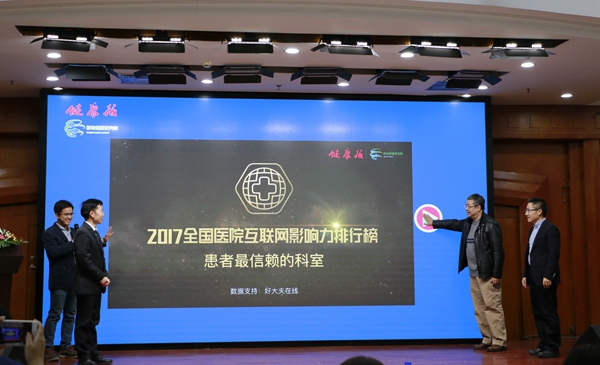
In the “Internet+” Era, China’s Hospital Influence Rankings Are Undergoing a Major Shift!
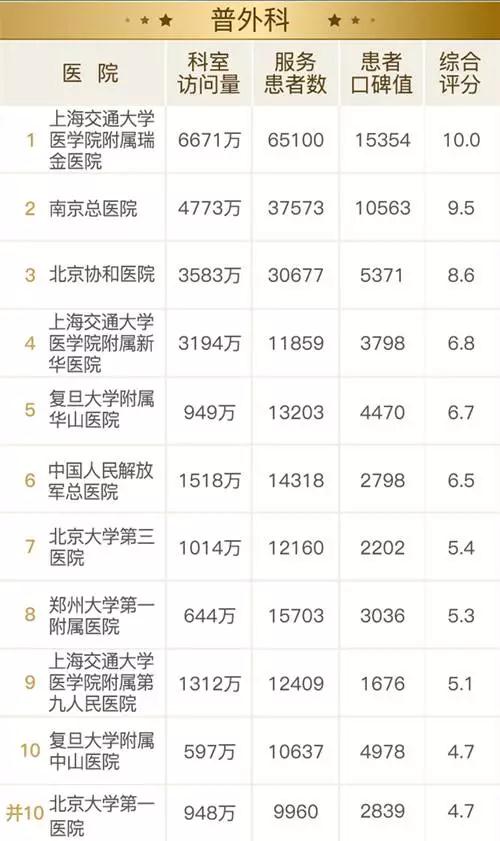
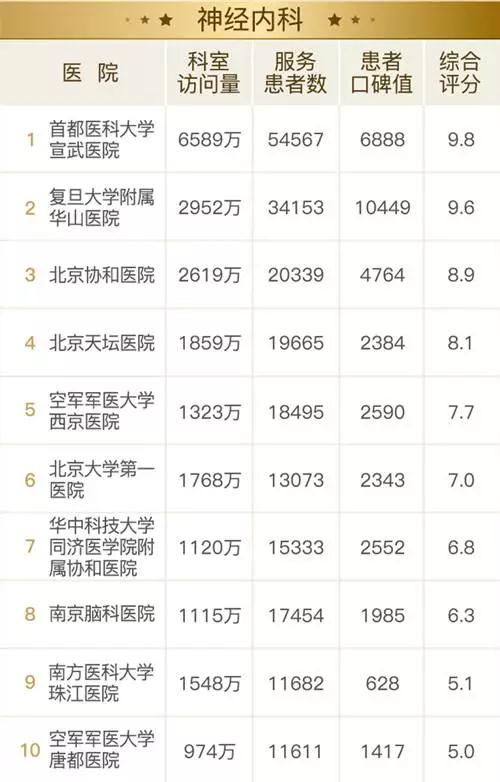
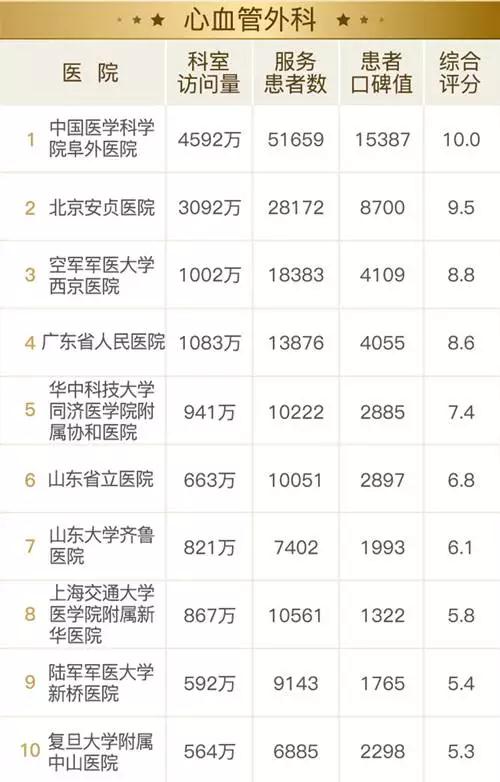
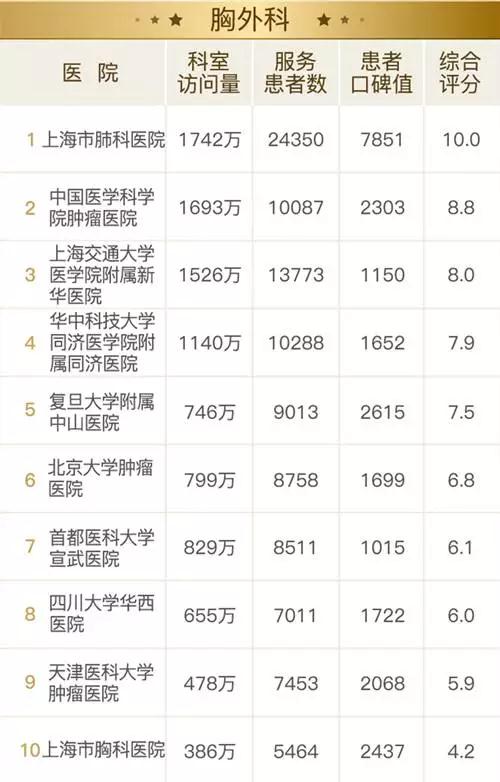
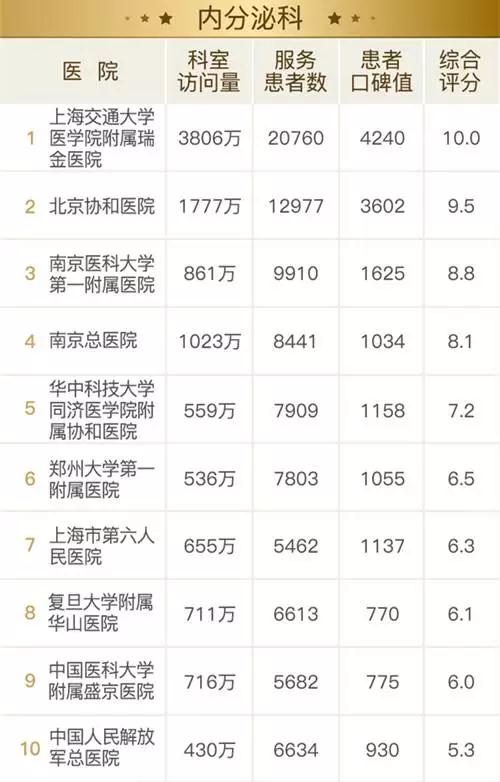
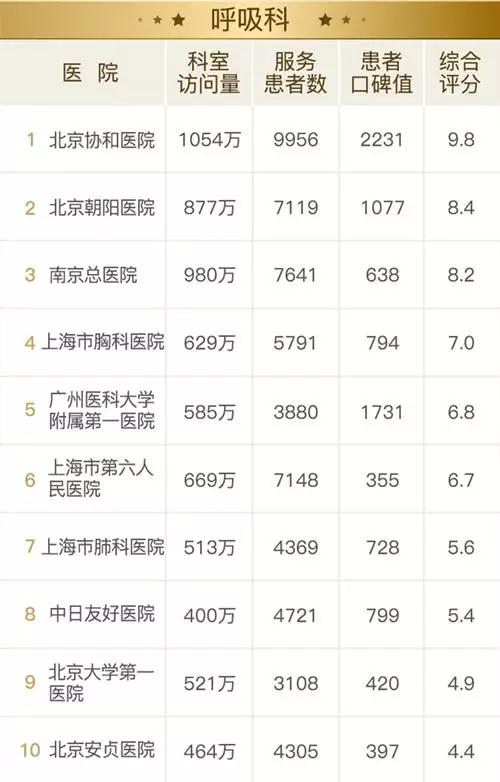
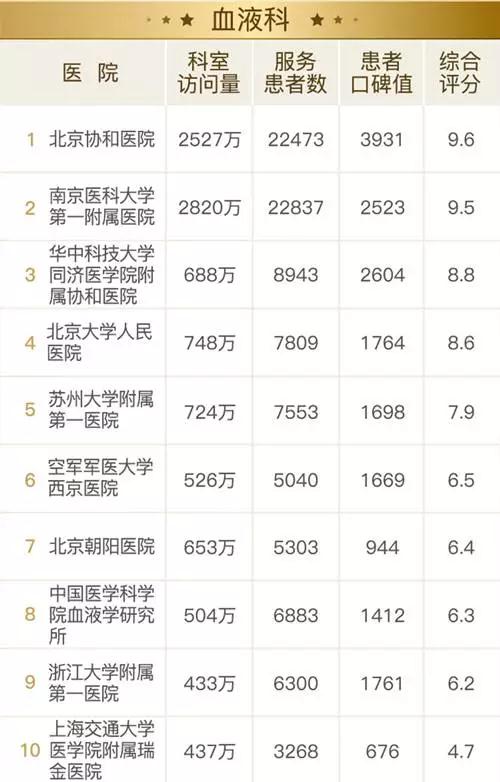
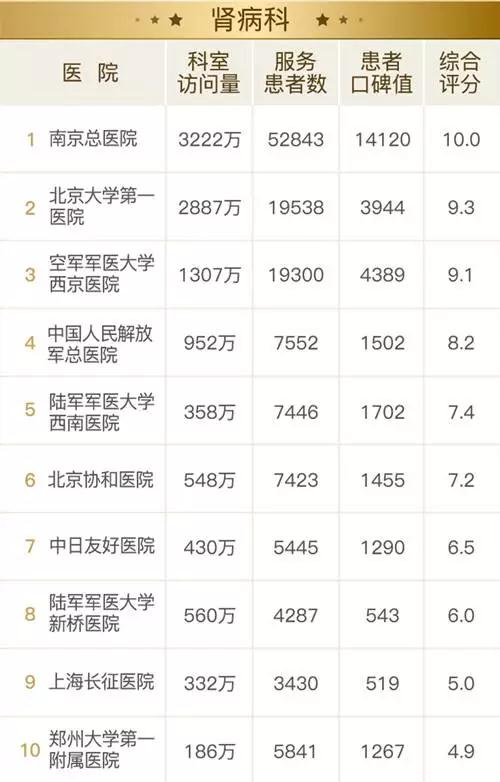
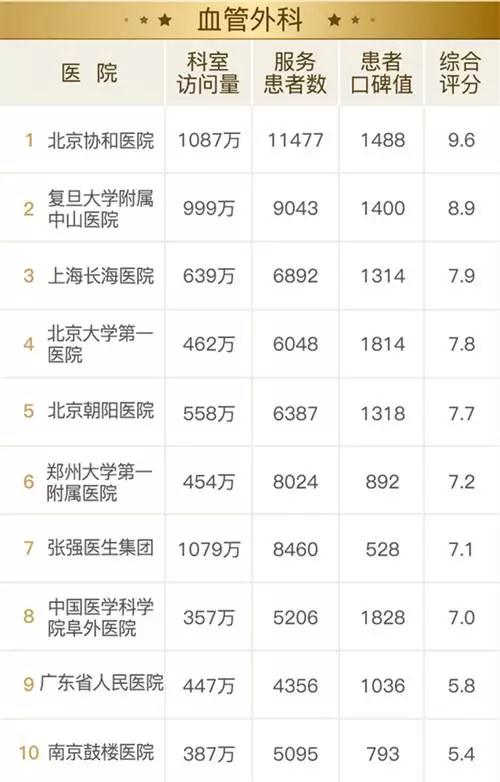
On November 9, the Mobile Health Research Institute of Health News released the “2017 National Hospital Internet Influence Ranking: Departments Most Trusted by Patients.” This initiative provides the industry with an opportunity to examine the departmental rankings of national hospitals’ internet influence in the digital era, based on patients’ care pathways and authentic medical experiences on internet healthcare platforms.
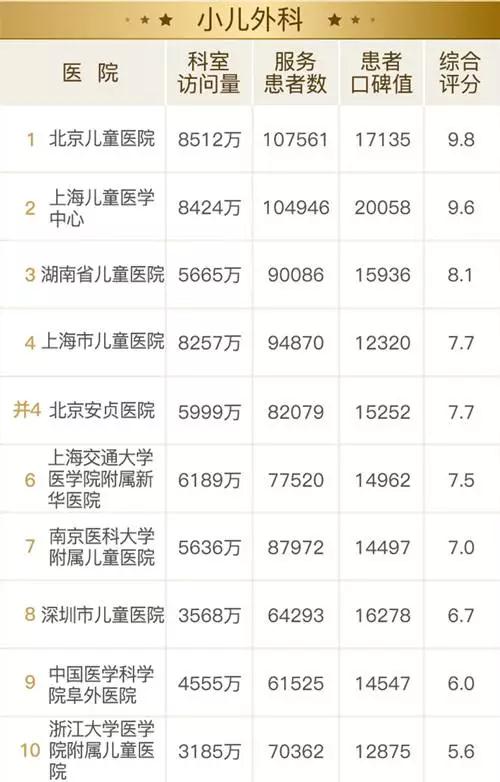
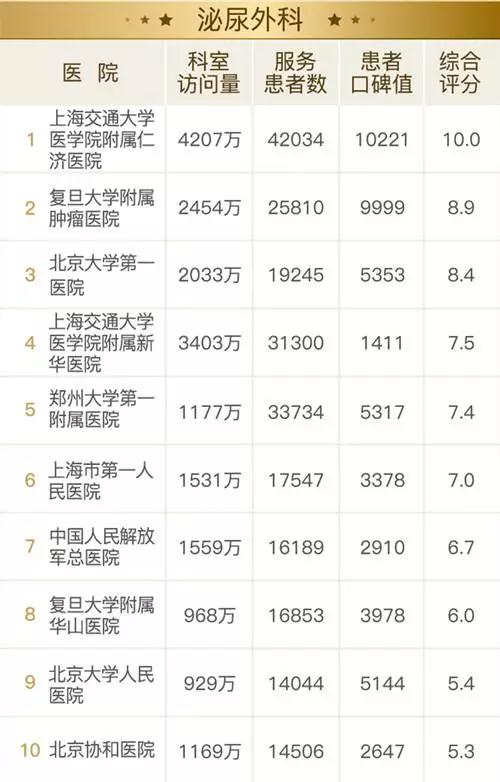
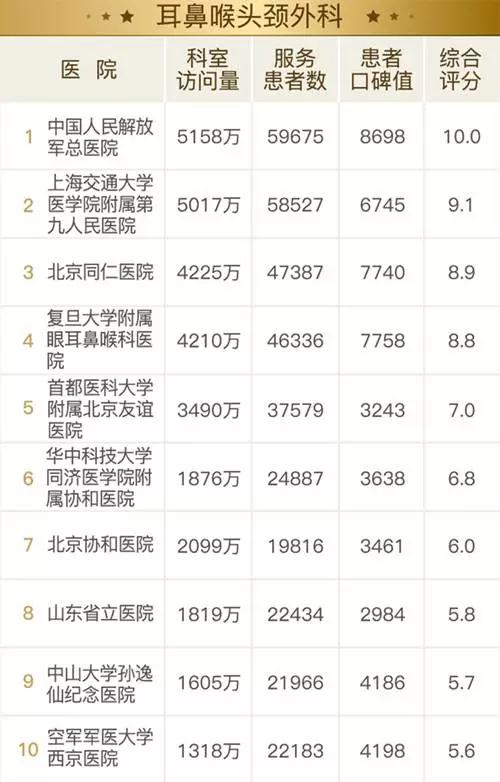
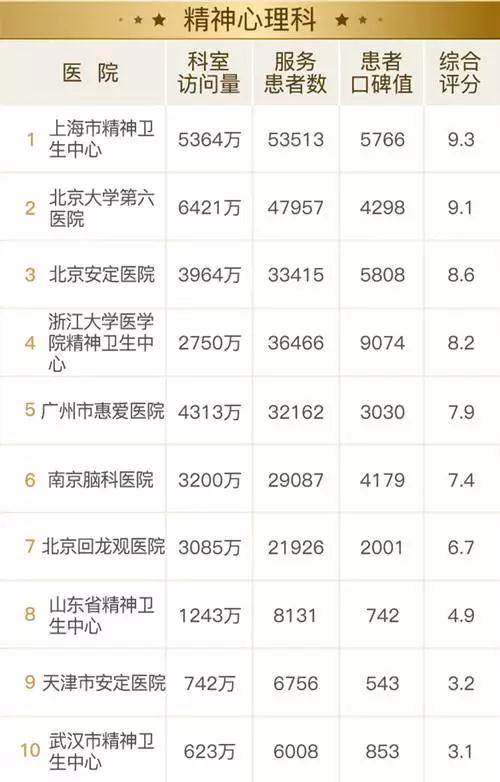
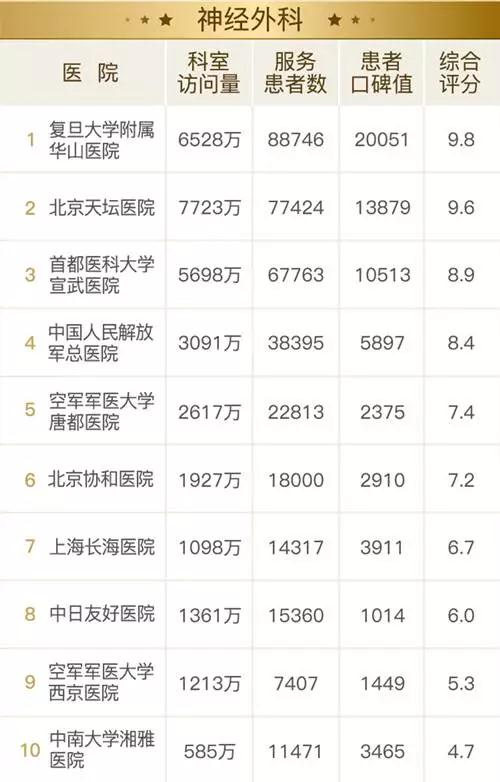
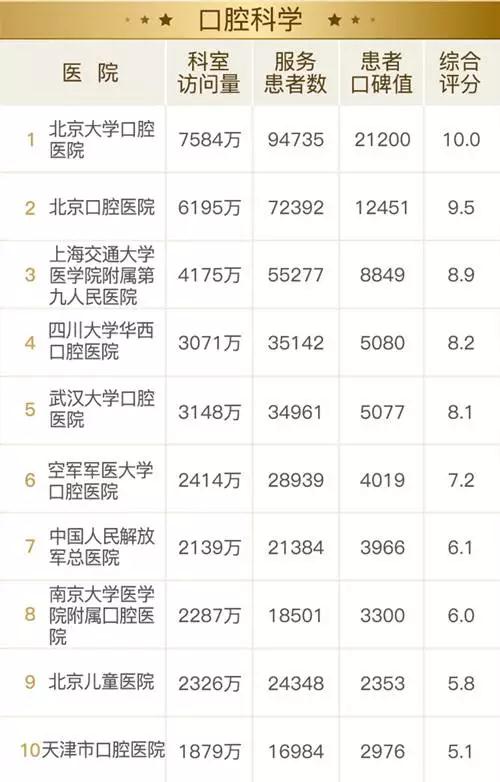
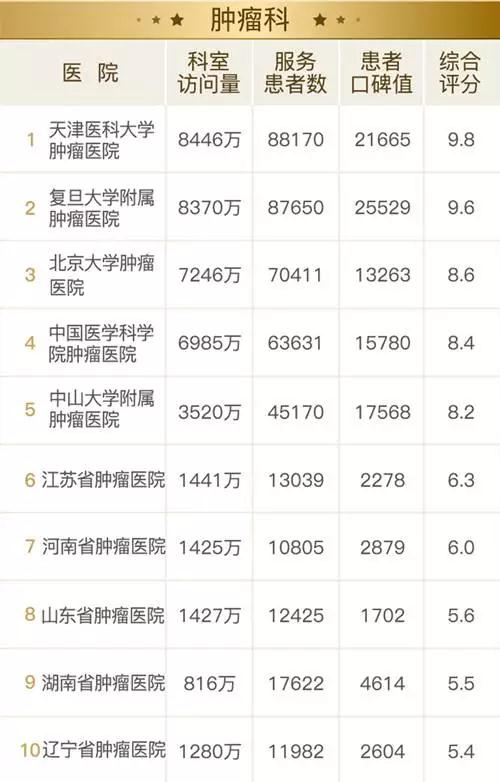
It is reported that the ranking covers 26 medical specialties. Based on multiple dimensions, including patients’ online visit volume, the number of patients served through online services, and patient reviews posted online, the Mobile Health Research Institute of Health News compiled the “Top 10 Most Trusted Departments in the 2017 National Hospital Internet Influence Ranking.” Haodf Online provided data support.
As one of the top three ophthalmology hospitals in China for two consecutive years, Professor Zhou Xingtao, Vice President of the Eye & ENT Hospital of Fudan University and Director of its Optometry Department, stated bluntly at the press conference: “The construction of specialized brand identity has fully entered the Internet era!”
Renowned Hospitals and Departments Achieve Significant Growth Through Internet Platforms
For renowned departments and hospitals, is it still necessary to leverage internet platforms to strengthen specialty development and brand building? The exploratory experience of the Eye, Ear, Nose, and Throat Hospital of Fudan University in developing internet-based specialties is highly representative.
The Department of Ophthalmology and the Department of Otorhinolaryngology at Eye & ENT Hospital of Fudan University are both key disciplines under the Ministry of Education of China, as well as National Key Clinical Specialties.
According to Professor Zhou Xingtao, as many as 64% of the physicians at this hospital have established personal profiles on Haodf Online. As a renowned tertiary-level specialized hospital with an annual outpatient volume of 1.79 million visits, its online patient traffic is even more remarkable. In 2017 alone, the hospital recorded 35.37 million online patient visits.
Certainly, the returns on investment in online initiatives are substantial. By providing dedicated patient services via the internet, the Department of Ophthalmology at the Eye, Ear, Nose, and Throat Hospital of Fudan University ranked second nationwide in online influence in 2017, trailing only the Department of Ophthalmology at Beijing Tongren Hospital and surpassing other prestigious institutions such as the Zhongshan Ophthalmic Center of Sun Yat-sen University.
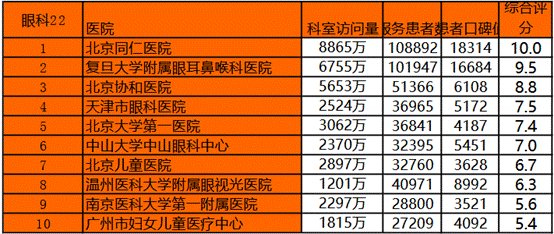
According to reports, among the top five nationally recommended doctors on internet platforms specializing in myopia, four are from the Eye and ENT Hospital of Fudan University.
Zhou Xingtao stated that tertiary hospitals bear the responsibility of diagnosing and treating complex and refractory diseases. Internet platforms have significantly improved the precision with which such patients reach these institutions, effectively promoting technological advancements and talent development in specialized fields.
In fact, it is not only the Eye and ENT Hospital of Fudan University; many renowned Grade A tertiary hospitals and key specialties have chosen not to rest on their laurels but to actively leverage internet tools to continuously enhance the influence of their hospitals and departments.
For instance, in the 2017 Internet Influence Ranking for Neurosurgery, nearly all hospitals listed were leading institutions and departments featured on the Fudan University Hospital Specialty Rankings.
The Remarkable Surge in Specialty Influence at These Hospitals
As is well known, academic capability has traditionally been a key factor in determining the industry standing of hospital departments. However, in the internet era, patients have entered an age where clinical excellence and service quality define success. Internet-based brand building, grounded in the dual metrics of clinical skills and service quality, is rapidly enhancing the specialty brand reputation of certain hospitals, enabling them to even surpass renowned departments at traditional hospitals with strong academic prowess.
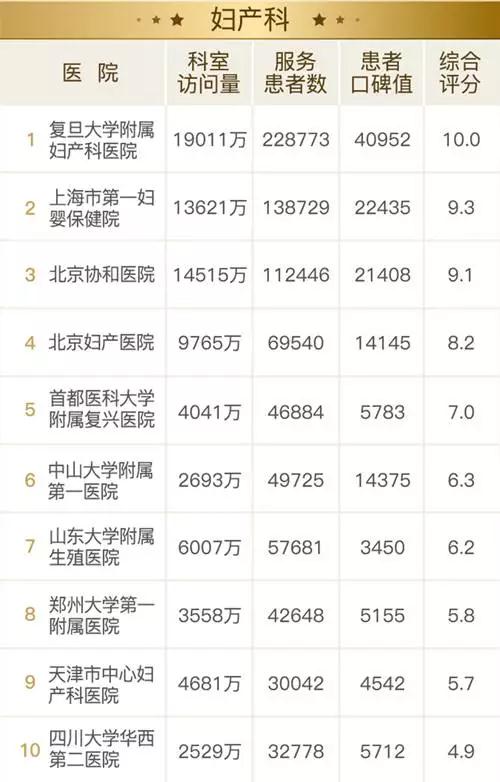
Based on the ranking data from two consecutive years, taking the First Affiliated Hospital of Zhengzhou University in Henan Province as an example, five departments—including Cardiology, Orthopedics, Obstetrics and Gynecology, and Gastroenterology—were selected in 2016. By 2017, six departments from the First Affiliated Hospital of Zhengzhou University were included among the top 10 departments most trusted by patients. These were: Cardiology (ranked 8th nationwide), Nephrology (ranked 10th nationwide), Urology (ranked 5th nationwide), Endocrinology (ranked 6th nationwide), General Surgery (ranked 8th nationwide), and Obstetrics and Gynecology (also ranked 8th nationwide).
Taking the Department of Cardiovascular Medicine as an example, the 2017 Top 10 Departments by Internet Influence included The First Affiliated Hospital of Zhengzhou University and The Affiliated Hospital of Nanjing Medical University, neither of which had previously ranked among the top ten in the Fudan University Specialty Rankings.
It is evident that some hospitals and specialties with high medical standards, though not yet national leaders, have gained patient recognition through internet-based services, seizing the opportunity to "overtake on a bend."
Dark Horse Physician Groups Break into the Top Tier
In this year’s ranking of departments by online influence, the shifts in vascular surgery were particularly noteworthy. Among the top 10 vascular surgery departments in China, one was not a traditional, long-established Grade A tertiary hospital, but rather a physician group—the Zhang Qiang Doctor Group.
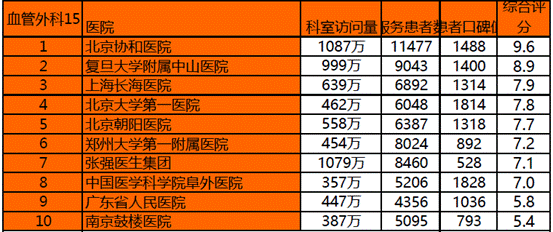
Ranking data shows that as of October 2017, the vascular surgery department of Dr. Zhang Qiang’s Physician Group had accumulated a total of 10.79 million visits on Haodf Online, ranking second nationwide in page views, third in the number of patients served, and seventh in overall comprehensive ranking.
Against the backdrop of well-known Grade A tertiary hospitals firmly occupying the top tier of the industry, it is no small feat for the Zhang Qiang Doctor Group—the first physician group established in China in July 2014—to have achieved such remarkable results. It is understood that this outstanding performance is closely attributed to the diligent efforts of Dr. Zhang Qiang and the Zhang Qiang Doctor Group in building their internet brand.
Zhang Qiang, founder of the Zhang Qiang Doctor Group, has publicly stated, “In the internet era, information between doctors and patients is no longer isolated. In the era of information closure, patients could only find doctors by going to hospitals. With the rise of doctor team brands, this single model will soon be broken. As an emerging medical brand, the Zhang Qiang Doctor Group must continuously innovate and progress; otherwise, it will become obsolete.”
The turnaround case of Dr. Zhang Qiang Doctor Group’s vascular surgery department demonstrates that, in the internet era, both specialty and physician brands are encountering significant opportunities for reshuffling. Patients no longer rely solely on the traditional prestige of tertiary Grade A hospitals. Strategic online development of physician and specialty brands can substantially enhance a hospital’s influence. Moreover, doctor groups and private hospitals have ample opportunity to gain considerable traction among patient populations through digital channels. In the future, an increasing number of doctor groups and private hospital specialties will undoubtedly appear in industry rankings.
Chinese Doctors Fully Enter the Era of Personal Branding
According to Luo Gang, Director of the All-Media Center at Health News Agency and Secretary-General of the Health News Mobile Health Research Institute, the newly released “2017 National Hospital Internet Influence Ranking: The Most Trusted Departments by Patients” compiled online service data from more than 8,000 hospitals and over 330,000 physicians.
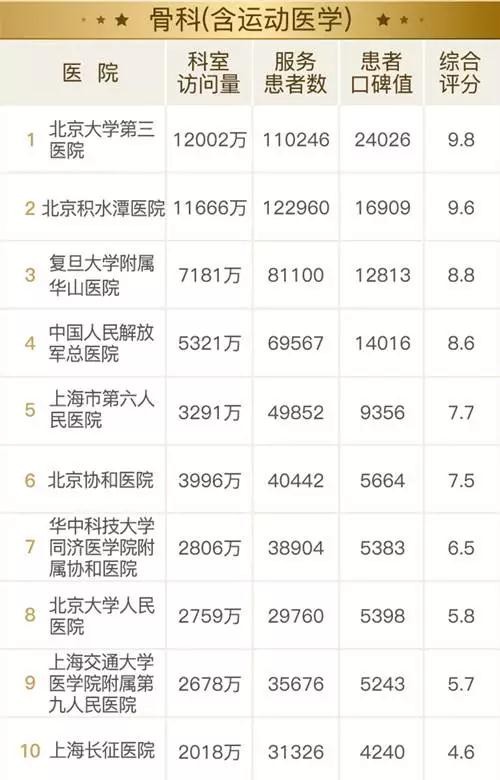
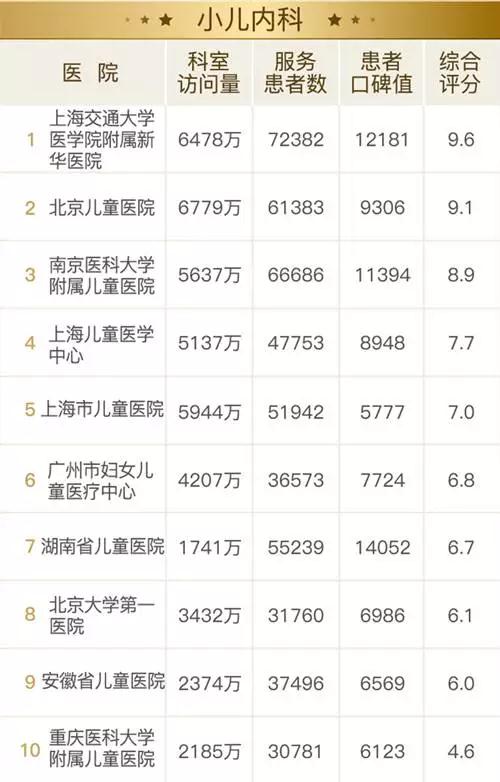
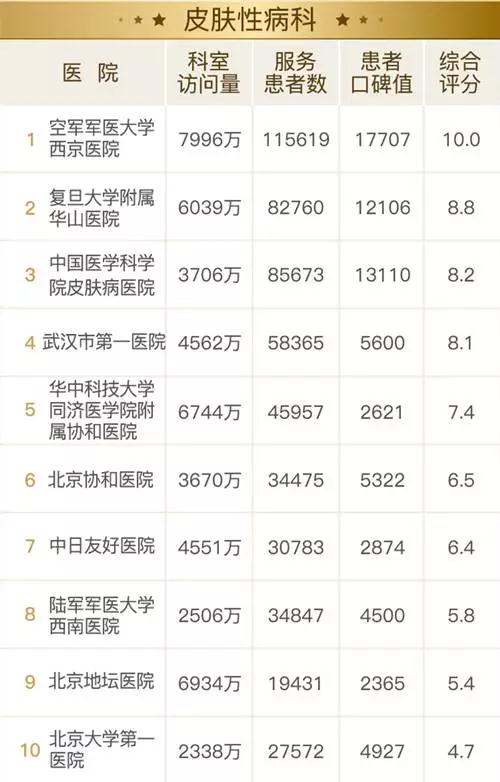
Which medical specialties exhibit robust demand for online patient services? Statistics indicate that, based on web traffic data, the specialties with the highest concentration of patient visits are Obstetrics and Gynecology, Orthopedics, Pediatric Internal Medicine, Dermatology and Venereology, and Pediatric Surgery, among others. The volume of patients served online by these major specialties accounts for nearly 50% of the total across all departments.
Therefore, some hospitals’ aforementioned departments have gained significant patient attention and recognition by deeply cultivating their internet brand presence.
Taking Xijing Hospital, which ranks first in dermatology, as an example, there are 57 physicians specializing in dermatology and venereology at the hospital. Among them, 53 have launched personal websites, and 12 of these websites have received over one million visits.
In the field of pediatric ophthalmology, the inclusion of Peking University First Hospital, Beijing Children’s Hospital, and Guangzhou Women and Children’s Medical Center in the Top 10 Ophthalmology Hospitals is largely attributable to their refined internet-based services in pediatric ophthalmology.
Certainly, there is another factor driving pediatricians to deepen their engagement with the internet: for a long time, pediatricians in China have not only endured heavy workloads but also failed to receive fair compensation for their labor. Now, faced with substantial patient demand for online services, pediatricians have gained a new channel to realize their professional value, which has also heightened their enthusiasm for participating in internet-based healthcare services.
In fact, the demand extends far beyond the aforementioned departments. According to Luo Gang, with the advent of the internet healthcare era, patient demand for online medical services is experiencing explosive growth.
Research has found that patients' healthcare-seeking behaviors have undergone significant changes. More than 60% of patients consult online before visiting offline medical institutions, seeking information on hospitals, physicians' clinical specialties, outpatient services, and patient reviews.
According to reports, as China’s disease spectrum shifts, long-term and chronic diseases have become predominant, requiring patients to make frequent hospital visits—a care-seeking pattern that needs to be transformed. Internet healthcare platforms can effectively address this issue by enabling online consultations, which not only reduce unnecessary in-person follow-up visits for patients but also help physicians and departments enhance their brand reputation.
In specialized fields such as nephrology and hematology, patients require long-term professional guidance from physicians. Through the internet, doctors can better manage these existing patients, while their limited outpatient consultation time can be allocated to seeing more new patients in need. Taking the General Hospital of Nanjing Military Command as an example, its Department of Nephrology ranked first in online influence in 2017, with the department’s page views reaching 32,000.
In the field of complex and challenging diseases such as cancer, the role of precise triage via the internet is highly significant, and patients exhibit a strong willingness to seek out suitable specialists and treatment plans through online platforms.
Taking Tianjin Medical University Cancer Institute and Hospital as an example, the hospital seized the opportunity presented by the surge in patients’ internet-based demands and ranked first in the 2017 rankings. A total of 238 clinical physicians at the hospital launched personal websites, achieving an adoption rate of 61%.
In this regard, industry insiders note that in the internet era, the starting line for building brand influence among doctors, specialties, and hospitals is more equitable. Regardless of a hospital’s scale or tier, or a physician’s specialty and professional title, there are opportunities to create substantial brand value and social value by deeply engaging in online medical services.
Wang Hang, CEO of Haodf Online, also stated that Chinese doctors will fully enter the era of physician branding in the future. “In the internet age, a physician must strive in three areas to build their brand: first, disciplinary brand; second, personal service brand; and third, social influence. Every physician can become a branded doctor with their own unique brand; physician branding is no longer the exclusive domain of senior physicians. Hospital outpatient lobbies are no longer the ‘main battlefield’ for promoting physician brands; the establishment and dissemination of physician brands will be realized online.”
The overall ranking is as follows: