

Leading Diagnostic AI Solutions Shine Across Specialized Medical Fields
“Which companies are in the first tier of the medical artificial intelligence field?”
"Which companies are the top three in medical AI?"
Recently, reporters from VCBeat (WeChat ID: vcbeat) have frequently been asked these questions. However, such inquiries are difficult to answer. Assessing the standing of a medical AI company requires a comprehensive evaluation across multiple dimensions, including product, team, market, capital, and technology. Therefore, it is no easy task to rank companies as first, second, or third during the early stages of the rapid development of medical artificial intelligence.
However, based on our years of experience tracking the industry, companies follow diverse development paths and product strategies, resulting in uneven performance across their respective niche markets. Amidst this “arms race,” products from numerous companies have begun to stand out, emerging as leaders in their fields.
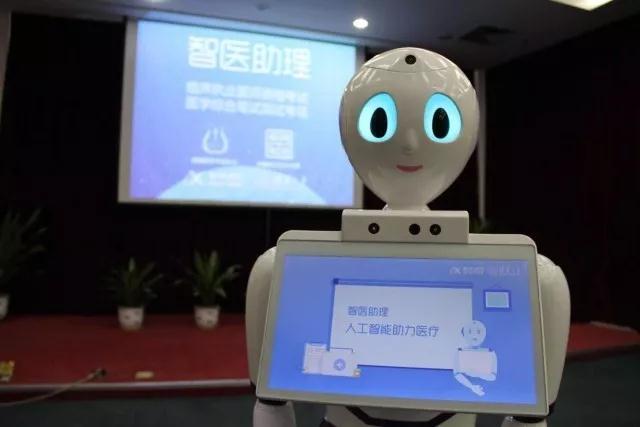
On November 6, during the 2017 National Medical Licensing Examination (written component), the “Intelligent Medical Assistant” robot, jointly developed by iFlytek and Tsinghua University, scored 456 points under test conditions with internet disconnection and no signal. This score exceeded the passing mark by 96 points, placing it at a relatively high level among the 530,000 examinees nationwide.
Each comprehensive written examination for the medical licensing exam consists of entirely new questions, with an increasing proportion of case-based items. Consequently, AI systems cannot rely solely on computational memory and rapid retrieval capabilities to answer these questions.
The “Intelligent Medical Assistant” system comprises two core components. The first employs a “semantic tensor” approach to represent vast amounts of medical knowledge within computers. The second leverages this medical knowledge to analyze and solve problems. Researchers have proposed multi-scale fusion reasoning algorithms, including “key-point semantic reasoning,” “contextual semantic reasoning,” and “evidence-chain semantic reasoning,” thereby equipping machines with multi-level reasoning capabilities across words, sentences, and paragraphs.
It is precisely these two core components that enable “AI Medical Assistant” to answer questions like a human.
Numerous companies both domestically and internationally are engaged in the research of computer-aided diagnosis systems. “Zhiyi Zhuli” is the first to pass the written component of China’s National Medical Licensing Examination, marking a milestone in this field. This achievement demonstrates to iFlytek’s future users that if “Zhiyi Zhuli” were a human candidate, it would qualify for medical licensure upon passing the practical skills examination.
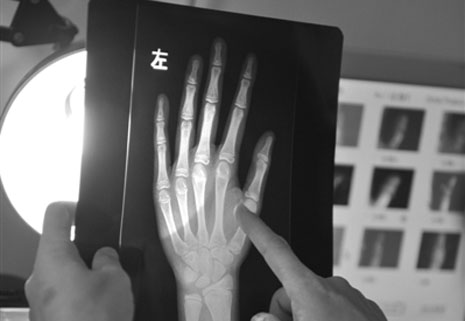
Clinically, bone age assessment is used to determine a child’s biological age. By evaluating the discrepancy between biological age and chronological age, clinicians can assess developmental status, understand trends in sexual maturation, and predict adult height. This approach is widely employed in monitoring treatment for conditions affecting growth and development and provides significant assistance in diagnosing certain pediatric endocrine disorders.
Currently, the Greulich-Pyle (GP) atlas method is the most widely used clinical approach in China due to its simplicity and speed; however, the atlas employed has been in use for 20 years and was developed based on a sample of European white children. Although the internationally recognized Tanner-Whitehouse 3 (TW3) scoring method offers greater accuracy, its assessment process is complex.
Yitu Healthcare’s independently developed AI-assisted diagnostic system for pediatric bone age assessment performs high-speed, intelligent evaluations based on standards such as TW3 and GP. By analyzing the features of each hand bone to minimize errors, the system achieves a precision of 0.1 years, with a deviation of less than six months compared to bone age assessments calculated by physicians.
The traditional TW3 scoring method requires 10–15 minutes per image review. The Yitu AI-assisted pediatric bone age diagnostic system can output both AI-derived bone age and TW3 bone age results within 5 seconds after image input, significantly improving detection efficiency and stability while ensuring accuracy.
Although other institutions and enterprises are also conducting research in this field, Yitu is currently the only company to have released a mature product. Through this initiative, Yitu will collaborate with partner hospitals to establish a large-scale database of bone age for normal Chinese children, as well as develop bone age diagnostic standards that align with the contemporary skeletal development characteristics of Chinese children. The establishment of these standards will solidify its leading position in the industry.
In the field of pediatrics, Yitu Healthcare has also developed an intelligent diagnostic system for common pediatric diseases. In recent years, there has been growing demand for pediatric-specific medications and pediatricians; Yitu’s strategic presence in this sector will serve as a significant competitive advantage.
Yasen Technology’s AI-Based Diagnostic Solution for Alzheimer’s Disease. This solution employs multimodal intelligent analysis, leveraging cross-validated data from MRI, EEG, PET scans, and clinical scales to develop a multimodal neural network training model. To achieve more precise diagnostic outcomes, Yasen Technology has trained six distinct models tailored to different age groups.
Currently, Yassen’s system can predict the likelihood of Alzheimer’s disease onset two to three years in advance and determine the stage of disease progression.
Additionally, Yasen’s research subjects in neurology also include Parkinson’s disease, epilepsy, and stroke.
There are several other companies in China leveraging AI for research in neurology, particularly in Alzheimer’s disease. Currently, Yasen’s key advantages are twofold: first, it employs multi-modal data to train its models; second, Yasen Technology possesses a dataset of approximately 1,000 cases with complete medical records and follow-up periods exceeding five years.
EDDA Technology’s IQQA-3D system has been used in more than 35,000 cases worldwide, covering major diseases of soft-tissue organs in the chest and abdomen, including the liver, biliary tract and pancreas, lungs, and kidneys. These figures far exceed those of its peers. The IQQA-Guide 3D image-guided intraoperative navigation system has recently entered the National Innovative Medical Device Special Approval Process and is currently under application for approval by the China Food and Drug Administration (CFDA), having already received clearance from the U.S. Food and Drug Administration (FDA).
EDDA's OriginalAI+QMR Holographic Fully Quantitative Reality-VirtualityUsers can interact with personalized 3D anatomical models of human organs, tissues, and lesions from various angles using gesture and voice commands, enabling immersive operations that align with clinical needs. More importantly, the system allows for real-time interactive quantitative analysis of 3D volume, distance, angle, and vessel diameter, thereby facilitating comprehensive preoperative quantitative 3D precision assessment, virtual surgical simulation, and surgical risk evaluation.
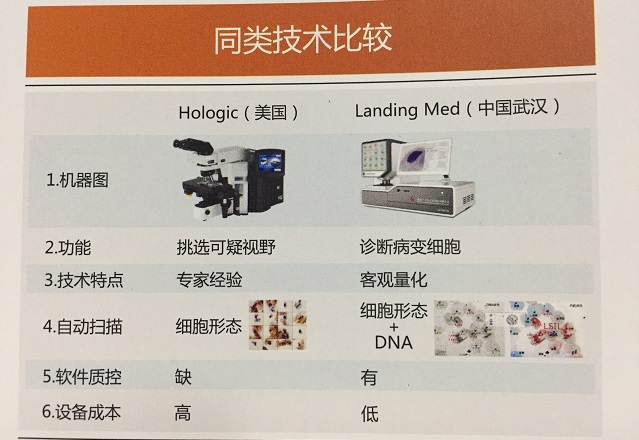
Reporters compared EDDA Technology’s products with similar offerings in the industry and found that its display clarity holds a distinct advantage.
Currently, Lianxin Medical has partnered with 15 top-tier Grade A tertiary hospitals in China, compiling over 10,000 highly standardized oncology treatment cases. Leveraging artificial intelligence algorithms, the system can automatically delineate target volumes, plan radiotherapy and surgical protocols, and evaluate the simulated therapeutic efficacy of these interventions within just 3.5 minutes.
Physicians only need to perform verification and fine-tuning based on these results, improving work efficiency by over 90%. For cancer types such as breast cancer, nasopharyngeal carcinoma, lung cancer, and liver cancer, the technology is relatively mature, with an overlap rate of more than 85% between automatically delineated target volumes and those manually drawn by physicians.
In addition to Lianxin Medical, several other companies in China are conducting research on AI-assisted radiotherapy quality control and target delineation; however, their development stages vary significantly, with some only just entering the field.
The fully automated quantitative cell DNA analysis system developed by Landin Company measures the DNA content within cell nuclei to identify cells with altered DNA ploidy, thereby achieving fully automated scanning, automatic diagnosis, and comprehensive quality control. Extensive clinical trials have demonstrated that this system can improve the sensitivity of cytological diagnosis.
This product pioneered the use of quantitative cell DNA analysis for large-scale cervical cancer screening worldwide. Its scientific validity and accuracy have been recognized by peers both domestically and internationally, following validation through cervical cancer testing in millions of rural women. VCBeat has also verified this accuracy through several medical institutions in Shaanxi and Henan provinces, confirming its significant effectiveness.
Landing’s fully automated digital (tele-) case analyzer has obtained certification from the China Food and Drug Administration (CFDA) and the European CE mark, with FDA approval expected within 2017. Landing currently operates more than 300 laboratories domestically and internationally, with a monthly capacity of 1.08 million cervical cancer diagnoses. The company has established cooperation intentions with partners in Southeast Asia, the United States, and Europe. In addition, Landing’s mobile cervical cancer screening vehicles have entered the market, and its third-party pathology testing centers are being steadily advanced.
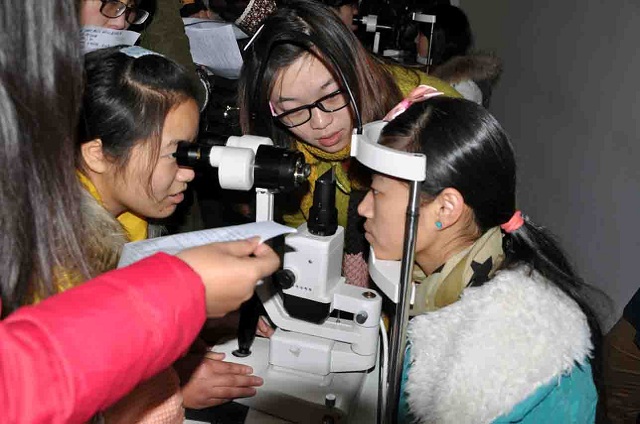
In the field of optometry and ophthalmology, Airdoc has partnered with the Eye Hospital of Wenzhou Medical University to initiate research in this domain. The two parties are conducting joint research in areas such as AI-assisted diagnosis of keratoconus, intelligent triage for ophthalmic conditions, and AI-based prediction of myopia progression in adolescents. Leveraging the world-class data accumulated by the Eye Hospital of Wenzhou Medical University, the collaboratively developed model for predicting future visual changes in children can eliminate interference from outlier data and analyze trends in refractive error relative to age. Currently, Airdoc is capable of predicting the progression of myopia from the present age up to 18 years old in children and adolescents aged 3–17, based on multiple dimensions.
Additionally, Airdoc has developed an AI-based chronic disease screening solution capable of identifying over twenty fundus-related chronic conditions, including diabetic retinopathy, cataracts, glaucoma, high myopia, and vitreous degeneration. Furthermore, it can detect systemic chronic diseases such as diabetes and hypertension through fundus photography.
Hisys and West China Hospital are industry leaders in research on digestive endoscopy imaging, with their system achieving an accuracy of approximately 95% in diagnosing various diseases under digestive endoscopy.
In addition, while developing AI technologies, Xishi Yigou is also developing devices equipped with its systems.
This device addresses the challenge of real-time imaging that cannot be resolved via cloud-based solutions; images transmitted from the endoscope are displayed directly on the diagnostic unit with millisecond-level latency.. Meanwhile, the AI system integrated into the diagnostic device can provide specific lesion alerts on the displayed images.
Song Jie, founder of Xishi Yigou, stated that their device can not only display digestive endoscopy images but also images of other diseases, and will be compatible with future AI systems as they are launched.
The intelligent screening and diagnosis of pulmonary nodules is a highly competitive field, with numerous players vying for dominance. However, due to the absence of a widely accepted benchmark for comparison, it remains impossible to determine clear leaders or rank top performers in this domain.
In interviews with physicians conducted over the past two months, reporters found that doctors are optimistic about two research directions: one is radiomics research, and the other is the gradual control of false-positive rates.Otherwise, identifying so many benign nodules would only increase physicians’ workload and exacerbate patients’ anxiety.
In addition to intelligent screening and diagnosis of pulmonary nodules, the fields of diabetic retinopathy and pathological image analysis are also highly competitive. China initiated intelligent screening for diabetic retinopathy at an early stage, with nearly 20 companies operating in this sector. While some companies have performed well, their solutions can be characterized as intelligent and automated but do not fall within the realm of artificial intelligence.
In this field,Several interviewees favor a strategy that uses diabetic retinopathy screening as an entry point for chronic disease management, leveraging this service as a revenue stream to scale up operations.。
In the field of pathological imaging, Deepcare has been deeply engaged for a long time. However, due to its recent focus on intensive research without releasing updates on its latest findings, it is impossible to assess the differences in research scope and progress compared to other companies. Therefore, no conclusion can be drawn in this area at present.
During a recent interview with the Vice President of Ningbo No. 2 Hospital,He stated that medical AI companies can optimize and integrate their resources, adopt differentiated strategies, and focus on specific healthcare sub-sectors to build competitive advantages., so as to accelerate the development of the industry.
In the face of the nascent medical AI industry, the most critical task for hospitals, investors, physicians, and other industry stakeholders is to distinguish between “genuine AI” and “pseudo-AI,” avoiding the pitfall of chasing trends and falling prey to opportunists. While competition exists among companies, it has not yet reached a zero-sum, life-or-death stage. For companies engaged in research across different domains, forming alliances for collaborative development may well prove beneficial.