

How to Regulate Online Prescription Drug Sales? Insights from the U.S. Model
On November 14, the China Food and Drug Administration (CFDA) released the “Measures for the Supervision and Administration of Online Drug Operations (Draft for Comments)” (hereinafter referred to as the “Draft Measures”), undoubtedly causing many companies engaged in pharmaceutical e-commerce—and indeed the entire nascent industry—to once again feel the biting chill of winter.
Within this nearly 6,000-word document, two pieces of information are most critical: first, internet platforms are prohibited from selling prescription drugs; second, websites selling pharmaceuticals to individual consumers must not publish prescription drug information online.
Just as the draft for public consultation sent shockwaves through the pharmaceutical e-commerce industry, scrutiny shifted to offline pharmacies, identified as the primary hotspot for illicit prescription drug sales. “If supply is abundant, you can haul it away by the truckload—what prescription? There isn’t one!” remarked one observer, satirizing the sale of prescription drugs in physical stores.
So, what is the actual sales performance of prescription drugs in offline pharmacies? In response, DXY, currently the largest physician community in China, conducted a small survey.
In 31 cities, 42 people purchased prescription-free medications at offline pharmacies, with 40 successful transactions.
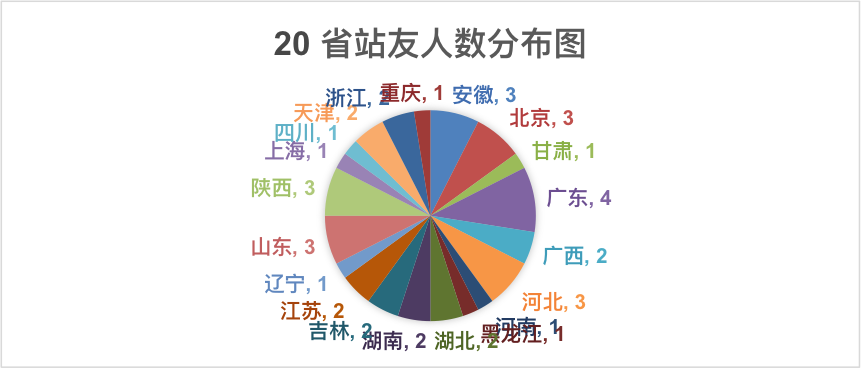
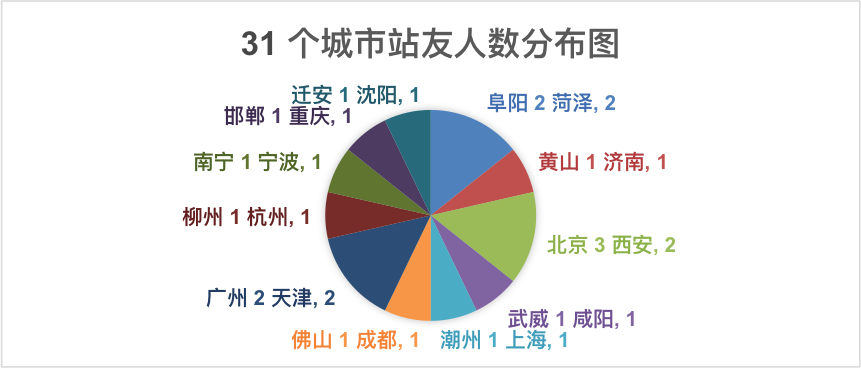
On November 15, DXY initiated a test on its forum, inviting members to select any two prescription drugs from a list that included roxithromycin, amoxicillin, levofloxacin eye drops, Suxiao Jiuxin Wan, Zhenju Jiangya Tablets, and Betaloc, to see whether they could be purchased without difficulty at offline pharmacies. As of the 20th, 42 participants had taken part in the activity, hailing from 31 cities across 20 provinces and municipalities directly under the central government in China.
Among the 42 participants, 40 successfully purchased prescription drugs at offline pharmacies. Of these, one individual was able to purchase only traditional Chinese patent medicines (prescription drugs), as Western medicines strictly required a prescription. Two participants failed entirely to make any purchases. Among the online participants, there were many from first-tier cities such as Beijing, Shanghai, and Guangzhou.
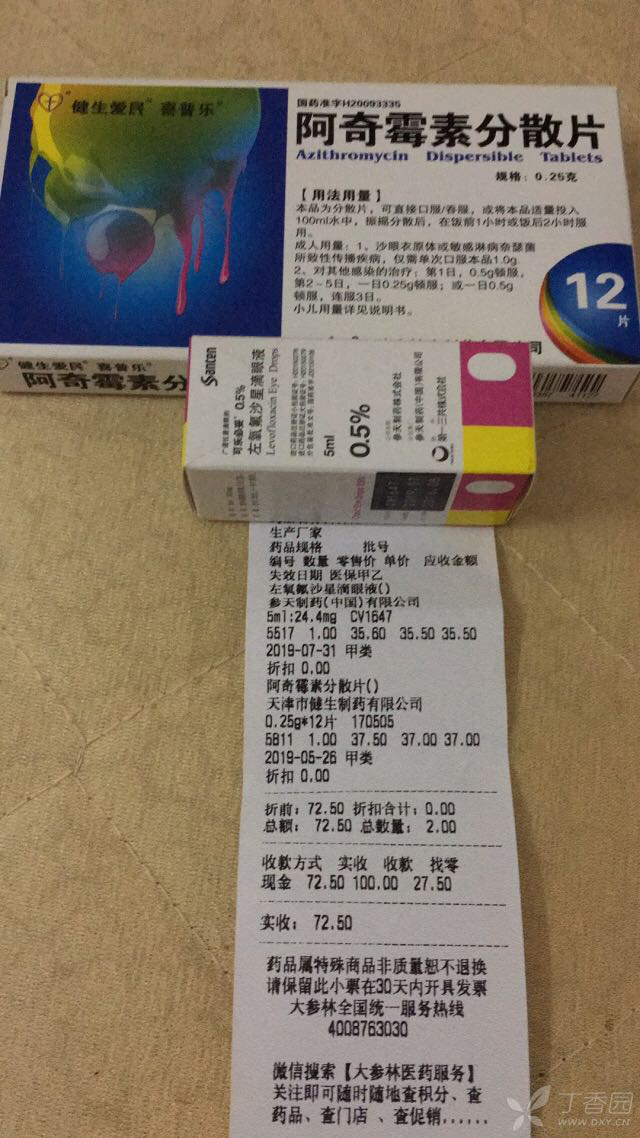
Mr. Chen, a member who participated in the event, stated that he purchased Azithromycin Dispersible Tablets and Levofloxacin Eye Drops at a relatively large chain pharmacy in Guangdong for RMB 35.5 and RMB 37, respectively, totaling RMB 72.5. At the time of purchase, the staff requested his ID number for registration but never asked for a prescription. Like Mr. Chen, only a small minority of buyers are required to register their ID information; most people simply “pick up the medication and pay” when purchasing prescription drugs, making the entire purchasing process surprisingly smooth.
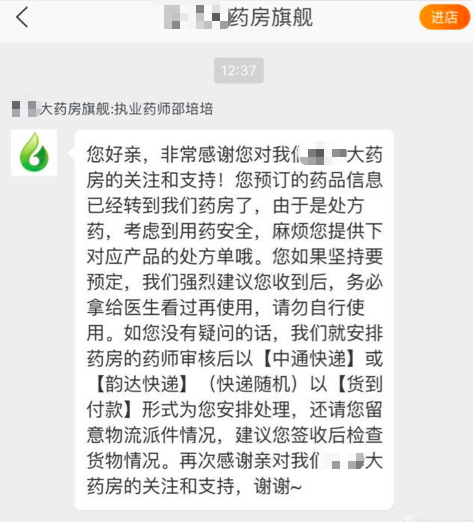
In addition, some members successfully purchased prescription drugs from several pharmaceutical e-commerce platforms by placing orders online, also without a prescription.
In light of the online sales ban and the near-universal failure of offline pharmacies to request prescriptions for prescription drugs, DXY members participating in this offline medication purchase survey have sparked widespread discussion:
A: At the larger local chain pharmacies, you can just walk in and tell them what medication you want to buy. There’s no need for prescriptions or review by licensed pharmacists—it’s just like shopping at a supermarket. (from Beijing)
B: It’s a bit of a hassle to buy medication, but you can still make purchases by providing your mobile phone number and ID card number! (from Tianjin)
C: I wanted to buy amoxicillin and Suxiao Jiuxin Wan (Quick-Acting Heart-Saving Pills). The clerk handed them to me directly; I paid and left without a single extra word being exchanged. (from Zhejiang)
D: “Hello! Uncle, what do you need?” “Amoxicillin.” “Amoxicillin is a prescription-only medication; it can only be sold with a valid prescription.” “What?” “Amoxicillin is a prescription drug. Starting from September 1st, it must be dispensed only upon presentation of a prescription.” “What’s a prescription?” “It’s the slip issued by a hospital doctor when they prescribe medication—called a prescription form. You can purchase the medicine by presenting that prescription form.” “If I have to go to the hospital anyway, why would I still come here?” (From Kunshan, Jiangsu Province)
E: Commonly used antibiotics and medications taken for life are basically all available. I think this is not necessarily a bad thing. Purchasing medications according to prescriptions is a very good practice, but many good practices tend to become distorted in China.
Should the prescribing physician, who has invested time in the process, be compensated? Who should bear this cost? Is the prescribed medication truly necessary for the patient? Could there be unscrupulous practitioners who prescribe expensive and unnecessary drugs? Might there be covert kickbacks or conflicts of interest? Who is responsible for oversight? How much funding is required for regulatory supervision, and who should cover these costs?
From the patient’s perspective, it would be perfectly fine if they could simply purchase medications, such as antibiotics, and take them at home according to the package instructions. Instead, they are forced to go through great lengths to obtain a prescription. Do not talk to me about service attitude; the reality is that the overall level of service attitude among hospital physicians is not high (for various reasons, which have been extensively explained by others). I am telling you that this will lead to more intense doctor-patient conflicts.
Finally, if we strictly follow the prescription-to-dispensing pathway, can we really guarantee that our currently scarce physician workforce alone can prescribe appropriate medications for every individual in the community? A moment’s reflection makes it clear that this is unrealistic.
Not every sick person frequents DXY or Zhihu, nor are they all Ivy League graduates. Most are ordinary people like me. It is more practical to manage minor ailments and long-term medication through self-monitoring based on individual circumstances, seeking immediate medical attention if any abnormalities arise. Avoid taking medications you do not understand; however, for drugs required for lifelong use or simple antibiotics, strict adherence to the prescribed regimen is sufficient, without the need for excessive formalities.
Of course, psychiatric prescription medications are essentially impossible to purchase, as regulations remain strict. This is a positive development, after all, since the malicious schemes of wrongdoers have surpassed the conceivable lower bounds of human behavior. (From Nanjing, Jiangsu)
According to incomplete statistics from the Ministry of Commerce, China’s total online pharmaceutical sales (including medical devices) reached RMB 47.6 billion in 2015 and rapidly climbed to RMB 61.2 billion in 2016. Amid the rapid growth of e-pharmacy, several problems have come to light: illegal sales of counterfeit and substandard products; non-compliant sales of prescription drugs; widespread exaggerated advertising and the passing off of non-drug products as medicines; inadequate pharmaceutical care services; and risks in the delivery process. From this perspective, it is easy to understand why the China Food and Drug Administration (CFDA) issued a ban halting the online sale of prescription drugs.
Therefore, it is more urgent and necessary to introduce targeted and actionable regulatory measures.
In fact, there are many mature models for online drug sales abroad.
Taking the United States as an example, a system of separation between medical services and pharmaceutical dispensing is implemented, with pharmacies enforcing strict classification and management of prescription and over-the-counter (OTC) drugs. The sale of prescription medications requires a valid prescription (electronic or paper) issued by a licensed U.S. physician. Dispensing prescription drugs without a prescription, or physicians prescribing them indiscriminately, constitutes a felony.
Meanwhile, every pharmacy can access the registration records of all physicians across the United States via networked computers. If there is uncertainty about whether a prescription was issued by a specific physician, the pharmacist must contact the physician for verification before dispensing the medication.
On prescription forms issued by physicians in the United States, the header clearly displays the prescribing physician’s detailed information, including name, license number, address, and phone number. The middle section contains patient information, such as name, date of birth, gender, residential address, and phone number. In the prescription area, details such as the medication name, dosage, and units are specified. To ensure the authenticity of the prescription, in addition to signing their name, the physician must also press their fingerprint in the “Physician Fingerprint Area” located at the lower-left corner of the form for verification; only then is the prescription considered officially valid.
Sample prescription image as follows:
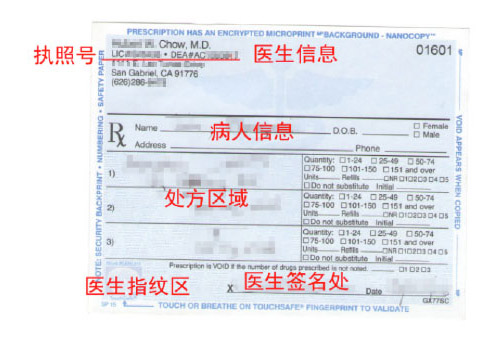
However, when presenting the prescription at the pharmacy to purchase medication, you cannot obtain the drugs immediately. The pharmacy must first verify your identity card information and confirm the prescription details before proceeding with registration.
The benefits of this approach are threefold: first, it enables stricter management of prescription drugs; second, it allows pharmacies to maintain records of customers’ medication usage, thereby facilitating improved services—such as early detection of adverse drug reactions and timely drug recalls; and third, it helps cultivate a loyal customer base.
After registration, the pharmacy will package the medications according to the customer’s needs and information. The pharmacy will print basic information about the pharmacy, medication, patient, and physician onto labels, which are then affixed to the medication boxes (or bottles).
Furthermore, the U.S. government has established a public pharmaceutical sales platform, where online pharmacies can sell medications after undergoing backend approval. Consumers can pick up their orders directly from nearby physical stores after placing them online. This integrated online-to-offline model effectively addresses issues such as medication safety, logistics, and difficulties in accessing medicines. In this regard, it appears to align closely with the widely advocated “New Retail” model in China.
In China, although the regulation of prescription drugs faces numerous challenges, only by jointly exploring an online pharmaceutical sales and regulatory model suited to national conditions through the concerted efforts of the government and relevant enterprises can the chaos in the e-pharmacy industry be eradicated, allowing the sector to truly enter a phase of rapid development.