Chongqing Health Valley Hosts First Medical Investment Closed-Door Meeting: Exploring Current Landscape and Investment Opportunities in the Healthcare Industry
On November 23, the First Medical Investment Exchange Conference was held at the Health Intelligence Valley Conference Room, China Huarong Modern Plaza, No. 439 Xinnan Road, Longshan Subdistrict, Yubei District, Chongqing. Organized by Chongqing Health Intelligence Valley and co-organized by VCBeat, the conference aimed to address financing and investment challenges for companies in the broader health sector.
The moderator for this event was Liu Huiguang, Co-founder and CEO of VCBeat. The keynote speaker was Wei Dewei, Investment Director at Hejun Capital. Participating companies included Weile Dental, Meizhao Health Checkup, Medical Aesthetics International (Yisi), Chuanpai Doctor Group, Mingyi Online, Longji Medical, Xianyang Technology, Shiji Cirui, Qijiang Kangji Integrated Traditional Chinese and Western Medicine Hospital, and Ruijin Integrated Traditional Chinese and Western Medicine Hospital, among others, along with other entrepreneurs in the health industry. The conference room was filled to capacity.
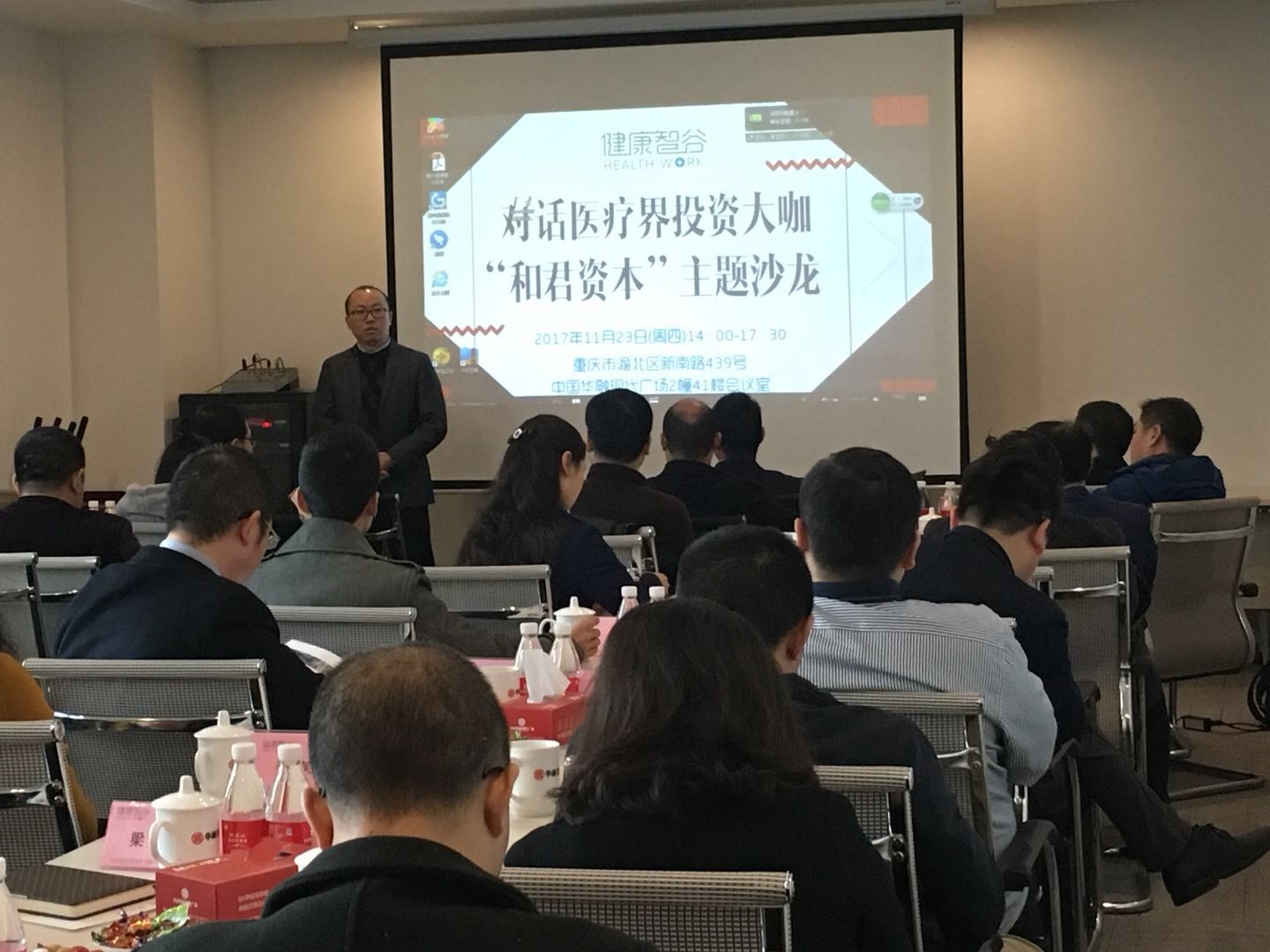
Event Venue
The event will officially commence at 14:30 and consists of two sessions: one focusing on the current status and trends of the medical industry, and the other on investment opportunities in the broader health and wellness sector.
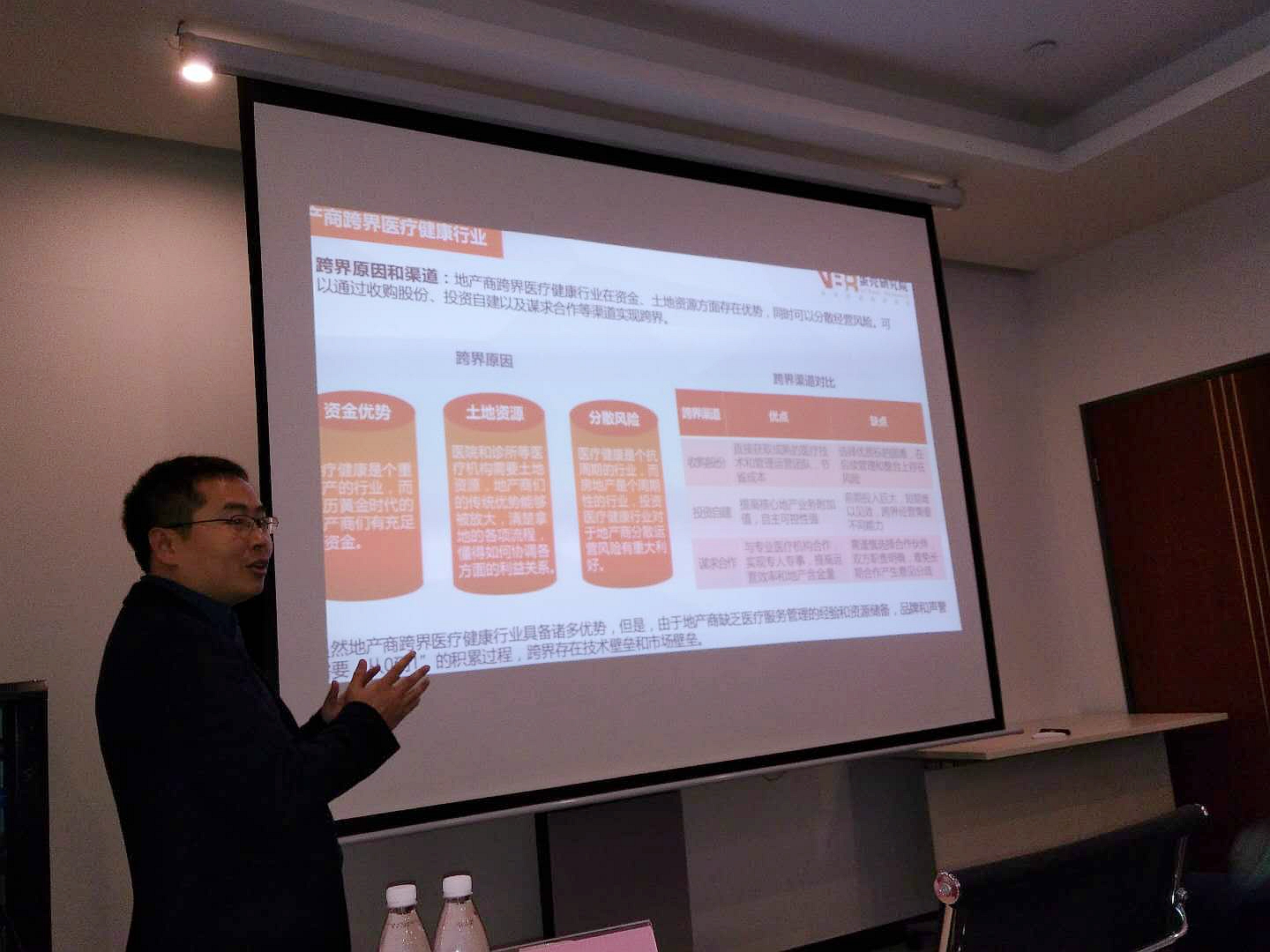
Liu Huiguang, Co-founder and CEO of VCBeat
The first guest speaker isCo-founder of VCBeat andCEO Liu Huiguang’s presentation, titled “Interpretation of 2017 Healthcare Innovation Trends,” was divided into three parts:2017 Healthcare Innovation Trends、Decoding Key Terms in Medical Innovation,2018 Predictions for Healthcare Innovation Trends.
In summarizing the healthcare innovation trends of 2017, he highlighted the five most significant changes: real estate developers entering the healthcare sector, insurance companies expanding into healthcare, internet giants crossing over into healthcare, online medical platforms establishing offline clinics, and the comprehensive rise of artificial intelligence and precision medicine.
Speaking of2018 Healthcare Innovation TrendsPrediction, Liu Huiguang believes that the following five major trends will emerge in the future:
First, the market size of China's healthcare industry continues to grow.According to the latest data from the National Health and Family Planning Commission of China, total health expenditure in China reached RMB 4.6 trillion in 2016, with double-digit growth rates maintained over the past decade.
Second, healthcare reforms have deepened, and the private sector has grown increasingly powerful.By the end of 2016, the number of private hospitals in China had grown to 16,432, while the number of public hospitals continued to decline to 12,708. From 2010 to 2016, private hospitals maintained a rapid growth rate of over 10%, whereas public hospitals consistently experienced negative growth. Following the new healthcare reform, the national policy direction has become very clear: encouraging more private capital to enter the healthcare industry. Private forces will occupy an increasingly important position in China's healthcare industry.
Third, AI-powered healthcare products are accelerating their market deployment, leading to significant divergence among enterprises.Gartner Hype Cycle: Significant Divergence Across AI+Healthcare Subsectors; Virtual Assistants, Medical Record and Literature Analysis, and Medical Imaging Are Poised for Industrialization, While Disease Screening and Prevention, as Well as Hospital Management, Face a Longer Path to the Plateau of Productivity with Slower Development.
Fourth, precision medicine is highly sought after by the market, and China’s consumer-grade genetic testing market is poised for takeoff.As an important niche within the broader genomics industry, consumer-grade genetic testing has long remained in a lukewarm state. However, with the explosive growth of the entire genomics sector, consumer-grade genetic testing may reach a critical turning point in 2018. In 2017, the strong performance of China’s two genomics giants—BGI Genomics and Berry Oncology—in the capital markets demonstrated that the concept of precision medicine, represented by genomics, has gained market recognition, ushering in a period of significant dividends for China’s genetic testing industry. Meanwhile, an examination of genomics market development in major regions worldwide reveals that most markets are still at a relatively early stage, indicating substantial room for future growth.
Fifth, patient-centered, value-based healthcare is beginning to emerge.Value-Based Healthcare is a medical system that has been widely accepted and gradually implemented in Europe and the United States. Its core mission is to maximize healthcare value while controlling medical costs. Although China still differs from many developed countries in terms of medical standards and the allocation of healthcare resources, given the dominant role of public institutions in China’s healthcare sector, the government can leverage its policy guidance to facilitate the implementation of a value-based healthcare system, thereby achieving leapfrog development.
Next, the featured guest isHejun CapitalWei Dewei, Investment Director, heA Detailed Explanation of Hejun Capital’s Development History, Investment Philosophy, and Other Key Insights.
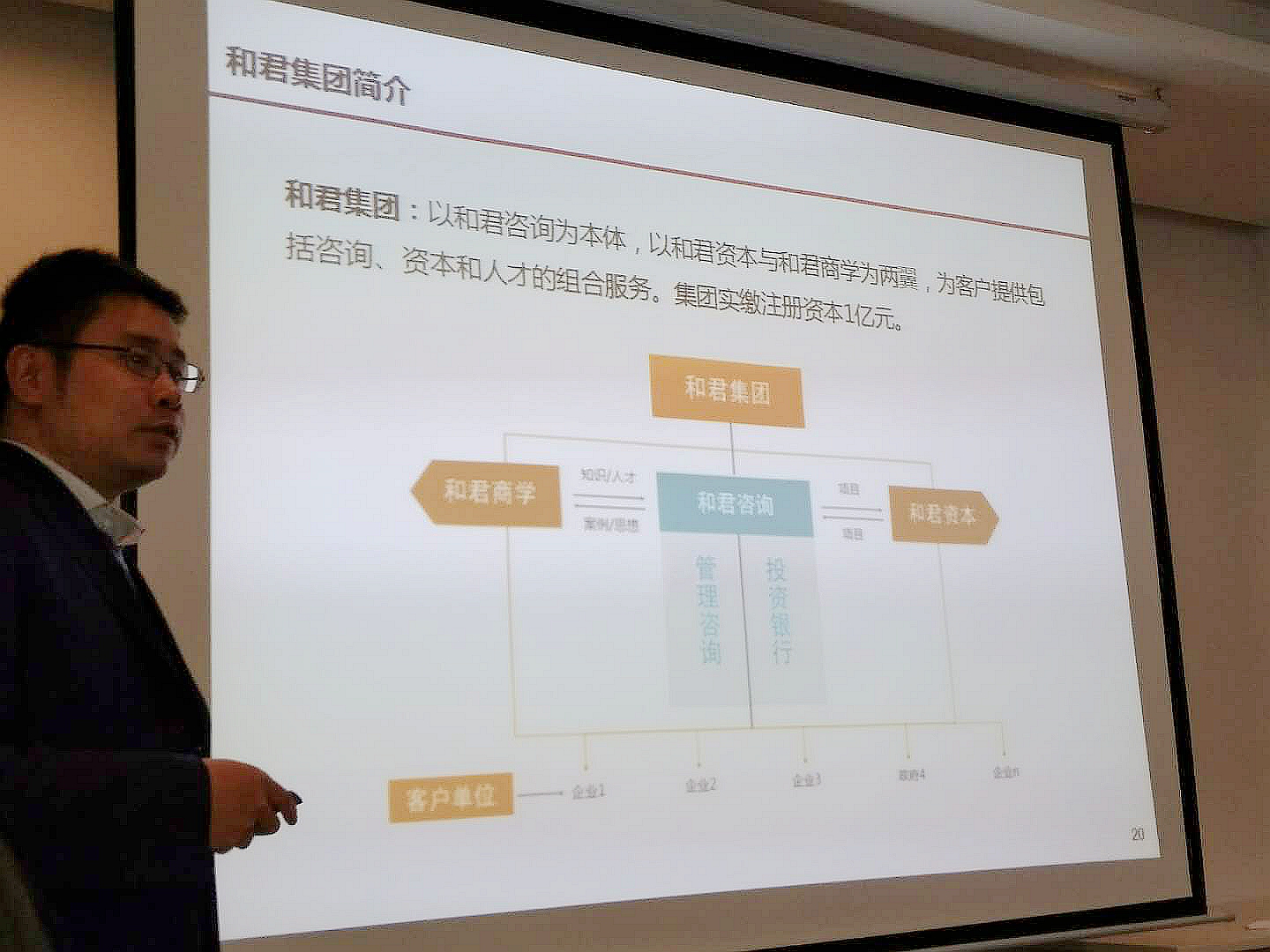
Wei Dewei, Investment Director at Hejun Capital
Established in late 2009, Hejun Capital has managed cumulative funds exceeding RMB 5 billion, invested in more than 50 companies, and facilitated the public listing of six portfolio companies. Leveraging Hejun Consulting’s extensive industry expertise, Hejun Capital has been selected as the manager for government guidance funds by entities including the National Development and Reform Commission, the Shanghai Municipal Government, the Yunnan Provincial Government, the Fujian Provincial Government, the Lanzhou Municipal Government, and the Nanhai District of Guangdong Province.
As one of the initial fund managers for the Chongqing Industrial Guidance Fund, Weidewei manages assets totaling RMB 1.2 billion. Its investment strategy focuses on two main approaches: first, investing in leading enterprises from other regions to introduce them locally, facilitate resource integration, and expand market reach; second, investing in local industry leaders to drive mergers and acquisitions for consolidation. Over two years of operation, it has gradually become one of the most highly regarded managers within the Chongqing Industrial Guidance Fund. Representative portfolio companies include Guanhao Biotech (300238), Prolog (870279), and Runyin Finance.
Finally, Wan Shuhong, Deputy General Manager of Chongqing Health Intelligence Valley, stated, “In the future, we will also deepen our cooperation with Hejun Capital, as many big health enterprises in the industrial park are in need of financing.”
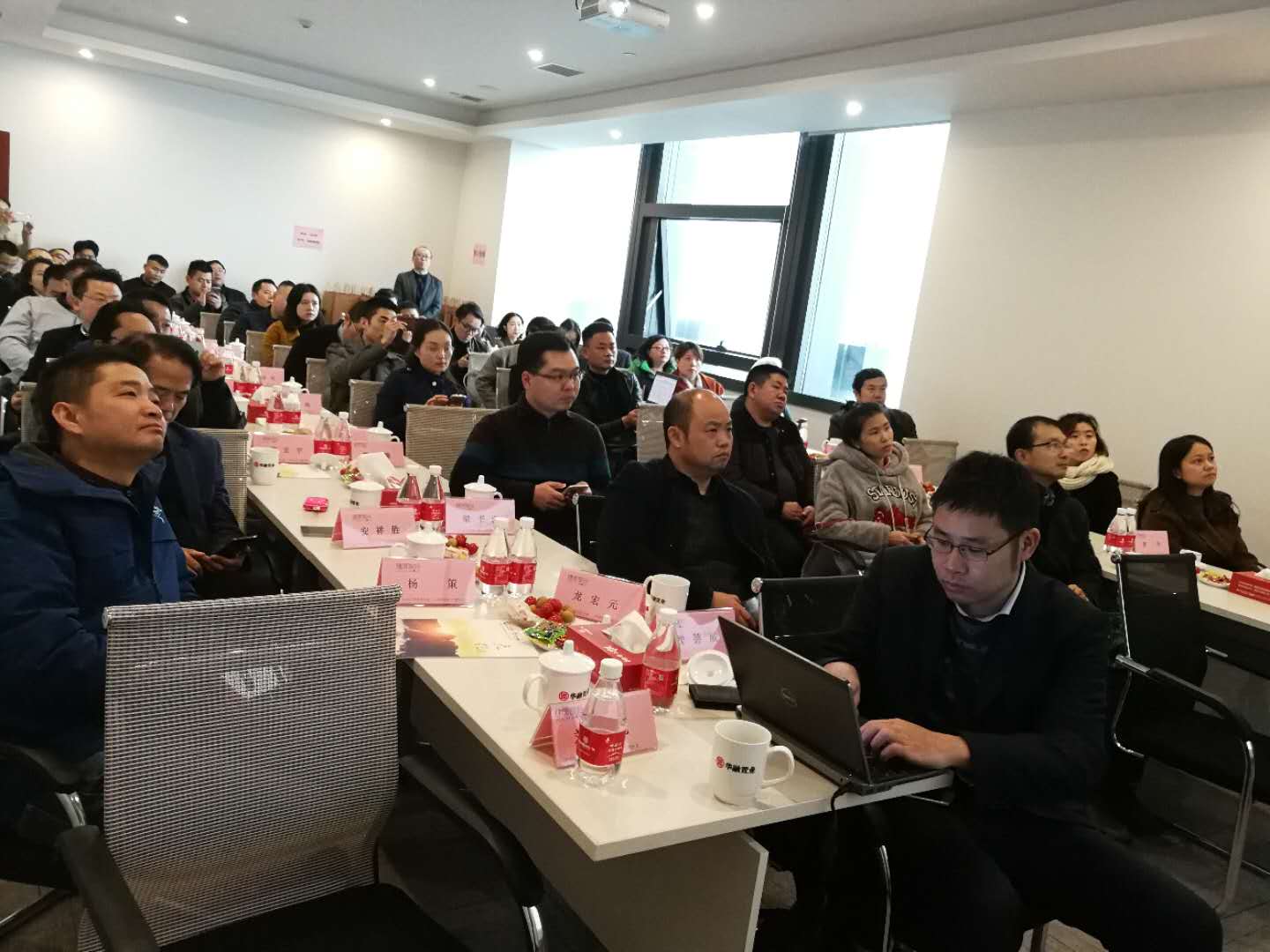
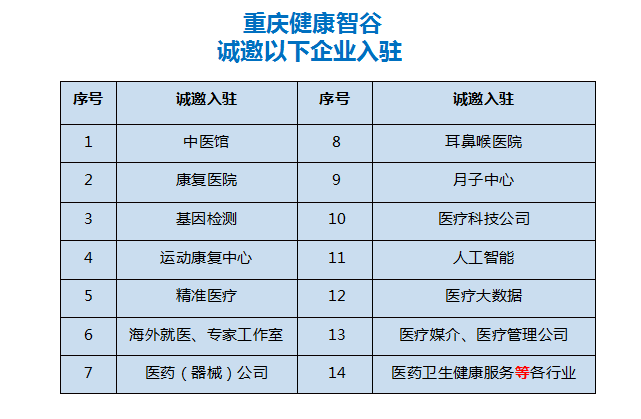
Health Intelligence Valley, established in June 2014, leverages its affiliation with Tianyi Group and the medical service platform “Meinian Onehealth.” Managed by Shanghai Tianyi Hongfang Enterprise Management Co., Ltd. for investment promotion, operations, and management, it aims to create China’s first health service industrial park.
“As a park focused on the ‘big health’ industry, we mainly incubate two types of enterprises: one is medical device companies related to physical examinations; the other is companies related to health management. It can be said that since its establishment, Health Intelligence Valley has made precise positioning,” said Wan Shuhong.
For resident enterprises, Health Intelligence Valley focuses on the upstream and downstream segments of the health industry chain, prioritizing advanced technologies and services. Technology-driven enterprises include those in fields such as genetic testing and artificial intelligence; healthcare service-driven enterprises encompass high-end physical examination centers, health and medical media outlets, dental care providers, and medical aesthetic clinics.
Taking Shanghai Health Intelligence Valley as an example, it has attracted companies driven by medical services, such as the headquarters of Meinian Onehealth, Siemens’ only joint venture center in China, “Elephant Doctor,” “Jing Yi Wei,” and “Fitness.” In contrast, Health Intelligence Valley near Zhongguancun in Beijing mainly gathers technology-oriented innovation and entrepreneurship enterprises. In the field of surgical robotics, it is home to Ankon Medical, which developed the capsule gastroscopy robot, and Baihui Weikang, which specializes in the R&D of neurosurgical robots.
Currently, Health Intelligence Valley has established a network layout in Shanghai, Chongqing, Beijing, Hangzhou, and other cities. While focusing on the “big health” sector, it has developed industrial parks with distinct positioning tailored to the unique characteristics of each city.
Chongqing Health Intelligence Valley is positioned as an innovation-leading integrated health services hub, aiming to attract top-tier health enterprises and talent to establish the region’s most premium medical examination center. Current tenants include Meizhao Medical Examination Center, Meiwei Dental Hospital, Demei Medical, VCBeat, and Yisi Medical Aesthetics Center.
For entrepreneurs, the greatest appeal of Health Intelligence Valley lies not only in its conventional incubation services but, more importantly, in its leverage of specialized resources—such as public R&D platforms, a health big data center, connections with hospitals and academic clinical institutions, and professional investment funds. These specialized services are unavailable in other industrial parks.
Meanwhile, Health Intelligence Valley also provides entrepreneurs with a range of other third-party services, such as medical conferences and meetings. “The healthcare industry places significant emphasis on academic standing, so we help tenant companies promote their academic profiles.”
In the process of serving resident enterprises, the support provided to Anhan Medical serves as a typical example. According to Wan Shuhong, Anhan Medical’s capsule robot products were initially deployed in Meinian Onehealth Healthcare examination centers, facilitating 30,000 procedures in 2016 and driving rapid growth for Anhan Medical.
As a result, Anhan Medical was able to rapidly surpass its peers, reducing its customer acquisition costs while enabling it to focus on the research and development of new products.
The park also hosts salons on an irregular basis to accelerate communication and cooperation among enterprises, as was the case with this investment exchange meeting. It also provides entrepreneurs with a range of other third-party services, such as medical exhibitions and business meetings. “As the healthcare industry places significant emphasis on academic standing, we help promote tenant companies in the academic sphere.”
“Although some enterprises have already moved in, we also hope that more companies will join,” said Wan Shuhong.