

Investment Logic Under Healthcare Reform: Policy Shifts Spark M&A Wave and Bright Prospects for Traditional Chinese Medicine
2017 marked Year One of China’s healthcare reform. With initiatives such as Healthy China, national strategies, traditional Chinese medicine, and new drug regulatory policies, the medical and broader health industry has witnessed a surge of dynamic change. In this new era of Healthy China, investors in the healthcare sector are adopting a wait-and-see approach: How can capital be effectively deployed under the new healthcare reform policies? Where lie the investment opportunities in the big health industry? And how can investors seize opportunities amid the new pharmaceutical reform policies issued by the General Office of the CPC Central Committee and the General Office of the State Council? These questions have become topics of joint discussion among political, business, and academic circles.
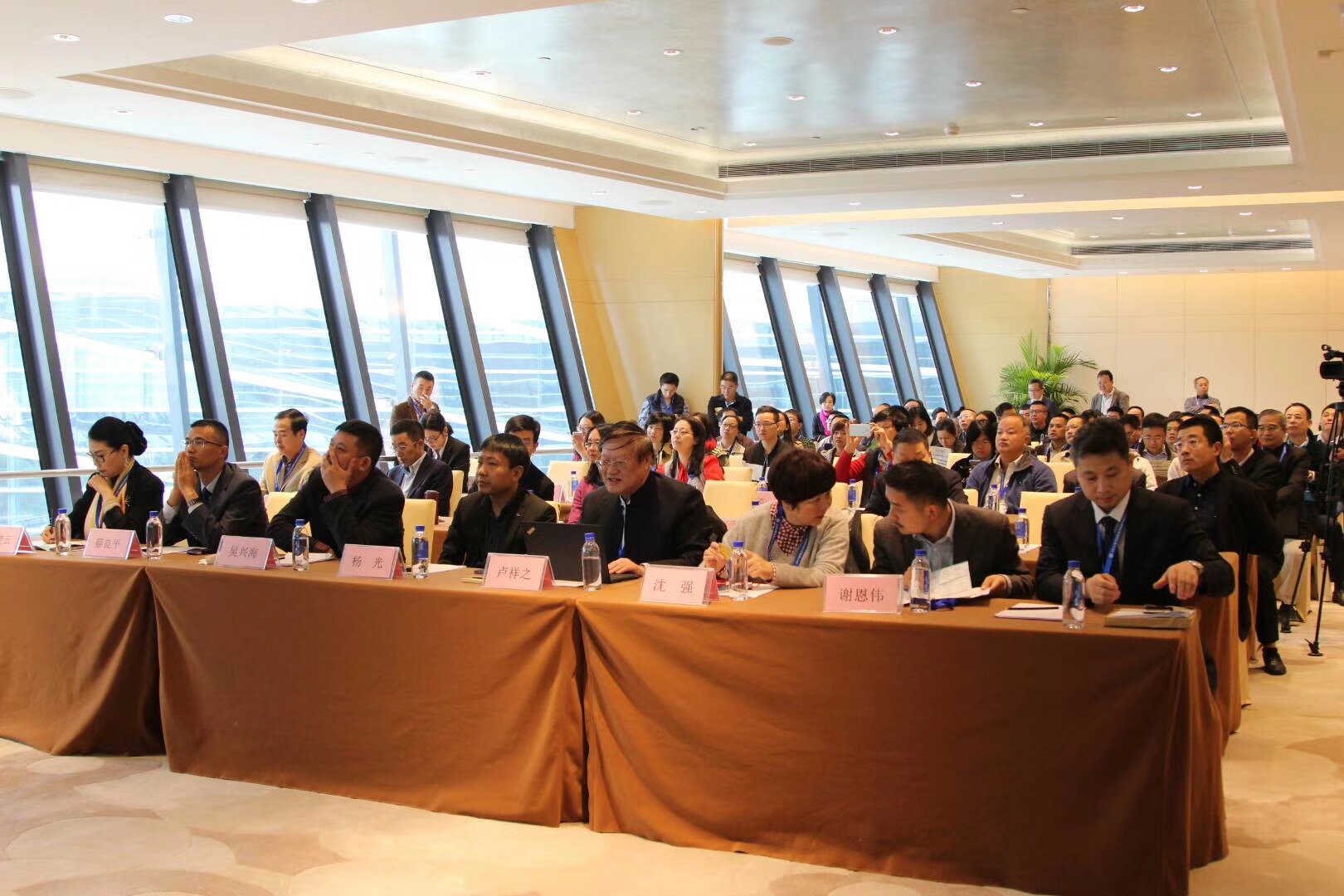
November 24–25, 2017: The 3rd Hengqin International Medical and Health Industry Summit & Investment and Financing Conference (hereinafter referred to as the “Hengqin Forum”) was held at the Zhuhai International Convention Center. More than 1,000 participants from over 500 investment institutions and enterprises in the medical and healthcare sector attended the forum.
The Hengqin Forum was jointly hosted by CMIG Health Industry Investment Management Co., Ltd., Macau University of Science and Technology, the Greater Bay Area (Zhuhai) Biomedical Research Center, Zhuhai International Health Port, and Zhuhai Regeneration Era Cultural Communication Co., Ltd. Themed “Innovative Industrial Investment · Building a Healthy China,” the forum centered on the two key concepts of “Health Planning 2030” and “Financial Services Supporting the Real Economy.” In light of development trends in the health industry within the Guangdong-Hong Kong-Macao Greater Bay Area, it facilitated discussions on investment trends across various sub-sectors of the medical and healthcare industries.
The Traditional Chinese Medicine Market Boasts Broad Prospects, with the Industry Remaining Bullish
Academician of the Chinese Academy of Sciences and National Master of Traditional Chinese Medicine, Chen Keji, attended the forum and delivered a keynote speech. He stated that China boasts abundant resources and literature on traditional food therapy, offering broad prospects for the research and development of dual-purpose (medicinal and edible) resources and functional foods. He recommended that stakeholders thoroughly study the national lists of food and drug resources to identify and develop varieties with proven therapeutic efficacy.
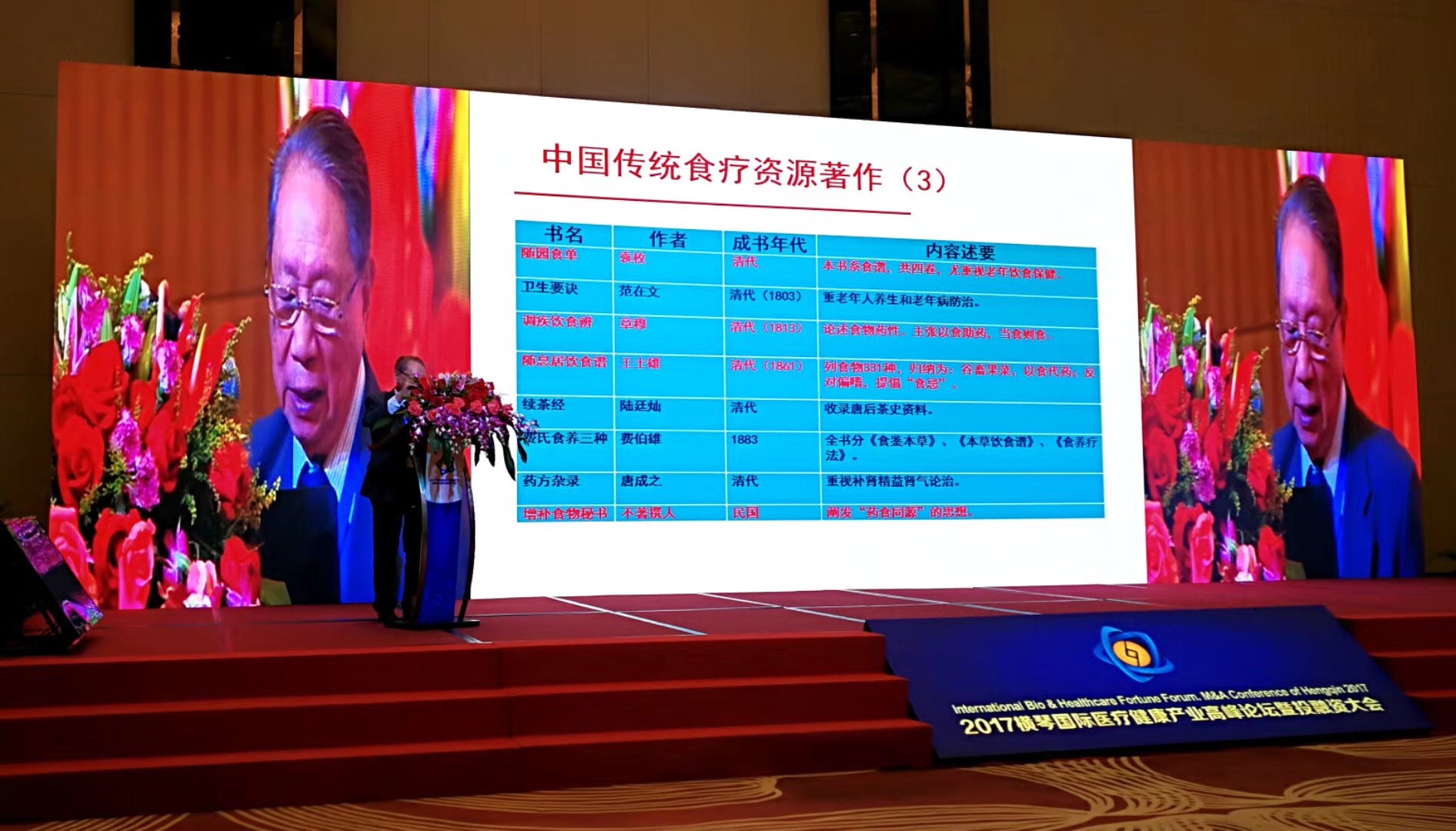
Academician of the Chinese Academy of Sciences, Master of Traditional Chinese Medicine Chen Keji
In October this year, the General Office of the Communist Party of China Central Committee and the General Office of the State Council issued new policies on pharmaceutical reform to support the innovation and inheritance of Traditional Chinese Medicine (TCM). Regarding investment directions, Wang Shengliang, President of Guangzhou University of Chinese Medicine, stated at a forum: “China remains a country with insufficient medical resources and pharmaceutical supply. Currently, China’s healthcare sector accounts for only about 10% of the entire healthcare market, indicating substantial room for growth. It is recommended that capital be directed toward specialized medical projects focusing on specific diseases or disciplines, such as orthopedics, gynecology, acupuncture, and various TCM schools.”
Wang Shengliang offered several recommendations for capital entering the traditional Chinese medicine (TCM) market. He suggested that, first, investments could be made in specialized medical projects focusing on specific conditions, such as orthopedics, gynecology, acupuncture, and distinct TCM schools; second, investments could target specialized rehabilitation services for conditions like cancer, cardiovascular and cerebrovascular diseases, and chronic illnesses; and third, investments could be directed toward high-end TCM health and elderly care facilities.
As a pioneer in digital traditional Chinese medicine (TCM) and a promoter of smart TCM, Wang Yonghui, Chairman of Xiangxue Pharmaceutical, was invited to attend this conference and shared insights on the landscape of smart TCM and precision medicine in the new era of Healthy China.
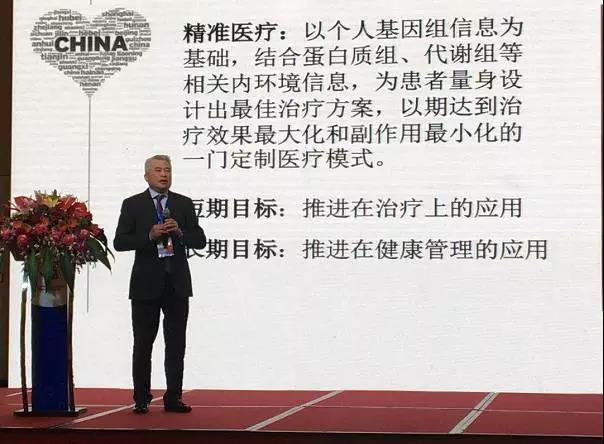
Wang Yonghui, Chairman of Xiangxue Pharmaceutical
“The Essence of Traditional Chinese Medicine Is Precision Medicine,” introduced Wang Yonghui. From ancient times to the present, TCM has always relied on a pulse pillow, a handful of herbs, and a silver needle, without introducing any advanced diagnostic instruments. The understanding of medicinal properties was also limited to the four natures and five flavors, channel tropism, and somewhat superficial descriptions of functions and indications. Today, with the development of high-tech, smart TCM combined with the internet, big data, and artificial intelligence can provide a comprehensive individualized diagnosis and treatment system, effective personalized medication solutions, and an ideal health management model, promoting the application of precision medicine in treatment and health management.
A Wave of New Drug Regulatory Policies: A Surge in Mergers Among Listed Pharmaceutical Companies May Occur in the Next Two Years
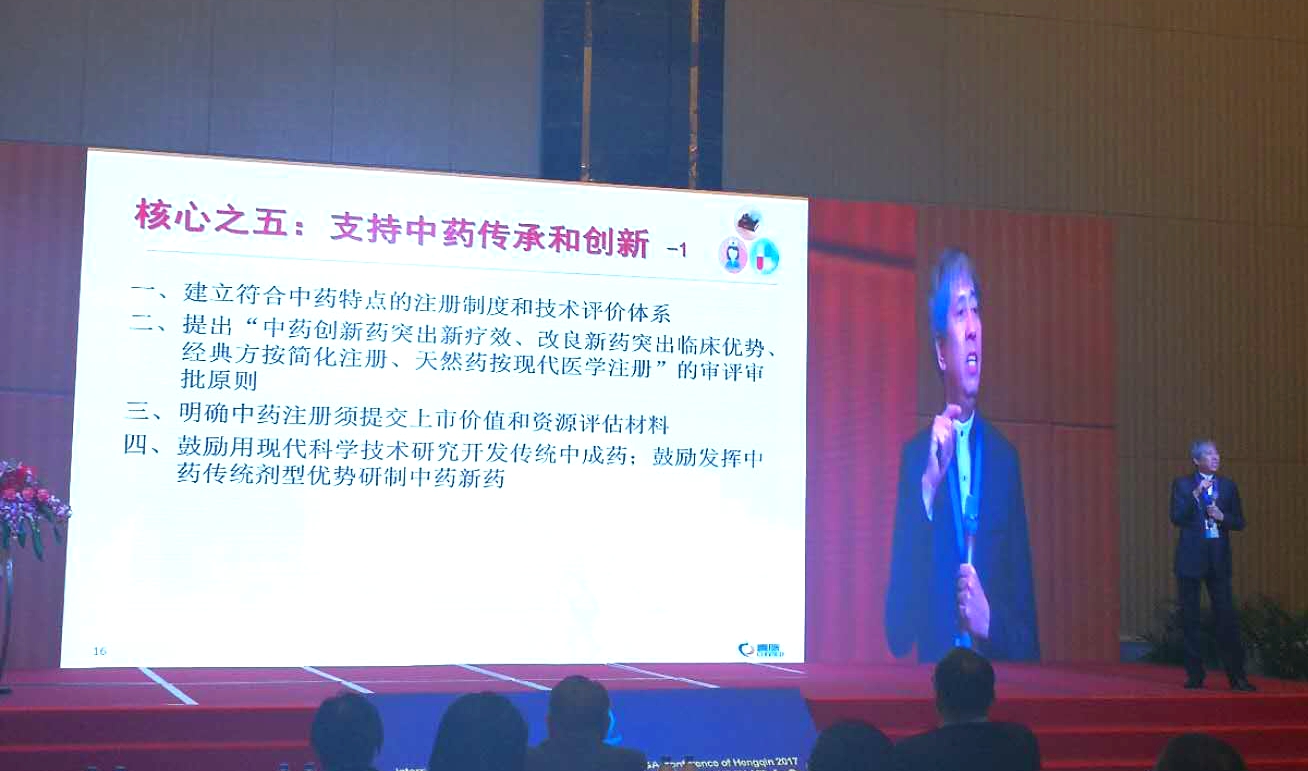
Wang Bo, Distinguished Research Fellow at the National Center for Drug Policy and Pharmaceutical Industry Economics Research
Wang Bo, a specially appointed researcher at the National Research Center for Drug Policy and Pharmaceutical Industry Economics, pointed out that since October 8, the state has intensively issued policies on drug regulation, implementing major reforms in a series of key systems, including clinical trial management, reform of drug research and development (R&D) and registration, the Marketing Authorization Holder (MAH) system, and the registration and evaluation system for traditional Chinese medicine. These changes will drive upgrades in pharmaceutical products, accelerate new drug approvals, simplify generic drug processes, and facilitate international market access.
These changes will inevitably lead to a transformation of the pharmaceutical industry structure, triggering a reshuffling of the drug distribution sector. Domestic mergers and acquisitions within the manufacturing segment, along with overseas acquisitions of technologies and products, will become major trends. He predicts that with the recent intensive rollout of new regulations by the National Medical Products Administration (NMPA), China’s pharmaceutical industry structure will undergo significant changes. The next two years will witness a peak in mergers among listed pharmaceutical companies in China, presenting substantial opportunities for consolidation and restructuring in the pharmaceutical market.
“Over the next three years, the pharmaceutical industry will exhibit a stark dichotomy,” said Wang Bo. “A series of new regulatory policies will drive qualitative transformation across the entire sector within the next two to three years. Of the current 5,000 pharmaceutical manufacturers with severe product homogenization, only 1,000 will remain, and these survivors will inevitably align with international standards.”
Insurance Capital and the Health Industry Are Naturally Aligned
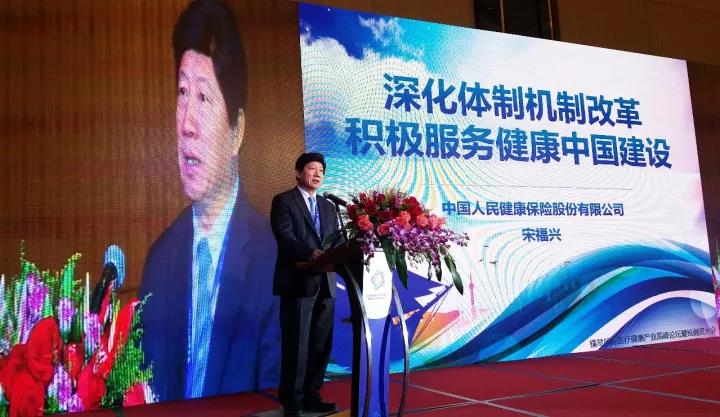
Song Fuxing, President of PICC Health Insurance Company
Song Fuxing, President of PICC Health Insurance Company, attended the forum and delivered a speech titled “Deepening Institutional and Mechanism Reforms to Actively Support the Healthy China Initiative.” The speech highlighted that China’s healthcare industry has vast potential for growth, emphasizing the need to leverage the role of health insurers as payers to collaboratively build and share a comprehensive health ecosystem.
Song Fuxing believes that insurance capital, characterized by its large scale and long-term sustainability, is naturally aligned with the healthcare industry’s requirements for substantial initial investment and long payback periods, thereby providing robust financial support for the sector’s development. In mature capital markets such as the United States, insurance funds and pension funds typically account for 30%–40% of total capital, and health insurance companies are often major shareholders in large medical groups.
In China, some companies are accelerating their industrial chain layout by investing in medical institutions and building health management centers and elderly care communities; others are deepening strategic partnerships with internet enterprises, increasing resource investment in internet finance, data research and mining, and expanding new sales and service platforms.
PICC Health continues to deepen its understanding and exploration of development models in the medical and health industry, striving to build an integrated online-offline service platform. It is committed to improving service standards, standardizing service processes, enriching service offerings, and strengthening its service teams, thereby constructing an “open, interconnected, intelligent, and efficient” ecosystem for comprehensive health.
First, direct equity investment. Through equity linkages, strategically position within the healthcare industry. Second, bond investment. Support the development of the healthcare industry chain and promote industrial growth. Third, strategic cooperation. Achieve resource sharing by signing strategic partnership agreements with health service institutions in sectors such as elderly care, medical services, pharmaceuticals, and nursing. Fourth, initiate and establish industry funds. Mobilize social capital to optimize and expand the healthcare industry.
The Big Health Industry Is Booming: Resource Advantages Will Drive Industrial Integration
Zhang Yang, Vice President of the Healthcare Industry Group under the Investment Banking Management Committee of CITIC Securities, stated that valuation is crucial for capital entering the broader healthcare sector. “The logical starting point for investment is to achieve excess returns, and a company’s fundamentals form the basis for valuation pricing. Currently, major subsectors within the health industry exhibit the highest price-to-earnings (P/E) ratios in the A-share market. The H-share valuations for traditional pharmaceuticals, biopharmaceuticals, medical devices, and healthcare services are only 44.04%, 38.43%, 38.17%, and 55.22% of their A-share counterparts, respectively.”
Looking at China’s healthcare and wellness industry, Han Huiyuan, Managing Director of Paradise Asset Management Group Co., Ltd., believes that, based on the current situation, the more than 4,000 pharmaceutical manufacturing enterprises in China are generally small in scale, lack innovation capabilities, and primarily produce generic drugs. The industry as a whole has yet to shake off the fragmented and small-scale landscape.
He pointed out that following the previous wave of mergers and acquisitions in the pharmaceutical industry, we anticipate two major development trends among healthcare and pharmaceutical enterprises. Large-scale platform companies will leverage their internal growth momentum and resource advantages to continue driving industrial consolidation, evolving toward full-industry-chain integrated corporations. Meanwhile, small and medium-sized enterprises will focus on deepening their expertise in core business areas, becoming specialized players within specific segments of the industry chain.
Wu Xinghai, Chairman of Shenzhen Weimeiwei Health and Beauty Technology Co., Ltd., believes that the development of a Healthy China has entered a critical period of strategic opportunity. Zhang Junxiu, Vice President of the China National Food Industry Association, stated that the convening of this conference has addressed the challenge of integrating human, material, and financial resources in the development of the health industry. He expressed confidence that, through collective integration and efforts, the various solutions proposed at the conference will enable the health industry in the Guangdong-Hong Kong-Macao Greater Bay Area to become a model for implementing the “Healthy China” strategy.
Specialized Roadshow: Healthcare Projects Gain Favor with Investors
To promote resource integration within China’s domestic big health industry and support outstanding medical and healthcare projects in achieving greater specialization and strength, the Hengqin Forum featured a dedicated session for medical and healthcare project roadshows. The event attracted more than 150 projects from across China to present their pitches, with over one-third of these projects hailing from Zhuhai.
Zhang Cheng, Deputy Director of the Hengqin New Area Financial Services Bureau, stated in his address: “Serving the real economy and meeting the needs of economic and social development is the fundamental duty of the financial sector. Leveraging the advantages of the ‘3+1’ financial service system—comprising the Hengqin New Area Financial Services Bureau, the Hengqin New Area Financial Service Center, the Hengqin New Area Financial Industry Association, and the Hengqin Financial Investment Group—we have pooled resources from all parties to create a favorable environment for capital matchmaking, exchange, and cooperation for investment institutions and enterprises. Through branded investment and financing matchmaking activities such as Hengqin Jingu Hui, Hengqin Finance Salon, and Zhuhai’s Dual-Zone Linkage, we have provided financing roadshow platforms for nearly 120 high-quality projects spanning sectors including internet, cultural creativity, smart hardware, and healthcare. These efforts have facilitated the signing of financial advisory (FA) agreements between multiple enterprises and financial institutions, with over ten fundraising companies currently undergoing due diligence.”
To provide on-site investors with valuation assessments of the pitch projects and to offer presenting companies feedback from the investor community, the conference organizers specially invited distinguished guests from the investment, healthcare, and academic sectors—including Lu Qinchao, Partner at Sequoia Capital China; Xie Enwei, Director of Investment and Financing at Kunming Pharmaceutical Group; Liang Qunhuan, Technical Director at Macau Deshengtang Health Products Co., Ltd.; Si Junsheng, Founder of Yi Jiazu; and Chen Yugang, Professor at the School of Business, Sun Yat-sen University—to comment on all project presentations.
Jinwan District: Over 120 Pharmaceutical Companies Established, Biopharmaceutical Output Value Exceeded RMB 20 Billion in 2016
Building a Healthy China: Beyond Valuation and Assessment of the Health Sector, Regional Selection Is Also Critical. For the broader health industry, the Guangdong-Hong Kong-Macao Greater Bay Area, leveraging its advantages in location, industrial base, and institutional frameworks, occupies a strategic high ground for health industry development.
As one of the key hubs for the biomedical industry cluster in Guangdong Province, Jinwan District in Zhuhai has gathered more than 120 renowned pharmaceutical companies, including Livzon Pharmaceutical, The United Laboratories, Yibang Pharmaceutical, and By-Health. It has established a comprehensive industrial chain integrating research and development, manufacturing, and logistics for biopharmaceuticals, traditional Chinese medicine preparations, chemical drugs, medical devices, and health supplements.
Liu Xiaoman, Deputy District Mayor of Jinwan District in Zhuhai City, stated, “In 2016, the output value of the biopharmaceutical industry in Jinwan exceeded RMB 20 billion, accounting for nearly 70% of Zhuhai’s total biopharmaceutical output value. To further expand and strengthen Jinwan’s biopharmaceutical industry, Jinwan District is planning and constructing the ‘Jinwan Biopharmaceutical Industrial Park,’ covering an area of 10 square kilometers. Additionally, an investment of RMB 1.6 billion is being made to develop the Zhuhai International Health Port, a biopharmaceutical industry incubator and accelerator with a building area of 278,000 square meters, providing comprehensive supporting facilities and public services. Currently, Jinwan is facing a rare historical opportunity for development, demonstrating immense growth potential!”
Zhang Junxiu, Deputy Secretary of the Party Committee of Guangdong Provincial Social Organizations and Secretary of the Party Committee and President of the Guangdong Food Industry Association, stated at the conference: “The foundation for the development of the health industry in the Guangdong-Hong Kong-Macao Greater Bay Area has been built upon centuries of accumulated practice by the Lingnan people, particularly medical practitioners. This is complemented by a rich Lingnan culture (such as herbal tea culture), a solid educational foundation that emphasizes both traditional Chinese and Western medicine, and the shared roots of TCM enterprises across Guangdong, Hong Kong, and Macao. I believe the future of the health industry in the Guangdong-Hong Kong-Macao Greater Bay Area is bright and inspiring.”
Dr. Shi Shaobin, former head of Wang Lao Ji, former Chairman of Pearl River Piano Group, and founding partner of China Minsheng Investment Corp.’s Health Industry Investment Management Company, stated: “The Guangdong-Hong Kong-Macao Greater Bay Area possesses inherent advantages in terms of institutions, location, and industry. Coupled with the enhanced support from the national ‘Belt and Road’ Initiative and the concrete implementation of the new healthcare reform policies issued by the General Office of the CPC Central Committee and the General Office of the State Council, we believe that the greater health industry will unleash a new wave of vitality in the Greater Bay Area over the next three to five years.”