12Sigma Secures RMB 200 Million in Series B Funding; Brand Building Emerges as Critical for Rapidly Growing Private Healthcare Sector

1
# This Week's Hot Topics
# Private Healthcare: Behind the Rapid Growth, Brand Building Becomes Key#
Private healthcare refers to medical institutions other than those owned by the state or collectives, including hospitals, clinics, and health centers, and constitutes an important component of the healthcare system. Encouraging private participation in healthcare delivery to provide multi-tiered and diversified medical services, in parallel with the comprehensive reform of public hospitals, is a key task of China’s healthcare reform.
2017 marked a significant milestone in the development of private healthcare, with the rollout of detailed rules encouraging social capital to establish medical institutions, relaxed qualifications for opening clinics, liberalized policies on physicians’ multi-site practice, and a surge of capital investment.A Year of Breakthroughs and Growth for Private Healthcare。
Viewpoint
1、Policy: Sending a Positive Signal to Encourage the Development of Private Healthcare
Since 2011, the number of privately-run hospitals has doubled; however, a significant gap remains in terms of patient visits, with a ratio of approximately 9:1. This indicates that roughly 90% of patients choose to seek medical care at public hospitals rather than private ones.
In recent years, policies related to private healthcare have focused on several key areas:
First, relax market access restrictions and encourage private capital investment in the health service industry;
Second, preferential policies have been provided in terms of layout planning, fiscal and tax policies, medical equipment, and talent resources;
Third, the interconnection between private healthcare, public healthcare, and medical insurance has been strengthened, fostering synergy between reform and innovation.
In 2017, policies related to private healthcare largely continued to focus on the key areas mentioned above.
2、High Capital Enthusiasm: M&A, Investment, and Greenfield Projects as the Primary Modes of Market Entry
Under favorable policy guidance, social capital’s enthusiasm for participating in the healthcare sector has reached an unprecedented high. According to incomplete statistics from VCBeat, as ofBy the end of October this year, 27 listed companies had participated in the construction of nearly 50 hospital projects., covering areas such as general and specialized hospitals, rehabilitation centers, and the renovation of public hospitals, with primary modes of participation including acquisitions, investments, and new constructions.
3、Operations: Brand Building Is the Key Word for the Development of Private Healthcare
Guo Jun, Executive Director and CEO of Wuhan Deli Wuhe Medical Technology Co., Ltd., believes that from the development trajectory of private healthcare, expectations for the sector continue to rise, driven by both policy and market forces. As medical demands evolve and public health awareness advances, private healthcare providers must now break free from the constraints of their traditional operational strategies, take more decisive actions to address declining performance, and clearly define their positioning within the healthcare industry.“Brand building” should be the keyword for the development of private healthcare in 2017.
Three Trends in the Development of Private Healthcare:
1. Specialty Development, targeting niche segments presents the optimal opportunity; establishing a specialized department as a core competitive strength is the most effective approach for the development of private healthcare or for capital entry;
Second, seize the opportunities of multi-site practice., transform medical institutions into platforms for physicians’ multi-site practice, design robust management and compensation systems, and leverage talent resources effectively;
Third, leverage reforms in public healthcare institutions., such as the current implementation of tiered diagnosis and treatment, which aims to redirect patients to primary care facilities. Private healthcare providers are more competitive than public primary care institutions; therefore, they should capitalize on the patient resources generated by tiered diagnosis and treatment, seize policy opportunities, and leverage the dual safeguards of policy support and market dynamics.
Regarding the key points for the next stage of development in private healthcare, Guo Jun stated that two core elements should be seized,One is to provide high-quality diagnostic and therapeutic services.,Second, optimize process services and the patient experience."Clearly understand our mission: only by enhancing patients’ sense of security and satisfaction in healthcare services, and safeguarding their medical safety, can we foster their emotional identification with the care provided."
Report
2
This Week's Headlines

3
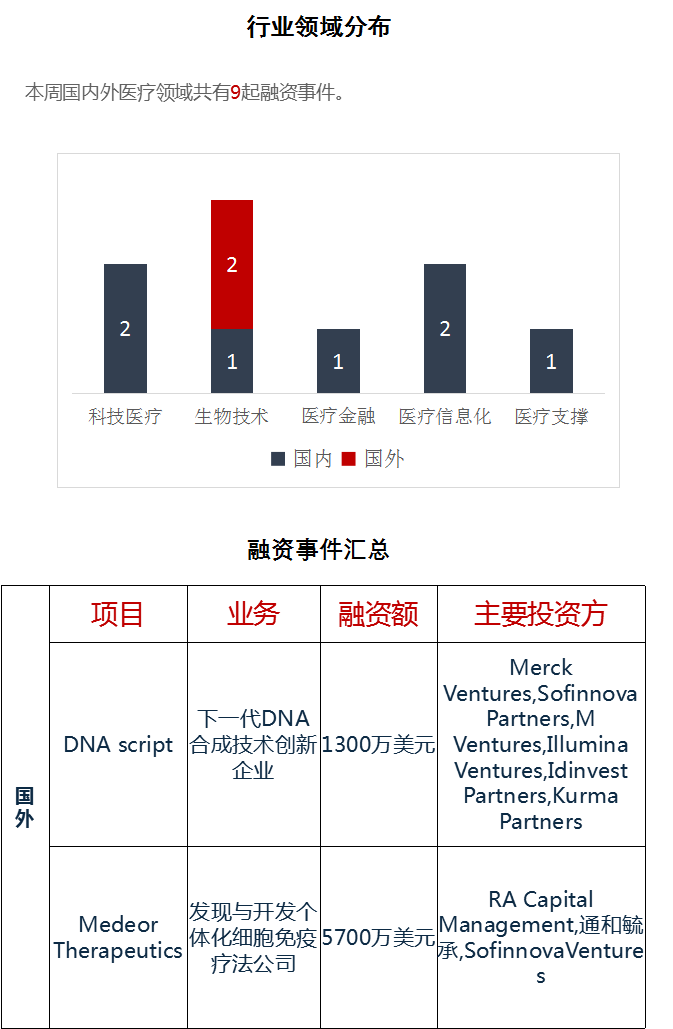
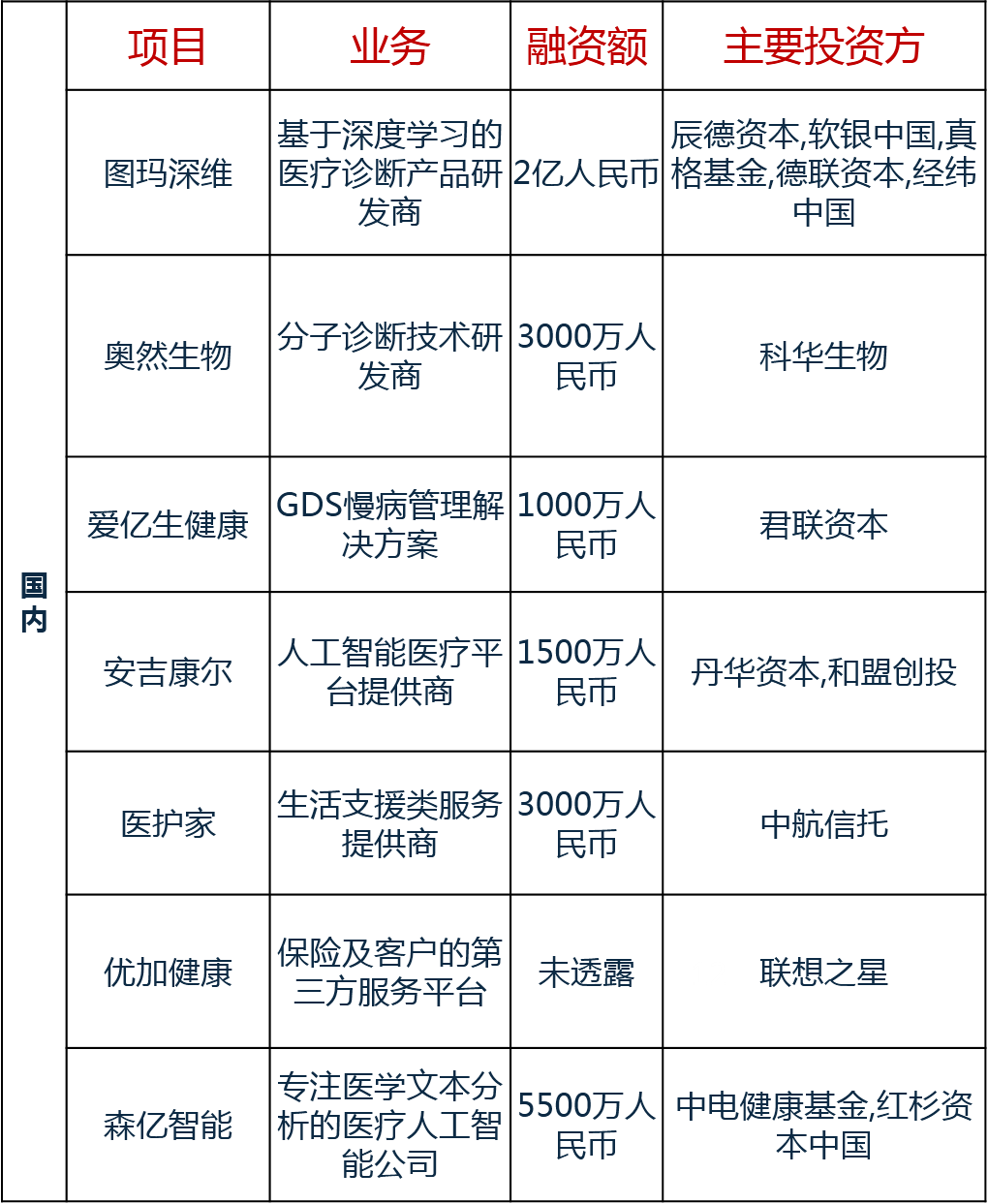
Financing Events in the Healthcare Sector This Week
4
Upcoming Events in the Healthcare Sector

5
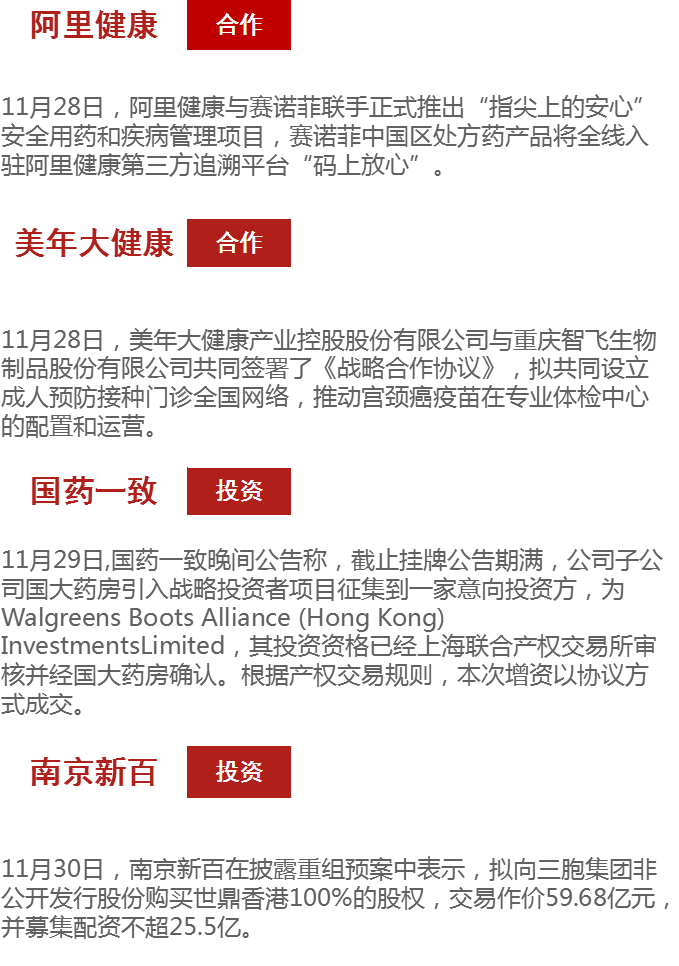
This Week's Industry Updates
6
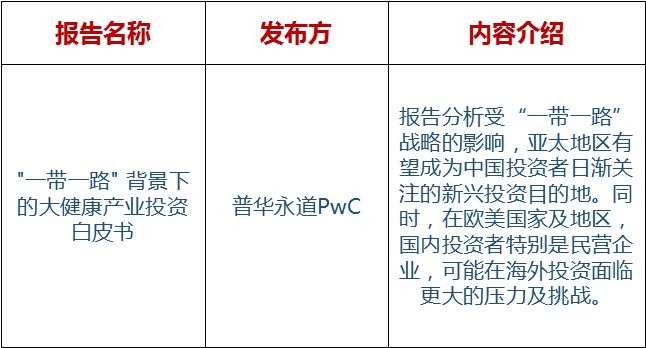
This Week's In-Depth Report
For more content, please refer to the VCBeat knowledge base!