

Smart Cloud TCM Debuts in Wuzhen: AI and Big Data Empower Grassroots Healthcare and Expand Globally via Belt and Road Initiative
During the 4th World Internet Conference in 2017, Wuzhen once again gave birth to innovative achievements in smart healthcare. The 2017 “Wuzhen Forum on Smart Inheritance of Traditional Chinese Medicine and Pharmaceuticals,” hosted by the Branch of Health Big Data for Traditional Chinese Medicine and the Branch of Think Tank for Traditional Chinese Medicine under the China Association of Information on Traditional Chinese Medicine, the “Internet+ Chinese Medical Service Standards Research Project Team” of the National Administration of Traditional Chinese Medicine, and the Wuzhen Academy of Traditional Chinese Medicine, was held at the Wuzhen Academy of Traditional Chinese Medicine. At the forum, the “Wuzhen TCM Cloud Brain Platform” was officially launched.
Guided by the mission of pooling the wisdom of renowned Chinese medical experts and their classic prescriptions to build the “Wuzhen Traditional Chinese Medicine (TCM) Cloud Brain,” empowering grassroots healthcare, and supporting the Belt and Road Initiative, this event aims to advance the Healthy China strategy and enhance TCM health services. By uniting diverse stakeholders, it seeks to establish a new model for the intelligent inheritance of traditional Chinese medicine and pharmacology.
Sun Sulun, former Director of the Department of Medical Administration under the State Administration of Traditional Chinese Medicine; Li Guozheng, Deputy Director of the Center for Traditional Chinese Medicine Data at the China Academy of Chinese Medical Sciences and President of the Big Data Branch for TCM Health under the China Association of Traditional Chinese Medicine Information; Hu Guohua, President of the Gynecological Schools Branch under the China Association for Promotion of Traditional Chinese Medicine Research; Du Jianqiang, Vice President of Jiangxi University of Traditional Chinese Medicine; Zhang Xiaoqing, Deputy Dean of the Tianjin Institute of Advanced Equipment, Tsinghua University; and Li Kai, Deputy Director of the Institute of Health Management at Zhejiang Chinese Medical University, attended this event.
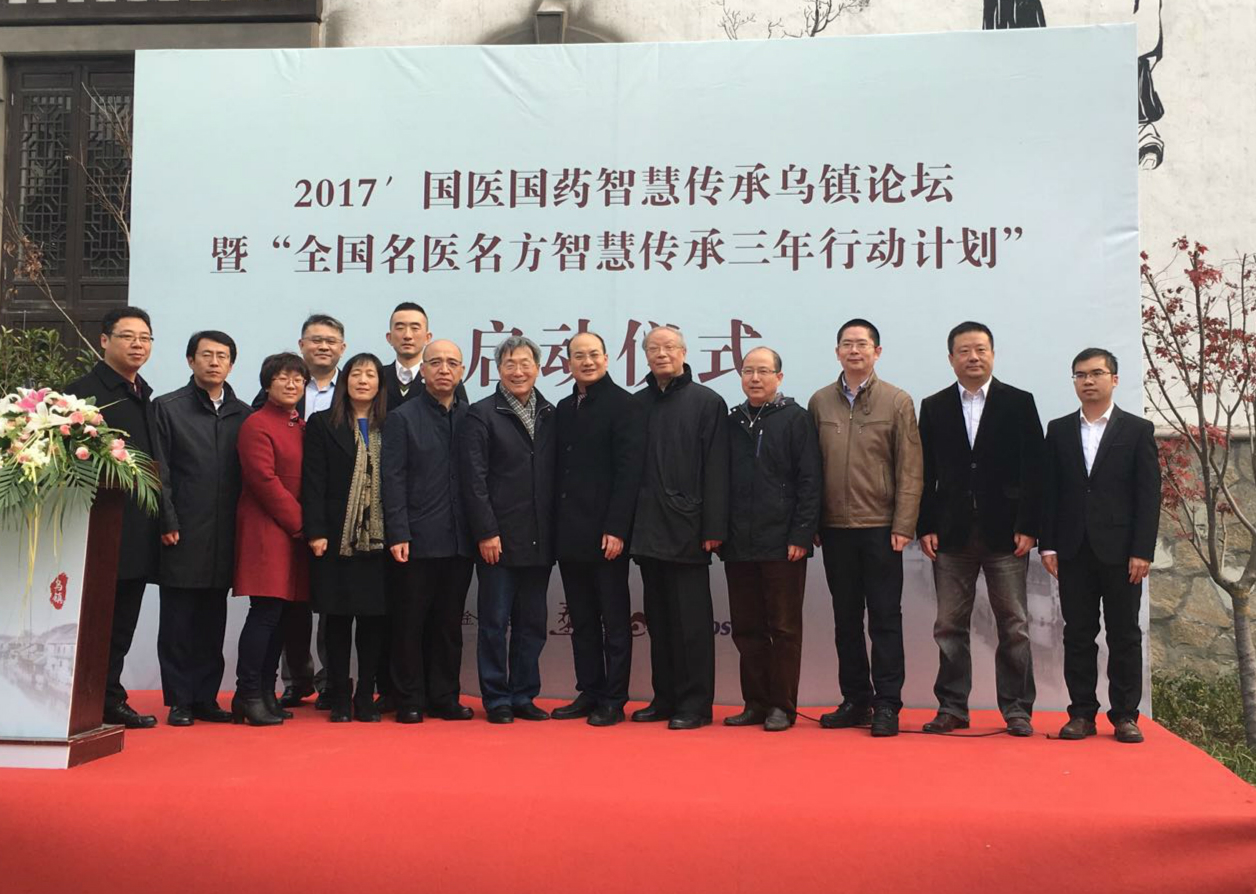
Group Photo of Guests Attending the Event
In his opening address, Wu Dasheng, Chairman of Taikuntang, announced the objectives of the “Three-Year Action Plan for the Intelligent Inheritance of Renowned Physicians and Their Prescriptions Nationwide”: Leveraging the computational and service capabilities of the “Wuzhen Traditional Chinese Medicine Cloud Brain,” the plan aims to establish 500 inheritance teams led by distinguished TCM practitioners, train 10,000 academic successors, develop 10 innovative products focused on 10 predominant specialized diseases, accumulate 1 million clinical case records, and achieve at least one revolutionary breakthrough in the diagnosis and treatment of a specific disease.
At the conference, the core technology platform “Wuzhen TCM Cloud Brain,” jointly developed by Daosheng Medical, Golden Lampstand Information, and Taikuntang, was officially unveiled.
Smart Cloud TCM Debuts at Wuzhen Academy of Traditional Chinese Medicine, Core Technology Powers the “Wuzhen TCM Cloud Brain”
Wuzhen Academy of Traditional Chinese Medicine is China’s first demonstration and application base dedicated to the research of “Traditional Chinese Medicine + Internet + AI.” Centered on the “Wuzhen TCM Cloud Brain Research Lab,” the Academy extends its reach to four sub-application scenarios: the “Primary Care Empowerment Research Lab,” the “Internet-Based Mentorship Research Lab,” the “Policy and Mechanism Research Lab,” and the “Inheritance of Renowned Physicians’ Formulas Research Lab.”
Supported by the core technology of the Daosheng Intelligent Cloud TCM System and leveraging Taikuntang’s resources of renowned veteran TCM practitioners, this initiative achieves a high-level integration of modern technology with traditional classics. Relying on the “Wuzhen National Medicine Cloud Brain” technical platform, it establishes a new model for the intelligent inheritance and intelligent diagnosis and treatment of Traditional Chinese Medicine (TCM).
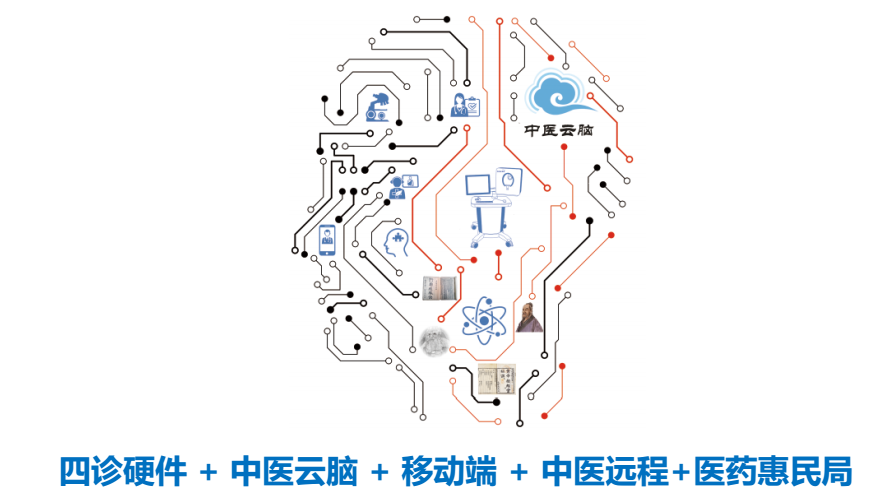
It is reported that the “Wuzhen TCM Cloud Brain” uses a four-diagnostic instrument as its carrier and relies on massive big data of traditional Chinese medicine (TCM), machine learning algorithms with TCM characteristics, and powerful cloud computing capabilities as its core technical elements. It possesses four major AI capabilities in TCM: perception, connectivity, language processing, and decision-making. Capable of understanding TCM terminology, thinking like a physician, and providing answers akin to those from esteemed TCM mentors, it serves as the most powerful external AI assistant for young grassroots doctors and represents the most advanced AI innovation in the field of TCM to date.
Intelligent Cloud TCM is already capable of providing cloud computing, big data, and artificial intelligence support for diagnosis, treatment, and health management services to hospitals, physicians, and patients across the entire traditional Chinese medicine (TCM) industry. It serves as an intelligent TCM assistant in various domains, including the development of TCM medical consortia, primary-level TCM services, family-contracted TCM services, the TCM preventive care system, health management centers in general hospitals, chain pharmacies, the broader TCM health industry, TCM services in maternal and child health institutions, and the TCM service system under the Belt and Road Initiative.
Specifically, Daosheng Intelligent Cloud TCM can play the following roles in the assistance process:
1. Empowering Physicians
By leveraging intelligent diagnostic assistance tools, mobile and portable service equipment, and remote consultation systems, TCM practitioners have expanded their service radius, enhanced diagnostic capabilities, and improved work efficiency.
2. Empowering Patients
Patients can independently conduct constitution identification, communicate conveniently with doctors online at any time, and perform real-time self-health management and monitoring via their mobile phones.
3. Empowering Healthcare Institutions
Integrating medical and information resources can help leading traditional Chinese medicine (TCM) hospitals extend the diagnostic and therapeutic techniques of renowned senior TCM practitioners, along with their proven classic prescriptions, to primary care levels. This will enhance the capabilities of primary care physicians and improve the overall service quality of healthcare institutions, thereby enabling TCM hospitals to become regional centers for TCM diagnosis, treatment, and health services.
4. Facilitating the Intelligent Inheritance of Diagnostic and Treatment Expertise from Renowned Veteran TCM Practitioners
By objectively collecting diagnostic data through the Daosheng Four-Examination Instrument, this approach enables visual documentation of tongue and pulse information from renowned senior TCM practitioners’ medical cases, while intelligently mining their diagnostic and treatment patterns as well as core prescriptions. Through data mining, it allows “medical cases to speak,” helping young physicians “grasp” the principles, methods, formulas, and medicinal rules and apply them in clinical practice.
Authoritative Institutions, Universities, and Enterprises Join Forces to Achieve Artificial Intelligence Through Four Core Capabilities
Leveraging years of industry accumulation and collaborations with authoritative institutions, universities, and enterprises such as Shanghai University of Traditional Chinese Medicine; the Institute of Basic Theory in Chinese Medicine, the Institute of Clinical Basic Medicine, and the Institute of Information on Traditional Chinese Medicine under the China Academy of Chinese Medical Sciences; the Health Information Research Office of the Health Development Research Center under the National Health and Family Planning Commission; Tsinghua University’s Tianjin Institute for Advanced Equipment; and Jindengtai Information.
“DaoSheng Intelligent Cloud TCM” is able to achieve artificial intelligence capabilities, which are inseparable from its core competencies in support and decision-making. These four core competencies are:
Perception Ability
Intelligent Four-Examination Devices: Extending Physicians’ Visual and Tactile Perception to Enable the Objectification and Digitalization of Traditional Chinese Medicine’s “Inspection, Listening/Smelling, Inquiry, and Palpation.” This is manifested in tools such as four-examination instruments, portable four-examination devices, and intelligent tongue imaging systems.
Connectivity
By leveraging PCs, mobile apps, and WeChat, TCM diagnosis and treatment can be conducted anytime and anywhere, supporting the establishment of TCM medical consortia and ultimately achieving service connectivity among “providers–patients–pharmacies.”
Language Proficiency
By leveraging natural language processing to parse TCM literature and medical records from renowned practitioners, the “TCM Cloud Brain” automatically comprehends TCM terminology and organizes professional information; through web crawling technology, it automatically captures news updates, enabling the “TCM Cloud Brain” to autonomously learn about industry trends and identify emerging hotspots.
Decision-Making Ability
The “TCM Cloud Brain,” trained on a massive knowledge base, provides clinical recommendations to physicians based on the four diagnostic methods. Its capabilities include intelligent constitution identification for specific populations (the elderly, children, women, and patients with diabetes or hypertension), auxiliary syndrome differentiation using proprietary Chinese medicines, intelligent decision support for the four diagnostic methods, and treatment plan recommendations based on the experience of renowned TCM experts.
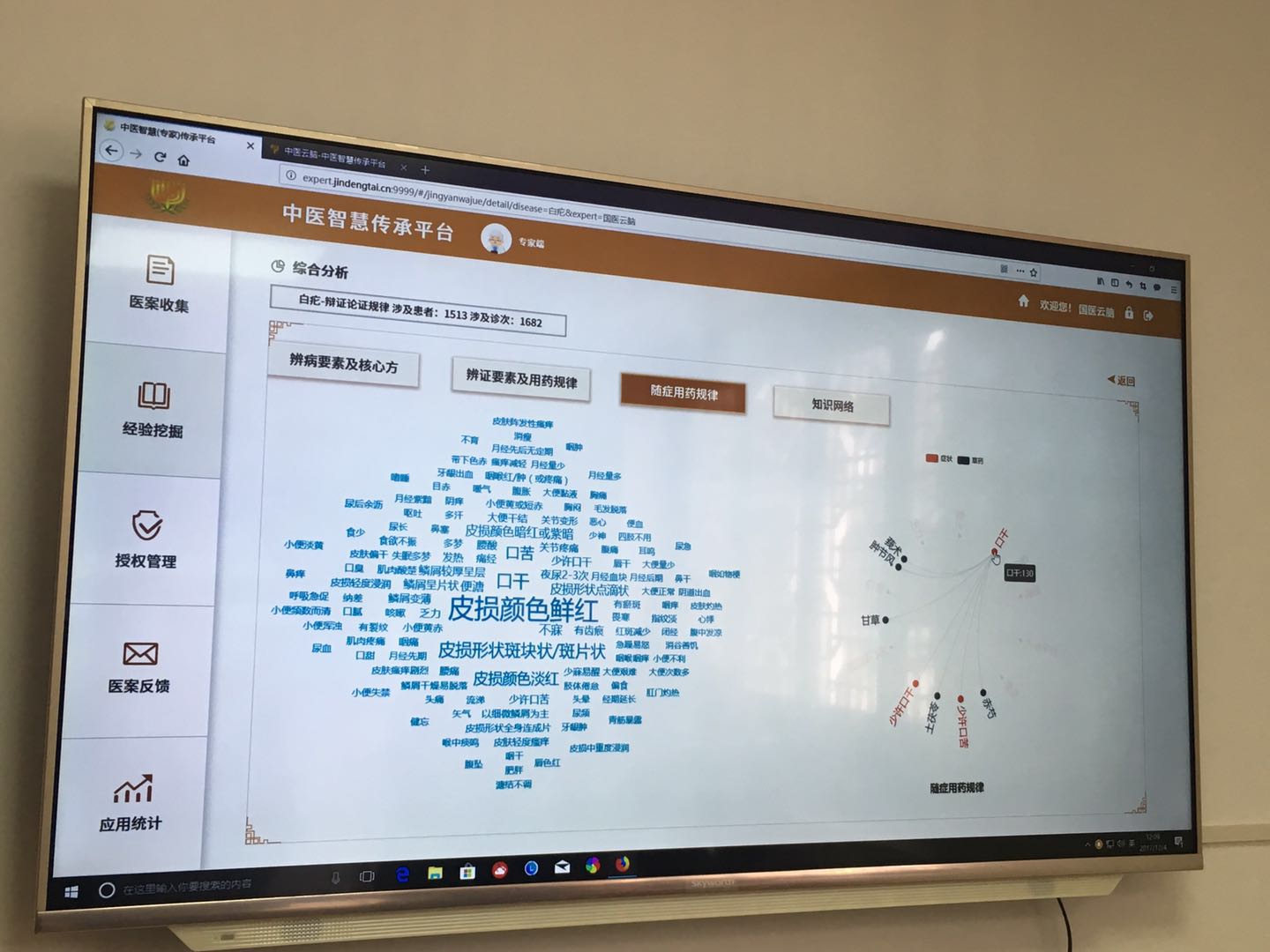
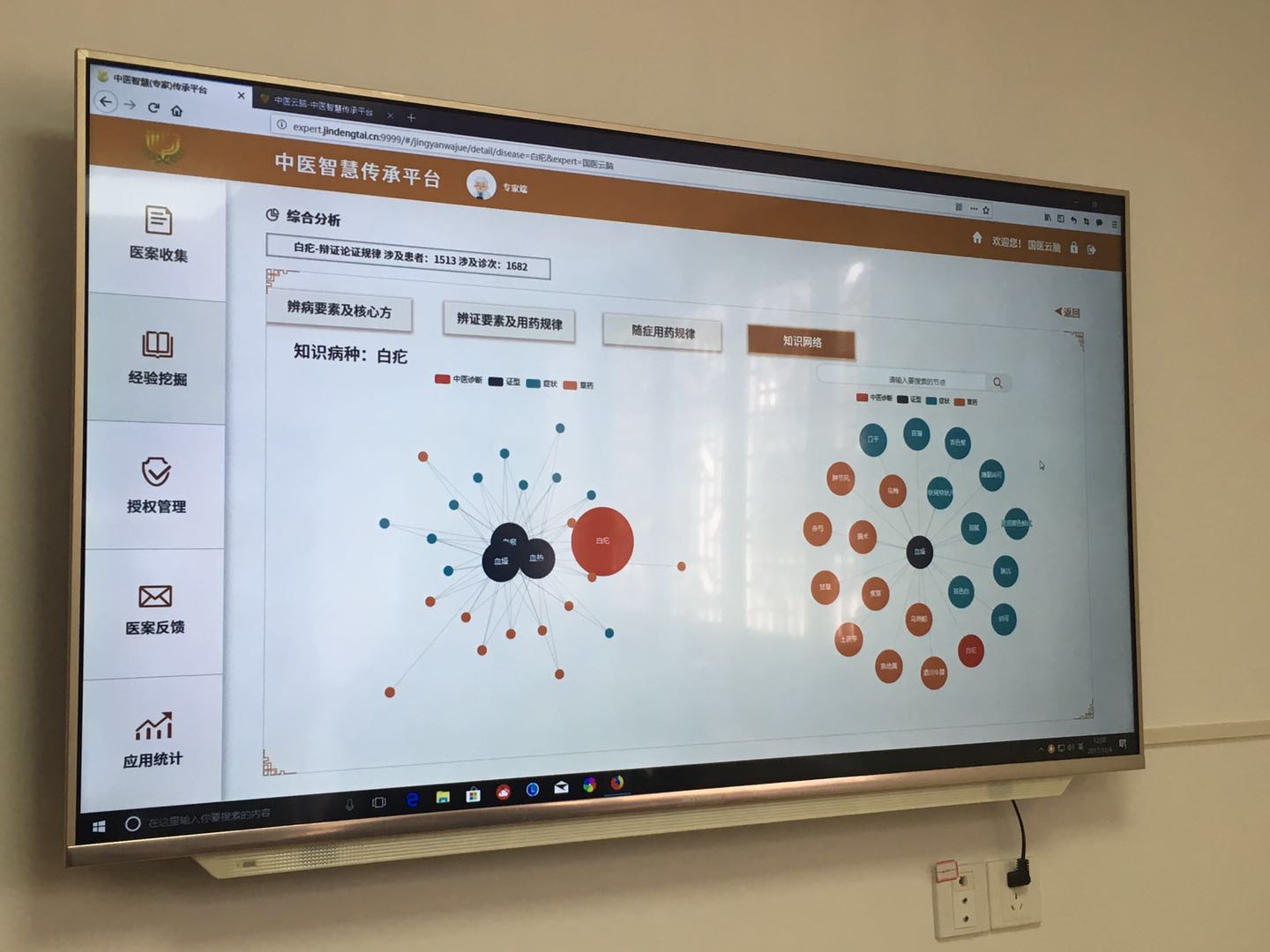
Application Case of the TCM Wisdom Inheritance Platform: Medication Patterns and Knowledge Network for Psoriasis Based on Syndrome Differentiation
Currently, the DaoSheng Intelligent Cloud TCM database contains over 10 million records of objective four-diagnostic information and constitution data, more than 300,000 clinical journal articles, over 150,000 clinical case studies, 100,000+ optimized herbal formula prescriptions, 8,000+ pattern differentiation rules from renowned TCM practitioners throughout history, 5,000+ TCM clinical guidelines, 2,000+ systematic evaluation criteria, and 600,000+ TCM news updates.
The algorithm has received 7 international and domestic standards, obtained more than 20 international and domestic patents, published over 5 monographs, and had more than 40 papers indexed by SCI and over 50 by EI. Built on the hardware infrastructure of the Traditional Chinese Medicine Data Center, it features distributed computing, petabyte-scale storage, and Level 3 classified protection for cybersecurity, offering robust cloud computing, cloud storage, and cloud service capabilities.
AI Empowers the Inheritance of Renowned Physicians and Their Classic Prescriptions
During the roundtable forum held on the afternoon of the event, a group of experts and scholars discussed how to inherit the renowned prescriptions of famous physicians in an intelligent manner, as well as the difficulties and challenges facing the inheritance of traditional Chinese medicine and pharmacology in the new era.
Dr. Zhang Xiaoqing, Deputy Director of the Tianjin Advanced Equipment Research Institute of Tsinghua University and Director of the Institute of Smart Healthcare and Pharmaceutical Equipment, believes that there are three main challenges in inheriting the experience of renowned traditional Chinese medicine (TCM) practitioners. These challenges are primarily reflected in how to measure the practical application and effectiveness of intelligent inheritance platforms in full-lifecycle health management. First, whether renowned senior TCM practitioners are willing to share their clinical experiences and medical cases serves as the source of empowerment. Second, during the inheritance process, whether students can correctly and comprehensively understand, internalize, and flexibly apply this knowledge to achieve genuine improvement. Third, how platform technologies can be effectively integrated with the actual needs of the entire industry ecosystem, and whether they can truly empower grassroots physicians and end-user applications—in other words, determining whether the platforms are “user-friendly and effective.”
Du Jianqiang, Vice President of Jiangxi University of Chinese Medicine, pointed out that in the process of inheriting the medical expertise and prescriptions of renowned physicians, selecting case records from distinguished senior TCM practitioners who have achieved accomplishments in the field of Traditional Chinese Medicine (TCM) and possess an awareness of technological advancements would encounter less resistance. Furthermore, he emphasized that current TCM talent development initiatives are prioritizing the cultivation of professionals proficient in both TCM and informatization.
Li Chunqing, General Manager of Daosheng Medical, believes that “intelligence” lies in the ability to grasp underlying patterns. The traditional mode of inheriting Traditional Chinese Medicine (TCM) involves “passing down knowledge by following TCM’s own inherent laws, learning from ancient classics, and studying under mentors.” Therefore, “the diagnostic and therapeutic patterns of TCM that can be mastered by the human brain can also be learned by artificial intelligence through clinical data.” The innovativeness of the “TCM Cloud Brain” is reflected in its capacity to discern the latent patterns within medical knowledge and the experience of renowned physicians, and to translate these insights into a clinical decision support system—namely, the “Renowned Physician AI”—for use by primary care physicians. The deployment of Renowned Physician AI generates new big data on diagnosis and treatment, which can continuously train the “TCM Cloud Brain,” further enhancing the capabilities of Renowned Physician AI. This enables renowned TCM practitioners and patients worldwide to jointly build the “TCM Cloud Brain” as an intelligent platform for heritage and innovation.
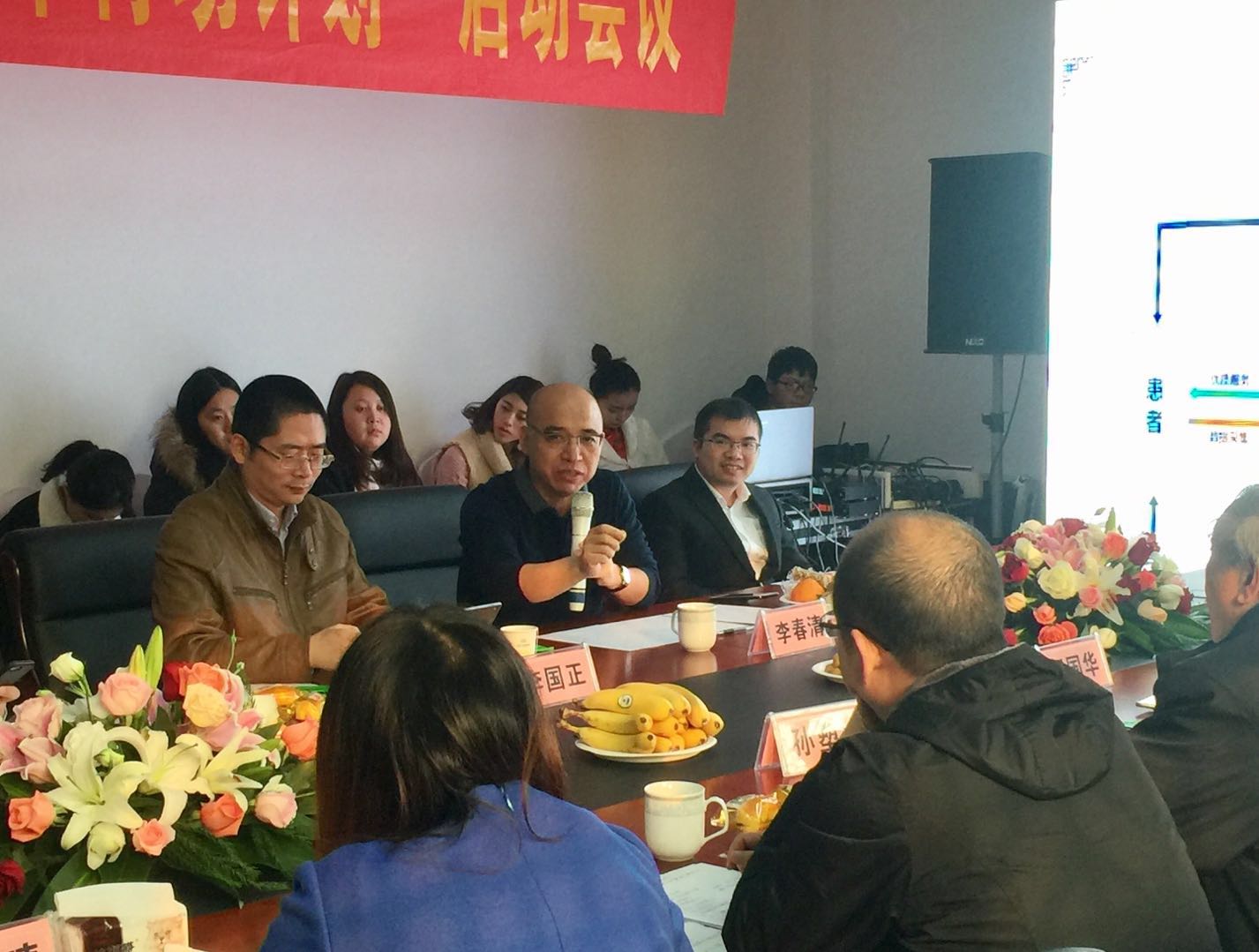
Li Chunqing, General Manager of Daosheng Medical, Speaks at the Roundtable
Today, the Daosheng Intelligent Cloud TCM System has provided AI services to multiple inheritance studios of renowned senior TCM practitioners, completing the establishment of their remote TCM teaching and intelligent inheritance systems. Examples include the Internet-Based Mentoring Studio of National TCM Master Liu Minru and the Internet-Based Famous TCM Practitioner Inheritance Studio of National TCM Master Zhang Daning (Southern Center of the China Traditional Chinese Medicine Science and Technology Development and Exchange Center).
By leveraging remote TCM video instruction and the Intelligent TCM Inheritance Platform, we have innovated the model of Traditional Chinese Medicine (TCM) inheritance through systematic “face-to-face” interaction and exchange with young physicians.
“The Belt and Road” Initiative Goes Global, Empowering Every Region Delivering Traditional Chinese Medicine Services
Notably, leveraging the system’s advanced capabilities and stability, the Daosheng Intelligent Cloud TCM System has recently expanded internationally in alignment with the “Belt and Road” initiative. It currently connects to and serves multinational projects such as the “Maritime TCM” German TCM Center and the “Maritime TCM” UAE TCM Center.
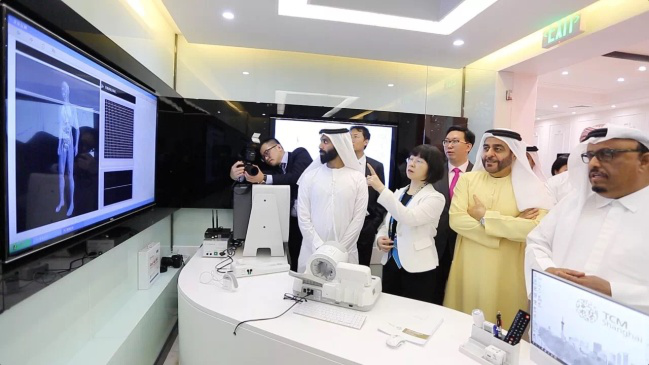
China- Application of the UAE Traditional Chinese Medicine Center
The project is based on the Four Diagnostic Instrument of the Daosheng Intelligent Cloud TCM System, using the TCM Telemedicine System as a channel to facilitate interaction between renowned Chinese physicians and overseas patients, thereby spreading Traditional Chinese Medicine culture across the ocean.
The internet-based medical clinic model established by the Affiliated Hospital of Chengdu University of Traditional Chinese Medicine at the beginning of this year has led the development direction of “TCM + Internet + AI” for traditional Chinese medicine (TCM) hospitals, garnering widespread attention from the industry. The value of “Intelligent Cloud TCM” is gradually being recognized. The unveiling of the Wuzhen Academy of Traditional Chinese Medicine and the release of the “Three-Year Action Plan for the Smart Inheritance of Renowned National TCM Physicians and Their Prescriptions” have effectively propelled the new model of “TCM + Artificial Intelligence” onto a larger stage.
With advancements in artificial intelligence and the advent of the 5G era, the evolution of “Traditional Chinese Medicine (TCM) + AI” is accelerating. A linear service model connecting “hospitals–departments–primary care facilities–physicians–patients–Chinese herbal medicine” is being rolled out. Ultimately, the integration of TCM with intelligent technologies aims to empower physicians, patients, and every location delivering TCM services through TCM AI.