

The Future of Health Management: Addressing Gaps in Standards, Talent, and Regulation through Innovation and Technology | 2017 Future Healthcare 100 Summit
health 100
Medical Examination Service Provider
“2017 Future Healthcare Top 100” Forum, themed “The Era of Species Explosion,” was held at the Beijing Marriott Hotel from December 15 to 17, 2017.
At the Parallel Forum on Health Management, Lin Lin, COO of Meinian Onehealth; Kong Fei, CEO of Beijing More Health Technology Group Co., Ltd.; Wang Shirui, Founder and CEO of Medlinker and Penguin Doctor; Li Xiaoxia, Founder and President of Kangborui; Yu Zhong, President of Meridian Medical Network Technology (Beijing) Co., Ltd.; Zhang Xueli, Founder of HuLianWang; Gou Zhengmeng, General Manager of Daxiang Medical; and Liu Qikai, Founding Partner of Fosun Tonghao Capital, attended the event.
Guests delivered insightful keynote speeches on health management operational models, application pathways of artificial intelligence in health management, talent certification systems, and the current state of the industry. They also explored misconceptions surrounding health management brought about by industrial upgrading and technological emergence.
Lin Lin: Building a Closed-Loop Health Management Service Centered on Physical Examinations
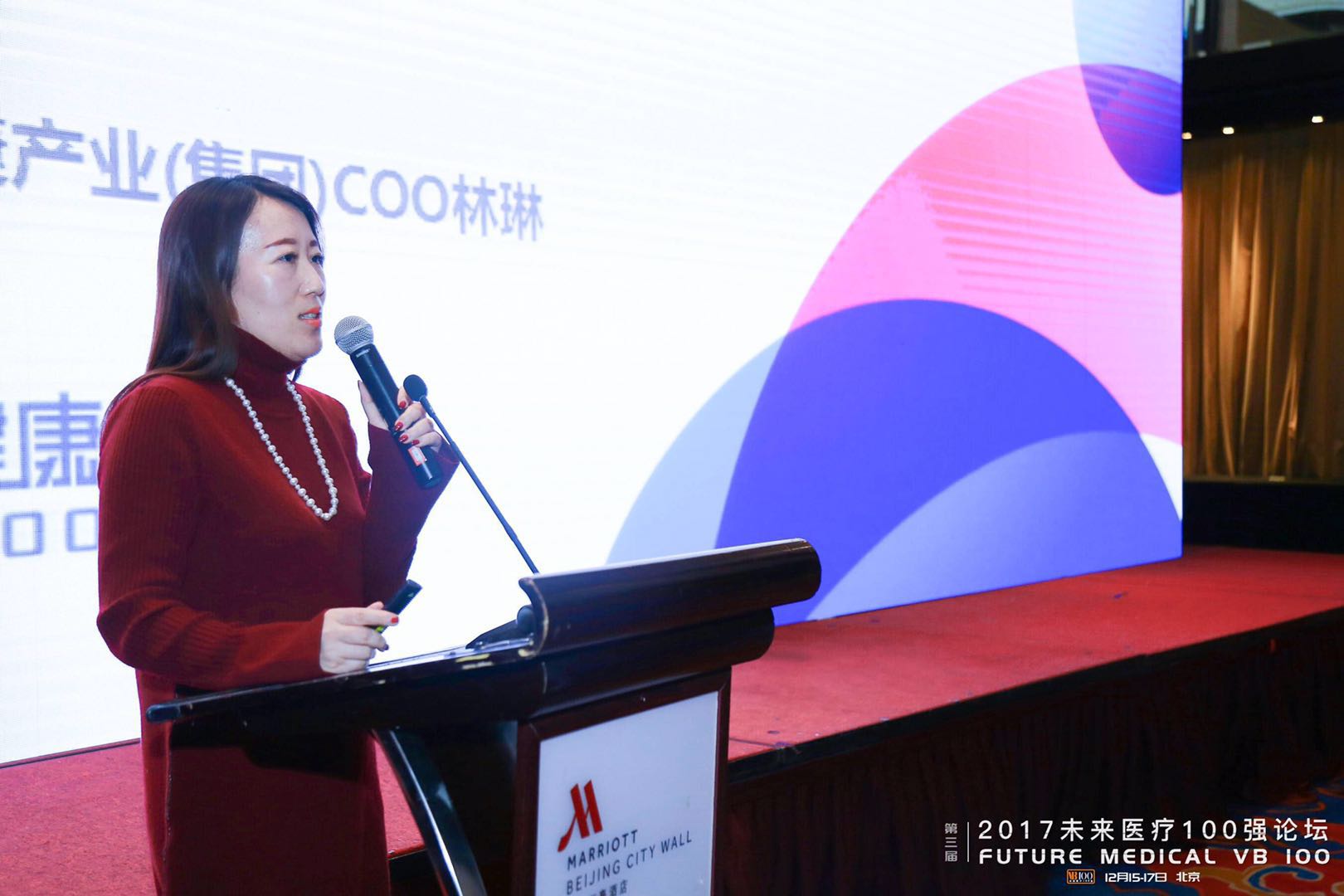
Lin Lin, COO of Meinian Onehealth
Physical Examination and Health Management Comprise Three Key Terms: Health Checkups, Health Big Data, and Closed-Loop Health Management.Current health management approaches encompass four models: the hospital-centric model, the check-up center-led model, the online model based on big health data, and the model dominated by health supplement companies.
Health checkups are a crucial component of preventive medicine. The logic of preventive medicine begins with primordial prevention, the stage where health management delivers the greatest value—namely, earlier and more predictive health monitoring trends, such as genetic testing.
Primary prevention involves lifestyle interventions and guidance based on health examination data;
Secondary prevention refers to the presence of disease signs and symptoms, requiring regular medication and appropriate treatment;
Tertiary prevention encompasses integrated health and wellness care, therapeutic recuperation, and comprehensive support services.
The significance of medical checkups lies not merely in examination, but in prediction, making it a crucial frontline component of health management.
The core of health checkups lies in early detection, prevention, treatment, and wellness. We have upgraded from the traditional, basic Health Checkup 1.0 era to the Precision Health Checkup 2.0 era, which features precise monitoring of organs such as the lungs, stomach, brain, and heart. Similarly, in the age of data intelligence, health 100 is continuously advancing toward the 3.0 era.
Health 100 has built a health ecosystem that includes the chronic disease management platform “Chronic Disease Steward,” an investment platform, a health big data platform, a specialized medical group platform, a women’s health service platform, the “Zhang Zhongyi” platform, a precision medicine platform, the “Daxiang Doctor” medical platform, the Health Intelligence Valley incubation carrier, and the traditional Chinese medicinal materials industry chain. Leveraging these entry points and data assets, Health 100 integrates upstream and downstream industry chains and health-related affiliate enterprises into its ecosystem.
One of the key roles of physical examination centers in health management is to serve as a personalized and sustainable gateway for comprehensive health needs.In 2017, Health 100 conducted health examinations for 20 million people. At this growth rate, by 2020, 100 million Chinese citizens will have undergone health examinations on the Health 100 platform, thereby accumulating big data from 100 million individuals.
The comprehensive analysis of 100 million big data records primarily focuses on three key aspects:
100 Million Genetic Big Data: Primary Prevention—Predicting Your Disease Risks Starting from Your Innate Genes;
100 Million Blood Data Points: Accumulating Various Blood Indicators from Routine Physical Examinations
100 Million Cases of Significant Positive Findings: Key Indicators Marking Major Health Risks, Primarily Gastric Cancer, Lung Cancer, and Brain Tumors.
Kong Fei: Enhancing User Adherence Through Gamified Operations
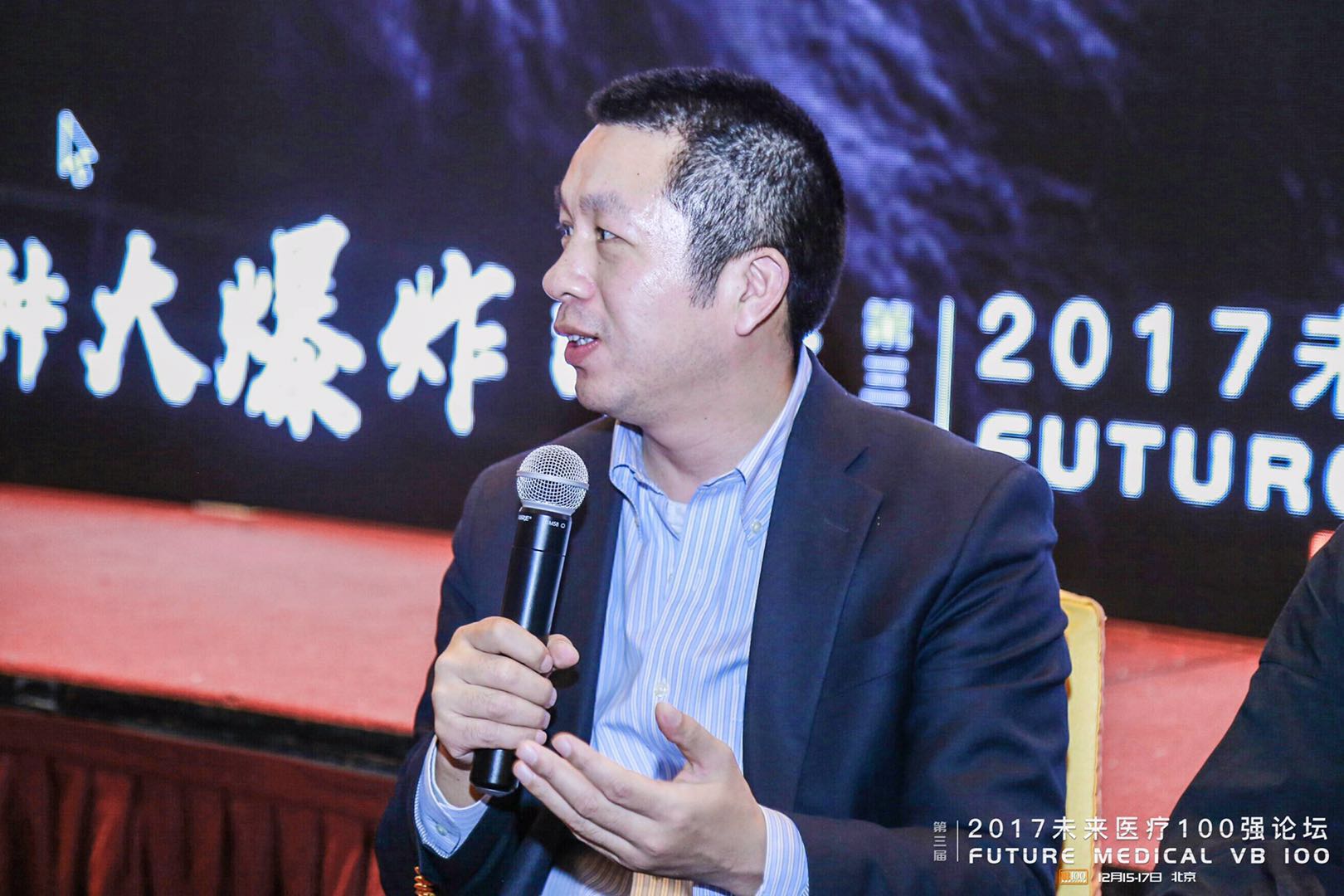
Kong Fei, CEO of Beijing Miaoyijia Information Technology Co., Ltd.
What Is the Most Challenging Aspect of Health Management? The greatest challenge lies not in users’ health indicators, but in post-care intervention. Whether it is a treatment plan prescribed by physicians or a regimen designed by health managers, patients often forget the recommendations once they leave the hospital. For instance, advice such as drinking more water and getting adequate rest may be disregarded upon returning home, with patients adhering only to their medication schedule.The Greater Challenge in Health Management: Adherence.
Implementing health management through gamification requires tailoring approaches to users’ diverse preferences and existing habits. Rather than prescribing presumptive solutions, health management strategies should align with or adapt to these habits. While devising a solution is relatively straightforward, ensuring user adherence remains significantly challenging—a persistent obstacle in the field.
The state of gaming includes staying up late, excitement, and perseverance. Of course, gaming also has its benefits—such as a sense of fulfillment. It allows individuals to become kings in the virtual world, achieving what they cannot in real life, thereby bringing a sense of happiness.
How can we enhance people’s sense of satisfaction and the happiness derived from achieving goals? These are several principles highlighted in the book Reality Is Broken: Why Games Make Us Better and How They Can Change the World. The insights presented in this book are worth drawing upon for entrepreneurs in the health management industry.
Gaming is a high-risk, creative endeavor. Gamified operations have several characteristics:
First, the voluntary nature of game participation. No one is forcing you to play games;
Second, the feedback system. Upon completion, you are immediately notified of your success and rewarded;
Third, the rules are clear. What are the consequences of completing this level and how far you sprint;
Fourth, gamification mechanisms. Gaming is the most profitable sector in today’s mobile internet industry, with companies like Tencent deriving a significant portion of their revenue from games.
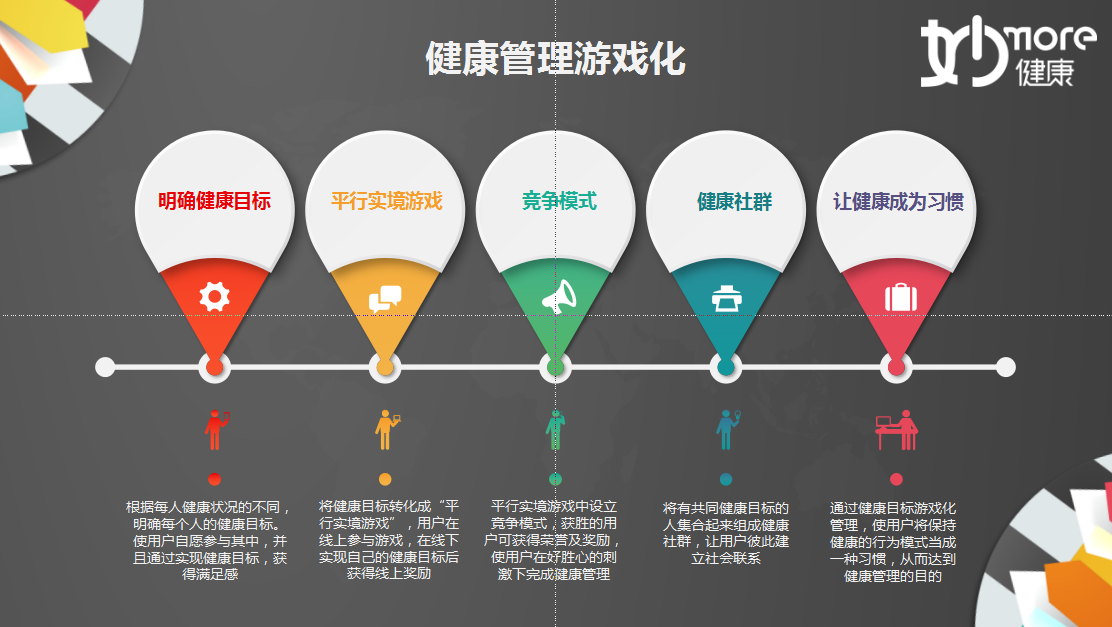
The gamified operations of Miao Health are mainly divided into:
Gamified tasks,Attract users through entertaining presentation. While enjoying a relaxed and fun experience, users are motivated to complete tasks, thereby effectively managing their physical health objectives.
Gamified Activities,Boost user engagement and increase user retention. Present health management in the form of activities to provide users with a sense of honor, achievement, and tangible rewards;
Gamified Interaction,Leverage gamified interactions to enhance user affinity, boost user stickiness, and increase users' willingness to share.
By clarifying health goals, implementing parallel reality games, establishing competitive modes, and building health communities, the ultimate goal is to make health a habit.
As of now, Miao Health has provided professional health management services to over 30 million users.Miao Health opens its Miao+ platform, providing free access capabilities to third-party smart hardware.Kong Fei stated,By integrating approximately 300 SDK interfaces into the platform, solutions can be provided based on user behavior through connections with smart hardware. Currently, Miao+ connects to over 300 devices, with partners including Huawei smartphones, China Unicom, and ZhongAn Insurance, spanning mobile phone manufacturers, telecom operators, insurance companies, and other institutions.
Wang Shirui: Penguin Clinic Is Not a “Clinic”
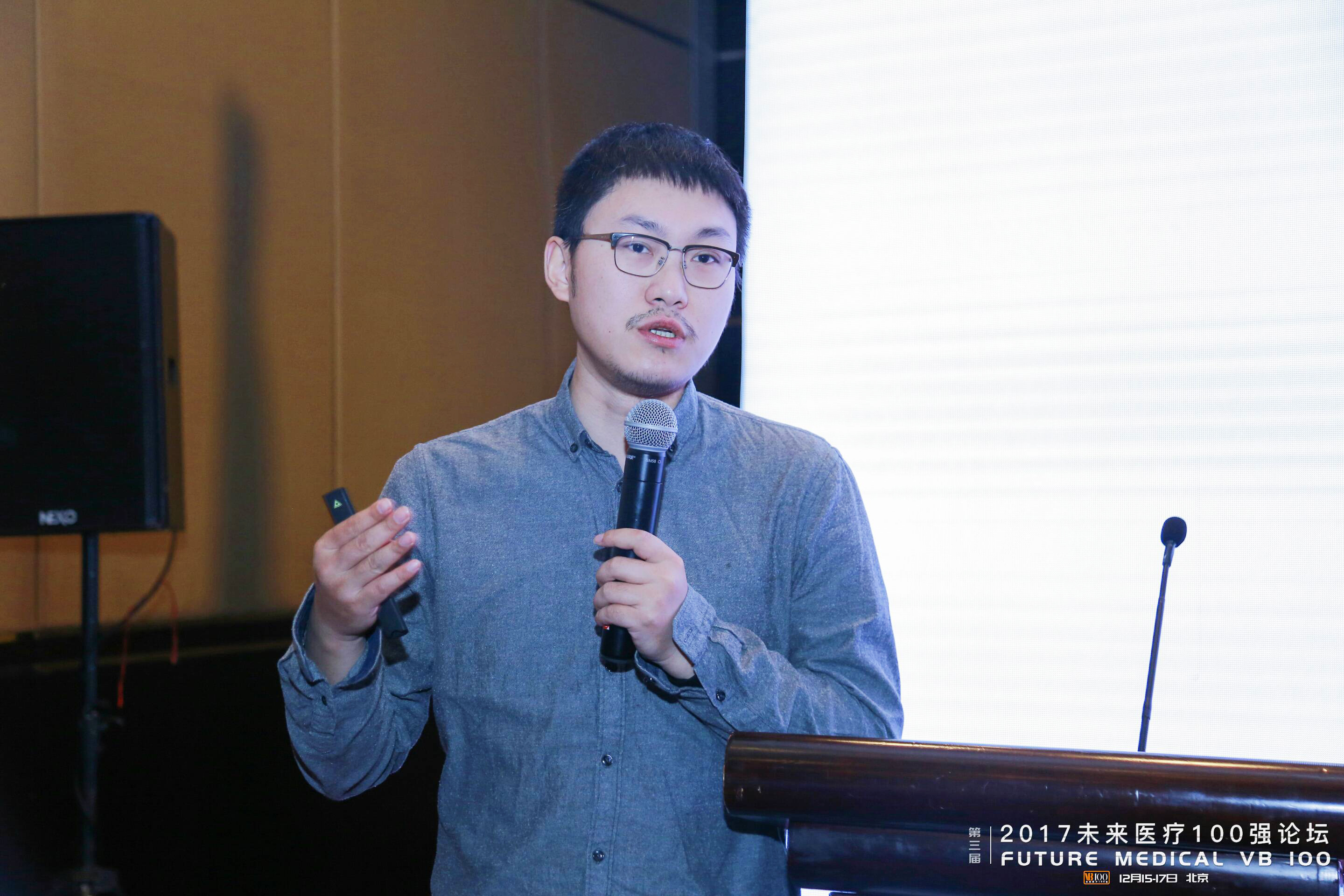
Wang Shirui, Founder and CEO of Medlinker and Penguin Doctor
Why Is Penguin Clinic Not a Clinic? What Is It?
Penguin Doctor Clinic should be defined as a standardized, operationally shared platform. This platform serves as an “offline entry point,” a “connector,” and a source of “continuous data.”
Where is the offline entrance?
Wang Shirui stated that there are three pathways to establishing offline entry points: first, building self-owned benchmark high-quality clinics; second, forming clinic alliances to scale up the clinic entry point; and third, implementing clinic sharing to provide an access point for acquiring user health data.
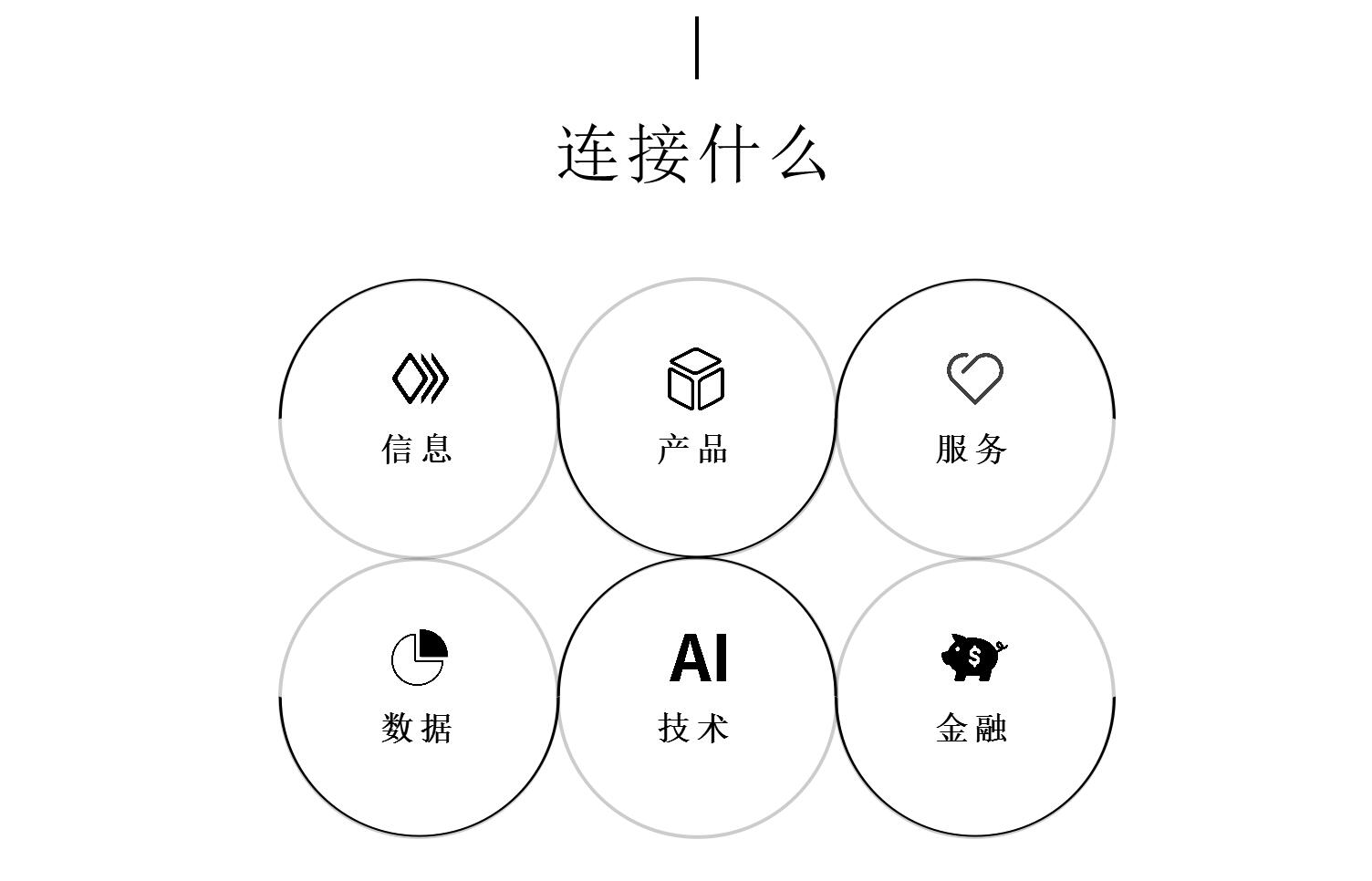
Connect to what?
In terms of connector positioning, what Penguin Doctor aims to achieve is:
1. Connectivity Information. Provide C-end user members with group-based medical and health information and health solution content; provide content sections for media companies;
2. Connected Services. Provide health management services, build a comprehensive medical care service chain, and innovate medical services. This includes services for home-based scenarios, online consultations, and clinic-based scenarios;
3. Product Integration. This includes smart wearable devices, pharmaceuticals, and health foods. As Penguin Doctor facilitates the importation and overseas procurement of medications, it is necessary to integrate pharmaceuticals and health supplements into its ecosystem.
4. Data integration, including hospital data, clinic data, and personal data.
5. Connectivity Technology. Current AI is still in the early stages of field data acquisition, performing basic data cleaning and structuring, and identifying application scenarios; however, within five years, there will undoubtedly be robust solutions for effective scenario implementation.
6. Integration with Financial Services. By leveraging insurance product resources, Penguin Doctor has launched HMO-style cost-containment medical insurance financial solutions tailored to its customer base. In terms of medical finance solutions, Penguin Doctor also provides patients with mutual aid services and installment payment options for medical expenses, thereby alleviating short-term financial strain.
What types of continuous data can be provided?
1. Pre- and post-diagnosis data.True user health consumption should allocate 80% of resources to pre- and post-diagnosis phases, focusing on prevention and rehabilitation. As preventive services in all Grade A tertiary hospitals are insufficient, it is essential to leverage pre- and post-diagnosis data collected through pre-diagnostic information gathering and data uploaded by members via monitoring devices.
Second, bidirectional continuous dataData.The key to bidirectional, continuous data lies in the ability to respond to user data fluctuations and capture fresh, schedulable, structured, and re-adjustable data.
In summary, as a connector, Penguin Doctor aims to link six major categories of resources: information, products, services, data, technology, and finance. Wang Shirui revealed that Penguin Doctor’s plan is to establish 300 self-owned clinics and 3,000 allied clinics, while deploying 30,000 testing devices within two years.
Li Xiaoxia: Intelligent Health Management Makes Health Simpler
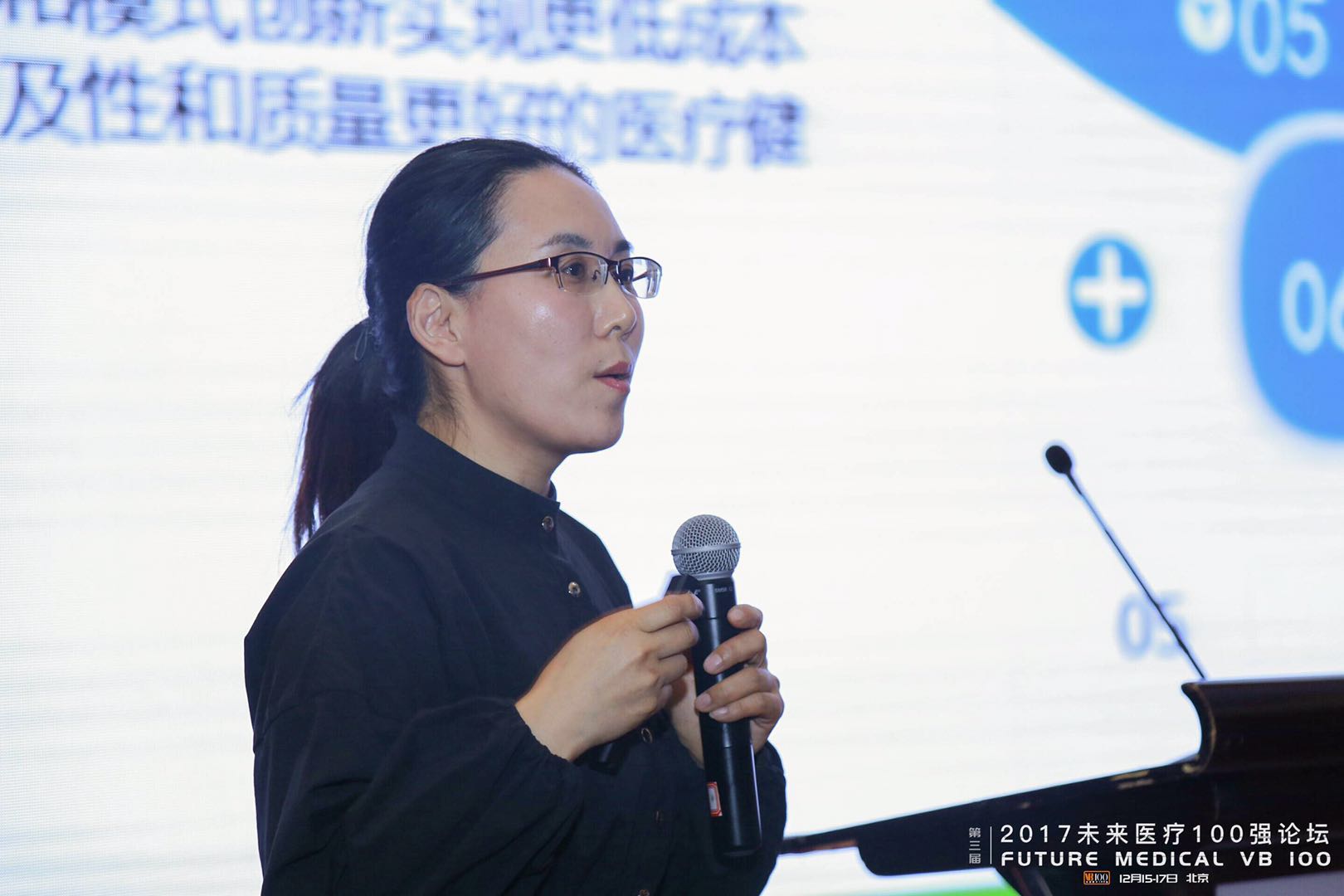
Li Xiaoxia, Founder and President of Kangbairui
The Challenges and Pain Points of Health Management Services Lie in:
1. Lack of standards and clear definition in health management services, resulting in low profitability
While services offered by various industries are commonly perceived as health management, the field of health management cannot encompass them all; they either focus on specific areas or emphasize the breadth of services.
2. Shortage of Talent and Low Service Capacity in the Primary Healthcare Industry
From the perspective of primary care, the challenges facing primary care physicians are twofold: first, it is difficult to recruit doctors; second, even when doctors are recruited, they face significant difficulties in their work. In terms of the current allocation of medical resources, China’s 2020 plan targeted two general practitioners per 10,000 people, whereas international experience suggests that 2,000–2,500 out of every 10,000 individuals should be general practitioners. This gap is substantial.
3. The workflow pathways for chronic disease management remain at the theoretical and clinical diagnosis and treatment levels
The disease prevention guidelines are rather rudimentary and have not been effectively implemented at the physician level.
4. Data Analysis of Smart Wearable Devices and Health Solutions
The bottleneck faced by wearable devices lies in the fact that they remain limited to data extraction, collection, and trend analysis, without establishing sufficient correlations among data points to generate comprehensive health profiles for users or drive tangible physiological improvements. In this context, wearable devices resemble games, becoming tools for short-term engagement and experience rather than catalysts for genuine health behavior change. Consequently, there is a need for more advanced data analytics and targeted solutions.
5. The Health Examination Industry: Health Services That Are Easy to Screen but Difficult to Manage
The focus of the health checkup industry lies in examinations, equipment, and daily data volume; without systematic process reengineering, it is difficult to achieve large-scale service management.
6. Health Service Demands in the Insurance Industry and Low-Cost, Broad-Coverage Services
Some people want to pay for healthcare services but cannot afford them. Due to the large population, there is a strong demand for low-cost, broad-coverage, and scalable health management solutions;
7. Personal Terminal Health Risk Prevention and Control and Chronic Disease Rehabilitation
There are no effective pathways or methods for terminal health risk prevention and control, nor for chronic disease rehabilitation. Current health products and holistic health management services emphasize concepts such as “ecosystems” and “closed-loop ecosystems,” yet fail to achieve genuine integration at this level.
8. Health service programs trigger and link-oriented health products.
Kangbairui'sThe operational logic lies in:
First, combining big data and artificial intelligence to deliver intelligent health management;
Second, pre- and post-hospital support;
Third, with lower costs and better quality;
Fourth, focusing on public health and providing comprehensive, full-lifecycle health management;
5., distinguishing single-disease management from the superficial consultation models prevalent in current internet healthcare—such as brief inquiries followed by immediate price quotes—and aiming to provide more in-depth solutions for individual health;
Sixth, with a focus on lifestyle management.
Under current technological conditions, it has become possible to transform medical models and health management. Kangborui currently adopts a service-oriented model combined with internet-based innovative services, providing individuals with health management anytime and anywhere, unrestricted by time or space. This approach does not start solely with wearable devices or rely exclusively on data from physical examination centers.
Yu Zhong: Paradigms and Pathways of Artificial Intelligence: General Practice, Health Management, and Public Health
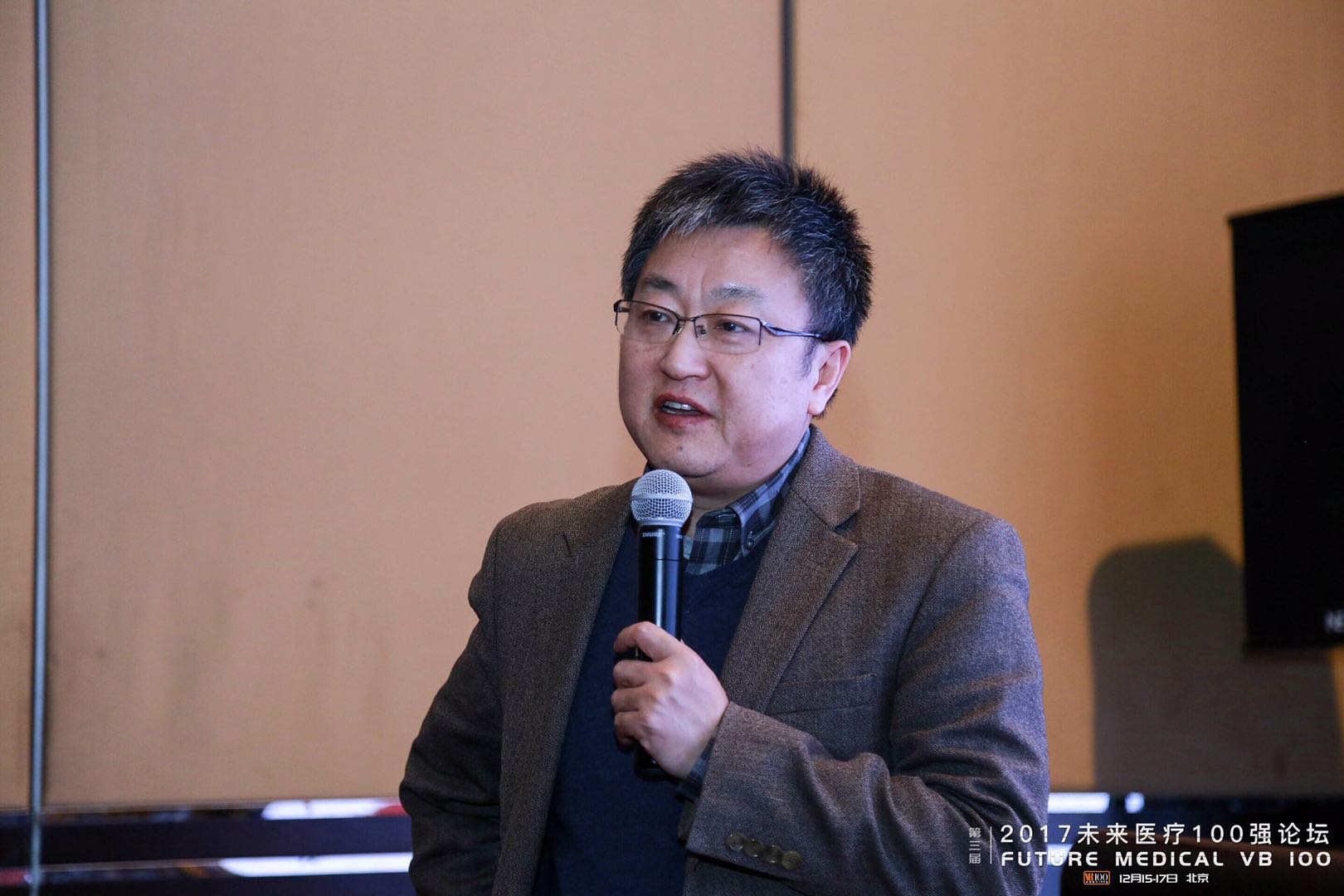
Yu Zhong, President of Meridian
Artificial intelligence is defined by two aspects: machine learning and expert systems,Most discussions nowadays center on machine learning, with key issues focusing on how to build models. Deep learning is merely a subset of artificial intelligence, particularly from a medical perspective.Without an expert system, only image-based deep learning can be performed, making it impossible to advance many aspects. The expert system is designed to provide medical services, thereby establishing the so-called closed loop.
The AI paradigm encompasses two aspects: one is medical issues, and the other is medical services.Medical issues involve the summarization of data and data annotation. During the data cleaning process, we perform extensive data annotation and subsequently build models.
Another aspect is medical services. From the perspective of medical services, it is not just about data; it is essential to establish services and form a closed loop, thereby generating new data during the service process, which enables expert systems to perform genuine diagnosis, treatment, tracking, and management. ThereforeIntegrating data and expert systems organically is the most critical issue for future development.。
Not only in the medical field, but also in the overall development of artificial intelligence, current approaches are partly data-driven and partly rule-based. At present, data-driven methods hold the upper hand, while rule-based methods are at a disadvantage; however, overall, these two approaches must be integrated.
This rule is difficult to implement in many respects. While it can be achieved in the field of Go, it remains challenging in healthcare. Only through integration can we achieve precision prevention, precision diagnosis and treatment, precision rehabilitation, and personalized health management.
Regarding the demonstration projects implemented by Meridian at the primary care level, the solution provided by Meridian is a general practitioner (GP) robot driven by policy support, guided by experts, and empowered by technology. This GP robot essentially serves as an intelligent assistant to general practitioners, facilitating the integration of common disease treatment, chronic disease management, health management, and public health services.
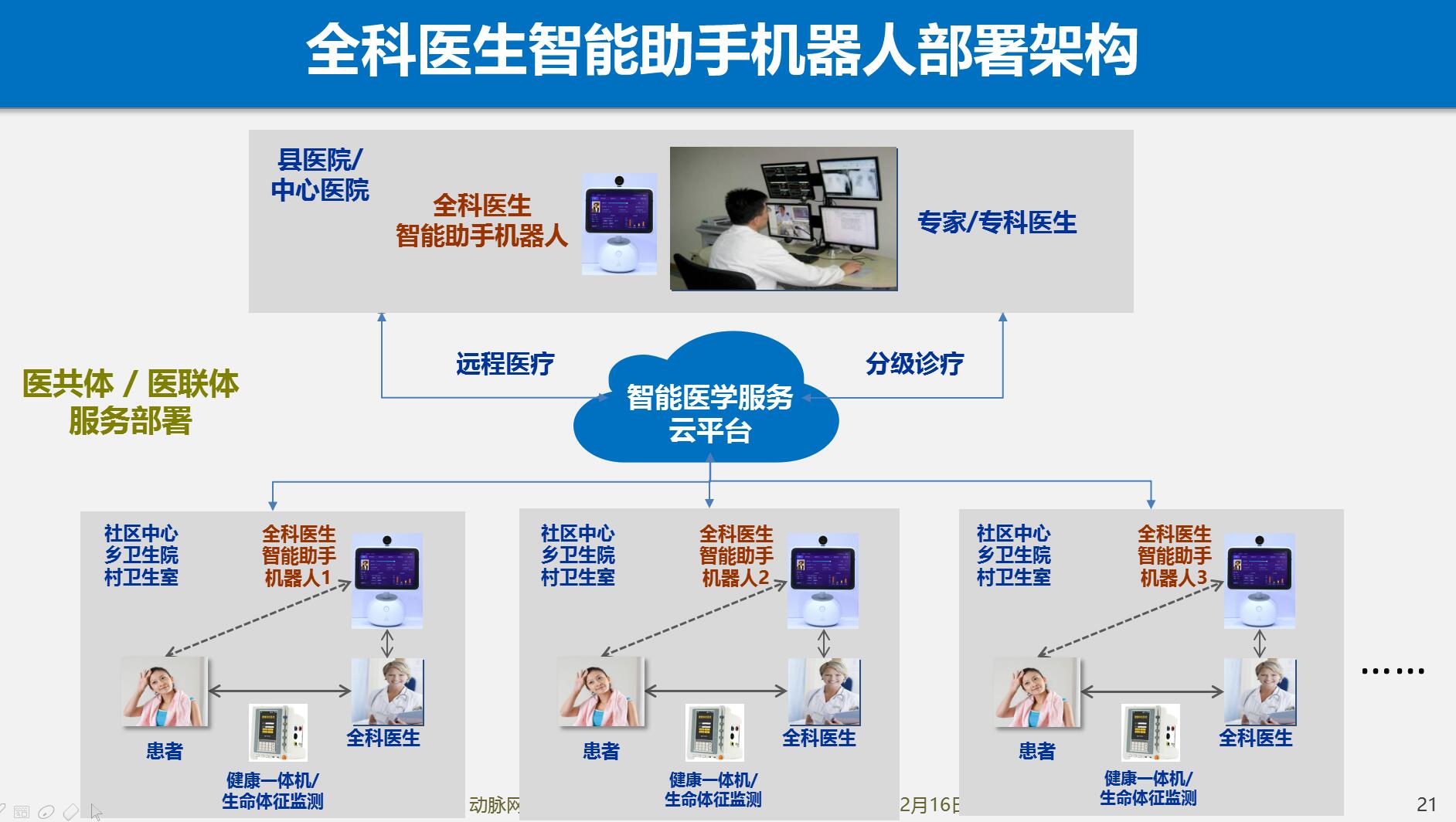
Yu Zhong stated that conditions at the grassroots level are extremely challenging. Compact robots can efficiently deliver critical medical resources and advanced technologies—such as data analytics, artificial intelligence, expert systems, and telemedicine—to these underserved areas. This empowers grassroots physicians to perform their duties effectively, enabling many local residents to receive high-quality care through a systematic and structured approach, which is deeply gratifying.
Integrating the most sophisticated AI products with grassroots medical services, primary healthcare, and basic health management to create a Chinese model represents a novel approach.
Integrate management and services through medical consortiums and medical supply alliances, combining dynamic and static data. In this process, data-driven models and expert systems must be organically integrated.
Zhang Xueli: Introduction to the National Occupational Certification System for Health Management Professionals
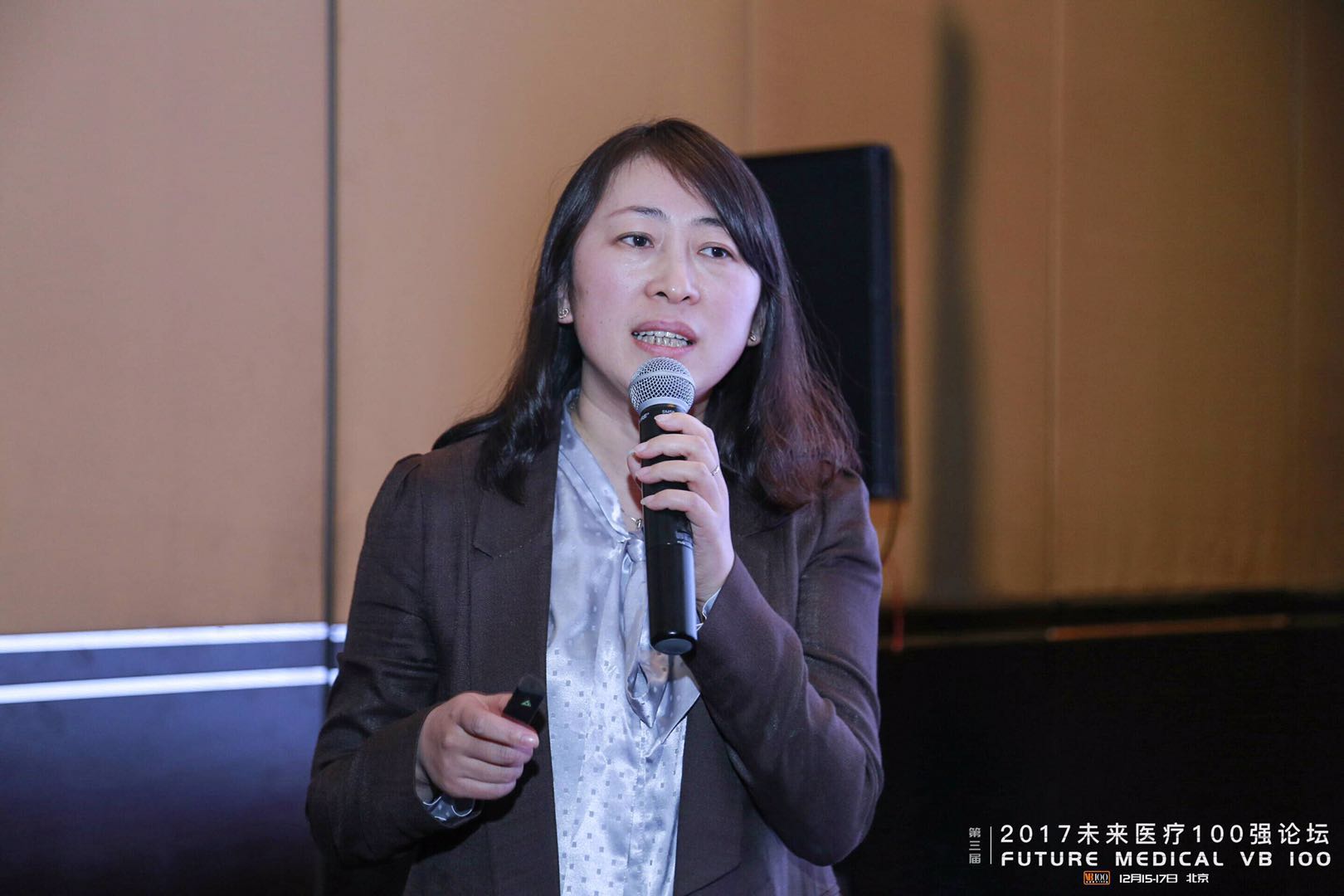
Zhang Xueli, Founder of HuLianWang
Within the entire health management industry, all stakeholders are focused on driving industrial development, with talent being a critical component.
The individuals who truly bridge the “last mile” of health management are invariably health managers, nurses, or other professionals capable of reaching patients directly; they are certainly not physicians.. However, within the healthcare system, while physicians or general practitioners may accompany patients throughout the treatment process, the final point of contact will invariably be nurses, or what we refer to as future health managers.
Many general hospitals across China have established health management centers, which have proven to be quite profitable. The majority of staff in these centers are nurses who are further trained to become health managers. Under the system at that time, health managers were certified by the National Health and Family Planning Commission, thereby holding national vocational qualifications.
This year, the policy framework for the health management profession has finally been settled. In previous years, the lack of clear guidelines led to a chaotic market with mixed quality and participants of varying credentials.The Xiamen Municipal Health and Family Planning Commission has spent several years establishing a “Three-Professional Joint Management” system, under which health managers are required to hold professional certifications for practice, fulfilling such a role within the community healthcare framework.
Why was Xiamen the earliest?
During the early stages of the Health and Family Planning Commission’s initiative to establish the profession of health manager, Xiamen demonstrated the highest level of participation. Consequently, prior to 2012, Xiamen had already introduced the “Three-Provider Co-Management” model into its community health services. This model clearly defines three roles: “health managers,” “general practitioners,” and “specialists.” The “Three-Provider Co-Management” model has achieved outstanding results in family physician contract services over the past one to two years, largely attributable to the adoption of this management approach.
Gou Zhengmeng: The Elephant Doctor Logic of Telemedicine
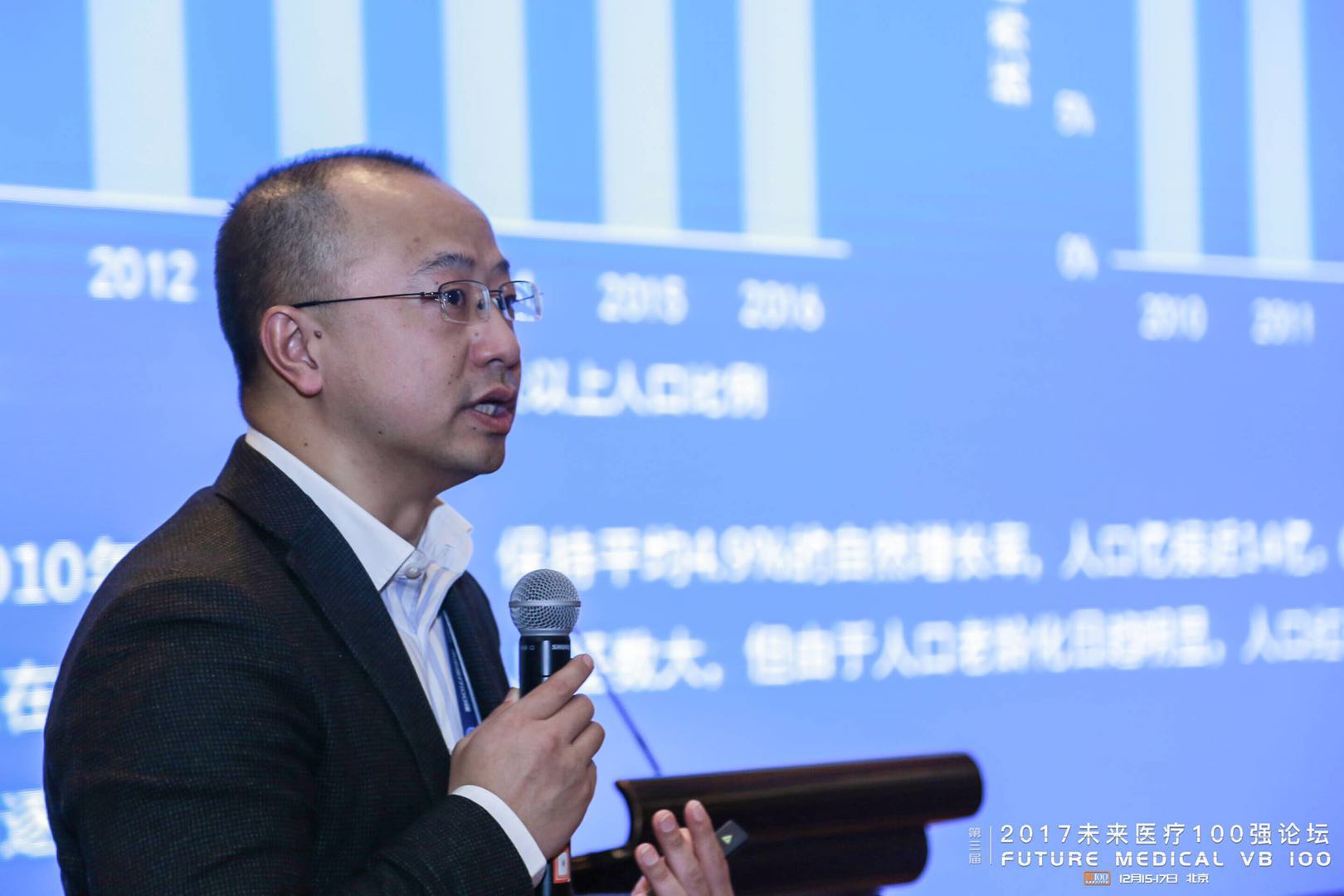
Gou Zhengmeng, General Manager of Daxiang Medical
In the 1990s, the United States began promoting the application of information technology across the entire healthcare sector. Following the enactment of the Affordable Care Act, value-based payment models became mainstream. The U.S. "Internet + Healthcare" ecosystem has now achieved comprehensive coverage across all segments of healthcare services, including remote diagnostic services for specific diseases.
According to relevant research findings, the use of “Internet + Healthcare” applications in U.S. primary care could save $1 billion annually, with projected savings for the entire healthcare system reaching $30 billion by 2017.
The logic followed by Daxiang Medical is based on an ecosystem layout, where operations encompass specialties, genomics, and big data, all seamlessly integrated within the chosen market sector.
Over the past year, Daxiang Medical has undertaken numerous initiatives. First, it has established a physician team, having essentially completed signing agreements with most Grade A tertiary hospitals, primarily those in Beijing and Shanghai. Physicians providing telemedicine services often face the challenge of high consultation volumes. Second, the company has implemented AI-assisted tools and offers remote audio-video medical consultations.
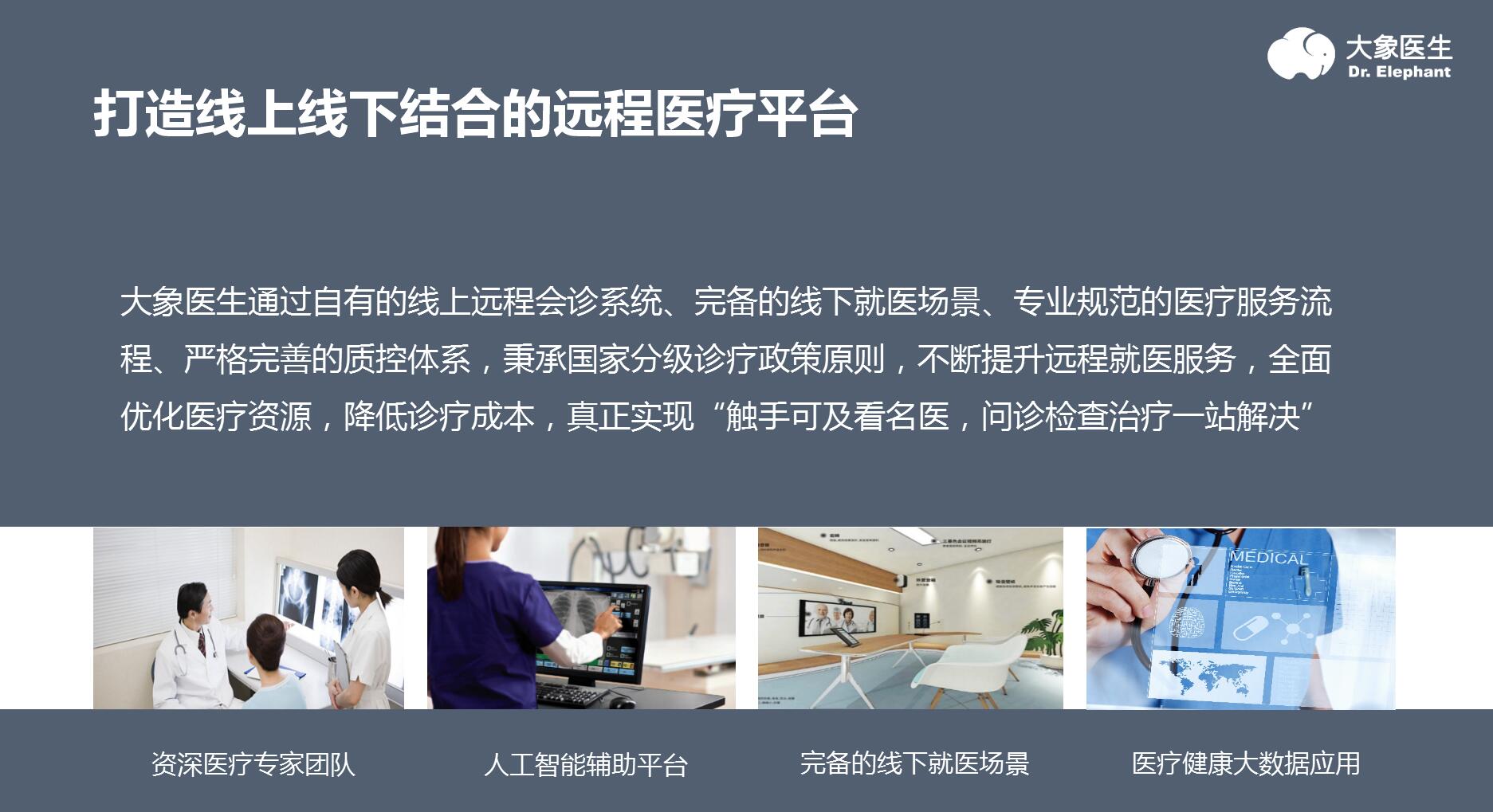
This defines our offline physical scenarios and examination methods. Online, immature medical resources can be organized through internet-based appointment platforms, integrated with corresponding pharmacist services. This platform enables logical services including consultation, examination, pharmaceutical care, and referral, ultimately achieving post-diagnosis health management.
Our defined logic integrates online and offline services to cover the entire continuum from consultation and examination to treatment and pharmacist support. In China, where the focus is shifting toward health management and preventive care, the majority of these needs can be addressed remotely, thereby enabling broader access to essential health services for a larger population.
How Should Telemedicine Move Forward in the Future?
First, regulatory oversight of qualifications and related allegations is becoming increasingly stringent.Medical consultation and treatment are matters of life and death, requiring utmost diligence. Especially after a year of “rolling up our sleeves and working hard,” we have addressed previous shortcomings without overturning existing concepts.
Second, online services serve as a supplement to traditional healthcare, and the integration of online and offline models is essential for their coordinated development.Integrating online and offline medical service workflows—from online consultations, intelligent triage, and appointment scheduling to insurance payments, medication purchases, and delivery—to create a comprehensive medical service ecosystem that provides the public with convenient, efficient, and professional integrated healthcare will be a key focus for future development;
Third, wearable devices will make the home a core scenario competed for by major companies in the era of smart healthcare.Today, given the normative requirements and industry regulatory mandates, we define telemedicine as services conducted between medical institutions, centered around the management of chronic diseases. However, if telemedicine is to truly reach a broader patient population and extend to more grassroots communities, home-based telemedicine will likely become more competitive as wearable devices achieve technological maturity and expand their functional capabilities.
Liu Qikai: Reflections on the Investment Logic of the Health Management Industry
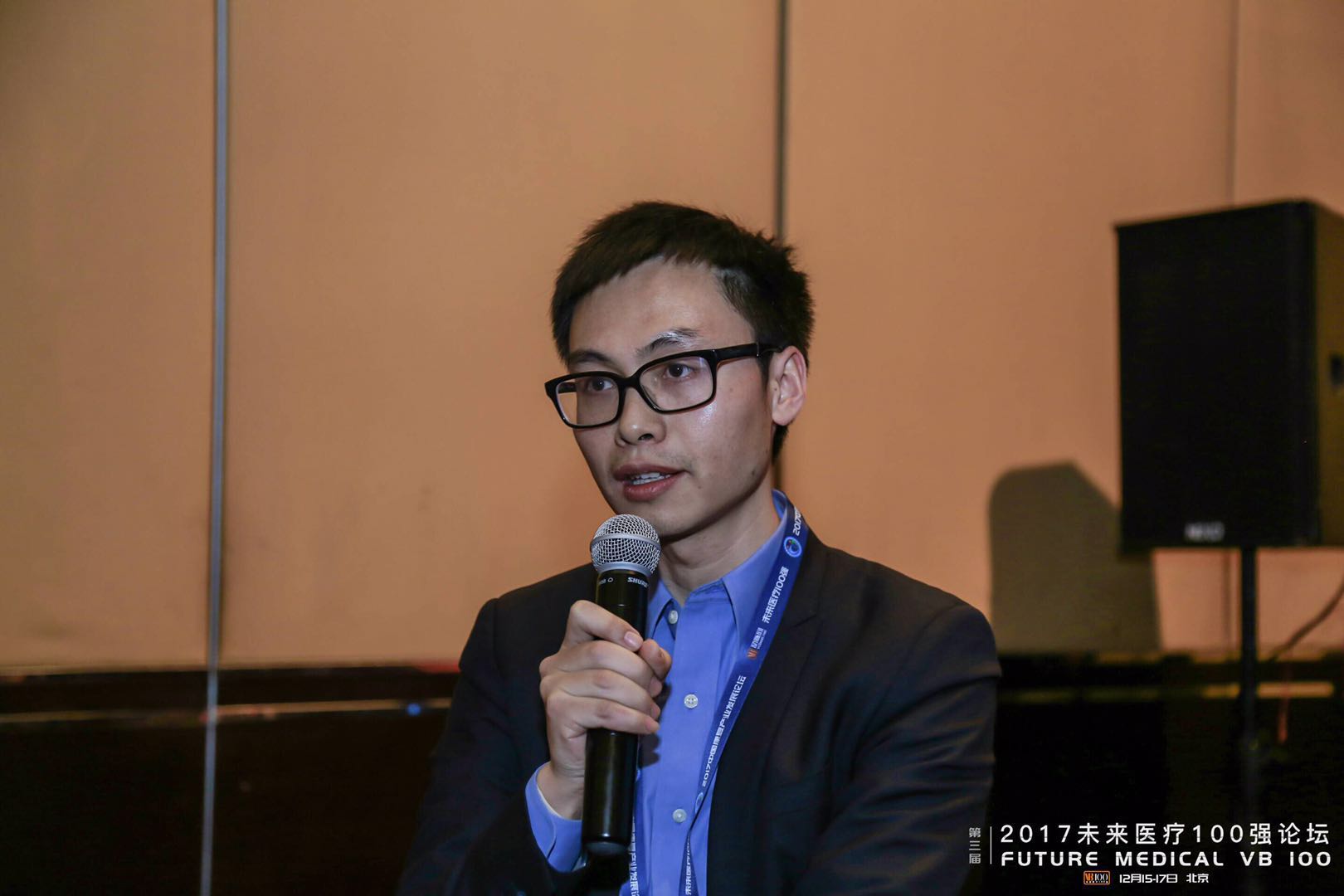
Liu Qikai, Founding Partner of Fosun Tonghao Capital
Health management represents consumption upgrading rather than routine treatment needs. As a demand driven by consumption upgrading, it entails addressing users’ non-essential needs. Currently, the focus remains primarily on basic medical care, with health insurance as the main payer, supplemented by partial out-of-pocket payments and commercial insurance, as well as a segment of high-end medical services. Examples include United Family Healthcare and Massachusetts Medical International Healthcare.
The essence of most high-end medical services is not actually to address the difficulties and high costs of accessing healthcare, but rather to meet precise needs and provide psychological reassurance.Therefore, we believe that the core focus in the future will be to integrate high-end medical care and health consumption into the broader framework of consumption upgrading. This is a key issue we aim to address by stepping outside the traditional healthcare industry perspective from a venture capital standpoint.
Our current core strategy remains focused on transitioning from basic healthcare and high-end medical services to the consumer sector, specifically moving from basic healthcare into the realm of consumption upgrades.What is the major issue in consumption upgrading? It may be the model that truly integrates payment demand, willingness to pay, and ability to pay.
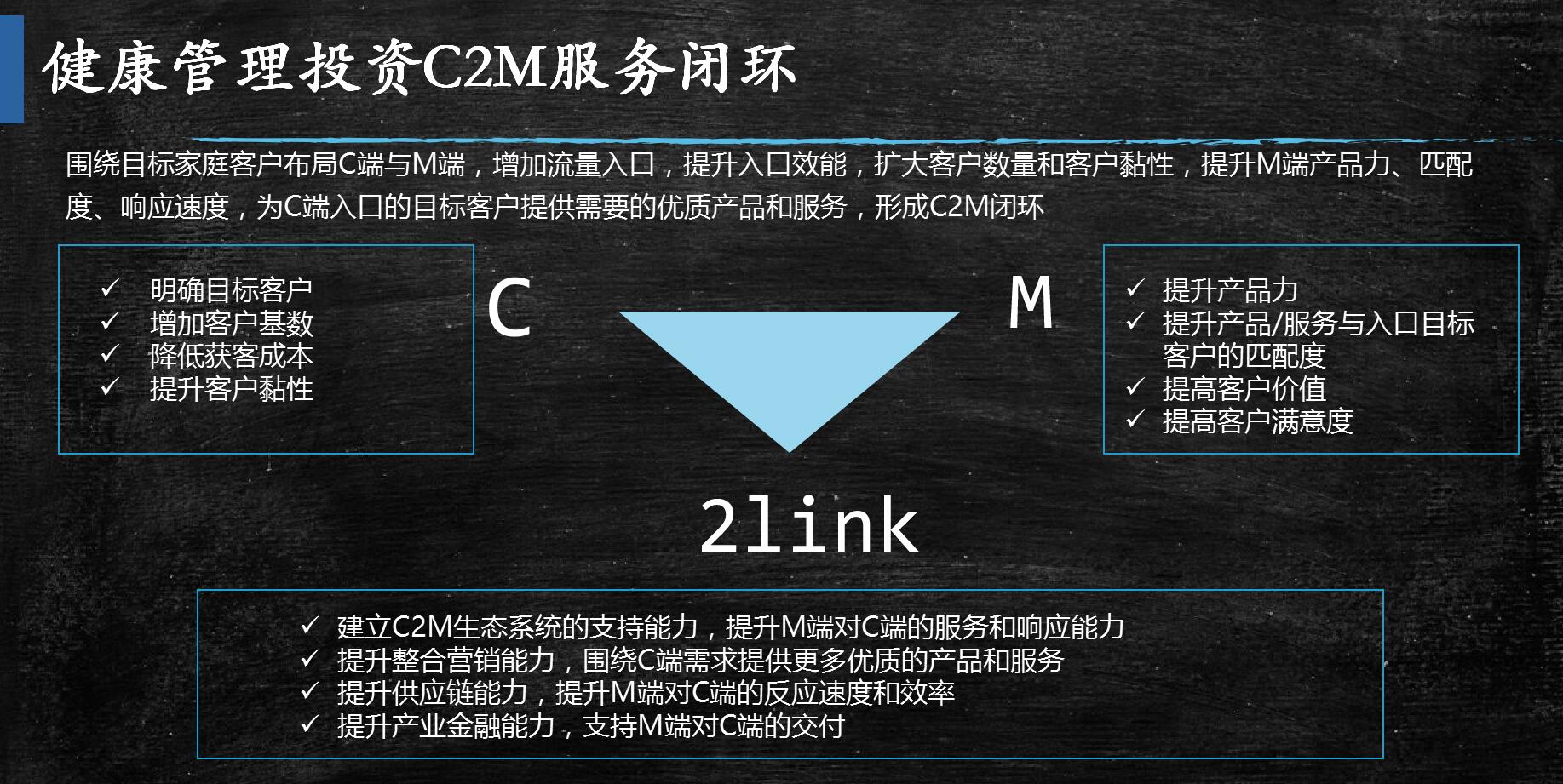
Fosun Tonghao Health Management Investment C2M Service Closed Loop
Based on Fosun Tonghao's C2M model, the health management industry must address three core questions:
1. How to increase the number of B2C customers, reduce customer acquisition costs, and enhance customer stickiness?
Customer acquisition is not the end goal; the focus should shift to next-day retention after acquisition. Retention should last at least seven days. One-week retention holds some value, one-month retention carries significant value, and users who remain active for a year are considered high-quality users.
2. How can we enrich our products (M-side) based on customer needs to further enhance product competitiveness?
The core of this issue lies in how to leverage new technologies to make traditional healthcare service capabilities more asset-light, scalable, and efficient. It is essential to understand what my product is, what my service is, and how to increase the average revenue per user.
3. How to establish seamless connectivity and payment integration between the C-end (customers) and M-end (products), while strengthening synergy across different product lines?
Insurance coverage encompasses both public medical insurance and commercial health insurance. In the future, the core structure should follow an 80/20 split: 80% covered by basic public medical insurance and 20% by commercial insurance. The 20% portion represents non-upgraded, baseline coverage. Therefore, I believe that purchasing health services in the future will be akin to buying consumer goods—specifically, consumer products with higher technological sophistication and greater interactivity. This presents a significant opportunity. Only by integrating these elements can my C2M (Consumer-to-Manufacturer) model be successfully established.
If these three points can be addressed, one should be able to achieve significant development in the health management industry. Meanwhile, health management serves as infrastructure; while the current core focus in the entire medical field is on addressing technological demands, I believe that the overall model of healthcare will change in the future.
Currently, hospitals serve as the central hubs where patients independently assess hospital and physician attributes before converging on specific facilities. This model has led to difficulties in accessing medical care, high costs, and severe overcrowding.
What does the future hold? As entrepreneurs establish connections through physical and behavioral profiling, future clinics and hospitals will serve merely as service access points. The term “doctors” should be used loosely, as interactions may involve knowledge graphs for intelligent engagement, AI-assisted diagnostics, or actual physicians. Patients will be seamlessly matched with the most appropriate service access points capable of addressing their healthcare needs.