

2017 Future Healthcare 100: Innovating Hospital Operations Amidst Tiered Diagnosis, Medical Consortia, and Multi-Practice Physician Models
"Top 100 Future Healthcare Companies 2017" Forum, themed "The Era of Species Explosion," was held at the Beijing Marriott Hotel from December 15 to 17, 2017.
At the Hospital Innovation Parallel Forum held on December 16, distinguished guests shared their insights, including Gu Xuefei, Deputy Research Fellow and Director of the Medical Security Research Office at the Health Development Research Center of the National Health and Family Planning Commission; Lin Hui, Deputy Director of the Party and Administration Office at Sir Run Run Shaw Hospital, Zhejiang University School of Medicine; Li Dongdong, Vice President and Deputy Chief Engineer of B-Soft; Shen Farong, Chairman of Xingxiangyuan; Wen Li, General Manager of the Business Innovation Center within the Medical IT Division of Neusoft Corporation; Wang Shuguang, Executive Partner at GTJA Capital; and Gao Hongqi, CEO of Yi Manyi.
Guests delivered insightful presentations and engaged in spirited roundtable discussions on challenges and innovations in smart hospital development, the future of healthcare, and information security. VCBeat (WeChat ID: vcbeat) has compiled the speakers’ viewpoints.
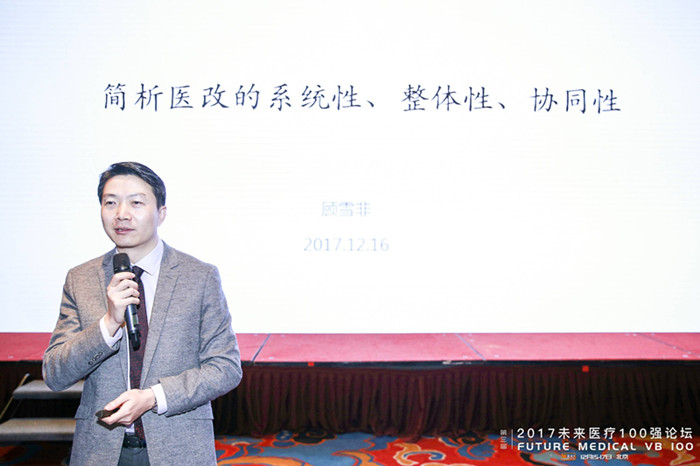
Gu Xuefei, Director of the Medical Security Research Office and Associate Research Fellow at the Health Development Research Center of the National Health and Family Planning Commission
The key tasks of healthcare reform during the “13th Five-Year Plan” period were summarized as “5+1”: tiered diagnosis and treatment; modern hospital management systems; universal health insurance coverage; pharmaceutical supply guarantee systems; comprehensive regulatory systems; and public health. Although these reforms were established as separate initiatives, they are internally interconnected by logical relationships. For instance, while tiered diagnosis and treatment appears to focus on regulating patient flow, it fundamentally addresses issues within the healthcare service system, concerning how we will restructure our future medical and health service delivery framework.
The drug supply and guarantee system is listed separately because pharmaceuticals constitute a relatively independent market. While primary healthcare is non-profit in nature, the pharmaceutical sector is highly marketized. Therefore, healthcare reform must strike a balance between these two spheres—namely, between public welfare undertakings and industrial interests. When we discuss the separation of prescribing from dispensing, we refer primarily to the decoupling of financial interests, aiming to distinguish the professional value of physicians from the commercial value of drugs, without severing the intrinsic relationship between them.
The internet healthcare boom, which began in 2015, represents medical innovation. Many argue that national policies are not sufficiently open; however, I believe China is among the most open, as many policies lack stringent regulatory constraints. For instance, in internet healthcare, there is no clear distinction between whether it provides medical services or merely consulting services.
Regulation is crucial. As patients, residents find it difficult to evaluate the quality of medical services; what the general public can directly experience is limited to clinical treatment. Therefore, professional oversight by the government or independent third-party social organizations is particularly necessary. Without effective regulation, neither healthcare as a public welfare undertaking nor as an industry can achieve healthy development.
Since the 1990s, urban hospitals have been the fastest-growing category of medical institutions in China. Since 2006, the gap between urban hospitals and township health centers has continued to widen. If this trend persists, the entire healthcare system will become unsustainable. The past hospital-centric model was shaped by the trajectory of medical development and the broader social context. In the future, with medical innovation, surgery will increasingly trend toward minimally invasive techniques and outpatient-based care. Consequently, the current design centered on inpatient admissions and hospital beds will lead to significant waste.
Medical consortia are a critical pathway for implementing tiered diagnosis and treatment. These consortia include urban medical groups, county-level rural healthcare communities, specialty alliances, and telemedicine collaborations. Why is it necessary to establish medical consortia? The fundamental reason is that chronic diseases have become the primary threat to health. This necessitates collaboration among medical institutions to jointly provide patients with integrated services encompassing prevention, treatment, and rehabilitation, thereby forming a patient-centered system. However, it must be emphasized that such integration cannot be achieved merely by loosely affiliating medical institutions; it requires a fundamental transformation of incentive mechanisms.
The “three-medical” linkage refers to the systemic and interconnected nature of healthcare reforms. Currently, some medical systems appear highly correlated on the surface, but in reality, there are incompatibilities between their design and implementation. For example, regarding tiered diagnosis and treatment and the allocation of health insurance funds, many regions, in order to maintain the balance of health insurance revenues and expenditures, have further reduced outpatient allocations while concentrating more resources on inpatient care. The distinction between outpatient and inpatient services affects the strength of primary care capabilities, and this system causes significant harm to grassroots healthcare.
There is also the health insurance payment system. The purpose of reforming the payment system is to change physicians’ behavior. Why did the phenomenon of “sustaining medical practice through drug sales” emerge? It is because the current healthcare payment model is fee-for-service, under which physicians’ actual income is closely tied to the volume of services they provide. In this context, prices for medical services are distorted, and pharmaceuticals become the most reliable revenue source. Hence, it is often joked that in China, the value of physicians is not respected. This is not the cause but the consequence. In recent years, the medical device market has experienced significant growth. Whether a new phenomenon of “sustaining medical practice through surgical procedures” will emerge in the future is a topic that warrants discussion.
Future reforms will implement global budget controls, aiming to encourage hospitals to deliver higher-value services. If these incentives fail to reach physicians, they will continue to align with corporate interests. Reforms should block the transmission of perverse incentives. Going forward, all factor markets—whether for pharmaceuticals, consumables, medical devices, or innovative technologies—should be guided by a commitment to genuinely improving health value.
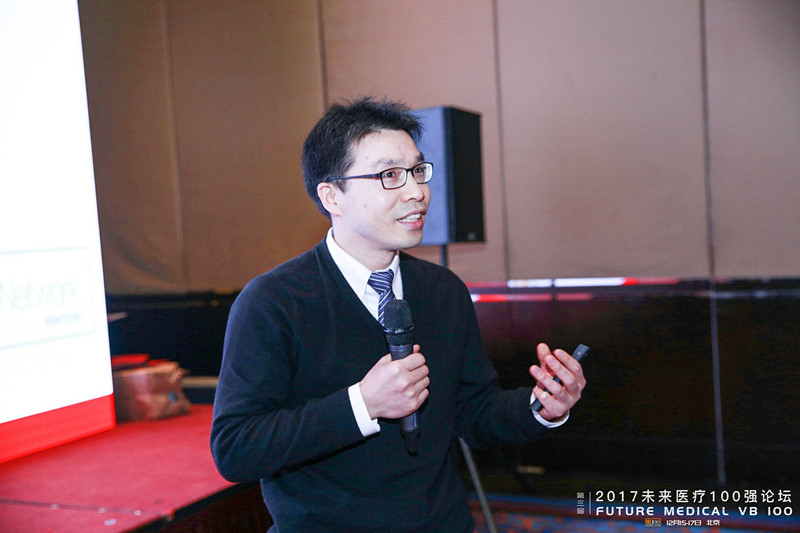
Lin Hui, Deputy Director of the Party and Administration Office, Sir Run Run Shaw Hospital, Zhejiang University
“We truly launched our smart healthcare initiative in 2014, which also marked the 20th anniversary of the hospital,” said Lin Hui, Deputy Director of the Party and Administration Office at Sir Run Run Shaw Hospital, Zhejiang University School of Medicine. “At this new starting point, the hospital leadership proposed a vision for building a ‘future hospital,’ adhering to the two principles of ‘people-centered care’ and ‘core quality.’ In pursuit of this goal, smart healthcare undoubtedly serves as a critical supporting component.”
Mobile Smart Transformation: Realizing a New Model of Doctor-Patient Interaction
In 2014, aligned with the goal of building a “Future Hospital,” Sir Run Run Shaw Hospital launched a mobile-based smart transformation initiative covering the entire healthcare service process. Phase I included the development of a WeChat public platform, the “Zhangshang Shaoyi” mobile app, and ancillary features for the online payment system.
Currently, Phase I of the project has been launched and is operational. At Sir Run Run Shaw Hospital, patients can receive medical care with information reminders and guidance throughout the entire process. For example, after a patient books an appointment with a specialist through the “Shaw Hospital Mobile” app, the system will notify them of their scheduled consultation time. This estimated time is derived from big data statistics on the specialist’s average consultation duration over the past three years.
For example, if an expert spends an average of 10 minutes per patient, a patient with the fourth appointment slot in the morning will be advised by the system to arrive at the outpatient clinic around 8:30 a.m., eliminating the need to wait continuously at the hospital.
Furthermore, at the conclusion of the consultation, patients receive corresponding reminders, such as details on prescribed diagnostic tests and medication regimens. Patients can settle consultation and pharmaceutical fees via their mobile phones upon leaving the examination room, and then proceed to complete the required tests and collect medications by following textual or map-based guidance provided by the system. Test results are also accessible on mobile devices. Should any questions arise during this process, patients may consult their physicians via SMS. Additionally, patients can evaluate the physician’s service attitude, quality of care, and the medical environment through their mobile phones.
Phase II of the “Future Hospital” initiative at Sir Run Run Shaw Hospital centers on the “Shaw Medical Health Cloud.” Launched in April 2015, the platform has since integrated tertiary Grade A hospitals such as Sir Run Run Shaw Hospital and Zhejiang Provincial Hospital of Traditional Chinese Medicine, community hospitals including Hangzhou Jianggan District People’s Hospital, as well as select private and county-level hospitals. This integration has effectively facilitated the development of a regional tiered diagnosis and treatment system and promoted the decentralization of high-quality medical resources. Through the “Shaw Medical Health Cloud” platform, primary care physicians can not only initiate remote consultations but also access the premium educational resources of Sir Run Run Shaw Hospital as a university-affiliated institution, enabling them to engage in theoretical study and observe surgical procedures.
Informatization is the foundation, and intelligentization is the goal.
The smart healthcare initiatives at Sir Run Run Shaw Hospital effectively support the development of future hospitals, implemented in phases around an overall architecture and strategic plan. The overall architecture centers on the “Three Multi’s”: multi-center, multi-platform, and diversified. The strategic plan follows a three-step approach: informatization, internet-based transformation, and intelligentization.
“Information technology is the foundation, internet integration is inevitable, and intelligence is our future goal,” emphasized Lin Hui. “Specifically, internal hospital informatization serves as the cornerstone. Our smart healthcare initiatives focus on three areas: smart patient services, smart hospital operations, and smart hospital management. Internet integration can be summarized as ‘one center’ (data center), ‘two platforms’ (public cloud platform for patients and enterprise cloud platform for businesses), and ‘four mobile dimensions’ (mobile patient services, mobile business operations, mobile management, and mobile decision-making).”
According to Lin Hui, the Internet initiative at Sir Run Run Shaw Hospital is being implemented in two areas: internal development and external development. “Internal development aims to further transform medical services and hospital management using internet technologies, while external development focuses on building a regional internet healthcare platform,” Lin Hui further explained. “From the perspective of internal development, after undergoing internet-based transformation, all cumbersome outpatient services—except for consultation, examination, treatment, and medication dispensing—have been moved online. From the perspective of external development, with the goal of enhancing convenience for patients, we have integrated relevant resources from regional medical institutions (such as health data, electronic patient records, and laboratory and imaging reports) into the cloud. We have also established connections with commercial insurance providers, banks, and third-party testing organizations, enabling seamless connectivity and comprehensive business integration among hospitals, between physicians, and across the healthcare and other industries. The ultimate aim is to provide patients with higher-quality medical services.”
Smart Healthcare Platform: Realizing Seven Core Functions
Currently, the Sir Run Run Shaw Hospital Smart Healthcare Platform has established four service portals: the physician portal, the patient portal, the third-party institution reception portal, and the hospital operations management portal. It has also developed three core business platforms: the Physician Collaboration Platform, the Family Doctor Contract Service Platform, and the Patient Health Service Platform, thereby enabling seven core functions.
1. Bidirectional Referral. Based on the platform, information regarding physicians and patients involved in initiating and accepting referrals is fully interoperable, significantly enhancing the precision of patient referrals;
2. Remote Mobile Consultation. The platform supports text-based mobile consultation, scheduled mobile consultation, and audio-video mobile consultation, among others;
3. Integration of Medical Services and Pharmaceutical Distribution. According to relevant statistical data, 37.8% of outpatient visits at hospitals in Shanghai are solely for prescription refills. In light of this, the core function of the platform is to address the medication refill needs of patients with chronic diseases. Patients with chronic conditions can submit consultation requests to their attending physicians via the platform. Upon receiving the request and evaluating the patient’s condition, if the physician determines that continued medication is necessary, the prescription can be transferred to the Hospital Information System (HIS) of a hospital authorized to issue such prescriptions, thereby ensuring the integrity of electronic medical records. After pharmacist verification and patient payment, the medication can be delivered to the patient within a specified timeframe based on the prescription. This process truly achieves the integration of information, physical goods, and personnel, realizing authentic internet-based prescribing.
4. Regional Examination Coordination. When primary care physicians receive patients who require examinations that their facilities are unable to perform, they refer the cases to the platform. Hospitals equipped to conduct these examinations can submit requests through the platform. Upon receiving a request, the platform reviews the patient’s examination needs. If approved, the platform directly schedules the examination and notifies the patient. The entire process is conducted in the cloud.
5. Remote Joint Outpatient Consultations. Primary care physicians and medical specialists can conduct joint patient consultations without being physically present, significantly improving efficiency;
6. Medical-Education Collaboration. The platform enables live streaming of surgical training in hospitals, as well as live sharing of medical courseware, among other features;
7. Proactive Health Management. Health and healthcare form a closed loop; issues in health management related to medical services can be addressed through early intervention via wearable devices and collaborative efforts across different levels of care.
“When designing a platform-based expert diagnosis and treatment system, we adhere to two concepts: the pyramid structure and localization,” emphasized Lin Hui. “Tiered diagnosis and treatment is inherently regional. The healthcare market within any given region inevitably assumes a pyramid shape, with community hospitals and physicians serving as the foundation, while tertiary Grade A hospitals and medical centers provide technical support. It is essential for all stakeholders to jointly establish standards and standardize data input to continuously elevate the level of regional healthcare.”

Li Dongdong, Vice President and Deputy Chief Engineer of B-Soft
Regional Healthcare Informatization refers to a business and technical platform that, within a defined geographic area and based on standardized construction outcomes and interoperable data sharing, provides healthcare providers, health administrative agencies, patients, payers, and pharmaceutical product suppliers with the capability to store and transmit health industry data in digital form, thereby supporting the operational processes of medical services, public health, and health administration.
Li Dongdong, Vice President and Deputy Chief Engineer at B-Soft, has been dedicated to informatization since his graduation in 1995, providing IT-supported products for healthcare reform. At that time, the company had only more than 30 employees; it is now a publicly listed company on the ChiNext board. For over two decades, the company has consistently focused on healthcare informatization. “I have grown alongside the company, sharing in the industry’s ups and downs.”
From the perspective of a software vendor, healthcare reform looks like this: Since 2009, a vast number of medical institutions have emerged, most operating quietly and unassumingly, with only one “superstar” standing out—the large hospital.
Companies providing services to large hospitals are all thriving. For instance, if you have served one or two major hospitals, it is highly likely that you will secure contracts with hospitals throughout the entire city, or even with major hospitals across the entire province or municipality.
Looking back, large hospitals are facing numerous challenges, including overcrowding, difficulty in accessing medical care, and high costs... The government has introduced policies such as tiered diagnosis and treatment and family doctor contracting, aiming to direct patients with serious conditions to large hospitals and those with minor ailments to smaller facilities. But what exactly constitutes a "serious" versus a "minor" illness? Ultimately, the determination is left to the hospitals, allowing them to select the patients they prefer.
In addition, regarding the national initiative to promote family doctor contract services, Winning Health is also actively expanding its presence in this area, although the results have been less than satisfactory.
He believes that relatively stable products are essential, as integrating workflows among medical institutions—such as two-way referrals and telemedicine—is challenging. Taking telemedicine as an example, its essence lies in the connectivity between institutions.
Currently, B-Soft has cumulatively implemented more than 4,000 healthcare informatization projects, including hospital information systems, regional health information platforms, and informatization platforms for rural cooperative medical institutions.
1) The company’s hospital informatization products offer a comprehensive suite covering Hospital Information Systems (HIS) and Clinical Information Systems (CIS), with a market share leading across China. It currently serves over 3,000 hospital clients, including 150 large tertiary Grade-A hospitals, highlighting the company’s overall strength.
2) The company holds a prominent leading position in regional health information platforms, with particularly outstanding capabilities in large-scale provincial-level health information platforms. It has undertaken the construction of four provincial-level platforms in Zhejiang, Hubei, Yunnan, and Jiangxi provinces, as well as multiple prefecture- and city-level platforms in Shanghai’s Minhang District, Hangzhou, and Beijing’s Chaoyang District. In total, it has built 188 county- and city-level platforms, fully demonstrating the high recognition of the company’s comprehensive capabilities by health and family planning authorities.
3) Cross-regional national business layout demonstrates its competitiveness: The proportion of the company’s main business revenue generated outside East China was 34.7%, 38.4%, and 41.2% in 2012, 2013, and 2014, respectively, showing a year-on-year upward trend. With the support of the capital market, its nationwide expansion is expected to accelerate, and its market scarcity should command a valuation premium.
“In my personal view, developing regional health informatics products at this juncture is by no means an isolated endeavor, unlike a decade ago when hospital-specific products were largely standalone. The current landscape is highly complex, requiring integration among vendors, government bodies, healthcare institutions, and the enterprises’ own product ecosystems, involving numerous institutions and commercial teams. Therefore, for companies currently engaged in R&D of such solutions, it is strongly advised against creating a standalone product; promoting such a product across a country of this scale could incur costs as high as one trillion yuan.”
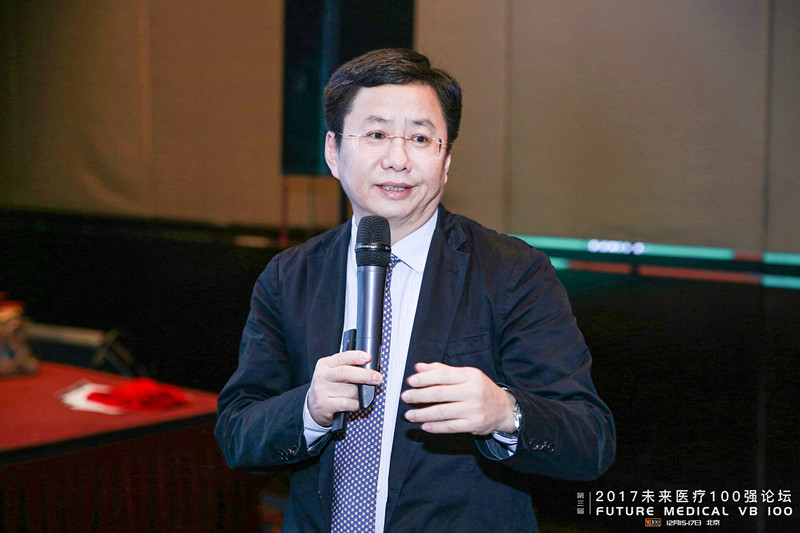
Shen Farong, Chairman of Xingxiangyuan
Four years ago, Shen Farong left the public hospital system to join Zhejiang Greentown Cardiovascular Hospital, a private institution. Although he spent 29 years within the public system and only four years outside it, his experiences during these latter four years have been far more profound than those of the preceding 29. Today’s topic is the path taken by private medical institutions in developing medical consortiums.
In fact, there is currently no such concept as a “medical consortium” in the legal sense. This is because medical consortia involving public healthcare institutions are governed by official government documents, whereas no such regulatory framework exists for private healthcare institutions.
“In fact, we are surviving in the cracks,” said Shen Farong.
First, let us examine the policy landscape, where numerous policies have been enacted. Chapter 17 of the Outline of the “Healthy China 2030” Plan calls for optimizing a diversified healthcare delivery system, prioritizing support for social forces in establishing non-profit medical institutions, and advancing and achieving equal treatment for non-profit private hospitals and public hospitals. This represents a significant and pragmatic shift.
In the second week after he left the public sector, the Zhejiang Provincial Government issued a policy stating that individuals like him should retain their established personnel positions (bianzhi) upon departure. However, the policy lacked implementation mechanisms; it was unclear where or with which institution such positions would be retained, as no concrete provisions were provided.
In May and August 2017, numerous policy documents were issued, which represented significant favorable developments, particularly for third-party diagnostic centers. As these are historical documents, they will not be elaborated on individually here.
Overall, the state has implemented numerous policies to support the development and construction of private medical institutions. Zhejiang Province, in particular, has excelled in health insurance administration by achieving mutual recognition within the province; for instance, any institution included in the Zhejiang Provincial Health Insurance Program must also be recognized by the Hangzhou Municipal Health Insurance Program.
Currently, private healthcare institutions in Zhejiang Province are experiencing rapid growth and development, but their scale remains small. In the first half of 2017, public medical institutions grew by 4.7%, while socially-run medical institutions grew by 17.8%.
So, how can medical alliances involving private healthcare institutions survive and develop? Without policy support or even the formal concept of “medical alliances,” the focus has shifted to resource sharing. Over the past four years, Shen Farong has at least turned this hospital from loss-making to profitable. In the realm of privately run healthcare, such high efficiency and output are rare.
First, establish an industry association by founding the Cardiovascular Professional Committee for Non-Public Medical Institutions in Zhejiang Province;
Second, we will explore collaborations with physician groups, such as the Zhang Qiang Physician Group, Xingxiangyuan Pain Physician Group, and Huayi Xincheng Physician Group. In the future, we plan to gradually introduce more physician groups with the aim of building a shared healthcare platform;
Third, participation in mixed-ownership reform may occur, which represents the fundamental way forward for the future.
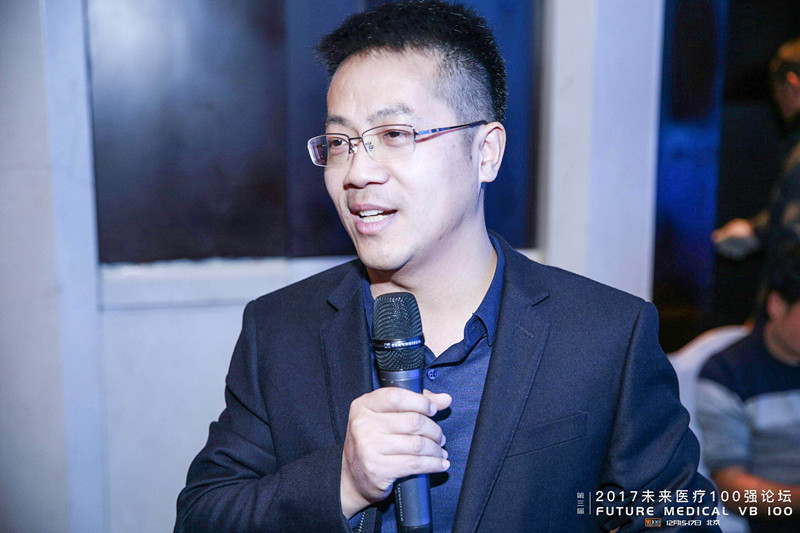
Wen Li, General Manager of the Business Innovation Center, Medical IT Division, Neusoft Corporation
Wen Li, General Manager of the Business Innovation Center under Neusoft Group’s Medical IT Division, began his speech with a short anecdote:
When Columbus discovered the New World, he was met with widespread acclaim and attended a celebration, yet some scoffed at his achievement. At the gathering, he presented an egg and challenged the guests to stand it upright on the table. In the end, only Columbus succeeded, by carefully cracking the shell just slightly to balance the egg. This anecdote illustrates that innovation can range from significant breakthroughs to subtle adjustments.
For the healthcare industry, it is essential to balance innovation with reverence. Since 2000, Neusoft Group has ranked first in the medical IT sector for seven consecutive years—an achievement whose difficulty is fully appreciable by everyone present.
From the perspective of Neusoft Group, multidimensional innovation in hospitals encompasses two aspects: service innovation and technological innovation.
In terms of hospital service innovation, the patient-centered concept involves, from the perspective of information technology construction, making the medical consultation process more transparent and providing continuous diagnosis and treatment services. Wen Li cited an example: “For instance, when my wife was giving birth, it was initially estimated that the delivery would take about 50 minutes, but it ultimately took over two hours. This waiting period was extremely anxiety-inducing. If psychological support were provided to family members during this process, it could help alleviate their anxiety.”
In terms of hospital technological innovation, Neusoft Group quantifies the entire diagnosis and treatment process through data, establishing both a clinical real-time data center and an analytical data center. Previously, the focus was largely on local patients; now, it extends to patients across China and even worldwide. While services were once limited to on-site care, they now include cloud consultation rooms, multidisciplinary team (MDT) diagnosis and treatment, AI, and virtual doctors.
From standalone medical devices to medical robots, from drug R&D based on small data to intelligent pills and big data-driven drug discovery, from the traditional “pay-first, treat-later” model to a credit-based “treat-first, pay-later” approach, and from manual, retrospective, and coarse-grained management to a new regime of automated, proactive, and fine-grained big data management—Neusoft Group has been continuously evolving and expanding.
With the implementation of healthcare reform policies such as medical consortiums, tiered diagnosis and treatment, and primary care strengthening, large hospitals may become more open in the future by establishing open hospital alliances to achieve rational resource allocation on a broader scale.
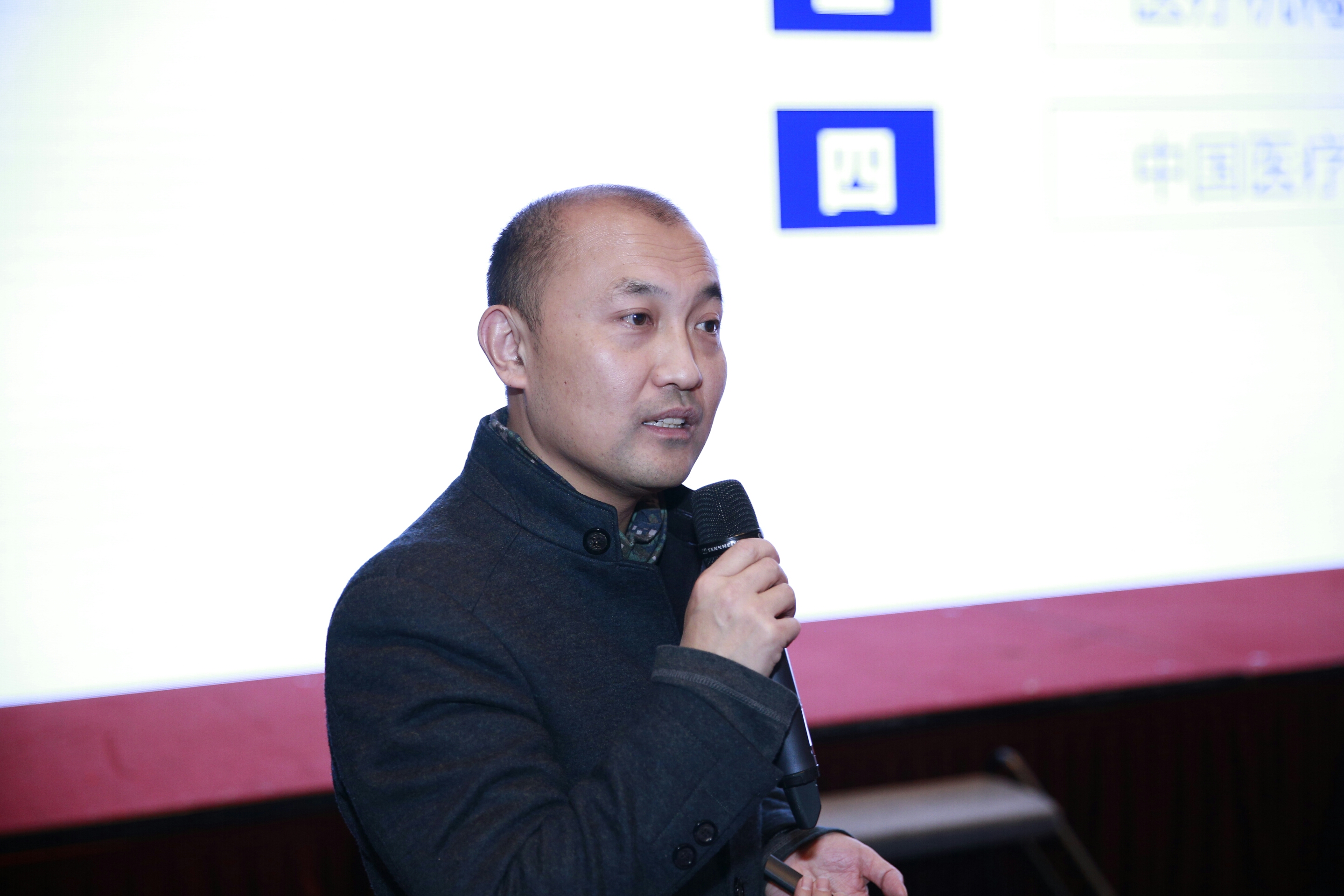
Wang Shuguang, Executive Partner of GTJA Investment Group
Wang Shuguang, Executive Partner at GTJA Investment Group, Shares His Perspective on Healthcare Industry Investments and Portfolio Companies from an Investor’s Viewpoint
In 2001, Goertek Investment Group was established in Shenzhen, focusing on investments in the healthcare industry. It specializes in strategic equity investments and covers all stages of investment, including mergers and acquisitions, private equity (PE), venture capital (VC), and angel investing.
GTJA Investment manages nearly RMB 20 billion in assets, with 16 healthcare-focused funds. It has invested in over 130 companies, including more than 70 in the healthcare sector, and facilitated the successful IPOs of over 20 portfolio companies. Its investments include Weienuo Pediatrics and Meihua, among others.
Wang Shuguang’s presentation is divided into four parts: 1. The Current State of China’s Healthcare Industry; 2. Factors Influencing the Development of Private Hospitals; 3. Models of Healthcare Institutions; 4. Development Trends of Healthcare Institutions in China.
Healthcare has become a pillar industry of the nation, reflecting the current state of China’s healthcare sector.
Two factors constrain the healthy development of healthcare: on one hand, overall investment in medical resources in China is insufficient; on the other, the limited medical resources invested are not utilized rationally.
Four Factors in the Development of Private Hospitals:
First, public hospitals (non-profit) are legal entities of public institutions, but in practice, they cannot exercise a truly independent legal entity management system. Private non-profit hospitals are registered with the Ministry of Civil Affairs, while for-profit hospitals must register with the industrial and commercial authorities.
Second is the tax and fee policy. In addition to government subsidies, public hospitals enjoy fiscal and tax advantages. For for-profit hospitals, total taxes account for 8%–13% of hospital revenue, imposing a significant burden. Tax regulations pertaining to medical services are not clearly defined in national tax law. For-profit hospitals often engage in financial fraud and tax evasion, which adversely affects valuation and exit strategies; meanwhile, most non-profit hospitals maintain dual sets of accounting records.
Third is the absence of management. The financial affairs of private non-profit hospitals are often in a state of regulatory neglect, which creates potential financial risks for the subsequent development when for-profit private hospitals convert to non-profit status.
Fourth is the issue of land. The land for public hospitals is allocated by the state, while private hospitals incur higher land use costs compared to public ones, with for-profit hospitals generally required to pay the full land use fees. If classified as medical-use land, its value preservation and appreciation potential are inferior to those of commercial real estate. Changes in the nature of a medical institution will involve changes in land classification and valuation.
The fundamental driving force behind the resilient growth of private medical institutions is social demand. The sector is now entering a phase of rapid development, with bright prospects but a winding path ahead. It is imperative to analyze policies and trends to identify appropriate entry points and timing, thereby avoiding regulatory and policy-related risks.
According to Wang Shuguang, there are currently eight types of healthcare institution models:
1. Aier Eye Hospital Model — Successful Benchmark;
2. United Family Healthcare Group — International High-End Model;
3. Phoenix Medical Care — Hospital Trusteeship Model (Supply Chain);
4. New Century Children's Hospital — Win-Win Cooperation Model;
5. M&A Hospital Model — Land-Grabbing Type;
7. Internet Healthcare — A Cash-Burning, Exploratory Model;
8. Putian-affiliated hospitals — the type that quietly amasses wealth.
According to the 2016 annual reports disclosed by 46 private medical institutions listed on the National Equities Exchange and Quotations (NEEQ), 65% of these enterprises experienced a decline in performance, with 16 reporting losses. The 46 companies achieved a combined net profit of RMB 158 million last year, representing a year-on-year decrease of RMB 240 million from the RMB 398 million reported in 2015, a drop of over 60%. The primary factor hindering corporate development and contributing to this performance decline was the increase in labor costs.
As the policy abolishing drug markups is progressively implemented, a significant portion of the RMB 800 billion prescription volume in public hospitals will be diverted to retail pharmacies and primary care clinics. Taking Shanghai Zhongshan Hospital as an example, the elimination of the 15% drug markup shifted its pharmaceutical department from an annual profit of nearly RMB 200 million to a loss of RMB 80 million, transforming it from a profit center into a cost center.
On the other hand, optimizing resource allocation and directing patients to primary care hospitals. Major hospitals across China have begun implementing a tiered diagnosis and treatment model, where large hospitals handle serious conditions while smaller institutions manage minor ailments, thereby revitalizing grassroots medical resources. “In September 2017, Peking Union Medical College Hospital abolished in-person registration at service windows.”
In the payment process, commercial health insurance will play a significant role. In China's medical payment system, basic medical insurance accounts for approximately 70%, out-of-pocket payments exceed 20%, and claims paid by commercial insurance companies account for less than 4%, indicating a minimal role.
Commercial health insurance will have room for growth in the future, meeting health needs at different levels.
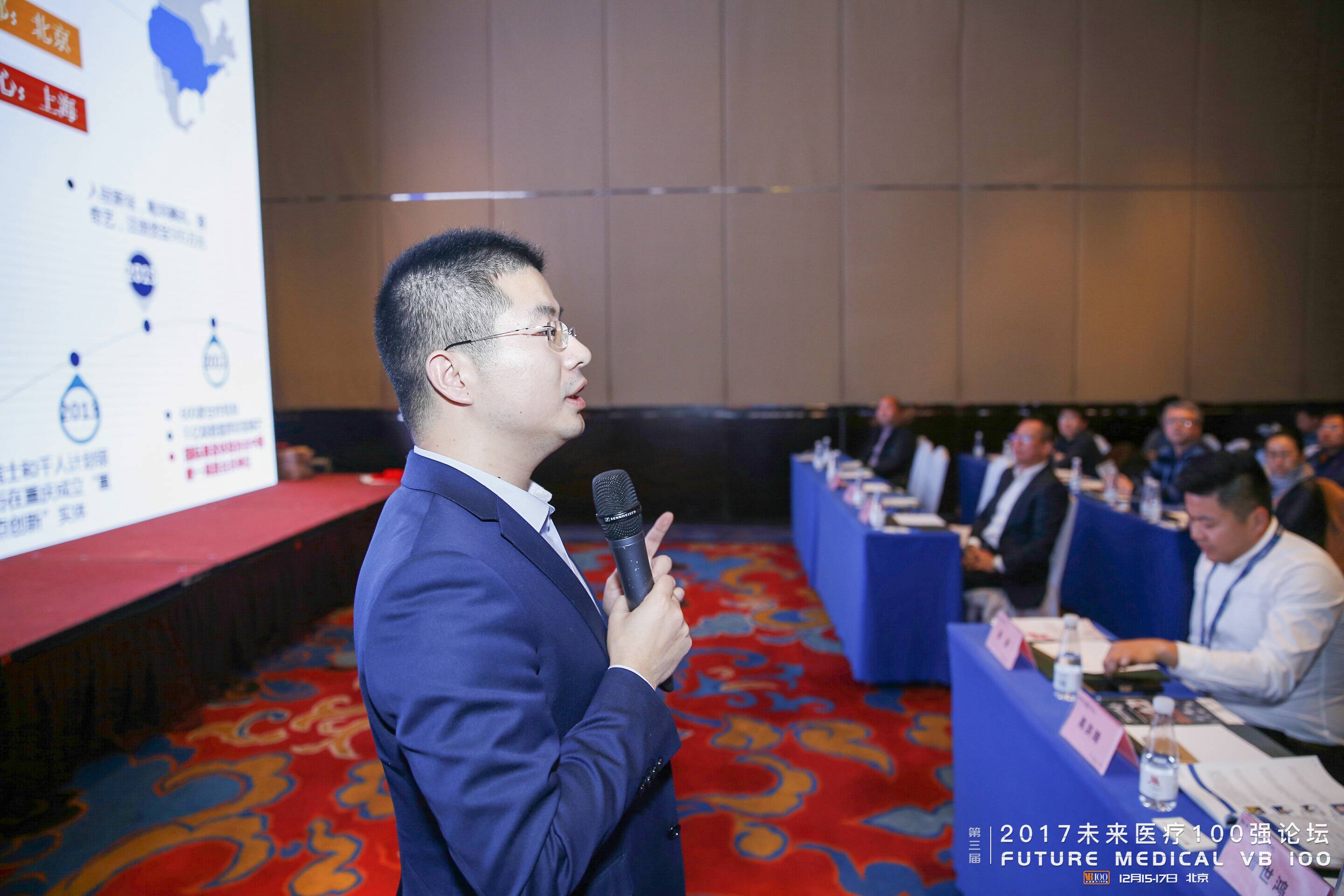
Gao Hongqi, CEO of Yi Manyi
“Our products have established partnerships with over 600 medical institutions and more than 20,000 departments across 28 provinces in China,” said Gao Hongqi, CEO of Yi Manyi.
Chongqing Zhidao Hospital Management Co., Ltd., established in August 2012, has developed the “Patient Satisfaction-Based Hospital Quality Analysis and Improvement System.” This system accurately collects medical quality evaluation data, such as patient satisfaction metrics, leverages cloud-based analytics to generate comprehensive medical evaluation monitoring reports, and provides evidence-based support for hospitals’ quality enhancement and continuous quality improvement initiatives.
The widespread adoption and promotion of this system in large public hospitals across China have been highly acclaimed by industry experts, who have hailed it as “the first cloud-based platform for comprehensive recording of hospital quality processes,” “the first smart decision-making system for evidence-based hospital quality management,” “the first interactive control system for multi-level (hospital and departmental) quality monitoring,” “the first volume-outcome evaluation system aligned with accreditation-driven quality improvement,” and “the first system to assess patient satisfaction using statistical and mathematical analysis.” It provides robust technological support for hospital development and medical quality management.
Globally, patient experience is receiving increasing attention; it serves not only as a benchmark for top-tier hospitals but also as a key metric for healthcare insurance expenditures. In this regard, the Cleveland Clinic in the United States has made outstanding contributions to enhancing patient experience.
What Are the Detriments of Poor Patient Experience? Misunderstanding the patient perspective can lead hospital management to develop biased perceptions regarding patient expectations, service assurance, and internal operational efficiency. This results in hidden, deep-seated issues affecting hospital branding, decision-making orientation, service quality, workflow processes, and execution effectiveness, ultimately steering hospital development into a blind spot. When such issues accumulate across multiple hospitals, they may even trigger a societal effect of indifference.
Therefore, national policies are increasingly prioritizing patient experience, reflecting an industry-wide trend.
By comparing the net profit and return on assets (ROA) associated with different patient experience scores, Deloitte found a very strong correlation between patient experience and hospital profitability.
Over the seven-year study period, hospitals with overall patient experience ratings of “Excellent” achieved an average net profit margin of 4.7%, whereas those with “Low” patient experience ratings averaged only 1.8% during the same period.
From 2008 to 2014, hospitals with high levels of patient experience achieved a return on assets (ROA) of 5.6%, while those with low levels of patient experience had an ROA of only 3.4%; this trend remained relatively stable year over year.
Although profitability and patient experience scores are influenced by hospital characteristics, such as geographic location (urban vs. rural), teaching status, and ownership type, the correlation between profitability and patient experience levels is evident across all types of hospitals.
On average, government hospitals report lower profit margins than their for-profit and nonprofit counterparts. However, government hospitals with high patient experience scores consistently achieve higher net profits than those with low patient experience scores, and this disparity remains stable over time.