

Kangbairui Founder Li Xiaoxia: How to Simplify Health Management Through Intelligence | Future Healthcare 100 Summit 2017
"Top 100 Future Healthcare Companies 2017" Forum, themed "The Era of Species Explosion," was held at the Beijing Marriott Hotel from December 15 to 17, 2017.
At the Health Management Parallel Forum on the afternoon of December 16, Li Xiaoxia, Founder and President of Kangbairui, delivered a speech titled “Intelligent Health Management: Making Health Simpler.”VCBeat (WeChat: vcbeat)Summary of Guest Perspectives.
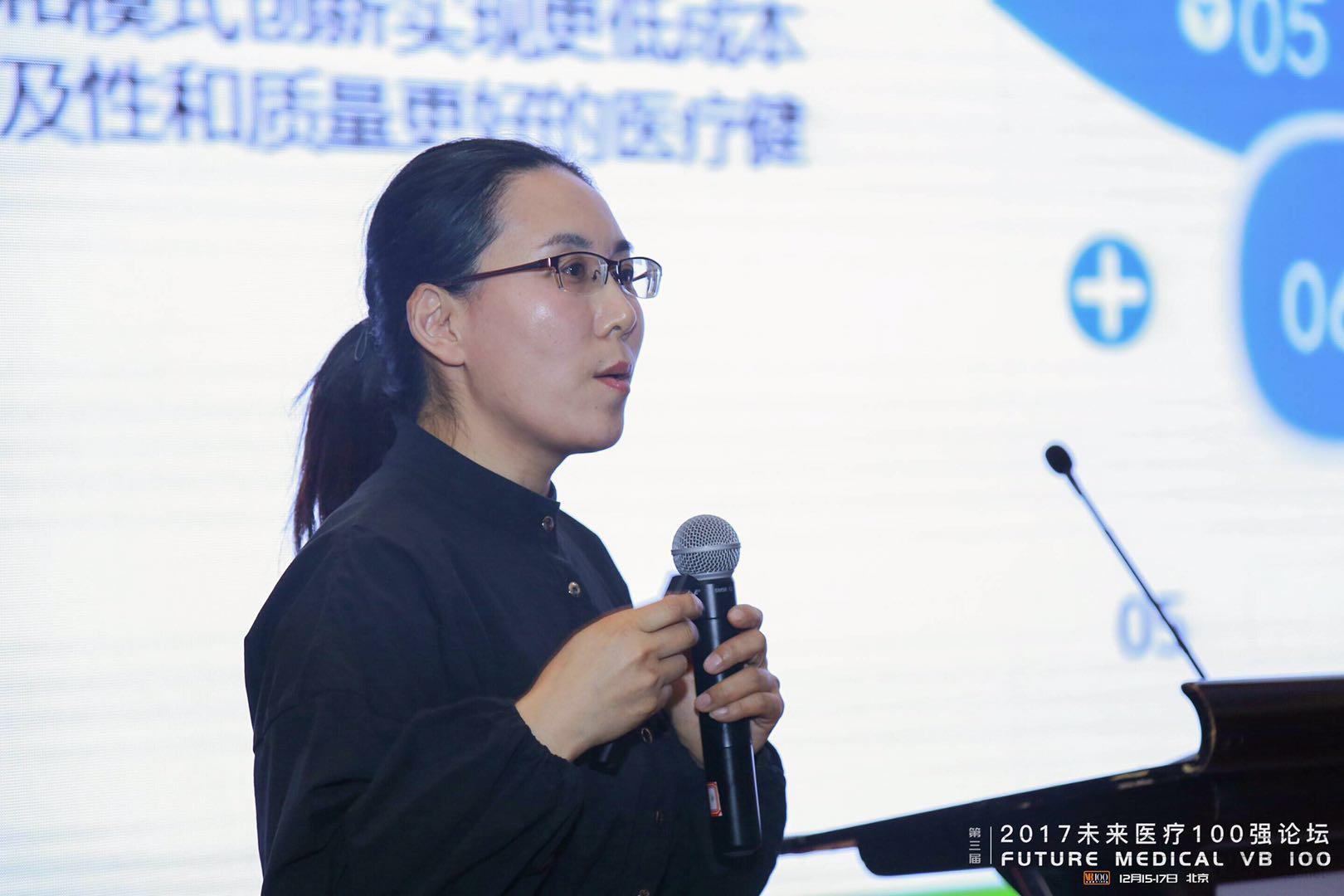
Guest Introduction
As one of the earliest experts in China to pioneer health management services, Li Xiaoxia has founded three specialized health companies, guided the establishment of nearly 40 health centers across China, and provided health management services to hundreds of thousands of individuals. She led her team in developing a full-lifecycle health management service system and created an “Internet + Health Management” model, precisely aligning with sectors such as corporate and institutional groups, insurance providers, physical examination centers, primary healthcare institutions, and smart terminal-based mobile healthcare. By integrating diverse international technical resources and promoting cutting-edge global health concepts, she has played a significant role in advancing the construction of China’s health management service operational framework and enhancing the professionalism of its services.
Speech Content
I. Numerous Pain Points and Challenges Lead to High Costs of Health Management Services
When it comes to making health simpler, the premise is the operational difficulty in the health service sector. It is relatively difficult to achieve at this stage for customers with health needs to gain a sense of experience and pay for it.
There are high expectations for the health management services industry, with the belief that health management implementation must be considered across primary care, various service platforms, medical consortia, private physicians, and private clinics. In this context, it is challenging to achieve stable operations if issues such as corporate profitability, scalable service delivery, and service costs remain unresolved.
The Challenges and Pain Points of Health Management Services Lie in:
1. Absence of Standards and Core Content in Health Management Services
Health services offered by various industries are commonly perceived as health management; however, the field of health management does not fully encompass them, as they tend to either focus on specific areas or emphasize the breadth of services.
2. Shortage of Talent and Low Service Capacity in the Primary Healthcare Industry
From the perspective of primary care institutions, the challenges faced by primary care physicians are twofold: first, it is difficult to recruit physicians; second, even when physicians are recruited, it remains challenging for them to carry out their work. Based on the current allocation of medical resources, China’s 2020 plan aimed to equip every 10,000 residents with 2–3 general practitioners. By this calculation, the talent gap remains considerable.
3. Chronic disease management workflows remain confined to theoretical and clinical treatment levels
Currently, the disease prevention guidelines equipped in communities have not been truly implemented at the doctor's execution level; primary care doctors do not know how to conduct chronic disease management;
4. Data Analytics for Smart Wearable Devices and Comprehensive Integrated Solutions
The bottleneck facing wearable devices lies in their limitation to mere data extraction, collection, and trend analysis. The lack of correlation among data points fails to generate comprehensive health profiles for users or effectively improve their physical well-being. Under such circumstances, wearable devices become akin to games—offering only phased, experiential engagement—and struggle to drive tangible personal health improvements. In this context, there is a pressing need for more advanced data analytics and actionable solutions.
5. Health Service Demands in the Insurance Industry and Low-Cost, Broad-Coverage Services
Some insurance companies are willing to pay for health management services, but due to the large customer base, they strongly hope that health management companies can provide "low-cost, wide-coverage, and scalable" services;
6. Personal Terminal Health Risk Prevention and Control and Chronic Disease Rehabilitation
Current health products and health management services all emphasize the concepts of an ecosystem and a closed-loop ecosystem; however, terminal health risk prevention and control are not integrated with chronic disease rehabilitation, resulting in the absence of effective solutions and methodologies.
7. Health Service Plan Triggering and Linkage-Oriented Health Products
On the corporate culture wall of Kangborui, the concept of holistic health is showcased, drawing on a metaphor from a leading Chinese medical expert: “Health is an elephant.” This refers to the fact that after millennia of exploration in medicine and life sciences, our understanding of health has often been limited, akin to blind men touching different parts of an elephant and mistaking each part for the whole. Even with modern advances such as stem cell therapy and genetic testing, which are believed to extend human lifespan, these represent only one aspect of health. The contemporary view of health should be holistic. However, the overall cost of comprehensive health management services remains high. For chronic conditions such as hypertension and diabetes, which are triggered by multiple factors, neither medication nor exercise alone is sufficient to achieve comprehensive health improvement without integrated support.
II. Intelligent Professional Health Management Services
Sharing Kangbairui’s Service Roles: I have led my team in delivering health management services for fourteen years, primarily focusing on providing health management solutions for individuals, families, and enterprises, as well as offering data analytics and platform solutions to third-party clients.
Kangbairui has established strategic partnerships with more than 40 industry institutions, serving a cumulative total of over 300,000 individuals. With an additional 300,000 patient visits projected for 2018, Kangbairui is facing multifaceted pressures.
First, the market: we have a market, but how to effectively serve such a large user base remains a significant challenge. Second, there are currently numerous health management apps, internet healthcare platforms, health management organizations, and clinics that attract traffic by offering free services, whereas Kangborui charges every client. For instance, our current clientele comprises 100,000 individuals, all of whom are genuine paying customers, representing valid engagements with documented service data. Therefore, I remain committed to leading my team in building a company focused primarily on medical services and health management services, while seeking other points of service integration, with the ultimate goal of helping more people achieve better health.
The operational logic of Kangbairui lies in:
First, integrate big data with artificial intelligence to enable intelligent health management;
Second, pre- and post-hospital support;
Third, lower costs and better quality;
Fourth, focusing on public health through comprehensive, full-lifecycle health management;
Fifth, distinguish single-disease management from the superficial consultation models currently prevalent in internet healthcare, such as online inquiries that merely provide cost estimates after a brief assessment. Kangborui aims to deliver more in-depth solutions for individual health.
Sixth, prioritize lifestyle management.
Under current technological conditions, it has become possible to transform medical care and health management service models. Kangborui adopts a service-oriented model combined with internet-based innovative services, enabling the provision of health management services to individuals without constraints of time or space.
III. Scenarios for Intelligent Personal Health Management Services
The Kangbairui Full-Life-Cycle Health Management Service System features a rigorous, scientifically grounded service pathway, with each step seamlessly interlinked.。
Step 1: Data collection;
Step 2: Conduct individual and population-level risk assessments based on the collected data to identify risk factors affecting individual health;
Step 3: Develop a health improvement plan targeting risk factors;
Step 4: Guide the implementation of the program and the execution of the plan;
Step 5: Evaluate the effectiveness of health management and initiate a new cycle of health management activities.
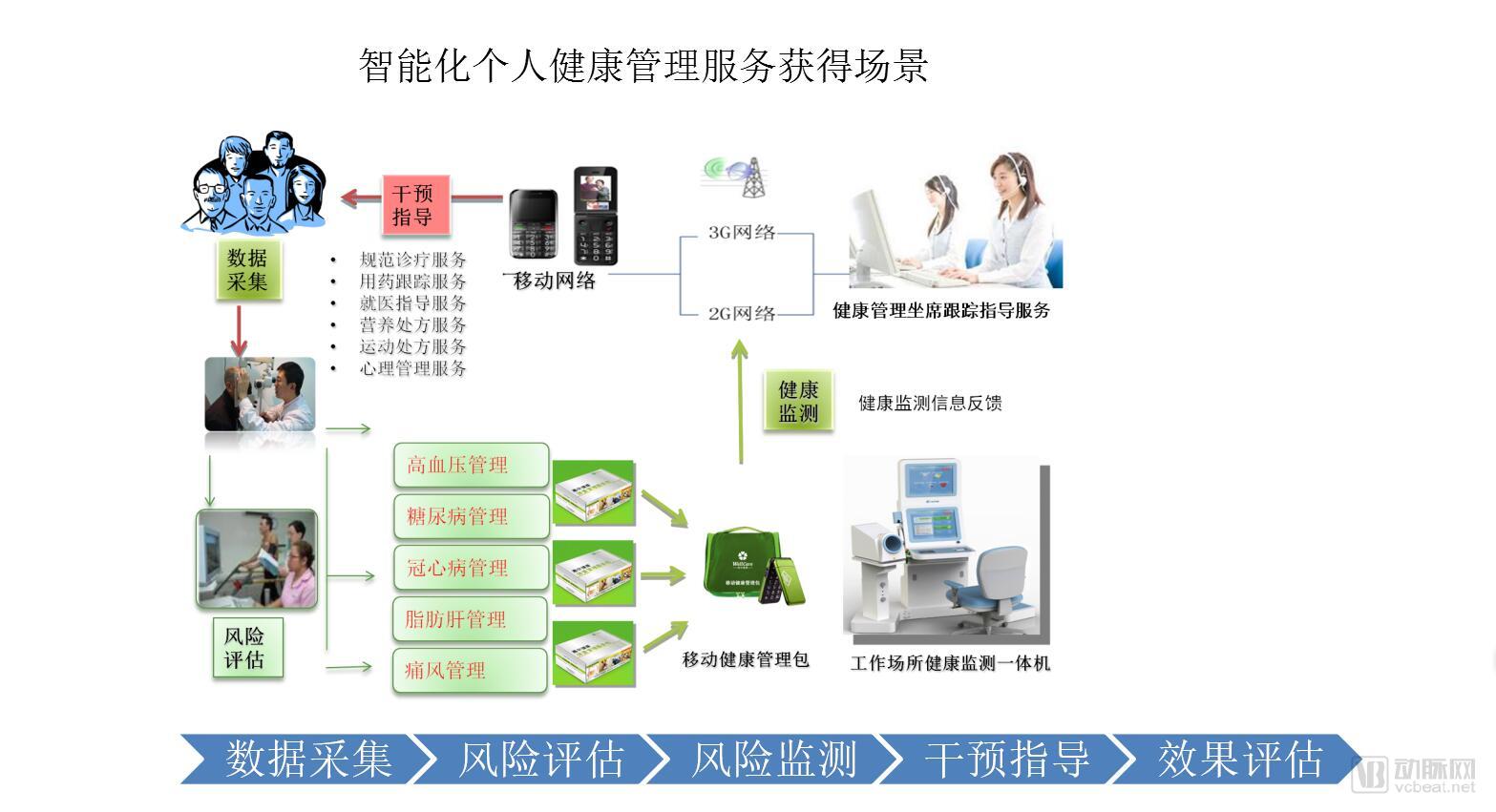
Every customer who accesses the Kangborui service system becomes a member. The system generates a multi-dimensional personal health profile based on factors such as age, gender, height, and weight, and automatically formulates personalized health management goals according to this profile.
Taking women as an example, if a woman in middle age presents no positive symptoms but has defined health management goals, she can engage in health management. This process involves generating relevant health data and conducting risk assessments, followed by the assignment of daily tasks based on a personalized health plan. Physicians can maintain real-time connectivity with the patient’s paired smart wearable devices.
As data evolves, physicians will adjust users’ health management plans in a timely manner, thereby establishing a closed-loop health management system. Thus, the process spans from data collection and assessment to risk monitoring, intervention, and outcome evaluation. Each task plan is scheduled on a quarterly basis (four times per year). At each stage, the effectiveness of health management is evaluated—for example, weight loss, reduced blood lipid levels, or stabilized blood pressure. The management objectives are clearly defined, and daily tasks are adjusted based on professional health data.
Intelligent Health Management Platform
Intelligent health management platforms are one of the practical application scenarios for intelligent, professional health management services. Their core components include:
Data Processing and System Access Layer: Provides robust business assurance in terms of service continuity and security, and supports remote system debugging, upgrades, and repairs.
Application Layer of the Health Management System: Employees can complete their health records via a mobile app, access health reports and guidance on exercise and nutrition, continuously monitor personal health data, and engage in daily interactions with health managers. Physicians and health managers comprehensively process employee data through the physician workstation, provide recommendations for physical examinations and diagnostic tests, design daily health intervention plans, and deliver comprehensive health management solutions to employees. Corporate executives can periodically receive summarized and analyzed employee health information from the health management platform, effectively manage employee health trends, and collaborate with Kangbairui to organize and facilitate employee health activities.
Health Information Data Acquisition Layer: By leveraging multi-dimensional, diverse online and offline data collection devices, pathways, and scenarios, this layer enables centralized, real-time, and professional acquisition of employee health information. It facilitates comprehensive analysis of employees’ physical conditions, with the construction of complete employee health profiles serving as the primary step in advancing health management initiatives.
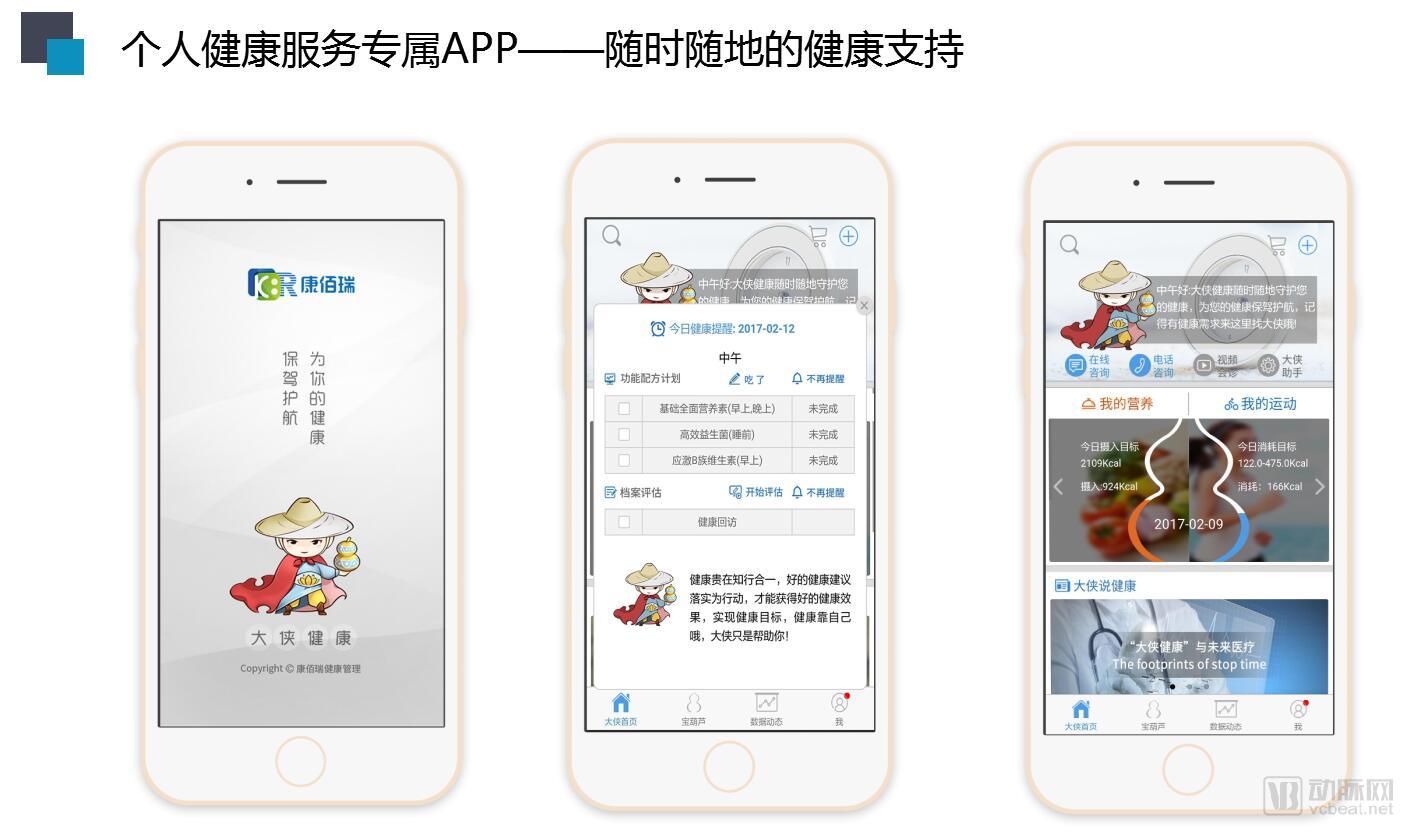
Daxia Health App
Smart Healthcare
In the realm of smart healthcare, Kangbairui is currently collaborating with Yinchuan City on a project serving a population of 2 million. The platform creates individual health profiles based on personal testing data to facilitate targeted health management. This offering extends beyond mere hardware devices to provide comprehensive health solutions; it goes beyond simple data collection to deliver advanced health data analytics and artificial intelligence systems. By establishing a broader ecosystem that connects wearable devices to an interactive digital network, the company provides public health data support and in-depth chronic disease management. This is achieved through an efficient system that functions as a virtual family doctor.
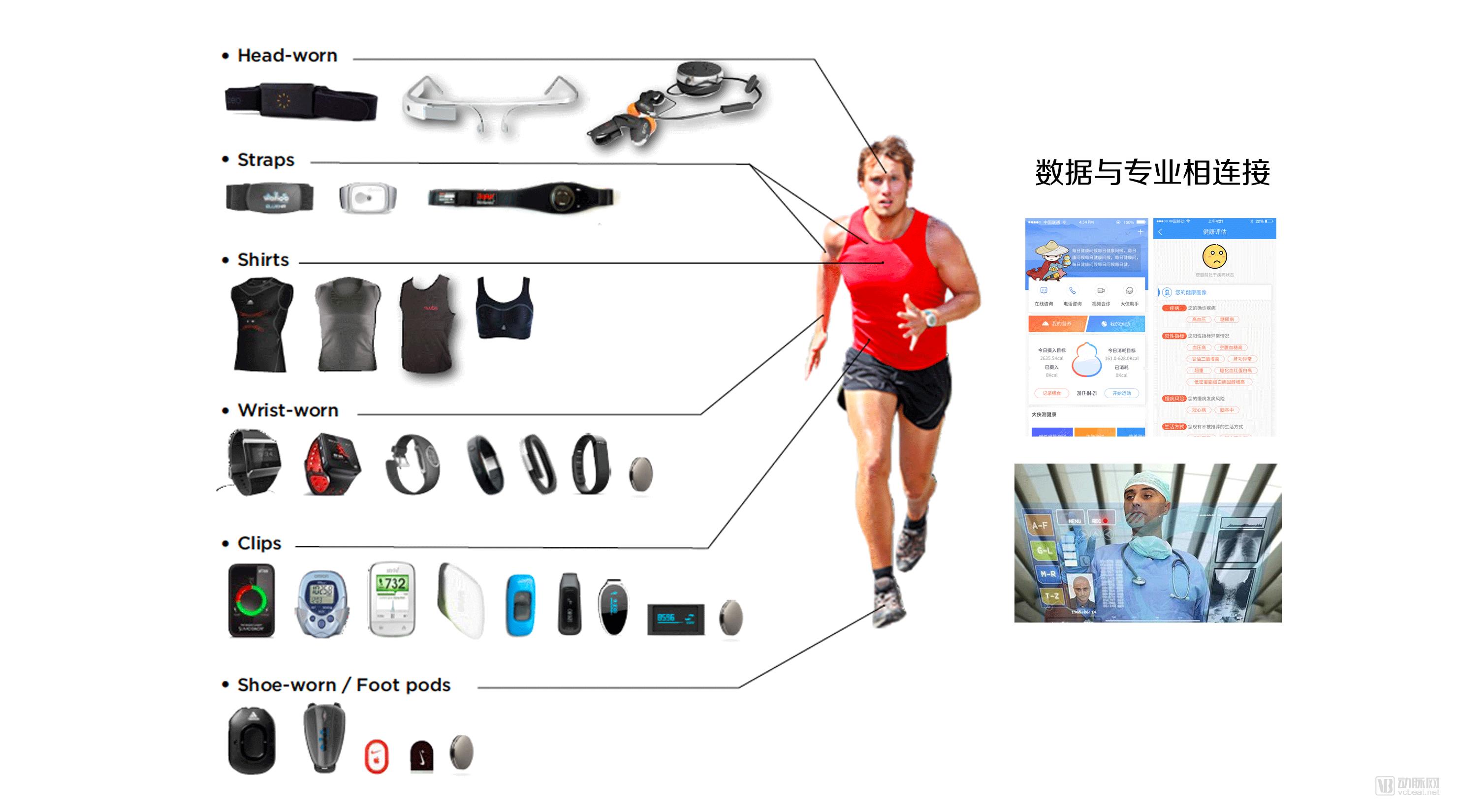
Wearable Devices Connected to the Broader Ecosystem of Interactive Digital Networks – The Yinchuan Model
Smart Healthy Home Life
Furthermore, we maintain real-time connectivity with health, family, and lifestyle domains, collaborating with companies listed on the main board. All data triggered by Internet of Things (IoT) devices is processed through Kangborui’s service system to generate personalized health profiles, as well as tailored nutritional plans, exercise regimens, and health guidance tasks. In this way, customers are purchasing not merely smart products such as cookware and intelligent kettles, but a comprehensive home health solution—representing a true IoT-enabled lifestyle scenario.
Health Management Solutions for Physical Examination Centers
Currently, Kangbairui collaborates with a health examination center that processes 200,000 test records annually. Addressing the challenge of designing personalized health check-ups, Kangbairui has reengineered the center’s operational workflows and established a comprehensive health database management system. This solution enables real-time connectivity between individuals and the examination center, facilitating intelligent and personalized pre-examination planning. It alleviates and optimizes service delivery pressures at the center, performs intelligent analysis and comparison of examination data, and conducts targeted health risk screening, assessment, and intervention. Ultimately, this creates a closed-loop health management service centered around health examinations.
Furthermore, Kang Bairui provides convenient services for chain pharmacies and supermarkets in the areas of health management and chronic disease prevention and control, establishing an intelligent maintenance trigger system for health foods, dietary supplements, and testing centers. For instance, goji berries in food products can be automatically linked to specific medical conditions, while vision problems can automatically trigger recommendations for relevant formulations. The use of this trigger system activates the ecosystem of intelligent health management applications.