

43 Innovative Digital Health Products Approved by FDA in 2017: Chronic Disease Monitoring Dominates as Diagnostics Go Home-Based
The U.S. Food and Drug Administration (FDA) is a globally recognized authority in medical product review. Empowered by the U.S. Congress and the federal government, it serves as the highest regulatory agency specializing in the oversight of food and drugs. The FDA is responsible for the supervision and inspection of products in categories such as food, pharmaceuticals (including veterinary drugs), medical devices, and cosmetics. Due to its stringent evaluation standards, many international manufacturers regard obtaining FDA approval as the highest honor and assurance of product quality.
Over the past year, the FDA has approved numerous devices for disease diagnosis and treatment, as well as health management platforms. Among these approvals were some pleasant surprises, such as the clearance of direct-to-consumer genetic testing kits. Below, VCBeat presents compiled data and information on 43 innovative healthcare products (not covering all medical product categories) that received FDA clearance in 2017.
I. Product Data Statistical Analysis
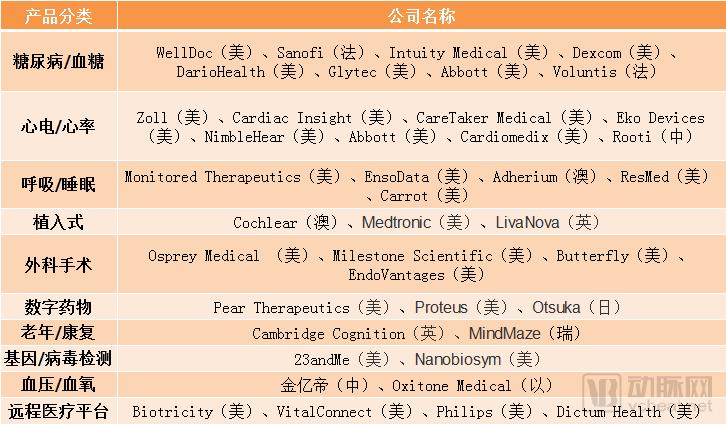
This article categorizes the 43 innovative healthcare products approved by the FDA in 2017 into ten major groups: diabetes/blood glucose monitoring, ECG/heart rate monitoring, respiration/sleep monitoring, implantable devices, surgical devices, digital therapeutics, geriatrics/rehabilitation, gene/virus testing, blood pressure/blood oxygen monitoring, and telemedicine platforms. The table below lists the companies included in each product category.
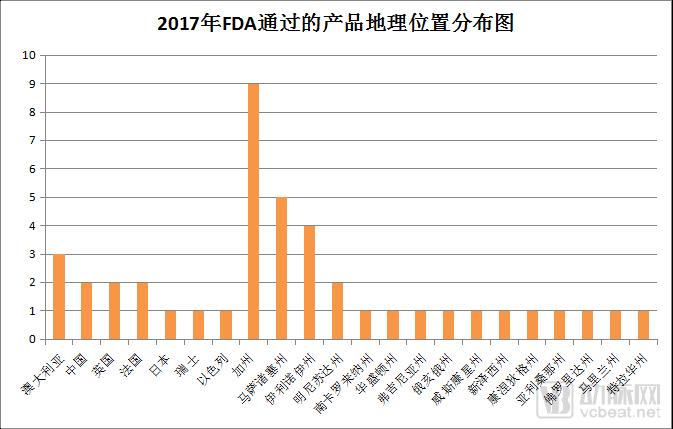
In terms of the geographic distribution of the companies behind these products, 31 out of the 43 products are from U.S. companies, and three are from Australia. Additionally, China, the United Kingdom, France, Switzerland, Japan, and Israel each account for a small proportion. Among the 31 U.S. products, nine are from California, five from Massachusetts, and four from Illinois, while Minnesota, Connecticut, Virginia, and other states hold only minor shares. This indicates that the biomedical industry chains in California, Massachusetts, and Illinois are more developed than those in other states.
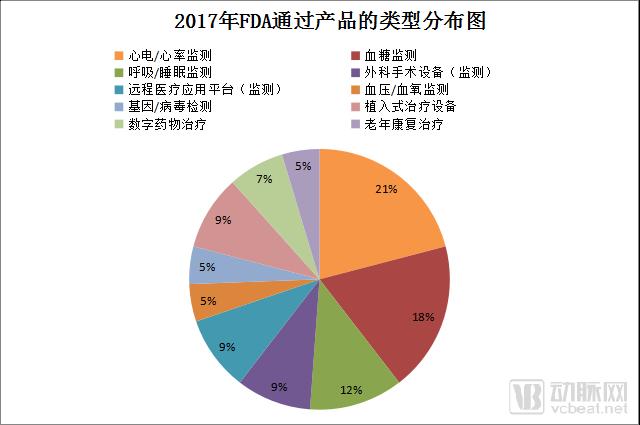
From the perspective of product types, categorized by monitoring and treatment, 79% (34 products) belong to the monitoring category, while 21% (9 products) fall under disease treatment. This indicates that the vast majority of products remain at the level of disease monitoring, with only a small portion possessing therapeutic functions. This also implies that therapeutic medical and health products will have greater room for innovative development and market expansion. Among the 34 monitoring products, 24 are designed for routine vital signs monitoring, including electrocardiogram (ECG)/heart rate, blood glucose, blood pressure/blood oxygen, and respiration/sleep. ECG/heart rate monitoring and blood glucose monitoring products are the most numerous, with 9 and 8 products respectively. The 9 therapeutic products also bring new surprises, such as the first drug in the United States equipped with a digital ingestion tracking system.
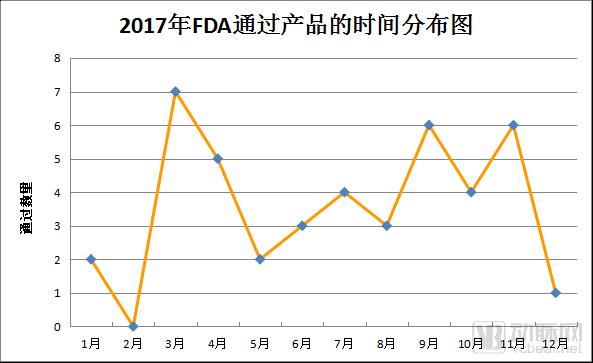
In terms of product approval timelines, the number of approvals was higher in March, April, September, and November, with 7, 5, 6, and 6 products approved, respectively.
II. Product Information Summary
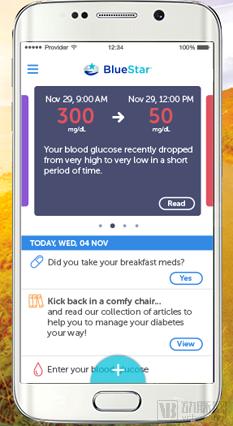
1. On January 12, 2017, WellDoc’s mobile diabetes management platform in Baltimore, Maryland, USABlueStarThe over-the-counter version has received FDA clearance. BlueStar analyzes diabetes data entered by patients, compares historical data trends, generates personalized guidance, and provides data analysis to the healthcare team.Analysis and Summary, thereby enabling clinical decision support. BlueStar provides virtual coaching based on specific care plans and can also be used in conjunction with the OneTouch Reveal mobile app, seamlessly integrating into the healthcare ecosystem.
2. 2017March 22, Year, headquartered in Paris, France,Sanofi'sInsulin Dose CalculatorAPP Receives FDA Clearance. InsulinDose Calculator App enables patients with diabetes to perform calculations andIslets of LangerhansInsulin Dose Monitoring.
3. On April 6, 2017, Pogo, an automatic blood glucose monitoring system manufactured by Intuity Medical, a company headquartered in Sunnyvale, California, USA, received FDA approval. The Pogo system integrates the test port, lancet, and blood sampling device into a compact meter and cartridge system, eliminating the need for separate test strips or blood collection devices. Users can trigger automatic blood sampling by pressing the Pogo test port; the system requires only 4 seconds and a small blood sample (0.25 microliters) to analyze the user’s blood glucose level, enabling discreet glucose testing in public settings. Additionally, the company’s diabetes management system offers services for identification management and control of glucose trend development.
4. In July 2017, Dexcom’s Share app, based in San Diego, California, received FDA approval. The app allows users to view and share data from the Dexcom G5 Continuous Glucose Monitoring System and is compatible with the most popular Android devices currently on the market.
5. 2017On July 19, the U.S. Food and Drug Administration (FDA) authorized DarioHealth Corp., based in Newark, Delaware, to issue a premarket notification for its Dario app on certain Android mobile devices. The Dario system comprises a blood glucose meter, a cartridge of disposable test strips, and a lancing device, all compact enough to fit in a pocket for portability. Users can view their comprehensive health information and blood glucose data through the companion iOS or Android app, which also provides nutritional guidance, logging capabilities, and monitoring services.
6. 2017On August 4, Glytec, based in Greenville, South Carolina, received FDA clearance for its insulin management technology, adding a suite of features to its Glucommander product (the core of the eGlycemic Management System). These include a titration module specifically designed for hospitalized patients receiving enteral nutrition, and an option for titrating insulin-to-carbohydrate ratios for outpatient care, complementing the existing fixed meal bolus options. This enables hospitalized patients to transition from intravenous to subcutaneoussubcutaneous injectionThe transition is smoother, while also providing greater flexibility in dose adjustment for outpatients.
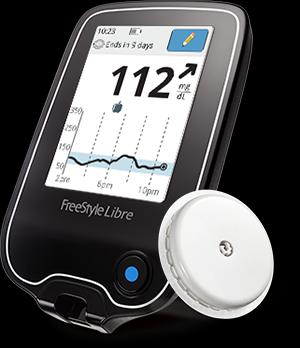
7. On September 27, 2017, Abbott in Des Plaines, Illinois, USAFreestyle LibreThe system became the second continuous glucose monitoring (CGM) system approved by the FDA for non-adjunctive insulin dosing. FreeStyle Libre integrates a miniature, insertable sensor into a patch approximately 3 cm in diameter. After applying the patch to the upper arm, the sensor stores glucose data every 15 minutes. Users can obtain blood glucose readings by scanning the patch with a reader, enabling pain-free glucose monitoring. The sensor can be used continuously for 10 days, and in addition to providing current readings, the system offers eight hours of historical data and trend information.
8. On November 7, 2017, Voluntis, based in Paris, France, launched Insulia, an automated titration tool accessible via iOS or Android smartphones and tablets. It provides users with dosage recommendations, analytics, and diabetes-related data, while automatically sharing this information with the user’s healthcare team to enable them to monitor the patient’s health status. Currently, Insulia has received FDA approval for use with two additional brands of basal insulin, marking a significant step forward in that patients with type 2 diabetes no longer need to consider compatibility between their basal insulin brand and Insulia, thereby allowing them to use insulin with greater confidence.
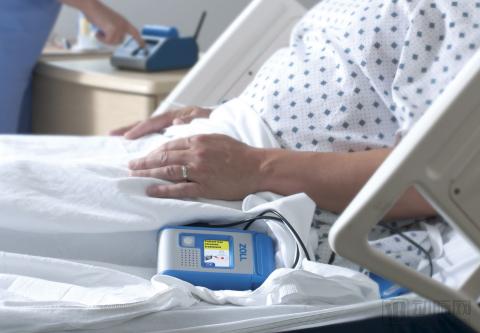
9. On March 10, 2017, the wearable external defibrillator for hospital use, manufactured by Zoll, a medical device manufacturer based in Chelmsford, Massachusetts, USA, received FDA approval. The system monitors the user’s heart rhythm to detect signs of ventricular tachycardia or ventricular fibrillation. If an abnormality is detected, the system checks whether the wearer is conscious; if the wearer fails to respond within one minute, the system delivers a shock, otherwise, the process is aborted. If the first defibrillation shock does not restore normal heart rhythm, the procedure will be repeated.
10. On March 24, 2017, Cardiac Insight, a company headquartered in Kirkland, Washington, that produces portable Bluetooth-connected EKG devices, received U.S. Food and Drug Administration (FDA) clearance for the Stealth System S300. The Stealth System is a prescription-only continuous ECG monitor approved for up to seven days of use, with data requiring manual download via the internet after the patient completes the wearing period. Compared with traditional Holter monitors, this device offers significant advantages in terms of cost and ease of use.
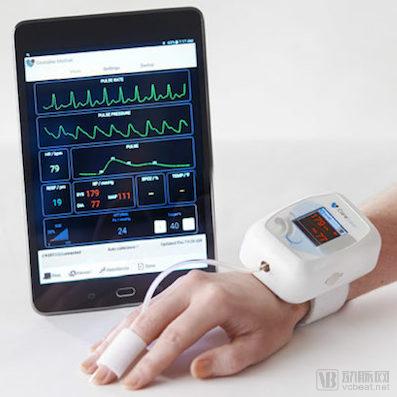
11. On April 21, 2017, CareTaker Medical’s continuous blood pressure monitor, based in Charlottesville, Virginia, USA, received FDA approval. This wearable device continuously measures blood pressure and heart rate; users wear it on the wrist with a finger cuff placed around the index finger. The device can transmit data to Android smartphones or tablets, or directly to hospitals via cellular networks, enabling physicians to remotely monitor medical-grade continuous blood pressure and heart rate from any location. Additionally, the device functions as a wearable hub, collecting and displaying data (on a tablet screen) from other connected devices, including glucometers, scales, thermometers, and spirometers. The device has been approved for standalone use, without the need for calibration using a traditional upper-arm blood pressure cuff.
12. On May 19, 2017, the Duo combination smart cardiac monitor and stethoscope from Eko Devices of Berkeley, California, USA, received FDA approval. The device is aDigital AuscultationSmart cardiac monitor with a stethoscope and portable electrocardiogram (ECG) device. It captures digital heart sounds and ECGs, and when used in conjunction with companion applications for remote monitoring or diagnosis, provides users with telemedicine support from clinical experts.
13. On August 23, 2017, the fully reusable ECG device (Physiotrace Smart) from NimbleHeart, a California-based manufacturer of clinical-grade mobile cardiac monitoring devices, received FDA clearance. The device employs dry-electrode technology, eliminating the need for electrolytic gel or adhesives; it can be easily cleaned and disinfected with just water and alcohol. User-friendly and designed for independent operation, it allows patients to perform ECG monitoring without assistance from nurses or other caregivers, while avoiding discomfort associated with adhesive patches or straps. Controlled via a mobile app, the system enables users to view device status, heart rate, and ECG waveforms recorded during monitoring sessions. The app collects and manages data transmitted by the device, uploading it to the cloud for storage and access by healthcare providers.
14. On September 29, 2017, the FDA approved Abbott’s Confirm Rx ICM (Implantable Cardiac Monitor), manufactured by Abbott in Des Plaines, Illinois, USA. This device can be implanted subcutaneously in the chest via a minimally invasive procedure to continuously monitor the patient’s cardiac rhythm and transmit data to a smartphone via Bluetooth.
15. On October 18, 2017, Cardiomedix’s ECG Sentinel system, based in Evanston, Illinois, USA, received FDA approval. This ECG device enables continuous two-lead electrocardiogram acquisition and connects via Bluetooth to a companion app, facilitating ECG data collection, storage, and transmission. The companion app also provides reminders and alerts based on patient-specific parameters.
16. On November 2, 2017, the FDA approved MyMerlin, the companion software for Abbott’s Confirm Rx ICM (Implantable Cardiac Monitor), developed by Abbott in Des Plaines, Illinois, USA. Through MyMerlin, users can independently synchronize data, view historical records, log anomalous events, and set intervals for transmitting data to their physicians, without the need for additional hardware or assistance from healthcare professionals.
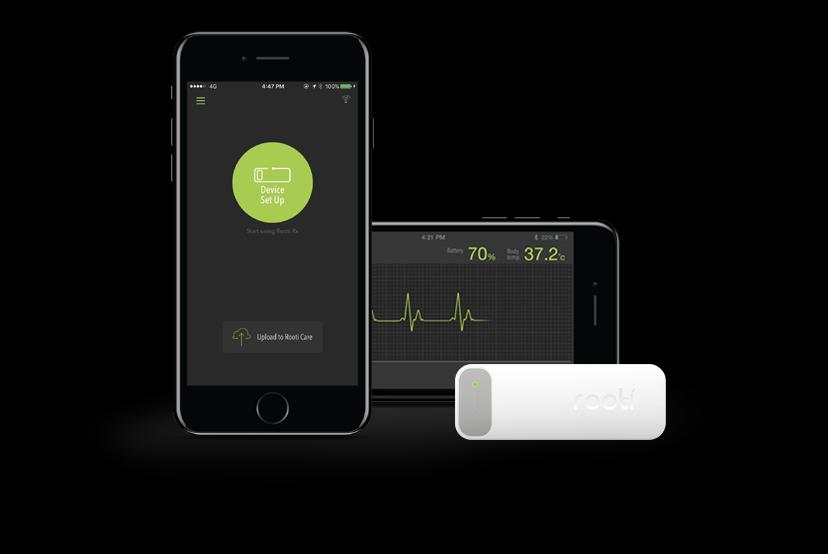
17. On November 7, 2017, RootiCare, a wearable continuous ECG monitoring platform developed by Rooti Labs in Taipei, Taiwan, received FDA clearance. The platform comprises RootiRx, which utilizes a single-lead ECG sensor capable of continuous operation for up to seven days, and its companion mobile application, RootiLink. RootiRx transmits data to smartphones via Wi-Fi, enabling simple and accurate recording of patients' vital signs. Designed to provide clinicians with clinical-grade biometric data, the platform aims to enhance the quality of telemedicine services.
18. On March 24, 2017, GoSpiro, a connected spirometer from Monitored Therapeutics, Inc. (MTI), headquartered in Dublin, Ohio, USA, received FDA clearance. Designed for non-clinical settings, the device performs diagnostic-grade air volume measurements. As computations are processed internally, GoSpiro is compatible with any smartphone, tablet, or computer. Clinically validated, GoSpiro enables patients to measure lung function at home with accuracy comparable to that of measurements obtained in hospitals or laboratory systems.
19. On March 31, 2017, EnsoSleep, the sleep analysis software developed by EnsoData based in Madison, Wisconsin, USA, received FDA clearance. The software utilizes machine learning to analyze sleep quality and assist in the diagnosis of sleep-related or respiratory sleep disorders. It is designed to interface with polysomnography (PSG) systems to analyze sleep studies, intelligently process data, and generate sleep reports, thereby reducing the time required for sleep study analysis. The software integrates into existing laboratory workflows to detect sleep stages, sleep-disordered breathing, apnea, and leg movements. EnsoSleep’s cloud-based system can also process terabytes of health data and export reports and summaries to electronic health records (EHRs).
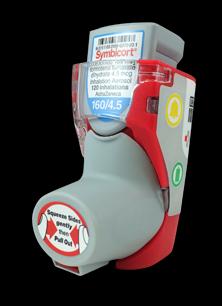
20. On August 30, 2017, Adherium, a digital health company based in Melbourne, Australia, focused on improving medication adherence and patient outcomes. The company’s monitoring device for the Symbicort metered-dose inhaler has received FDA clearance. This device is integrated into patients’ inhalers to monitor and encourage medication adherence as part of a patient self-management plan. It can also be utilized in home care settings, such as hospital readmission prevention programs, where strict adherence to medication regimens post-discharge is critical.
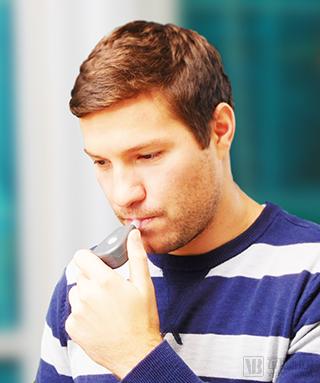
21. On September 28, 2017, ResMed, a company based in San Diego, California, USA, received FDA 510(k) clearance for its AirMini, a compact portable continuous positive airway pressure (CPAP) device. Comparable in size to a pair of sunglasses, the device is designed as an auxiliary option for users who are unwilling or unable to carry bulky CPAP machines. Due to its portability and compact design, the device may offer convenience for patients with sleep apnea.
22. On September 29, 2017, Carrot, a company based in Redwood City, California, received FDA 510(k) clearance for its carbon monoxide breath sensor system. This Bluetooth-enabled device pairs with a smartphone application to help smokers understand their smoking behaviors and use this information to support smoking cessation. The device is specifically designed to monitor exhaled carbon monoxide levels and study how smoking behaviors affect these levels. It is intended to be used in conjunction with Carrot’s Pivot medical mobile application for smoking cessation.
23. On June 7, 2017, Cochlear, the Australian giant based in New South Wales that develops implantable hearing devices, launched the Nucleus 7 Sound Processor, a device capable of syncing with various Apple products. Approved by the FDA in June 2017, the Nucleus 7 Sound Processor is the first cochlear implant sound solution designed specifically for iPhone, iPod, and iPad, and it is currently the smallest and lightest behind-the-ear cochlear implant on the market.
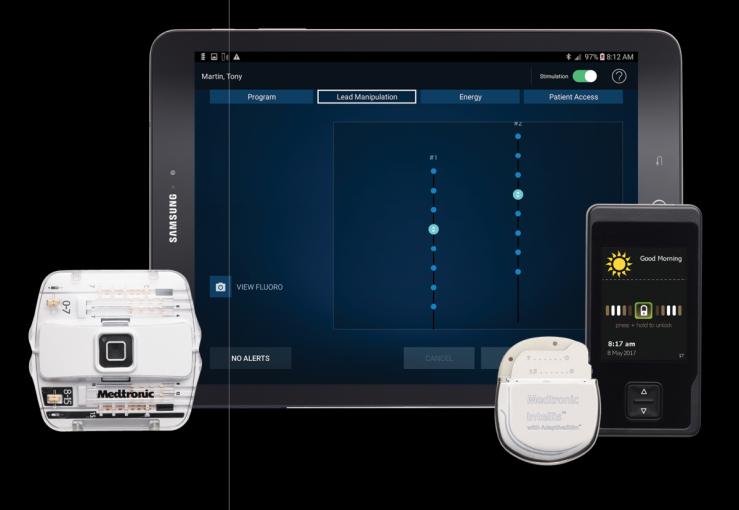
24. On October 4, 2017, Intellis, a novel implantable pain management device developed by Medtronic in Minneapolis, Minnesota, USA, received FDA clearance. The Intellis system treats chronic pain through spinal cord stimulation. Using the Samsung Galaxy Tab S2, patients’ caregivers can adjust the neurostimulation parameters according to Medtronic’s Evolve workflow. By integrating state-of-the-art hardware with optimized therapy protocols via the Evolve workflow, the Intellis platform delivers personalized, long-term pain relief. Additionally, the device monitors user activity to assist physicians in determining the optimal treatment plan.
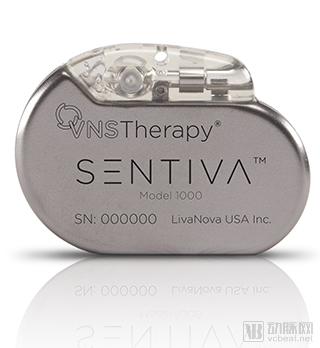
25. On October 10, 2017, LivaNova, a medical device manufacturer headquartered in London, UK, announced that the U.S. Food and Drug Administration (FDA) had approved its latest Vagus Nerve Stimulation (VNS Therapy) System. This system will be the smallest and lightest responsive therapy system for patients aged four years and older with drug-resistant epilepsy. The therapy system includes the new SenTiva Implantable Generator, the VNS Programming System, a wireless identification wand, and a user interface on a smart tablet. According to LivaNova, the SenTiva System is also the first device to incorporate detection and response capabilities, providing therapeutic interventions to prevent seizures or terminate them as quickly as possible.
26. On November 20, 2017, Cochlear received FDA clearance for remote programming of cochlear implants. This enables specialists to perform follow-up programming of patients’ cochlear implants remotely. The feature is primarily indicated for patients who have had a Nucleus cochlear implant for at least six months. Cochlear implants often require reprogramming to adjust the stimulation patterns delivered to the auditory nerve. Such adjustments can significantly enhance patients’ ability to understand speech and music, provide comfort in noisy environments, and thereby improve their quality of life.
27. On March 8, 2017, Osprey Medical, based in Minnetonka, Minnesota, USA, is a company focused on the research and development of the DyeVert product. This product helps reduce the risk of kidney injury in patients undergoing certain procedures, including angiography, stent placement, and balloon angioplasty. DyeVert utilizes Bluetooth-enabled smart injectors and associated displays to precisely track contrast media usage and halts injection before the threshold for kidney injury is reached. The DyeVert System received FDA clearance in March 2017.
28. On June 9, 2017, Milestone Scientific Inc., based in Livingston, New Jersey, USA, developed a technology for epidural procedures that enables anesthesiologists and other clinicians to determine pressure at the needle tip in real time. This epidural device utilizes a novel drug delivery technology known as Dynamic Pressure Sensing (DPS). Once widely adopted, this technology has the potential to reduce surgical risks for patients. The technology received FDA clearance in June 2017.
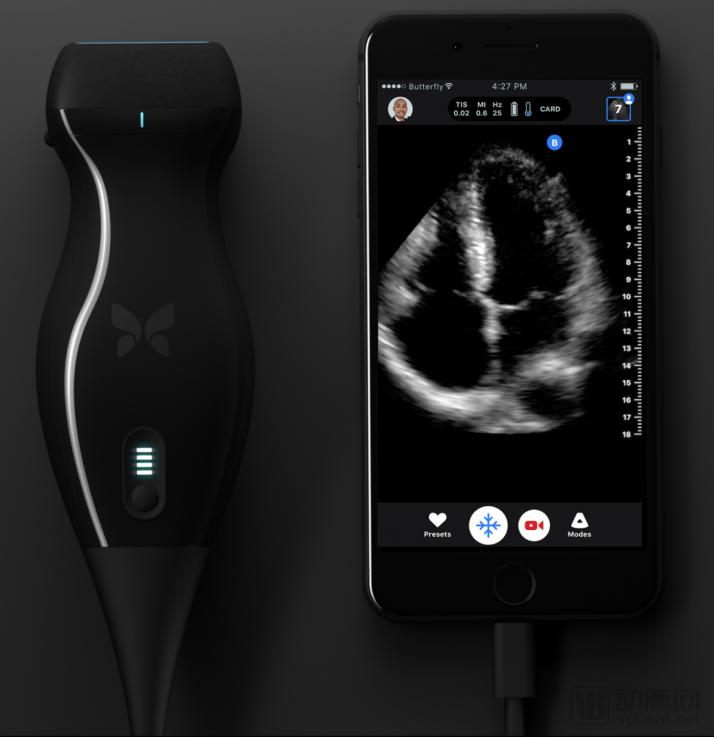
29. On September 6, 2017, a portable ultrasound scanner developed by Butterfly Network, Inc., based in Guilford, Connecticut, which connects to an iPhone, received FDA clearance. The scanner utilizes easily manufactured semiconductor chips instead of the piezoelectric crystals used in traditional ultrasound devices. The device has been cleared for use in 13 different clinical applications, including fetal, abdominal, cardiac, gynecological, urological, and pediatric imaging. It transmits images directly over the network to the user’s iPhone and stores them on a HIPAA-compliant cloud platform, making high-quality diagnostic imaging affordable.
30. On November 8, 2017, SurgicalPreview, a cloud-based computer modeling platform developed by EndoVantages in Scottsdale, Arizona, USA, was introduced. This platform allows surgeons to upload patients’ individual CT scans to create three-dimensional brain models with accurate anatomical dimensions. This new tool is designed to help clinicians conduct preoperative “surgical rehearsals,” formulate surgical strategies, calculate aneurysm volume and neck size, and predict the delivery and placement positions of stents.
31. On September 14, 2017, the reSET system, developed by Pear Therapeutics of Boston, Massachusetts, USA for the treatment of substance use disorder, received FDA clearance. This marks the first digital therapeutic cleared by the FDA that claims to improve clinical outcomes for a disease. reSET is a 12-week program designed to treat addiction and dependence on stimulants, cannabis, cocaine, and alcohol. Pear Therapeutics evaluated the software in a randomized controlled trial. Among patients using the software, the number of those who successfully achieved abstinence at 9 and 12 weeks was twice that of the control group.
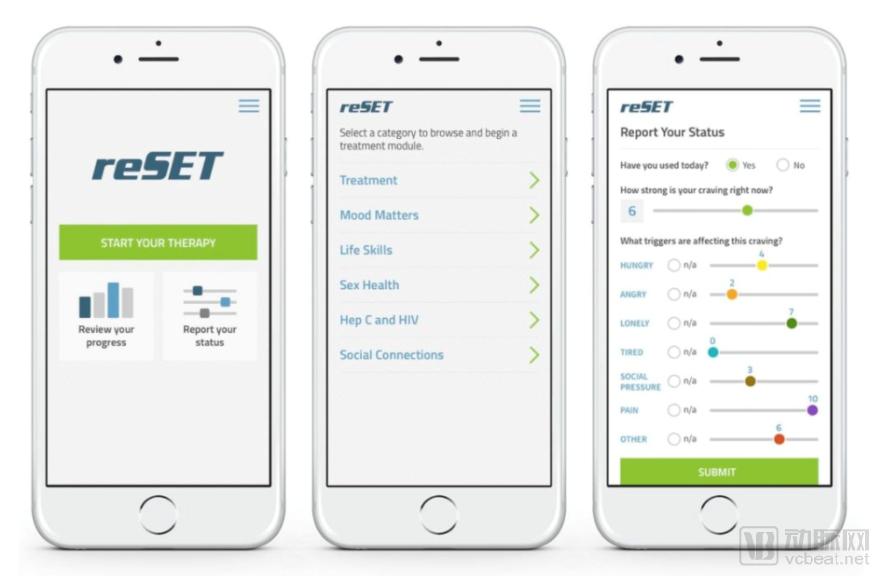
32. On October 18, 2017, Pear Therapeutics launched reSET-O, a digital therapeutic for the treatment of opioid use disorder that has received FDA approval. reSET-O is a digital therapeutic similar to reSET, designed to be used in conjunction with buprenorphine replacement therapy.
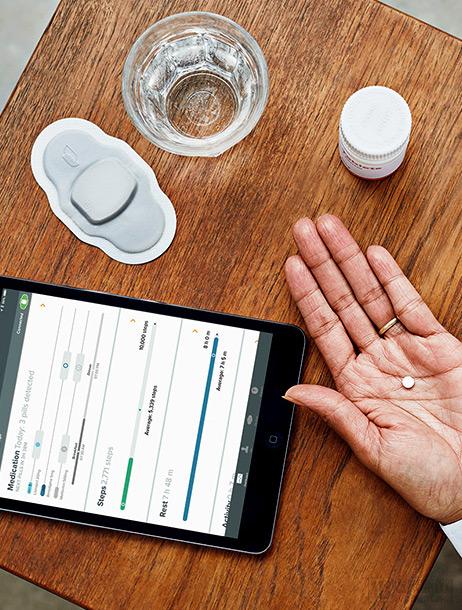
33. On November 13, 2017, the first drug in the United States equipped with a digital ingestion tracking system, jointly developed by Proteus Digital Health of Redwood City, California, and Japan’s Otsuka Pharmaceutical, received FDA approval. The medication is indicated for the treatment of schizophrenia, acute manic episodes, and mixed episodes associated with bipolar I disorder, as well as an adjunctive therapy for major depressive disorder in adults. An ingestible sensor embedded in the pill records drug ingestion and transmits signals to a wearable patch, which then relays the data to a mobile application. Patients can track their medication adherence via smartphone, and, with patient consent, caregivers and physicians can access adherence data through a web-based portal.
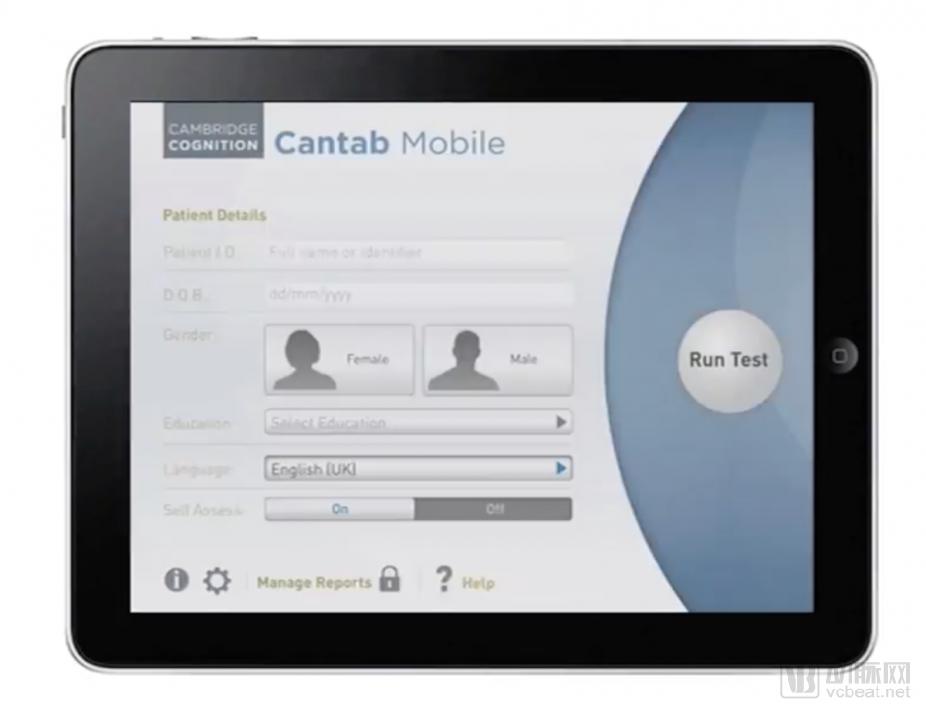
34. On January 13, 2017, Cantab Mobile, an iPad-based assessment tool for memory problems in the elderly developed by Cambridge Cognition, a UK-headquartered cognitive assessment company, received FDA approval. Cantab Mobile is a 10-minute test based on Paired Associates Learning, administered via tablet, and assesses users’ memory using three different exercises. It can serve as an early warning system for conditions such as dementia and Alzheimer’s disease.
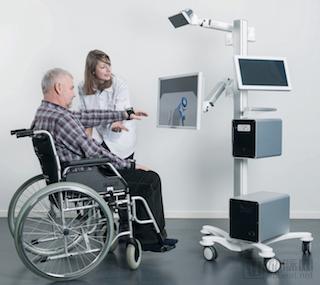
35. On April 24, 2017, MindMaze’s MindMotion Pro platform, developed by the Swiss neurogaming company MindMaze, received FDA approval. This platform is a motion-capture system similar to Microsoft Kinect and can be used for the rehabilitation of patients with stroke and traumatic injuries. For example, in stroke patients who have lost function in their left hand but retain normal function in their right hand, the computer generates a virtual visual representation of left-hand movements based on the patient’s right-hand activity. These visuals can trick the brain into reactivating left-hand function.
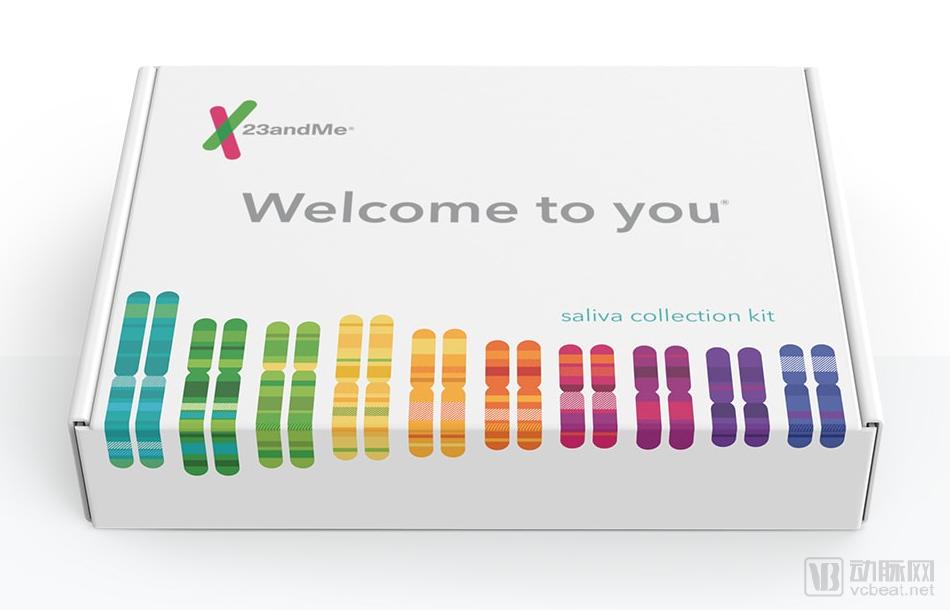
36. On April 7, 2017, the U.S. Food and Drug Administration (FDA) authorized 23andMe, based in Mountain View, California, to market its direct-to-consumer genetic testing kit. This kit assesses an individual’s risk for specific diseases, such as Alzheimer’s or Parkinson’s disease. Three and a half years after the FDA ordered 23andMe to halt its genetic risk assessment services, this $199 genetic testing service has finally returned to the market. The genetic testing works by isolating DNA from saliva samples and then analyzing more than 500,000 genetic variants. The presence or absence of these variants may be associated with an elevated risk for ten conditions, including Parkinson’s disease, late-onset Alzheimer’s disease, celiac disease, and several blood, organ, and tissue disorders.
37. On April 13, 2017, the Gene-RADAR scanner, produced by Nanobiosym, a digital health company based in Cambridge, Massachusetts, received Emergency Use Authorization (EUA) from the U.S. Food and Drug Administration (FDA) for its Zika virus detection capabilities. The device had previously won the Nokia Sensing X Challenge award several years earlier. Although a series of Zika virus tests had already been approved by the FDA, Gene-RADAR offers several advantages over prior testing methods: its compact size allows for use within hospitals, enabling physicians to conduct tests on-site without needing to send samples to laboratories for analysis using bulkier equipment.
38. On March 31, 2017, Shenzhen Jinyidi Medical Equipment Co., Ltd. in China received FDA 510(k) clearance for its blood pressure monitor. The wrist-worn device transmits data via Bluetooth to a smartphone for archiving or analysis and has been approved for over-the-counter sale. Jinyidi also manufactures and sells a variety of medical devices, including blood pressure monitors, blood glucose meters, infrared thermometers, pulse oximeters, and nebulizers.
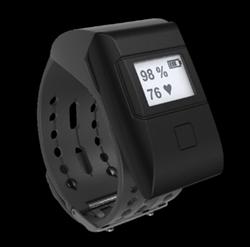
39. On May 9, 2017, Oxitone Medical’s wrist-worn pulse oximeter, the Oxitone 1000, received FDA clearance. According to the company, the device eliminates the need for a finger clip, requiring only wrist placement, while delivering SpO2 and pulse rate accuracy comparable to that of traditional fingertip pulse oximeters. The company believes that this more comfortable wearable device is better suited for home care than bulky finger-clip models. Oxitone Medical’s next step is to integrate the Oxitone 1000 with its digital health platform for patient management and monitoring, which converts real-time health data into patterns, alerts, predictive analytics, and health management notifications.
40. On July 14, 2017, Dictum Health, an end-to-end telemedicine platform based in Florida, USA, received FDA clearance to incorporate spirometry functionality into its “Virtual Exam Room.” The platform’s existing features included monitoring of blood oxygen saturation, blood pressure, height and weight, body temperature, and electrocardiogram (ECG). Designed as a tablet-based system connected to various medical peripheral devices, it offers a simple and user-friendly experience for both hospital and home settings. Through the tablet, patients and physicians can establish secure, HIPAA-compliant video connections, allowing patients to transmit critical health data directly to clinicians.
41. On July 14, 2017, the latest version of Philips’ telehealth application, eCareCoordinator, received FDA approval. The initial version of eCareCoordinator was approved in October 2014. The new eCareCoordinator platform is designed to enable care teams to help patients maintain their health at home, thereby improving patients’ quality of life, reducing hospitalizations, readmissions, and emergency department visits, and ultimately lowering care costs. The updated eCareCoordinator features a redesigned user interface based on customer feedback, enhanced data analytics and visualization tools, improved usability for large-scale operations, and support for integrating high-acuity virtual care capabilities into value-based care models.
42. On June 2, 2017, VitalWatch, a disposable peel-and-stick health sensor developed by the remote monitoring company VitalConnect based in San Jose, California, received FDA approval. VitalWatch can measure a range of biometric data, including single-lead electrocardiogram (ECG), heart rate, heart rate variability, respiratory rate, skin temperature, and even posture (enabling fall detection). The sensor transmits data via Bluetooth to a connected application or hub, which then forwards it to cloud servers accessible to caregivers for data retrieval.
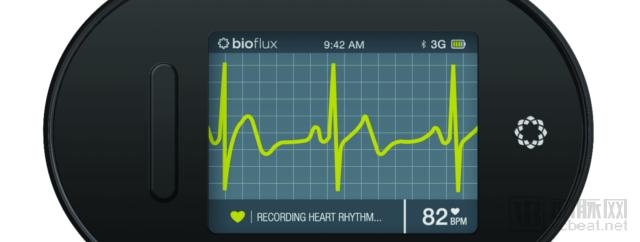
43. On December 15, 2017, Biotricity’s Bioflux device, based in Redwood City, California, received FDA 510(k) clearance. Biotricity is a company specializing in medical diagnostics and consumer healthcare technologies, dedicated to providing innovative biometric remote monitoring solutions. The Bioflux system consists of a proprietary mobile ECG monitoring device and an ECG browser software package. By detecting and transmitting data on potential arrhythmias and other cardiac diagnostic information, the system enables physicians to remotely monitor and diagnose cardiovascular diseases.
III. Product Summary
1. In 2017, diabetes management products and ECG signal monitoring products still accounted for a significant proportion. The approved diabetes management products were predominantly software-based, capable of recording and storing blood glucose data, automatically calculating insulin doses, and providing nutritional guidelines. On the hardware side, the focus was mainly on automating blood sampling or enabling minimally invasive continuous glucose monitoring to reduce the frequency of blood draws. The approved ECG signal monitoring products were primarily wearable ECG monitoring devices equipped with Bluetooth modules.
2. Surgical procedures are becoming increasingly automated, reducing reliance on physicians’ experience. Tasks that previously depended on clinicians’ expertise, such as the precise administration of anesthetics and contrast agents, will in the future be performed under intelligent control by medical devices.
3. Clinical emergency medical equipment is trending toward miniaturization and portability. For instance, wearable external defibrillators can be worn by patients to monitor cardiac activity in real time and automatically deliver resuscitation therapy during cardiac arrest, thereby addressing the issue of delayed response associated with traditional emergency equipment.
4. Digital therapeutics offer advantages in the treatment of central nervous system disorders (such as drug addiction). They can serve as an alternative or adjunctive therapy to conventional pharmacological treatments, demonstrating significant efficacy in clinical trials.
5. Traditional laboratory tests are becoming increasingly accessible for home use. Complex procedures that previously required bulky equipment, such as genetic and viral testing, are now being offered directly to consumers. Individuals can purchase these products and perform the tests at home, significantly reducing the turnaround time.
6. Computer simulation approaches are beginning to be adopted for geriatric rehabilitation conditions. In addition to traditional pharmacological treatments and mechanical rehabilitation methods, the latest computer simulation technologies can provide new therapeutic options for elderly patients undergoing rehabilitation. For instance, by simulating hand movements post-stroke, these systems can stimulate the brain to re-establish neural connections with the hand, thereby facilitating the recovery of hand function.
7. The integration of medical and healthcare devices with mobile phones is becoming increasingly prominent. Data generated by both in-hospital and home medical devices are increasingly being transmitted to users’ mobile phones. For instance, ultrasound images acquired in hospitals can be sent to users’ mobile phones for viewing; data from wearable devices, such as blood pressure readings, can be transmitted to smartphones for storage or analysis. Leveraging their unique advantages—high user proximity and ever-increasing functionality—mobile phones will play an increasingly important role in wearable device systems, particularly in reducing the size of wearables and providing data analytics capabilities for the system.
8. The popularity of wearable devices remains undiminished, with two main categories: multi-parameter monitoring and disease-specific identification and analysis. Multi-parameter monitoring devices are trending toward greater parameter diversity; in addition to basic vital sign measurements such as body temperature, blood pressure, blood oxygen saturation, electrocardiogram (ECG), and pulse, body posture (for fall detection) and lung capacity have also been incorporated into their monitoring capabilities. Devices for disease-specific identification and analysis can detect and record specific parameters, such as ECG signals, while simultaneously identifying and analyzing pathological indicators, such as arrhythmias. Wearable devices that integrate parameter measurement with disease diagnostic functions may represent the future development trend.
1. https://www.crunchbase.com/
2. http://hitconsultant.net/
3. https://www.fda.gov/
4. https://baike.baidu.com/item/FDA/1128100?fr=aladdin
5. http://www.mobihealthnews.com/content/fifty-one-connected-health-products-fda-cleared-2017