

Junyi Doctor Group: A Nonprofit-Driven Medical Collective Founded by Military-Trained Physicians
A physician group has emerged in Guangdong: Founded by a team of doctors who graduated from military medical academies, it adopted the brand name “Junyi,” a homophone for “military doctor” in Chinese, to convey the values of “fairness, consistency, and equal treatment for all.” Its mission is “to help people stay healthier and make life better.”
So, what services does Junyi Physician Group offer? What is its business model? And what are its advantages compared to other physician groups?
Wang Yongyou is the CEO of Junyi Doctor Group. Although he does not have a medical background, he has a strong passion for the health sector and began focusing on the health industry over a decade ago. “I believe that health and education are most closely linked to human well-being,” he stated. At that time, he also participated in the first cohort of Health Manager training programs hosted by Peking University and nearly joined iKang Healthcare Group.
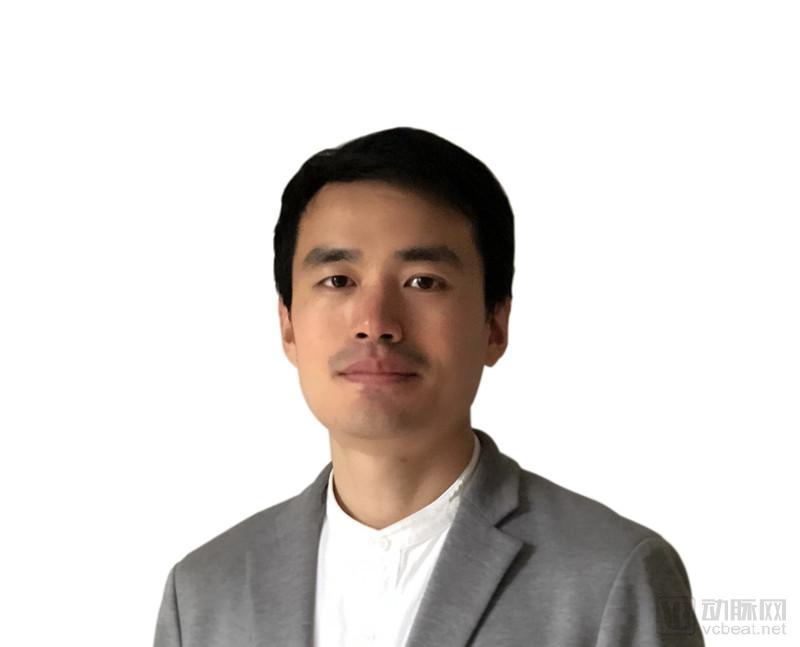
Wang Yongyou, CEO of Junyi Medical Group
Prior to founding the Junyi Physician Group, he participated in establishing another company named “Baiyishun” in September 2015. The company officially commenced operations in April 2016, accumulating a pool of like-minded physicians and developing a distinctive business model, which ultimately led to the decision to establish the Junyi Physician Group.
During the founding process, the most difficult issue Wang Yongyou encountered was determining the development direction and positioning of Junyi Doctor Group.
Regarding the question of development direction, the Junyi Doctor team has been discussing whether to focus primarily on medical services or health services.as the primary focus? Some physicians believe that health services are not an essential demand, making them a thankless and arduous endeavor; others contend that physician groups should prioritize clinical care, as physicians typically take pride in successfully treating diseases.
Ultimately, we returned to our original aspirations and mission, reaching a consensus that while patients seek effective treatment for speedy recovery when they fall ill, the fundamental human desire is to maintain health and enjoy life—a principle aligned with the national “Healthy China” strategy. Therefore, addressing health issues must not rely solely on medical interventions.
Regarding its positioning, “although we are not registered as a non-profit organization, our articles of association explicitly stipulate that ‘shareholders of Junyi Doctor Group shall not receive dividends.’” In the early stages, many shareholders neither understood nor supported this stance. However, Wang Yongyou firmly believed that healthcare is a highly specialized sector, requiring a commitment to non-profit principles to avoid deviating into the unethical path of “profiteering from patients’ illnesses.” Fortunately, the shareholders demonstrated great open-mindedness and benevolence, ultimately agreeing to this rule.
As of December 2017, Junyi Doctor Group had partnered with 175 physicians, more than half of whom held the title of Associate Chief Physician or higher. Ninety percent of these physicians were affiliated with Grade 3A hospitals in Guangdong Province, covering all medical specialties. The operations team consisted of 16 members, primarily responsible for daily user services. By leveraging these high-quality medical resources, Junyi Doctor Group launched two signature services: “Post-Consultation Follow-Up” and “Medical Fitness.”
According to Wang Yongyou, “Ask After Your Visit” is a post-consultation advisory service. “Limited consultation time at hospitals often leaves patients feeling uncertain and unclear after their visits.” We leverage online platforms to aggregate the availability of top-tier physicians, providing neutral, professional, and meticulous consultations. This service can be viewed as a supplement to existing medical services, addressing gaps in communication and patient care resulting from time constraints.
Its biggest difference from the “light consultation” services on the market is that “Post-Visit Consultation” targets only users who have already visited a hospital and have basic examination results. This approach fully accounts for the unique nature of medical diagnosis and treatment, as accurate judgments cannot be made online based solely on patients’ self-reported symptoms.
“Medical Fitness” is a key initiative in their health-focused strategy. While exercise offers substantial health benefits and has proven efficacy in chronic disease rehabilitation, many individuals in China have failed to achieve their desired fitness outcomes despite rising enthusiasm for physical activity in recent years. Instead, they have sustained varying degrees of injury, leading some to mistakenly believe that “exercise is detrimental to health” and consequently abandon it altogether. Even Bai Yansong has remarked, “Because I love sports, I am covered in injuries.” Junyi’s Medical Fitness program aims to address this very issue.
Wang Yongyou believes that the emergence of the aforementioned issues is closely related to the excessive profit-driven nature and insufficient professionalism of existing services in the sports and health sector. Many gyms focus solely on selling memberships, with little regard for whether users are exercising correctly. Some trainers, having received only minimal training before starting work, provide mechanical and rigid guidance during workouts. Even more concerning, some entities prioritize product promotions within their sports services, focusing heavily on pushing equipment and nutritional supplements. Very few institutions invest resources in researching exercise science.
In response to this situation, Wang Yongyou assembled a doctoral team of more than ten members to track the frontiers of global exercise science while launching exercise research grounded in the physical and lifestyle characteristics of the Chinese population. “In the field of exercise science, Europe and the United States are far ahead of China; even the medical benefits of Tai Chi, China’s national treasure, were first studied by Western peers,” said Wang Yongyou.
Meanwhile, they have developed a specific market-ready product that is currently in beta testing and will soon be available to the public. Their goal is to provide users with medical fitness knowledge and services that are “more effective, less injurious, and healthier,” thereby helping people prevent illness and remain disease-free, so they can appreciate the beauty of life rather than suffer from suboptimal health conditions or even the torment of pain and disease.
So, where exactly does the professionalism of medical fitness lie? Is exercise really that profound? Take a simple example: typical coaches teach movements, design plans, and provide supervision; whereas physicians investigate why these specific movements are chosen. They examine how these exercises work at the physiological and cellular levels, assess whether they are truly effective, and determine how to mitigate potential adverse effects. Based on these underlying principles, they tailor truly personalized exercise programs for individuals, effectively promoting health and more precisely preventing injuries during the process.
How Can a Non-Profit Positioning Attract More Physicians to Join Junyi Physician Group?
Wang Yongyou summarized two major aspects, the first of which isRespect for physicians is fully reflected in both brand building and value distribution. The non-profit model further exemplifies this commitment: shareholders receive no dividends, and all service revenues are reinvested into improving physician compensation and enhancing user experience. In terms of physician branding, physicians are prioritized; across various collaborative projects, the physician’s name always appears first. He advocates that physicians should build their own personal brands, viewing this as both the most effective form of self-discipline and the greatest source of encouragement.
Second, it encourages suitable physicians to establish their own branded studios at the appropriate time, operating through alliances and standardized collaboration. This approach also provides greater room for professional development. Currently, his first company, “Baiyishun,” is engaged in providing such services, offering physicians systematic support in financing, management, and operations.
With the continuous establishment of physician studios, the “Junyi Alliance” system has emerged. Through certification and oversight, this system helps a cohort of physicians delivering high-quality health services to achieve rapid growth, thereby creating more services and institutions that benefit public health.
Currently, the Junyi Alliance comprises nine physician studios, along with multiple health checkup, rehabilitation, and health management institutions. When selecting these physicians and institutions, Wang Yongyou primarily evaluates their professionalism, as well as the competence and integrity of their core personnel. He has established a set of assessment criteria and formed an audit team to screen and evaluate alliance members through pre-service and post-service management.
Alliance members certified by Junyi Doctor Group include:Lu Hua Medical Fitness Studio, Dr. Du Health Care Studio, Fine-Tuning Traditional Chinese Medicine (TCM) Studio, Du Fu Sleep Studio, Hongyan Medical Aesthetics Studio, Adi Nutrition Studio, Jiuqi Success General Practice Studio, Miracle Mom TCM Pediatric Care Studio, Yangyang Dad TCM Gynecology and Pediatrics Studio.These alliance members are providers of certain services offered by the Junyi Physician Group, adhere to the Group’s standards, and are subject to its oversight.
As a company, one must inevitably confront operational challenges. Judging from the current development of domestic physician groups in China, some collaborate with physical hospital institutions to export the brand value of their physician teams, while others establish their own clinics. Which development model is superior?
Wang Yongyou believes that regardless of the business model adopted by physician groups, as long as they genuinely prioritize patients’ interests and truly promote health and provide medical treatment to save lives, they are commendable. The most unacceptable practice is “profiteering from illness,” a misconduct for which some institutions have become notorious; it is baffling that such entities continue to operate.
Not long ago, he was recruiting a physician assistant. During the interview, she recounted an incident at her previous hospital: while a patient lay on the operating table, the doctor instructed her to tell the family that the patient had fallopian tube obstruction and required an additional payment of 3,000 yuan. When the family stated they could not afford it, the doctor ordered the injection of fluid into the patient’s fallopian tubes. He was profoundly shocked and found it hard to believe that such practices could occur. How should such hospitals be regulated? Gathering evidence is extremely difficult. His subsequent reflection led him to conclude that only by making physicians the central stakeholders and ensuring that medical care remains as non-profit as possible can such misconduct be eradicated.
Throughout the process of establishing the physician group, Wang Yongyou said his most surprising discovery was that both the practice environment and living conditions for physicians are far from ideal. “Physicians are actually quite simple, even pure; their education and profession guide them toward treating diseases and saving lives. Yet the system compels them to focus on other matters, such as meeting departmental performance targets and obtaining professional titles that are essential for career advancement but contribute little to actual patient care.”
This is indeed the case. Many doctors aspire to start their own ventures, driven by the desire for “a suitable environment that allows me to practice medicine properly.”
“In the future, Junyi Doctor Group will actively help more partner doctors maximize their capabilities and value. However, our scope extends beyond medical institutions; we aim to deliver health services more extensively to communities, companies, and individuals, integrating these services deeply into users’ daily lives.”