

CES 2018 Highlights 14 Innovative Digital Health Products, with Wearables and Sleep Tech Taking Center Stage
CES 2018 arrived as scheduled, bringing together tech innovators from around the world in the United States to showcase their latest products. This year, the organizers established four themes for Health and Wellness: Convenience, Digital Health, Fitness and Wearables, and Sleep Technology. Many digital health products aligned with these themes were also featured at the event. To this end, VCBeat (WeChat ID: vcbeat) has compiled a selection of the digital health products exhibited, exploring what future trends in healthcare they reveal to the public.
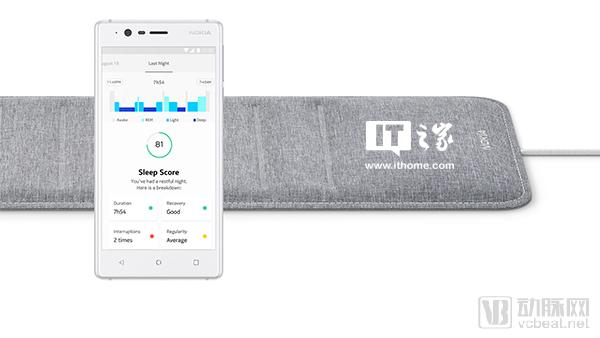
At the 2018 CES, Nokia launched a new sleep sensor called “Nokia Sleep.” In addition to monitoring users’ sleep patterns, the device can trigger IFTTT actions when users fall asleep or wake up, enabling smart home systems to synchronize with their rest periods.
This is also the device’s standout feature, allowing users to pair Nokia Sleep with other devices. For instance, upon waking in the morning, the device can trigger IFTTT routines to turn on lights, raise the room temperature, open blinds, and more.
The device is placed under the mattress, allowing users to view their sleep cycles—including light sleep, deep sleep, and REM stages—as well as their personal snoring records in the Nokia Health Companion app.
(IFTTT is an abbreviation for "If This Then That," with the motto "Put the internet to work for you." IFTTT aims to help people leverage open APIs from various websites to connect platforms and applications such as Facebook and Twitter, enabling them to automate tasks and empowering "everyone to become a programmer of the entire internet without coding.")
Nokia’s Health Division previously acquired a company called Withings, which had developed the Withings Aura sleep device. Nokia redesigned the product, incorporating new sensors that use Wi-Fi instead of Bluetooth Low Energy (BLE). The new product is scheduled to ship in the first quarter of 2018, with a retail price of around $100.
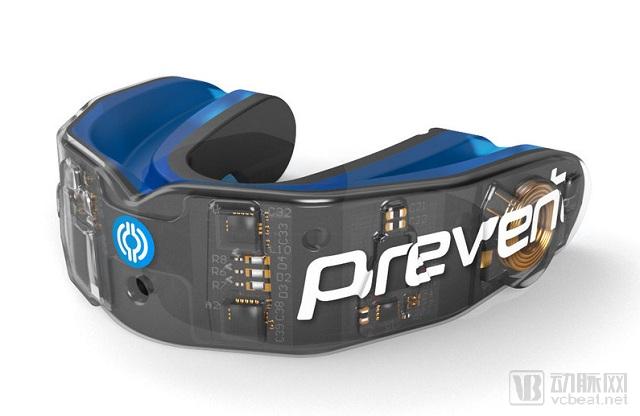
Prevent Biometrics unveiled a head-impact detection product at the exhibition, capable of accurately and in real time identifying potential concussion risks. The product primarily serves athletes, military personnel, and students.
The core of this device is the next-generation IM protective shield, which measures linear and rotational acceleration, impact location and direction, and calculates data for each received impact, displaying it on the accompanying software.
Experts stated that this head-impact data has heightened awareness of concussions in sports, thereby driving improvements in player techniques, game rules, equipment, and other factors.
This product will go on sale in 2018.
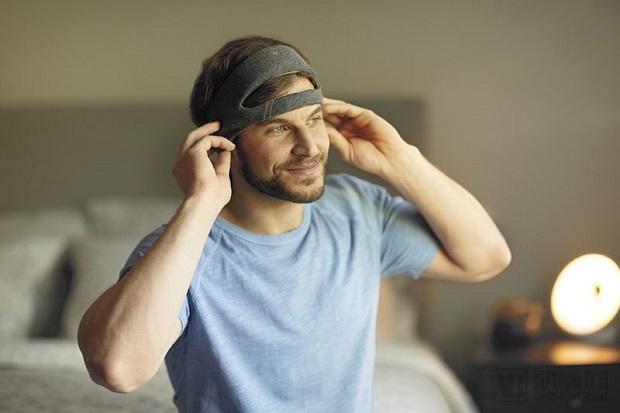
Philips launched the “SmartSleep” headband at CES 2018. This wearable device integrates sensors that monitor brain activity and emits white noise to help users relax. Relevant data can be viewed and shared through a companion smartphone app. When the device detects that the user has entered deep sleep, its speakers slowly and repeatedly play white noise. Philips states that this approach can enhance nighttime sleep quality, improve cognitive function, increase alertness, and boost memory.
As early as June 2017, a startup named Dreem launched a similar project, with its currently available product priced at $499 (approximately RMB 3,257).
Although the comfort and efficacy of wearing the Philips SleepSmart device remain unclear, a small-scale study has indicated that its use does help improve sleep quality and memory in older adults.
The Philips SmartSleep headband is priced at $399.99 and was launched in the U.S. market this spring.
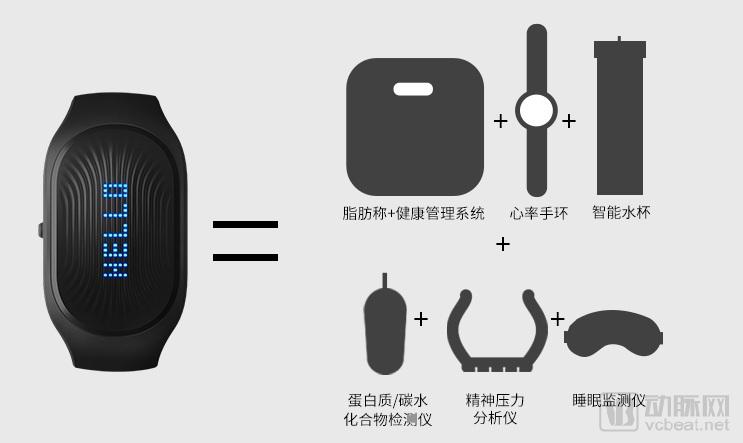
At the exhibition, Healbe showcased its second-generation fully automatic calorie intake tracking wristband, the GoBe2, to the public. The device helps users manage their weight by automatically tracking calorie intake. Additionally, it monitors stress levels in real time through a comprehensive analysis of heart rate, sleep quality, and other parameters. The product also assesses hydration status, reminding users to replenish fluids when necessary.
On July 26, 2017, Russian President Vladimir Putin attended a symposium hosted by the Agency for Strategic Initiatives of the Russian Federation and personally tried out this smart bracelet.
On the official Tmall website, this fitness tracker is priced at RMB 1,899.
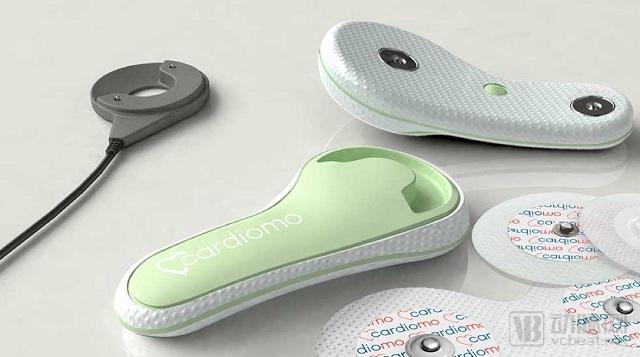
Cardiomo is a wearable device capable of detecting cardiac issues. It incorporates an ECG-standard heart rate monitor, respiratory sensors, and electrodes. The device adheres to the skin below the heart to ensure data accuracy. Additionally, it features a 3-axis motion sensor, allowing users to track their physical activity via Fitbit.
These data are transmitted wirelessly to the user’s smartphone (with data stored in the cloud) and analyzed using AI software developed by cardiologists, with results directly fed back to the user. In the event of a severe or sudden emergency where the user fails to respond to the device’s recommendations, the device can send alert notifications to relatives, caregivers, or physicians. The Cardiomo team states that it can identify up to 40 types of conditions, including stroke and heart disease.
In addition to heart rate, it also provides respiratory rate and skin temperature data, with a battery life of 10 days.
The product is priced between $100 and $200.
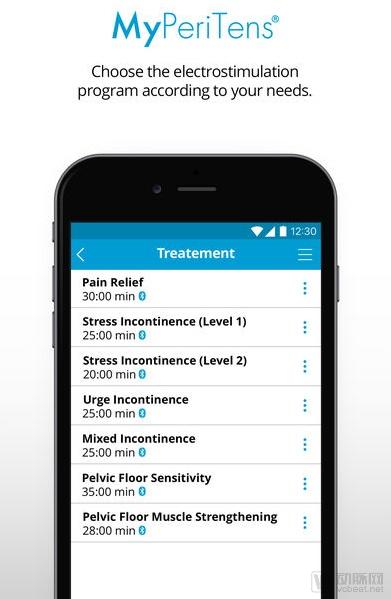
BewellConnect unveiled MyPeriTens, a product designed to treat female pelvic floor disorders, at the exhibition. MyPeriTens connects wirelessly via Bluetooth to smartphones or tablets. Users control the device through a dedicated app that provides customized exercises to strengthen pelvic floor muscles. Electrical impulses are delivered to the target muscles through electrodes, inducing active muscle contractions. These stimuli can be used for muscle rehabilitation and the treatment of incontinence.
According to data from the U.S. National Institutes of Health (NIH), nearly half of women experience postpartum pelvic floor dysfunction that affects their daily lives. Although the condition may sometimes resolve on its own, it can gradually become chronic if left untreated.
Alexia Sibony, Director of Clinical Research Quality and Innovation at BewellConnect, stated, “Postpartum pelvic floor dysfunction is widely underreported due to the sensitive nature of the condition.” MyPeriTens will enable women to undergo effective treatment comfortably in their own homes.
Subject to FDA approval, MyPeriTens will be launched in the U.S. market by the end of 2018.
Omron Healthcare Launches Omron Blood Pressure Monitor + EKG, a Home Medical Device Capable of Measuring Blood Pressure and Electrocardiogram. The Technology, Developed by AliveCor, Will Be Submitted to the FDA for Approval in the Second Half of 2018.
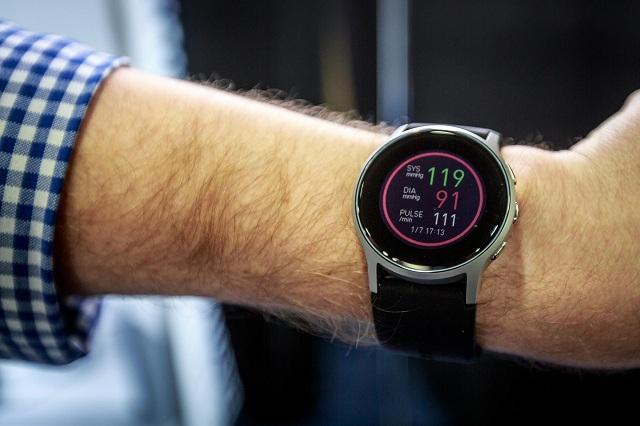
In addition to these products, Omron showcased the HeartGuide, a wearable oscillometric wrist blood pressure monitor with an built-in inflatable cuff. Omron also unveiled a new version of its companion mobile app, which enables users to store and share their health data and communicate with physicians.
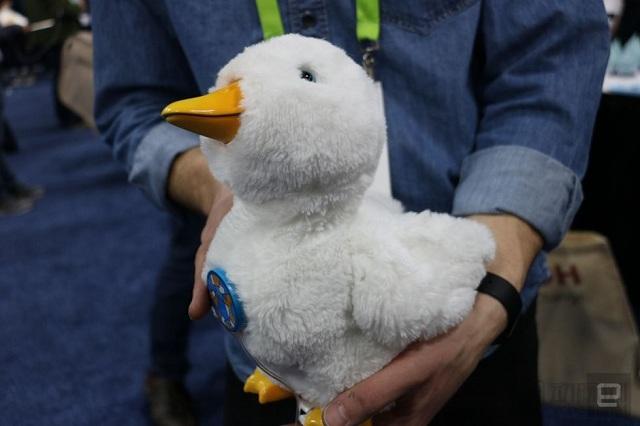
Sick children can place emoji stickers on the duck, which then expresses corresponding emotions such as joy, anger, sorrow, and happiness based on the selected emoji. Additionally, the product offers interactive features: stroking the duck’s chin causes it to lift its head and display a quacking smile, while tickling its sensitive spot under the wings triggers vibrations and laughter.
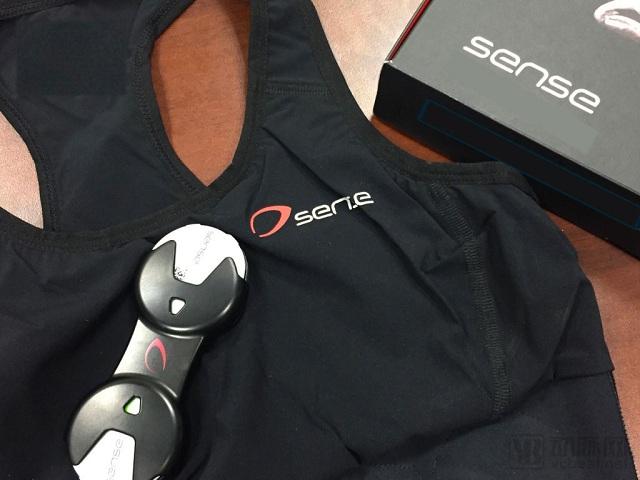
CardioNexion is a medical device designed for the “ultra-early” detection and analysis of cardiovascular diseases. Developed by the French technology company Aix-Marseille, this device attaches to a T-shirt or bra and can detect signs of conditions such as abnormal heart rate, stroke, atrial fibrillation, heart failure, and sudden infant death syndrome before the onset of initial symptoms.
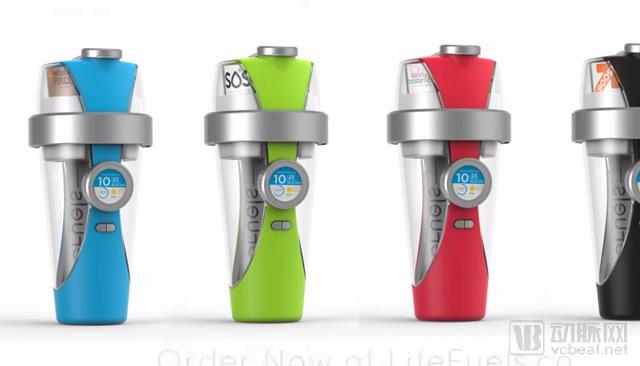
Washington-based startup LifeFuels has launched a smart water bottle that adds specific vitamins to water based on the user’s physiological needs. The smart bottle connects to a free mobile app, which tracks the user’s exercise routines and determines their dietary requirements. Through comprehensive analysis, the system selects the appropriate vitamins and nutrients to infuse into the water according to the user’s individual condition.
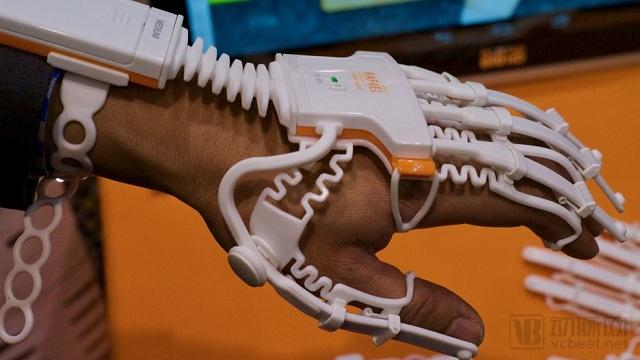
Neofect, based in Seoul, showcased its latest product, Rapael, a rehabilitation device specifically designed for the hand and arm recovery of stroke patients.
The Rapael smart glove is lightweight and effortless to wear, allowing users to easily perform a wide range of joint movements. The elastomer material is also easy to clean and maintain. Additionally, the product incorporates gamification elements into its device, making rehabilitation more engaging and effective.
The product has demonstrated its clinical efficacy in improving hand-eye coordination, cognitive function, spatial perception, and attention in stroke patients.

Swim.com and Spire Health Tag have joined forces to create a smart swimsuit. This swimsuit helps swimmers log in and record their workouts through Swim.com's tracking platform. The highlight of this smart swimsuit is its embedded battery, which requires no charging. Additionally, the swimsuit has no buttons; it starts recording as soon as it is worn. From the images obtained, the smart module is very small and does not interfere with the swimmer's exercise.

Valencell, the creator of biometric technology, unveiled its latest biometric sensor system, Benchmark 4.0, at the exhibition. Designed for auscultation devices and wearables, the system reduces power consumption by more than 50% in continuous monitoring mode. The company also claims that this product offers greater design flexibility compared to previous models.
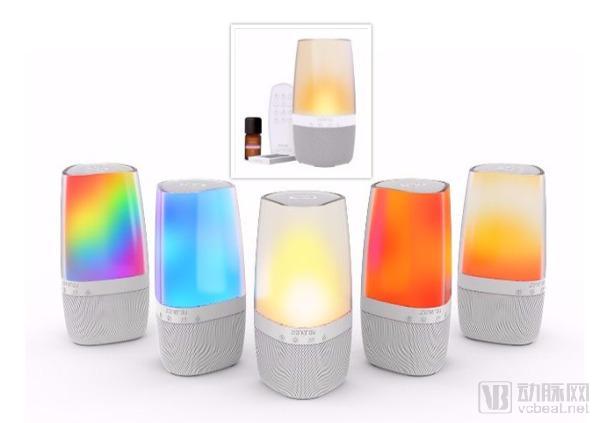
Portable device and smart home control platform iHome announces the launch of the Zenergy Aromatherapy Wellness Speaker.
This product uses concentrated essential oils and requires no water, creating a pleasant aroma through its soothing light and sound therapy. Unlike diffusers, this product features a felt pad on the back for applying a few drops of the user’s chosen oil (including a bottle of pure lavender essential oil).
Its speaker component features six sound therapy tracks designed to help users calm their minds, lower their breathing and heart rates, and prepare for sleep. Additionally, the device offers seven light therapy modes to regulate circadian rhythms and improve nighttime mood. It can also function as a traditional Bluetooth speaker, streaming music from paired devices, and allows users to answer incoming calls through its integrated speakers.
Overall, among these 14 products, nine are wearable devices, underscoring that wearables remain a hot topic. However, unlike in previous years, there were fewer wristband-type devices this year, with the emergence of head-mounted and other forms of wearable products. Additionally, some designers have integrated sensors into clothing. In short,Product designers’ approach to deriving insights from users’ exercise and daily behavioral habits remains unchanged; only the methods of data acquisition have become more diversified.。
Moreover, there is a wide array of sleep health products available this year. As people place increasing emphasis on sleep quality and sleep data, this sector represents a market with significant potential.
Source: MobiHealthNews,CNET, TechCrunch, CES, and the official websites of various product companies; compiled by VCBeat editors.