

From Rehabilitation Therapy to Training: SpineCare Creates a Talent Closed Loop and Extends the 'Last Mile' of Rehab Services
By Li Yanyu and Luo Mei
On the afternoon of visiting Jijin Perfect,VCBeat (WeChat: vcbeat)The reporter spent nearly four hours in conversation with Feng Feng, one of the co-founders. Throughout their discussion, the phrase “it’s been incredibly difficult” was heard most frequently. Talent, costs, and mindsets—each has become a constraint on the industry.
Starting with a 100-square-meter clinic, three years of WeChat Official Account operations, and a three-person team, Jijin Wanmei has expanded to its third store after more than three years of entrepreneurial exploration in the rehabilitation sector. Their strategic approach has also evolved, shifting from locations in office buildings and commercial districts to pilot programs in residential communities.
“Ji” (Spine) is nearly perfect; the homophonic wordplay is a clever touch that also underscores the founders’ determination. Growth in this field has been far from easy. Without the backing of major capital, they have built their business from their first customer to an average monthly foot traffic of 600 per store—a level of difficulty only entrepreneurs immersed in the journey can truly appreciate.
Leaving the System to Start a Business: Doctors Open a “Mom-and-Pop Shop”
Another founder, Zhu Guomiao, is the sixth-generation inheritor of the Haipai Ding-style Tui Na (Chinese therapeutic massage). He has worked for nearly two decades at top-tier (Grade 3A) traditional Chinese medicine hospitals, including the Anhui Provincial Hospital of Traditional Chinese Medicine, Shanghai Shuguang Hospital, and Shanghai Seventh People’s Hospital.
At its inception, Jijin Wanmei was a “mom-and-pop” shop. Feng Feng, Zhu Guomiao’s wife, managed the day-to-day operations of the clinic, while Zhu Guomiao primarily served as an instructor and technical expert. He specialized in non-surgical treatments for conditions such as cervical spondylosis, nuchal and dorsal myofascitis, frozen shoulder, cervicogenic dizziness, and lumbar disc herniation.
Previously, Zhu Guomiao appeared on the CCTV Finance program. As reported, during the 2013 National Games, he was dispatched to Australia to provide rehabilitation support for China’s female swimmers.
“Two years in Australia broadened Zhu Guomiao’s horizons. He observed that foreign physicians not only emphasize physical therapy but also place greater importance on subsequent rehabilitation training. The integration of treatment and rehabilitation has significantly reduced patient relapse rates.”
After returning to China in 2014, Zhu Guomiao found that the institutional framework and realities of tertiary Grade A hospitals made it difficult to implement the therapeutic rehabilitation methods and concepts he had learned abroad.
In terms of acupuncture and tuina (therapeutic massage) in Traditional Chinese Medicine, ordinary physicians in hospitals may see 50–60 patients per day, resulting in limited treatment time allocated to each patient. Zhu Guomiao stated in an interview with CCTV: “For musculoskeletal conditions, clinical practice often focuses solely on therapeutic interventions; however, these conditions require substantial rehabilitation. Insufficient rehabilitation time contributes to the persistently high recurrence rates among such patients.”
Therefore, in April 2015, after careful consideration, Zhu Guomiao resigned from Shuguang Hospital affiliated with Shanghai University of Traditional Chinese Medicine and founded the Jijin Perfect Rehabilitation Center from scratch.
From Popular Science to Practical Application: Building a Fan Base Is Key to Building Reputation
Before resigning from the hospital, Zhu Guomiao had already amassed a large patient following on the then-popular “Haodaifu” platform by writing popular science articles. He was also among the early physicians to adopt Sina Weibo and WeChat Official Accounts. After launching his own venture, which coincided with the rise of WeChat Official Accounts, Zhu has persisted in his health education efforts for over four years since publishing his first formal article in May 2013 under the brand “Ji Jin Wan Mei” (Spine Near Perfection). His current follower count stands at nearly 60,000.
From a personal WeChat account to the current team-operated model, the readership of our science popularization articles on spinal health has surged from sporadic 100–200 views to an average of 3,000–4,000, and even over 10,000, for headline posts. Such persistence is rare among official accounts run by startups in the rehabilitation sector.
From popular science articles to offline services, many readers who first learned about this institution through its “Ji Jin Wan Mei” WeChat official account have converted into clients. Feng Feng also explained the reason for their emphasis on public health education: “For many people, the first choice for neck, shoulder, lower back, and leg pain might be to apply a medicinal patch or find a nearby masseur for a rub to alleviate symptoms, rather than initially considering more professional, effective, and modern physical therapy or exercise rehabilitation methods to address the problem. Our extensive public health education efforts are essentially aimed at cultivating public awareness.”
From an industry perspective, the physical therapy sector features mid-to-high per-session or treatment fees, with a promising outlook. Furthermore, no unicorn companies or dominant specialized rehabilitation institutions have yet emerged in the current rehabilitation market. Public hospitals in major cities such as Beijing and Shanghai that are covered by medical insurance are often overly saturated, resulting in relatively poor service experiences. In addition, the rehabilitation landscape includes services not covered by public hospitals, such as management of running-related sprains, non-surgical correction of adolescent scoliosis, and postpartum pelvic floor rehabilitation (combining exercise training with manual therapy).
“These are precisely the areas that public hospitals either do not address or do not address in sufficient detail, thereby creating a niche for institutions like ours that are deeply committed to technical expertise and service quality,” said Feng Feng. “For instance, the Schroth scoliosis clinic in Germany has been operating for nearly a century. During our visit, we were deeply impressed by its meticulous attention to every detail and its relentless pursuit of professional excellence, which commanded our sincere respect. Jijin Wanmei also aspires to build a century-long legacy, a goal that must be achieved step by step. Rehabilitation centers cannot simply be scaled up rapidly through financial investment alone. Ultimately, the long-term viability and prosperity of any clinic depend on an unwavering commitment to professional excellence and superior service.”
Transforming Trainees into Rehabilitation Professionals Through Musculoskeletal Training
Confronting the widespread talent bottleneck in the rehabilitation sector, Jijin Perfect possesses distinct advantages in this regard. The technical expertise at its clinics is grounded in Zhu Guomiao’s theory of “meticulous anatomy, precise assessment, and exact rehabilitation.” By recruiting rehabilitation professionals from hospitals and medical schools, and combining external recruitment with internal training, the company has built a professional rehabilitation team.
How Can Small Rehabilitation Institutions Attract Talent?
In addition to the growing prevalence of rehabilitation medicine and heightened public awareness, self-sufficiency in talent has also been bolstered by in-house rehabilitation training programs offered within clinics.
Feng Feng told reporters that before establishing its physical facilities, Jijin Wanmei conducted technical training by borrowing venues from various locations. “On one hand, we provide training in rehabilitation techniques; on the other hand, during the training process, we identify promising individuals and retain them. This serves as a screening mechanism to inject fresh talent into Jijin Wanmei and build a strong talent reserve.”
“Standardization in medicine is difficult; all we can do is bring talent together. The advantage of ‘Ji Jin Wan Mei’ lies in the fact that its founder, Zhu Guomiao, comes from a technical background. His professional expertise, receptiveness to new technologies, and enthusiastic exploration have enabled him to build a technical training system that constitutes our core competitive advantage.” In Feng Feng’s view, this is what sets ‘Ji Jin Wan Mei’ apart from entrepreneurs in the rehabilitation medical market who merely invest capital.
Ji Jin Wan Mei’s technical training programs have earned a strong reputation in the industry, thanks to their high quality. “We invite only the best instructors.” The courses attract not only therapists from hospital pain management or rehabilitation departments and manual therapists, but also private trainers, yoga instructors, and rehabilitation coaches with solid professional foundations. Currently, Ji Jin Wan Mei has successfully introduced advanced international curricula in physical therapy and sports rehabilitation from the United States, France, Germany, and other countries. As the saying goes, “Learn from the strengths of others to strengthen oneself.” While there is much we can learn from Western countries with mature rehabilitation systems, Chinese professionals are highly diligent and quick learners.
In addition to offline training modules, online course development is another area where Feng Feng has been making concerted efforts, such as experimenting with audio courses and live-streamed rehabilitation sessions. Although only two or three team members are concurrently responsible for developing training curricula, rehabilitation training remains one of the core business lines for Ji Jin Wan Mei (Near Perfect). On their WeChat official account, apart from popular science articles, the majority of content is dedicated to promoting rehabilitation courses.
Although she has already established a certain level of brand recognition in major cities such as Beijing, Shanghai, Guangzhou, and Shenzhen, she maintains a composed mindset. “Effectively addressing patients’ issues in the field of rehabilitation is undoubtedly a team effort,” she notes, emphasizing that the involvement of physicians, manual therapists, and exercise rehabilitation specialists is indispensable in this process.
From Pain Management to Postpartum Rehabilitation, the Path Is Growing Ever Wider
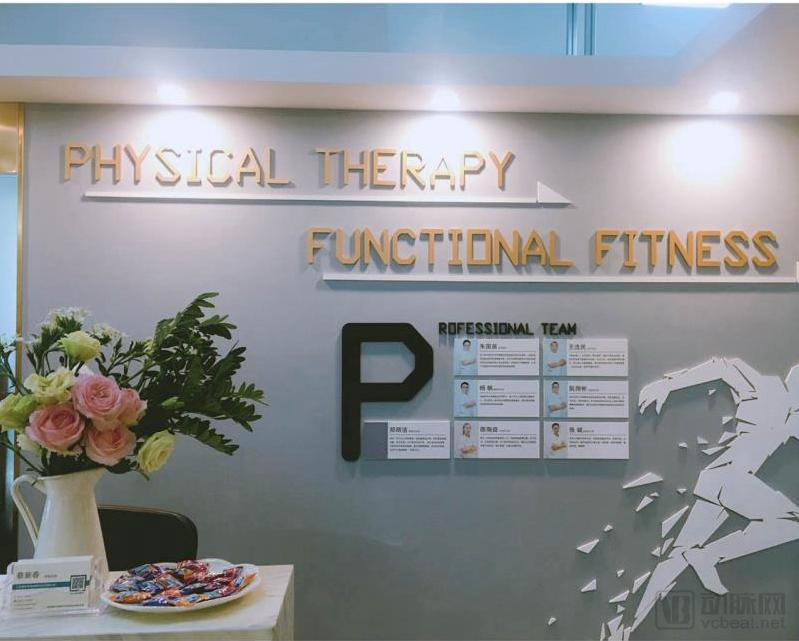
Currently, the services offered by Ji Jin Wan Mei encompass four areas: neck, shoulder, waist, and leg pain; sports injuries; female pelvic floor rehabilitation; and scoliosis correction.
Stores located within office buildings target a more precise demographic, primarily office workers, who are at high risk for muscle pain and lumbar and cervical spine issues. Other stores rely on word-of-mouth referrals or patient recommendations to attract customers.
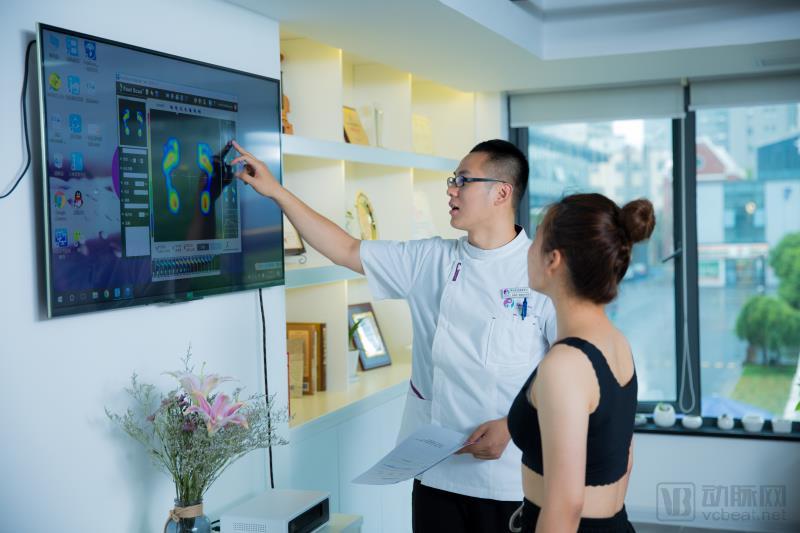
At Jijin Wanmei, in addition to taking a detailed symptom history, the treating physician conducts a physical examination of the limbs. As the therapeutic approach is predominantly physical and entirely excludes pharmacological intervention, the physician assesses the extent of joint limitation through postural changes from various angles and standardized functional evaluations. Meanwhile, professional clinical judgments are made by palpating the condition of muscles and fascia, with reference to imaging studies.
Furthermore, Jijin Wanmei’s rehabilitation therapy places significant emphasis on patient communication; at times, “talk therapy” serves as a highly effective treatment modality. Throughout the entire experience, the staff attentively considers patients’ feelings, offering words filled with encouragement, care, and understanding. This level of warm, attentive service is rarely encountered in overcrowded public hospitals.
Exploring Community-Based Rehabilitation: Focusing on Core Rehabilitation Scenarios of the Future
Communities are not only the smallest units of residence but also the most fertile ground for word-of-mouth effects. For residents, interactions among neighbors can rapidly popularize brands and services.
“Community rehabilitation centers are relatively smaller in scale. Our primary goal is to model them after physical therapy clinics abroad, focusing mainly on the niche segment of musculoskeletal rehabilitation. These services primarily cater to local residents, enabling them to easily access high-quality modern physical therapy and sports rehabilitation right at their doorstep. A functionally healthy body is the foundation for people to enjoy a better quality of life.”
According to Feng Feng, SpinePerfect currently offers two pricing models: a membership system and a session-based card.
In terms of staffing, a community-based clinic is typically equipped with one physician and three to four rehabilitation therapists or sports rehabilitation specialists. Its footprint is significantly smaller than that of clinics located in office buildings, averaging approximately 150 square meters. An average daily patient volume of 20–30 is sufficient to meet operational requirements.
One of the largest expenses in opening a new store is fixed costs—besides rent, there are also physical therapy and rehabilitation training equipment, assessment instruments, etc. The infrared motion-sensing assessment device is the most commonly used instrument in the store, used for evaluating posture. Pure manual physical therapy techniques, combined with medical exercise training, make the entire process a "purely green, pain-free" enjoyable experience.
Feng Feng believes that the community-based rehabilitation model has currently gained recognition among nearby residents, which is a positive trend. If individual stores perform well operationally, it is entirely feasible to replicate the business model and rapidly expand by opening new locations.
During a conversation that lasted nearly the entire afternoon, one point proved particularly thought-provoking: according to industry insiders, the current state of the rehabilitation sector is comparable to where the dental industry stood ten years ago—only when demand is recognized can the market truly develop.
Benefiting from favorable national policies supporting the development of Traditional Chinese Medicine (TCM) and rehabilitation medicine, Jijin Wanmei has unlocked the door to rapid growth. From its humble beginnings with just two or three employees in a single studio, the company has grown into an organization of considerable scale. Jijin Wanmei will continue to deepen its expertise in rehabilitation training by developing both online and offline courses and continuously recruiting top talent. Meanwhile, in the community rehabilitation sector, once its operational model reaches maturity, the company aims to expand into a well-known chain brand, thereby securing a stable customer base.
According to the plans revealed by Zhu Guomiao in a media interview, their goal over the next 3–5 years is to expand to 30–50 chain clinics specializing in integrated traditional Chinese and Western medicine rehabilitation.