

Founder Li Changjiang Aims to Revolutionize Community Healthcare with Jiaxing Chain Clinics Following Successful Hospital Leadership
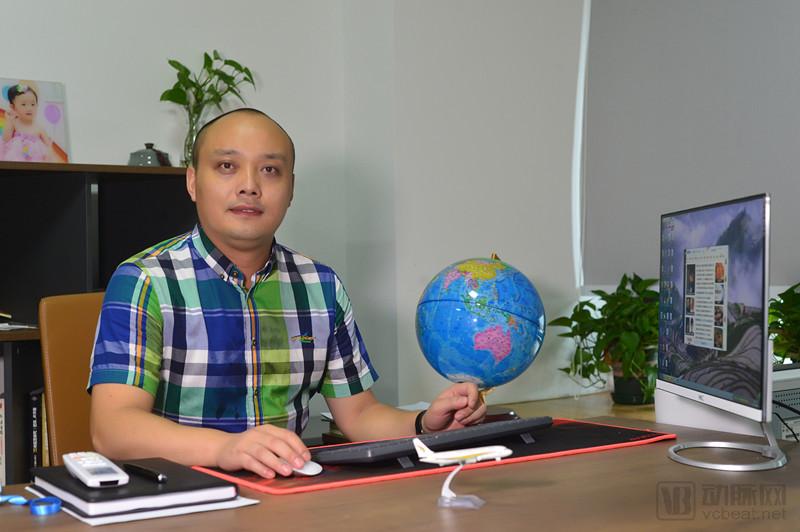
Born in 1982, this young professional has been deeply rooted in the healthcare industry for over a decade. Over the past eight years, he managed three private hospitals with annual outputs exceeding RMB 100 million each, transitioning from a senior professional manager to an actual investor. However, just as he reached the peak of his wealth and career, he resolutely stepped away to embark on a modest community-based venture—establishing Chongqing’s first chain of general practice clinics.
He is Li Changjiang, founder of Chongqing Jiaxing Community Chain Clinics. Within six months, he opened four community chain clinics and integrated them with the national health insurance payment system. “I aim to build a branded community clinic chain that is as ubiquitous in residential neighborhoods as Lawson convenience stores, enabling residents to access high-quality, reliable primary care services right at their doorstep. This will help effectively implement national policies such as the family doctor system, tiered diagnosis and treatment, and medical consortia, thereby alleviating the predicament of patients seeking hospital-level care for minor illnesses.”
Which is easier to manage: a hospital or a chain of community clinics?
Yesterday, the reporter visited the Jiangyucheng branch of Jiaxing Chain Clinics in Liangjiang New Area. Everywhere the eye could see exuded a sense of relaxation and comfort.
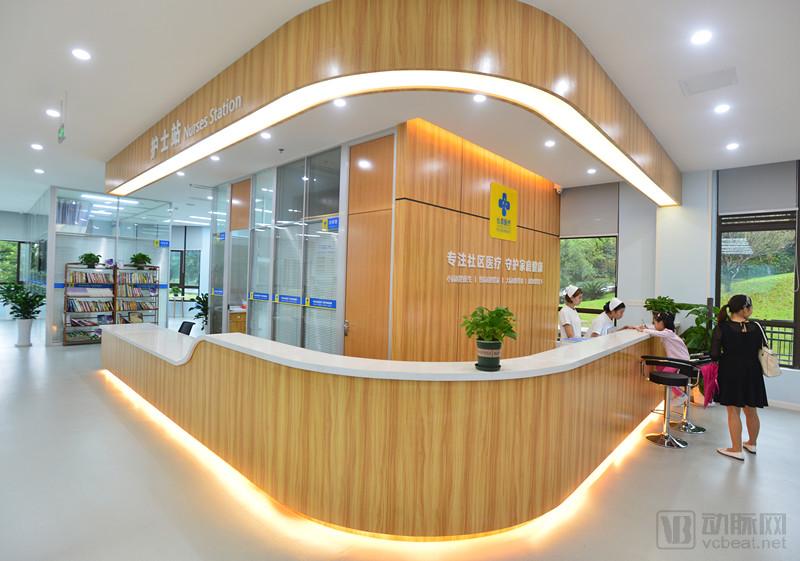
Spanning 360 square meters and staffed by 5–8 medical professionals, the clinic offers services in traditional Chinese medicine, internal medicine, and other specialties. The space features bright windows, clean surfaces, and a warm color palette. Green plants adorn the corners, while the infusion area boasts eye-catching bookshelf-style partitions reminiscent of a café bar. Medical staff in uniform white attire greet patients with the warmth and familiarity of neighbors meeting on the street. Timed UV sterilization lamps are installed in both public areas and consultation rooms to ensure comprehensive disinfection without blind spots. Stepping into the clinic, one feels none of the oppression typical of traditional hospitals; instead, it evokes the welcoming atmosphere of a cozy convenience store.
“Chronologically, the Jiangyucheng branch is the third ‘child’ of the Jiaxing chain of clinics!” He explained that from last June to the end of November, a span of just six months, they had also established three additional clinics in the Youshan Xiaozhu community in Liangjiang New Area, the Chunhua Qiushi area at University Town, and the Kangtian Mancheng community. All branches feature completely standardized signage, interior design styles, and furniture. Although the current setup cost for each clinic is only several hundred thousand yuan, Li Changjiang’s projections indicate that as Jiaxing Clinics opens its fifth, sixth, and subsequent locations in other parts of Chongqing, the per-clinic setup cost could drop to one-third of the current level.
After more than half a year of operations, the four clinics that have opened have seen steady improvements in their business performance, basically achieving his expected goals, with the chain effect gradually becoming prominent.
It must be acknowledged that his prior experience in hospital management has been highly beneficial in managing clinics. He believes that hospitals offer a broader and deeper scope of diagnosis and treatment compared to clinics, necessitating more comprehensive departments and larger staff complements. This results in higher labor and management costs, as well as greater medical risks. In contrast, clinics provide a relatively narrow range of services with less extensive coverage, leading to a more homogeneous patient population primarily seeking care for common and frequently occurring diseases. This characteristic, of course, facilitates standardization.
In the past, managing a hospital felt like walking on thin ice. Three major burdens weighed heavily on my chest: The first was medical quality and patient safety. My phone remained on 24/7, 365 days a year, and I dreaded receiving calls from the hospital in the middle of the night. The second burden was patient acquisition. The third involved the management, retention, and recruitment of medical technical talent. These are all critical factors affecting team harmony, medical quality, patient safety, and patient satisfaction.
“Hospitals and clinics also differ in their positioning within the healthcare industry. Hospitals are centered on disease treatment, whereas our Jiaxing Chain Clinics are positioned as ‘health gatekeepers’ for community residents. We remain committed to providing high-quality diagnosis and treatment for common illnesses and family health management services, making it more convenient for community residents to access medical care.”
He is seasoned in hospital management, but he must start from scratch when it comes to operating a clinic. In addition to securing medical technical talent, he has also been racking his brains over the operational model.
To this end, he examined overseas community healthcare models and found Singapore’s model worthy of emulation. Singapore’s community healthcare model delivers a three-tiered service structure comprising primary care, integrated care, and medium- to long-term care. These services are provided by private, public, and non-governmental healthcare institutions, which integrate the three types of care into a continuous care system. Through multi-stakeholder collaboration, the system offers comprehensive care services to facilitate prompt patient referrals.
Based on this, Jiaxing Chain Healthcare’s community operation model was established. It provides high-quality medical services to community residents in a scientific and standardized manner, focusing on family physician services, chronic disease management, and tiered diagnosis and treatment. Meanwhile, the company also offers reliable evidence to support healthcare reform initiatives by functional departments and public health infrastructure development.
“Shortly after the Jiaxing Community Chain Clinics were established, I integrated health insurance payment services to earn the trust of local residents,” said Li Changjiang.
In terms of clinic operations, we have not only conducted multiple community outreach initiatives—providing free health screenings and education on disease prevention to residents—but are also actively advancing the clinic’s digital infrastructure. These efforts aim to help more residents recognize that ours is a modern, professional community clinic where they can access high-quality medical services while significantly reducing their healthcare costs.
It is reported that, in order to further enhance the level of medical services available to community residents, Jiaxing Chain Clinics are currently collaborating with a physician group. By utilizing appointment-based systems and other methods, they invite expert professors from top-tier (Grade 3A) hospitals to their various clinic locations, thereby truly enabling community residents to access Grade 3A hospital-level medical care right at their doorstep.
To date, Jiaxing Community Chain Clinics has invested millions of yuan. Li Changjiang stated, “2017 was our year of inception, and 2018 will be a year of aggressive expansion for us. Currently, we are also seeking high-quality financing.”
Across China and indeed globally, numerous industries boast prominent chain brands, such as KFC, McDonald’s, and CSC (Country Style Cooking) in the food and beverage sector; Vanke, Longfor, and Sunac in real estate; and Walmart, Yonghui, and Lawson in retail. Why should community clinics be any different?
Li Changjiang believes that community clinics should also establish chain brands. Through brand-based management, this approach would not only significantly improve the standard of primary healthcare and enable the public to access high-quality medical services, but also provide reliable evidence for healthcare administrative authorities in areas such as healthcare reform, thereby benefiting both the nation and its people.
Moreover, in his vision, the Jiaxing Community Chain Clinics are just one product under Chongqing Youxing Hospital Management Co., Ltd., with the other being the Youxing Expert Medical Center. The company is committed to building Chongqing’s first secondary-level ecological medical closed-loop model that integrates community healthcare with an expert center. It consistently adheres to the business philosophy of serving as “your doctor for minor illnesses, your manager for chronic diseases, your advisor for serious conditions, and your assistant during rehabilitation.”
Youxing Expert Medical Center is built upon the foundation of the Jiaxing Community Chain Clinics, featuring vertical integration between upper- and lower-tier facilities, patient referral flows, and technical support dissemination to help users address a broader range of health issues. As a premium healthcare brand under Chongqing Youxing Hospital Management Co., Ltd., it primarily operates on an appointment-based consultation fee model. It aims to establish Chongqing’s first expert-sharing platform and will offer specialized clinics in pediatrics, internal medicine, surgery, gynecology, andrology, oncology, and optometry. The center provides high-quality specialized diagnosis and treatment, private physician services, and health management solutions for high-net-worth individuals and those with special healthcare needs.
According to Li Changjiang, Jiaxing Community Chain Healthcare will follow a two-phase five-year development plan. The first five-year plan is expected to involve a cumulative investment of RMB 50 million, with the goal of establishing 80 chain community medical institutions in Chongqing’s main urban area, serving 3 million residents and creating employment opportunities for 600 healthcare professionals. The second five-year plan is also projected to require an investment of RMB 50 million, aiming to expand coverage across the entire municipality of Chongqing, achieve a total of 150 chain medical institutions citywide, and establish a comprehensive big data system for community healthcare.
Li Changjiang stated that achieving his ambitious goals is by no means an easy task. When he chose the entrepreneurial path of community-based chain clinics, he was fully prepared to persevere relentlessly, regardless of the obstacles encountered along the way.