

Commercialization Challenges in Microbial Sequencing: Foundational Research and Regulatory Frameworks Are Still Evolving—Time Remains the Greatest Hurdle
2018At the beginning of the year, 《Science》Two articles on studies exploring the correlation between microbiota and tumors were published on the same day, both revealing that human gut microbiotaPD-1/PD-L1The Impact of Immunotherapy.
From 2015 to the present, 《Science》The fifth study on the influence of gut microbiota on tumor immunotherapy has been published successively. These five landmark studies, taken together, have virtually confirmed the correlation between tumor immunotherapy and gut microbiota.
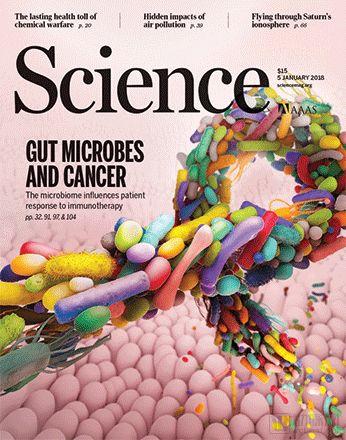
January 9, 2018 《Science》 Cover
In recent years, microbiome research has yielded abundant results. Beyond oncology, numerous studies have demonstrated correlations between human commensal microbes and neurological, immune, and metabolic disorders.
The rise of microbiome research appears to have opened another door to human understanding of disease. At the recently concluded 2018 J.P. Morgan Healthcare Conference, Bill Gates also highlighted the importance of microbiome research to human health.
In China’s 13th Five-Year Plan (2017), microbiome research was highlighted as a key focus and listed among the frontier technologies requiring breakthroughs. As scientific research achievements continue to emerge, related domestic startups have also sprung up.
From an industry perspective, the rise of microbiome-related industries seems to be brewing a revolution in the healthcare sector. However, looking at the current state of the industry, there are very few commercial products related to microbiomics, whether it is B2B scientific testing or B2C health management products. The number of products is extremely limited, and market acceptance remains low.
Given the fervor of frontier research and the promising outlook of this discipline, why are there so few commercialized products? What challenges has the commercialization of microbiomics encountered?
Genetic phenotypes are determined by genetic factors and the external environment. Apart from the skin surface, the gut microenvironment is the external milieu most closely associated with human health. In early life, the human microbiota begins to participate in the maturation of the immune system and the establishment of normal tolerance, while also playing a crucial role in aspects such as nervous system development.
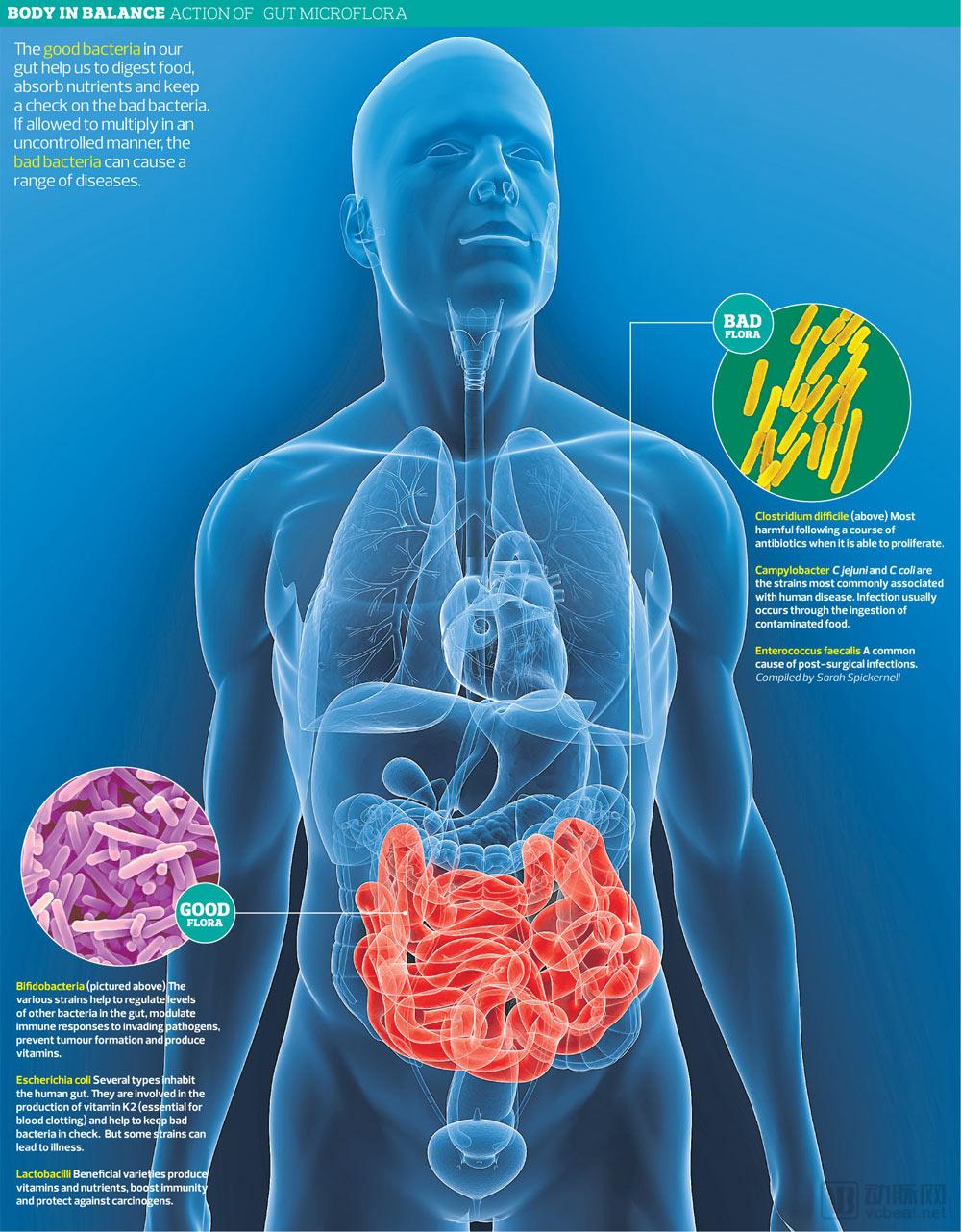
Meanwhile, gut bacteria also play a crucial role in the human body’s digestion and absorption processes. The intestine is the primary site for the metabolism and absorption of food and drugs. After being digested and absorbed in the intestine, drugs and nutrients enter the systemic circulation via the bloodstream and are distributed throughout the body.
Current research suggests that approximately one-third of the small molecules entering the human bloodstream are produced by the gut microbiota, and these metabolites play critical roles in key physiological processes such as immunity and metabolism.
“Therefore, to some extent, the gut serves as the engine of the immune system and can influence the overall health of the human body,” Lan Canhui, founder of the Institute for Gut Microbiota Biotechnology, told VCBeat.
During intestinal digestion, in addition to the body's own proteases, microorganisms and their metabolites also influence intestinal absorption.
For instance, the consumption of unhealthy foods or antibiotic medications can disrupt the entire gut ecosystem and impair immune function. These effects can propagate systemically via circulatory mediators, such as blood and lymphatic fluid. Furthermore, certain nutrients, such as lecithin found in eggs and choline present in red meat, can be metabolized by the gut microbiota into pro-thrombotic substances.
“Moreover, these metabolites may also affect certain functions of the nervous system and nerve cells via the gut-brain axis, thereby establishing a link with neurological disorders,” said Song Zhuo, CTO of Renhe Future.
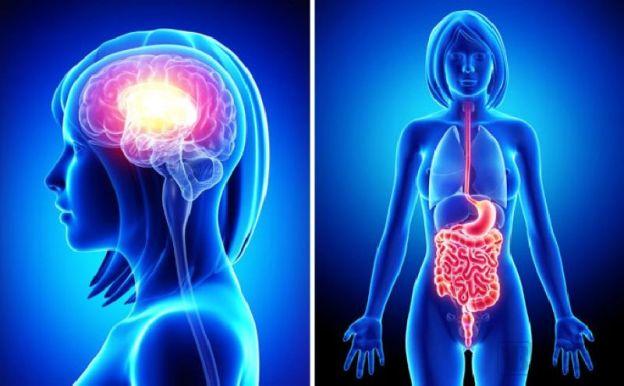
From an immunological perspective, approximately 70% of mucosal immune responses occur in the gut. The intestine is also the most critical human organ for establishing immune tolerance. A certain level of microbial exposure can train the immune system, promoting normal immune responses and the establishment of immune tolerance mechanisms.
“Theoretically, gut microbiota are associated with immune-related diseases in the human body, such as allergies, rheumatoid arthritis, type 1 diabetes, asthma, and even tumors,” said Lan Canhui.
From metabolic and immunological perspectives, gut microbiota are, to some extent, associated with various human diseases. A growing number of scientists are striving to investigate how gut bacteria (including specific strains) influence human health and what roles the gut microbiome plays in numerous diseases.
“We have reason to believe that as research deepens, the relationship between microbes and human health will become clearer,” said Qin Nan, Founder and CEO of RayBiotech.
The completion of the Human Genome Project has provided humanity with a preliminary understanding of its genetic map. Nevertheless, as often stated, phenotypic traits are determined by the interplay of genetic factors and environmental influences. To achieve a deeper understanding of genetic mechanisms, it is essential to examine not only intrinsic factors but also extrinsic ones.
Since the completion of the Human Genome Project was announced in 2003, the Microbiome Project has been placed on the research agenda. The earliest initiative dates back to 2007, when the United States launched the Human Microbiome Project.
This project is called the Human Microbiome Project (HMP). Initiated by the NIH, its name suggests a certain parallel to the Human Genome Project. The project was established in 2007, officially launched in 2008, and completed in 2013.
The Human Microbiome Project (HMP), with a total investment of $120 million, sequenced the microbiota from various body sites of 300 volunteers and decoded the whole genomes of 3,000 microbial species. Through the Human Microbiome Project, humans have initially established a reference database for human symbiotic microorganisms.
In 2008, the European Union also launched an ambitious initiative. Named the Metagenomics of the Human Intestinal Tract (MetaHIT), it was one of the projects funded under the EU’s Seventh Framework Programme (FP7). The project aimed to establish the relationship between human gut microbial genes and human health and disease, which is one of the key distinctions from the Human Microbiome Project.

The Human Gut Metagenome Project was launched on January 1, 2008. As of June 30, 2012, with a total investment of €22 million, it had identified 3.3 million gut microbial genes and proposed the concept of three enterotypes.
Unlike the Human Microbiome Project, the Human Gut Metagenome Project was not conducted by a single country but was jointly undertaken by 14 institutions across eight countries.
Meanwhile, this initiative also marked the starting point for microbiome research in China, with BGI Genomics undertaking a substantial portion of the sequencing work. Furthermore, young scientists represented by Wang Jun have identified certain patterns through big-data analysis, with their findings successively published in top-tier journals such as Nature.
These two initiatives are the pioneering efforts in gut microbiota research, after which countries such as the United States and Brazil successively launched their National Microbiome Projects. Although some related studies had been conducted previously, it was these two initiatives that truly ignited the industry.
BGI’s participation in MetaHIT represents one of the earlier records of involvement in microbiome research in China, and this project also marked the first large-scale application of next-generation sequencing technology to microbiome sequencing.
In an article, Lan Canhui once mentioned that when the EU launched the MetaHIT project, the initial collaboration was solely focused on sequencing. However, one cannot help but admire the ingenuity of this group of young Chinese scientists. Wang Jun, Qin Junjie, and others recognized the significant potential for data mining within the sequencing datasets and quickly became deeply involved in MetaHIT.
In addition to the 2010 publication reporting 3.3 million genes, the MetaHIT consortium, supported by BGI, published articles in Nature in 2012 and 2013 on the associations between diabetes, obesity, and the gut microbiota. In 2014, a team led by BGI published an article in Nature Biotechnology, expanding the metagenomic reference gene set to nearly 9.88 million. In November 2016, the BGI team further updated this figure to 11.4 million in an article published in Cell Systems.
Regrettably, although BGI Genomics has continued its efforts in metagenomic sequencing, it has not initiated or participated in any major microbiome research projects for a considerable period, nor is it currently advancing the development of products analogous to NIPT.
Subsequently, as international basic research on microbiome technologies has deepened, some entrepreneurs with keen business acumen have begun to enter this industry.
BGI Group and Novogene, among other enterprises, initiated related research sequencing in the early stages. In 2014, Zhao Baiwen left BGI Group to establish Quantified Health, China’s first biotechnology company dedicated to the field of individual microbiomes. During the same period, companies such as Shanghai-based RayBiotech (Ruiyi Gene) and Shenzhen-based Puyuan Technology were also founded. Subsequently, scientific and translational research in microbiomics gained increasing momentum, attracting companies originally engaged in other sequencing services to enter this industry.
Human-based gene sequencing technologies typically involve single-time testing, whereas microbiome-based gene sequencing entails a process of repeated, longitudinal monitoring, given that the human microbiota is not static.
“Meanwhile, the human symbiotic microbiome can be artificially modulated, which is conducive to the development of related technologies and commercial applications,” said Song Zhuo.
The microbial industry chain is extensive, extending beyond the sequencing phase of attribute assessment to include downstream sectors such as the dietary supplement market. “The product portfolio in the microbiome sector is highly diversified, which we believe is a key factor attracting numerous companies to enter this space,” said Qin Nan.
When discussing the product forms of microbial sequencing, it is impossible not to mention the American company uBiome.
Qin Nan introduced SmartGut, a product under uBiome.TMIt is the world’s first clinical microbiome testing product based on sequencing. It can detect specific gut infections and quantify levels of beneficial and pathogenic bacteria under various disease conditions, such as inflammatory bowel disease (IBD), irritable bowel syndrome (IBS), and even obesity and diabetes.
Another product, SmartJaneTMIt is the first vaginal screening test kit for women capable of simultaneously detecting multiple conditions (including HPV, sexually transmitted infections, etc.) and assessing the vaginal microbiota balance associated with cervicitis, idiopathic infertility, pelvic inflammatory disease, and bacterial vaginosis.
Other microbiome testing companies also have their own unique selling points. U.S.-based AOBiome focuses on skin microbiome testing and research related to acne treatment, while Israel’s DayTwo concentrates its gut microbiome research on blood glucose control.
In the domestic market, these commercialized products can be broadly divided into two categories:
One category comprises rigorous medical products geared toward clinical applications, while the other consists of health management products oriented toward general wellness.
“The serious medical market for microbiomics is currently mainly applied in hospital research,” said Zhao Bowen, founder and CEO of Quantified Health.
Before next-generation sequencing (NGS) technology was applied to microbial sequencing, microbiome research was limited to single-species and qualitative analyses, and the understanding of microbial detection was confined to infectious diseases. NGS has enabled multi-species detection and quantitative analysis, revealing correlations between many diseases previously thought to be unrelated to human commensal microbes—such as diabetes and depression—and these microbial communities.
“Which other diseases are associated with microbes, and what are the mechanisms by which microbes influence human health? With the application of next-generation sequencing to microbial sequencing, these questions have been revisited and reexamined,” said Zhao Baiwen.
Likewise, next-generation sequencing (NGS) technology has provided clinical experts and researchers with advanced tools and channels to explore the intricate relationship between microbes and human health. Undoubtedly, NGS has also spurred the rise of microbiomics.
Some products from Yan Su Medicine are already in application, such as colorectal cancer screening, which involves microbial detection technologies. However, for microbiomics to give rise to a second NIPT (Non-Invasive Prenatal Testing) in clinical practice, coordinated efforts between regulatory bodies and cutting-edge technologies are required.
Health management products represent a relatively popular sector at present. Some companies choose to partner with dietary supplement manufacturers to launch offerings based on the “gut microbiota testing + probiotics/prebiotics” model. The business models for these products are primarily B2C or B2B2C. Users undergo gut microbiota testing to understand their gut microbial composition and then take corresponding probiotic supplements based on the test reports, thereby achieving goals such as weight management or chronic disease management.
Currently, health management products are commercializing at a faster pace, likely leveraging the tailwinds of the wellness industry (sequencing companies should also be wary of being reduced to marketing tools for prebiotic firms).
“But the time to market for these products is extremely short; how users will ultimately accept them remains to be seen through market feedback,” Qin Nan revealed.
Furthermore, although cutting-edge basic research has demonstrated that microorganisms play a role across various disease areas, no other product forms have yet emerged (if you are aware of or have developed other product models, please feel free to contact VCBeat).
Existing research indicates that human commensal microorganisms are closely linked to human health; conversely, the composition of these commensal microorganisms can also reflect an individual’s health status. Based on this theoretical framework, future applications of microbiomics in human health can be broadly categorized into three types.
The first category treats the microbiota as an intrinsic biomarker of the body, akin to blood tests, thereby enabling the diagnosis and prediction of diseases.
The second category involves leveraging the relationship between the gut microbiota and human metabolism and immunity, targeting the microbiota to achieve adjunctive therapeutic effects through its modulation.
On November 2, 2017, *Science* published two landmark studies simultaneously: two research teams demonstrated through large-scale analyses of patients with various cancer types who had received PD-1 inhibitor therapy that the gut microbiota indeed plays a decisive role in immunotherapy.
Mouse experiments have shown that fecal microbiota transplantation may improve treatment outcomes in individuals who are initially insensitive to PD-1. This is a typical example.
The third category is based on the theories of the first two categories and directly uses the microbiota as a drug.
“Currently, probiotics can be supplemented to address deficiencies in the human body, and in the future, phages may be used to selectively eliminate harmful bacteria in the gut,” mentioned Song Zhuo.
Some modern medical treatments, such as chemotherapy, antibiotics, and bone marrow transplantation, have a significant impact on the human microbiome. “Although research in this area is still insufficient, it is clear that these procedures cause damage to the microbiota,” said Zhao Bowen. “Such damage is difficult to reverse naturally, but artificial interventions can help regulate and restore balance.”
“I am particularly optimistic about its clinical applications, such as personalized therapies targeting PD-1/PD-L1,” said Lan Canhui. “Companies can collaborate with physicians on research to develop companion diagnostic kits and auxiliary diagnostic products.”
For instance, studies have already demonstrated that Helicobacter pylori in the stomach can promote the development of gastric cancer. Any company that achieves a breakthrough in the field of major clinical diseases has the potential to rapidly capture significant market share.
“Furthermore, leveraging artificial intelligence algorithms to tailor dietary and medication regimens for individual patients represents a promising direction,” said Lan Canhui. “Sequencing companies also need to invest time and resources in coordinating with physicians.”
The microbiome-related industries in the United States and Europe are flourishing, with well-known companies such as Seres Therapeutics, Rebiotix, Enterome Bioscience, and Second Genome.
However, the commercialization of China's microbiology industry has been severely lagging.Nearly all microbial sequencing companies share the same business logic, with little differentiation in their implementation approaches.
Despite the continuous breakthroughs in cutting-edge basic research, commercialization in China remains scarce. What challenges is microbiome commercialization facing?
Although basic research has revealed the relationship between microbes and many diseases, most studies have found a correlation rather than a causal relationship, and many mechanisms of interaction remain unclear.
Furthermore, the microbiome is influenced by environmental factors to some extent; variations in water and food intake may also lead to differences in gut microbiota. Therefore, unlike the Human Genome Project, a China-led genomic initiative is required to better understand the relationship between the microbiome and the Chinese population.
The Chinese Academy of Sciences (CAS) invested RMB 30 million in its Strategic Priority Research Program to launch the CAS Microbiome Initiative. The Microbiome Innovation and Entrepreneurship Initiative, co-founded in 2016 by Professor Yang Ruifu from the Academy of Military Medical Sciences and Qin Nan, subsequently launched the Chinese Gut Metagenome Project in 2017. Both research institutions and non-governmental organizations have initiated various research programs of varying scales.
At the national level, China has not yet launched a national microbiome initiative, but the outlook is optimistic. At the end of 2016, a symposium on the Chinese Microbiome Project was held in Xiangshan, where it was explicitly proposed to launch a microbiome program at the national level. In the 13th Five-Year Plan (2017), artificial intelligence and microbiomics were listed as key technologies for priority development.
“In 2017, BGI published a research article in Nature Medicine on changes in gut microbiota and serum metabolism in obese individuals following weight-loss interventions. Professor Zhao Liping’s team at Shanghai Jiao Tong University also published a nutrition-related review article in Cell Metabolism. Since 2014, our team has published several studies in Nature and Genome Biology on the association between gut microbiota and liver cirrhosis as well as ankylosing spondylitis,” Qin Nan told VCBeat. “The academic research atmosphere surrounding the microbiome in China is favorable, with Chinese Academy of Sciences institutes, universities, hospitals, and enterprises all vigorously promoting the development of microbiome science in the country.”
Therefore, from this perspective, even though it has not yet been officially launched, the initiation of a national-level microbial genomics project in China is only a matter of time.
Undoubtedly, clinical practice is one of the most ideal application scenarios for genetic testing. However, for products to enter the clinical setting, they must obtain approval from the China Food and Drug Administration (CFDA).
NIPT is currently the only next-generation sequencing (NGS) product approved for clinical use; after several years of refinement, oncology testing products are also on the verge of a breakthrough.
However, apart from these two categories, products such as those for genetic diseases and microbiome-based therapies have not yet entered the preparatory stage for clinical approval, and the relevant regulatory frameworks have not been established. This may introduce many uncertainties for companies aspiring to bring their products into clinical application.
However, as NIPT and oncology testing products gain clinical acceptance, and regulatory bodies increasingly recognize and prioritize these technologies, the establishment of subsequent regulatory frameworks and the approval process will undoubtedly accelerate.
Furthermore, given the current level of national emphasis on cutting-edge technology, regulatory approval is merely a matter of time, provided that the product can address clinical needs and its accuracy meets established standards.
“To some extent, this presents more of an opportunity for companies with strong capabilities (in terms of capital and technological strength),” said Lan Canhui.
“Many people consider microbiomics to be ‘hot,’ but this enthusiasm remains confined to industry insiders, such as investors, entrepreneurs, and researchers. The high level of interest within the venture capital, startup, and research sectors does not necessarily indicate that the technology is widely embraced or recognized by consumers,” said Song Zhuo.
Furthermore, most gut microbiome tests rely on stool sampling, which can pose psychological barriers for some consumers. The ability to forge a commercialization pathway through probiotics has, to some extent, benefited from the growth of the probiotic industry.
If consumers are unwilling to undergo the sampling process, the subsequent need for rigorous testing and analysis—along with the cumbersome procedures and prolonged waiting periods—will further diminish their acceptance of the product.To gain consumer acceptance of such products, in addition to product design and marketing, it is essential that consumers develop a rational understanding and recognition of the underlying technology.
“Startups across the entire life sciences sector generally lack product managers, and the microbiome industry is no exception,” said Lan Canhui.
Founding teams of life sciences companies are typically composed of scientists or individuals with research backgrounds, who may have embarked on entrepreneurship driven purely by passion. In the current environment, where both market conditions and scientific regulatory frameworks remain immature, companies must carefully consider how to progressively develop mature products and deliver superior offerings when the market reaches maturity.
Furthermore, these products may be targeted at either scientific research or consumers; achieving a harmonious product portfolio remains a challenge for most companies.
In the entire next-generation sequencing (NGS) industry, the establishment of databases is of paramount importance. Given the current level of commercialization of microbiome sequencing products, the primary channels for data acquisition remain within scientific research and clinical settings, with hospitals continuing to be the most viable source for data collection.
“But what we cannot ignore is that hospitals have limited capacity in terms of data acquisition,” said Zhao Bowen.
As products become commercialized, this industry may need to explore alternative channels, similar to direct-to-consumer genomic testing products. However, he noted that there is a quality disparity between consumer-grade data and research-grade data. To ensure consistent data quality across various acquisition channels in the future, it is essential to establish standardized guidelines for microbial sequencing.
Summary:
From a clinical perspective, the exploration of cutting-edge basic research and the establishment of regulatory mechanisms cannot be rushed. Yet these elements constitute a critical foundation for product development; regardless of whether products are intended for clinical-grade or consumer-grade use, their development relies on the outcomes of frontier research.
At the market level, user awareness is built on product marketing and the product itself, which largely depends on product development. Meanwhile, establishing a data acquisition mechanism through consumer channels requires user acceptance.
Overall, what commercialization of microbial sequencing needs most is time. It took 10 years for NIPT to go from technological inception to product commercialization. Meanwhile, the discipline of microbiomics has only a 10-year research history, with its applications emerging just 3–5 years ago.
Frontier research takes time, regulatory mechanisms take time to establish, and product and market development must be explored on the basis of frontier research. However, this period should not be one of passive waiting. The microbiome field will emerge as a sunrise industry, yet it will also be highly competitive. To stand out in this sector, companies must seize early-mover advantages before all conditions are fully in place.
Special Thanks:Zhao Bowen, Founder of Quantified Health; Song Zhuo, CTO of Renhe Future; and Wei Wenjuan, Senior Gut Product Manager,Lan Canhui, Founder of ReBiotech Institute; Qin Nan, Founder of Realbio (listed alphabetically, in no particular order). We extend our sincere gratitude to the above individuals for their strong support of this article.