

Global Leaders in Healthcare AI Investment: $180M, $313M, and $250M Funds Back Early-Stage Innovation
Recently, reports have indicated that many tech giants and major players in the healthcare sector have launched accelerators specifically dedicated to AI projects. A prime example is Google’s Launchpad Studio, a specialized startup accelerator focused on advancing the practical application of artificial intelligence in healthcare.
Furthermore, Optum (ranked No. 1 globally in healthcare technology on the IDC Health Insights list) has also announced the launch of a $250 million fund to invest in early-stage AI and big data projects in the healthcare sector.
Optum has invested $250 million in a venture capital fund focused on AI in healthcare. According to recent data from StartUp Health, investment in digital health companies reached an all-time high in 2017. As attention to the healthcare sector continues to grow, many more investment funds are joining the fray.
Boston issued a statement several months ago noting that numerous early-stage funds have expressed their commitment to supporting health tech. These include M33 Growth’s $180 million growth fund, Leerink Transformation Partners’ $313 million growth-stage fund, and Optum Ventures’ $250 million early-stage fund.
“Although many believe that the digital health industry still harbors a bubble, we can still identify substantial opportunities given healthcare sector spending and the pressing need for transformation in this field; there remains significant room for investment,” said AG Breitenstein, a partner at Autumn Venture Capital.
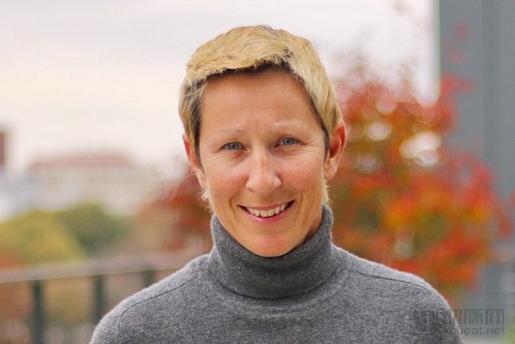
A.G. Breitenstein
Optum Ventures is the venture capital arm of Optum, a health insurance company under UnitedHealth Group (NYSE: UNH) based in Minnesota.
Breitenstein previously founded a non-profit enterprise focused on leveraging data to improve the healthcare industry. Her last startup, Humedica, was acquired by Optum in 2013. Prior to that, Breitenstein served as Chief Product Officer at Humedica and continued in the same role within Optum’s analytics business following the acquisition.
Virginia McFerran, another partner at Optum Ventures, previously served as CEO of Optum’s analytics business. Prior to that, she was Chief Information Officer at UCLA Health, Weill Cornell Medicine, and the Salk Institute for Biological Studies.
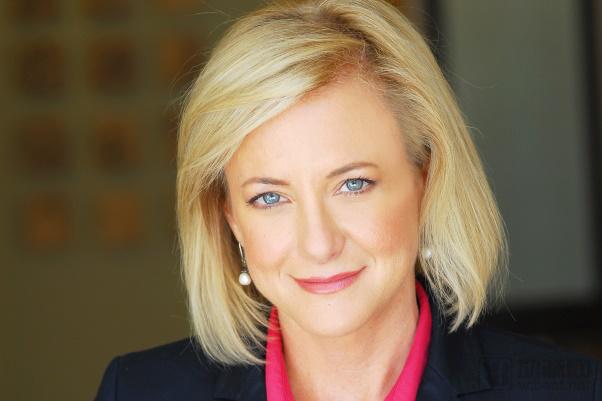
A.G. Breitenstein
Breitenstein stated, “Optum Ventures plans to launch at least one foundational product that attracts early customers among its Series A and B startup portfolio companies.”
Breitenstein believes that medical AI is gradually moving away from “grand and nebulous” concepts, shifting toward more defined and pragmatic products. She points out that AI can be used as a patient–physician matching tool to connect patients with doctors or help patients find the care services needed for their conditions.
Jeff Immelt, former CEO of General Electric, stated at a digital health event in Boston: “For years, corporate venture capital funds have been called ‘company killers.’”
Breitenstein argues that “bureaucracy” has led to the generally poor reputation of funds among entrepreneurs. Autumn Venture Capital is attempting to make its fund more “agile” by establishing it as a separate entity from its affiliates and setting up a streamlined oversight body. A committee composed of joint healthcare companies will assign high ratings to each investment.
Venture capital is finding it difficult to stand out, and the ways entrepreneurs raise funds are constantly evolving, such as through online equity crowdfunding and digital token sales. No one knows what impact the long-term use of these new tools will have on traditional venture capital firms, but Breitenstein is not worried about this.
Her company’s connections with Optum and UnitedHealthcare could prove valuable for startups, helping them secure clients or, at the very least, gather feedback on their products from industry insiders.
“I believe that in the early stages, risk mitigation is one of the most valuable things a startup can do,” she said. “Partnering with the right venture capital firms will help them validate their business and product models, which is highly appealing to savvy entrepreneurs.”
According to her, Optum Ventures will help portfolio companies gain access to vast amounts of healthcare data from its parent company, which is critical for AI developers training their algorithms.
“AI technology sounds sexy, but there is often not enough data to support its development,” said Breitenstein.
For years, healthcare technology investors have widely regarded the implementation of electronic medical records (EMRs) and the shift from fee-for-service models to value-based care as the two most significant trends reshaping the healthcare industry.
Todd Cozzens is the co-founder and managing partner of Leerink Transformation Partners (LTP). The firm is the Boston-based healthcare investment arm of Leerink Partners, an investment bank focused on healthcare. LTP recently announced that it had raised $313 million to invest in healthcare IT and services companies.
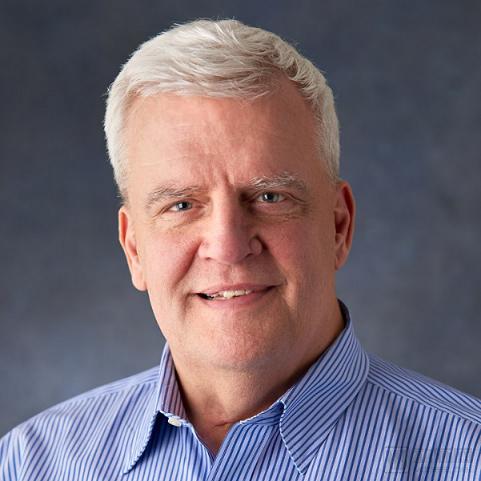
Todd Cozzens
Cozzens stated, “The rise of EMRs and value-based care has indeed made healthcare a focal point for funds.”
According to VCBeat, Cozzens has worked in this field for more than two decades. In the 1990s, he was a senior executive at Marquette Medical Systems, where he helped guide the company through its initial public offering and subsequent sale to GE Healthcare.
Subsequently, he founded and led Picis in developing an advanced EMR system. Today, Picis generates $200 million in annual revenue and is considering an initial public offering (IPO). However, in 2010, the company was acquired by a subsidiary of UnitedHealth Group.
Later, Cozzens joined Sequoia Capital and became one of the partners overseeing its healthcare investments. During this period, he invested in MedExpress, which was acquired by Optum, a subsidiary of UnitedHealth Group, for $1.5 billion in 2015.
Two years ago, Cozzens joined Leerink. His LTP co-founder and managing partner, Jared Kesselheim, is a trained physician who previously led healthcare investments at Bain Capital Ventures.
“Today, founders want more than just investors’ money; they seek robust teams that can leverage every available resource to maximize their growth, such as Leerink’s network of over 20,000 industry experts, including regulatory and nursing specialists, as well as business managers and researchers from hospitals and insurance companies,” said Cozzens.
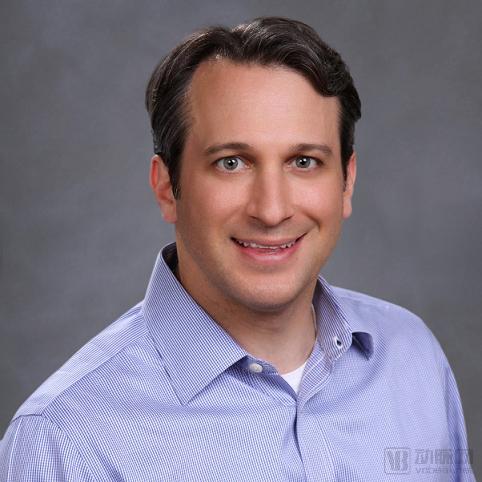
Jared Kesselheim
LTP will invest $10 million to $30 million in each portfolio company, including Outcome Health, Scientist.com, Vera Whole Health, PatientPing, Health Catalyst, and Kyruus.
In addition, LTP is responsible for managing the Massachusetts Innovation Catalyst Fund (MICF), which has a size of $28 million. Regarding this, Cozzens stated, “Investors in MICF include members of the Massachusetts Competitive Partnership (MACP). The fund is led by private and public sector stakeholders, aiming to promote the broadening of the state’s digital health cluster. MICF and LTP’s funds will jointly invest in promising medical technology companies in Massachusetts.”
According to a recent announcement, the company has invested $450 million in startups and has already seen successful cases. This funding will be used to support innovators working in computational biomedicine.
Jorge Conde and Vijay Pande, general partners at Andreessen Horowitz, highlighted the intersection of biology and engineering, stating, “This is just the beginning. We believe that biology today is where information technology was 50 years ago—transforming nearly every industry and touching everyone’s lives.”
The company’s initial $200 million bio fund was established in 2015 to invest in projects leveraging machine learning and deep learning to drive medical breakthroughs. Andreessen Horowitz made 12 investments, targeting early detection of cancer and heart disease, patient coordination, and food science.
Conde and Pande stated, “This $450 million will be used to promote biology across all industries.”
Andreessen Horowitz, in its search for startup investments, also seeks projects with bioengineering capabilities that can plan and innovate in a controlled manner.
These innovators are not only developing new technologies but also adopting forward-looking business models. According to Andreessen Horowitz, they are committed to building robust companies grounded in market dynamics, research, products, and internal culture. “Given the broader vision of these founders, they are poised to establish the next generation of iconic biotech companies, and venture capital firms do not intend to remain on the sidelines.”
Link 1:
https://www.xconomy.com/boston/2017/12/04/optum-unveils-250m-venture-fund-as-healthcare-a-i-narrows-focus/
Link 2:
https://www.xconomy.com/boston/2017/10/20/leerinks-cozzens-on-new-health-it-fund-a-i-s-future-as-a-platform/
Link 3:
http://www.hcanews.com/news/andreessen-horowitz-starts-450m-techheavy-bio-fund