Despite Accounting for Only 4% of Facilities, Township Health Centers Generate 52% of Medical Revenue; Yaoli Tech Secures Tens of Millions in Investment from Yuanjing Capital

1
This Week's Hot Topics
#Current Status of the Primary Healthcare Industry Development#
The government’s introduction of the tiered diagnosis and treatment system and the medical consortium system aims to promote the downward flow of high-quality medical resources, achieve resource sharing, and improve the lagging development of primary healthcare. Primary healthcare has gained new momentum and entered a new stage of development. However, disparities in regional economic development and between urban and rural areas, coupled with an inherent shortage of high-quality medical resources in rural primary care settings, have exacerbated imbalances in the development of primary healthcare. To achieve the healthcare reform goal of equalizing access to basic medical services, it is essential to redistribute medical resources and increase support for the primary care level.
Primary healthcare accounts for as much as 95% of China’s overall medical and health system, encompassing community health service centers (and stations), township (or sub-district) health centers, village clinics, and outpatient departments. With the gradual implementation of healthcare reform policies, significant improvements have been made in the scale, workforce size, and service capacity of primary healthcare in China. However, compared with tertiary hospitals, primary healthcare facilities still lag behind in bed supply and equipment sophistication, and the imbalance between urban and rural development remains a prominent challenge.
Perspective:
1. Healthcare Institutions: Numerical Dominance and Pronounced Imbalanced Development
Total Volume Rises, Growth Rate Slows:From 2011 to 2016, the number of primary healthcare institutions in China showed an overall upward trend, but the growth rate was relatively slow. In 2012, there was a significant decrease in the number of institutions, primarily due to a reduction in village clinics. As urbanization accelerated, the rural population declined year by year, leading to a corresponding decrease in the number of village clinics.
The quantity holds an absolute advantage:Primary healthcare institutions account for approximately 95% of the entire healthcare system, playing a significant role in the development of China’s healthcare sector. In contrast, hospitals, which contribute 78% of the total revenue of medical institutions in China, constitute only 3% of their total number.
Proportion by Quantity Has Declined:The proportion of primary healthcare institutions decreased by 2 percentage points. During the same period, the shares of hospitals and specialized public health institutions increased by 0.7 and 1.3 percentage points, respectively. As a key pillar of China’s healthcare service system, hospitals have maintained steady growth in their development.
2. Bed and Equipment: Increased bed supply capacity, but insufficient equipment advancement
Scale Expansion, Slowing Growth:As the government has vigorously supported the development of primary healthcare, the number and scale of primary healthcare institutions have expanded, leading to a significant increase in bed capacity. However, as the policy effects have diminished, the growth in the number of primary healthcare institutions has slowed, resulting in a corresponding decline in the rate of bed capacity expansion.
Bed counts are increasing:This indicates that both primary healthcare institutions and hospitals are continuously improving their medical service facilities.
The Gap in Total Volume Continues to Widen:The gap in the number of hospital beds between primary healthcare institutions and hospitals continues to widen, primarily due to the significant advantages hospitals hold in terms of fiscal support and financial strength. The government needs to further increase fiscal support for primary healthcare institutions, while these institutions themselves must continuously enhance their financing capabilities and further improve their service facilities.
Report:
Data Report on the Current State of Primary Healthcare Industry Development: Township Health Centers, Accounting for 4% of Facilities, Generate 52% of Medical Revenue
2
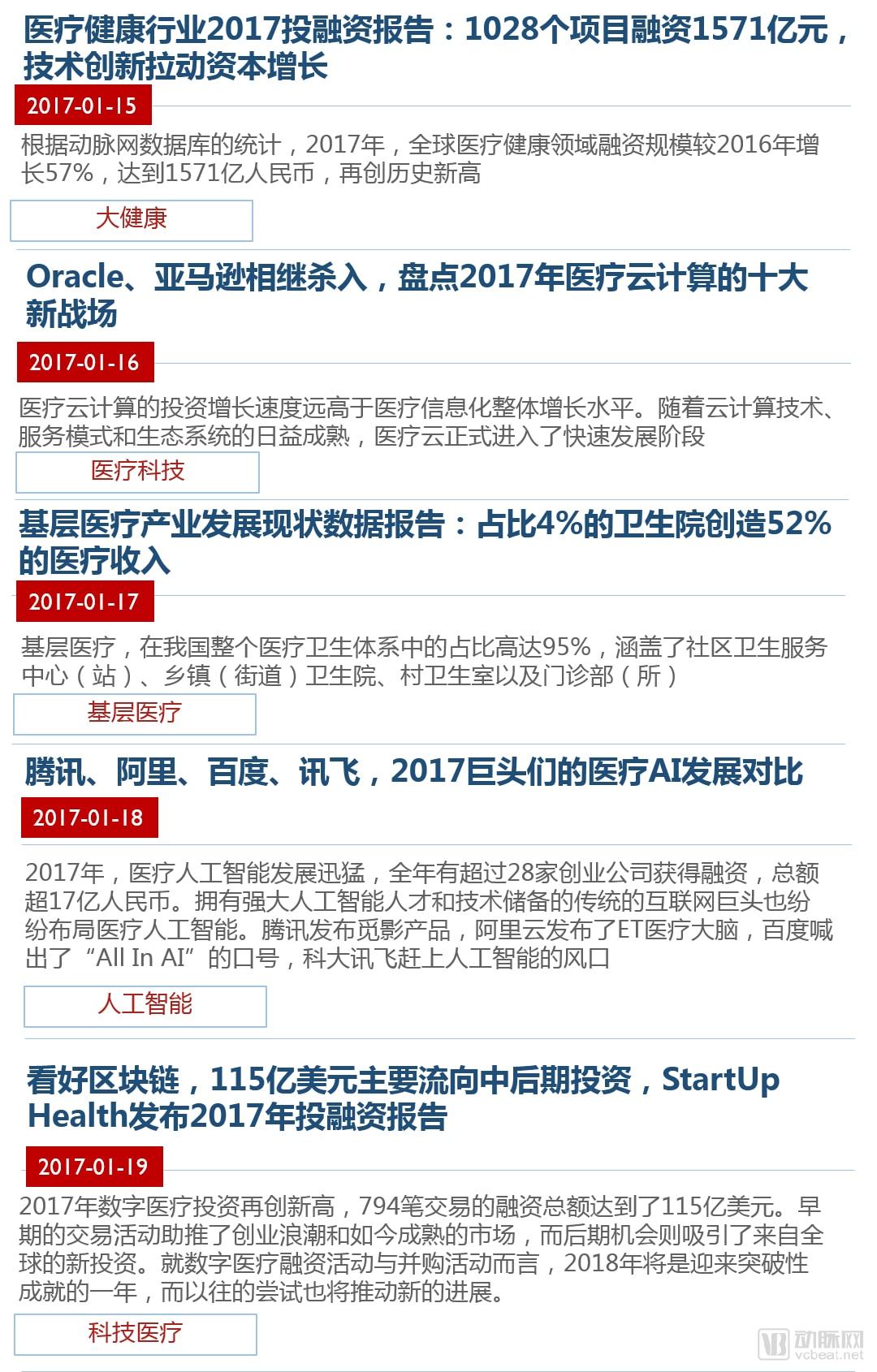
This Week's Headlines
3
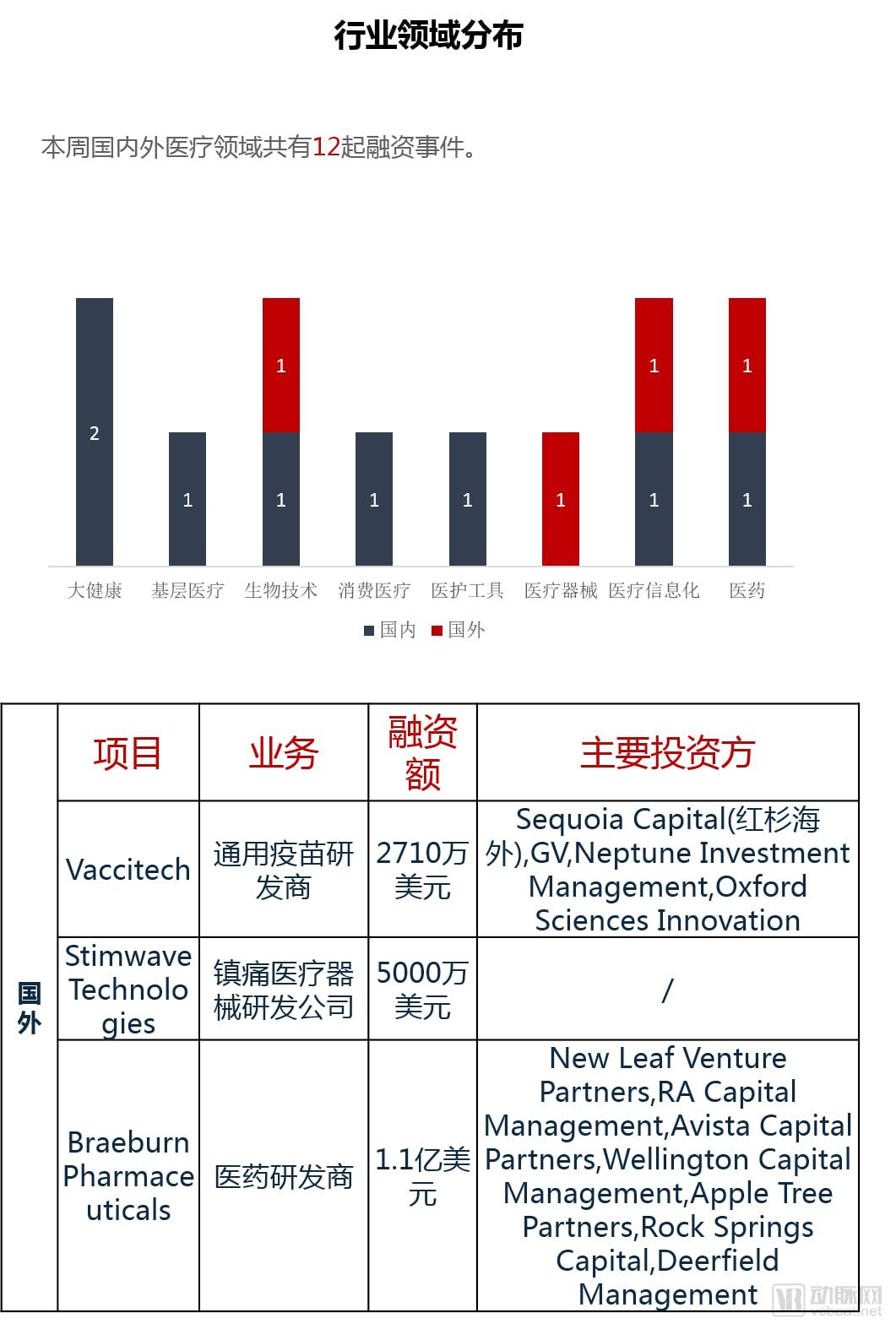
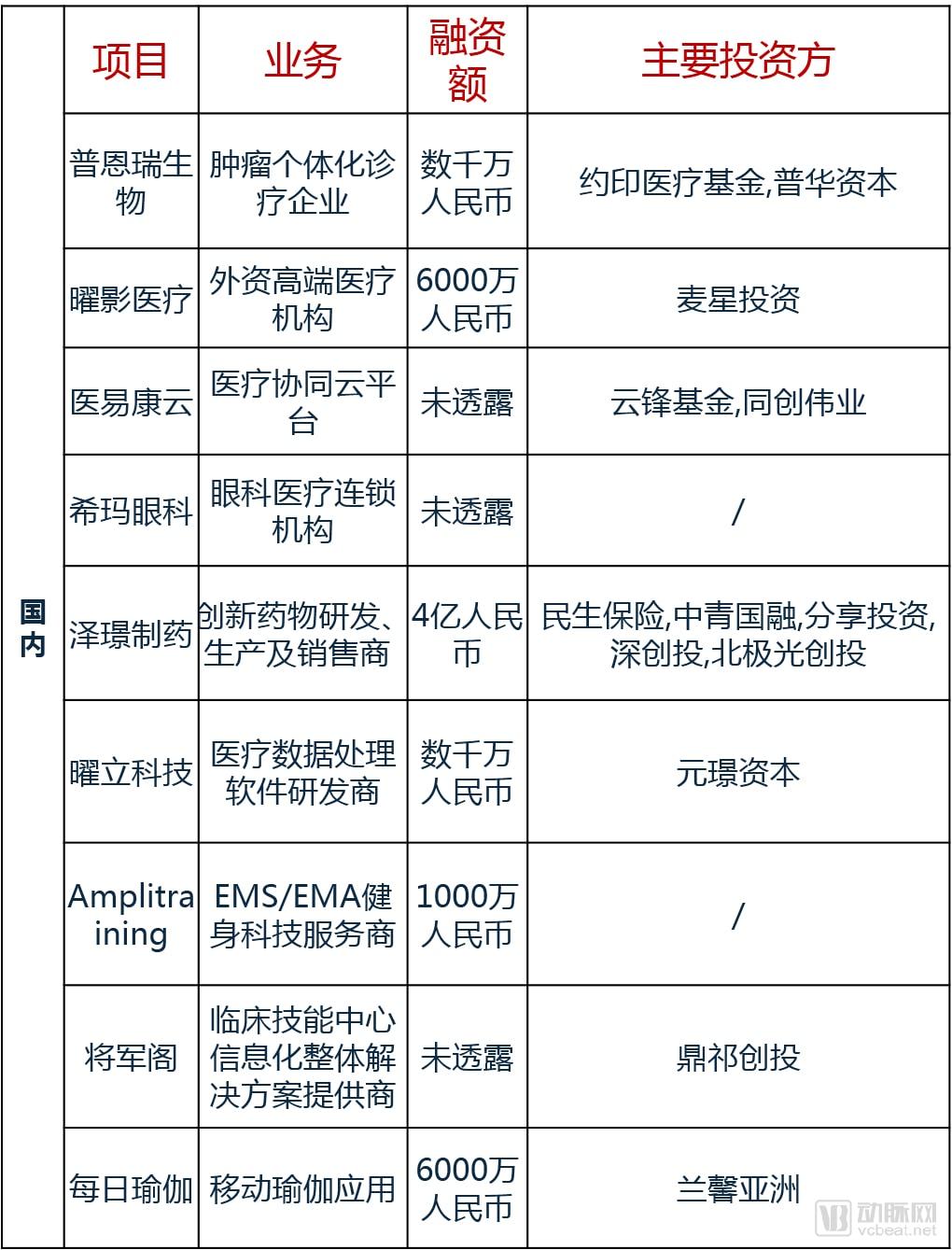
This Week's Financing Events in the Healthcare Sector
4
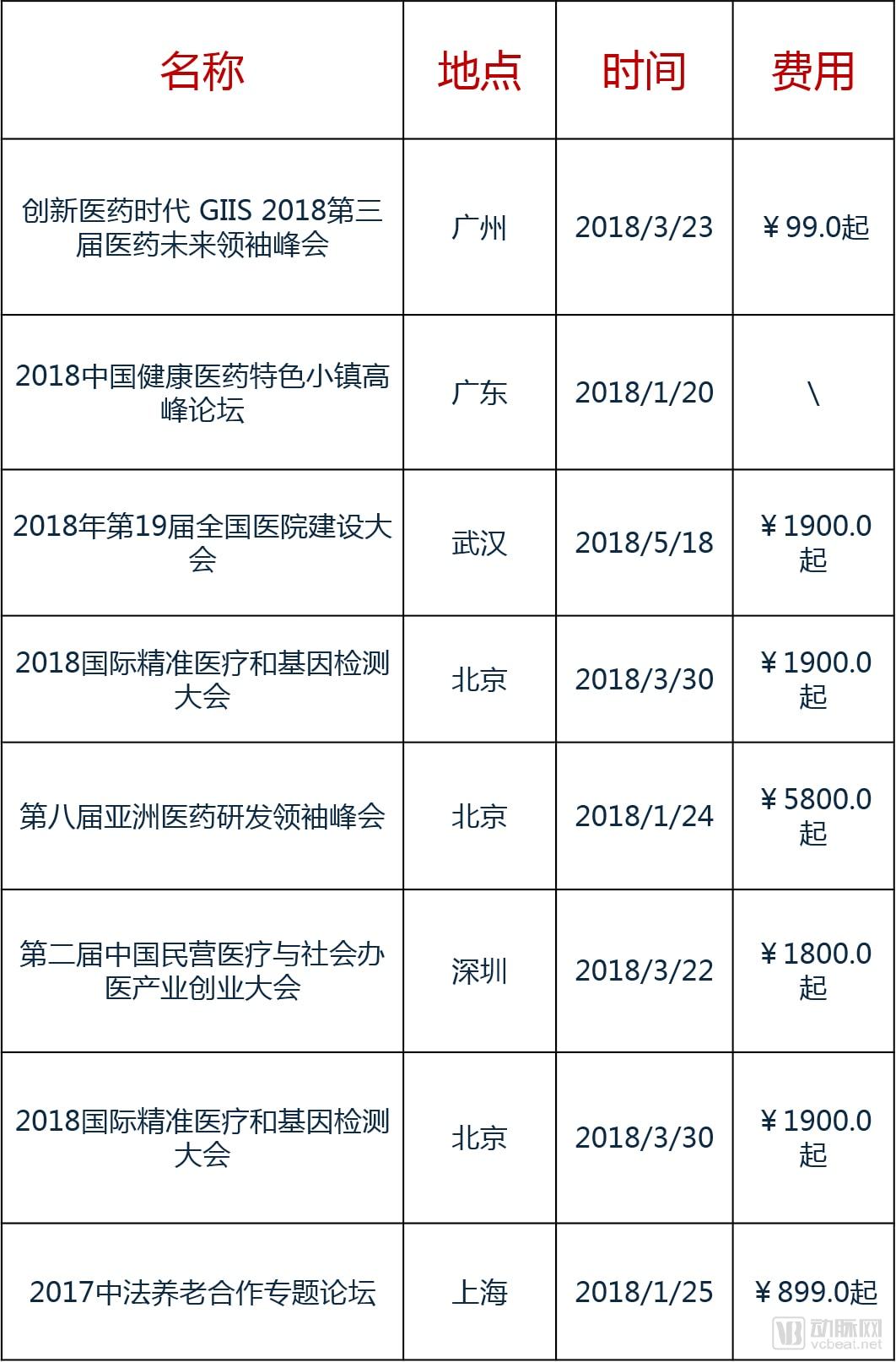
Upcoming Events in the Healthcare Sector
5
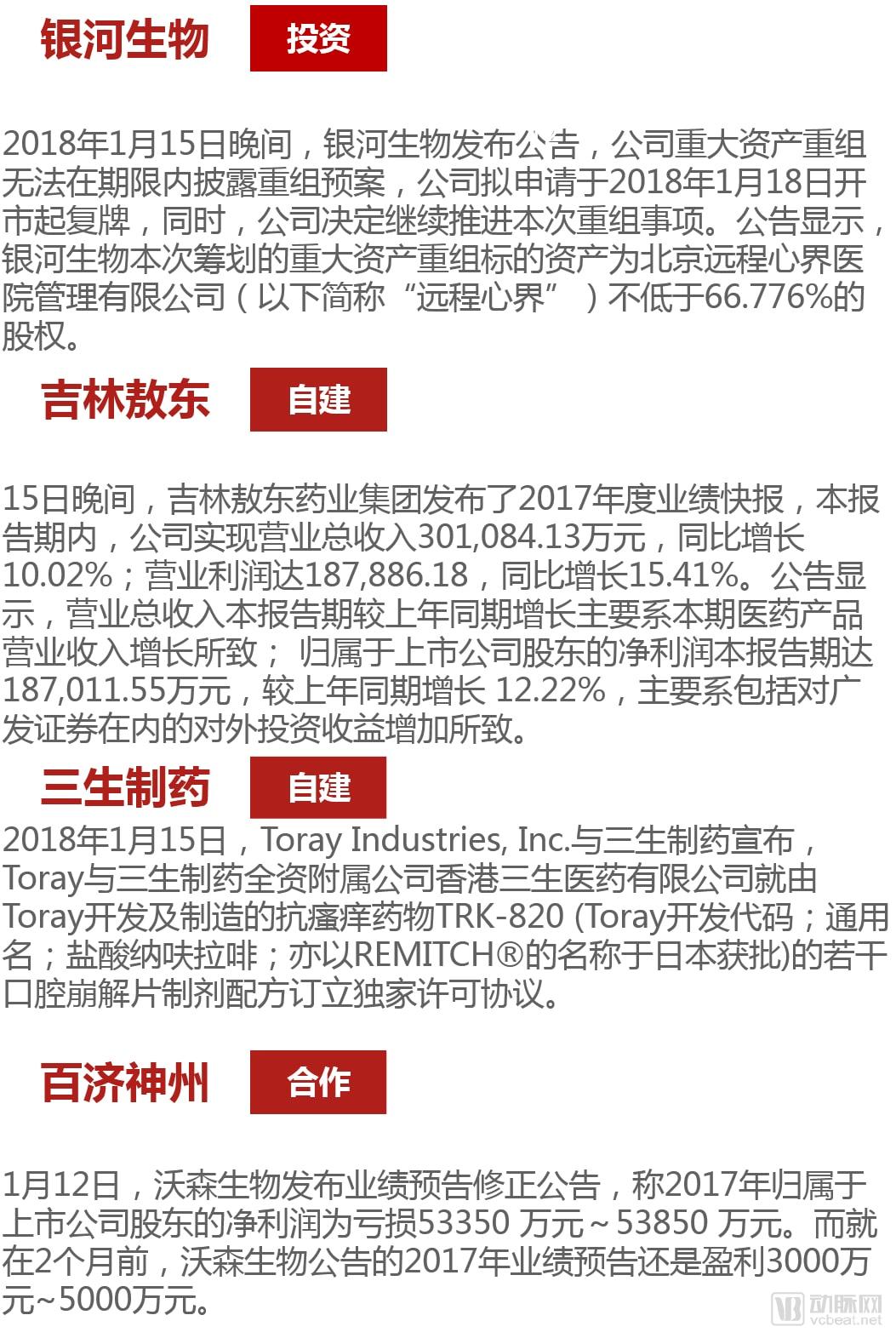
This Week's Industry Updates
5
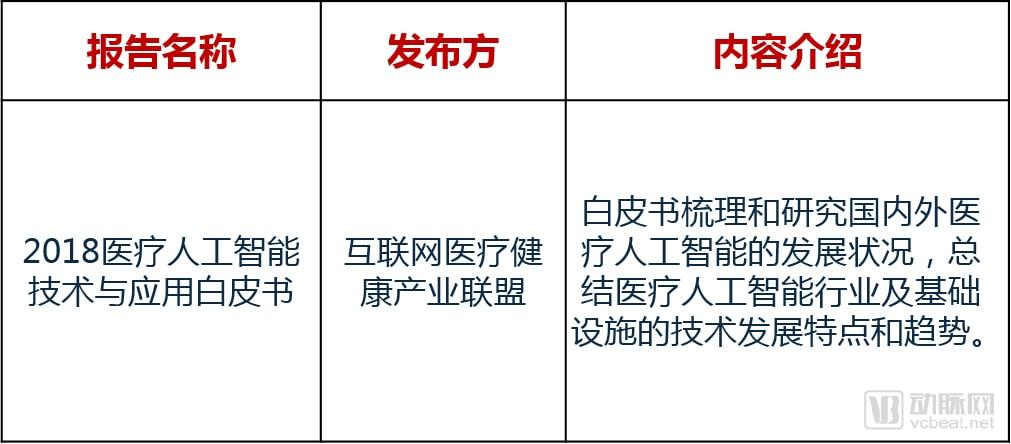
This Week's In-Depth Report
For more content, please visit the VCBeat knowledge base!