

Traditional Chinese Medicine Industry 2017 Status Report: Sector Valuation Nears RMB 2 Trillion, TCM Clinics Grow at Nearly 80% CAGR
Traditional Chinese Medicine (TCM) is the crystallization of wisdom from China’s 5,000 years of civilization and has been continuously driving the development of the country’s pharmaceutical and healthcare sectors. The Communist Party of China and the government have always attached great importance to the inheritance and development of TCM technology and culture, explicitly proposing the revitalization of the traditional TCM industry and making comprehensive strategic deployments. In 2017, China’s TCM industry achieved new progress: patient visits at TCM medical institutions exceeded 1 billion; medical revenue reached RMB 364.8 billion, accounting for nearly 10% of the total revenue of medical institutions; the total number of TCM health personnel reached 1.225 million, including 543,000 licensed physicians, representing 44.3% of the total; and the number of operational TCM clinics nationwide reached 477, with an average annual growth rate of 78.1%. However, the development of China’s TCM industry still faces challenges such as a low proportion of medical revenue in the total revenue of medical institutions, a shortage of TCM practitioners, and an insufficiency of highly educated talents.
Report Description:
This report primarily employs literature review and field interviews to comprehensively analyze the current status and future trends of the traditional Chinese medicine (TCM) industry. This is achieved by examining official data released by the National Health and Family Planning Commission (including the China Health and Family Planning Statistical Yearbook and the Statistical Bulletin on the Development of China’s Health and Family Planning Undertakings) and conducting interviews with professionals in the TCM sector.
In recent years, with the gradual implementation of the national strategy to “revitalize traditional Chinese medicine (TCM),” the TCM industry has undergone significant changes. By analyzing data from 2017 related to TCM policies, technologies, institutions, and healthcare personnel, this article aims to comprehensively present the current state of development of the entire TCM industry in that year. Furthermore, by considering the inherent development patterns of the TCM industry and changes in the external environment, it outlines future trends in its development.
Table of Contents:
I. Macro Environment: Triple Benefits of Policy Support, Technological Innovation, and Consumption Upgrading Create a Prime Opportunity for the Development of the Traditional Chinese Medicine (TCM) Big Health Industry
II. Current Development Status: Expanded Scale and Enhanced Service Capacity, Yet a Shortage of Physician Talent
III. Future Trends: Rising Demand for Health and Wellness, Accelerated Development of Chain and Shared Clinics
This article excerpts the sections on the macro environment and current development status from the report. To read the full text, long-press the QR code below to become a VCBeat member, access the complete report, and gain deeper insights into the current state and future trends of the traditional Chinese medicine (TCM) industry.
Scan the QR Code to Become a VCBeat Member
Macro Environment: Triple Tailwinds of Policy Support, Technological Innovation, and Consumption Upgrading Present a Prime Opportunity for the Development of the TCM Big Health Industry
Policy Environment: Policy as the Guiding Framework to Enhance Development Vitality
VCBeat has compiled and organized major national-level policies concerning the traditional Chinese medicine (TCM) industry. The State Council and other competent authorities have issued a series of development plans and guidance documents, clarifying the status of TCM and the development goals to be achieved in the future.
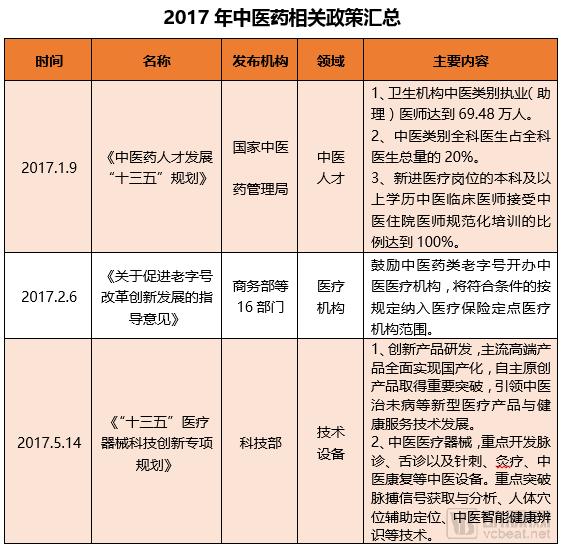
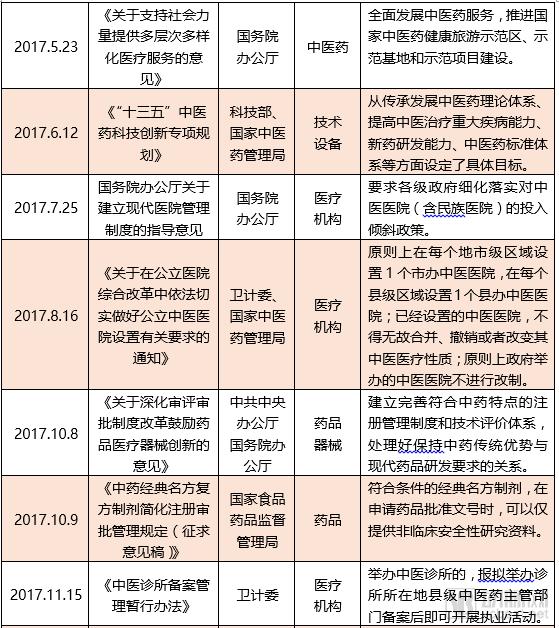

Data Source: Publicly available information from various government websites
From the perspective of policy coverage, the measures encompass TCM medical institutions, TCM personnel, Chinese herbal medicines, and TCM technical equipment. Notably, the introduction of the Interim Measures for the Record-filing Administration of TCM Clinics shifted the establishment of TCM clinics from an approval-based system to a record-filing system, significantly lowering the entry barriers. Prospective clinics can commence practice activities simply by filing records with the county-level TCM administrative department in their locality. In contrast, the previous approval process imposed restrictions on premises, staffing, and the number of clinics. Furthermore, the implementation of the Interim Measures for the Assessment and Registration Management of Physician Qualifications for Personnel with Demonstrated Expertise in TCM Techniques allows individuals who have studied TCM through apprenticeship or acquired proven expertise through years of practice to apply for the physician qualification assessment for personnel with demonstrated expertise in TCM techniques. This facilitates an increase in the number of TCM practitioners, helping to alleviate the shortage of TCM talent. Therefore, the government’s relaxation of requirements for clinic establishment and TCM personnel assessment is conducive to the growth and strengthening of Traditional Chinese Medicine, and will continue to enhance its recognition.
Technological Environment: Technology as a Tool to Drive Industry Transformation
The Internet, big data, and artificial intelligence have become disruptive technological forces across various industries. Under the impact of this technological wave, the traditional Chinese medicine (TCM) industry has also undergone revolutionary changes.
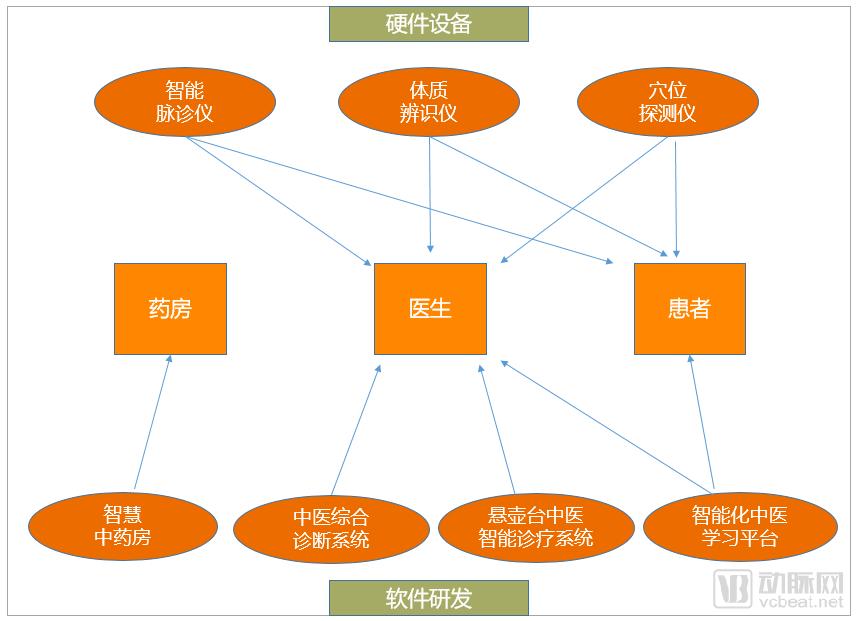
Clinical Decision Support Systems represent the largest application scenario for artificial intelligence in the healthcare sector. On one hand, these systems store and analyze historical medical records, case files, prescriptions, and treatment protocols to generate structured data, which is then processed through deep learning to create comprehensive treatment repositories for various conditions. On the other hand, during clinical consultations, the system can identify and assess patients’ constitutions and symptoms, thereby assisting physicians in diagnostic decision-making and enhancing both the accuracy and efficiency of diagnoses. Currently, intelligent Traditional Chinese Medicine (TCM) clinical decision support systems developed by certain enterprises have already been implemented in clinical practice.
(1) The “Xuanhu Tai TCM Intelligent Diagnosis and Treatment System (Huatuo Intelligent Doctor),” jointly developed by WeDoctor and Lianxin Health, features six core functions: preventive care, electronic medical records (EMR), prescription assistance, knowledge base, medical history and record management, and physician management. The system determines patients’ constitutional types through customized professional assessments, records the four diagnostic methods of TCM (inspection, auscultation/olfaction, inquiry, and palpation) in real time, and enables physicians to edit prescriptions via a prescription editor. It integrates directly with Hospital Information Systems (HIS) and automatically retrieves historical prescription data for similar conditions from its knowledge base for physician reference. The platform has been adopted by over 300 TCM clinics, covering all 11 prefecture-level cities in Zhejiang Province, with a cumulative total of more than 1.5 million prescriptions issued, making it the most widely used “Cloud-based TCM Brain” in China.
(2) The Integrated Traditional Chinese Medicine Diagnostic System developed by Shengmeifu Technology achieves automatic data collection, analysis, and differentiation of medical conditions through its three core functions: pulse diagnosis, tongue and facial feature diagnosis, and constitution identification.
① Pulse Diagnosis: Utilizing a computer and cuff-based sensors, pulse signals are detected at the three positions of the radial artery—Cun, Guan, and Chi. Pulse waveforms are acquired, and various parameters regarding the pulse’s location, rate, shape, force, and pulse graph are automatically analyzed to provide results.
② Tongue Surface Image Diagnosis: By employing computerized standardization techniques to compare tongue surface features—such as tongue shape, color, sublingual veins, and posture—with standard reference images, automated diagnostic conclusions are generated.
③ Constitution Identification: Conduct inquiry in accordance with the requirements of the China Association of Chinese Medicine standard ZYYXH/T157-2009 "Classification and Determination of TCM Constitutions," and automatically discriminate among 9 basic constitutions and 44 composite constitutions.
Smart TCM Pharmacies leverage internet technology to seamlessly integrate with hospital outpatient information systems, receiving prescriptions in real time. Professional pharmacists handle dispensing, decoction, sub-packaging, and express delivery directly to patients’ doors. This eliminates the hassles for patients of queuing to pay, queuing to collect medications, and decocting herbs themselves.
On June 15, 2015, the “Smart Pharmacy,” jointly established by Guangdong Provincial Hospital of Traditional Chinese Medicine and Kangmei Pharmaceutical, officially commenced operations. The central warehouse constructed by Kangmei Pharmaceutical is interconnected with the outpatient system of Guangdong Provincial Hospital of Traditional Chinese Medicine. The warehouse features functional areas including an order processing room, dispensing room, soaking room, decoction room, packaging room, and logistics zone, enabling an assembly-line workflow for “order receipt–dispensing–decoction–packaging–delivery.” Furthermore, the entire process adopts intelligent barcode-based information management, allowing traceability at each stage to ensure medication safety. Currently, Kangmei Pharmaceutical’s Smart Pharmacy has partnered with nearly 80 medical institutions in Shenzhen, cumulatively serving 300,000 users and over one million patient visits.
It is primarily applied in medical institutions and home settings. Doctors leverage intelligent TCM devices to facilitate diagnosis, while users can employ these smart devices at home for self-monitoring, enabling real-time tracking of changes in their physical condition and medication efficacy. The product portfolio mainly includes pulse diagnosis devices, constitution identification instruments, and acupoint detection and therapy devices.
Intelligent TCM Practitioner Learning SystemThe Intelligent Traditional Chinese Medicine (TCM) Practitioner Learning System facilitates medical professionals’ education by collecting and categorizing ancient TCM texts, clinical case records, herbal formulas, as well as the diagnostic philosophies, pattern differentiation logic, and prescription experiences of renowned TCM practitioners. Additionally, it enables users to understand common diseases and treatment protocols for self-care purposes. For instance, the TCM Knowledge Hub launched by Shenhuang Technology aggregates over 2,000 ancient TCM classics, 40,000 clinical cases from famous TCM masters, and 300,000 master-tested classical and empirical formulas. Through its TCM Lecture Hall and Ancient Texts Section, the platform provides systematic explanations of TCM diseases, clinical cases, formulas, and herbal medicines, creating a convenient self-learning platform for users. Furthermore, the TCM Syndrome Knowledge Base developed by Guoyitang integrates the clinical expertise of modern renowned senior TCM practitioners with the curriculum of five-year undergraduate programs. Covering specialties such as internal medicine, surgery, gynecology, pediatrics, and emergency care, the system allows users to select information such as tongue appearance and pulse conditions from a list based on their symptoms, thereby automatically completing the process of pattern differentiation and treatment determination.
Technical Innovation Impact Correlation Diagram
Economic Environment: Consumption Upgrading Brings Development Opportunities to the TCM and Big Health Industry
With the rise in national income and the upgrading of consumption patterns in China, consumer spending on healthcare has been increasing steadily. In 2017, the market size of China’s TCM (Traditional Chinese Medicine) big health industry reached RMB 1.75 trillion, with the total industrial output value of the TCM sector amounting to RMB 844.2 billion, accounting for approximately one-third of the total industrial output value of the entire pharmaceutical industry. This indicates that China’s TCM industry has entered a new phase of development.

Over the past seven years, the market size of China’s traditional Chinese medicine (TCM) big health industry has continued to rise, maintaining a rapid double-digit growth rate. In 2017, it reached RMB 1.75 trillion, representing a year-on-year increase of 21.1%. According to the white paper “Traditional Chinese Medicine in China” released by the State Council Information Office, the market size of China’s TCM big health industry is projected to exceed RMB 3 trillion by 2020, with an annual compound growth rate of 20%. The rapid development of the TCM industry is mainly attributed to:
① The state has introduced a substantial number of policies to support the development of the traditional Chinese medicine (TCM) industry, with private capital actively participating in the construction of TCM undertakings, thereby enhancing the supply capacity of the TCM industry.
② China's per capita GDP has surpassed US$8,000, leading to a shift in consumption patterns. Leisure and entertainment, culture and sports, and healthcare have emerged as new drivers of consumption growth, creating a vast market for the traditional Chinese medicine (TCM) industry.
③ China is gradually transitioning into an aging society, with the elderly population accounting for 23.4% in 2020. The demand for health preservation and wellness among the elderly is most urgent, and Traditional Chinese Medicine (TCM) holds inherent advantages in this domain.
Policy support, technological innovation, and consumption upgrading have created a favorable macro environment for the development of the traditional Chinese medicine (TCM) industry. In the following section, we will provide a detailed overview of the development status of China’s TCM industry in 2017.
Current Development Status: Expanded Scale and Enhanced Service Capacity, Yet a Shortage of Physician Talent
Rising Share of TCM Consultations Signals Bright Prospects for Traditional Chinese Medicine Clinics (Outpatient Departments)
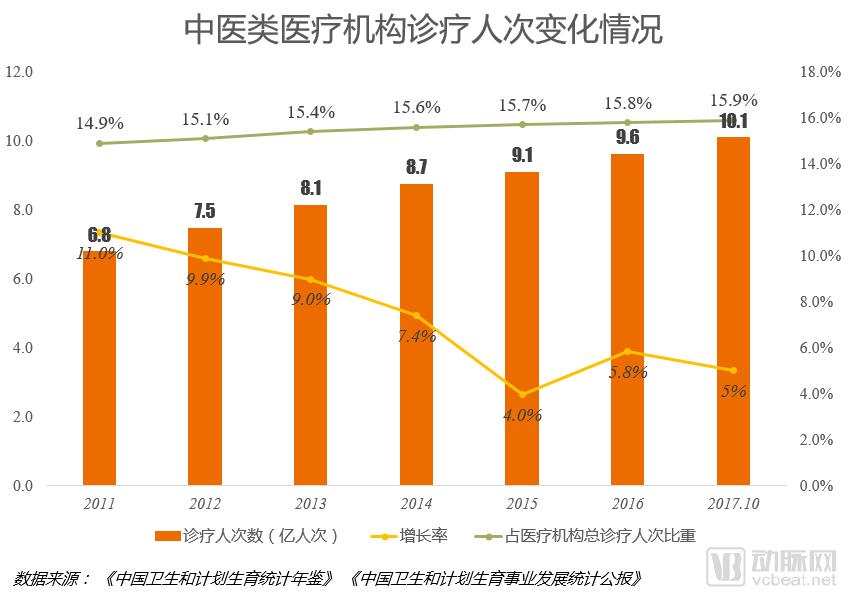
The number of patient visits to traditional Chinese medicine (TCM) medical institutions has increased year by year, exceeding 1 billion by October 2017. Meanwhile, the proportion of patient visits to TCM medical institutions out of the total patient visits to all medical institutions has continued to rise, increasing by 1 percentage point over seven years. This indicates that the service capacity of TCM medical institutions has improved, and their role within the overall healthcare system is becoming increasingly significant.
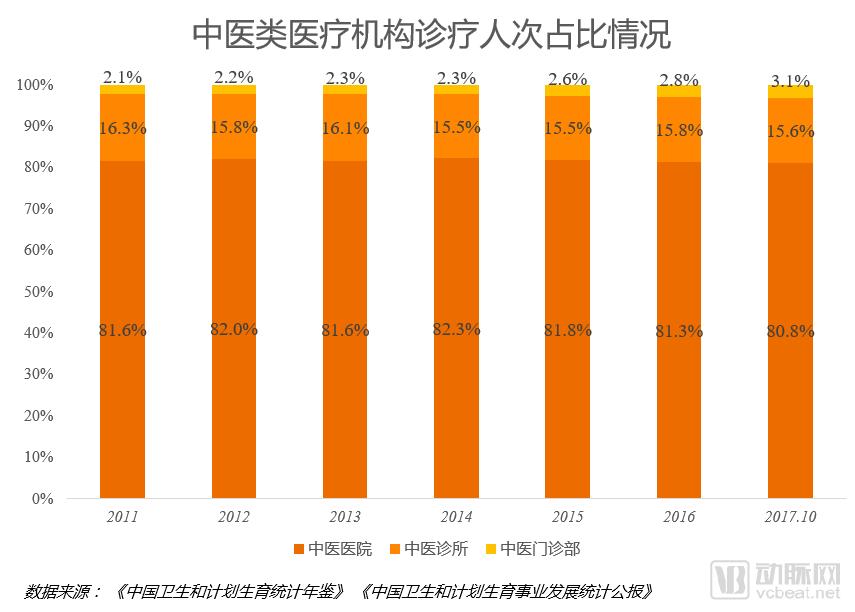
From the perspective of the proportion of patient visits at traditional Chinese medicine (TCM) medical institutions, TCM hospitals serve the vast majority of patients, while TCM outpatient departments and TCM clinics account for a relatively low share. This is primarily because TCM hospitals have significant advantages in terms of facility scale, medical equipment, and physician resources. Meanwhile, this also indicates that the development of TCM outpatient departments and clinics in China is insufficient, suggesting substantial room for future growth.
Total Revenue from Traditional Chinese Medicine Increases, but Its Share of Total Medical Revenue Remains Insufficient
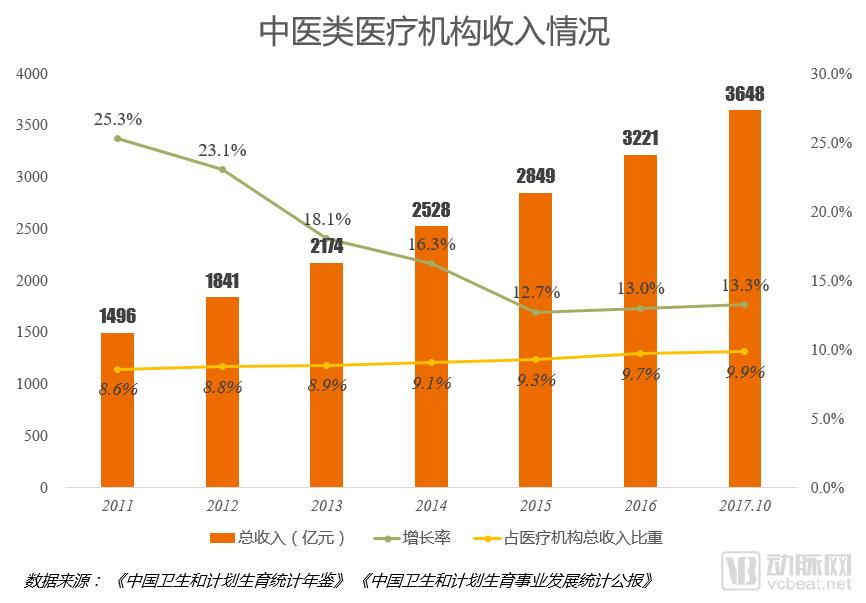
In terms of revenue growth rate, the revenue of traditional Chinese medicine (TCM) medical institutions in China has maintained a growth rate of over 10%, and since 2015, the revenue has entered a period of stable growth.
From the perspective of revenue share, the proportion of revenue generated by traditional Chinese medicine (TCM) medical institutions in the total revenue of all medical institutions has been continuously increasing, yet it remains below 10%. The growth in revenue for TCM medical institutions is primarily driven by an increase in patient visits. However, their revenue-generating capability still lags behind that of general hospitals. It is necessary to expand scale and enhance management and operational capabilities to increase the share of TCM institutions’ revenue in the total revenue of the healthcare sector.
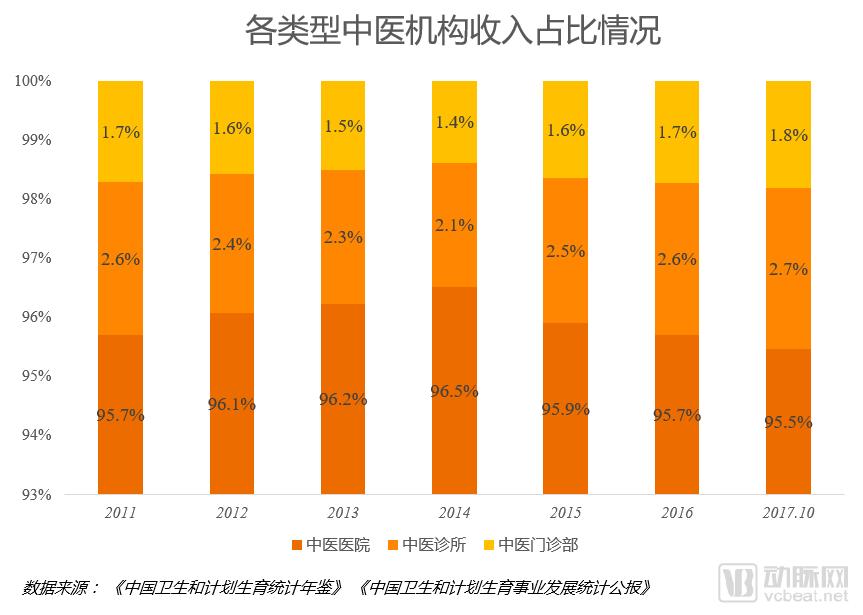
The distribution of revenue shares among various types of Traditional Chinese Medicine (TCM) institutions mirrors that of patient visit shares. TCM hospitals account for the largest revenue share, while TCM clinics and outpatient departments hold relatively smaller shares. However, in terms of changes in share, the revenue proportion of TCM clinics has increased. This indicates that lowered barriers to establishing clinics have accelerated the growth in their number, thereby expanding the overall revenue scale of clinics.
Shortage of TCM Practitioners, with Only 35.7% Holding Advanced Degrees
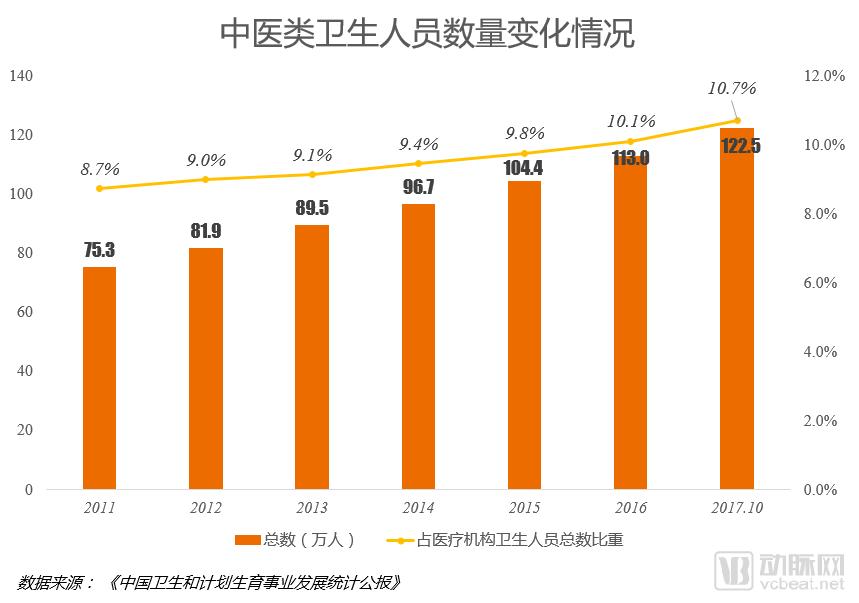
The number of traditional Chinese medicine (TCM) health personnel has shown a steady upward trend, and their proportion of the total health workforce in medical institutions has increased year by year. Health personnel are directly related to the development of healthcare service capacity, and the overall increase in the number of TCM health personnel has effectively ensured the supply of TCM medical services.
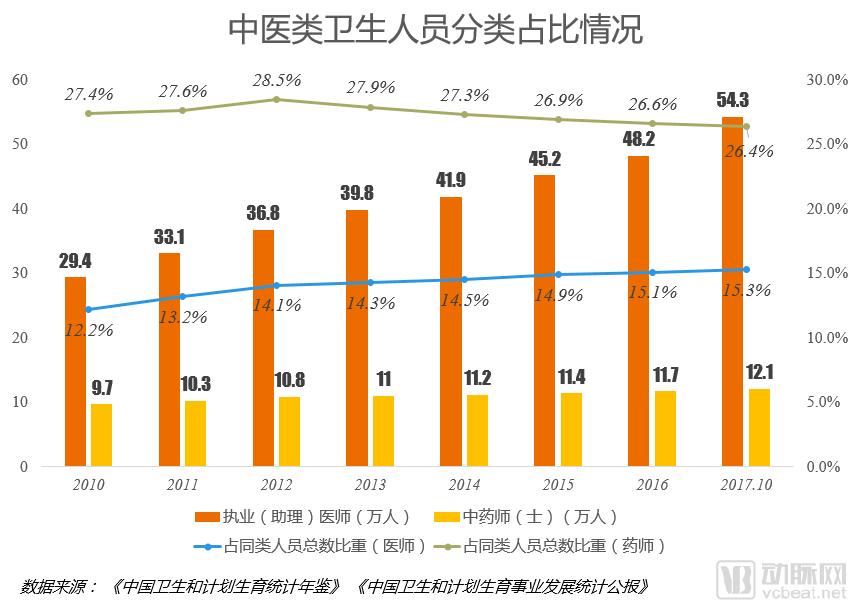
Insufficient development of TCM health personnel, with the proportion of TCM physicians and TCM pharmacists among their respective counterparts being relatively low. In particular, the proportion of TCM physicians is less than 20%, highlighting the need to strengthen the training of TCM physician talent. In November 2017, the National Health and Family Planning Commission promulgated the Interim Measures for the Administration of Examination and Registration of Physician Qualifications for Personnel with Proven Expertise in Traditional Chinese Medicine Medical Practices, which clarified that “personnel who have studied TCM through apprenticeship or have acquired proven expertise in medical practices through years of practical experience may apply to take the examination for physician qualifications for those with proven expertise in TCM medical practices.” This will help increase the number of TCM physicians and enhance the capacity of TCM services.
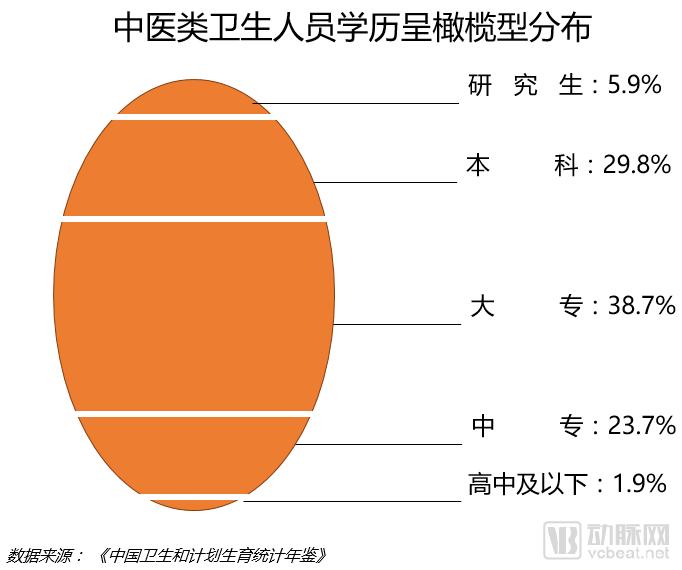
The overall educational attainment of traditional Chinese medicine (TCM) health personnel is relatively low, exhibiting an olive-shaped distribution. Associate degree holders constitute the largest proportion, while those with postgraduate degrees account for only 5.9%. This situation will largely constrain the development of the TCM industry. It is therefore necessary to strengthen degree education; in particular, TCM universities and colleges should improve their student training mechanisms and expand the proportion of postgraduate education.
Remaining Content of This Report:
II. Current Development Status: The current state of TCM clinic development, investment and financing in the traditional Chinese medicine industry, and related topics
III. Future Trends: Rising Demand for Health and Wellness, Accelerated Development of Chain and Shared Clinics
Please refer to the full report.
Scan the QR code below to becomeVCBeat Official Member, you can obtainFull Version of the "2017 Report on the Current Status of Traditional Chinese Medicine Industry Development". Gain deeper insights into the current industrial landscape and development trends in the field of Traditional Chinese Medicine (TCM). Furthermore, in the coming year, you will have unlimited access to the completeIndustry Trend Report, stay abreast of the latest global investment and financing information, with access to comprehensiveHealthcare Enterprise Database,AlsoMassive Resource Integration。
Scan to become a VCBeat member