

Zhejiang Haichang Biopharma Enters Strategic Collaboration with Rexahn Pharmaceuticals to Co-Develop Archexin® (RX-0201), a Novel Gene Therapy for Hepatocellular Carcinoma
Recently, Zhejiang Haichang Biopharmaceutical Technology Co., Ltd. (hereinafter referred to as “Haichang Bio”) announced that it has entered into a collaboration agreement with Rexahn Pharmaceuticals, Inc. (NYSE: RNN) to jointly develop the hepatocellular carcinoma (HCC) gene therapy drug RX-0201 (Archexin®) on a global scale.
Haichang Biopharma is a high-tech enterprise founded by a team of overseas PhDs, dedicated to the research and development of innovative formulations. The company primarily focuses on the development of technological products such as advanced sustained- and controlled-release drug dosage forms, liposomal nanoformulations, and gene delivery systems. Rexahn Pharmaceuticals is a clinical-stage biopharmaceutical company committed to developing novel targeted therapeutics for the treatment of cancer.
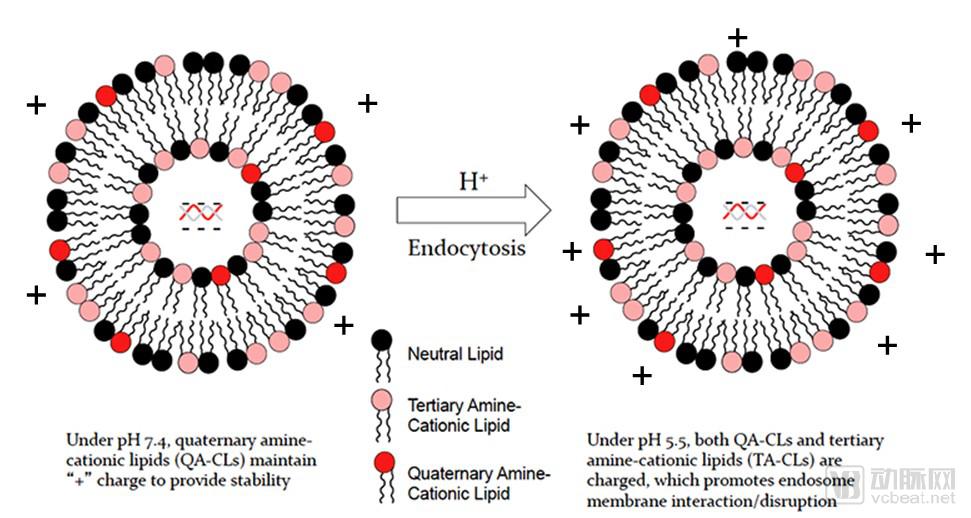
Under the agreement, Haichang Bio will leverage its patented QTsome™ technology to develop the RX-0201 nanoliposome, conduct preclinical and Phase IIa clinical trials, and carry out manufacturing, ensuring that the clinical trial design meets the requirements of both the U.S. Food and Drug Administration (FDA) and China’s National Medical Products Administration (NMPA). The two parties will share downstream licensing fees and sales royalties according to their agreed-upon proportions.
Liver cancer is the sixth most common cancer worldwide and the second leading cause of cancer-related deaths. Globally, there are 780,000 new cases annually, with over 740,000 deaths.1. China is truly a country with a high burden of liver cancer, where the mortality rate from liver cancer remains persistently high, second only to that of lung cancer. Data indicate that more than 50% of new cases and deaths from liver cancer worldwide occur in China. Since 1980, the incidence of liver cancer in the United States has more than tripled.2, with an estimated 41,000 new cases of liver cancer and intrahepatic cholangiocarcinoma, and 29,000 deaths 3 . In addition, there are approximately 40,000 new cases of liver cancer in Europe and about 36,000 in Japan.
RX-0201 is an antisense oligonucleotide compound that exhibits high selectivity in inhibiting Akt-1 mRNA expression. Akt-1 is a protein associated with cancer cell growth and proliferation, as well as the development of resistance to anticancer agents. It is highly expressed in various cancers, including liver cancer, renal cancer, breast cancer, colorectal cancer, gastric cancer, pancreatic cancer, prostate cancer, and melanoma. In Phase I clinical trials involving patients with advanced-stage cancer, RX-0201 demonstrated favorable safety and tolerability profiles with minimal side effects.
Dr. Zhao Xiaobin, CEO of Haichang Bio, stated, “The global incidence of liver cancer is on the rise, particularly in Asia. There are limited treatment options for liver cancer, and the prognosis for patients with advanced-stage disease is very poor. Akt-1 is a critical signaling protein in liver cancer. We are excited about the potential of RX-0201 to inhibit Akt-1 mRNA expression and look forward to collaborating with Rexahn to advance the development of RX-0201.”
Dr. Peter D. Suzdak, CEO of Rexahn, stated, “We are impressed with HaiChang Bio’s QTsome™ technology. It has the potential to target RX-0201 to the liver and facilitate its uptake into cancer cells, thereby enhancing drug efficacy.”
References:
1. Ferlay J, Shin HR, Bray F, Forman D, Mathers C and Parkin DM. GLOBOCAN 2012 Fact Sheet, Estimated Cancer Incidence, Mortality and Prevalence Worldwide: IARC CancerBase No. 10 [Internet]. Lyon, France: International Agency for Research on Cancer; 2010. Available from: http://globocan.iarc.fr.
2. American Cancer Society. Cancer Facts & Figures. 2017. Atlanta: American Cancer Society; 2017
3. National Cancer Institute. Surveillance, Epidemiology, and End Results Program Stat Fact Sheets: Liver and Intrahepatic Bile Duct Cancer.
https://finance.yahoo.com/news/rexahn-pharmaceuticals-announces-collaboration-zhejiang-130000348.html