

Elon Musk's Neuralink: Advancing Brain-Computer Interfaces to Enable Mars Colonization
On September 28, 2016, at the 67th International Astronautical Congress, Elon Musk, known as the “Iron Man of Silicon Valley,” comprehensively unveiled his “Mars Colonization Plan.” According to his envisioned “Interplanetary Transport System,” humans would be able to achieve interstellar travel by leveraging SpaceX launch vehicles and in-orbit refueling.
As the head of SpaceX and Tesla, Elon Musk has become synonymous with “innovation.” From electric sports cars (Tesla) to solar power (SolarCity), and from the Hyperloop to Mars colonization (SpaceX), he has proposed a series of seemingly “impossible” and audacious ideas that have all become “possible” today.
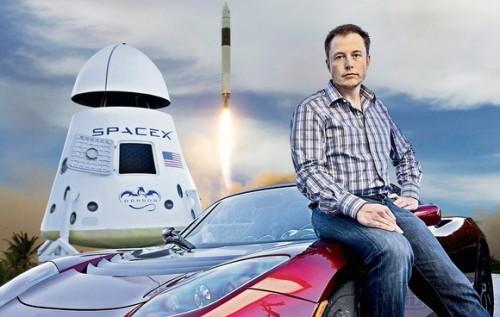
On February 7, 2018 (Beijing Time), Musk enabled SpaceX to successfully launch the Falcon Heavy, currently the world’s most powerful operational rocket. The payload included his cherry-red Tesla Roadster, with a spacesuit-clad mannequin seated inside.
Elon Musk appears to be one step closer to realizing his dream of conquering Mars. However, as humans are mortal beings with physical limitations, achieving successful Martian colonization would be highly unlikely without adequate medical support.
A Journey to Mars Requires More Than Just Spaceships and Rockets: It Also Demands Consideration of How Humans Can Survive on a New Planet. Among These Concerns, Healthcare Is the Primary Factor in Mars Colonization Plans. For Instance, Individuals Must Undergo Health Assessments Several Years in Advance Before Embarking on Interstellar Travel; Furthermore, Protocols for Remote Medical Intervention Must Be Established to Address Emergencies That May Arise During the Journey.
Clearly, telemedicine, health sensors, portable diagnostic devices, genetic testing, and 3D bioprinting will all be essential prerequisites for ensuring human survival on another planet.
So, is Musk’s next move to enter the healthcare sector?
Elon Musk’s Strategic Moves in the Healthcare Sector
In fact, as early as last year, this visionary entrepreneur began to take an interest in healthcare. In March 2017, Musk announced the establishment of a medical research company—Neuralink。
The company is dedicated to developing ““Neural Mesh”Neural Lace Technology aims to enable direct communication between humans and machines without the need for physical interfaces. By implanting electrodes into the brain, it allows individuals to connect with computers anytime and anywhere, uploading and downloading any information. This is what people often refer to as “Brain-Computer Interface (BCI)”。
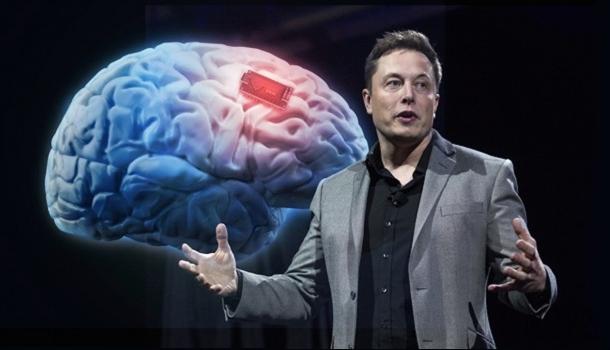
Human-machine symbiosis not only enhances human cognitive abilities but also has the potentialHelping patients with stroke, neurodegenerative diseases, cancer, spinal cord injuries, and amputations return to normal life。
These conditions affect millions of lives annually, with treatment costs reaching millions. If the Neuralink project succeeds, a simple micro brain implant could replace costly and risky treatments that have been used for years.
Currently, the primary beneficiaries of Neuralink are likely to be the 300,000 patients with spinal cord injuries, the 5.5 million patients with Alzheimer’s disease, and the 2.5 million patients who have suffered a stroke or traumatic brain injury in the United States. Each of these conditions could potentially be treated with implants designed to restore motor function, memory, and other cognitive abilities. Perhaps one day, people will only need a simple implant procedure in the arm to become cyborgs within minutes.
Why Did Elon Musk Found Neuralink to Enter the Brain-Computer Interface Field?
According to overseas media reports, his development of brain-computer interfaces stems from a fear of artificial intelligence. He believes that, at the current pace of AI advancement, it will not be long before humanity is dominated by AI and reduced to mere puppets. Therefore, he seeks a way for humans to counter AI. The only solution, in his view, is to make humans stronger, leading him to propose an idea even more “science-fiction” than colonizing Mars—Brain Enhancement。
Elon Musk stated:“Humans need to merge with machines, becoming ‘cyborgs,’ to avoid being left behind in the age of artificial intelligence (AI).””
The Most Sci-Fi Technology—Brain-Computer Interface
So-called Brain-Computer Interface (BCI) can be described as one of the most science-fiction-like technologies currently available. It establishes a direct communication pathway between the human or animal brain (or cultured brain cells) and external devices.
Brain-computer interfaces originated from a bold attempt by Dr. Grey Walter at the Burden Neurological Institute in the United Kingdom.
In 1963, while performing surgery on a patient with epilepsy, Dr. Walter placed electrodes in the patient’s brain near the cerebral cortex to record neural activity. Typically, these electrodes were removed after the patient had been hospitalized for one to two weeks. However, on a whim, Dr. Walter secretly connected the EEG electrodes to a “potential converter” of his own invention.
A miracle occurred at that very moment: he was actually able to read patients’ thoughts through this method. Thus, brainwave control scenarios, once confined to science fiction films and novels, officially came into researchers’ view, marking the beginning of electroencephalogram (EEG) research.
To date, brain-computer interface (BCI) technology has been applied in multiple fields, including healthcare, VR, education, and smart homes.In the medical field, brain-computer interfaces are primarily focused on two major directions: "enhancement" and "restoration."
“Reinforcement”The primary direction involves implanting chips into the brain to enhance memory and facilitate direct connectivity between the human brain and computing devices. This is referred to as “Human Intelligence” (HI). Current research focuses on unidirectional brain-computer interfaces, while more advanced developments will involve bidirectional machine-brain interfaces.
“"Recovery"This approach primarily focuses on providing targeted rehabilitation training for conditions such as attention-deficit/hyperactivity disorder (ADHD), stroke, and epilepsy, with neurofeedback training serving as the core modality. It has been widely adopted in hospitals, clinics, and rehabilitation centers worldwide, and numerous startups are developing wearable devices in this field.
Top 10 Most Watched Brain-Computer Interface Companies
In fact, long before Elon Musk, many companies and research institutions had already launched experimental projects on brain-computer interfaces involving the implantation of chips into the brain.
Similar to Neuralink’s plan, most current technologies primarily aim to help patients with nerve and muscle damage achieve brain-computer connectivity through the implantation of chips into the brain, thereby enabling thought-controlled movement of limbs or mechanical devices.
VCBeat (WeChat ID: vcbeat) has compiled a list of the 10 most-watched brain-computer interface companies.
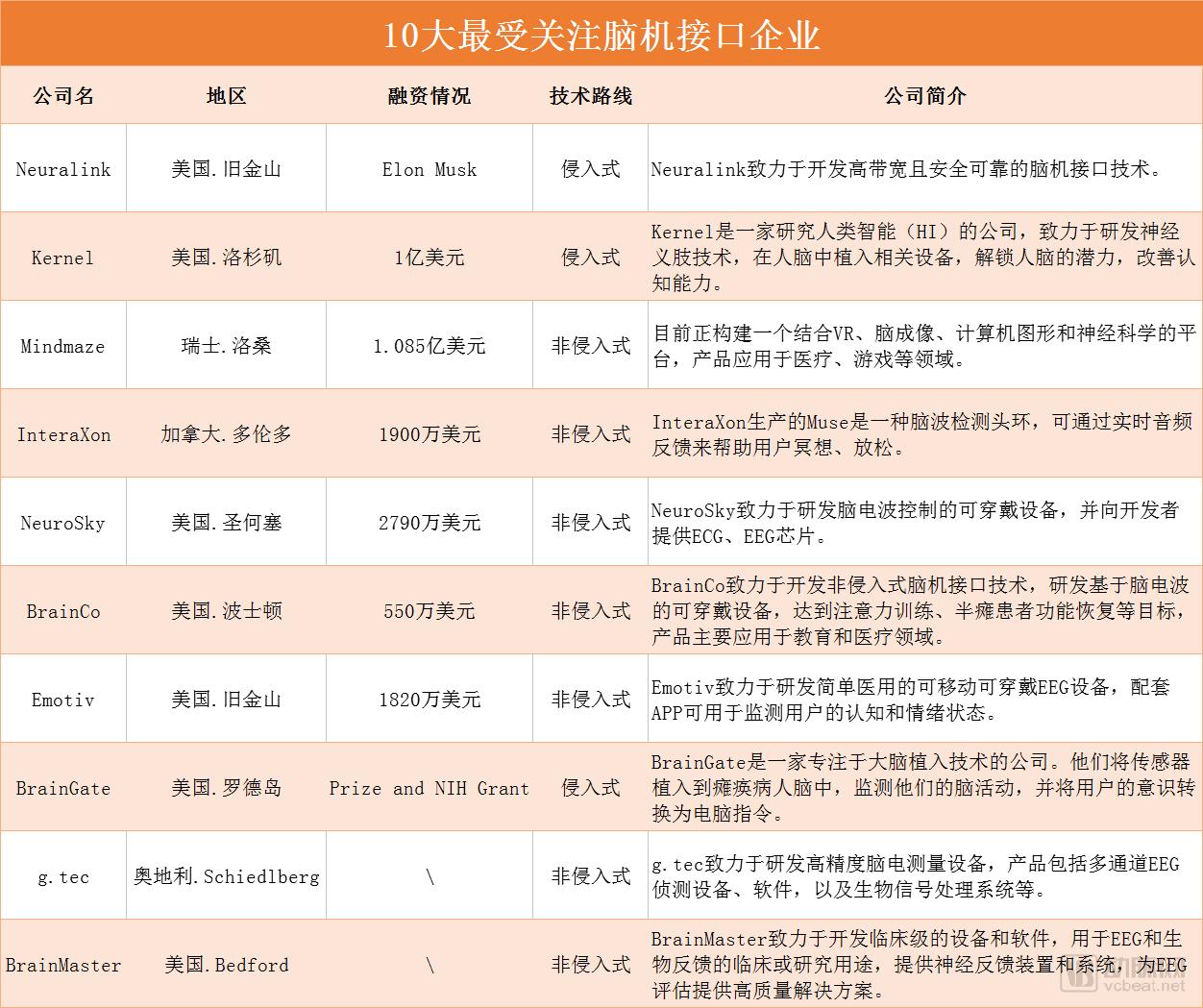
Clearly, the United States is far ahead of other countries in the development of brain-computer interface (BCI) technology. These ten BCI companies operate in different application areas, among which the following four deserve a closer look.
When it comes to brain-computer interfaces, Kernel is the first name that must be mentioned. Unlike Neuralink, which aims at enhancement, Kernel’s development of brain-computer interfaces is focused on restorative therapeutic applications.
Kernel helps individuals with memory issues by implanting diagnostic brain prosthetics. This project targets a broad market, including patients with Alzheimer’s disease or other forms of dementia, as well as those who have suffered traumatic brain injuries.
Simply put, in the future, physicians will implant microdevices developed by Kernel into the brains of the aforementioned patients. The electrodes of these implanted devices will stimulate specific neurons through electrical stimulation to facilitate brain function, such as converting external information input into long-term memory.
In October 2016, Bryan Johnson, the founder of Braintree, invested $100 million in Kernel, with the aim of expanding the team. The company plans to conduct more animal and human trials to improve treatments for cognitive impairments and diseases such as Alzheimer's.
Ten years ago, a star enterprise in brainwave control technology, Emotiv, emerged in Silicon Valley.
In 2007, Emotiv launched its first brainwave product, the Emotiv EPOC, which resembled a simplified research-grade medical standard EEG device. This device introduced people to the concept of the “neuroheadset.”
The Emotiv EPOC can convert detected electroencephalogram (EEG) signals into digital signals, enabling users to control drones, operate computers, and manipulate video game characters using “mind control.” It was one of the most eye-catching products at many maker events at the time.
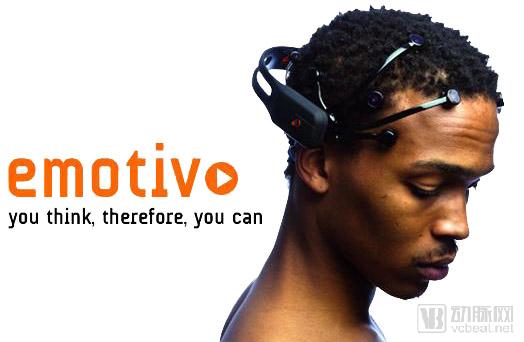
In 2014, Emotiv launched another EEG monitoring headset called Insight, targeting the consumer market and achieving respectable crowdfunding results. Like EPOC, Insight can monitor users’ electroencephalogram (EEG) signals to track and improve their attention and emotional states.
However, what sets it apart is that Emotiv provides the SDK for Insight to third-party developers and has opened up its App API. With the integration of third-party applications, Insight users can issue commands using brainwaves to control other devices.
The emergence of Emotiv has sent shockwaves through the industry, revealing opportunities in this field to many startups and prompting competitors to ramp up their efforts, with NeuroSky being one such company.
NeuroSky’s ECG and EEG sensors have been widely integrated into products across the health, entertainment, education, and medical sectors. By monitoring brain activity, it is possible to assess an individual’s potential in areas such as knowledge acquisition and achieving significant accomplishments. A healthy brain is indispensable for maintaining a positive state of health and learning.
NeuroSky’s EEG sensors can monitor human brain activity, enabling many EEG-based products—such as headbands, headsets, and caps—to detect users’ emotions and states. These products are not only applicable for brain health training but also offer unique entertainment experiences.
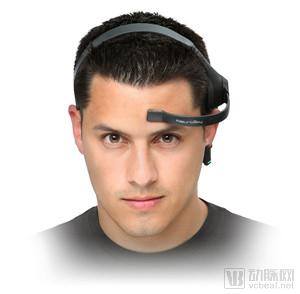
NeuroSky appears to place significant emphasis on this market, having established a subsidiary in China named MindTech. The company also partnered with Hongzhili to develop BrainLink, a thought-control headband leveraging NeuroSky’s technology for “attention training.”
At the Consumer Electronics Show (CES) held in Las Vegas in January 2016, Focus 1, a brain-computer interface wearable device independently developed by Brian Co, attracted significant attention. Like other typical brain-controlled products, Focus 1 is a headband-style device that enables users to control smart home appliances—such as turning lights on and off or opening and closing curtains—using their thoughts.
In addition to its application in smart homes, Focus 1 can also be utilized in the medical field. In healthcare, Focus 1 serves two primary purposes: first, long-term use of the product can enhance brain power and cognitive efficiency; second, it can be used to control external mechanical devices, such as robotic arms.
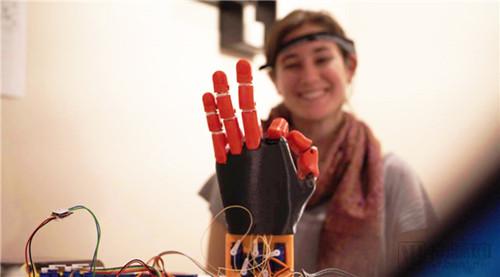
BrainCo specializes in non-invasive brain-computer interface (BCI) devices, which enable BCI interaction without the need for implanted electrodes. Users can wear the BCI device on their hands to convert electroencephalogram (EEG) signals into data for controlling robotic arms, allowing precise execution of finger movements as intended by the user.
This application is designed to assist individuals with mobility impairments, enabling them to control devices through their thoughts to meet their daily living needs. In January 2018, BrainCo broughtMind-Controlled Robotic ArmMaking a comeback at CES, it drew large crowds of onlookers.
At present, although an increasing number of companies are entering the brain-computer interface (BCI) arena, Elon Musk’s Neuralink remains the most prominent player. While Musk has not yet made significant inroads into the medical sector, global tech giants are accelerating their strategic investments in this industry. Whether this tech visionary will fully commit to the healthcare field in the future remains a subject of keen anticipation.