

Kool Smiles Files IPO Prospectus: Scaling Affordable Pediatric Dental Care in Underserved U.S. Communities
According to research by the Kaiser Family Foundation, up to one-quarter of children in the United States have untreated dental caries, which has become the most common chronic disease among school-aged children.
However, the U.S. health insurance system rarely covers dental care costs, making children's dental care a challenge for families.
VCBeat (WeChat ID: vcbeat) will introduce how Kool Smiles, a leading pediatric dental chain in the United States, has disrupted traditional operational models to fill this gap, and what challenges it has faced.
According to recent research findings from the Kaiser Family Foundation, low-income families, in particular, are disproportionately affected by oral diseases due to a lack of dental insurance and access to care, as well as an inability to afford out-of-pocket costs.
According to data from the Kaiser Family Foundation, in 2009, 19 million children lacked dental insurance—more than twice the number of those without health insurance.
Medicaid funding for dental care among low-income adults is very limited, and amid the economic downturn, 13 states cut dental benefits for adults in 2011.
On the other hand, despite increased insurance coverage in recent years, many communities across the United States still struggle to access dental care services.
According to the Kaiser Family Foundation, Medicare covers dental expenses only when they are related to a disease or medical procedure. Many people in low-income communities rely entirely on Medicaid to afford any dental treatment. However, the law does not require dentists to accept Medicaid, andDue to the low reimbursement rates of Medicaid, many dentists choose not to participate.
According to a 2014 survey by the American Dental Association (ADA),Only about one-third of dentists accept Medicaid or other forms of public insurance.. Therefore, dental care is one of the most serious unmet health needs among children in the United States, particularly among low-income populations and in rural areas.
According to a 2017 survey conducted by the Children's Dental Health Project in partnership with the Benevis Foundation, 13% of parents across China reported that their children needed dental care, yet in reality, these children were unable to access the corresponding dental services.
Due to a lack of preventive care, many patients seek dental treatment only in emergency situations. In 2012, there were more than two million such emergency visits, imposing over $1.6 billion in unnecessary costs on the U.S. healthcare system.
To address the aforementioned issues, every Kool Smiles clinic accepts Medicaid, and the majority of Kool Smiles patients use Medicaid to cover their treatment costs.
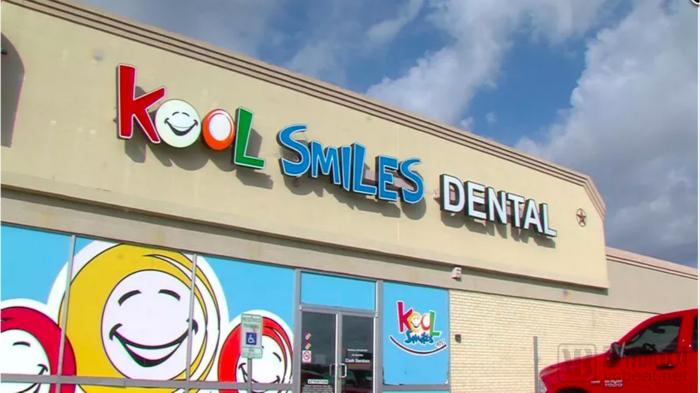
According to available data, Kool Smiles was founded in 2002 and currently operates 123 clinics across 15 U.S. states. Its core philosophy is that all families have the right to access high-quality dental care, with the goal of providing premium dental services to underserved communities.
Kool Smiles not only provides dental care services for children as young as one year old, but also offers dental treatment for adults in most of its clinics.
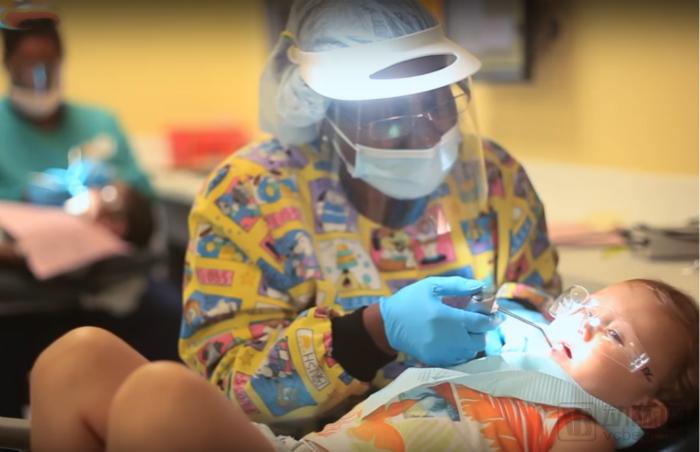
The U.S. Department of Health and Human Services considers dental care the number one unmet healthcare need among American children. Kool Smiles was established precisely to address this unmet need.
Recently, the Pew Center on the States (PCS) completed a study titled “The Cost of Delay,” which found that state dental policies are failing one in five children, further substantiating the concerns raised by the U.S. Department of Health and Human Services.
Kool Smiles believes that everyone should have the opportunity to access high-quality dental care services and is working to expand these services to underserved areas across the United States.
Kool Smiles revealed at the end of last year that, since 2005,The chain’s dentists have provided over $128 million in pro bono dental care services to uninsured children and families.
More than 1 million children and adults across 14 states and the District of Columbia received the dental care they deserved through Kool Smiles’ pro bono dental care program, as their commercial insurance or Medicaid plans did not cover dental services, or they faced difficulties affording medical expenses on their own.
Dr. Dale Mayfield, Chief Dentist at Kool Smiles, stated, “Ensuring that all children, regardless of their insurance status, have access to high-quality, affordable dental care is a vital component of the Kool Smiles mission.”
He stated that although the chain’s physicians accept a wide variety of insurance plans,including Medicaid, the Children's Health Insurance Program (CHIP), and TRICARE, but sometimes insurance does not cover the necessary services, and families are unable to pay. In such cases, the clinic steps in to cover these costs; nearly 90% of Kool Smiles’ patients are enrolled in Medicaid.
Kool Smiles is committed to creating a fun, safe, and compassionate environment for children and families seeking high-quality dental care. Leveraging its extensive reach, the organization has attracted some of the most respected senior dentists across China to lead its clinical teams.
Kool Smiles also engages authoritative third parties to conduct routine audits of physicians and reports their findings to the Board of Directors, similar to how a company’s board audits financial results.
In addition to this clinical oversight, Kool Smiles also uses an electronic health record system to measure and report on clinical compliance.Ensure that all clinics strictly adhere to government and professional guidelines。
Finally, Kool Smiles will alsoMeasure patient satisfaction and publicly report the results,Thousands of patients are followed up each month to understand their experiences.
Surveys reveal that 97% of patients would choose Kool Smiles again and recommend it to their family and friends. There are fewer than one clinical complaint per 10,000 consultations, and only about one complaint of any other type per 4,000 consultations, demonstrating impressive performance metrics.
Although Kool Smiles’ clinic model is relatively new in the dental field, it is already quite mature among other healthcare providers, including radiologists, ophthalmologists, and many hospital systems.
Kool Smiles dentists join Dental Support Organizations (DSOs), which provide non-clinical business support to clinics, including human resources, operations, marketing, accounting, and payroll.
These partnerships enable efficiency and economies of scale, reducing operating costs—a necessity for the Kool Smiles chain of clinics to remain financially viable in a low-reimbursement environment.
This clinic model also allows Kool Smiles’ dentists to focus on patient care rather than administrative tasks, while maintaining full autonomy over clinical and treatment decisions.
Kool Smiles and the DSO model are delivering benefits to dental patients enrolled in Medicaid. Since 2000, the majority of growth in dental coverage has been attributable to DSO-supported clinics, which leverage economies of scale to reduce operational costs.
Numerous studies have shown that, to date, Kool Smiles is the largest provider of dental services to Medicaid-enrolled patients among dental chain clinics supported by DSOs.
Kool Smiles’ business model differs significantly from that of most dental clinics.Most dental clinics are located in well-equipped communities, but Kool Smiles often builds its clinics in areas with the greatest need for dental care.
Kool Smiles is founded on the principle that all families have the right to high-quality dental care, with a mission to provide dental services to underserved and frequently overlooked communities.
The severe lack of affordable dental care services in rural and low-income communities is a major issue in the U.S. healthcare system, which Kool Smiles aims to address.
1. Site selection in communities lacking dental services
When dentists seek to establish new practices, they often opt for affluent communities to maximize revenue. Clinics located in these prosperous areas tend to charge higher fees, benefit from greater population density, and attract a larger base of regular patients; consequently, dental facilities are often scarce in low-income regions.
Kool Smiles is working to change the fragmented nature of dental clinics by establishing most of its practices in communities that lack access to dental care.
2. Provide dental education to families in low-income areas
The lack of basic oral hygiene education is a major factor affecting the dental health of populations in low-income areas. If children do not receive dental education at school and at home, they will struggle to develop proper dental habits.
Furthermore, if individuals do not visit their dentist regularly, they miss out on the necessary care and dental education required to maintain healthy teeth and gums.
Kool Smiles emphasizes the importance of education,The company has created a free resource repository for teachers, parents, and students.These include blog posts, videos, games, activity sheets, lesson plans, and more.
Kool Smiles is committed to providing high-quality care for all patients in a cheerful and friendly environment. In fact, all Kool Smiles offices are specially designed and renovated with children and their parents in mind.
Kool Smiles has designed dedicated play areas for children, while its spacious clinics provide ample room for family involvement. The walls feature warm, family-friendly décor, and most clinics are equipped with windows that allow parents to observe their children while still offering plenty of space for them to move around.

In addition to providing dental care to underserved communities, Kool Smiles encourages each clinic to contribute to its community,and collaborate with local schools, daycare centers, and community organizations to provide necessary oral health screenings and supplies free of charge。
Kool Smiles also invests in educational and outreach programs for the communities it serves. In 2017 alone, Kool Smiles’ dentists and staff contributed over $100,000 to the community through donations and promotional campaigns, distributed thousands of dental education kits to classrooms across China, provided 200,000 toothbrushes to disaster victims and other communities in need, and offered scholarships and educational support to the next generation of dental leaders.
Dobson DaVanzo & Associates conducted a multi-year, multi-state study on Medicaid utilization trends in dental care and associated costs across seven states.
Research has found that Kool Smiles clinics are more conservative and cost-effective compared to other Medicaid-enrolled dental service providers in Texas, Indiana, Virginia, Georgia, Mississippi, Louisiana, and South Carolina.
Based on publicly available Medicaid data from 2011 to 2015, the study found:
1. The overall surgical volume at Kool Smiles clinics decreased by 15%, with tooth extractions down by 40% and pulpotomies down by 39%;
2. Due to lower utilization, Kool Smiles’ overall average monthly Medicaid expenditure per patient was 33% lower than that of all other states and non-Kool Smiles patients during the sample years;
3. If all Medicaid-enrolled dental service providers in these seven states adopted the same care protocols and utilization rates as Kool Smiles, the total annual savings for state Medicaid programs would exceed $550 million;
4. The annual savings in Medicaid costs could cover more than 9 million Medicaid-enrolled children who lack access to treatment.
Kool Smiles’ business model is not merely about generating profit; it is dedicated to transforming children’s lives by ensuring they receive the dental care they deserve. Its operational model prioritizes the delivery of high-quality dental care and addresses the significant unmet healthcare needs in the United States.
However, Kool Smiles has recently been embroiled in legal disputes. After being sued for performing unnecessary tooth extractions and other procedures on a child, the chain was required to pay Maryland more than $1 million. In addition, Kool Smiles agreed to pay a total of $23.9 million in settlements to the federal government and 19 other states to compensate for losses incurred by the Medicaid program, which involves another layer of issues.
References:
http://www.koolsmilesfacts.com/new-research/
https://www.pbs.org/wgbh/frontline/article/americas-dental-care-crisis/
https://www.mykoolsmiles.com/media/press-release/kool-smiles-surpasses-128-million-in-uncompensated-care-for-uninsured-children-and-adults
https://www.mykoolsmiles.com/healthcare/about-kool-smiles
https://www.mykoolsmiles.com/downloads/presskit.pdf