

Rani Therapeutics Files for IPO: Pioneering Oral Delivery of Biologics with Robotic Pill Platform Backed by Novartis, AstraZeneca, and Google
VCBeat has learned that hundreds of millions of people worldwide suffer from one or more chronic diseases, and the treatment of patients—including those with diabetes, multiple sclerosis, and rheumatoid arthritis—relies on biologic drugs.
Because macromolecular biologics are readily metabolized and degraded by gastric acid, enzymes, and hepatic circulation, current clinical practice is limited to injectable administration. In the pharmaceutical field, due to patientsFear, high cost, and pain aversion,Resulting in approximately $289 billion worth of injectable medications being actively or passively avoided by patients each year.。For non-fatal diseases, the route of administration via injection can significantly affect patient compliance, particularly among pediatric patients.
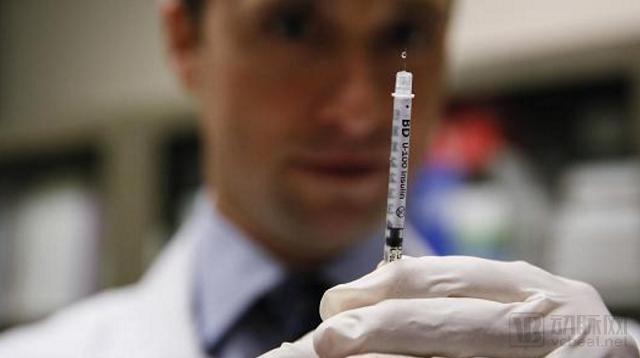
Therefore, oral administration is one of the most popular and simplest routes of drug delivery.
Over the past 40 years, pharmaceutical companies have made numerous attempts to painstakingly develop orally administered drugs such as insulin. However, these drugs are subject to enzymatic “attacks” in the gastrointestinal tract, which not only reduces their efficacy but also decreases the dose absorbed by patients.
Rani Therapeutics: Say Goodbye to Injection Delivery Methods That Give Patients a Headache
Rani is a medical technology innovation company engaged in the research and commercialization of robotic pills. It is currently focused on the research and development of drug delivery methods, specifically converting injectable biologics into oral formulations, with an emphasis on developing oral formulations for macromolecular protein drugs such as peptides, antibodies, vaccines, and insulin.
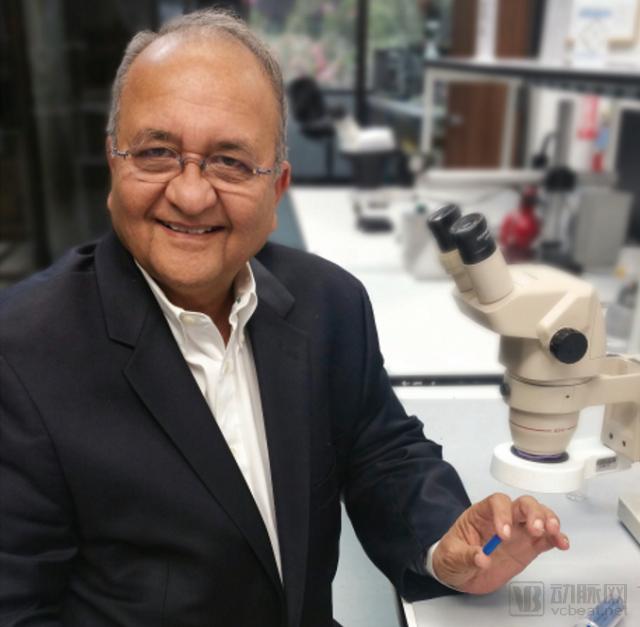
Rani Therapeutics Founder: Mir Imran
Rani was founded by Mir Imran, a tech entrepreneur and venture capitalist who graduated from Rutgers University with a major in Electrical and Biomedical Engineering, thereby possessing expertise in both engineering and medicine.
Mir has learned that pharmaceutical companies have spent billions of dollars over the past 40 years attempting to convert various injectable drugs into oral formulations, with most efforts ending in failure. Solving this challenge would impact hundreds of millions of patients and bring about a transformative shift in the pharmaceutical market.
Mir’s initial concept was to combine all biologic agents into a single formulation for oral administration. In this volatile pharmaceutical market, successful implementation of this technology would enable partners to rapidly secure a first-mover advantage. Meanwhile, patients would no longer need to fear needle injections.
Thus, in 2012, Mir founded Rani Therapeutics, naming it after his mother, Rani.
Rani Therapeutics Official Website
Rani’s technology and methodology are built upon InCube Labs, a medical and Internet incubator founded by Mir in 1995. InCube Labs is an interdisciplinary life sciences research laboratory focused on advancing medical innovation.
InCube Labs’ world-class multidisciplinary team has developed a range of medical devices and combination drug therapies to meet clinical needs across various therapeutic areas, including the central nervous system (CNS), cardiovascular and metabolic disorders, inflammatory bowel disease (IBD), and renal diseases. InCube Labs has also successfully incubated numerous high-tech healthcare companies, including Rani.

Technical Implementation Process and Principles
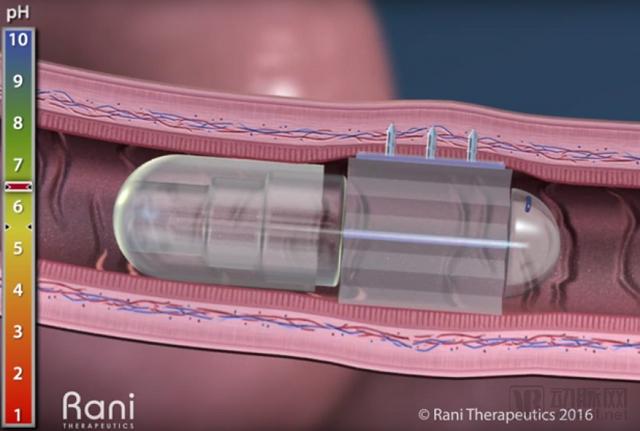
Rani Capsules and Sugar Needles in the Gut
To transform drugs that can only be administered via injection into oral medications, the key challenge lies in developing a drug delivery system capable of protecting these agents from degradation by the gastrointestinal environment.
Rani’s R&D team is developing a novel oral biologic formulation, the Sugar Pill Capsule. The preliminary design involves formulating the drug within the capsule in solid form. This approach is driven by two key considerations: first, the solid state maximizes the drug payload; second, drugs in solid, dry form have a longer shelf life than liquid formulations.
Design Principles: The drug and the microinjector are both enclosed within a cellulose capsule shell, which is then coated with a polymer designed to dissolve at pH 6.5, ensuring that the capsule does not dissolve in the stomach where the pH is typically below 5. Once the capsule passes through the duodenum and the pH rises above 6.5, the shell dissolves, thereby triggering a chemical reaction inside the balloon.
Detailed Procedure: When the capsule reaches the intestinal tract within the human body, the polymer-based capsule shell dissolves in response to changes in pH and acidity. The citric acid and sodium bicarbonate, originally separated within the tablet, mix together; the carbon dioxide generated by this reaction serves as the “propellant” for the tablet, causing the internal miniature balloon-like structures to gradually expand, therebySugar-based needles pushed against the intestinal wall, the preloaded medication will be slowly injected into the human body through this needle.
Since the intestinal wall is highly vascularized, drugs are rapidly absorbed upon delivery. Subsequently, the sugar microneedles attached to the intestinal wall will dissolve, while the balloon structure and polymer shell will gradually degrade and be excreted from the body, without causing obstruction.Since the small intestine lacks nerve endings, the patient will not experience pain throughout the entire process.。
To ensure the safety of the pills, Rani selected FDA-approved injectable and absorbable materials that are either readily and safely absorbed by the body or easily excreted.
Prior to this,Peptides, proteins, and therapeutic antibodies can only be administered via injection, whereas this technology holds the promise of enabling oral delivery of these large-molecule drugs, offering broad market application prospects in the management of chronic diseases such as diabetes, rheumatoid arthritis, and cancer.A few years ago, the challenges in designing such tablets deterred researchers, but advances in technology and science have now made it possible.
Technical Highlights
Efficacy – Biologic utilization is superior to that of SC (subcutaneous injection);
Painless: The small intestine wall lacks pain receptors, so the prick of a bio-needle is not felt.
High-Efficiency Absorption—The highly vascularized intestinal wall enables efficient absorption;
Safe and Reliable – Uses FDA-approved ingestible medications;
Broad applicability—effective against most drugs, including therapeutic peptides, proteins, antibodies, and nucleotides;
Robust Patent Position – Over 100 granted and pending patents, with numerous additional technologies currently under development;
Low cost—suitable for mass production.
The company’s technology is not yet in use by patients, as it remains in the clinical trial phase and has not yet been tested in humans.Mir expects the company to bring its technology to market within one to two years, with a focus on diabetes, rheumatoid arthritis, and other common chronic diseases.
Preclinical studies have demonstrated that Rani’s oral delivery technology achieves a bioavailability of over 50%.
Founder Mir Imran has already established 23 companies.
Mir Imran, Chairman and Chief Executive Officer of Rani Therapeutics, has founded 23 companies since the 1980s, establishing himself as a prolific medical inventor, entrepreneur, and investor.
Rani Therapeutics is estimated to have 20 employees and annual revenue of £1.5 million. Owler (an Australian startup analysis website) suggests that Rani Therapeutics may be acquired in the future.
The Rani team possesses expertise across a range of disciplines, including pharmacology and physiology, protein and polymer chemistry, mechanical engineering and materials science, industrial design, and medicine and clinical sciences. Its board members are all accomplished scientific experts in the pharmaceutical and medical technology industries.
Biologics: Biologics Applicable to the Rani Platform and Their Market Valuation
Rani’s technology is applicable to a wide range of injectable drugs; its pill design was developed with numerous biologics in mind, such as basal insulin, human interferon, and human growth hormone, each representing a multi-billion-dollar market.
Rani Platform’s Assessment of the Market Value of Various Biologics:
Molecular Formulation | Market Value |
TNFα Inhibitors | $30 billion |
Parathyroid Hormone (PTH) | $1.5 billion |
Human Growth Hormone (HGH) | $4.3 billion |
Somatostatin | $2 billion |
Human Interferon β-1a | $7 billion |
GLP-1 analog | $2.5 billion |
Basal Insulin + GLP-1 Combination | $20 billion |
Interleukin-17 (IL-17) | $1 billion |
>>>>
Corporate Partnerships and Financing
Rani’s technology has garnered favor from industry giants such as Google Ventures, Novartis, and AstraZeneca.
Since its establishment in 2012, the company has completed five rounds of financing, with total funding estimated to have reached $1 billion. Investors include Google Ventures, Novartis (a Swiss pharmaceutical company), and AstraZeneca (a British pharmaceutical company), among other pharmaceutical firms.
Google participated in the company’s Series B through E financing rounds, leading the Series B and Series E rounds.
“Life sciences research is advancing at an unprecedented pace in the current era,” said Blake Byers, General Partner at Google Ventures. “The Rani team’s strong track record in preclinical research gives us great confidence, and we look forward to the day when Rani successfully improves patients’ quality of life.”
Several companies participated in the company's financing.
On June 25, 2015, Kunming Pharmaceutical Group invested $5 million to participate in Rani Therapeutics’ Series C financing round.
On September 5, 2017, Changchun High-Tech Industry (Group) Inc. participated in Rani Therapeutics’ first closing of its Series D financing round, subscribing to a 1.27% equity stake in Rani Therapeutics for a total of $15 million at a price of $16.86 per share.
Rani has also granted Changchun High-Tech exclusive sales rights for its oral growth hormone product in China.
Date | Funding Round | Financing Amount | Lead Investor |
2013.8.28 | Series B | Undisclosed financing amount | Google Ventures InCube Ventures |
2015.5.26 | Series C | $15,486,363 | Novartis InCube Ventures Google Ventures, etc. |
2016.2.24 | Series D | AstraZeneca, et al. | |
2017.9.9 | Series E | $39 million | Google Ventures AstraZeneca Novartis |
2017.11.5 | Collaboration Round | Undisclosed Financing Amount | Shire |
Shire, a UK-based pharmaceutical company specializing in rare diseases, has invested in Rani Therapeutics and entered into a collaboration. The two parties are jointly researching and testing an oral medication for hemophilia. Both Rani and Shire were incubated at InCube Labs, focusing on the treatment of Hemophilia A with coagulation factor VIII using the “Rani Pill” (hemophilia is classified asA, type B).
To date, Rani Therapeutics has partnered with multiple pharmaceutical companies, including Novartis and AstraZeneca, and conducted drug delivery experiments with various oral formulations in mid-2015. The next step is to strive to translate their successful experience from animal studies to human trials.