

Six Newly Minted Healthcare Unicorns of 2017: Innovations Spanning Digital Health, Imaging, AI Diagnostics, and Genomics
In 2017, a total of six healthcare innovation companies emerged as new unicorns (valued at over $1 billion). Their areas of focus included mobile health, imaging equipment, data analytics, cardiovascular diagnostics, smart fitness, and genetic testing. Based on information compiled by VCBeat, you will see some of the key factors required to become a new unicorn.
Chicago-based Outcome Health (formerly ContextMedia), founded in 2006 by Rishi Shah and Shradha Agarwal, is currently building the world’s largest feasible health intelligence platform.
According to available data, the company’s predecessor, ContextMedia, was an enterprise focused on producing waiting-room screens and tablets, products primarily used for patient education and pharmaceutical marketing. Over the years of business expansion, Outcome Health has gradually shifted its focus from hardware to healthcare services. In January 2017, the company was renamed Outcome Health to better align with its aspiration to create optimal health outcomes for everyone around the world.
Core Business
In a recent exclusive interview, Rishi Shah, co-founder of Outcome Health, stated that the greatest obstacle to upgrading healthcare services lies in the fragmentation and disconnect of value, as high-quality diagnostic and treatment experiences do not directly translate into profits for healthcare service providers.
He identified five key stakeholders involved in the consultation process: healthcare providers, patients, life sciences companies, payers, and health service companies. Accordingly, the company’s business operations are centered on enhancing communication and creating value among these five parties.
Over the past two years, Outcome Health has focused its business efforts on building information networks for healthcare providers and health service providers. On November 16, 2016, Outcome Health acquired AccentHealth, another company engaged in patient media services during the diagnosis and treatment phase, thereby becoming the largest online medical decision-making platform in the United States. Subsequently, through collaborations with various disease associations and related service companies, it accumulated a substantial base of healthcare professional users and specialized knowledge, laying a solid foundation for enhancing interactions with patients.
In 2017, Outcome Health began exploring commercial opportunities with other stakeholders. On January 24, 2017, at the Summit for Clinical Ops Executives, Outcome Health announced the development of a solution for patient recruitment in clinical trials, clearly positioning it as a product aimed at biopharmaceutical companies. Insufficient patient enrollment and inadequate pre-trial training have long been major challenges plaguing drug development at biopharmaceutical firms. Outcome Health decided to leverage its precise platform and data to provide solutions to these problems.
Based on the aforementioned business objectives, the company’s primary solutions lie in:
1. Digital Screens in Patient Waiting Areas: Provide a robust “library” for patients and caregivers, featuring over 11,000 videos from more than 100 medical associations and partners, primarily consisting of specialized and educational health promotion content.

2. Digital Tablet in the Consultation Room: The digital tablet can provide patients with personalized information at key moments during their conversations with doctors, such as details about surgeries, conditions, treatment plans, and health assessments, enabling patients to better understand their own health status.
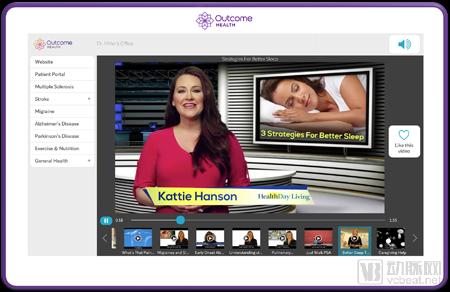
3. Clinical Research Protocol: Provide clinical trial education to patients during the clinical research study period, thereby enhancing patient awareness and participation in clinical trials.
4. Digital Anatomy Display: The digital anatomy display can provide patients with over 80 unique types of health content and offer consultees effective information, thereby facilitating better communication between doctors and patients regarding diseases and treatment options. Through the digital anatomy board, doctors and patients can access specific information, such as interactive anatomical diagrams, enabling patients to gain a better understanding of their condition and make more informed health decisions.

5. Patient Wi-Fi: Via Wi-Fi, the “patient mobile app” can send targeted information to patients’ personal devices, thereby better guiding them in making treatment decisions in the waiting area and consultation room.

Infusion Room Digital Tablet: Infusion room digital tablets can provide supportive experiences for patients during infusion therapy. By offering interactive entertainment, therapeutic content, and disease information management, these tablets help create a more comfortable environment for patients.
Financing Situation
The company closed its Series A financing round on May 31, 2017, raising $500 million. Investors included a venture capital fund under Goldman Sachs, Capital G (an equity investment fund under Alphabet, Google’s parent company), and an equity investment fund under Balyasny Asset Management. The company’s current market valuation stands at $5 billion.
Christopher Dawe, head of Goldman Sachs’ venture capital and growth equity fund, stated that Outcome Health’s services can effectively help healthcare providers transition toward value-based care, comprehensively upgrade medical decision-making, and, most importantly, have already begun to tap into the substantial primary care market.
Shanghai United Imaging Healthcare Co., Ltd. (hereinafter referred to as “United Imaging”) was established in October 2010 and registered in 2011. Headquartered in Jiading, Shanghai, the company is engaged in the research and development, manufacturing, and sales of high-end medical imaging equipment and related technologies. It provides healthcare institutions with comprehensive medical solutions covering diagnostic imaging equipment, radiotherapy equipment, service and training, and medical IT.
As a Chinese manufacturer of medical imaging equipment, United Imaging is positioned to independently develop and produce high-end medical products covering the entire process of imaging diagnosis and treatment, while providing innovative healthcare informatics solutions.
Main Products
1. Computed Tomography (CT), Molecular Imaging (MI), Magnetic Resonance (MR), and X-ray (X-ray) products featuring high-definition image quality, low-dose technology, and efficient workflows empower physicians to make efficient, precise, and effortless diagnoses, enabling patients to detect pathological changes early and receive timely and effective treatment.
2. High-end radiotherapy (RT) equipment, providing comprehensive RT technical solutions with real-time high-definition image guidance, to achieve precise treatment of subtle lesions and minimize damage to non-lesional tissues, thereby enhancing diagnostic and therapeutic standards.
3. Provide innovative healthcare informatics solutions (HSW). Achieve remote diagnosis, remote training, and maintenance through regional interconnectivity, effectively integrating medical resources to improve the efficiency and quality of care, while expanding access to medical services.
4. To better serve customers, United Imaging has developed dedicated “Expert Diagnostic Support System,” “Clinical Application Support System,” and “Cloud” platform.
By logging into the "United Imaging Expert Diagnostic Support System" and submitting a request, clients can obtain remote diagnostic support from senior United Imaging experts for complex cases, facilitating seamless consultations.
By logging into the “United Imaging Clinical Application Support System” and submitting a request, customers can access remote clinical application consultation and support from United Imaging’s senior clinical application specialists, helping them resolve challenges in clinical practice and continuously enhance their professional proficiency in clinical applications.
Leveraging cloud technology, the “Cloud” platform provides dedicated service terminals to offer exclusive customer care services for United Imaging clients. It features the United Imaging Knowledge Base, granting access to professional learning resources such as an online library, domestic and international professional journals, and imaging teaching CDs. The platform also offers United Imaging Air Classroom, delivering diverse training courses tailored to different departments. Additionally, it hosts special lectures and forums to promptly share the latest research directions and industry trends, while providing a case image sharing platform that aggregates and categorizes classic case images.
Key Highlights
In May 2017, United Imaging Healthcare’s uExplorer, the world’s first total-body PET-CT scanner, was officially unveiled. This PET-CT system was jointly developed by United Imaging and the U.S.-based “EXPLORER” molecular imaging consortium.
uExplorer enables real-time 4D whole-body dynamic scanning, visualizing the dynamic metabolic processes of all organs. With a resolution of 2.8 mm, it accurately captures early tumor lesions and micrometastases. Whole-body imaging is completed in just 15 seconds, allowing for comprehensive scanning of the entire body and all organs within a single bed position and a single breath-hold cycle. Sensitivity is increased by 40-fold, while radiation dose is reduced to 1/40th, expanding its applicability to mothers and infants, adolescents, and children.
It is understood that the PET-CT will initially be utilized by researchers in areas such as precision diagnosis and treatment of critical illnesses, as well as new drug development.
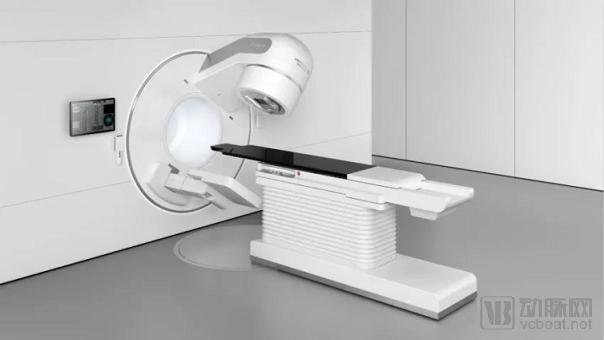
Recently, United Imaging’s 96-ring light-guide PET-CT was installed at Fujita Health University Hospital in Nagoya, Aichi Prefecture, Japan, becoming the first high-end medical device from China to enter the Japanese market.
Furthermore, United Imaging is also promoting the implementation of tiered diagnosis and treatment through its cloud platform. As part of United Imaging’s “U+ Internet Healthcare” strategic layout, a “Regional Imaging Center” has been established based on the uCloud United Imaging Smart Healthcare Cloud, enabling interconnectivity among provincial/municipal, county-level, and township-level hospitals.
It is understood that the uCloud-United Imaging Smart Healthcare Cloud currently connects hundreds of hospitals at various levels in regions including Shanghai, Anhui, Guizhou, Hubei, Yunnan, and Liaoning, covering a population of over 100 million across China.
Financing Status
On September 15, 2017, United Imaging successfully completed its Series A financing round, raising RMB 3.333 billion. The round was co-led by China Life Health Industry Fund and SDIC Innovation Investment Management Co., Ltd., with participation from China State-owned Capital Venture Investment Fund, CICC Zhide, CITIC Securities, CDB Kaiyuan, and China Merchants Bank Telecom, among other institutional investors. The post-money valuation reached RMB 33.333 billion. According to available data, this represents the largest single private equity financing deal in China’s medical device industry to date.
Headquartered in San Francisco, Clover Health was founded in 2014. Its core business involves providing Medicare Advantage plans to individuals aged 65 and older, leveraging data analytics for chronic disease management. The company currently operates in eight counties in New Jersey.

Core Business
Clover Health targets the senior market, with its core product being a Medicare Advantage plan. Building upon traditional Medicare, it imposes no restrictions on hospital networks and provides enhanced coverage for prescription drugs. As a next-generation insurer, Clover Health seeks to identify points of competitive differentiation through data analytics. Its founding team possesses strong data analysis capabilities, aiming to conduct in-depth analyses of members’ clinical data—including diagnostic tests, treatments, and medication usage—to identify high-risk individuals and implement more effective interventions.
Unlike traditional insurance businesses, where conventional insurers provide claims reimbursement only after a policyholder falls ill, Clover Health’s advantage lies in leveraging big data and specialized software to track users’ medical histories, thereby proactively predicting potential health issues. Even when health problems are predicted, the company works closely with users to navigate these challenges, helping them achieve better health outcomes while significantly reducing their medical expenses.
Clover Health’s user base primarily consists of high-risk individuals aged 65 and older. This demographic represents a significant portion of healthcare spending, as they frequently require medical treatments and hospitalizations, resulting in substantial medical expenses. Under traditional models, both these patients and insurance companies incur considerable costs. However, these individuals have accumulated extensive historical medical data. Clover Health leverages data analytics to assess their health status and identify potential preventive measures, thereby improving health outcomes and reducing treatment costs. For instance, Clover Health arranges for nurses to conduct regular home visits for health check-ups or sends reminders to ensure continuity of care when patients miss scheduled examinations or treatments.
Moreover, unlike other health insurance companies, Clover Health is committed to providing differentiated care services. For instance, its software can promptly predict issues such as patients failing to fill prescriptions or missing scheduled doctor appointments. When these issues actually occur, the company’s care team will call users to inquire about their situation. If a user’s health is compromised, the company will arrange home visits by experts or nurses. The aim is to ensure users’ well-being and prevent them from incurring high medical costs through a series of timely interventions.
Financing Situation
Following multiple rounds of financing, in May 2017, Clover Health announced that it had secured $130 million in Series D funding co-led by GV, the investment arm of Alphabet, and other investors, reaching a post-money valuation of $1.2 billion.
HeartFlow, based in Redwood City, California, is a personalized medical technology company founded in 2007 that specializes in cardiovascular diagnostic solutions. The company is committed to improving outcomes for patients with cardiovascular disease by providing safe and effective technologies validated through clinical research. Its founders, Dr. Charles Taylor and Dr. Christopher Zarins, both hold PhDs from Stanford University, and the company’s core technology, FFRCT, stems from their research. The cardiovascular hemodynamic simulation-assisted diagnostic software they developed calculates fractional flow reserve (FFR) using three-dimensional aortic and cardiac models derived from CT scans, representing a breakthrough in the medical diagnosis of coronary artery disease.

Key Solutions
HeartFlow’s FFRCT technology leverages sophisticated 3D computational models to diagnose heart disease using coronary CT angiography (CCTA) images. This powerful analytical technique creates patient-specific blood flow models, enabling non-invasive assessment of coronary blood flow in patients with coronary artery disease (CAD). Physicians simply upload standard CAD CT data to HeartFlow’s cloud platform. Following analysis by HeartFlow using high-performance computing, a color-coded 3D model is generated to display both FFRCT results and anatomical findings, after which physicians receive the analysis report.
HeartFlow also employs deep learning technologies powered by NVIDIA GPUs, seamlessly integrating standard CT scans with complex computational fluid dynamics and deep learning algorithms to generate 3D images of patients’ hearts. This enables physicians to thoroughly assess coronary blockages and blood flow patterns, thereby facilitating accurate diagnosis.
By eliminating the need for invasive patient examinations, this technology can significantly reduce the cost of coronary artery disease screening from $5,000 to under $2,000. The company expects that its technology will be used to assess which patients require invasive procedures and which do not. This solution also enables clinicians to provide targeted treatment for each patient, with the potential to greatly improve quality of life. Furthermore, this technology eliminates the need for angiography in 60% of patients, thereby reducing healthcare system costs by 25%.
HeartFlow’s technology received European CE certification in 2011 and U.S. FDA approval in 2014.
Meanwhile, HeartFlow presented the results of the DISCOVER-FLOW study at EuroPCR and received the 2011 EuroPCR Innovation Award. This award primarily recognizes one technology each year that demonstrates the greatest potential to transform interventional medical practice.
Financing Status
On December 1, 2017, the company announced that it had secured $150 million in Series E financing, bringing its total funding to $386 million. The company’s current valuation has exceeded $1 billion.
Peloton Interactive, headquartered in New York, USA, was founded in 2012 as a startup specializing in smart fitness bikes. What sets Peloton apart is its integration of a screen into the front of the bike frame, which not only tracks exercise metrics but also offers professional fitness classes and fosters a community for cycling enthusiasts. The company’s co-founders have stated their ambition to become the Apple of the fitness industry. Currently experiencing robust growth, Peloton has reached 100,000 paying subscribers, with annual revenue tripling within a year to $170 million.
Main Products
1. Smart Fitness Exercise Bike
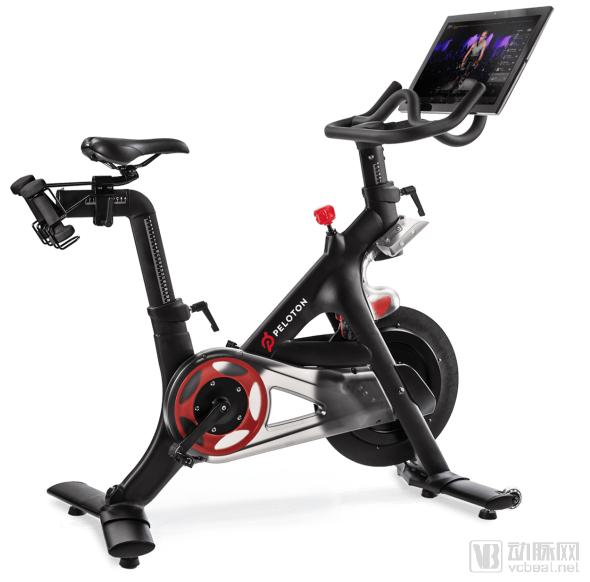
Peloton’s flagship product is a smart exercise bike priced at $1,995. Its standout feature is the screen mounted on the front of the frame, which not only displays real-time workout metrics and analytics but also allows users to stream Peloton’s live classes while exercising. The live classes are offered as a subscription-based add-on service for $39 per month. Peloton’s live classes are professionally produced and scheduled around the clock, effectively functioning as a 24/7 virtual cycling studio. Users can choose from a wide variety of live and on-demand classes. Additionally, Peloton has built an online community for cycling enthusiasts, enabling interactive features such as leaderboards, and workout data can be synced with Fitbit.
2. Smart Treadmill

In addition to selling its smart stationary bikes directly to consumers, Peloton has also opened physical stores in 22 locations, including New York, Los Angeles, and Short Hills, offering fitness services with all outlets fully equipped with Peloton’s smart bikes. Recently, Peloton has also begun selling its equipment to commercial gyms.
At CES 2018, Peloton unveiled a new product—the Peloton Tread smart treadmill. Priced at $3,995 (approximately RMB 26,073), the Peloton Tread features a 32-inch HD touchscreen for accessing fitness classes. These classes are available via live streaming, on-demand online playback, or local playback. The classes are offered as a subscription-based add-on service at a cost of $39 per month. More technologically advanced than most treadmills, it features rubber-coated speed and incline adjustment knobs for easier control. Additionally, users can easily adjust speed and incline by simply tapping the center of each knob.
The running belt itself is composed of 59 aluminum plates coated with thick rubber, giving users the sensation of stepping on a soft ballroom floor. Below the display screen is a 20-watt soundbar; however, users who prefer headphones can connect Bluetooth devices to the treadmill. There is also a benefit for those who insist on using wired headphones—the treadmill features a 3.5mm headphone jack. Both the speakers and the belt drive mechanism are covered in nylon fabric, allowing the treadmill to blend seamlessly into the room’s overall aesthetic if the user has similar textile home furnishings.
Financing Status
In May 2017, the company raised $325 million from investors including Wellington Management, Fidelity Investments, Kleiner Perkins, and Comcast NBCUniversal, in what was likely Peloton’s final funding round before its initial public offering (IPO). The company reached a valuation of $1.3 billion in this round.
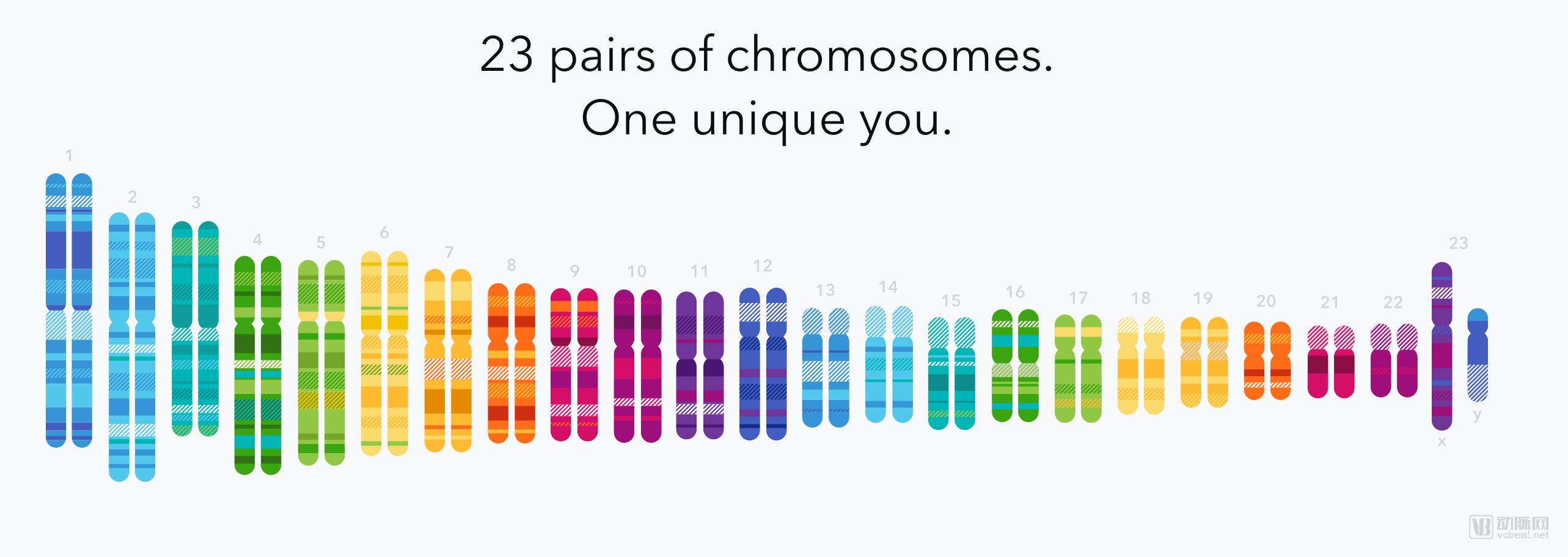
23andMe, a personal genetic testing startup headquartered in California, USA, was co-founded in 2006 by Anne Wojcicki, the wife of Google co-founder Sergey Brin. The company is named after the number of chromosome pairs in humans. It aims to help people understand the significance of their genetic data by indexing it and highlighting notable findings.
Primary Solutions
23andMe initially established two distinct business lines: one focused on selling its genetic services directly to individual consumers, and the other on aggregating consumer genetic data for sale to pharmaceutical or biotechnology companies.
For consumers, it costs just $99 to place an order on the website. The company will then send a testing kit to the user. By following the instructions to collect their saliva and mailing it back to the company, users can receive a personalized genetic information report after a short waiting period. The generated report includes the user’s ancestry composition, Neanderthal DNA content, and paternal and maternal DNA haplogroup classifications.
Meanwhile, the company can also leverage its extensive database to identify users’ close relatives based on genetic similarity, provided that those relatives are also in 23andMe’s database. If a closely related individual with a high degree of genetic similarity newly joins the database, 23andMe will notify both parties. Upon obtaining user consent, the user’s genetic data will be stored in the genetic database for use by researchers.
Meanwhile, to attract users, 23andMe has opened its personal genomics application programming interface (API) to all developers, enabling them to create innovative tools and applications based on the genetic data of its vast user base. The company also offers a suite of other breakthrough tools designed to help users explore their own genetics.
The company was awarded “Best Invention of the Year” by TIME magazine in 2008, with previous winners including the iPhone and YouTube.
Owing to its affordable pricing and convenience, 23andMe has garnered significant consumer favor, with its DNA database currently comprising over three million genotyped customers worldwide. Building on this foundation, 23andMe has begun collaborating with top-tier universities by granting research laboratories access to its database. Researchers can thereby obtain not only detailed genetic reports but also user-submitted “phenotypic” data (such as physical appearance, body weight, and other traits) collected via online questionnaires. This initiative serves to enhance the company’s academic standing in the technical domain.
However, in December 2013, the U.S. Food and Drug Administration (FDA) ordered 23andMe to halt its testing services in the United States. According to regulations, such genetic tests required corresponding device approvals to demonstrate their validity. Nevertheless, the FDA did not impose a complete ban on the company’s operations; it still permitted 23andMe to provide users with ancestry reports and raw genetic data. Subsequently, 23andMe ceased selling genetic health information to new customers and began seeking alternative revenue streams. The company then strengthened its medical research efforts by hiring more scientists and collaborating with genetics-focused organizations to conduct high-level research. For instance, it partnered with Celmatix, a genetics company specializing in fertility, to study the impact of genes on female pregnancy outcomes. Additionally, 23andMe established a pharmaceutical division and entered the drug development industry through collaborations with pharmaceutical companies such as Pfizer Inc. and Genentech.
In 2015, the U.S. Food and Drug Administration (FDA) eased its regulatory oversight of 23andMe, permitting genetic testing for Bloom syndrome, a rare autosomal recessive disorder. On April 6, 2017, the FDA authorized 23andMe’s Personal Genome Service Genetic Health Risk (GHR) tests for ten diseases or conditions. This marked the first FDA-authorized direct-to-consumer (DTC) test capable of providing information on an individual’s genetic predisposition to certain medical diseases or conditions, thereby enabling individuals to adjust their lifestyles or prompting them to consult healthcare professionals.
Financing Status
On September 5, 2017, 23andMe announced the completion of a $250 million Series E financing round, led by Sequoia Capital, with participation from Euclidean Capital, Altimeter Capital, and the Wallenberg Foundation, among others. The funds will be used to expand its therapeutics team and invest in its crowdsourced genetic research platform, which houses the world’s largest DNA sample repository.
On October 12, 2017, 23andMe secured another round of financing, although the investing firms and the amount raised were not disclosed at the time. As of now, 23andMe’s total funding has reached $486 million. Following this round, the company’s current valuation stands at $1.5 billion, making it the most highly valued direct-to-consumer genetic testing startup.