

Oriental Hearing Achieves Over RMB 100 Million Annual Revenue, Captures Blue Ocean in Specialty Rehabilitation with 23 Speech Therapy Centers

Northern Light Venture Capital
Venture Capital Firms
According to the “2016 Statistical Bulletin on the Development of Causes for Persons with Disabilities in China” released by the China Disabled Persons’ Federation, in 2016, excluding children with hearing and speech disabilities and physical disabilities, 56,000 children aged 0–6 years with intellectual disabilities and 175,000 children and adults aged 7–17 years with intellectual disabilities across China received cognitive and adaptive training and supportive services; additionally, 18,000 children aged 0–6 years with autism and 14,000 children aged 7–17 years with autism received communication and adaptive training and supportive services.
Aiming to address speech disorders caused by delayed speech development, autism spectrum disorder (ASD), and cognitive impairments, Eastern Speech Therapy was founded with the original mission of transforming traditional speech therapy methods, developing innovative curricula for children’s speech and language, and establishing a new discipline that had not yet emerged in China. From a single clinic to 23 directly operated centers, from working alone to engaging in international collaboration, and from serving one case to helping 8,043 children actively begin to speak, Eastern Speech Therapy has now entered its 11th year on the path of pediatric speech rehabilitation.
In this relatively untapped market, how has Eastern Speech leveraged its self-sustaining capabilities to expand its network of directly operated speech rehabilitation centers to 23 locations? Furthermore, how does its “medical + education” model penetrate this blue ocean? To this end,VCBeat (WeChat: vcbeat)An Exclusive Interview with Cui Guangli, Founder and Vice President of Technical Operations at Eastern Speech
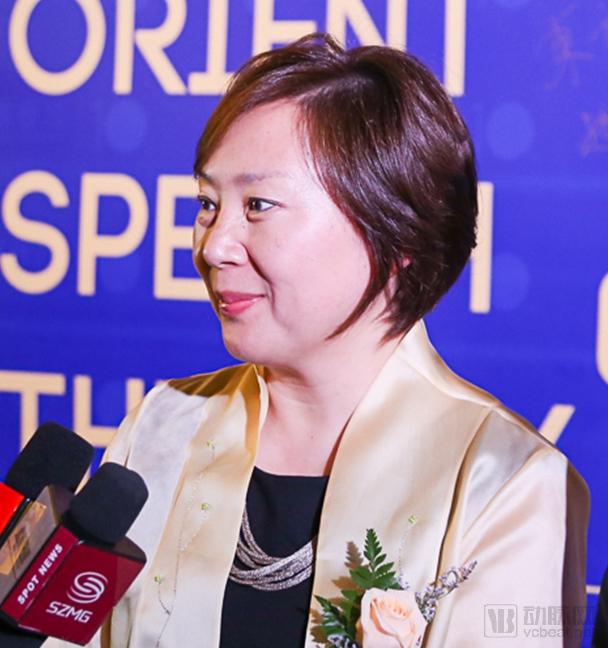
Cui Guangli, Founder and Vice President of Technical Operations at OASIS
The professional speech rehabilitation market lacks industry standards, with early talent and training instructors introduced from Hong Kong and abroad.
Speech therapy is a specialized discipline in which speech-language pathology professionals provide treatment or correction for individuals with various speech and language disorders. Its scope includes the assessment, diagnosis, treatment, and research of diverse speech and language impairments, serving both adults and children affected by such conditions. Speech and language disorders encompass aphasia, articulation disorders, childhood language developmental delay, social communication disorders, swallowing disorders (dysphagia), voice disorders, and stuttering. Professionals directly engaged in the practice of speech therapy are known as speech-language pathologists.
Although this discipline has been widely developed in developed countries such as the United States, it has not yet received sufficient development and attention in China. In the eyes of most people, speech-language pathologist remains a little-known profession.
Cui Guangli told reporters that, after years of clinical and educational practice, she has found that pediatric speech rehabilitation in China lacks a clear “institutional positioning,” often falling under the purview of pediatric healthcare departments, rehabilitation departments, or institutions affiliated with the China Disabled Persons’ Federation, while professional training for speech-language pathologists in the country is still in its infancy.
Therefore, to better promote the development of pediatric speech therapy techniques and establish them as a specialized clinical system, Cui Guangli and Yao Qiuwu, Chairman of Dongfang Qiyin, began introducing technical experts and training mentors from developed countries and regions such as Hong Kong, the United States, and Australia. They also trained local professionals in the medical and education sectors to form a “specialized technical team” in this field.
In 2007, Oriental Speech Therapy (China) Limited was officially incorporated in Hong Kong, becoming China’s first institution dedicated to speech and cognitive development. By introducing and promoting internationally advanced professional speech therapy techniques, the company provides systematic speech rehabilitation services to individuals with speech disorders through both online and offline channels.
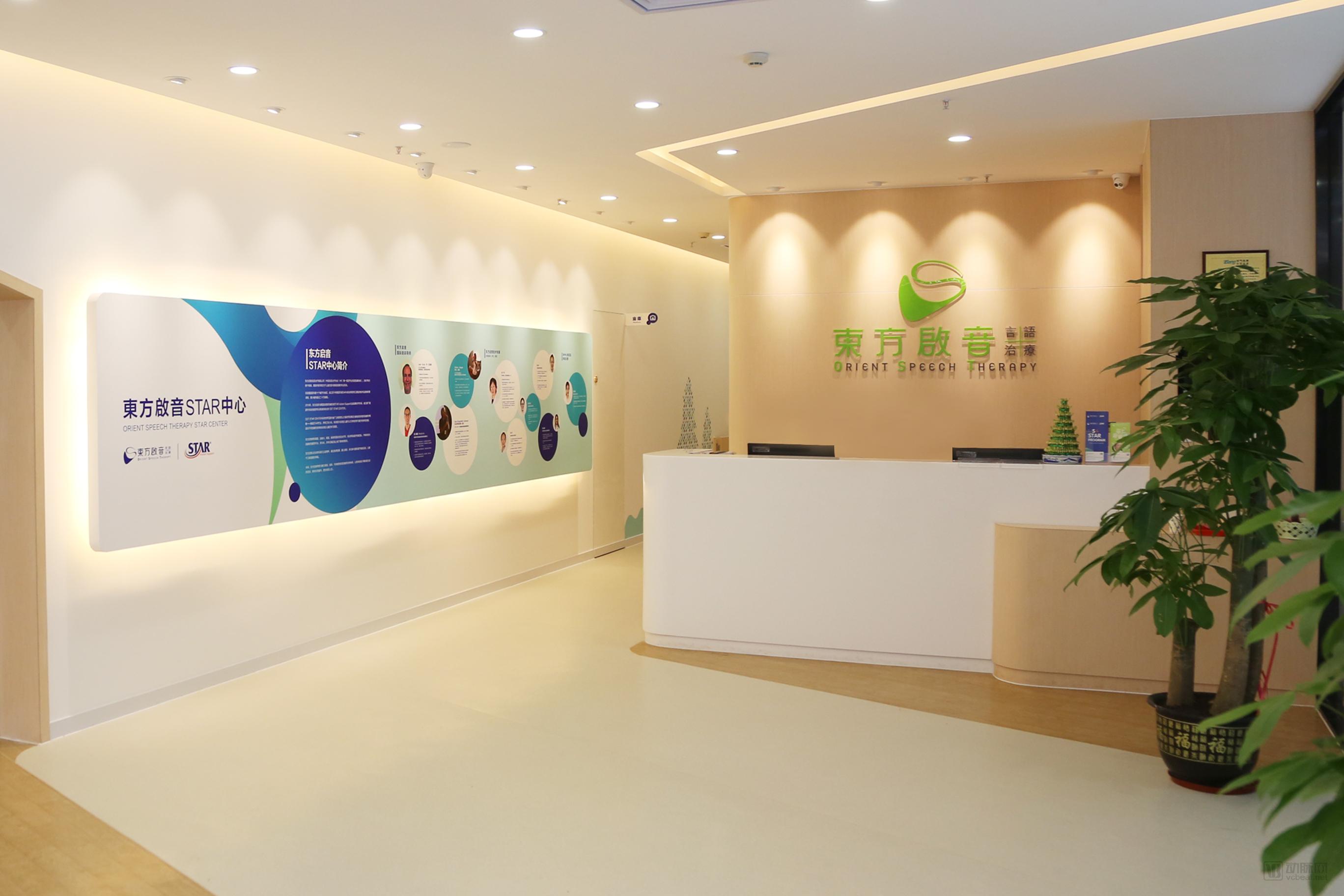
STAR at Qi YinHeart
Integrating Medical and Educational Attributes, Pioneering a New Industry Model
In China, rehabilitation departments are often broadly defined. From a market perspective, compared to other forms of medical services, rehabilitation medicine has relatively low entry barriers and a wider scope of business, making it more suitable for private capital investment. Most domestic institutions specializing in rehabilitation are non-profit organizations, registered with the Civil Affairs Bureau or certified by the Disabled Persons' Federation, and carry a public welfare nature.
In the field of specialized rehabilitation, many pioneers are exploring the market, with directions including orthopedic rehabilitation, spinal rehabilitation, and cardiac rehabilitation. However, the professional speech rehabilitation market remains a blue ocean.
“Currently, the academic development of speech therapy occupies an intermediate position across different countries and regions. For instance, in the United States, speech therapy falls under the discipline of pathology, whereas in Hong Kong, China, it is situated within the field of education. Therefore, speech rehabilitation itself is a neutral discipline. In our current academic development, as we design this program to align with international standards, we need to achieve a perfect integration of medicine and education, thereby attaining better outcomes in speech rehabilitation,” Cui Guangli told VCBeat.
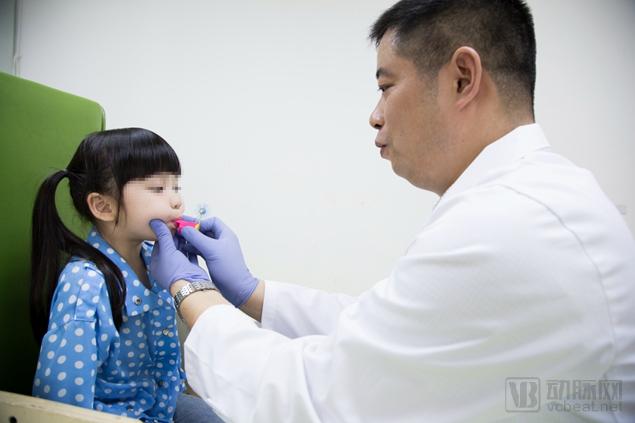
According to Cui Guangli, the core target populations of Ostomy Speech primarily include three categories:
First are children with specific disabilities, such as those with Down syndrome, who experience impairments in cognitive comprehension and articulation. This population typically receives medically oriented interventions, such as oral motor training. These interventions incorporate medical rehabilitation elements—including sensory-perceptual training, mandibular exercises, lip and tongue exercises, breath control training, and feeding therapy—to enhance the control and coordination of oral musculature for therapeutic purposes.
For children with speech and social deficits caused by autism and neurodevelopmental disorders, the center primarily adopts the STAR curriculum, an authoritative American teaching and therapeutic approach for autism, to provide training in receptive language, expressive language, spontaneous language, daily living skills, learning, play, and social skills.
Second, children in kindergartens and schools. Extensive screening results indicate that approximately 15% of children in kindergartens and schools exhibit various speech-related issues, including unclear articulation, stuttering, deficits in logical thinking, social attention problems, and learning disabilities. With professional guidance from speech-language pathologists, these children can achieve significant improvements in their verbal expression and social skills.
Third, there are adults with speech disorders, an area that Dongfang Qiyin is currently exploring. Cui Guangli believes that the population of adults with speech disorders is quite large, particularly among those recovering from stroke. In the present and future, Dongfang Qiyin will continue to provide and explore guided training in adult speech rehabilitation, specifically training caregivers who assist adults with conditions such as stuttering, post-stroke aphasia, and post-surgical aphasia.
23 Directly Operated Centers: Localization of International Treatment Systems
Headquartered in Shenzhen, Dongfang Qiyin operates 23 offline direct-sale centers across Beijing, Shanghai, Guangzhou, Wuhan, Changsha, Chongqing, Hangzhou, and other cities.
In terms of systematic professional training, DFY has partnered with the University of Newcastle in Australia to standardize its local curriculum. By leveraging extensive clinical cases from various centers, conducting lesson-based assessments, and developing individualized training plans to establish data-driven evidence, the two parties jointly conduct research and development on multiple specialized topics in speech therapy in China.
Meanwhile, OASIS has also partnered with numerous international organizations to jointly develop a range of speech rehabilitation equipment, teaching aids, textbooks, and software, thereby progressively professionalizing the categorized curriculum system for speech therapy in China.
In the high-demand field of autism rehabilitation, Oriental Speech partnered with STAR Autism Support, a leading U.S. authority on autism, in 2016 to jointly develop Mandarin-language training programs for autism spectrum disorder (ASD), aiming to advance the professional development of autism rehabilitation in China.
The rehabilitation treatment cycle for children with autism typically lasts around two years, though the duration varies depending on the specific condition. At Oriental Speech’s directly operated centers, the treatment cycle ranges from 6 to 24 months. U.S. statistical data indicate that children with autism who undergo rigorous treatment using the STAR curriculum can attend regular schools after 24 months of therapy. This curriculum helps them acquire more essential daily living and social skills.
Compared to other autism treatment chains, Oriental Speech’s advantage lies in localizing and standardizing internationally introduced curricula, with independent curriculum systems and dedicated teaching teams for various patient groups. Cui Guangli stated, “Heavy investment in technical training has always been our core principle. As a nascent industry, it is essential to make substantial investments in training. By leveraging the strengths of international professional curricula, we cultivate local talent, develop localized curricula, and refine specialized roles within different teams. We have devoted significant time and resources to achieving professionalism, internationalization, and localization.”
In terms of social responsibility, Oriental Speech has partnered with Operation Smile to provide free screening and speech therapy for children in mountainous areas following cleft palate surgery. In collaboration with organizations such as the China Population Welfare Foundation, it jointly launched a public welfare initiative for the early intervention of autism, featuring screenings for 10,000 children and training sessions for 1,000 individuals. This effort has promoted awareness of the importance of speech rehabilitation for autism, actively fulfilled corporate social responsibility, and provided professional and effective practical assistance to families of children with special needs who face financial hardships.
Physical Rehabilitation Centers Have Long Profitability Cycles; Faculty Training and R&D Require Continuous Investment
For brick-and-mortar rehabilitation institutions operating under a chain model, costs are substantial due to expenses for physical storefronts and personnel, in addition to online platform and marketing expenditures. Cui Guangli admitted that in the early stages of the company’s establishment, the primary costs stemmed from instructor training and curriculum development, with personnel training and salary expenses accounting for more than 40% of total revenue.
Following the completion of its localized curriculum system, steady expansion has become the primary objective. Chain-based operations serve as the foundation for brand building. After an initial period of exploration, Dongfang Qiyin has established a standardized and replicable chain model. While earlier centers were relatively small in size, new Dongfang Qiyin centers typically range from 600 to 1,200 square meters, accommodating 150 to 300 students.
In larger centers, core leaders are assigned to each of the six major curriculum systems, meaning that at least six mid- to senior-level therapists are responsible for course delivery and assessments. Following evaluation, patients are triaged in a manner similar to hospital triage and distributed into different groups to receive targeted, refined treatment plans and ongoing efficacy monitoring.
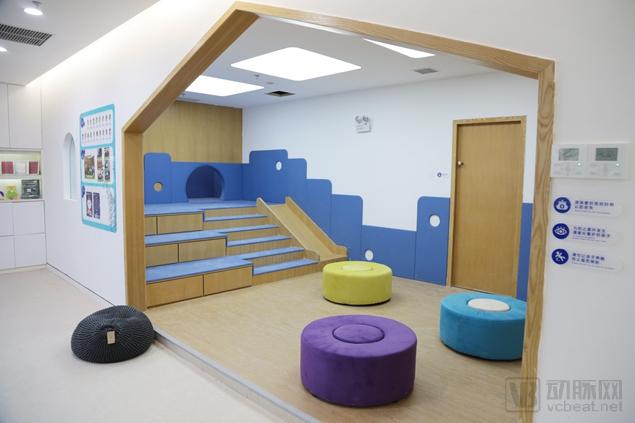
On-Site Photos of OSTOWN Directly Operated Centers
OSTA’s speech therapy programs are primarily divided into one-on-one sessions and package-based courses. In 2017, OSTA served approximately 250,000 patient visits, with annual revenue exceeding RMB 100 million.
Cui Guangli noted that after 11 years of exploration and accumulation, establishing a standardized operational model has made things “much less strenuous than before,” compared to the earlier efforts focused on introducing curricula, localization, teacher training, and center setup. “Basically, each directly operated center sees customers queuing for appointments within six months of operation. The market is now easier to manage than in the early stages because a professional brand has been established. Today, Dongfang Qiyin enjoys an excellent reputation in the industry for specialized speech rehabilitation.”
In China, there is a relative shortage of specialized professionals in speech rehabilitation. Currently, OASIS has established a team of over 800 employees, including nearly 700 professional speech-language pathologists (SLPs), many of whom have been recruited from among overseas returnees. Upon joining, all therapists must undergo theoretical and clinical training conducted by U.S. experts and OASIS trainers; only after completing 1,800 hours of training are they qualified to independently develop intervention plans. The OASIS team is exploring a series of products that integrate online training into speech rehabilitation, directly addressing the critical shortage of talent in this field.
Building a Speech Rehabilitation Brand: Driving Online Growth Through Offline Operations
After solidifying its foundation with more than 20 directly operated offline centers, Oriental Speech began its online exploration. This approach runs counter to the typical internet platform model, prioritizing the establishment of an offline presence to drive online growth.
In Cui Guangli’s words, online expansion requires “making significant strides in solid clinical expertise.” This is not only to scale up operations but also to accommodate children who face barriers to attending offline courses and cannot visit physical rehabilitation centers. Furthermore, integrating online and offline services will stabilize the overall curriculum structure and ensure greater efficacy of the therapeutic interventions.
In December 2017, OSTO (Dongfang Qiyin) secured a $25 million Series B financing round, co-led by Northern Light Venture Capital, Sidoo Capital (formerly Fidelity Asia Ventures), and the F-Prime Fund (formerly Fidelity Biosciences Fund), with Changling Capital participating as a follow-on investor. This funding improved OSTO’s cash flow and strengthened its capabilities in curriculum research and development.
In the future, Dongfang Qiyin aims to expand its scale to 50 directly-operated centers and accelerate the development of online courses. Cui Guangli revealed, “The plan for these 50 centers within the next two to three years is to cover major first-tier cities, with consideration given to launching franchise operations in second- and third-tier cities in the future.”
In recent years, with the rising number of children with autism and increasing parental awareness, China’s speech rehabilitation industry has accelerated its development. However, compared to developed countries, the overall level in China remains in its infancy, and further growth of the industry requires collaborative efforts from all sectors of society.