

AI-Powered Diabetes Management: Deep Dive into Three Core Applications — Automated Insulin Delivery Systems, Virtual Care Assistants, and Early Screening Tools

Achieving better therapeutic outcomes at lower costs is the ultimate goal of medical innovation, and this holds true for the field of diabetes as well. Following innovations in mobile health, there have been numerous attempts to introduce artificial intelligence (AI) technologies into diabetes care. This article provides an in-depth review and analysis of AI-enabled application scenarios in this field.
Machine learning technologies are not new; they simply have not been as widely recognized as they are today. Three years ago, we might have merely used the term “algorithms” to describe the technical underpinnings of certain personalized features in diabetes management apps, without clearly articulating what lay behind these algorithms. In fact, at least some of these algorithmic functionalities were already leveraging machine learning three years ago.
For instance, Welldoc, a pioneer in mobile health, stated as early as 2014 that its algorithms could predict and issue warnings for hypoglycemia, empowering its flagship product, BlueStar. These algorithms are underpinned by machine learning technology. As the AI fervor intensifies, many innovative projects now explicitly identify artificial intelligence as the technological foundation of their products and position it as a core capability, bringing this field increasingly into the spotlight.
Three Innovative Directions Representing Trends
To elaborate, what are the specific innovative applications of AI in diabetes management? In fact, the demands driving innovation have remained unchanged, and the direction of innovation has not shifted compared to mobile health; what has changed are the models and outcomes. First, we can understand the innovative directions in diabetes management through the following three points.
1. Optimize Disease Management Approaches. Given that diabetes is a chronic condition that can persist for decades, patients’ self-management of their disease and adherence to treatment are critically important. In this regard, optimizing patients’ self-management strategies is particularly crucial. One key aspect is further automation, aimed at minimizing burdens for patients as much as possible.
For instance, by eliminating the need for manual blood glucose monitoring or insulin injections, efforts are being made to achieve fully automated data collection. On another front, strategies are being developed to encourage patients to adhere long-term to effective management practices and healthy lifestyles, such as employing chatbot-based interactive interfaces that offer simpler, more user-friendly experiences to motivate patients and improve adherence.
Second, more personalized treatment. Through data analysis, we provide optimized treatment and disease management plans tailored to multidimensional individual factors. By leveraging digital and intelligent technologies, access to personalized treatment regimens anytime and anywhere is no longer a luxury. Ultimately, more targeted approaches deliver superior therapeutic outcomes while remaining affordable.
3. Promote Early Detection and Early Treatment. Through prediction and early screening, potential health risks can be identified at an early stage, enabling timely diagnosis and drawing attention before more severe complications develop, thus facilitating early prevention or treatment.
Three Typical Scenarios and Innovative Projects
Currently, existing AI+diabetes application scenarios can be mainly divided into three categories:Automated Insulin Delivery System, Disease Management Virtual Assistant, Early Disease Screening Tool. The following sections will present project cases for each of these three application categories, with some projects integrating the first two or even all three.
For patients with type 1 diabetes, long-term insulin injections are required. Historically, there has been a lack of sufficiently personalized regimens regarding the timing and dosage of these injections. Furthermore, the process of administering insulin is highly inconvenient for patients. In response, previous generations of insulin delivery device manufacturers have continuously sought to enhance the automation of insulin delivery systems.
Emerging device manufacturers, system solution providers, and established pharmaceutical companies are focusing on improving this field, with cross-sector collaborations between startups and traditional firms. These efforts aim to automate the drug administration process and precisely control timing and dosage, ultimately achieving full automation to relieve patients of this burden.
A typical example is Bigfoot Biomedical, which has reached Series B funding and leverages artificial intelligence to develop a Type 1 diabetes management system. This system enables automated, sustainably optimized insulin delivery for diabetic patients, offering a simpler, safer, and more effective approach. The entire system comprises blood glucose monitoring devices, insulin injection devices, and a mobile application.
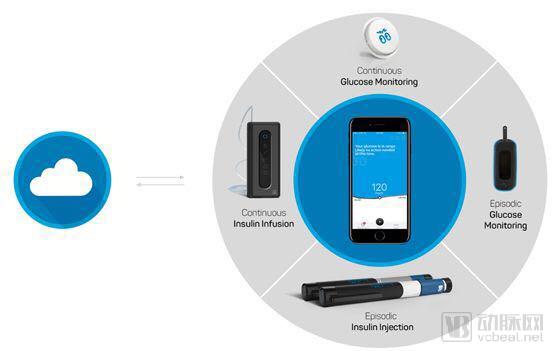
Bigfoot’s device received FDA approval in 2016 and was included in insurance coverage plans. It is reported that patients with insurance can purchase this insulin delivery device for $50, while uninsured patients need to pay $549. By downloading the associated app, users can track blood glucose levels, insulin dosage, and other information. The device features a built-in non-rechargeable lithium battery that lasts for one year.
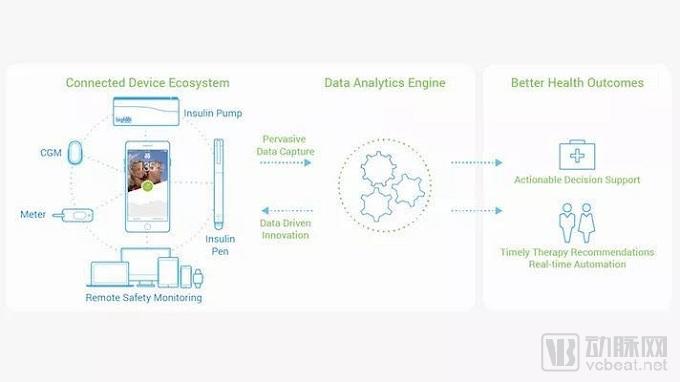
Bigfoot Biomedical was founded in the United States in 2014. It secured $2 million in seed funding in November 2014, $35.5 million in Series A financing in October 2016, and $37 million in Series B financing in December 2017, bringing its total fundraising to $74.5 million.
During this period, the company also acquired two companies in 2015 and 2017 respectively: Timesulin and Asante Solution.
These two companies were established earlier, both with a history of more than 15 years. The former is a UK-based company that controls insulin delivery to prevent overdosing; the latter was founded in Denmark but operates in the United States and is also a provider of insulin delivery management devices. It is evident that Bigfoot has rapidly built a comprehensive system through acquisitions, spanning from blood glucose monitoring to insulin administration, supported by algorithm-driven blood glucose data analysis and dosing decision-making in between.
The funds from the recent Series B financing round will be primarily allocated to strengthening the application of artificial intelligence technologies, thereby further optimizing outcomes. However, as Bigfoot scales up its operations, it has also placed itself in a fiercely competitive environment where it directly confronts traditional industry giants—a stance that cannot be sustained without robust core competencies.
Another project, Dreamed Diabetes, an Israeli startup founded in 2014, secured $2 million in seed funding from Meilidun in April 2015. It then raised another $3.3 million in July 2016.It developed the world’s first closed-loop automated insulin delivery system to receive CE certification.
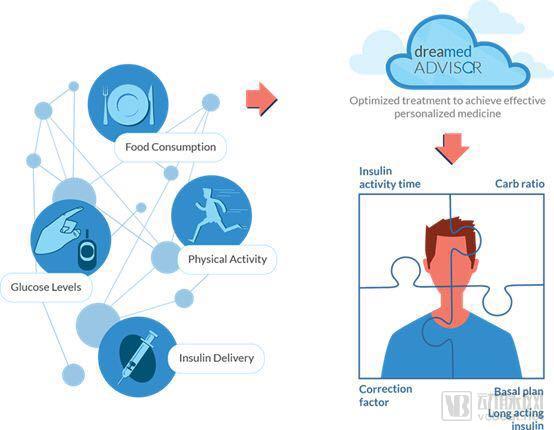
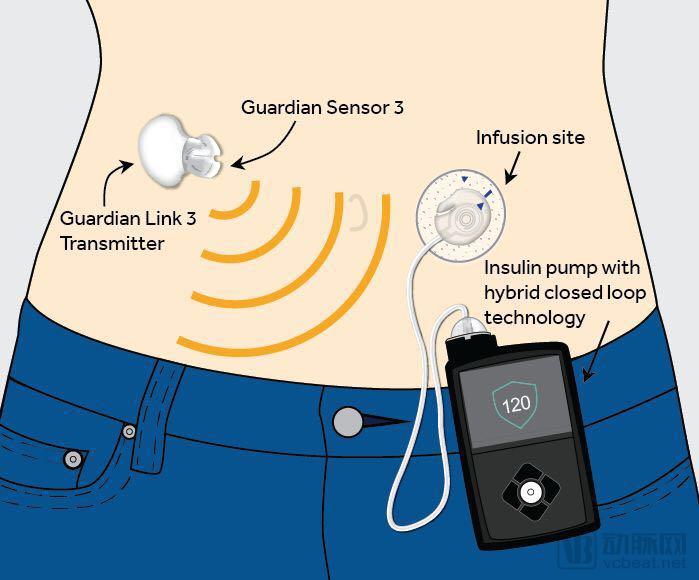
Medtronic, the lead investor in Dreamed Diabetes, is arguably the most competitive player in the field of insulin delivery. The Medtronic MiniMed 670G was the first closed-loop automated insulin delivery system to receive FDA approval, which was granted in September 2016. However, it is not fully automated and still requires some manual operations by patients.
The Medtronic SmartGuard HCL algorithm is used to determine when and how much insulin needs to be delivered, allowing patients to make adjustments as necessary. Patients input carbohydrate counts after each meal and regularly calibrate the sensor using traditional fingerstick blood glucose meters. The system’s automated settings then manage insulin delivery and confirm any bolus adjustments.
Furthermore, some startups are actively making attempts but have not yet obtained approval.
For example, the U.S. startup TypeZero, established in 2013, has developed corresponding software systems, including customized analytical tools and blood glucose control solutions. Its inControl platform features recommendation algorithms designed for smart insulin pens and artificial pancreas systems. In 2017, TypeZero secured $2.2 million in angel funding. The company states that it has been conducting related clinical trials since 2008, involving more than 450 patients, holding 30 patents, and undertaking 30 trial projects, with its solutions serving both diabetic patients and healthcare professionals. Given its focus on software, TypeZero has been actively collaborating with device manufacturers to drive development.
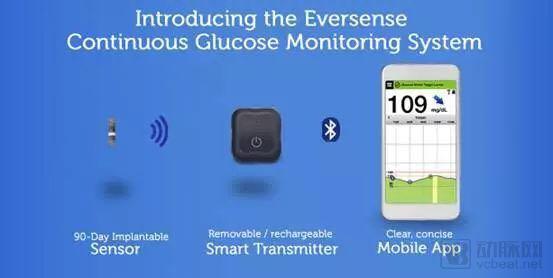
In November 2016, TypeZero Technologies, in collaboration with Dexcom and Tandem Diabetes Care, initiated the NIH-funded International Diabetes Closed Loop (IDCL) clinical trial, which utilized Dexcom’s G5 continuous glucose monitoring system and Tandem’s t:slim X2 insulin pump. Last month, in January 2018, the trial announced the successful completion of its initial phase. Pivotal studies are scheduled to commence in the second half of 2018, with the aim of securing FDA approval and launching the product on the market by the first half of 2019.
In July 2017, TypeZero announced the launch of a long-term trial project in collaboration with Senseonics and Roche. This initiative integrates Senseonics’ continuous glucose monitoring (CGM) devices, Roche’s Accu-Chek Insight insulin pump, and TypeZero’s mobile application. The inControl software automatically adjusts and regulates insulin delivery based on combined data received from the CGM system and the insulin pump. It is evident that TypeZero, which possesses algorithms but no hardware devices, is emerging as a technology partner for other device manufacturers.
Given the limitations of historical blood glucose monitoring and insulin delivery devices, as well as the fact that continuous glucose monitoring (CGM) systems and artificial pancreas devices cannot be widely adopted in the short term due to cost constraints, connectable assistive systems—such as apps for calculating insulin dosages—are essential until fully automated end-to-end systems become available.
The FDA explicitly requires approval for apps used to determine insulin dosages. Over the past two to three years, major pharmaceutical companies—including Eli Lilly, Roche, and Sanofi—have developed insulin dosage calculation apps, which have subsequently received FDA approval. Eli Lilly’s Go Dose app was specifically designed to complement its proprietary insulin product, Humalog. Similarly, Sanofi’s My Dose Coach was developed to support its own insulin product, Lantus, as was Roche’s Accu-Chek Connect app.
In addition, other medical device manufacturers and startups are also making investments in this area. Some have integrated their own drug delivery devices, while others are compatible with multiple drug delivery devices, functioning as connectivity-enabled devices.
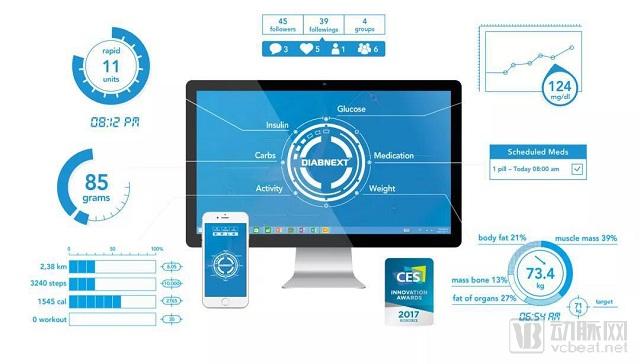
DIABNEXT, founded in 2016, launched CLIPSULIN®, a smart insulin recorder designed for people with diabetes that won the Biotech Innovation Award at the 2017 CES. Compatible with various insulin pens available on the market, it automatically records injection dosage, time, and date, and instantly saves or uploads data to computers and smartphones. The DIABNEXT AI platform, known as JARVIS, provides personalized data index analysis and decision support tools for patients and physicians. Previously, the European Conference on Artificial Intelligence (ECAI) hosted an entire workshop on artificial intelligence in diabetes, where dozens of researchers discussed portable, personalized decision support systems for insulin dosing that integrate data from multiple sources, such as wearable body sensors and manual input.
DIABNEXT offers two types of solutions: GLUCONEXT®, which includes a blood glucose device for recording blood sugar data, and CLIPSULIN®, an insulin delivery device and recording system. The two solutions are currently available for pre-order at $59.9 and $83.9, respectively, with a bundled purchase price of $114.9.
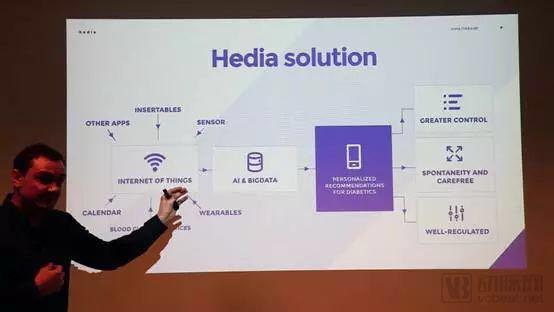
There is also a Danish startup named Hedia, founded in 2015, which extracts patterns and habits from individual diabetes patients and applies them to insulin bolus dosing, thereby enabling patients with diabetes to receive improved insulin therapy.
Focusing on the automation and precision of insulin delivery, clinical medicine presents a high barrier to entry. In Europe and the United States, products must undergo rigorous regulatory approval processes to obtain FDA clearance and CE marking. It is evident that traditional pharmaceutical and medical device companies with existing delivery device portfolios, emerging companies with innovative delivery devices, and startups developing only algorithmic systems have all entered the market. While these entities have previously sought collaborative partnerships, one thing is certain: competition among traditional giants is intense, and there is exclusivity in the realm of delivery devices. According to data from relevant research institutions, the global insulin delivery device market was valued at USD 11.54 billion in 2016 and is projected to reach USD 17.85 billion by 2021.
Another application scenario is the virtual assistant for disease management. Some patients with diabetes do not require insulin injections, but blood glucose control remains a challenging and long-term battle. Many entrepreneurs in the mobile health sector are dedicated to helping patients manage their blood sugar levels. With AI empowerment, what capabilities have been upgraded? Let’s take a look at some cases.
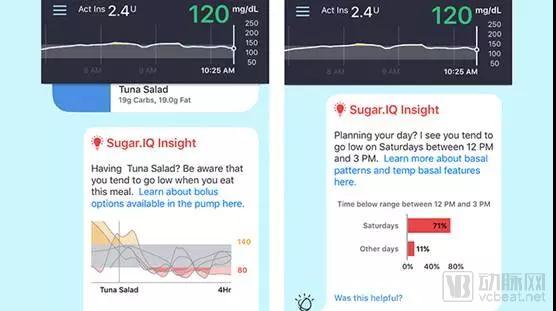
Medtronic Sugar.IQ is a product developed through a powerful collaboration between a major pharmaceutical company and a tech giant. In 2017, the partnership between Medtronic and IBM Watson led to the deployment of Sugar.IQ. Leveraging IBM Watson’s analytical methods, Sugar.IQ analyzes data patterns to provide real-time, actionable, and personalized insights. When integrated with Medtronic’s Guardian™ Connect continuous glucose monitoring (CGM) system, it offers enhanced guidance for individualized blood glucose management. Although insulin delivery devices are not yet incorporated, they are expected to be integrated in the future.
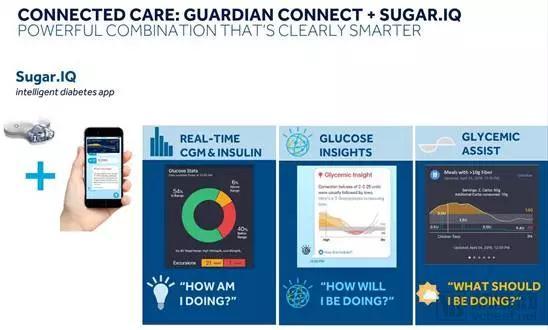
Sugar.IQ serves as a virtual assistant for patients, analyzing blood glucose fluctuations, providing lifestyle recommendations that impact blood glucose levels, and offering predictive alerts on blood glucose trends.
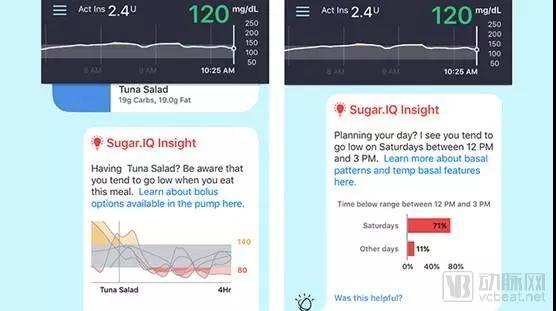
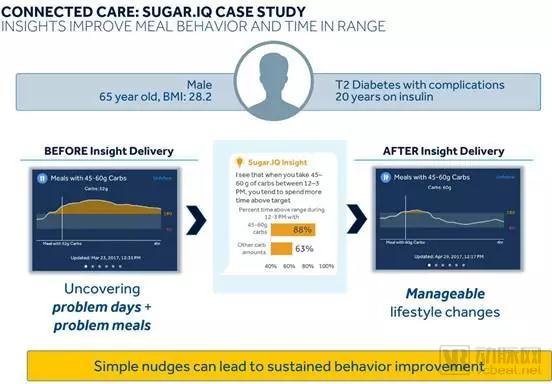
Note that Melidin conducted experimental studies to compare the differences in glycemic control between type 2 diabetes patients who received Sugar IQ guidance and those who did not. The results showed a significant improvement in the overall outcomes for the initial cohort of 97 users.
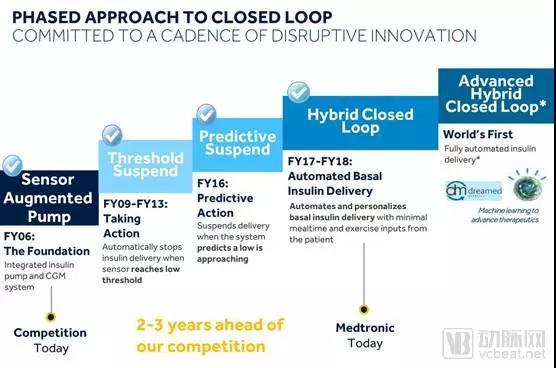
Medtronic also has relevant products and in-depth strategic plans for automated insulin delivery devices. While fully closed-loop automation is not yet available, future roadmaps include continued collaboration with IBM and the integration of products from DreaMed Diabetes, the Israeli company mentioned earlier. As an industry giant, Medtronic holds a formidable position in terms of its product portfolio, market share, and brand equity. Nevertheless, it remains in a fiercely competitive landscape where other major players are poised to overtake it. Consequently, closely monitoring frontier innovations and seeking technological partners that offer complementary capabilities have become strategic priorities for maintaining its leadership.
Below are several exploratory projects primarily focused on providing dietary, exercise, and other glycemic control recommendations based on blood glucose levels. Similar to mobile health apps, these applications typically feature both a patient-facing interface and a physician-facing interface. The patient side is designed for self-management, while the physician side facilitates monitoring, management, and communication with patients.
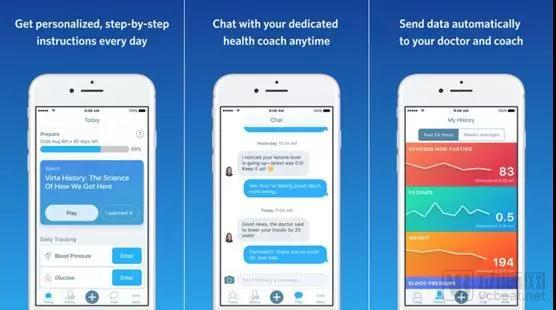
Virta Health, a U.S. startup founded in 2014, secured $37 million in funding by March 2017. Virta Health leverages machine learning technology to provide support for nutritional management in patients with diabetes. The company provides customers with devices to record metrics such as blood glucose and blood pressure. Patients input this data into the Virta app, where it is continuously monitored by assigned clinicians and health coaches, who are accessible via text messaging or video chat.
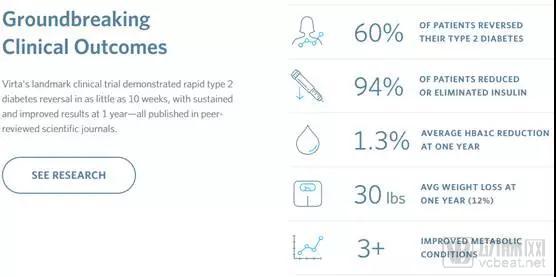
Virta’s official website also provides research data to demonstrate the tangible effectiveness of its application.
Medilync is an Icelandic startup founded in 2012 that has developed its own continuous glucose monitoring (CGM) device. Its artificial intelligence technology was developed in collaboration with Microsoft Azure, and as a startup project, it was selected to participate in Microsoft’s IoT & AI Lab. Medilync’s Insulync device features a built-in blood glucose reader, along with compartments for storing insulin pens and test strips.
Data collected by Insulync is automatically synchronized to Medilync’s cloud platform, Cloudlync. Reportedly, machine learning is employed to analyze the data continuously transmitted to the cloud. Patient data is also integrated with meal plan information and electronic health records (EHRs), thereby eliminating the need for manual data entry. Medilync enables clinicians to conduct continuous remote patient monitoring and identify any potential health risks based on real-time blood glucose levels. The system issues alerts if users miss insulin injections or blood glucose readings.
Another company, MedicSen, was founded in Spain in 2015. MedicSen believes that its prediction module helps patients with diabetes make informed decisions by alerting them to potential risks in advance. According to the team’s research findings, their machine learning algorithm can predict future blood glucose levels one hour ahead, with an error margin of less than 10 mg/dL. MedicSen employs a chatbot interface that supports voice and text-based Q&A, aiming to improve treatment adherence. The company has secured a small amount of funding to date. MedicSen’s design features a broader scope of extension, including integration with wearable devices to monitor physical activity, as well as providing customized dietary plans and exercise regimens for patients.
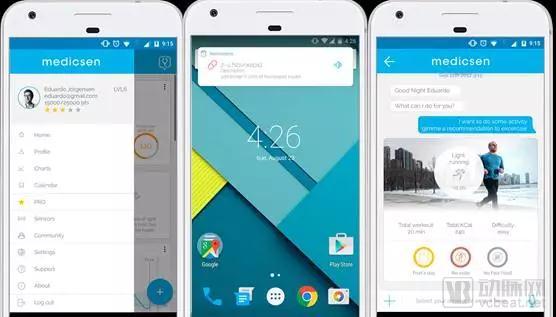
Introducing chatbot-powered intelligent conversational interfaces to enhance user experience has become a common practice among overseas startups. In addition to MedicSen mentioned above, the following projects also exemplify this trend.
In April 2017, the health insurance company Independent Health began to engage with Brook’s innovative system. Brook is a virtual assistant for diabetes patients that features a chatbot interface. Founded in Seattle in 2015, Brook aims to build a chronic disease management platform, initially focusing on the field of diabetes. It currently offers apps for both Android and iOS, and also supports Facebook Messenger. Brook will continue to explore other areas of future collaboration with Independent Health.
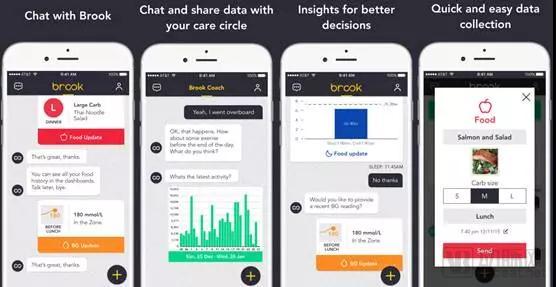
Brook is primarily designed for disease management in patients with type 2 diabetes, offering users one-on-one guidance and recommendations through instant messaging. The platform focuses mainly on daily dietary management and lifestyle habits, while also tracking medication adherence; users can log data simply by sending messages. Brook supports Bluetooth connectivity with other glucose monitoring devices and is compatible with existing devices integrated into HealthKit. Additionally, it features social functionalities that enable users to communicate with fellow patients, family members, and friends, as well as participate in patient support communities. The adoption of an intelligent chatbot dialogue system aims to provide a more convenient and direct user experience, thereby encouraging long-term adherence.
Suggestic, a U.S.-based startup founded in 2014, adopts a nutrition-focused approach to help patients with diabetes and chronic diseases manage their health. The company claims that its app uses AI to recommend meal options that align with users’ dietary restrictions.
Suggestic is built on an extensive database containing over 1 million recipes and 500,000 restaurant menus. This data is used to train algorithms to identify which food choices complement specific diets. For example, users begin by selecting a dietary plan such as vegetarian or gluten-free. A chatbot assists users in planning weekly meals by recommending recipes or menu options when dining out. The platform employs an Adherence Score scale, ranging from green (optimal) to red (least ideal), to determine how well meal choices align with the user’s diet. The app also integrates augmented reality technology with the smartphone camera to capture restaurant menu information.
In the field of diabetes diagnosis, the diagnostic process itself is not difficult; however, many patients are unaware of their condition and do not seek specific testing without particular indications. It is reported that approximately 22% of patients in the United States remain undiagnosed. Some studies aim to identify individuals at high risk through alternative approaches for earlier detection. In 2015, the Framingham Heart Study demonstrated that elevated resting heart rate and reduced heart rate variability could predict which individuals would develop diabetes within 12 years.
Cardiogram, a U.S.-based startup, has developed an application that analyzes heart rate data to assess the potential presence of diabetes, reportedly achieving an accuracy rate of 85%. By leveraging wearable devices to collect heart rate data and employing a deep neural network called DeepHeart, Cardiogram evaluated 200 million heart rate and step count measurements to identify individuals at high risk for prediabetes or established diabetes. Founded in 2016, Cardiogram has secured $2 million in angel funding.
Furthermore, there is the field of early screening for diabetic complications. Clinical data show that approximately 10 years after the onset of diabetes, 30%–40% of patients will develop at least one complication. Once these complications arise, they are difficult to reverse with pharmacological treatment; therefore, emphasis is placed on the early prevention of diabetic complications. Some organizations have begun to leverage AI technologies to predict and conduct early screening for related complications, enabling proactive prevention and timely treatment. Google Research initiated research on the prediction of diabetic retinopathy two years ago.
Google Research utilized two distinct retinal fundus image databases from ophthalmology specialties, enabling both algorithms and ophthalmologists to perform independent diagnoses. The algorithm outperformed human experts in both sensitivity for symptom detection and accuracy in symptom assessment. By leveraging machine learning techniques for the early detection of diabetic retinopathy, timely and even preventive treatments can be administered, thereby providing a valuable opportunity for early intervention to individuals who might otherwise lose their vision in three, five, or even ten years.
DreamUp Vision, founded in France in 2016, utilizes deep learning technology to screen for diabetic eye diseases, particularly Diabetic Retinopathy, which can lead to blindness in some patients. DreamUp’s algorithm, trained on a dataset of 70,000 retinal images, rapidly identifies the location and severity of retinal abnormalities. Image assessments are graded on a scale from 0 to 4, indicating increasing severity of retinopathy. The algorithm has demonstrated significant accuracy, achieving a Receiver Operating Characteristic (ROC) score of 0.946. An excellent ROC score typically falls within the range of 0.90 to 1.
Just recently, in February this year, the U.S. company IDx submitted an application to the FDA for its product, IDx-DR, an AI-based diagnostic system intended as a standalone screening tool for diabetic retinopathy. Reportedly, the FDA accepted the submission under its “Breakthrough Device” designation, which will expedite the review process to the greatest extent possible.
In addition to retinopathy, there are other studies on predicting complications using AI. For example, Fujita Health University and Dai-ichi Life Insurance Company in Japan have developed a system that uses artificial intelligence to predict whether diabetic patients will develop serious complications, such as diabetic nephropathy, within six months. The research team trained the AI on approximately 25 million papers related to diabetes, as well as electronic medical record data and nutritional guidance records from about 132,000 patients with diabetes and other conditions. By inputting data from early-stage patients who did not yet exhibit symptoms of diabetic nephropathy, the system predicted whether symptoms of worsening kidney disease would appear after 180 days. This study reportedly achieved a prediction accuracy of 71%.
Domestic Projects in Sporadic Exploration
In 2016, several projects focused on the diabetes sector in China secured substantial financing; however, the landscape became considerably quieter after 2017. Currently, within the AI-plus-diabetes field in China, there are few projects with deep, practical implementation, although some initiatives have begun to shift their focus toward this area. The clinical technical threshold for automated insulin delivery systems is high, and domestic players have yet to fully master this technology. Existing projects are primarily positioned as virtual assistants for disease management, with a few individual initiatives targeting early screening for complications.
In April 2017, Tangzhangwo Diabetes announced that it had secured tens of millions of yuan in Series B financing, stating its plan to strengthen R&D investment in artificial intelligence to support its big health data analytics. According to financing reports from 2015, Tangzhangwo Diabetes had focused on building an intelligent data engine since its inception. Yuetang, another company with a relatively smaller funding amount, aims to leverage AI technology to establish a postprandial blood glucose response prediction model tailored for the Chinese population, helping users predict their post-meal blood glucose levels and identify suitable dietary patterns and exercise routines. Additionally, in 2017, Zhangshang Tangyi stated that it was also exploring an AI-powered intelligent diagnosis and treatment platform; the large volume of data collected through its SaaS business is being applied to machine learning by its team, which has already preliminarily built an “AI-assisted diagnostic system.”
Compared with overseas projects, current domestic solutions cannot yet leverage AI technology to comprehensively cover the core functions of the entire diabetes management system. Instead, they only address a few specific areas, primarily focusing on nutritional management, which has the lowest barrier to entry. However, these solutions appear to lack reliable data from comparative effectiveness trials. It is worth noting that well-developed and well-funded overseas projects either have FDA or CE approval, or, if approval is not required, can provide trial-based comparative effectiveness data to substantiate their capabilities. The actual efficacy of blood glucose control remains a significant question mark. Patients, physicians, and investors alike will question this aspect; the only way to dispel such doubts is to let the data speak for itself.
In the realm of early screening for complications, there are also applications in this field within China. DOCE is a free self-check APP tool developed by Peptide Blocks Technology specifically for diabetic patients to screen for fundus lesions. It is claimed that through technologies such as deep learning, it can independently screen and re-examine fundus lesions without relying on doctors. Patients only need to upload fundus images, and the AI robot can quickly read the images, automatically identify and mark lesions and disease progression levels, rapidly generate case reports, and provide diagnostic and treatment recommendations along with scientific tips for blood sugar control. Meanwhile, DOCE offers remote consultation services from authoritative doctors at top-tier hospitals and allows online booking for home-based fundus photography services. Peptide Blocks was established in 2016 and received millions in angel funding in January 2017.
How AI Empowerment Makes a Difference
We can break down the application of artificial intelligence (AI) technologies in the field of diabetes into more specific capabilities, including data acquisition, risk prediction, intelligent recognition, management recommendations, precision medication, and intelligent dialogue. These capabilities can be understood in relation to three scenarios: automated insulin delivery systems, virtual disease management assistants, and early screening for disease prediction, as illustrated in the figure below.
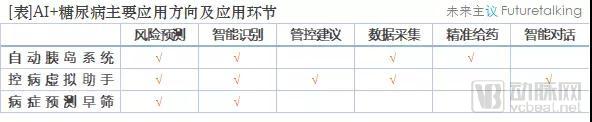
Early screening for complications falls outside the scope of routine diabetes management and will therefore be set aside. Automated insulin delivery systems, strictly speaking, represent an upgrade in medical devices; their advantages over previous generations are evident, yet their high clinical barriers and limited number of market participants make them unnecessary to discuss here. The scenarios addressed by virtual disease-management assistants belong to the same demand market as the earlier “hundred-glucose-app” competition in mobile health. Since AI-enabled mobile applications remain, at their core, mobile applications, what differentiates them? In my view, the most significant difference lies in the potentially substantial reduction in reliance on healthcare professionals, thereby enabling lower-cost, more personalized services.
First,Reduced Dependence on Physician Resources. We recognize that self-management for individuals with diabetes still requires professional guidance; in the absence of reliable algorithms to provide recommendations, patients must rely on connections with physicians for advice. This is why physician resources have traditionally been considered critical, necessitating a closed-loop integration of online and offline services. However, under an algorithm-driven model, such connections are expected to gradually diminish, ultimately achieving a substantial reduction.
Previously, we aimed to optimize the allocation of healthcare resources, particularly physician resources, through internet-based innovations. However, even under the internet model, patient demand for physician resources has not decreased. In terms of total volume, physicians’ workload has not diminished; rather, changes have occurred in the allocation of physicians across different levels and in the channels through which services are delivered. With AI empowerment, it is expected that a large pool of physicians will no longer be required to address a high volume of patient inquiries, especially routine and frequent ones. As technology is deeply integrated and the scope of patient needs manageable by AI gradually expands, it will become possible to reduce the overall reliance on physician resources.
Secondly,Increased Likelihood of Marginal Costs Approaching Zero. Setting aside hardware, the software system requires less—and increasingly minimal—manual intervention, enabling a substantial reduction in the marginal cost of operating this product and eliminating the need to subsidize physicians to retain users. Under these conditions, free or ultra-low-priced services are more sustainable, meaning that, all else being equal, a profitable business model is easier to achieve.
Third,Personalized User Experience Is Expected to ImproveUser stickiness has always been a key product challenge for chronic disease management apps. Cumbersome user experiences, limited functionality, and the inability to promptly address high-frequency needs have significantly undermined user retention in diabetes management applications. As demonstrated by the aforementioned cases, AI empowerment enables these apps to serve as virtual patient assistants, offering more humanized interfaces and delivering personalized, timely blood glucose management recommendations, thereby making the entire process more convenient and hassle-free. Of course, these benefits are contingent upon robust technical capabilities and successful product UI design.
With so many diabetes management apps already on the market, do AI-powered latecomers still have a chance? This question is not difficult to answer. In reality, consumers exhibit no brand loyalty whatsoever. While this poses a significant challenge for established companies, it means that opportunities always exist for new entrants. Although incumbent players have actively integrated various segments of the industry and built comprehensive ecosystems, all of these efforts are predicated on their ability to retain and control their user base.
If newcomers can leverage AI technology to deliver user experiences that far surpass previous products, demonstrate significant efficacy in disease management, and keep user switching costs low, then capturing users from incumbent players is certainly possible, though achieving this is by no means easy. This also implies that although the “Hundred Glucose Meter War” has ended, competition will continue.
By Gu Beini, who has long been engaged in research on innovative business models and provides strategic consulting for technology startups. She holds a Master’s degree in Management and has over ten years of experience in the consulting industry and financial media. In 2014, she co-founded VCBeat. For discussions and exchanges on entrepreneurial pathways and methodologies, please feel free to contact the author (WeChat: gugreaty; personal WeChat official account: Future Main Thesis).