

Gloryren Orthopedics: Connecting Global Orthopedic Experts to Transform Patient Care and Physician Development
“Two or three branches of peach blossoms beyond the bamboo; the ducks are the first to know when the spring river warms.” Change is always perceived first by those immersed within it.
Healthcare is a slow-burning industry. For entrepreneurs, keen insight is the key factor in seizing emerging business opportunities. Beyond the volatile trends seen in sectors like internet healthcare, departments spun off from hospitals operate as autonomous entities, holding significant positions within the industry.
Among the many specialized subfields, orthopedics possesses unique industry characteristics. Based on the sequence of value delivery, it can be divided into three segments: the upstream sector, dominated by physicians, medical devices, and pharmaceuticals; the midstream sector, comprising hospitals and clinics; and the downstream sector, centered on patients.
Compared with the revenue composition of other specialties, orthopedics has a relatively low proportion of pharmaceutical sales, relying primarily on medical devices and high-value consumables; therefore, surgical procedures are the key factor influencing the industry. According to statistics from the *Chinese Annals of Surgery*, there are as many as 20 million cases of orthopedic trauma in China annually, with 79.35% requiring surgical treatment.
With the relaxation of national policies on multi-site practice and the introduction of tiered diagnosis and treatment policies, physicians’ professional autonomy and mobility have been gradually increasing. In December 2014, Professor Deng Kaibo, a renowned expert in China, established a studio at Beijing Cicheng Medical to pilot multi-site practice for physicians, causing a stir in the industry. Breaking the existing landscape and enabling the flow of physician resources can create industry opportunities. Juin, who has worked in the orthopedics field for 20 years, founded the Renyi Orthopedic Physicians Platform, aiming to transform the supply side of medical production factors—physicians—by mobilizing specialist resources that were previously tied to hospitals. Recently,VCBeat (WeChat ID: vcbeat)Exclusive Interview with Juin, Founder of Renyi Orthopedics, and Kitty, COO of Renyi Orthopedics.
Orthopedic Diseases Are Highly Prevalent: Three Major Pain Points in Disciplinary Development
According to the National Health Services Survey, conducted every five years and documented in the China Health and Family Planning Statistical Yearbook, the prevalence of musculoskeletal and connective tissue diseases among residents aged 15 and above reached 3.73% in 2013, up from 2.31% in 2003, showing a steady increase over this period. Conservatively estimated, there are at least 2 million new cases of orthopedic diseases in China each year.
In the face of growing demand, the development of orthopedics in China is plagued by numerous pain points. First, technical proficiency varies widely; patients in need of surgical intervention at primary care hospitals often fail to receive adequate treatment. The siphon effect of large hospitals has resulted in the concentration of orthopedic expertise primarily within top-tier tertiary hospitals.
Second, the specialist physician training system has not been effectively established. In departments with a high proportion of surgical procedures, such as orthopedics, the tendency to prioritize academic achievements over clinical practice remains prominent in physician training.
Especially in terms of technology, although China’s orthopedics discipline has made significant progress over the past 30 years, technological innovation has largely relied on the introduction of foreign techniques, with insufficient independent innovation capability. Many research areas are still in their infancy, and treatment protocols have not yet been standardized. There remains a substantial gap between China and European countries such as Germany, particularly in the fields of sports injuries and minimally invasive techniques.
With years of experience in the orthopedics industry, Juin keenly identified current market opportunities and targeted numerous pain points based on his prior professional background, thereby founding the Renyi Orthopedics Platform.
Against the backdrop of national policies promoting multi-site practice and tiered diagnosis and treatment, we are committed to effectively decentralizing high-quality domestic medical resources. By connecting top orthopedic experts both domestically and internationally and leveraging global medical advantages, we provide Chinese physicians with efficient, high-quality opportunities for professional exchange and learning. This enables them to engage directly with leading experts and gain firsthand exposure to cutting-edge technologies in the field of orthopedics.
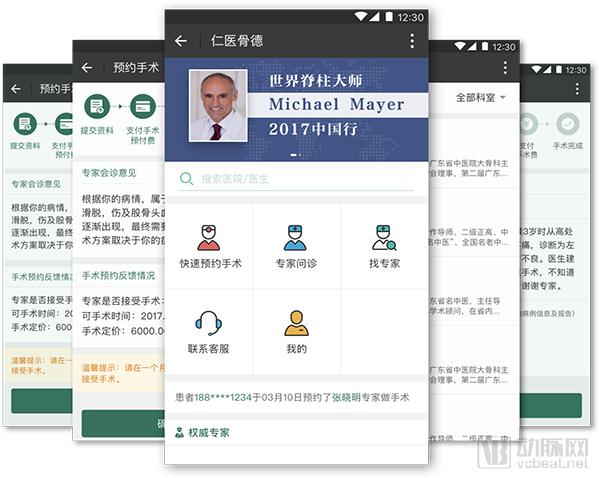
For frontline orthopedic surgeons, this holds exceptional significance in both enhancing clinical skills and advancing disciplinary training. While elevating physicians’ professional standards, the ultimate beneficiaries remain the broader patient population.
Regarding the impetus behind founding Renyi Orthopedics, Kitty, COO of Renyi Orthopedics, stated: “The platform’s vision is to bring together top orthopedic experts from around the world, build an international platform for orthopedic surgeons, and connect physical hospitals globally through an asset-light model.”
Focusing on the World's Top Orthopedic Experts
In the field of orthopedics, surgery is the focal point, and specialists are the core assets. Therefore, over the past three months, Renyi Orthopedics has focused on building a premier team of orthopedic experts. Its expert resource integration encompasses outstanding domestic and international specialists as well as key contributors with distinguished achievements in the field. Currently, the platform has assembled more than 200 orthopedic surgeons, all holding positions at or above the level of Associate Chief Physician in public Grade A tertiary hospitals. The most prized asset of Renyi Orthopedics is its access to top-tier international orthopedic masters and their teams.
Take Professor Michael Mayer, Chief Strategic Advisor to Renyi Orthopedics, as an example. Prof. Mayer has served as Chairman of the Spine Center at the Orthopedic Hospital Harlaching in Munich, Germany, since 1998. In 2007, he became Director of the FIFA Medical Centre of Excellence. From 1998 to 2011, he also served as Medical Director of the Orthopedic Hospital Harlaching in Munich. As an internationally renowned spine specialist, he has performed surgeries on numerous heads of state and monarchs, including Mikhail Gorbachev and Hosni Mubarak. The exceptional complexity of these procedures has garnered unprecedented acclaim within the medical community.
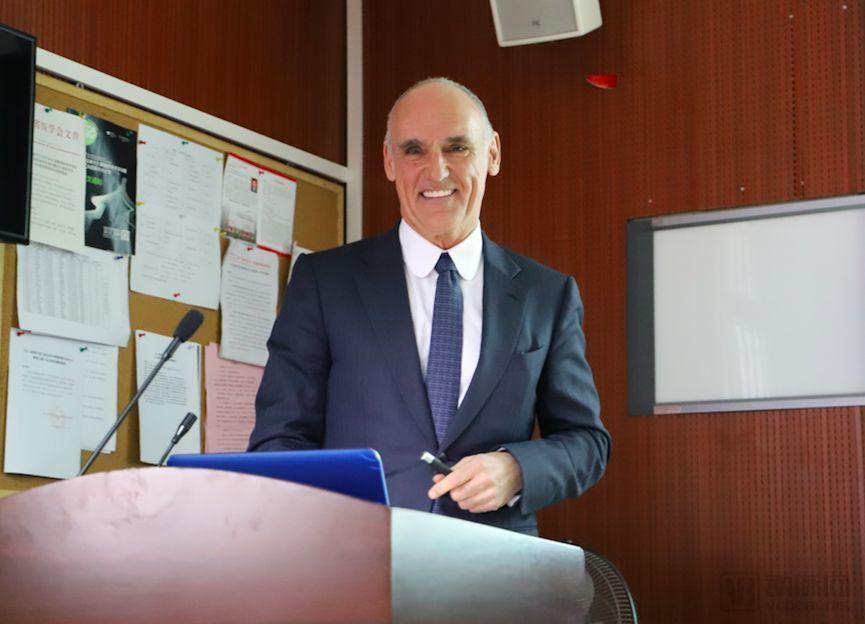
Prof. Dr. med. Heinz-Michael Mayer, Chief Strategic Advisor to Renyi Orthopedics
As early as the 1970s and 1980s, spinal surgeries involved large incisions to address relatively small lesions, resulting in high technical difficulty, elevated risks, and mediocre outcomes. Patients also faced numerous drawbacks postoperatively, including slow recovery and a high incidence of complications. Consequently, spinal surgery was unattractive at that time, with physicians preferring joint or trauma procedures. Professor Mayer’s clinical research focused on resolving issues with minimal invasiveness and maximum efficiency, leading to the renowned OLIF (Oblique Lumbar Interbody Fusion) procedure. Invented by Professor Mayer in 1997, this technique is now widely used in minimally invasive spinal surgery.
Minimally invasive spine surgery, spinal surgery for athletes, low back pain in soccer players, cervical disc replacement, computer-assisted surgery, and spinal arthroplasty are among the primary therapeutic focuses of Professor Mayer.
He is also one of the founders of the International Society for the Advancement of Spine Surgery, the founding president of the German Spine Society, and has served as president of both the EuroSpine (European Spine Society) and the German Spine Society. He currently serves as Associate Editor of Global Spine Journal, a member of the AO Spine Technical Commission, a board member of AO Spine Europe, and a board member of the European Spine Foundation, among other roles.
In addition to Professor Mayer, Renyi Orthopedics boasts a team of top orthopedic specialists from Germany, Italy, and other countries, covering various subspecialties within orthopedics. This includes the globally renowned bone tumor expert Stefano Boriani, who proposed the initial staging system for primary tumors in 1996—the well-known WBB classification—which continues to be widely used by most spinal tumor surgeons today.
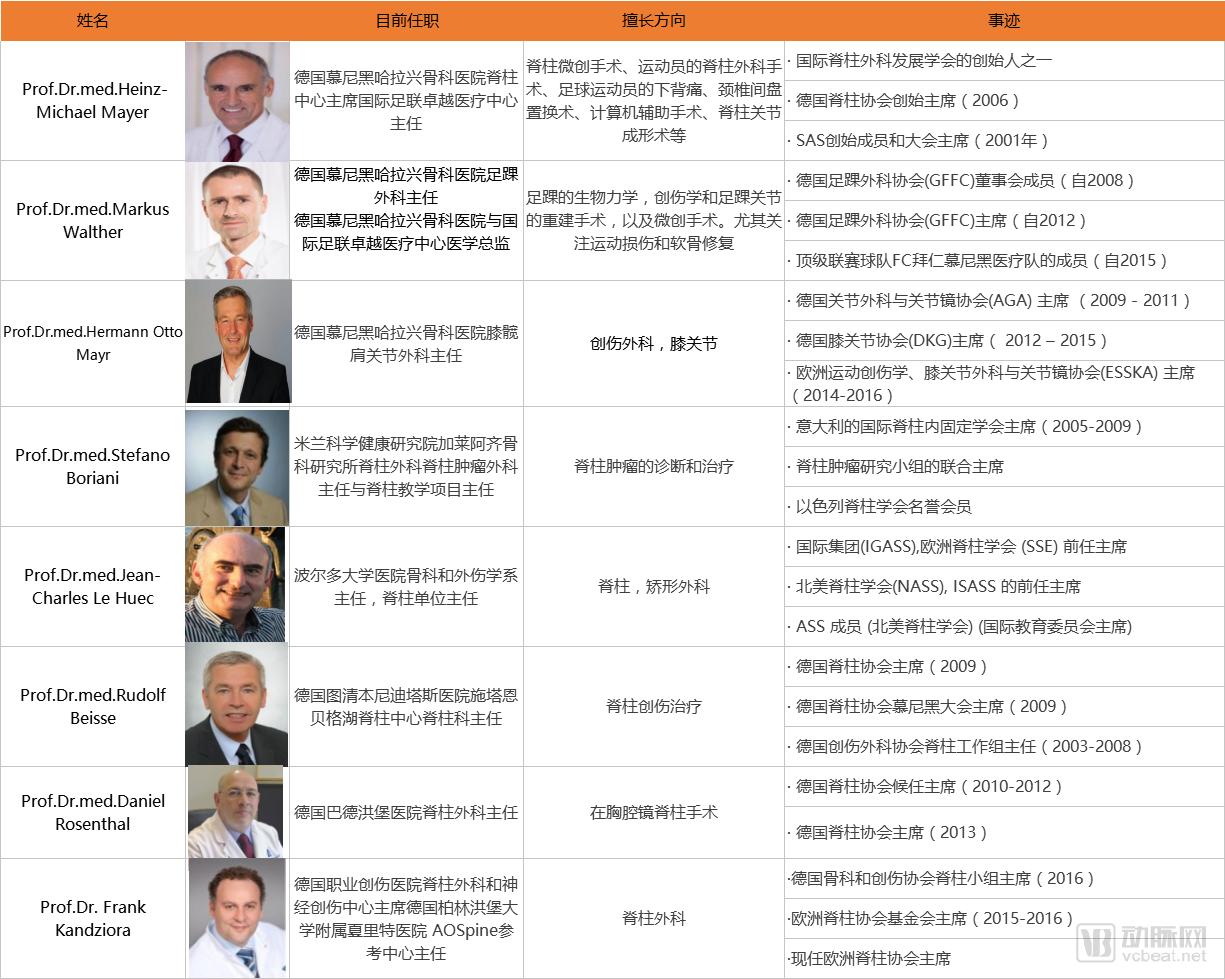
Ren Yi Orthopedics: Profiles of Selected Overseas Experts
It is worth mentioning that the international hospitals collaborating with Renyi Orthopedics are led by the Harlaching Orthopedic Hospital, the most prestigious and authoritative orthopedic center in Germany and worldwide. In addition to treating government dignitaries, it serves as the designated orthopedic treatment center for football players from Bayern Munich and Olympic athletes, and is one of FIFA’s two Centers of Medical Excellence. With a 104-year history since its establishment, the hospital boasts a patient satisfaction rate of up to 99.1%, earning it the reputation as the “Cradle of Orthopedics.” Unmatched by other orthopedic institutions, it stands as a benchmark in the industry.
Collaborate with hospitals, departments, and physicians to provide medical mutual aid and referral services.
While linking domestic and international expert resources and building a platform, Renyi Orthopedics is committed to reducing patients’ time and labor costs associated with medical care, maximizing the utilization of medical insurance reimbursement limits, and making effective and rational use of medical space in county- and district-level hospitals, thereby helping to alleviate the pressure on tertiary (Grade 3A) hospitals. According to Kitty, Renyi Orthopedics’ model primarily involves collaboration with hospitals, departments, and physicians to establish a referral and surgical mutual assistance platform.
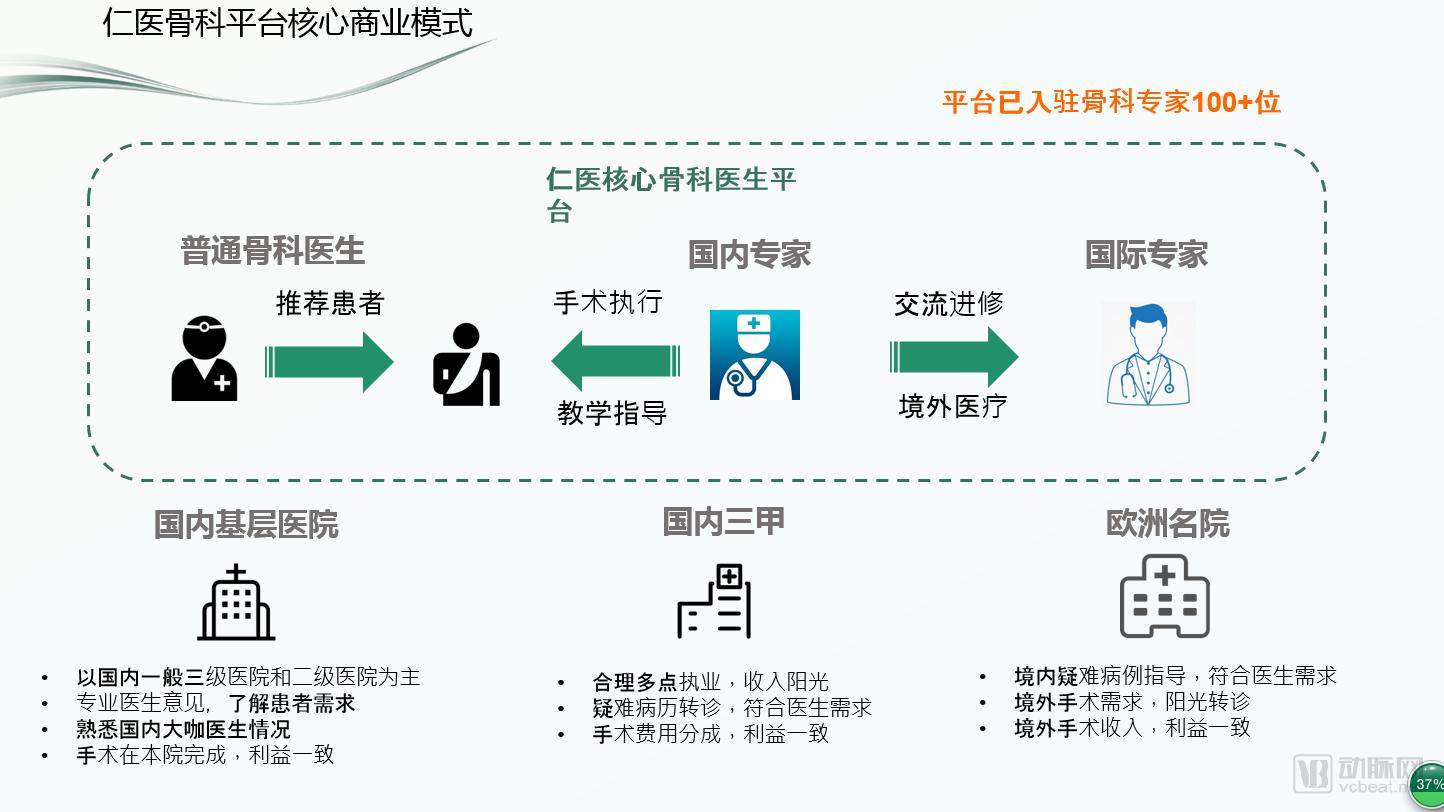
On one hand, physicians at primary care hospitals can seek medical assistance from higher-level hospitals via the platform for complex cases. During this process, experts on the platform can provide intraoperative support or instructional demonstrations to primary care physicians. For patients, surgeries are performed at their original hospitals, which avoids conflicts of interest between physicians and hospitals, alleviates the patient burden on large tertiary hospitals, and ensures access to higher-quality medical services in the shortest possible time.
Kitty believes that it is extremely difficult for internet platforms to acquire users by starting from the consumer (C) end, especially for physician-focused platforms in specialized fields such as orthopedics. By collaborating with the business (B) end—namely hospitals, experts, physicians, and clinical departments—platforms can not only reduce customer acquisition costs but also enable precise, vertical referrals, with relatively flexible cooperation models.
Currently, Renyi Orthopedics has established strategic partnerships with 10 hospitals, including Jiangmen Central Hospital, the Second Affiliated Hospital of Shantou University Medical College, and Guangdong Provincial Second People's Hospital. The platform has onboarded over 200 orthopedic specialists from Grade A tertiary hospitals. By collaborating with multiple general hospitals across China, Renyi Orthopedics enables patients receiving initial consultations at primary care facilities to connect with deputy chief physicians or higher-level experts from Grade A tertiary hospitals. This approach facilitates the rational, effective, and efficient utilization of high-quality medical resources, thereby alleviating challenges such as difficulty in accessing medical care.
The Renyi Orthopedics Platform, which officially launched in July 2017, secured angel-round investment from Tasly Capital just a few months later. As the third-largest shareholder of Renyi Orthopedics, Tasly Capital has brought evident advantages to the company.
Tasly Capital is the investment platform under Tasly Group, a leading enterprise in the big health industry. Over the past decade, it has evolved into an asset management platform covering all segments of the big health industry. As industrial capital, it emphasizes strategic guidance, precise investment, and post-investment value-added empowerment, achieving value enhancement through the integration of industrial chain resources of its portfolio companies. Tasly Capital remains firmly optimistic about specialist physician groups in fields such as cardiovascular and cerebrovascular diseases, oncology, and orthopedics. It believes that Renyi Technology’s business model, which connects domestic and international high-end orthopedic experts to empower grassroots medical institutions, can lead the trend of healthcare reform.
As a leading pharmaceutical enterprise, Tasly possesses substantial resources in hospitals and physicians, providing critical assets to Renyi Orthopedics, which similarly relies on engagement with medical professionals. Juin stated that Tasly will seamlessly integrate its nationwide hospital network with Renyi Orthopedics, thereby expanding the latter’s coverage within the orthopedic specialty.
A Platform for Physicians to Realize Their Self-Worth
For clinicians, the core of their profession is to heal the sick and save lives, with technological advancement and academic improvement serving as the means to achieve this. Proficiency in technology translates into better patient care. Juin believes that the medical field is developing rapidly, and advancements in medical technology compel physicians to keep pace with the times, maintaining their passion and love for learning. The platform provided by Renyi Orthopedics offers domestic physicians the opportunity to gain close access to internationally cutting-edge treatment methods, surgical techniques, and advanced hospital management concepts. “Academic growth requires continuous learning; the more one learns and knows, the more rapidly their field will develop.”
Therefore, Renyi Orthopedics also provides domestic orthopedic surgeons with opportunities for overseas study, arranging advanced training placements at top-tier orthopedic hospitals in Germany, Italy, France, and other countries, tailored to each physician’s specific subspecialty within orthopedics.
As a globally renowned international spine master, Professor Micheal Mayer has helped Renyi Orthopedics attract top European orthopedic experts. Kitty emphasized, “We bring internationally recognized orthopedic leaders to China, fostering connections with domestic orthopedic specialists through conferences and hospital visits and exchanges, while also extending expert resources to the grassroots level to enhance the academic and practical skills of primary-care physicians.”
Why Have Global Orthopedic Masters Chosen Renyi Orthopedics? The Reason Lies in the Essence of Being a Physician—Healing the Sick and Saving Lives. Against the backdrop of China’s 1.4 billion population, the grassroots level represents a vast market, particularly when medical resource allocation is uneven; patients at this level often fail to receive timely and effective treatment.
While providing referral and surgical services to patients, Renyi Orthopedics is also building a global database of orthopedic cases. Kitty emphasized, “Beyond economic considerations, the platform focuses more on the globalization of medical resource services. We aim to establish the platform as an internationally authoritative repository for orthopedic surgical cases. As domestic and international experts assist primary-care patients, they collect these cases for academic research, thereby driving further advancement in the field of orthopedics.”
Juin told VCBeat that Renyi Orthopedics will spend five years gathering top orthopedic experts from around the world, and after five years, establish a physical orthopedic hospital. “I will replicate Harlaching Orthopedic Hospital, the most renowned orthopedic hospital in the world, in China. This will not only provide Chinese patients with top-tier orthopedic treatment but also offer physicians a platform for learning and academic exchange.”
Next, from September 7 to 8, 2018, Michael Mayer will join representatives from the European Spine Society, the German Spine Society, the European Society of Sports Traumatology, Knee Surgery and Arthroscopy (ESSKA), and the German Foot and Ankle Society in Guangzhou, China, to convene the inaugural China-Europe International Orthopedic Summit (2018 SEOS Conference). The presidents of all four aforementioned associations will be in attendance.
Conference Chair Michael Mayer emphasized that this meeting achieved its goal of bringing together renowned international orthopedic experts from the host country, China, and multiple European nations. The summit will focus on four key areas: minimally invasive spine surgery, sports medicine and trauma, bone tumors, and ankle disorders. Attendees will engage in high-level discussions alongside leading Chinese orthopedic specialists, including Liu Zhongjun, Zhou Yue, Chen Shiyi, Jiang Baoguo, and Guo Wei, to disseminate high-quality information.
Juin stated, “This summit is not a social gathering, but a genuine academic conference with substantial content. It marks the first visit to China by leading European professional orthopedic associations, bringing the latest European academic insights to share with Chinese physicians and facilitating smoother international exchange.” Concurrently with the conference, a group of experts will join the Renyi Orthopedic Physicians Platform, gradually expanding its pool of expert resources.