

Two Sessions Deliver Major Boost to Internet Healthcare Industry, Signaling Upgraded Development
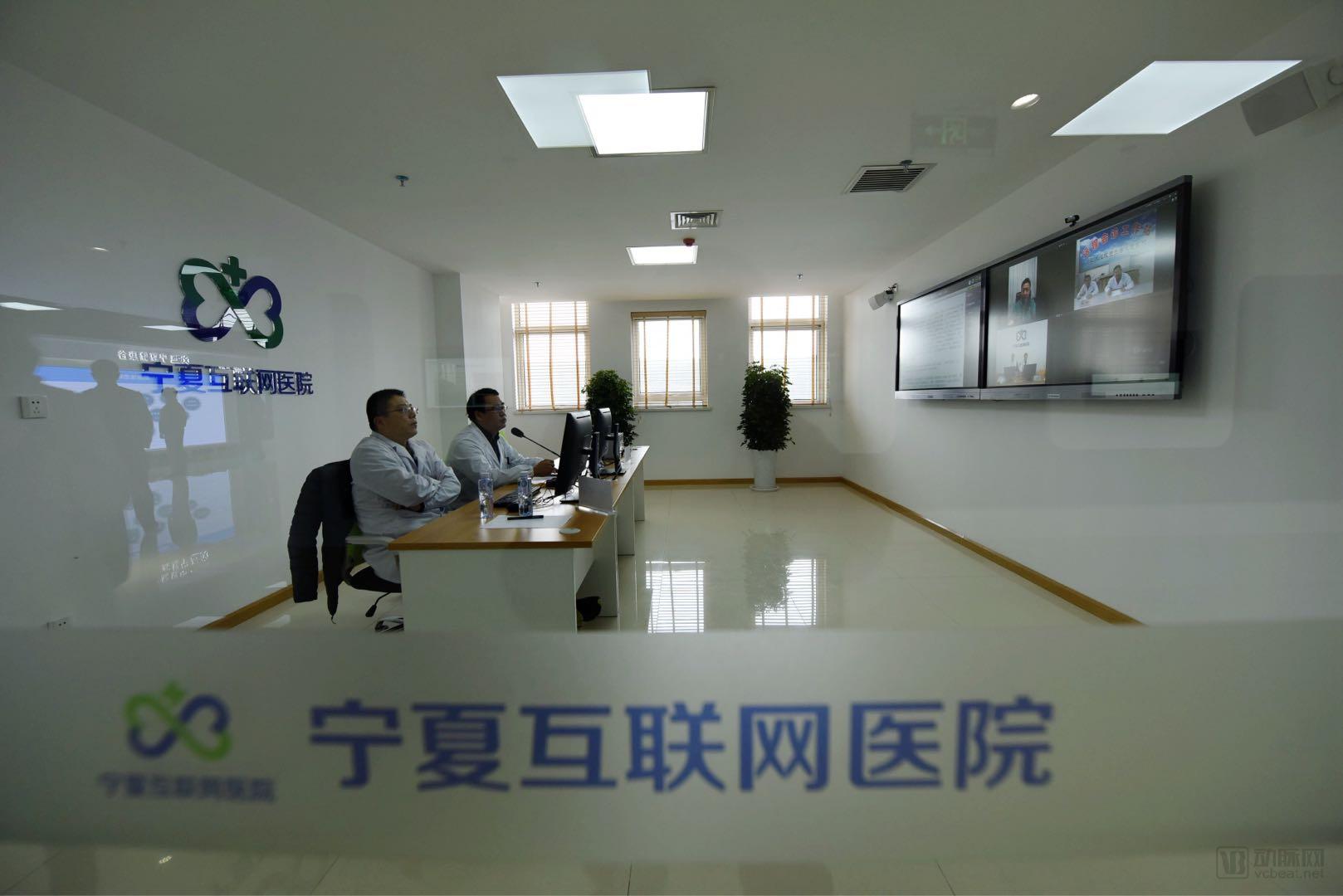
The new round of institutional reform plan for the 2018 “Two Sessions” was announced on March 13, ushering in profound changes for the healthcare industry in the new era. On March 10, Premier Li Keqiang, while participating in the deliberations of the Ningxia Delegation at the First Session of the 13th National People’s Congress, explicitly affirmed the “Internet + Healthcare” model and offered recommendations for its development. The internet healthcare sector is poised to seize significant opportunities for growth in 2018.
At the meeting, a National People’s Congress deputy from Ningxia stated that Ningxia is vigorously implementing the “Internet Plus Healthcare” initiative and expressed hope for the establishment of a National Health and Medical Big Data Center to vertically break down information barriers among various medical and health institutions, departments, and regions. Following this discussion, Premier Li Keqiang instructed relevant authorities to adjust and optimize the investment structure, directing more fixed-asset investment toward foundational information infrastructure and other key areas, accelerating the development of “Internet Plus Healthcare” and “Internet Plus Education,” so that high-quality medical and educational resources can benefit a broader population at the grassroots level.
Ningxia, located in the inland northwest of China, faces challenges such as inconvenient transportation, a weak economic foundation, low population density, and a relative shortage of high-quality medical resources. Primary healthcare services encounter significant difficulties, with poverty caused or exacerbated by illness persisting in areas like Xihaigu. To address this situation and alleviate the scarcity of premium local resources, the Ningxia Hui Autonomous Region government and municipal authorities such as Yinchuan have strongly supported the “Internet + Healthcare” industry since 2015. This initiative has given rise to a number of regional and municipal internet healthcare projects, including the Ningxia Internet Hospital and the Yinchuan Smart Internet Hospital.
In 2017, Ningxia introduced institutions such as WeDoctor to actively explore the “Internet + Healthcare” model and achieved significant progress. In March 2017, the Ningxia Internet Hospital, introduced by the local government, opened its doors and attracted widespread attention. Subsequently, 15 internet healthcare-related companies registered in Ningxia that year. Currently, Ningxia has preliminarily established a telemedicine service network covering the entire region, and internet medical services are being systematically rolled out across the area.
According to reports, the five-tier service platform proposed by Ningxia Internet Hospital is being gradually implemented across the region. The tiers include: a convenient healthcare access platform for the entire Ningxia Hui Autonomous Region; a tiered diagnosis and treatment platform for Northwest China; a collaboration platform connecting doctors in Ningxia with domestic and international counterparts; an internet-based multidisciplinary consultation center; and, by progressively driving the agglomeration of the pharmaceutical, medical device, and insurance industry chains, the largest internet-based medical consortium in Northwest China.
In August 2017, following the establishment of the Ningxia Internet Hospital Medical Consortium, the Shizuishan Internet Medical Consortium—the first of its kind in the region—was launched. While deeply connecting grassroots healthcare providers with municipal and county-level medical institutions and strengthening local operational synergy, the Shizuishan Internet Medical Consortium can also initiate remote consultation requests to more than 2,700 hospitals across China for complex and difficult cases, enabling residents to access top-tier medical expertise close to home.
Medical AI has also seen new developments in Ningxia. It is reported that two intelligent doctor applications—Ruiyi Intelligent Doctor and Huatuo Intelligent Doctor—developed by WeDoctor Cloud, the nation’s first medical cloud platform, will provide auxiliary diagnostic and treatment services to healthcare institutions within the local medical consortium.
While leading the nation, Ningxia is also actively considering continued support for improving the quality and efficiency of internet-based healthcare. Drawing on specific practices in internet-based healthcare over the past two years, Ma Xiuzhen, a member of the National Committee of the Chinese People’s Political Consultative Conference and Director of the Health and Family Planning Commission of Ningxia Hui Autonomous Region, submitted a special proposal titled “Proposal on Promoting Healthcare System Reform Supported by Big Data,” calling for further enhancement of Ningxia’s internet-based healthcare development on the basis of existing “Internet Plus Healthcare” initiatives.
Ma Xiuzhen suggests leveraging big data to: first, improve mechanisms and promote coordinated services among medical care, health insurance, and pharmaceuticals; second, enhance collaboration between upper- and lower-level institutions to achieve smart and efficient healthcare services; third, implement smart health insurance to comprehensively improve patients’ healthcare experience; fourth, innovate models to build a robust medical security system; and fifth, prioritize scientific research to support the intelligent development of healthcare.
Evidently, with the active support and participation of the Premier, local governments, and industry organizations, more industry players will engage in the internet healthcare sector. Initiatives such as Ningxia’s proposed construction of a health and medical big data platform and the upgraded tripartite coordination among medical care, health insurance, and pharmaceuticals are poised to usher in a period of growth for the industry. Driven by strong policy, technological, and social forces, internet healthcare is likely to experience a surge in development.