

Winners and Losers in the Global Wearables Market: Apple Rises as Fitbit Struggles
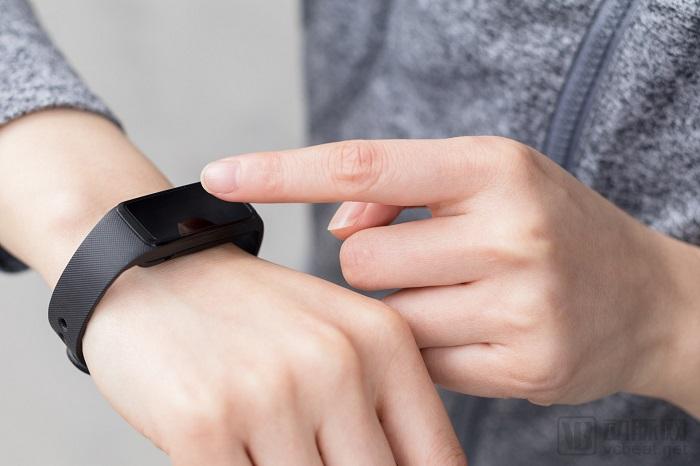
SelfSince 2016, the wearable market has encountered a cold spell,Intel, Nokia, Pebble, Adidas, TomTom, and Jawbone have scaled back or shut down their wearable market operations in recent years. However, as with any market, fortunes vary: Apple, Garmin, Huawei, and Xiaomi have all launched new products in this space over the past few years.
Apple is beginning to infuse the Apple Watch with medical capabilities, seemingly aiming to transition the product from a fashion accessory to a serious medical device. Meanwhile, Fitbit, which has steadfastly adhered to its health management philosophy, is facing an awkward predicament as its sales decline. Giants have already emerged in the small smart wristband market, but in this silent competitive battle, who is rejoicing and who is worrying?
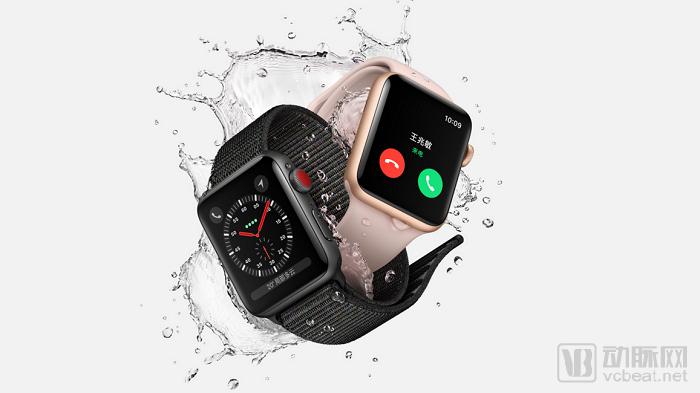
Image source: Apple Inc. official website
According to the latest research from IDG, a total of 37.9 million wearable devices were sold in the fourth quarter of 2017, an 8% increase compared to the same period in 2016. Among them, Apple Watch shipped 8 million units in the fourth quarter, becoming the top-selling brand for the first time with a 21% market share. Compared to 2016, Apple Watch sales increased by 57.5% year-over-year.
Even though it is confined to Apple’s own ecosystem, this has not prevented the Apple Watch from becoming the best-selling smartwatch on the market. In 2017, annual sales of the Apple Watch reached approximately 18 million units, with fourth-quarter sales rising by about 32% to hit 8 million units, easily surpassing Fitbit’s previous record of 6.1 million units.
The launch of the new product also boosted sales to some extent. The third-generation product introduced updates such as GymKit and the Apple Heart Study, with a design that places greater emphasis on the user experience for its core customer base.
It is reported that Apple is developing an advanced cardiac monitoring feature for its smartwatch products. Additionally, in May 2017, Apple acquired the sleep-tracking company Beddit for an undisclosed amount. Sources indicate that Apple acquired Beddit’s team, technology, and patents, which may suggest that Apple is reevaluating the sleep-tracking capabilities of the Apple Watch.
In September of the same year, the company announced that the Apple Watch would be used in its inaugural clinical study—a large-scale remote trial conducted in collaboration with Stanford University—to determine whether the device’s heart rate sensor could reliably detect atrial fibrillation and potentially prevent life-threatening strokes.
Notably, Apple is one of nine companies participating in the new pre-certification program announced by the FDA in September. Various signs suggest that Apple intends to transform the Apple Watch from a fashion accessory into a serious medical device.
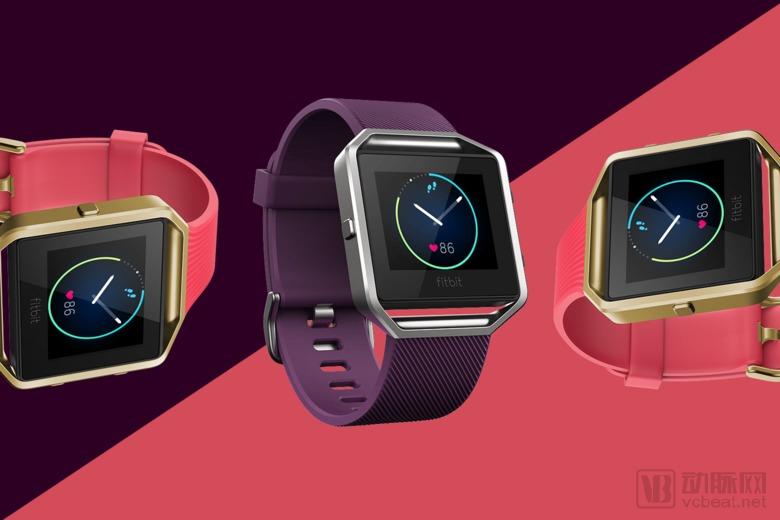
Image source: Fitbit official website
Currently, Fitbit ranks second in sales volume, trailing only Apple. However, 2017 may have been a challenging year for Fitbit.
Before the Apple Watch, Fitbit was the big winner in the wearable market, with Jawbone and Misfit also being highly sought after by consumers. However, Apple subsequently began to eat into their market share.
Starting in the first quarter of 2017, Fitbit began to experience a decline in sales, with its stock price plummeting steadily. The company laid off more than 100 employees that year.
Subsequently, Fitbit launched a new product in an attempt to salvage its crisis in the smartwatch market, but this effort appeared to be ineffective. Fitbit’s sales declined to 5.4 million units in the fourth quarter of 2017, down from 6.5 million units in 2016.
Initially, Fitbit’s design philosophy was quite similar to Apple’s, featuring a stylish and meticulously crafted appearance with functionality focused on health data and fitness. Subsequently, Apple gradually shifted its focus from general health management toward more serious medical applications, whereas Fitbit failed to make any breakthrough changes.
Fitbit acquired Pebble, another struggling wearable startup, in hopes of injecting fresh blood and turning the tide. Unfortunately, however, they have yet to see any results.
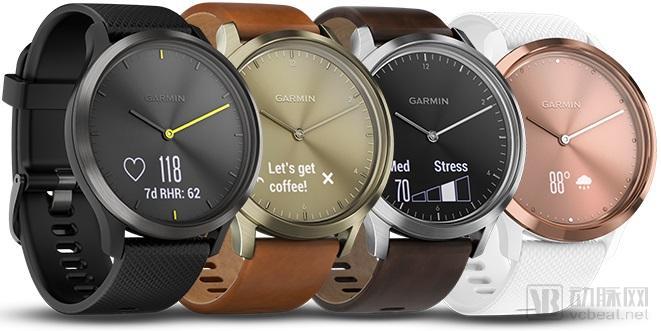
Image source: Garmin
For 25 years, Garmin has been dedicated to the application of GPS navigation and wireless devices. Its business is divided into five segments: automotive, aviation, marine, fitness, and outdoor.
Garmin has launched the Forerunner sports band. Equipped with a GPS sensor, the Forerunner provides athletes with data such as time, speed, distance, and pace. Most models also offer heart rate monitoring and heart-rate-based calorie calculation. Additionally, all Forerunner bands can store, analyze, and share training data through the Garmin Connect application; the advanced Virtual Racer feature further provides users with training recommendations.
In the Forerunner 645 version, Garmin also equipped the watch with payment functionality. After exercising, you may need to purchase beverages for rehydration; carrying either a mobile phone or a wallet during physical activity is highly inconvenient. The launch of the Forerunner 645 alleviates this concern.
Unlike other fitness bands that have shifted toward general health management, the Forerunner is firmly positioned around “sports,” aiming to create a more professional sports wearable. Garmin appears to envision the Forerunner becoming an indispensable part of the exercise routine, much like other sports equipment. Meanwhile, the company places strong emphasis on users’ workout experience, striving to address their needs during physical activity and taking the concept of lightweight design to the extreme.
Forerunner has established an online and offline retail channel network through Amazon, Best Buy (one of the largest electronics retailers in the United States), Walmart, and Decathlon.
According to Garmin’s 2017 annual report, the company’s total net sales increased by 2% year-over-year compared to 2016. Among these, the fitness segment generated total sales of $762,194, accounting for 25% of the overall revenue.
Compared with 2016, Garmin’s fitness segment saw a sales decline of $56,000; however, it is evident that this segment is becoming the company’s largest source of revenue.
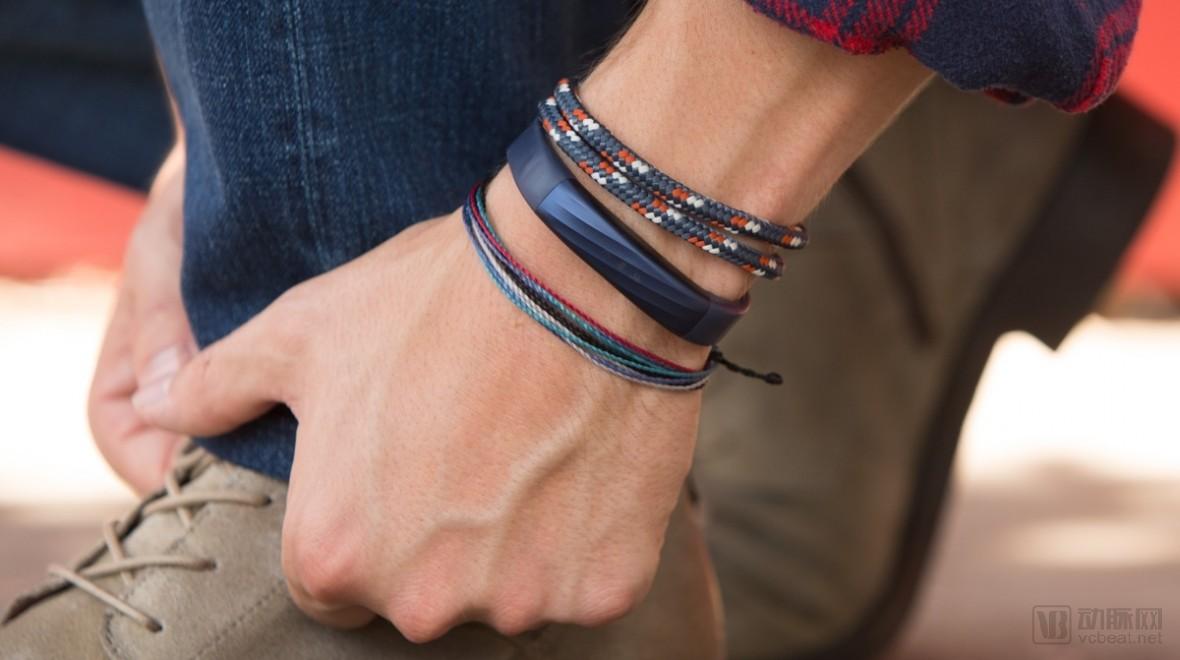
Image source: wareable.com
So far, the most dismal case has been Jawbone. There was a time when Jawbone was a leader in the wearable fitness tracker market. Now, under intense pressure from strong competitors, Jawbone has essentially met with a disastrous end.
According to foreign media reports, Jawbone has initiated liquidation proceedings and is preparing to completely withdraw from the market, but Jawbone has not commented on this news.
It is reported that Hosain Rahman, the company’s co-founder and CEO, has left to join a new venture. Jawbone Health Hub will focus on health-related products and services. Additionally, many of Jawbone’s employees have followed Rahman to his new company.
The financial storm lasting more than a year has led to deteriorating customer relations for Jawbone, dwindling product inventory, executive departures, and ongoing litigation with Fitbit, all of which have further weakened Jawbone’s position in an already fiercely competitive market.
In mid-2017, Jawbone posted several job openings. Notably, the postings were signed off not by Jawbone, but by Jawbone Health. Coupled with the aforementioned business transformation, this appears to signal that Jawbone would evolve into a new entity, with this new company targeting the health market.
According to foreign media speculation, this new project will ingest large volumes of health data, such as heart rate. Meanwhile, it will generate reports and visualize the health data through accelerometers, sensors, and other means.
Social media channels reveal that Jawbone completely ceased its direct-to-consumer business in January 2017, angering many long-time customers who had hoped for product updates. According to insiders, the company is attempting to pivot toward clinical health and plans to sell its technology to other businesses rather than directly to consumers.
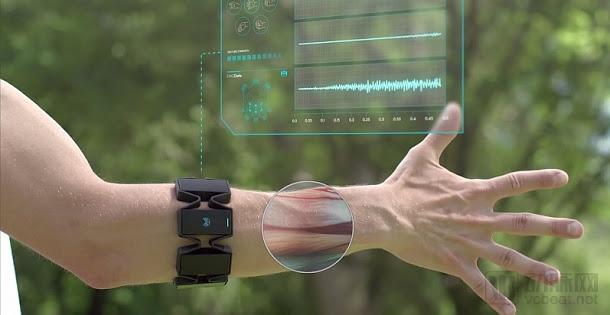
Image source: eventon.jp
Myo officially went public in June 2017, becoming the first company to list on the NYSE after completing only a Series A+ round.
Myo is a commercial medical robotics company serving patients with upper limb paralysis or other neurological disorders.
Thalmic Labs is a pioneer in the future of human-computer interaction, and its first product was the Myo armband. The Myo armband enables users to control computers, smartphones, and other electronic devices through gestures.
Thalmic Labs markets its product as the world’s first electromyography (EMG)-based gesture control device. It operates on the principle that different gestures performed by the user generate distinct electrical signals from the forearm muscles. The Myo armband, equipped with advanced sensors, captures these signals and processes them using embedded algorithms. The resulting gesture recognition data is then transmitted via Bluetooth 4.0 Low Energy (LE) to connected electronic devices.
The prospectus shows that Myo's annual net profit is approximately $9.1 million after deducting sales discounts and other transaction fees and expenses.
Myo’s IPO price was $2.40, and its share price remained relatively stable in the months following the offering. Starting in 2018, however, Myo’s stock price began to fluctuate, rising by 18.81% over a three-month period. Notably, during the last few trading days of February, the share price increased by approximately 18.21%.
As of February 28, 2018, the price per share of Myo rose to $4.61, representing an increase of approximately 20.05% over the same period, with total trading volume exceeding 3.01 million shares.