

The Long Road to Industrialization of Frontier Technologies: Hospital Equipment Departments Embrace Transformation Amid Policy Intensification
March 10, 2018, the 2018 Future Healthcare • Medical Device Industry Transformation and Upgrading Forum in ChengduNew Century International Convention and Exhibition Center7Hall No.held.
In the afternoon session,VCBeat (WeChat ID: vcbeat)Guests from investment firms, hospitals, and enterprises were invited to share their insights on the medical device industry and discuss emerging trends from diverse perspectives.
Below are the highlights shared by our guests:
Li Yang, Investment Director at Puhua Capital: Challenges and Pathways in the Industrialization of Frontier Technologies
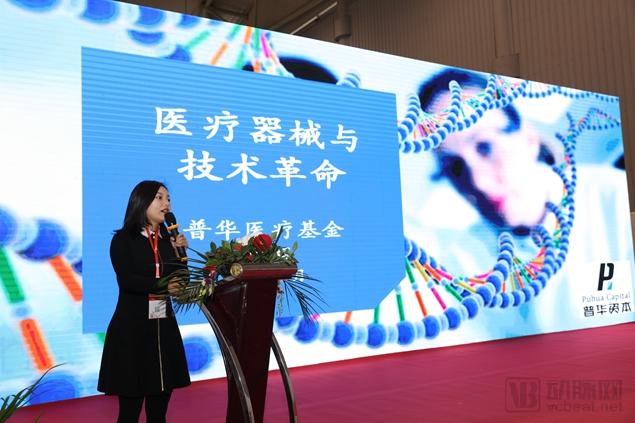
Li Yang, Investment Director at Puhua Capital
For enterprises, the journey from technological development to practical implementation is lengthy. Technological innovation entails changes in our practices, particularly in the medical field, where it holds substantial economic and social value.
The translation of scientific research achievements involves significant uncertainty and extremely high costs, driven by two key factors:
First, the unique market dynamics have led to transaction constraints. In hospital-based medical scenarios, there is no true consumer-facing (C-end) segment; unlike internet companies that can simply deploy an app to solve problems, greater consideration must be given to physicians’ needs.
China’s healthcare system is composed of tiered public hospitals under social security coverage and a growing private hospital sector, creating a highly polarized market. Local policies on pricing, agency, and distribution often determine the survival of enterprises.
Second, in addition to transaction restrictions, the stickiness of front-end products exhibits unreasonable limitations during market launch, even as we continuously refine our selection system.
Taking Illumina, the leading company in gene sequencing, as an example, the following is an introduction to the advantages and disadvantages of various sequencing technology platforms at that time. Each platform has its own characteristics in terms of strengths and limitations.
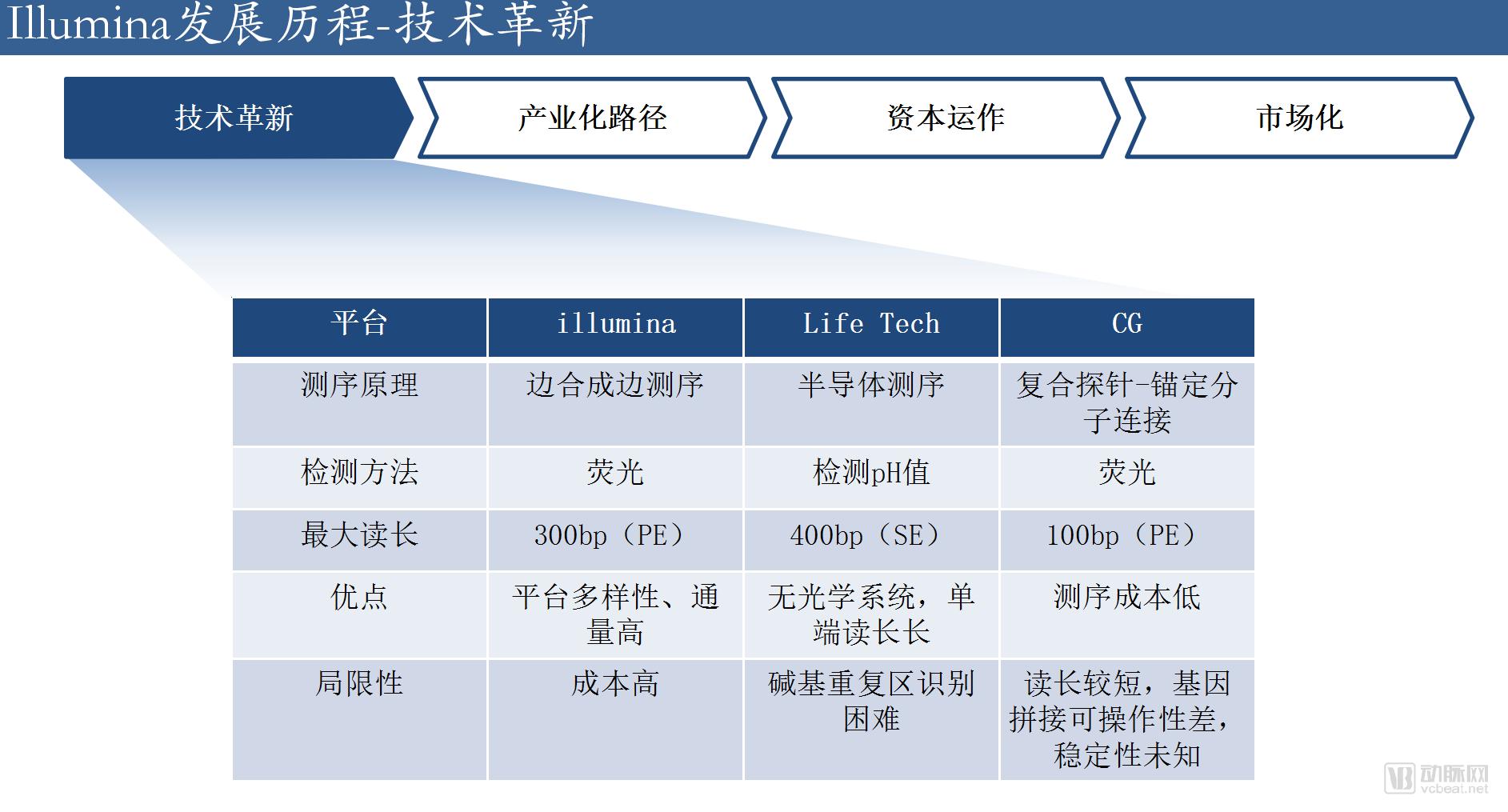
The issue at hand is how to achieve better differentiated competition when one’s own technology does not differ significantly from that of other companies—selection of the industrial path is critical.
Below is Illumina’s industrial roadmap:
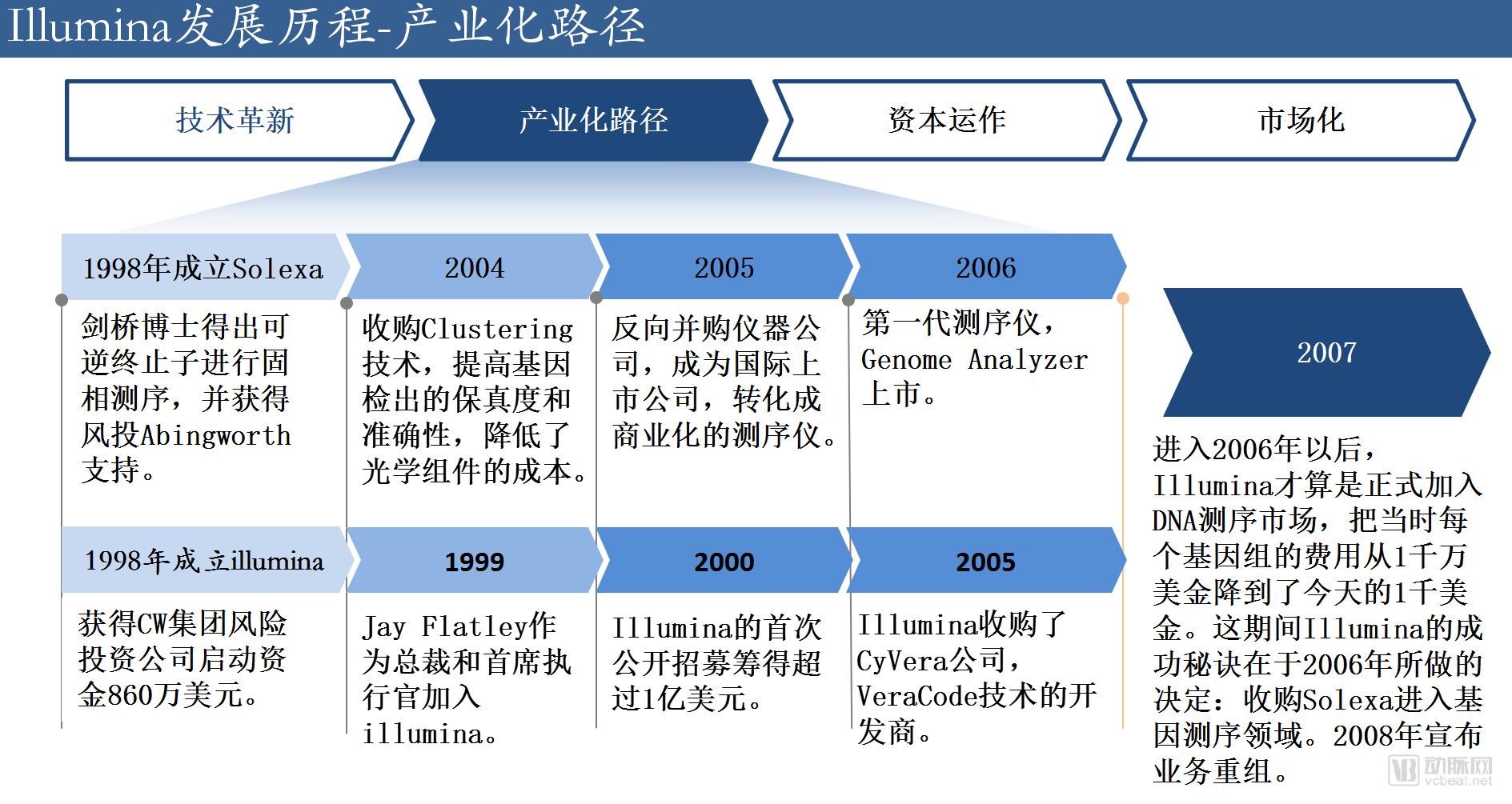
The key lies in industry consolidation and integration with industrial channels; sales figures rose from $20.5 million to $100 million.
At that time, Illumina was considering how to expand its existing technologies. Not content with being merely an upstream manufacturer, it also made strategic moves in the downstream sector.
This holds true for many medical device and equipment companies: if a company develops a product in a specific field, it will inevitably expand within that domain to continuously unlock greater value.
Effective industrial consolidation will bring improvements to enterprises in four aspects:First, acquiring new technologies to serve as a modern technological reserve or to eliminate future competitors; second, strengthening competitive business operations; third, expanding business domains; and fourth, achieving functional integration to realize strategic transformation.
So, how can we achieve market-oriented operations, technological integration, or commercial integration? Capital operation is currently very common. For a technology entering China or being incorporated into our strategy, how should it be transformed and monetized? This involves considerations such as whether clinical development is needed, as well as issues related to marketing and sales, market access, distribution, and channels. These are essential factors that must be taken into account when engaging in innovation and entrepreneurship, independent R&D, and asset integration. At the same time, they test a company’s capabilities in internet thinking, learning agility, and forward-looking strategic planning.
Wu Yunhong, Deputy Director of the Tibet Office Hospital Affiliated to West China Hospital: How Should Hospitals Respond Amidst Evolving Trends in Medical Procurement Policies?
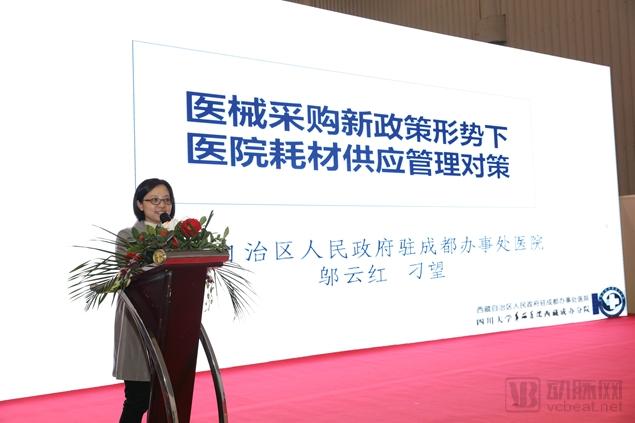
Wu Yunhong, Deputy Director of the West China Hospital Tibet Chengdu Office Hospital
Why Are There Changes in Healthcare Policies?
Everyone is aware of the contradictions we face. While various policies are implemented at the national level, this is not an area the state intends to reform arbitrarily. Why change? Because the trend of population aging is irreversible, healthcare expenditures are rising sharply, and the national pension insurance system is under immense strain. With the “Two-Invoice System” already in place for pharmaceuticals, can its implementation for medical devices be far behind? It is imminent.
The concept of “Heaven, Earth, and Man” can also be applied here: “Heaven” refers to national policies, “Earth” to healthcare demand, and “Man” to the relatively insignificant hospitals, departments, and physicians.
Times are bound to change. When the National Health and Family Planning Commission held meetings with us, it required that our overall medical service volume grow by more than 10%. As a result, last year some hospitals, in an effort to control total medical expenditures, stopped admitting surgical patients; for those requiring high-cost consumables, they were told that no quotas were available for the year and were directed to use domestically produced alternatives. Our hospital faced many patients requesting to switch to imported hip implants; when we informed them that none were available, they went to other hospitals.
The national government has introduced numerous policies, including the establishment of a regulatory platform for healthcare, medical insurance, and pharmaceuticals. These measures regulate the conduct of healthcare institutions, administrative bodies, and physicians. The “Two-Invoice System” has been fully implemented, and each province and municipality is setting maximum price caps for consumables through centralized bidding processes.
Let’s take a look: What is the orientation of our policy? It is to meet the public’s health needs with minimal expenditure. Meanwhile, the government has also emphasized the need to stabilize the healthcare industry, meaning that hospitals must not be allowed to face operational failure.
Early this year, just after the Spring Festival, the national government released a list of over 300 single-disease bundled payment items, allowing provinces, municipalities, and autonomous regions across China to independently select pilot programs for diagnosis-related group (DRG) payment.Previously, diagnostic tests were profitable; now, each additional test incurs greater losses. It is imperative to control expenditures through clinical pathways to safeguard hospital profitability.
However, we found that there are still issues with this logic—Medical consumables are excessively expensive. With national fee caps imposed on imported consumables, domestically produced alternatives fail to meet clinical demands, leading to numerous challenges. How can we leverage human resources to control expenditures and increase revenue? Ultimately, only national policies can reduce the cost of medical consumables.
Following the implementation of the “Two-Invoice System,” intensified market competition has led to lower costs for patients and ensured that medical consumables are safe and traceable. With the adoption of single-disease payment models, total costs have decreased while profit margins have increased.
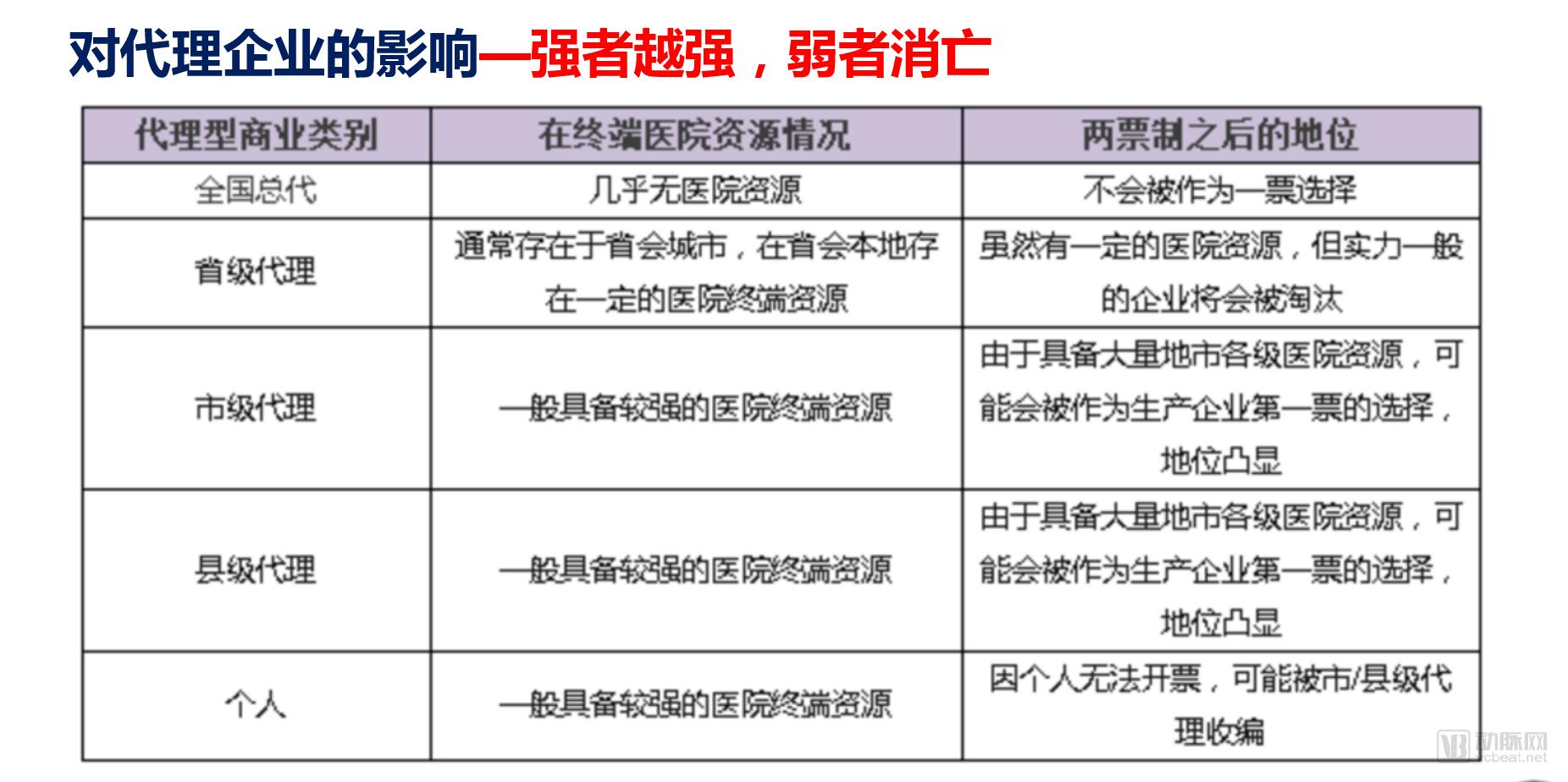
Distributors are grappling with slim profit margins, with some facing existential crises and potentially transitioning into logistics providers. Much like the broader commercial landscape, the future will inevitably see the strong grow stronger while the weak perish.In the end, only municipal-level and county-level distributors will remain. These distributors have the closest ties to hospitals and possess strong channel resources. However, the market landscape remains unsettled, and no one can predict what the future holds; it is possible that an influx of capital could consolidate the entire market.
What preparations should hospitals make for the next step?
Embracing change is key,Given our approach to equipment and consumables management, we will inevitably refocus on core principles, prioritizing patient-centered care while ensuring equipment safety and supply chain reliability. As suppliers gain a clearer understanding of our needs, tensions within the Equipment Department will ease. With prices stabilizing across vendors and national policy support in place, physicians’ demands will gradually return to a more rational baseline. Our primary objectives are to guarantee supply continuity and enhance specialized technical management capabilities. Staff in our Equipment Department primarily come from biomedical engineering backgrounds; while they possess in-depth knowledge of medical devices, they typically do not devote substantial time to multi-party coordination and negotiations.
Furthermore,The hospital’s passive promotion will transform into proactive advancement, actively serving clinical practice.
What Should Hospitals Focus On,The primary focus is on the product itself.Although the number of distribution companies has decreased, perhaps shifting from dozens of distributors to just a few, the authority to select products still rests with hospitals. We should establish mechanisms for both inclusion in and removal from the approved formulary.
We must first gain a thorough understanding of the product, the manufacturer, its scale, and its R&D capabilities, followed by an analysis of the relevant market. Furthermore, we will collect all data generated during and after product use.
After the product has been widely adopted in clinical practice, it is essential to collect data on its sales volume, as pricing negotiations with distributors will be based on transaction volumes.
Another one I stillPay Attention to Distributors, we must strictly manage distributors. As everyone lacks experience in transitioning from dealers to distributors, hospitals should prioritize those with large scale and high-quality service.
How are hospitals currently conducting procurement? Given the current clear landscape, it is imperative to strictly implement procurement at the lowest price.
The first phase is the technical review, during which we will issue public announcements or extend invitations to manufacturers, aiming to involve as many manufacturers as possible in the technical review process to facilitate thorough communication regarding their products.
The second phase is commercial competition, where products are selected through sealed bidding based on the principle of lowest price priority.
The “Two-Invoice System” is on the verge of implementation, making standardized and refined management of hospital equipment departments an urgent priority. Biomedical engineers are increasingly integrating into hospital operations and participating in the improvement of clinical quality.
Gao Jian, Director of the Medical Department at Medisun: Managing Clinical Trial Risks Requires Collaborative Efforts from Hospitals, CROs, and Sponsors
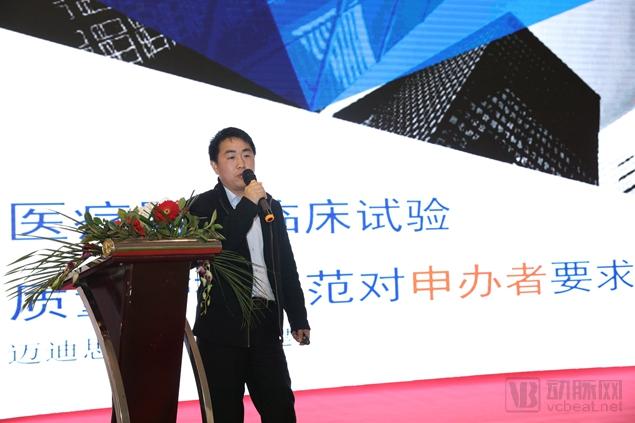
Gao Jian, Director of the Medical Department at Mediscreation
Following the implementation of medical device regulations on January 1, 2016, Chinese administrative authorities conducted on-site inspections at major hospitals and publicly disclosed cases of non-compliant medical device testing, ushering in an era of stringent regulatory oversight for medical device enterprises.
Clinical trials have now become a high-risk sector. For a company, the journey of a product from research and development to final market launch is such that clinical trials are undoubtedly the phase with the highest risk and greatest difficulty.Under the premise of high risk, concerted efforts from multiple parties are required.
First,Hospital, it is essential to conduct clinical trials properly; if hospitals do not cooperate, the trials cannot be completed regardless of how fully the CRO company cooperates.
The second aspect isCRO Company, CRO companies serve as a bridge facilitating communication between hospitals and enterprises. Their second major function is to dispatch clinical research associates (CRAs) to conduct regular monitoring visits at hospitals, ensuring strict adherence to operational protocols.
Finally, it isEnterprise, companies must secure sufficient funding to conduct clinical trials; they need to manufacture an adequate supply of medical devices, particularly consumables; furthermore, during the early R&D phase, it is critical that no safety incidents occur with the device, as any device defects would force the trial to be suspended.
The Good Clinical Practice for Medical Device Clinical Trials stipulates that the sponsor is responsible for initiating, applying for, organizing, and monitoring clinical trials, and shall be accountable for the authenticity and reliability of such trials. The regulations define the sponsor as the institution or organization that initiates, manages, and provides financial support for the clinical trial, typically the manufacturer of the investigational product.
What Medisino’s clients care about most is, first, price; second, time; and third, the required number of cases.
Regarding Clinical Trial Risks, There Are Three Questions:
Regarding registration units and clinical trial units, clients generally have R&D and regulatory submission needs. They frequently ask, “Does each registration unit require a corresponding clinical trial unit?” These two concepts are not equivalent. In some cases, multiple registration units can be covered within a single clinical trial; in other cases, a single clinical trial unit may encompass several registration units.
The second issue concerns authenticity. The medical records could not be traced even after inspection, raising suspicions. Furthermore, upon cross-referencing the consultation statistical logs with the informed consent forms signed by patients, it was found that the handwriting did not match that of the investigators, indicating potential fabrication.
The third issue is the concealment and failure to report serious adverse events (SAEs). When a product causes an SAE in a patient, the company may instruct physicians, “Do not report the serious adverse event, as doing so will negatively impact the sales of our product.” While this rationale may seem understandable from a business perspective, such companies overlook a critical risk: if regulatory authorities discover the concealment during inspections, the product will be summarily rejected, precluding market approval altogether, let alone any post-market implications.
The final issue concerns compliance. Monitoring by Medisinnovation revealed a widespread problem: the clinical trial protocols differed across the three hospitals, with some using version 1.0, others version 2.0, and still others version 3.0. It is critical to avoid such protocol discrepancies, as they compromise the source integrity and render subsequent processes unfeasible.
Wang Xuhua, Founding Partner of Taishan Hui: What Are the Key Factors in Financing for Medical Device Companies?
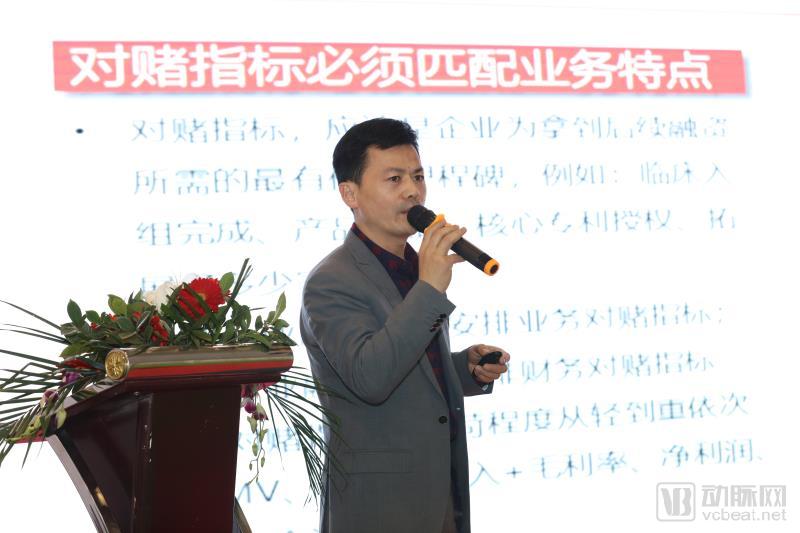
Wang Xuhua, Founding Partner of Taishan Hui
Medical device companies must first recognize that fundraising is as critical as operations; enterprises that focus solely on operations while neglecting fundraising cannot succeed. The current market capitalization of listed companies stands at RMB 60 trillion, with annual profits over the past four years being more than tenfold higher. Primary-market companies represented by Burning Rock Biotech boast elite teams and are still in a loss-making phase, yet their current valuation approaches RMB 2 billion, with total funding from Series A, A+, and B rounds nearing RMB 500 million.
The first behavioral preference; the behavioral preferences of investment institutions are critical;
In the second investment stage, each institution has different investment phases and varying investment preferences;
Third, investment activity;
The fourth is clause style;
The fifth point is whether the TS is formal, including investor information, fund currency, etc.
Before securing funding, the most critical issue is how to address valuation adjustment mechanism (VAM) clauses. A popular saying in the market goes: “Without funding, you die waiting; with funding, you die trying.”
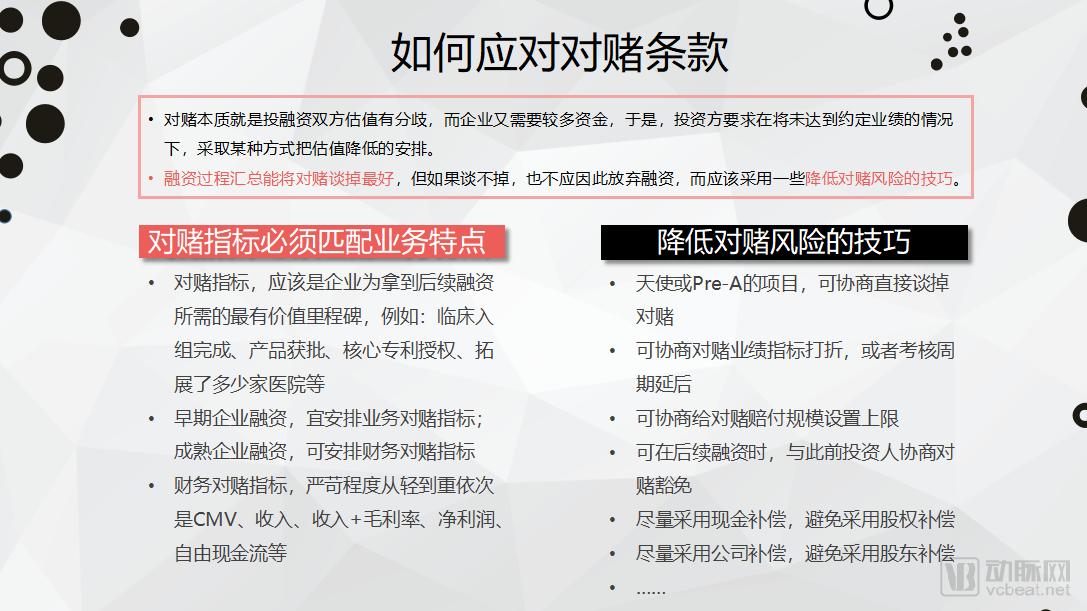
Some investors adopt an aggressive stance and impose strict requirements on portfolio companies, which can create significant operational challenges. Therefore, valuation adjustment mechanism (VAM) clauses must be carefully considered. The performance targets specified in VAM agreements should align with the company’s business characteristics; ideally, they should facilitate securing investors for the next funding round.
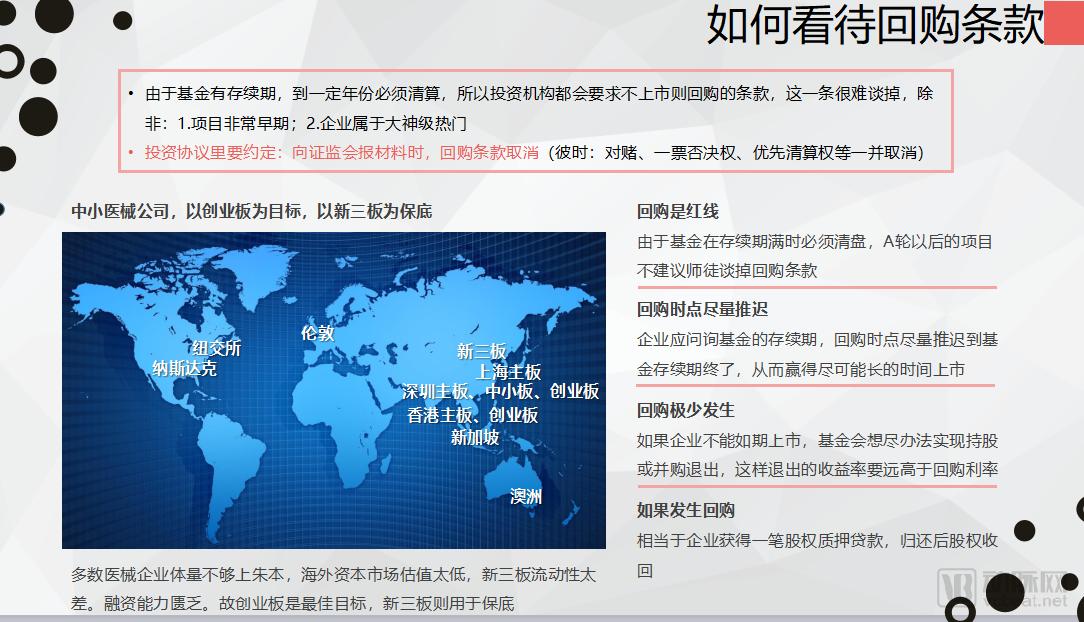
How to View Repurchase Clauses. In the early stages or between Series A and Series B funding rounds, many companies generate profits and face repurchase obligations, requiring them to transfer equity or provide compensation. There are certain strategies involved in these arrangements. In later stages, many companies view this favorably, as it is akin to obtaining an equity-secured loan. Some of these companies have not gone public; Taishan Hui is also involved in this area of business.
If an unimpressive team background is an established fact that is difficult to change, how can financing be secured? The following points are particularly important:
1. Avoid sectors that are overly reliant on financing or primarily compete on speed, such as those with internet-like characteristics;
2. Avoid developing products with overly advanced technology that lack international benchmarks and pose excessive challenges for clinical enrollment;
3. Endeavor to launch startups in fields where you have accumulated resources such as technical expertise and distribution channels;
4. Rely on internal funds to achieve certain progress before seeking additional financing;
5. Do not be overly demanding on valuation during fundraising; consider raising capital in stages, for example, by splitting the Series A round into two separate closings: Pre-A and Series A;
6. Secure financing while simultaneously strengthening the team, with personnel recruitment and equity incentives implemented in parallel.