

NPC Deputy and President of Chongqing Medical University Children's Hospital Li Qiu Urges Enhanced Pediatric Medical Support Services
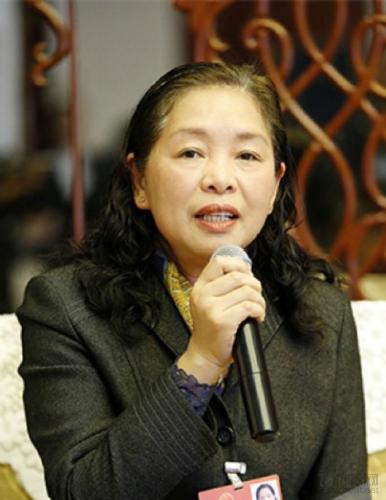
Li Qiu, President of the Children's Hospital of Chongqing Medical University
Image from Xinhua News Agency
Children's health is the foundation of national health, bearing on the quality of the population and the future of the country. However, pediatrics faces challenges such as an imbalanced structural allocation of resources, an overall shortage of pediatric hospital beds, and the loss as well as insufficient training of professional pediatric personnel.
According to the latest data released by the National Bureau of Statistics, China's birth population in 2017 was 17.23 million. Although this figure represents a decline from 2016, it remains substantial and marks the second-highest level since 2000.
In 2017, the number of first-child births in China was 7.24 million, a decrease of 2.49 million from 2016, while second-child births accounted for more than half of all live births, a proportion that is expected to continue rising.
At the Two Sessions, Li Qiu, a deputy to the National People's Congress and President of the Children's Hospital of Chongqing Medical University, put forward proposals on enhancing auxiliary service capabilities in pediatric healthcare.
“The shortage of pediatric medical resources is reflected not only in the number of physicians but also in the scarcity of specialized nursing care and medical support services,” said Li Qiu, a deputy to the National People’s Congress and President of the Children’s Hospital of Chongqing Medical University. He emphasized that the country urgently needs to increase investment in this area to comprehensively enhance the capacity of pediatric medical services.
According to available data, the project led by Li Qiu, President of the Children’s Hospital Affiliated to Chongqing Medical University, titled “Mechanisms Underlying the Chronic Progression of Pediatric Glomerular Diseases and Their Clinical Applications,” has been supported by multiple national- and provincial/ministerial-level scientific research funds (including key and general programs). After years of investigation, the project has achieved a series of innovative outcomes in areas such as the immunoinflammatory mechanisms of glomerular diseases, lipid-mediated exacerbation of renal injury during inflammation, and clinical prevention and treatment strategies.
In recent years, the issue of pediatric healthcare access has garnered widespread attention, with children’s hospitals in many regions frequently experiencing overcrowding.
The shortage of pediatricians has always been a key focus for Li Qiu, but this year, she has shifted more attention toShortage of Pediatric Medical Support Service Capacity。
“In recent years, the state has continuously increased investment in pediatric medical resources. The number of children’s hospitals and pediatric beds has been growing, and efforts to train pediatricians have been intensified. However, auxiliary medical services, which are closely linked to pediatric care capacity,”such as pediatric radiology and imaging examinations, remain inadequate, thereby constraining the comprehensive service capacity of pediatrics.” said Li Qiu.
Due to the unique physiological characteristics of children, their diagnosis, treatment, and nursing care differ from those of adults. Li Qiu stated that currently, in many hospitals,Particularly in general hospitals, there is a notable deficiency in medical assistive technologies specifically designed for children., which limits the capacity to provide better services for children.
There are disparities in pediatric medical service capacity between urban and rural areas and across different regions. The shortage of primary pediatric care capacity is not limited to physicians but also extends to other services, such as specialized pediatric nurses and allied health professionals in fields like radiology and medical imaging. Addressing this issue requires a comprehensive, systemic approach.
Li Qiu suggested that the state increase its attention to the construction of pediatric medical auxiliary service capabilities,Establish a comprehensive system for pediatric diagnosis and treatment, examinations, and nursing care。
Li Qiu also suggested that, during the annual peak seasons for seasonal pediatric diseases, measures such as time-slot appointments and in-clinic payment could be adopted to provide a more comfortable healthcare experience for patients and a better working environment for medical staff.
Currently, both Shanghai and Beijing have national pediatric medical centers. However, in the western region, where one-third of the child population resides, there is yet no national-level pediatric medical center. It is hoped that the state will expedite the establishment of such a center to ensure that every child has access to equitable medical services.
Source: Xinhua News Agency