

Shifting Supply-Side Strategies and Industry Collaboration: Addressing Pain Points in Public Hospital Health Management
In 2015, the scale of China's health checkup industry reached RMB 94 billion, representing an increase of approximately 306.9% from RMB 23.1 billion in 2009, with a six-year compound annual growth rate (CAGR) of 26.4%.
Currently, there are approximately 6,500 health examination institutions in China, with those affiliated with public hospitals accounting for 70.8%; private specialized health examination institutions constitute only 7.7%. Consequently, health management services provided within the public hospital setting have become the choice for the majority of people.
Overall, the Chinese health checkup market currently features a diverse array of participants, including public hospitals, private specialized health checkup centers, private hospitals, community health centers, and sanatoriums. This has resulted in a market landscape dominated by public hospitals, with private specialized health checkup institutions playing a supplementary role. However, public hospital health checkup centers still face challenges such as uneven platform-based resource allocation and low operational efficiency, presenting a series of pain points that urgently require market-driven solutions.
On March 9, 2018, the “2018 China Public Hospital Health Management and Internet Application Development Forum” was held at the Minghao International Hotel in Hangzhou. The event was hosted by the Global Health Alliance, the National University Health Industry Joint Research Institute (Preparatory) under the National Development and Reform Commission, and the National Health Industry Research Institute of Shanghai Jiao Tong University; co-organized by the Health Management Branch of the Shanghai Medical Association and the Community Medicine Professional Committee of the Shanghai Association of Integrative Medicine; and undertaken by the Editorial Office of Chinese Journal of General Practice and Hangzhou Shicheng Technology Co., Ltd.
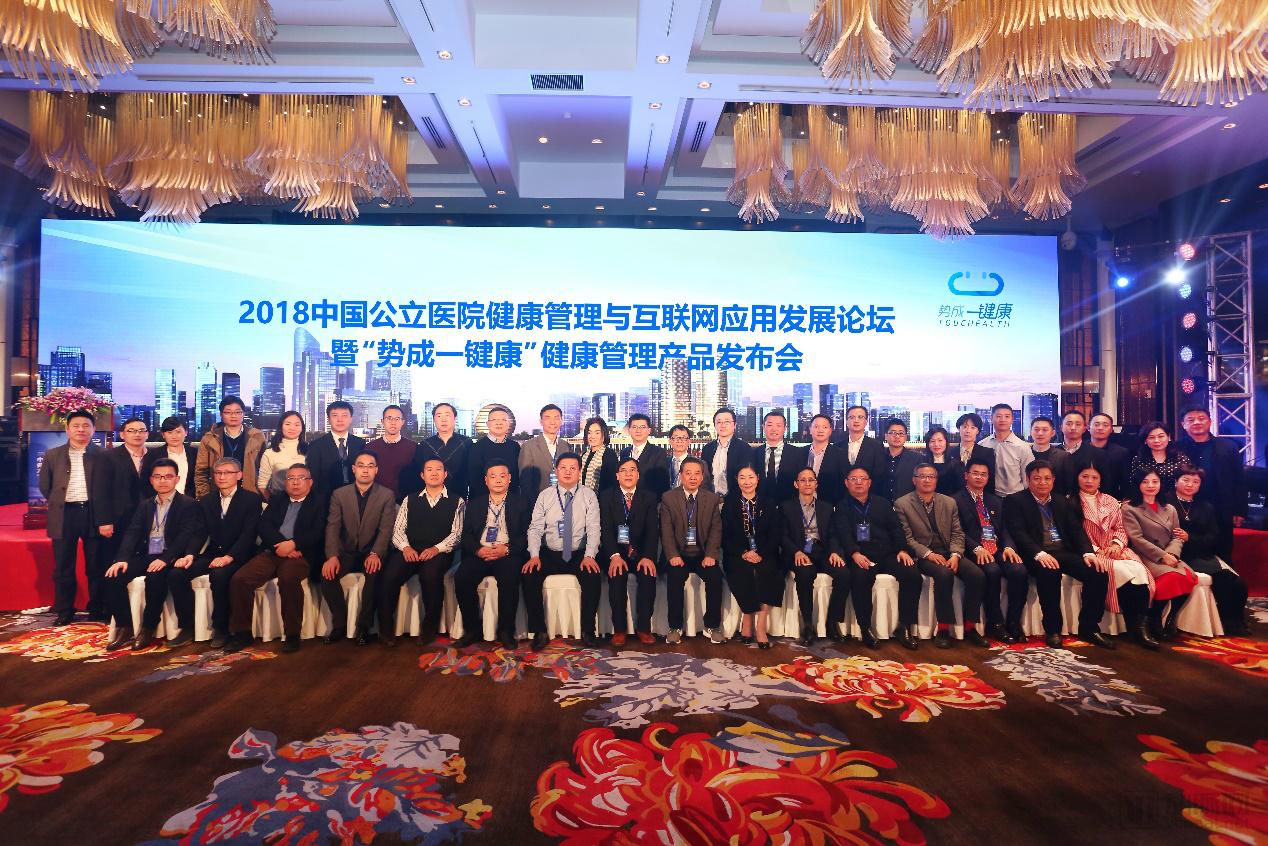
Guests Attending the 2018 China Public Hospital Health Management and Internet Application Development Forum
Distinguished guests attending this forum included: Professor Wang Fan, Director of the Economic Reference Consulting Department at the Development Research Center of the State Council; Professor Yu Jianhua, Deputy Director of the Office for Strategic Emerging Industries in China’s Production and Economics under the National Development and Reform Commission; Professor Liu Yaxuan, President and Editor-in-Chief of New Industrialization magazine published by the First Electronics Institute of the Ministry of Industry and Information Technology, and Secretary-General of the China Smart Health Industry Alliance; Mr. Tang Limin, Director at the Zhongmin Social Assistance Research Institute under the Ministry of Civil Affairs; Mr. Cao Jian, Secretary-General of the Medical Consortium Special Committee of the China Medical and Health Culture Association; Professor Xu Xuejian from the Medical and Health Science and Technology Development Research Center of the National Health and Family Planning Commission; and Mr. Xu Dongmin, Deputy Inspector General of the Hangzhou Municipal Development and Reform Commission. Relevant leaders from the Hangzhou Municipal Commission of Economy and Information Technology and the Shanghai Municipal Health and Family Planning Commission also attended.
At the opening ceremony, Professor Bao Yong, Chairman of the Global Health Alliance, Dean of the National University Health Industry Joint Research Institute (Preparatory) under the National Development and Reform Commission, and Dean of the National Health Industry Research Institute at Shanghai Jiao Tong University, announced the establishment of the Preparatory Committee for the China Health Industry Internet Foundation and released the Declaration on the Development of Internet Applications in Health Management.
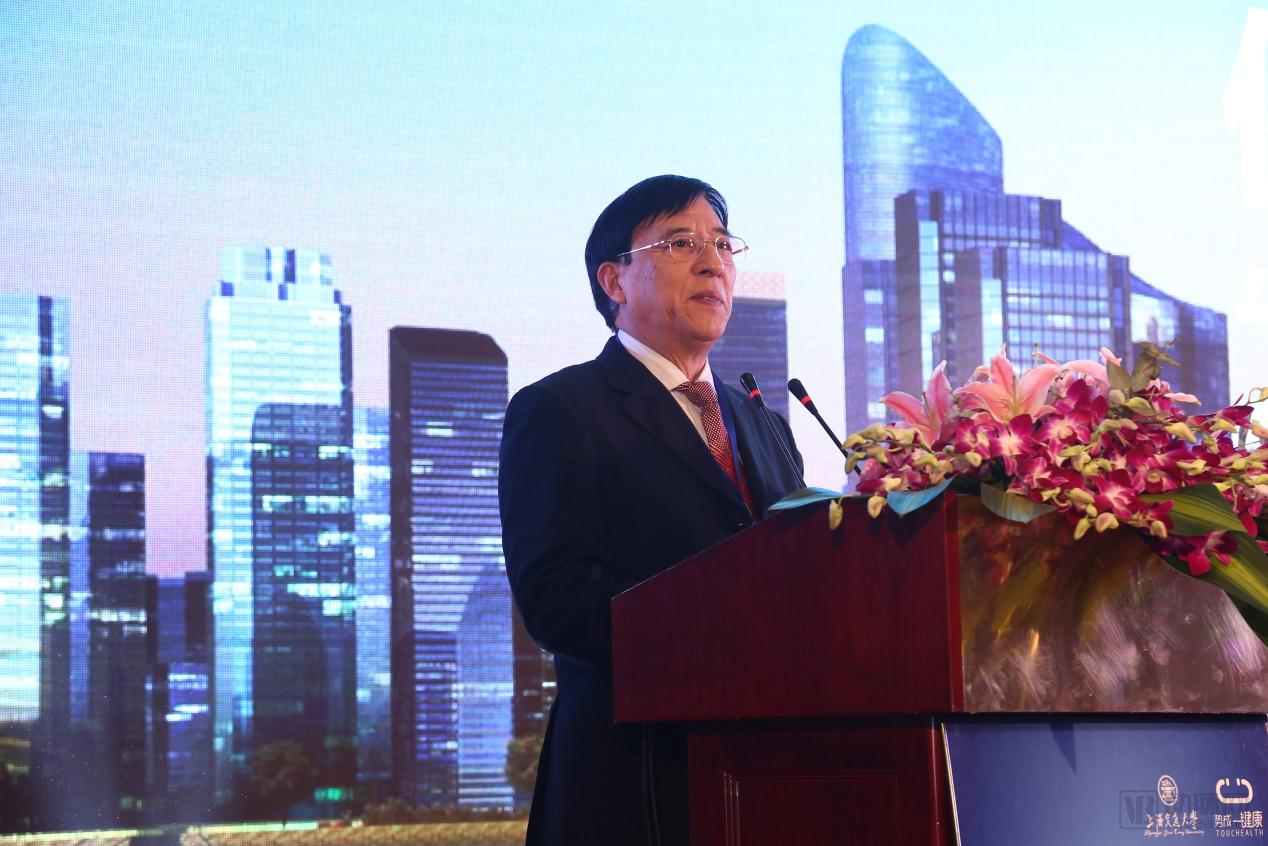
Chairman of the Global Health Alliance, Dean of the National University Health Industry Joint Research Institute (Preparatory) under the National Development and Reform Commission,
Professor Bao Yong, Dean of the National Institute for Health Industry at Shanghai Jiao Tong University
Furthermore, to further enhance the comprehensive professional service capabilities of health management personnel, the National Health Industry Research Institute at Shanghai Jiao Tong University has entered into a strategic cooperation agreement with Hangzhou Shicheng Technology Co., Ltd. to launch the “Shanghai Jiao Tong University H-MBA Program (Leaders in the Big Health Industry) Advanced Executive Education Course,” thereby supporting the development of China’s healthcare sector and ensuring the full implementation of relevant policies.
During the keynote speech session, the forum discussed hot topics such as how to meet the growing demand for full-process health management, provide comprehensive health management services, and advance the development of health management as an academic discipline.
In the keynote session, Professor Li Jingbo delivered a presentation titled “Exploration and Practice of Regional Collaborative Healthcare Service Models.” In his report, Professor Li proposed building a healthcare information sharing and exchange platform to address the needs for information sharing and service collaboration among medical institutions of different tiers, thereby achieving coordinated healthcare services. This framework can be summarized as “1+3+8,” which entails researching and applying a series of key technologies, exploring and practicing three collaborative models, and constructing demonstration projects.
Professor Bao Yong delivered a presentation titled “Report on the Development of China’s Health Service Industry,” analyzing the sector from the dual perspectives of opportunities and challenges. He pointed out that the supply side of health management requires reform to cultivate and strengthen new growth drivers. Efforts should be made to expand and fortify emerging industrial clusters, implement big data development initiatives, and enhance the research, development, and application of next-generation artificial intelligence. Furthermore, the “Internet+” model should be promoted across multiple sectors, including healthcare, elderly care, education, culture, and sports. By leveraging new technologies, new business formats, and new models, traditional industries should be vigorously transformed and upgraded.
In the development of health management as an academic discipline in China, Professor Guo Qing presented the “Report on the Development of Health Management as an Academic Discipline in China.” In 2016, the Ministry of Education approved five universities for the first time to enroll undergraduate students in the four-year “Health Services and Management” program. By 2017, this number had increased to 19 universities, marking significant progress. Finally, Professor Guo Qing pointed out that health management will leverage the roles of organizations (centers and bases) at all levels and of various types, establish a multi-party collaborative mechanism involving government, industry, academia, research, and application, and promote technological innovation.
Professor Tang Shiqi shared insights on the topic “Exploration and Practice of Big Data from Health Check-ups in Hubei.” Professor Tang proposed that the integration of technology and healthcare represents a future trend. By leveraging big data and artificial intelligence technologies, more efficient solutions can be provided for medical challenges such as prevention of major diseases, management of chronic conditions, and health promotion. Relying on new information technologies, including internet-based big data and artificial intelligence, efforts to explore and establish effective new models of health management will help accelerate the realization of smart health management.
Researcher Han Guming delivered a keynote address titled “Empowering the Comprehensive Development of Public Hospital Health Checkup Centers.” The report analyzed the challenges and pain points hindering the development of public health checkup centers, and by showcasing Hangzhou Shicheng Technology Co., Ltd.’s (hereinafter referred to as “Shicheng Technology”) integrated health management service model, it opened up broader opportunities for future collaboration.
In addition to academic sharing, “Shi Cheng Yi Jian Kang” concurrently held a launch event for its internet-based health management products, elaborating from a corporate perspective on the health management practices and explorations of public hospitals.
Liu Hua, Chairman and CEO of Shicheng Technology; Lv Minghu, Director of the Product Committee and Vice President; Mr. Xiang Haiou, Co-founder and CTO; and Mr. Zhang Zhenye, Co-founder and CMO, respectively provided introductions on overall strategic planning, health management product service packages, product technology, marketing planning, and market service content.
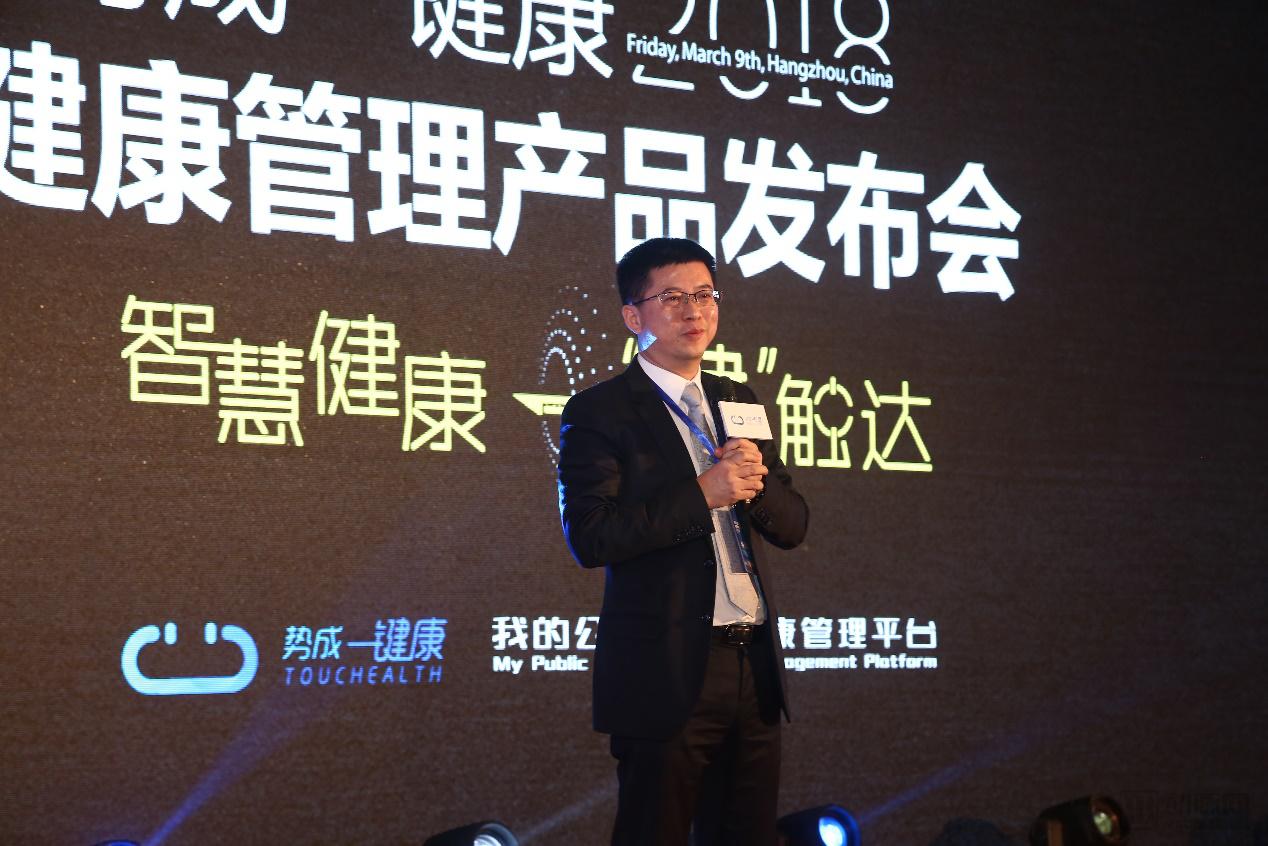
Liu Hua, Chairman and CEO of Shicheng Technology, Interprets the “Shicheng Yijiankang” Overall Strategic Plan
According to Liu Hua, Shicheng Technology is China’s first novel “healthcare + mobile internet” service platform focused on high-quality health management resources in public hospitals. Leveraging core resources including health management services from over a thousand authoritative public hospitals across China, thousands of health management experts with senior professional titles (associate chief physician or above), and the outcomes of multiple national 863 High-Tech Research and Development Program projects undertaken by the company, it has launched its flagship platform, “Shicheng Yijiankang.”
Shicheng Technology has been committed to addressing how public hospitals’ health management (physical examination) centers can leverage technological solutions to digitize their premium health management resources, thereby enabling professional online presentation and offline brand-focused academic promotion to benefit a broader population.
Leveraging the technical advantages of big data analytics in general health, and utilizing advanced health management software, we provide integrated services including online pre-examination appointment scheduling at public hospitals, a digital management system during examinations, post-examination health management, and precise daily health management services. We deliver one-stop health management solutions for government agencies, enterprises, organizations, teams, and the general public, embodying the mission of “preventing major diseases, managing chronic conditions, promoting health, and enhancing quality of life.”
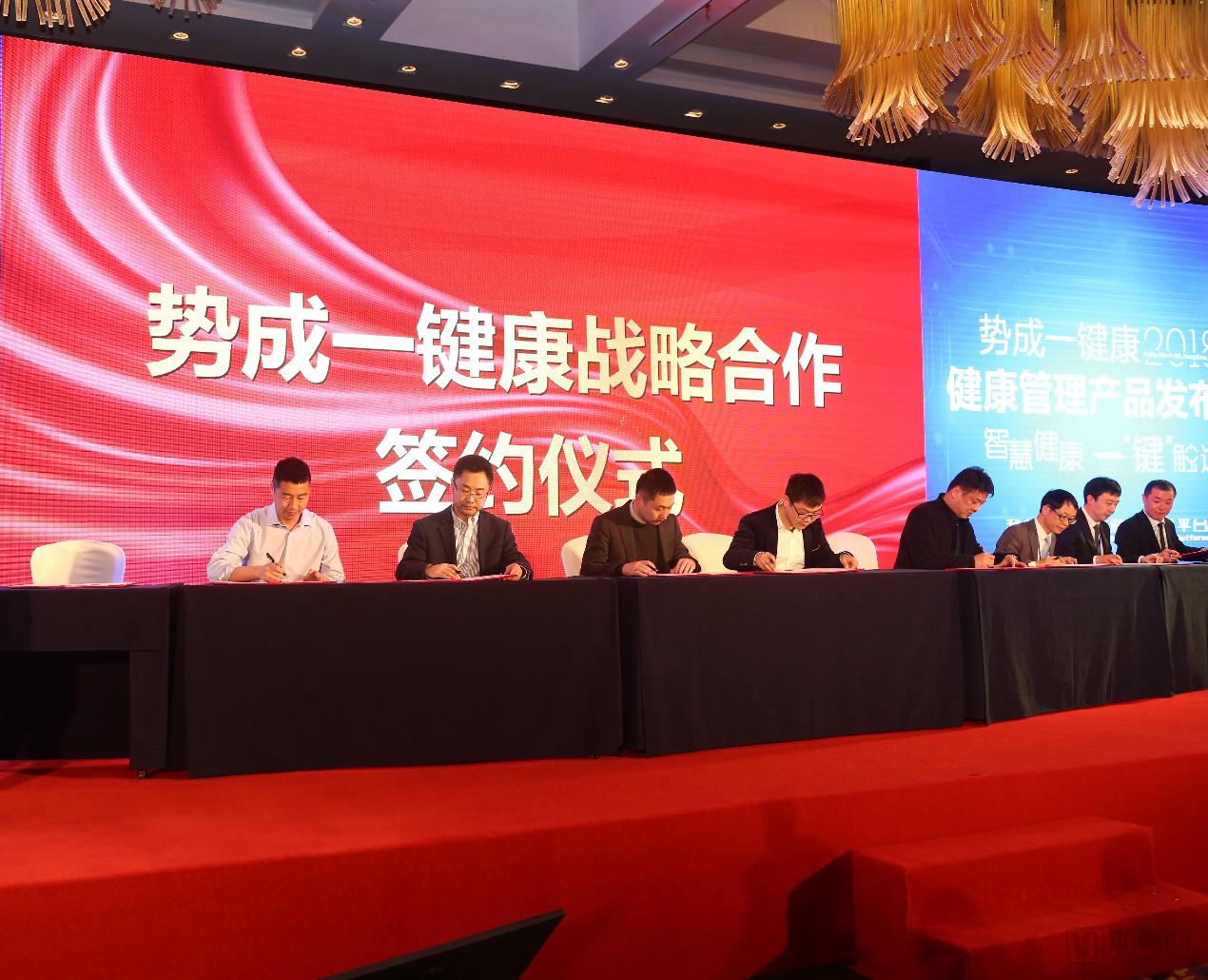
Signing Ceremony Venue
At the product launch event, Shicheng Technology signed multiple strategic cooperation agreements with Shenzhen Yijia Health Management Co., Ltd., Beijing Miaoyijia Information Technology Co., Ltd., Heilongjiang Northeast Communication Technology Co., Ltd., Jiangsu Provincial Health Information Development Co., Ltd., and Dantu District People's Hospital. The agreements covered channel partnership, brand interconnectivity, market development, provincial-level health big data information management, and the joint establishment of an International Health Management Center.
Professor Bao Yong commented, “Shicheng Technology’s product portfolio is precisely what public health management (physical examination) centers currently lack. We hope that Shicheng will continue its efforts to support health management in public hospitals and accelerate the development of the entire health management industry.”