

Sleep Tech Drives Consumption Upgrade, Traditional Home Furnishing Transformation Shows Clear Trajectory, and Children's Sleep Monitoring Remains an Untapped Market
Sleep deprivation has long plagued busy and anxious modern urban dwellers. Given that people spend one-third of their lives sleeping, healthy sleep has become an urgent need for the Chinese population.
On March 16, the “Linking Technology, Driving the Future” 2018 (China) Sleep Technology Conference, hosted by the Pan-Home Furnishing Data Research Institute and strongly supported by the International Famous Furniture (Dongguan) Exhibition, was held at the Guangdong Modern International Exhibition Center in Houjie Town, Dongguan City, Guangdong Province.
Centering on themes such as “sleep, healthcare, technology, and industry,” this conference offers a comprehensive, international perspective on the development and trends in sleep technology. It addresses industry pain points and solutions, aiming to elevate the entire sleep industry to new heights and jointly explore the future direction of industrial development.
The conference invites medical experts and scholars, representatives from industry associations, as well as stakeholders from soft home furnishing manufacturers, sleep technology companies, material suppliers, investors, and distributors to jointly explore the applications and trends of sleep technology.
Zhang Bingbing, Vice Chairman and Secretary-General of the China National Furniture Association, stated in his address: “A key pillar of China’s future development is the ‘Healthy China’ initiative. Good health begins with quality sleep, and the most critical factor for achieving this is high-quality sleep bedding.” He specifically emphasized the need to focus on healthy sleep products for children, adolescents, and the elderly, so as to seize opportunities and capture market share.
At the conference, three expert professors from the medical community provided professional insights into the importance of sleep technology and sleep health, covering topics such as sleep-related respiratory disorders, the relationship between the spine and sleep, and sleep big data.
Vice Chair, Professional Committee on Sleep-Disordered Breathing, Chinese Society of Sleep Research
Sleep Medicine Group, Respiratory Branch, Chinese Medical Association
Professor Ou Qiong
Domestic Sleep Medicine Research Has a Long and Arduous Journey Ahead
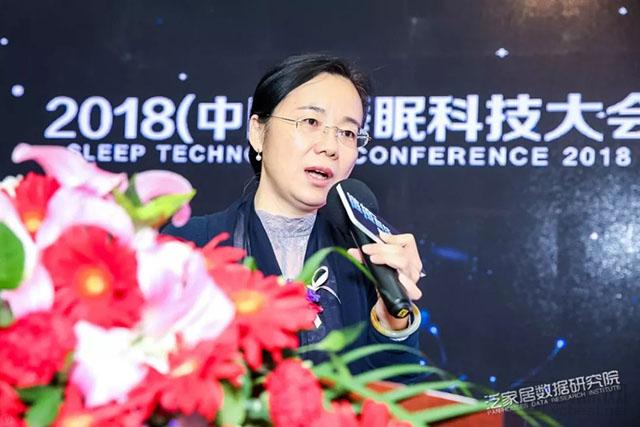
Professor Ou Qiong believes that people spend a significant portion of their lives sleeping, yet there are over 80 sleep disorders. The most common ones are insomnia and sleep apnea, with breathing difficulties and insomnia often intertwined.
Based on the previous prevalence rate of 4%, China has a large population with sleep-disordered breathing. However, diagnosis rates are low, with 98% of patients remaining undiagnosed. “A recent population-based survey we conducted found that 99% of high-risk individuals had never sought medical attention for this condition. Even among those who did consult a doctor, very few received treatment annually in our country.”
Sleep science in the United States is 30 years ahead of China, with sleep medicine centers operating as independent entities. “Even though our provincial hospital has run a specialized sleep department for eight years, it still lacks clarity on how to diagnose and manage this condition. Sleep researchers in China face immense challenges.”
To date, no sleep centers in China have established case databases, and sleep medicine workflows have not yet been integrated into general internal medicine. There is still much work to be done in the future.
During screening, hospitals establish protocols to proactively identify such populations. Under the broader health and wellness paradigm, what actions should enterprises take? This is a strategic direction that companies need to consider.
Member, Cervical Spondylosis Professional Committee, Chinese Association of Rehabilitation Medicine
Executive Director of the Bone and Joint Disease Committee, World Federation of Chinese Medicine Societies
Dr. Zhang Zifeng
Spinal Health and Sleep Health Are Inseparable
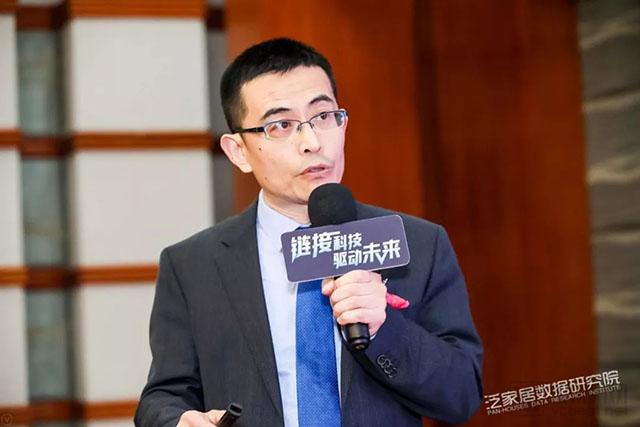
Dr. Zhang Zifeng believes that sleep, which accounts for one-third of human life, is crucial for spinal health.
The Interplay Between the Spine and Sleep. From the perspective of the spine, spinal conditions can affect sleep quality; conversely, from the perspective of sleep, our sleep habits—particularly sleeping posture—can impact spinal health.
The European Spine Journal analyzed the pathological relationship between sleep apnea and spinal disorders. A significant proportion of patients with sleep apnea are affected by spinal diseases, particularly cervical spine conditions. “For instance, among a subset of patients with sleep apnea, 60% have congenital vertebral fusion. Additionally, rheumatoid arthritis can affect the cervical spine, and 53–79% of patients with rheumatoid arthritis experience sleep apnea.”
Furthermore, Dr. Zhang Zifeng also stated that the research conducted by Zhikao Technology on the detection of pediatric sleep quality is highly significant, as it can help hospitals intervene earlier in the treatment of patients with such conditions.
Scientific sleep is the prerequisite for spinal health, and the support, materials, and other aspects of soft furnishings are crucial to human health. Therefore, the development of new bedding products requires support from the furniture industry in terms of materials, technology, and production processes.
Director, Information and Science Popularization Department, Chinese Sleep Research Society
Chief Expert in National Sleep Science Popularization
Director Peng Zhiping
Big Data on Sleep: The Importance of Its Practicality
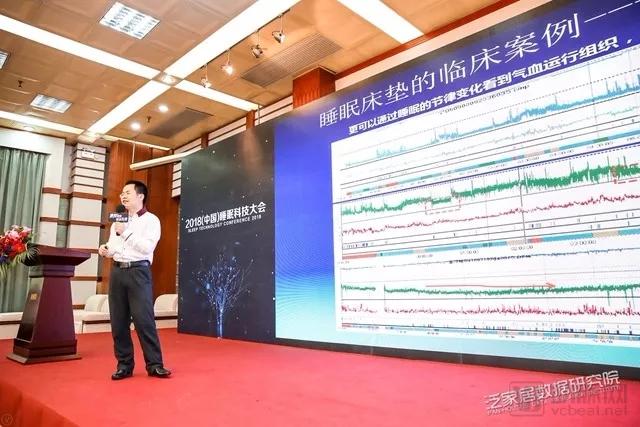
Director Peng Zhiping believes that big data should not only be “big” but also useful. “Many companies have collected vast amounts of data, yet they remain uncertain about how to effectively utilize it. For some data, professional sleep physicians or biomedical experts should have been involved prior to product design to properly define the product parameters.”
Pediatric sleep monitoring, including monitoring devices, is an “underserved niche.” Products targeting pediatric sleep are scarce, with few home-use options and even fewer medical-grade devices. “Since 2016, some home-use pediatric products have emerged, but medical-grade devices remain exceedingly rare; currently, only U.S. companies offer medical-grade monitoring equipment. Complete pediatric data would be highly valuable for subsequent data analysis and mining.”
Hu Junhao, Founder and CEO of Darma: Addressing Sleep Disorders in Niche Areas Is Key to Improving Sleep Health
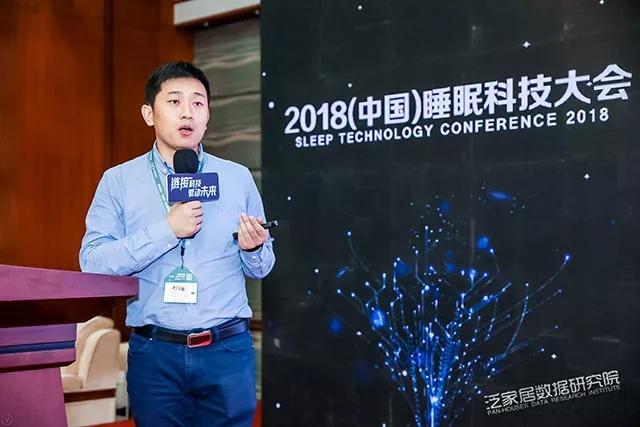
Hu Junhao, Founder and CEO of DARMA
Currently, there are four technologies for monitoring sleep: electroencephalogram (EEG) monitoring, accelerometers, radio frequency radar waves, and ballistocardiography (BCG).
Ballistocardiography (BCG) monitoring sensors represent a superior solution, as they deliver medical-grade accuracy, enable non-wearable continuous monitoring, and are reasonably priced.
Darma’s fiber-optic sensors can detect signals from a person lying on a 55-cm mattress, demonstrating their sensitivity. Fiber-optic sensors were previously primarily used for military applications. Sleep is highly complex; sleep monitoring involves not only analysis but also the acquisition of extensive additional information.
Furthermore, Hu Junhao called on sleep industry companies to focus more intently on niche segments and deliver perfect solutions within each specialized market.
“For instance, by focusing on cases where heart disease leads to poor sleep, we can provide users with targeted solutions and collect relevant data. Alternatively, if respiratory issues are causing poor sleep, we can leverage respiratory sensors to address these specific problems. Only by tackling such granular issues can we truly excel in sleep monitoring.”
Xin Zhiyu, Founder of Darma: Smart Technology Empowers Personalized Bedding
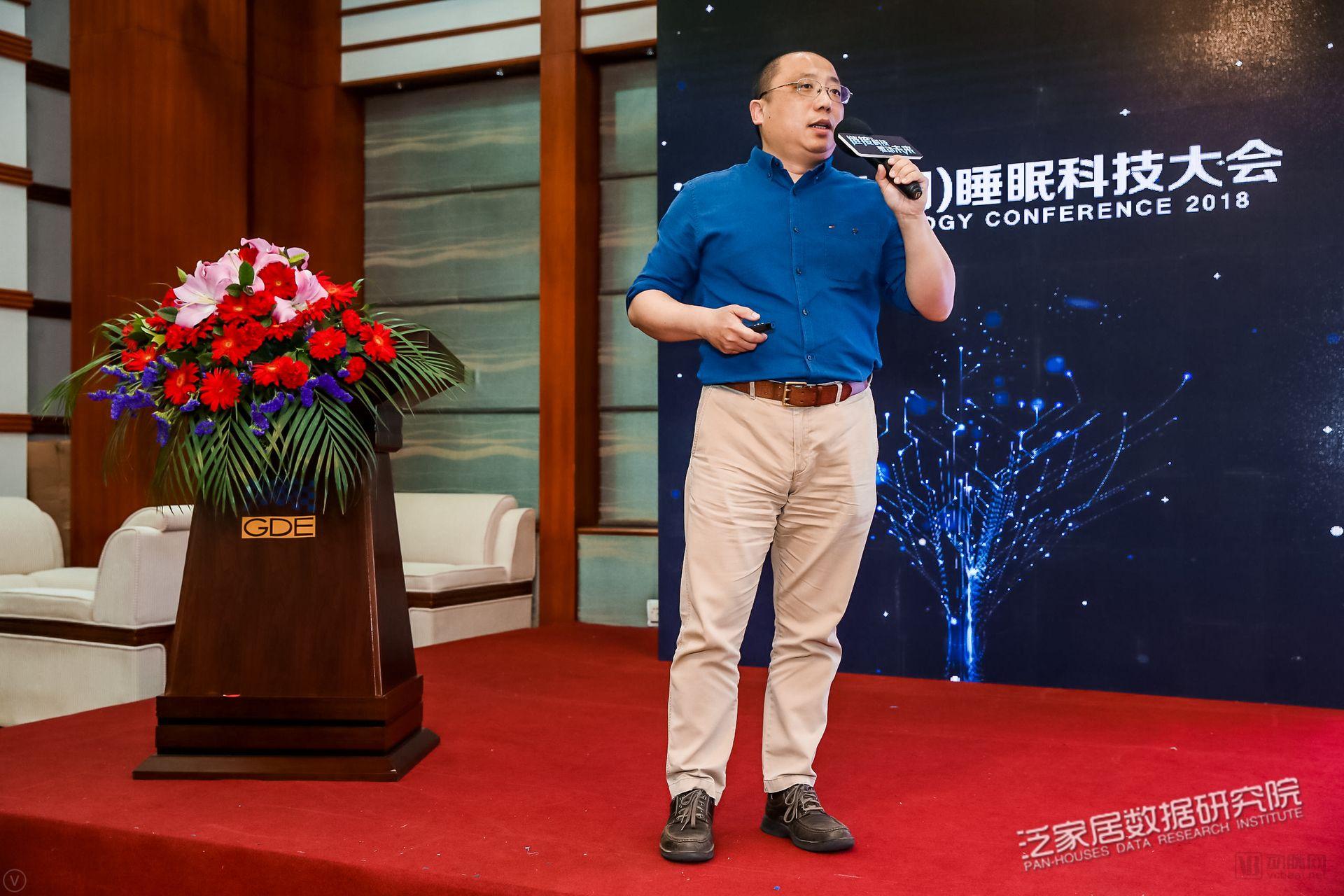
Xin Zhiyu, Founder of Moma Intelligent Technology
Smart technology in the industry generally follows two directions: one is the intelligentization of mattress products themselves; the other is empowering personalized customization of traditional bed products through smart technology.
In the future, data will drive several key achievable features. One is user quantification. For instance, perceptions of mattress softness vary among individuals due to differing experiential standards. Only by quantifying users can their experiences and requirements be clearly articulated. This necessitates the quantification of both user experience data and behavioral data.
If a traditional enterprise seeks to implement intelligent applications, the entry point lies in the digitization of user experience data. Only by quantifying user experience can a company gain the authority to speak on the matter and truly create personalized private mattresses.
Xu Zhao, CEO of Zhikao Technology: Pediatric Sleep Monitoring Plays a Crucial Role in Children’s Growth and Development

Xu Zhao, CEO of Zhikao Technology
Pediatric Sleep Disorders: A 2002 nationwide study across eight Chinese cities involving 28,484 children aged 2–12 years reported a 27.1% prevalence of sleep disorder symptoms. Many parents remain unaware of these issues, underscoring the need for sleep monitoring to detect them. The collected data should be analyzed by specialized physicians to evaluate sleep behaviors and recommend appropriate interventions.
Currently, only a very small number of children undergo sleep monitoring, typically only after a diagnosis of a serious condition. In reality, healthy children are in greater need of sleep behavior monitoring, a practice that has been fully implemented in Europe. In China, West China School of Medicine, Sichuan University has been conducting research in this area, and Zhikao Technology is already engaged in collaboration. The sample size for this patient population has exceeded 50,000, with new samples being collected daily at the Shanghai Children’s Medical Center and West China School of Medicine, Sichuan University.
Zhikao Technology has been researching how to help parents implement a set of behavioral interventions for sleep onset. This system, through sleep behavior monitoring, enables physicians to personalize solutions and provide tailored medical recommendations based on children’s sleep patterns.
We are currently collaborating with pediatricians in China and international behavioral experts in sleep research to conduct studies on pediatric sleep monitoring. As a platform and connector, Zhikao Technology aims to help more parents understand their children and their children’s sleep patterns, thereby supporting better growth and development, as well as disease prevention.
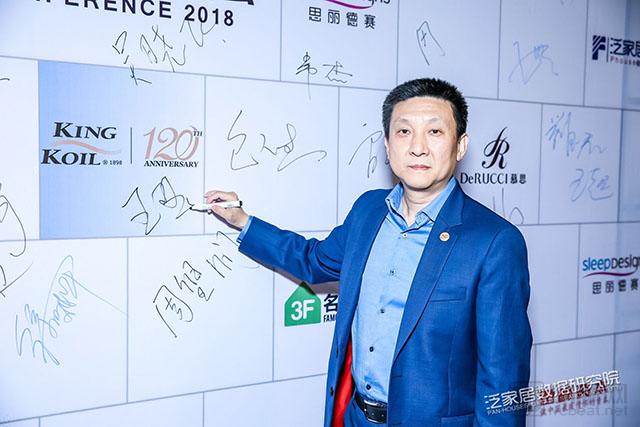
Wang Jue, Executive Director of King Koil (China)
Furthermore, Wang Jue, Executive Director of King Koil (China), a representative of the home furnishing industry, believes that a truly smart bed should be capable of recognizing the consumer. The bed should adjust according to the consumer’s body type, sleeping position, and different sleep stages, rather than requiring the consumer to adapt to an unchanging bed.

Yao Jiqing, President of De Rucci Bedroom Products Co., Ltd.
Yao Jiqing, President of De Rucci Bedding Co., Ltd., a leading enterprise in the bedding industry, stated, “The future represents a critical period for consumption upgrading. Consumer needs are gradually shifting from meeting basic requirements to fulfilling personalized demands, and further to higher-level aspirations. Conventional mattresses can no longer address these evolving needs; instead, comprehensive sleep systems are required to provide consumers with healthier sleep solutions.”
At the China Sleep Science Summit, attendees engaged in in-depth discussions on topics such as whether sleep monitoring is merely “pseudoscience.”
Sleepace founder and CEO Huang Jinfeng firmly believes that sleep monitoring is “absolutely not pseudoscience.”
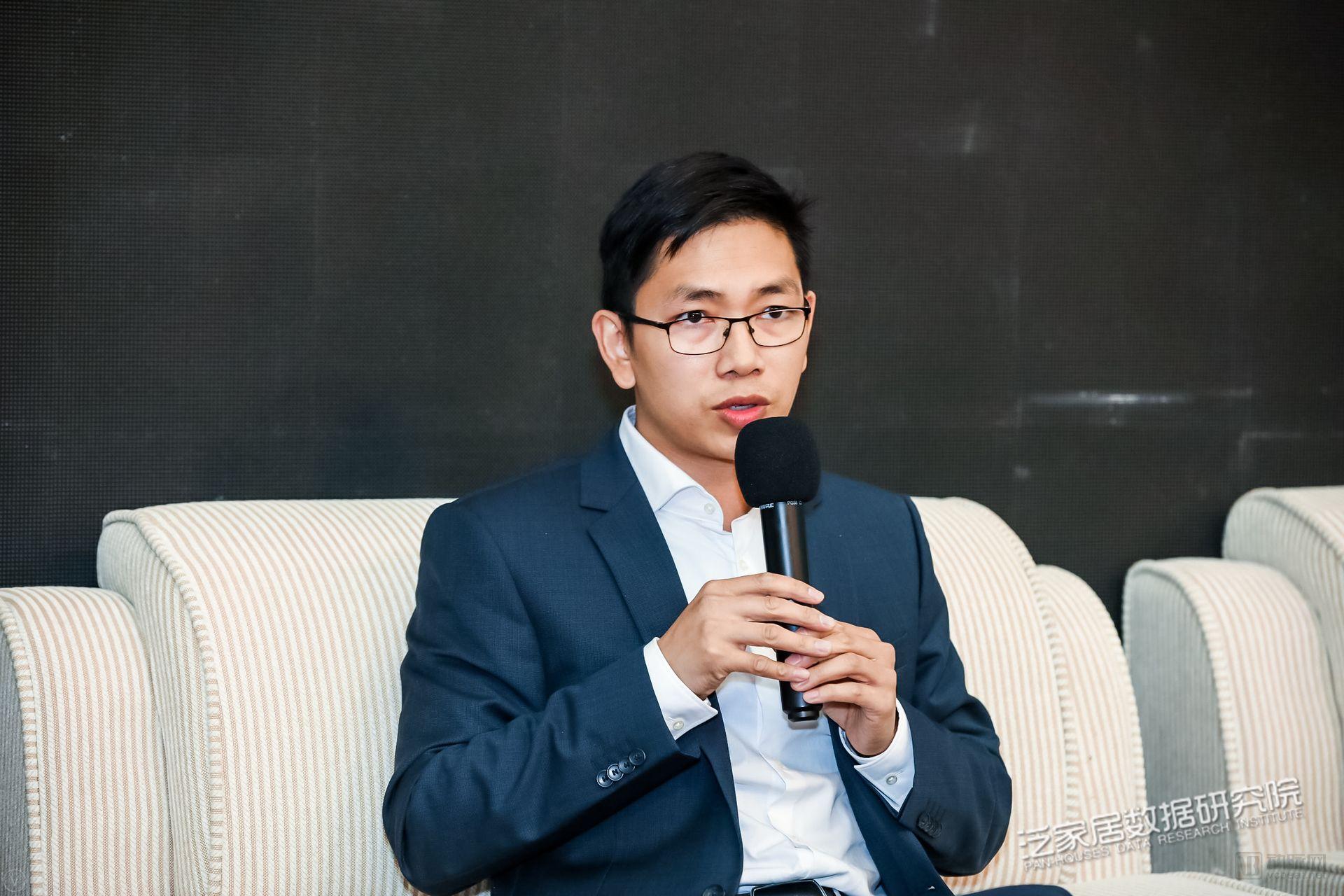
Huang Jinfeng, Founder and CEO of Sleepace
Sleep monitoring, by tracking routine vital signs through non-contact sensors similar to Sleepace, can inform users about their nighttime sleep patterns and overall sleep health, and even support the management of chronic diseases. These data are highly valuable for individual health.
Factors Influencing Sleep: Environmental, Physiological, Psychological, and Daytime HabitsNumerous factors influence human sleep, including environmental, physiological, and psychological factors, as well as daytime habits. Environmental factors encompass light exposure, noise intensity, and bedroom comfort. Psychological factors refer to states of excessive excitement or profound sadness.
“Based on our years of marketing experience, sleep monitoring proves highly valuable in several scenarios. While traditional sleep detection merely informs users about their sleep status, the next step is not only to report this status but also to help them improve it—specifically, how to achieve such improvement.” Sleep monitoring technology must be integrated with smart home systems, content platforms, and service platforms to provide users with a robust, closed-loop solution for both identifying and resolving issues.
Furthermore, the remaining panelists believe that the data collected through sleep monitoring plays a significant role in observing and assessing individuals’ sleep health. In addition, sleep monitoring data contributes to medical analysis, enabling physicians to identify underlying health issues based on accurate data.
In the future, sleep monitoring must be further deepened in terms of product functionality, accessibility, and integration with professional institutions to truly enhance sleep monitoring, ultimately improve sleep quality, and achieve substantial advancements.
Regarding the topic of how smart bedding can truly be “implemented,” the participating guestsTo achieve true commercialization of smart bedding, the primary challenge to address is consumer experience.
In terms of consumer experience, it enables users to fall asleep quickly and maintain an optimal sleep posture throughout the night;
Secondly, we collaborate with healthcare providers to integrate online consultations and follow-up medical recommendations based on sleep monitoring data, and partner with research institutions to further refine our technology.
Ultimately, capital support is essential; only with financial backing can the smart home and sleep health sectors achieve robust growth.

Liu Xiaoyu, Deputy General Manager of the Zhongju Hejia Fund under Easyhome
Liu Xiaoyu, Deputy General Manager of the Zhongju Hejia Fund under Easyhome, stated, “Based on our observations of certain enterprises, insufficient data volume or limited practical applicability has ultimately prevented them from delivering highly personalized and targeted services to users who purchase smart beds and smart devices.”
If clients fail to receive satisfactory feedback from the service, and enterprises are unwilling to invest substantial financial support in building R&D platforms, the resulting service experience tends to be impersonal and formulaic.
Therefore, the data collected by enterprises must be precise in terms of devices and more comprehensive in terms of monitoring.
Notably, on the day of the conference, VCBeat and Fanjiaju.com respectively released the “2018 China Sleep Health Industry Trend Report” and the “2017 Preliminary Report: Deconstructing China’s Leading Soft Furnishing Enterprises (Mattress Segment)” online.
“2018 China Sleep Health Industry Trends Report” comprises approximately 40 pages and nearly 20,000 words. Centered on smart sleep technology, the report delves into transformation opportunities for traditional enterprises through macro-environmental analysis, industry competitive landscape assessment, and micro-level case studies of individual companies. It also explores the new products, business models, and insights that tech-innovation firms are bringing to the sleep industry.
Click the link below to purchase, or become a VCBeat member, to access the full version of the "2018 China Sleep Health Industry Trends Report"