

SpineCare Perfect Completes Tens-of-Millions RMB Pre-A Funding Round to Expand Clinic and Community Rehabilitation Network
On the evening of March 17, VCBeat learned that Jijin Wanmei, a chain rehabilitation institution, has completed tens of millions of yuan in Pre-A round financing, with Dongyu Capital as the investor.
According to Zhu Guomiao, founder of Jijin Wanmei, the funds from this financing round will be primarily used to develop its training business and expand its chain of clinics. The company plans to open two outpatient clinics and three to four community rehabilitation centers in 2018, and add three more outpatient clinics and five to six community rehabilitation sites in 2019.
Ji Jin Mei was established in April 2015 and currently operates three clinics in Shanghai. It has a team of 25 rehabilitation therapists.
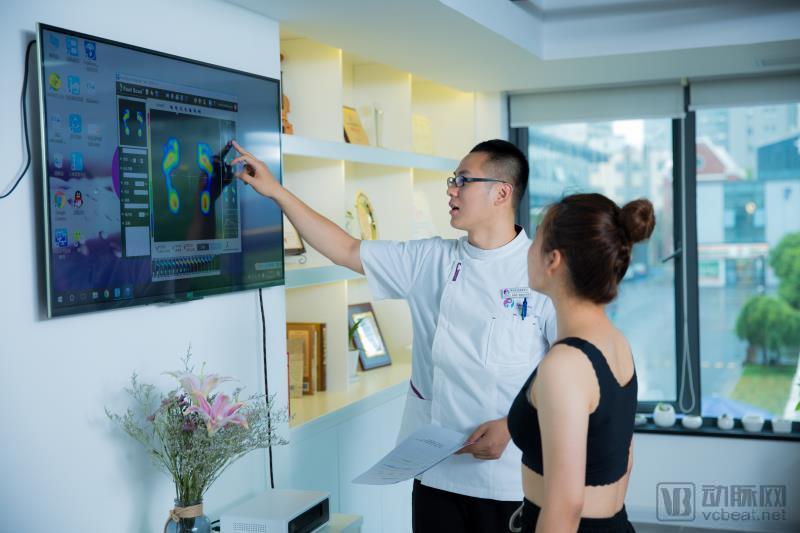
Currently, Jijin Wanmei has two main business lines. The first is rehabilitation diagnosis and treatment, offering services in four areas: neck, shoulder, waist, and leg pain; sports injuries; female pelvic floor rehabilitation; and scoliosis correction.
Second, rehabilitation training services, primarily aimed at enhancing the knowledge base and professional skills of rehabilitation industry practitioners.
Positioned as a deep spinal rehabilitation institution, Jijin Perfect reportedly serves a clientele comprising 50% patients with spinal pain and 25% patients with sports injuries.
Before resigning from the hospital, Zhu Guomiao had already accumulated a large patient following on the “Haodafu” platform by writing popular science articles. He was also among the early physicians to actively use Sina Weibo and WeChat Official Accounts. After launching his own venture, which coincided with the rise of WeChat Official Accounts, he has persisted in his health education efforts for over four years since publishing his first formal article in May 2013 under the brand “Ji Jin Wan Mei” (Spine Near Perfection). His current follower count is nearly 60,000.
From science popularization to practical application, Ji Jin Wan Mei has established a strong reputation in the field of spinal pain rehabilitation.
According to Zhu Guomiao, there are two main factors behind Jijin Wanmei’s recent attraction of capital interest:
First, the business model. Since opening its first store in 2015, Jijin Wanmei has remained consistently profitable. Depending on the size of the outlet, the initial investment per store ranges from approximately RMB 1 million to RMB 3 million.
Across three clinics ranging from 200 to 400 square meters in size, the average daily patient volume reaches approximately 30. The fee structure is categorized into three types: single-session payments, stored-value cards, and comprehensive treatment packages. The consultation fee for a single one-hour session ranges from RMB 600 to RMB 1,000.
In 2017, Ji Jin Wan Mei achieved tens of millions in revenue, with 60% derived from its clinic operations and the remaining 40% from its training services. Benefiting from a gross margin exceeding 40% in the training segment, the company’s overall operating profit margin reached 30%–35%.
Second, the training mechanism for rehabilitation professionals. The shortage of rehabilitation talent has become a major bottleneck in the industry. To maintain its self-sustaining capability, Jijin Wanmei has launched training programs, which not only expand its business scope but also help retain promising trainees within the company.
Currently, Jijin Wanmei has successfully introduced advanced international courses in physical therapy and sports rehabilitation from the United States, France, Germany, and other countries.
In 2018, the Spine Near Perfect Program conducted a total of more than 90 courses, averaging approximately two sessions per week. Zhu Guomiao stated that the training primarily targeted physicians and therapists from hospitals across China.
In terms of marketing, Jijin Perfect has not invested heavily in promotional campaigns; instead, it leverages its technological advantages to let treatment outcomes speak for themselves, thereby generating word-of-mouth diffusion.
As spinal pain increasingly affects younger demographics, office white-collar workers have become the core population suffering from this condition. The emergence of demand from this group has driven the development of related institutions, while consumption upgrades have led to a growing number of people prioritizing pain rehabilitation.
“Ji Jin Wan Mei” has chosen to build its brand in the field of spinal pain management, and its strategy to expand community-based stores is clearly targeted at high-value consumer groups such as office workers, the elderly, children, and women. Consequently, more small yet sophisticated rehabilitation institutions are expected to emerge in the market.
Regarding this investment, Dong Bing, Vice President of Investment at Doyu Capital, stated in an interview with the media: “First, we view the trend toward health and wellness as a major direction with strong potential. Second, the addressable population in rehabilitation is enormous. Rehabilitation institutions like Jijin Perfect, which serve a broader demographic, align with our expectations for more mass-market content and products.”