

FDI Global Survey of 11,552 Parents Reveals Most Fail to Take Children to Dentist Early Enough
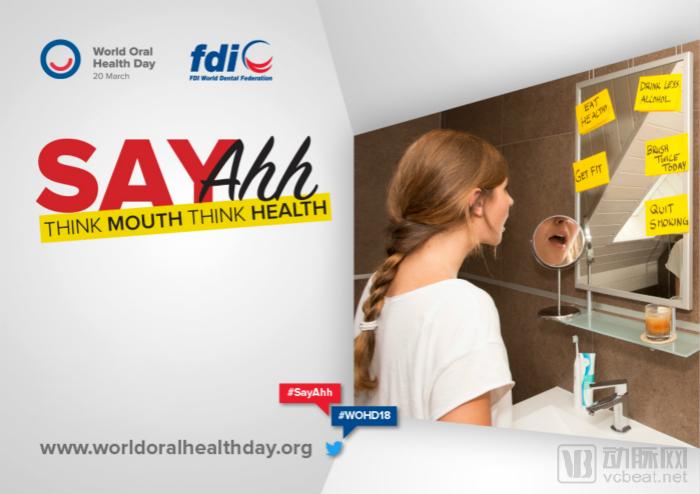
World Oral Health Day (WOHD), initiated by the FDI World Dental Federation, is celebrated globally on March 20 each year to emphasize the importance of oral health to overall health. The theme for 2018 was “Say Ahh: Think Mouth, Think Health.”
VCBeat (WeChat ID: vcbeat) has learned that on this year’s World Oral Health Day, the FDI World Dental Federation conducted a survey on children’s oral health among parents worldwide. The survey results show that,There Is Still Room for Improvement in Children's Oral Health, maintaining oral health is crucial for preserving the normal function of the mouth and sustaining overall physical health.
The total sample size of this survey was 11,552 adults, including 4,056 parents of children aged 18 years or younger. The survey was conducted from January 30, 2018, to February 8, 2018.
A survey conducted across 10 countries found that among parents with children aged 18 or younger, only 13%Took them to the dentist before they turned one year old., this age group is alsoRecommended Age for the First Dental Visit。
Among children aged 1–3 years and 4–6 years, the proportion of parents who had taken their children to a dentist was 24% and 22%, respectively, while 20% of parents had never taken their children for a dental visit.
Data show that 50% of parents indicated,Taking Children to the Dentist Is Only for Routine Dental Checkups, in the UK (82%), Sweden (77%), Argentina (65%), France (63%), the United States (63%), Australia (56%), and China (34%), this was the most common response from parents, while in Egypt, the Philippines, and Morocco, the proportions were 56%, 43%, and 38%, respectively,The most common reason for parents to take their children to the dentist is tooth pain or discomfort.。
The survey also revealed that 40% of parents supervise their children’s toothbrushing twice daily, while 38% of parents stated that, to prevent oral diseases,They restrict their children's intake of sugary foods and beverages in their diet.. Only 26% of parents brush their children’s teeth when the first primary tooth erupts, and 8% of parents encourage their children to wear mouthguards during sports.
Among parents with children aged 18 or younger, more than 43% stated that they are certain their children brush their teeth before bed every day to prevent oral diseases.
In China, oral health was elevated to a national development strategy in 2018. Issues concerning children’s oral health are particularly representative. According to key data from the Fourth National Oral Health Survey conducted in 2015, the prevalence of dental caries among preschool children aged 3–5 years in China was approximately 50%, 60%, and 70%, respectively. Brushing should begin as soon as the first primary tooth erupts. Parents should use fluoride toothpaste formulated for children and schedule regular dental check-ups. Preventive dentistry must be prioritized.
According to the 2017 White Paper on Oral Health of Chinese Children, jointly released by Saky Kids and Babytree, more than 60% of families in China have children who have experienced oral health problems. The prevalence of dental caries among 5-year-old children reached 66%, with 97% of cases left untreated.
Currently, pediatric oral care in China faces a situation characterized by four “absences”: lack of attention, lack of awareness, lack of products, and lack of differentiation.
# No Attention: The Primary Dentition and Mixed Dentition Stages Are Peak Periods for Dental Caries in Children
Among the oral health issues affecting over 60% of children, the primary dentition stage (approximately 2.5–6 years) and the mixed dentition stage (approximately 6–12 years) are peak periods for dental caries. Notably, the prevalence of halitosis increases significantly in children after the age of one. Oral health problems impact not only a child’s appetite but also their social confidence; approximately 32% of children report that oral issues undermine their self-confidence in interpersonal communication.
No Concept: Parents Lack Awareness of Children's Oral Care
The “White Paper on Children” points out that most parents lack an accurate understanding of children’s oral care and hold significant misconceptions about their children’s oral health issues. Three major misconceptions are particularly prevalent: 30% of parents believe that primary teeth will eventually be replaced and therefore do not require much attention, as long as permanent teeth erupt; children use the same oral care products as adults; and it is sufficient for young children to simply brush their teeth clean, without needing to consider the nutritional benefits to teeth provided by brushing.
These three major issues can lay the groundwork for dental problems in children who consume a rich diet every day, starting from an early age.
At the other extreme, some parents born in the 1990s engage in excessive intervention, requiring their children to brush their teeth or clean their oral cavity after every meal, unaware that brushing more than twice a day can more easily damage tooth enamel.
No Products: No exclusive oral care products
In many Chinese cities, especially in rural areas, there are no oral care products specifically designed for children. The entire family uses the same toothpaste, so their oral health problems can be imagined.
Many parents in first-tier cities lack a clear understanding of how to select high-quality oral care products for children. For instance, beyond meeting food-grade safety standards for children’s toothpaste, products should differ between day and night to account for the significant variations in the oral environment. Additionally, when choosing children’s toothbrushes, particular attention must be paid to small brush heads and the rounded tips of the bristles.
No Differentiation: Problems Vary Across the Four Stages of Tooth Development
From birth, infants face different challenges in dental development at each stage. Starting with teething at nine months, they progress from primary teeth to permanent teeth, and then through a phase where both coexist, undergoing four major stages.
Pediatric oral care should be professionally segmented; parents should select stage-specific, appropriate, and exclusive pediatric oral care products based on their children’s different age stages and the developmental characteristics of their teeth.
Currently, only a handful of brands on the market have developed and offer stage-specific, exclusive oral care formulations and products for children.
Dr. Kathryn Kell, President of the FDI World Dental Federation, stated, “Oral diseases can impact all aspects of life. Only by understanding how to maintain oral and general health at every age can individuals enjoy a higher quality of life. It is concerning that most children do not visit a dentist at the recommended age. Parents should take their children to see a dentist when the first primary tooth begins to erupt, in order to prevent dental caries as early as possible.”
Supervising children to brush their teeth twice daily with a pea-sized amount of fluoride toothpaste, scheduling regular dental check-ups before the child turns one year old, and beginning bedtime brushing once the first primary tooth erupts should become essential practices for parents to ensure their children’s oral health.
The FDI World Dental Federation recommends that good oral hygiene habits be cultivated from an early age. Parents should ensure their children practice proper oral care, prevent unhealthy dietary habits—particularly those involving high sugar intake—and schedule regular dental visits to maintain oral and overall health at every stage of life.
References:
https://www.fdiworlddental.org/fdi-at-work/world-oral-health-day
http://news.163.com/17/0606/19/CM96PPSB00014AEE.html