

CB Insights Unveils 13 Tech-Driven Beauty Trends of 2018: From Smart Devices and Male Grooming to J-Beauty and Influencer Marketing
According to data from Inkwood Research, the global beauty and personal care market is projected to grow from $423.7 billion in 2016 to $750 billion in 2024, making it the fifth-largest consumer hotspot after real estate, automobiles, electronics and telecommunications, and tourism.
Over the past year, beauty technology has advanced by leaps and bounds. Consumers are no longer solely reliant on expensive cosmetics to maintain a “frozen age,” but instead place greater emphasis on the dual enhancement of “beauty and health.”
Driven by new technologies, brands continue to deliver surprises: smart mirrors that understand your skin better than beauticians, personalized cosmetics tailored through genetic testing and biotechnology, and AR-powered virtual try-on experiences. From beauty devices integrated with smart home systems to the application of genomics and biotechnology in cosmetic recommendations and R&D, the deep integration of beauty and technology has become a mainstream trend.
CB Insights recently released “13 Trends Shaping the Face of Beauty in 2018.” From product R&D and manufacturing to marketing and consumer experience, what are the most anticipated highlights at the intersection of beauty and technology in 2018?
1. Smart beauty devices integrate with home environments, making “beauty” omnipresent;
2. Consumers are involved in production, with strong demand for personalization;
3. Ceasing in-house R&D, major brands leverage incubators to create “blockbuster” products;
4. The Rise in Male Aesthetic Demands Becomes the “Bullseye” Targeted by Brands;
5. Rooted in “Health and Wellness,” Japanese Beauty Brands Become New Consumer Favorites;
6. Big Data + Algorithms: Customized Cosmetics Have Vast Growth Potential;
7. Beyond the Laboratory: Novel Beauty Products Sourced from Organic Farms;
8. Luxury cosmetics become more “accessible,” with subscription models leading the trend;
9. The D2C model has become the industry standard;
10. Internet Celebrities + KOLs: Social Media Becomes the New Battlefield for Marketing;
11. Beauty + Fitness + Wellness: Pioneering a New Blue Ocean;
12. AR/VR: Comprehensive Upgrade of Offline Experiences;
13. On-demand customization and home service delivery may replace traditional spas and hair salons.
Trend: As the Internet of Things and other technologies become increasingly prevalent, beauty devices will gain wider adoption and achieve deeper, seamless integration with smart home ecosystems.
The development of smart home technology has made homes safer and more efficient than ever before. Today, driven by new technologies, beauty care is permeating the home domain, enabling consumers to maintain their appearance at all times within the comfort of their homes. Beauty brands are launching a variety of high-tech beauty devices, integrating users’ personal care routines into smart home ecosystems.
In 2016, the New Kinpo Group launched a “Magic Mirror”: HiMirror, a smart makeup mirror equipped with Amazon Alexa voice intelligence that provides users with makeup advice. HiMirror also leverages AI to offer daily skin analysis, personalized recommendations, and AR experiences, enabling users to try on makeup virtually.
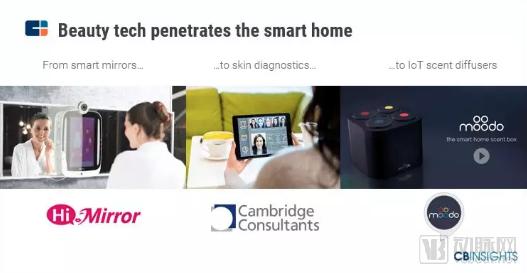
Meanwhile, advances in 3D scanning technology have made personalized skincare possible. Product design firm Cambridge Consultants developed the Skintuition skin diagnostic platform, and Neutrogena launched Neutrogena Skin360; both leverage sensors for skin scanning and are paired with dedicated apps to monitor users’ skin conditions in real time.
There are also derivative products, such as Moodo’s smart home fragrance diffuser, which features a built-in Alexa voice assistant. Users can customize scents via a mobile app, promoting emotional well-being while maintaining balanced air quality indicators to achieve basic skincare benefits.
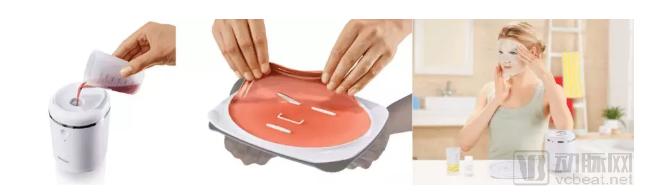
Furthermore, numerous new entrants are venturing into the home-use beauty device market. For instance, Lidl, a grocery store chain headquartered in Germany, recently announced the launch of a DIY facial mask kit featuring customizable hydrogel masks made with collagen, fruit juice, milk, or yogurt. L’Oréal has introduced a smart hairbrush that analyzes data on brushing force and frequency to monitor hair-brushing and care habits. SalonLab offers a hair analyzer that uses sensors to measure hair moisture levels and quality. Foreo’s UFO mask device combines LED light therapy, cryotherapy, and vibration, enabling a complete facial treatment in just 90 seconds.
Trend: Beauty brands are deeply engaging with consumers to better meet their needs and gather product feedback, thereby developing more personalized beauty products.
Today’s consumers are increasingly prioritizing transparency in cosmetics manufacturing, prompting major brands to involve consumers in product design and development, thereby establishing a two-way feedback loop.
While large corporations have the financial resources to support extensive market research, most startups do not. Instead, they often solicit ideas from the general public to gather feedback, cultivate direct customer loyalty, and develop products in a more cost-effective and sustainable manner. This is not a new phenomenon; Sundial Brands, a personal care product company, had already adopted crowdsourcing methods to solicit ideas and develop new products well before this trend became widespread.
Nowadays, many popular beauty brands such as Glossier and Peach & Lily use emails, questionnaires, social media, consumer product testing, and other strategies to solicit customer feedback on potential products.
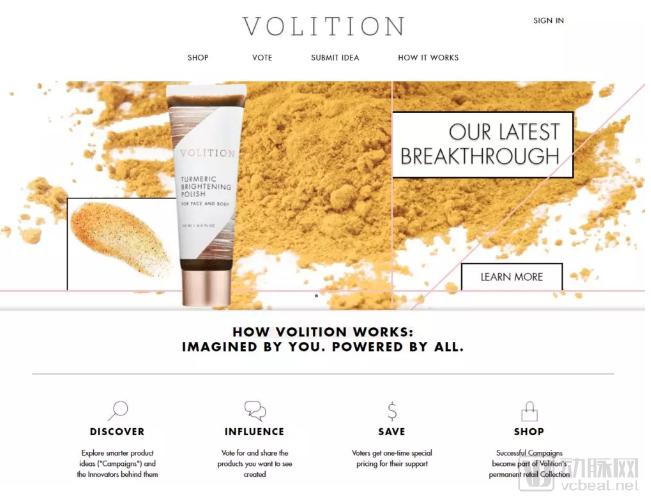
This model can also promote the democratization of beauty product R&D. Volition Beauty, founded in 2015, is a fully crowdsourced beauty brand that empowers consumers who wish to design their own cosmetics. The company provides a public platform where anyone can submit ideas for beauty products; if an idea receives sufficient community votes, Volition partners with top-tier beauty laboratories to bring it to market.
Trend: Major beauty brands are establishing beauty accelerators and incubators, replacing traditional cosmetics R&D.
Competition among companies is becoming increasingly fierce, with D2C (Direct-to-Consumer) beauty brands gaining growing market share as major players seek their next breakthrough. Currently, incubating new companies often proves more cost-effective than developing in-house brands, making this approach the preferred strategy for established brands to meet the challenge.
Kendo, a beauty incubator founded in 2010 by former Sephora US CEO David Suliteanu, is now part of the Perfumes & Cosmetics division of French luxury giant LVMH and has incubated brands such as Fenty Beauty, Kat Von D, and Marc Jacobs.
Kendo aims to build them into international beauty brands, such as the Fenty Beauty line launched in collaboration with American music icon Rihanna. With 40 shades available for just one foundation product, it perfectly embodies the brand’s core values of diversity and inclusivity.
L’Oréal’s Founder Factory is a revamped initiative following L’Oréal’s strategic investment in 2016 in the London-based digital incubator “Founder Factory.” Each year, it selects five early-stage startups to provide them with expert advice and development support.
Trend: Beauty brands must not only include men in their user base but also make them their core target market.
The beauty industry, which has traditionally targeted women, is ushering in new development opportunities as rising male grooming demands inject fresh vitality into the sector.
For over a century, personal care and pharmaceutical companies have focused on selling male-specific products, such as razors or hair-loss medications. However, many brands today are adopting direct-to-consumer distribution models and sleek packaging to appeal to a new generation of male consumers—whose interpretation of masculinity differs significantly from that of previous generations.
Social media platforms, including Instagram and YouTube, have spared no effort in capitalizing on the trend of men’s grooming. For instance, the face mask brand Glamglow has leveraged hashtags such as “#menwhomask” alongside advertising images featuring male models to attract consumers.
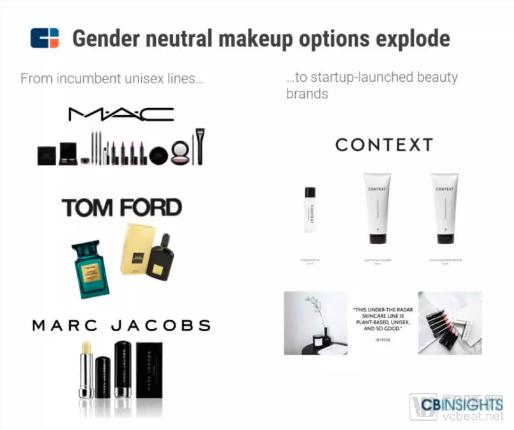
The surge in popularity of “boy beauty” and the rise of gender-neutral cosmetics are driving the growth of the men’s grooming market. Companies such as ASOS, Calvin Klein, Yves Saint Laurent, and Clinique have launched men’s makeup lines, while MAC, Tom Ford, and Marc Jacobs have introduced gender-neutral cosmetic collections. To capitalize on this trend, Maybelline and CoverGirl have also begun appointing male brand ambassadors.
Since Unilever acquired Dollar Shave Club in 2016 (the largest acquisition in the beauty industry to date), mergers and acquisitions of men’s personal care brands have increased significantly. For example, Integumen acquired the Scottish skincare brand Stoer & Co in 2017, while Edgewell acquired Bulldog Skincare Holdings, a men’s skincare company, in 2016 and Jack Black, a luxury men’s skincare brand, in 2018.
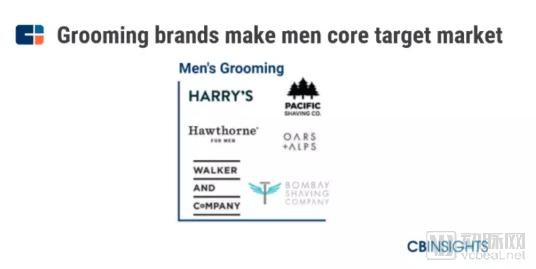
More men’s personal care brands are emerging, with inclusive beauty products designed specifically for men becoming a hot trend.
Trend: Leveraging the “national” concept is a marketing strategy that capitalizes on exotic cultural appeal; however, growing media attention and rising export volumes indicate that Japanese brands have a promising future and are seizing new opportunities for market expansion.
In 2011, Sephora began carrying the South Korean skincare brand Dr. Jart+, marking the entry of K-Beauty into the U.S. market and sparking an unstoppable surge. It has since gained widespread consumer recognition across e-commerce platforms and brick-and-mortar retailers like Sephora. Although K-Beauty shows no signs of slowing down, other Asian countries—particularly Japan—are making significant strides in the beauty market. It is foreseeable that J-Beauty will attract a growing base of consumers, retail opportunities, and investor interest.
Why Are Japanese Beauty Products So Popular? According to data from international trade regulatory organizations, Japan has the highest per capita spending on cosmetics, despite stringent regulations (the Ministry of Health, Labour and Welfare only recently approved its first product labeled as “anti-wrinkle”). The country boasts a strong beauty tradition that emphasizes rituals, simple multi-purpose products, and skincare-infused foods. These foods, prevalent in both the Japanese diet and beauty products, typically include ingredients such as seaweed, green tea, and rice.
The concepts of beauty, health, and wellness are deeply rooted in Japanese culture, attracting many consumers who view them as a minimalist yet luxurious approach to beauty. Japanese beauty products have become the new favorites among Western consumers. For instance, the high-end skincare brand Tatcha draws inspiration from traditional Japanese geisha beauty rituals, blending the secrets of radiant skin with Western aesthetics for an enhanced experience. Meanwhile, Japanese domestic brands such as SK-II and DHC are gaining increasing acclaim in the United States.
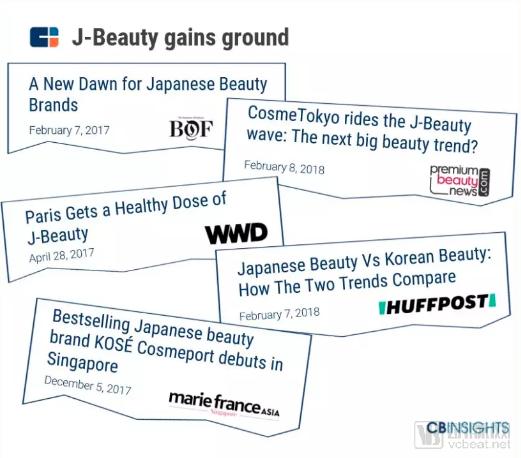
Japanese brands have also significantly increased the technological sophistication of the beauty industry. Shiseido’s investments and patents offer a glimpse into the future direction of beauty technology development.
Last year, Shiseido acquired two AI startups—MatchCo and Giaran—which provide personalized skincare products and recommendations by scanning selfies. A 2017 patent held by Shiseido enables the analysis of video images to determine subjects’ skin conditions; the company also holds a patent for “artificial skin,” which can be used to test the efficacy of pharmaceuticals and cosmetics.
Trend: Customized services also have their weaknesses, such as turnaround time, but the beauty industry will continue to explore in this area.
Leveraging Big Data and Algorithms, Cosmetic Brands Are Adopting Customized Solutions to Better Cater to Individual Consumer Preferences.
Proven leverages the world’s largest beauty database and machine learning algorithms to create personalized skincare products. HelloAva has launched a chatbot that generates skincare recommendations through a series of quizzes. Curology offers a telemedicine approach to dermatology by sending customized prescriptions to patients with skin conditions and monitoring progress through user-submitted photos.
LOLI Beauty, a startup, offers a novel approach: applying the self-service meal customization model to personalized cosmetic combinations.
This product was initially launched as a subscription box containing various all-natural ingredients, such as coconut oil and purple corn powder, along with instructions to enable customers to create their own cosmetics. LOLI now offers three categories—bases, blendable ingredients, and beauty recipes—with integrated online and offline operations. This model combines three major trends: personalization, subscription services, and ingredient transparency, offering significant growth potential in the future.
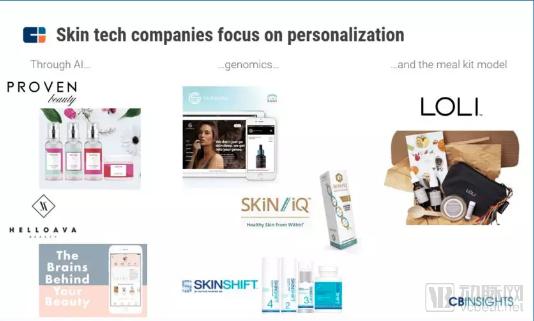
Genomics is also being applied to personalized beauty. Unlike conventional skin condition assessments, cutting-edge technology companies are focusing on DNA testing tailored for cosmetic purposes. For instance, SkinGenie leverages genomics and AI to provide users with risk propensity scores for their skincare habits and offers product recommendations based on their genomic profiles.
Although 3D printing has not yet played a mainstream role in the beauty industry, we have already seen early experiments, such as Mink’s 3D-printed custom cosmetics and Smashbox’s 3D-printed lipstick.
Trend: As beauty brands continue to deepen their investment in natural nutritional products, organic beauty products will serve as a bridge for in-depth collaboration among the cosmetics, agriculture, and biotechnology sectors.
There is significant interest in organic and plant-based ingredients in both the food and beauty sectors. Raw materials such as turmeric, moringa, coconut oil, and probiotics are being incorporated by beauty brands.
As the link between food and beauty products, beauty brands are exploring closer collaboration with agriculture to seek diversified sources of raw materials. Ingredient sourcing is a critical aspect for beauty brands, particularly those committed to developing natural products. Factors such as weather, soil, and wind can hinder the use of natural ingredients; popular beauty components like jojoba oil, rosehip oil, and others are already facing global crop shortages, posing risks to brands that rely on these raw materials.
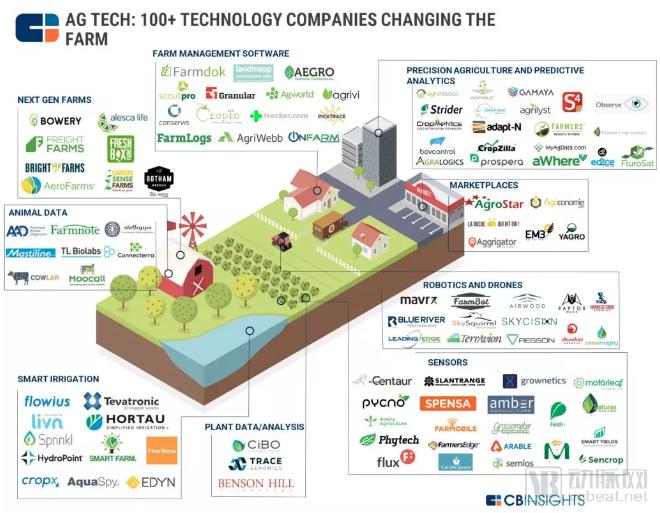
Many beauty brands that emphasize natural products have begun achieving vertical integration by partnering with farms and establishing their operations on-site, using these farms as laboratories to test raw materials and natural technologies. Natural beauty brands such as Juice Beauty, Tata Harper, and Beekman 1802 are renting or purchasing farms to better assess and control the production process of raw ingredients, thereby shortening the “farm-to-face” cycle. Biodynamic beauty, which emphasizes agricultural conservation, is on the rise and may further raise the standards for organic beauty products.
Independent brands are beginning to collaborate directly with farms and agricultural research companies to enhance the sustainability of raw materials and develop new ingredients. For instance, the organic skincare brand Ogee allocates a percentage of its revenue to the Organic Farming Research Foundation to incorporate more organic crops into its products; New Zealand-based brand Te Mana has partnered with agricultural research institutions to develop a Merino wool collagen, which is purported to have exfoliating and softening effects.
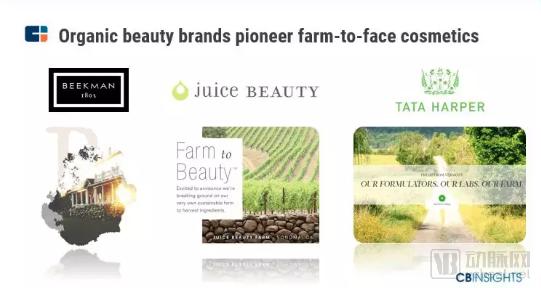
An increasing number of beauty brands are launching agritourism initiatives to boost consumer engagement and address the demand for product transparency. In addition to agricultural technologies, biotechnology will further influence the future production of beauty products. Technology companies are conducting bioengineering research on novel food sources through methods such as cell culture, fermentation, and gene editing. For instance, the unicorn company Ginkgo BioWorks designs custom microbes for its clients, enabling the production of rose essential oil with a unique fragrance via genetically engineered fermentation, thereby eliminating reliance on expensive rose petals.
Although gene editing technology is still in its nascent stage, it may play a significant role in the future production of cosmetic ingredients. The potential benefits of this technology include assisting farmers in cultivating disease-resistant crops or developing new plant varieties, thereby translating into advantages in the production of raw materials for natural cosmetics.
Trend: Surging consumer demand for transparency will give rise to a new business model of offering high-quality cosmetics at low profit margins.
When Birchbox launched its beauty e-commerce platform in 2010, the e-commerce subscription model spearheaded a new consumer trend.
The cosmetics brand Beauty Pie aims to achieve the “democratization of luxury cosmetics.” Its products are claimed to be manufactured in the same factories and use the same formulations as those of high-end brands, yet they are sold to members exclusively at factory prices. Beauty Pie operates on a membership model (with a monthly fee of $10); for example, a cleanser with a retail price of $32 is available to members for just $5.38. Members can purchase products with a total retail value of up to $100 per month. Other brands, such as Public Goods and Brandless, have adopted the same business model.
Trend: As beauty brands strive to narrow the investment gap and compete effectively against independent labels, they will continue to intensify their efforts in the direct-to-consumer (D2C) space.
D2C (Direct-to-Consumer) beauty brands are capturing an increasing share of the market. In response to this challenge, large corporations are beginning to acquire strong brands or integrate the D2C model into their own business strategies.
Unilever acquired Carver Korea and Sundial in September and November 2017, respectively. In December 2017, Unilever and Procter & Gamble acquired the natural deodorant brands Schmidt’s Naturals and Native, respectively. Such acquisitions are too numerous to list.
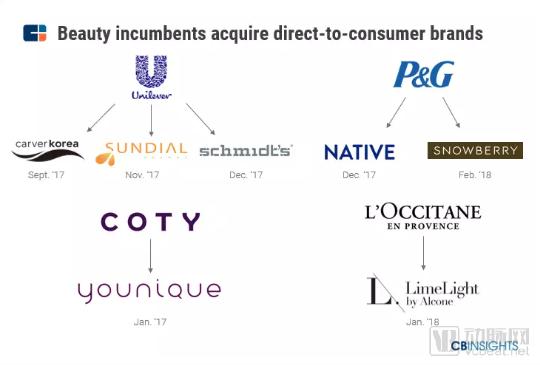
Beyond acquisitions, established companies have also launched other direct-to-consumer (D2C) initiatives. For instance, Unilever introduced numerous new brands last year to compete with D2C startups. These new brands aim to achieve comprehensive distribution channel coverage, offering fully direct-to-consumer personalized skincare subscription services, integrating online and offline sales, and partnering with grocery stores, pharmacies, and other specialty retailers. Their target audience consists of consumers passionate about natural and sustainable beauty products. In the future, acquisitions are expected to continue surging, with major players from other industries increasingly vying to acquire beauty startups.
Trend: The social selling model is making a comeback. Start-up brands are choosing to collaborate with influential key opinion leaders (KOLs) to boost their visibility, while established brands are also striving to engage emerging influencers in product promotion.
Beauty product companies have been striving to attract modern consumers. Today, the social selling model is experiencing a resurgence. For instance, BeautyCounter has spent nothing on traditional advertising, relying instead on its network of independent consultants to sell its products.
Billion-dollar giant brands are making social media marketing a core part of their product sales strategies. Younique adopts a digital sales model, creating personalized e-commerce websites for sellers and hosting online sales parties, while Rodan + Fields attracts consumers with before-and-after selfie comparisons.
Retailers are also leveraging social media platforms to expand their sales. Sephora has experimented with Instagram marketing by embedding products within content on the platform, allowing users to click through to the original e-commerce website. Some smaller beauty brands are also utilizing Instagram’s robust social commerce community to sell their products.
KOL marketing also plays a significant role in the beauty industry. Many startup brands choose to collaborate with influential enterprises, leveraging key opinion leaders (KOLs) to enhance their brand visibility. Major brands are also striving to engage emerging influencers in product promotion. For instance, Allure, the beauty magazine under Condé Nast, partnered with the cosmetics brand CoverGirl to launch the “Allure Incubator” program. Rather than incubating startups, this initiative pits several high-performing beauty influencers against each other in competition, with the winner selected to join CoverGirl’s KOL team, the “CoverGirl Collective.”
Trend: Beauty brands are catering to consumers’ fitness needs, while fitness brands are making inroads into the beauty sector. Meanwhile, beauty and wellness are increasingly converging, with beauty products and experiences becoming ever more intertwined with both.
Beauty products and experiences are increasingly intertwined with fitness and wellness. For high-end fitness studios, post-workout beauty products are as important as the workouts themselves. Many studios have partnered with beauty brands to offer attractive amenities, thereby drawing in more clients. For example, Barry’s Bootcamp provides products from the luxury hair care brand Oribe in its locker rooms.
Sports beauty products are the best proof of the integration of fitness and beauty. Initially focused on sweat-proof makeup for workouts, the category has now expanded to include post-exercise cleansing and soothing/calming products. The rise of “athleisure beauty” has propelled a wave of beauty brands to prominence, with established players such as MAC and Clinique following suit by launching a range of new products, including dry shampoos, sweat-proof mascaras, and tinted moisturizers.
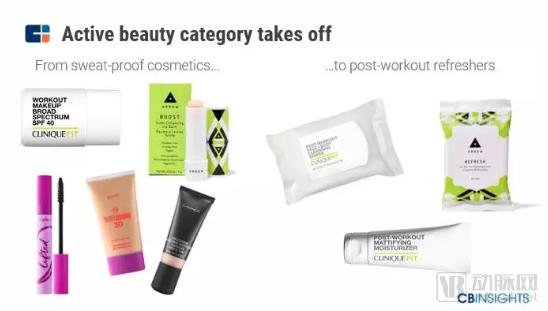
As beauty brands cater to consumers’ fitness needs, fitness brands are also making inroads into the beauty sector. For instance, ClassPass, the pioneer of online-to-offline (O2O) fitness services, has recently begun experimenting with on-demand customized beauty and wellness offerings, including infrared saunas, cryotherapy, massage, and facial treatments.
Beauty and wellness are increasingly converging. Many startups are capitalizing on beauty supplements to unlock new business opportunities, offering vitamin and supplement bundles with cosmetic benefits, primarily focused on weight loss, skin cleansing, and hair improvement. Beauty retailers such as Sephora are also selling beauty vitamins and supplements.
Trend: Retailers are beginning to attract foot traffic and promote and sell new products by creating unique in-store experiences. AR/VR became mainstream in the beauty industry in 2017.
As the number of cosmetics brands surges, retailers are beginning to attract foot traffic and promote and sell new products by creating unique in-store experiences. Sephora has pioneered various in-store technologies in the beauty sector, including digital interactive screens that recommend products and teach customers makeup techniques, Color IQ facial scanning technology that helps shoppers find their perfect shade match, and even scent-emitting touchscreens.
In-store technologies can help boost customer engagement with brands and drive both in-store and online sales. Beauty retailers are partnering with startups to design in-store interactive devices. Companies such as Perch, Vengo Labs, and Ksubaka offer interactive digital displays, while NewStore has developed personalized brand apps capable of comprehensively tracking consumer behavior.
Consumer tracking technology can boost online sales and conversion rates. Smashbox partnered with ModiFace to develop user eye-tracking devices, where areas on the screen that receive more attention change color accordingly. This helps Smashbox understand which features users are most interested in and update its website iteratively, enabling consumers to enjoy an innovative, seamless shopping experience.
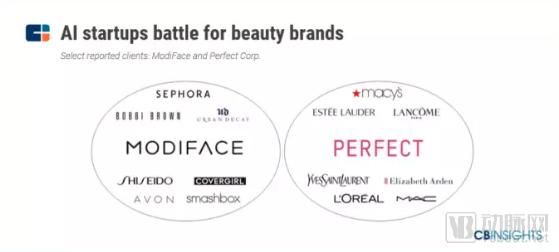
Augmented Reality (AR) Became Mainstream in the Beauty Industry in 2017. Both Perfect Corp and ModiFace provided virtual try-on technologies to beauty brands, partnering with top cosmetics companies such as Estée Lauder and L'Oréal. By integrating augmented reality with artificial intelligence, these two companies enabled shoppers to experiment with different makeup looks while simultaneously collecting behavioral data for the brands.
Meanwhile, VR is also poised to play a greater role in the development of the beauty industry. NYX Professional Makeup recently partnered with Samsung to launch an in-store VR experience that enables consumers to engage in conversations with beauty experts through virtual connections. Vaqso’s VR headset can generate scents, thereby facilitating multi-sensory experiences—a technological application that is undoubtedly a boon for the perfume industry.
Beyond enhancing in-store experiences and driving sales, these technologies can also be leveraged for beauty education and training. Estée Lauder has partnered with Perfect Corp to launch the “Estée Lauder AR Training” program aimed at training its global sales force. The company utilizes this technology to conduct monthly live training sessions for its sales personnel, focusing on new product introductions and makeup application techniques.
Trend: With the integration of beauty devices and smart home technology, beauty services are no longer bundled as “one-stop” packages but have become more independent, flexible, and decentralized, shifting from traditional SPA centers and hair salons to consumers’ homes.
On-demand customized beauty technologies are advancing rapidly, with beauty services increasingly decoupling from traditional spas and salons.
Founded in 2008, Drybar was an early disruptor in the hair care industry and now operates more than 90 locations. Drybar does not offer haircuts or chemical treatments such as perming and coloring; it specializes exclusively in blowout services. Meanwhile, companies like Heyday, The Ritualist, and SkinLaundry provide customized facial treatments, while startups such as Glamsquad dispatch stylists directly to customers’ homes or offices for beauty, hair, and nail services.
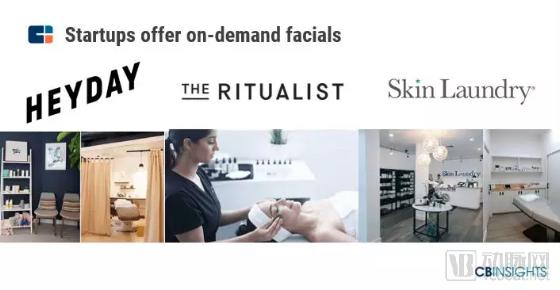
Brand companies and retailers are also planning to take a gamble on beauty experiences. For example, Unilever Ventures and the British retailer Debenhams have invested in Blow, a personalized beauty platform.
AmorePacific has filed a patent for a “facial massage device” that reportedly “delivers various massage functions comparable to those of human hands,” aiming to prevent aging and improve skin elasticity. These devices herald the advent of home-based spas and salons.
In addition to these major industry trends, the beauty sector is also facing stricter regulation and scrutiny as consumer demands upgrade and greater emphasis is placed on the sustainability of health and aesthetics, prompting both established companies and startup brands to reconsider their cosmetic formulations.
Undeniably, technologies—including artificial intelligence, 3D printing, and even blockchain—are making the beauty industry more efficient, transparent, and personalized, a trend that will continue. However, as articulated in the golden rule of Mehdi Mehdi, Vice President of the cosmetics brand NYX: “Do not adopt technology for its own sake. The beauty industry must ultimately focus on the skin and what lies beneath the surface; therein lies the true value of technology.”
Original Title: The Pursuit of Beauty Has Been Thoroughly “Darkened” by Technology
Reposted from Meridian Capital (ID: MeridianCapital), with authorization from VCBeat.