

Revolutionizing Future Medical Logistics: How Autonomous Driving Technology Addresses Healthcare Pain Points
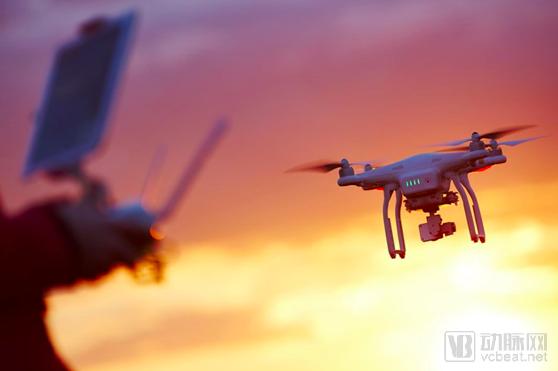
As early as World War I, the United Kingdom began developing a small, unmanned aircraft controlled by radio for use as a target drone in training exercises.
Following the advent of computers, the development of microprocessors has driven successive revolutions in the field of computing. Scientists have sought to transition more mechanical systems to program-driven control, and autonomous driving technology has moved from the realm of science fiction into reality.
Given the vast airspace and fewer restrictions, drone technology has matured. With diverse functionalities, it is widely used in both military and civilian sectors. Civilian drones are primarily employed for photographic creation, disaster prevention and mitigation, search and rescue, resource exploration, and forest fire prevention.
Since October 2016, small drones have opened up new markets in some remote areas of Africa, taking on the task of transporting medical supplies.
By comparison, autonomous driving technology for automobiles remains in its nascent stage and has not yet been formally deployed. However, as the automotive sector constitutes a critical link in the global value chain with immense potential, global business giants are vying to secure control as the technology reaches maturity. Substantial capital investment will accelerate the commercialization of this technology in the coming years, from which the healthcare industry will also benefit.
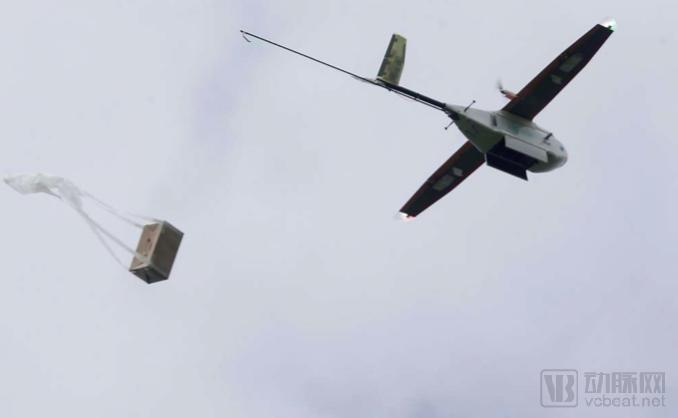
Unmanned Aerial Vehicle (UAV) Transportation of Pharmaceuticals
The application of autonomous driving technology spans the globe, and the following scenarios effectively demonstrate its current and future role in the healthcare sector.
Millions of people worldwide die each year due to the inability to obtain necessary medications in a timely manner. This issue is prevalent in both developing and developed countries, with poorer nations facing even more severe challenges.
Rwanda, a landlocked country in East-Central Africa, is among the world’s least developed countries. Its lagging economy has resulted in inadequate healthcare services, an underdeveloped road network, and extremely inconvenient transportation. Shortages of medical supplies mean that many surgeons, despite having the technical capability to perform operations, are constrained by resource scarcity and can only provide basic care to patients.
In August 2017, a young woman experienced severe postpartum hemorrhage following a cesarean section and urgently required blood transfusion therapy. Despite the medical team’s best efforts, they were unable to prevent her condition from deteriorating. The two units of compatible blood available in the hospital had already been transfused, but she needed additional blood to survive.
Doctors can place orders for blood by calling the National Blood Bank in the capital, Kigali. If transported by road, the blood must travel 25 kilometers over mountainous terrain to reach the hospital, a journey that takes up to four hours. That woman did not have that much time.
In fact, after receiving the request, blood bank staff contacted a nearby distribution center, where personnel loaded the required blood products onto a small unmanned aerial vehicle (UAV). Within just 45 minutes, the hospital received the needed blood supplies, including seven units of red blood cells, four units of plasma, and two units of platelets. The actual flight time for the entire process was only 15 minutes.

Drone Drug Delivery Test
The vast majority of car accidents stem from human error, which is one of the driving forces behind the development of autonomous vehicles.
Autonomous vehicles are equipped with sophisticated algorithms and advanced sensors, enabling them to respond rapidly in emergency situations. This programmed response is more reliable than the spontaneous reactions of the human brain during crises. Furthermore, autonomous vehicles adhere more strictly to traffic regulations than average human drivers, thereby contributing to smoother traffic flow.
The decline in the number of accidents has directly led to a reduction in hospital emergency visits, thereby saving substantial human and material resources; smoother traffic flow will, to some extent, prevent ambulance patients from missing the optimal treatment window, as every second is critical in life-threatening emergencies.
According to relevant domestic data, approximately 1.01 million people died from respiratory diseases in China in 2015. The mortality rate from respiratory diseases ranked third among all diseases, surpassed only by cancer and cardiovascular and cerebrovascular diseases.
Vehicle exhaust emissions are one of the primary causes of air pollution and a contributing factor to respiratory diseases. In 2015, total pollutant emissions from motor vehicles across China amounted to 45.322 million metric tons, which decreased to 44.725 million metric tons in 2016.
Although it is extremely difficult to substantially reduce total vehicle exhaust emissions in a short period, we can still curb emissions at the individual level by regulating certain behaviors.
Generally speaking, improper practices primarily cause additional contamination through the following pathways:
1. Rapid braking of vehicles generates metallic particles such as copper, iron, and manganese, which react with acidic sulfates in the air to form chemicals harmful to human health.
2. Rapid acceleration during start-up leads to incomplete gasoline combustion, generating various pollutants and increasing fuel consumption.
3. Frequent lane changes continuously alter driving speed, leading to increased emissions and exacerbating traffic congestion.
4. The process of searching for parking spaces results in significant resource waste. According to a researcher at the University of California, Los Angeles, drivers on 15 streets in Los Angeles collectively drove an unnecessary 950,000 kilometers each year while looking for parking.
Autonomous driving technology will significantly reduce improper human operational behaviors, thereby decreasing the generation of harmful substances such as carbon monoxide (CO), hydrocarbons (HC), particulate matter (PM), nitrogen oxides, sulfur compounds, and lead-containing compounds.
Meanwhile, the widespread adoption of autonomous vehicles will reduce demand for high-performance models, as drivers cannot engage in activities such as street racing while operating self-driving cars.
Research has found that traffic congestion and prolonged driving lead to decreased work efficiency. The era of autonomous driving promises smoother traffic flow and fewer accident-induced congestions, making the entire driving experience more enjoyable and even enabling people to work in their vehicles.
On the other hand, people no longer need to worry about traffic safety issues. Autonomous vehicles will take over the function of monitoring the surrounding environment to prevent collisions with the elderly, children, or individuals with disabilities. This liberation of attention will bring greater efficiency to working professionals.
Zipline is an automated logistics company based in California, with experienced team members from design teams at SpaceX, Boeing, Google, NASA, and others. The company has raised a total of $43 million in funding.
In October 2016, Zipline launched the world’s first drone logistics operation in Rwanda. On August 24, 2017, Tanzania announced a partnership with the company to establish the world’s largest drone logistics network.
Zipline will provide drone-based delivery services for blood transfusion supplies, emergency vaccines, HIV medications, antimalarial drugs, and other critical medical supplies (such as sutures and intravenous infusion sets) in Tanzania, and will establish four distribution centers across the country. Each distribution center will be equipped with 30 drones, expected to support up to 500 on-demand delivery flights per day.
Each drone can carry 1.5 kilograms of cargo, with a top speed of 110 kilometers per hour and a cruising range of 160 kilometers. Medical personnel can place cargo orders via text message and receive packages in an average of 30 minutes. The drones are launched using catapults, fly at altitudes below 150 meters, and deliver 1.5-kilogram packages by parachute.
The challenges of delivering services are not solely technical; Zipline must coordinate with the military and government, train clinic staff to receive cargo, and reassure communities along its delivery routes.
A Zipline engineer said that he used to build drones for dropping bombs, “Now I build drones for delivering blood.”
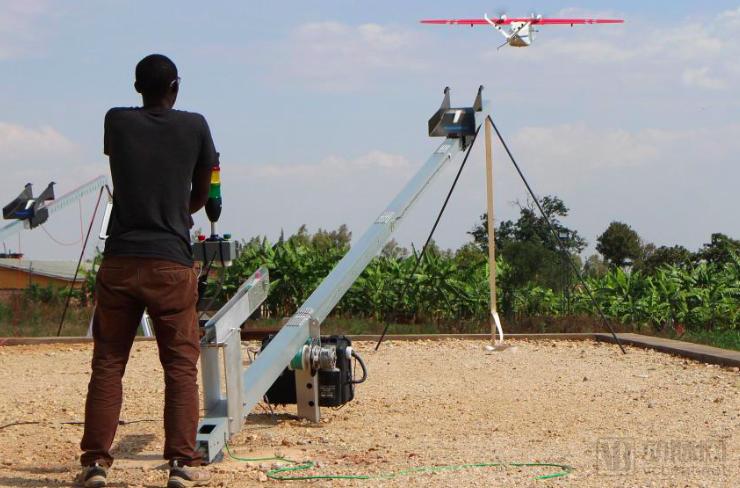
Zipline Drone Takeoff
With the booming development of medical logistics abroad, SF Express, as a benchmark in China’s domestic logistics industry, will certainly not miss the opportunity to make its mark in this new field.
On January 24, 2018, SF Express conducted drone deliveries of logistical supplies in Shaanxi and Yunnan provinces. At 12:16 p.m. on that day, in a location in Shaanxi, SF Express’s proprietary V330 vertical take-off and landing (VTOL) fixed-wing drone took off in light snow conditions. It flew for approximately 23 minutes, covering a distance of 24 kilometers and gaining an altitude of 1,100 meters, while carrying 1 kilogram of emergency medical supplies. Upon landing, the medications were retrieved, successfully completing the trial.
Reportedly, the V330 is powered by a lithium battery, with a maximum takeoff weight of 19 kg, a payload capacity of 3 kg, a cruising speed of 25 m/s, a flight altitude of 120 meters, and a maximum range of 60 kilometers. It features fully automated route flight and supports emergency return-to-home, hovering, or landing.
Including the drone used in this scenario-based test flight, SF Express had already completed test flights of amphibious and heavy-lift drones in 2017. Coupled with the various small and medium-sized drones previously disclosed, SF Express’s drone fleet has begun to take shape.
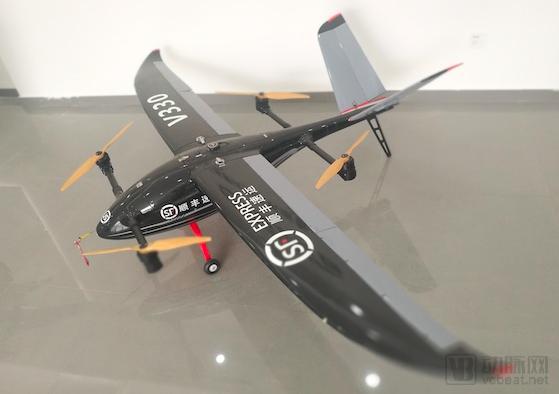
SF V330 Drone
Globally, there are nearly 100 companies engaged in the research and development of autonomous vehicles, including leading enterprises across multiple sectors; however, driverless cars remain in the testing phase.
In January this year, Uber CEO Dara Khosrowshahi stated that self-driving cars would be on the road within 18 months. However, at 10:00 p.m. on March 19 (U.S. time), an Uber autonomous test vehicle struck 49-year-old Elaine Herzberg, who was pushing a bicycle and crossing the street outside the crosswalk in a suburban area of Tempe, Arizona, while traveling northbound. Ms. Herzberg was pronounced dead after unsuccessful resuscitation efforts at the hospital. This marks the world’s first fatal accident involving a driverless car. Subsequently, Uber announced a complete suspension of its autonomous vehicle road tests in the United States and Canada.
Google’s autonomous driving initiative is even more ambitious. Google co-founder and Alphabet CEO Larry Page has officially unveiled a new project he has invested in: the autonomous electric flying taxi, “Cora.” Cora is being developed by Kitty Hawk, a company funded by Larry Page and led by CEO Sebastian Thrun, who hails from Google’s most innovative division, Google X.
As a global pioneer in AI technology research and a trailblazer and leader in autonomous driving in China, Baidu’s R&D capabilities in autonomous driving technology consistently rank among the world’s best. While Chinese government agencies have proposed an 8–10 year roadmap for autonomous vehicles, Robin Li stated that Baidu’s self-driving cars could be on the road within just 3–5 years.
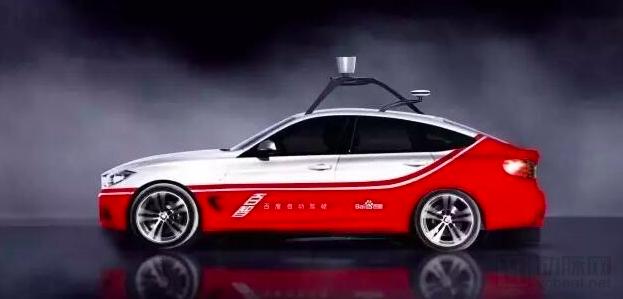
Baidu Autonomous Vehicles
For drones, policy risks mainly stem from government restrictions on airspace, but this does not actually pose a problem. Areas with restricted airspace tend to have well-developed transportation networks, concentrated populations, and relatively comprehensive medical facilities, so there is no need to use drones as carriers for medical logistics.
For autonomous vehicles, the magnitude of policy risk varies by region. In the United States, for example, attitudes toward autonomous driving technology differ across states; some states mandate that companies submit cumbersome applications and undergo rigorous review before conducting on-road testing of autonomous technologies. To mitigate the risk of potential policy changes, Silicon Valley giants such as Google are now more inclined to test their autonomous driving technologies in regions like Australia and New Zealand.
The situation in China is relatively simpler, as Baidu’s AI technology research and development benefit from government capital injection. For small enterprises, however, researching autonomous driving technology presents significant challenges, with the primary obstacle being the high industry entry barriers that make market access difficult.
The rapid development of drones has not been matched by timely updates in relevant laws. However, liability attribution in the event of drone accidents is relatively straightforward, with key regulatory advancements focusing on real-name registration systems. In the context of pharmaceutical transportation, drones are primarily categorized as logistics equipment, making them subject to applicable logistics regulations.
The primary issue likely to arise with autonomous vehicles in the future is the difficulty in determining liability in the event of an accident. The question of whether liability should be assigned to the manufacturer or the vehicle owner remains a subject of intense debate. In the medical field, potential legal disputes may stem from car accidents or from injuries or deaths resulting from delayed medical treatment.
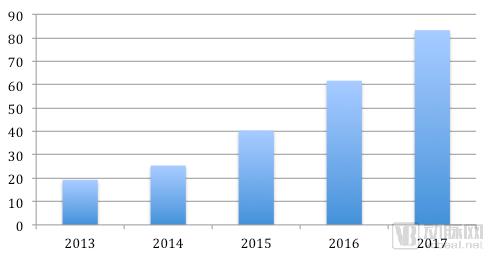
Global Drone Market Size (USD Billion)
From the perspective of overall drone development, 94% of drones globally are consumer-grade, with only 6% being industrial-grade. Competition in the industrial drone sector is relatively moderate, but it holds immense potential for growth.
Although transportation and logistics companies are interested in drones, many drone manufacturers show little enthusiasm for delivery services. “This is not something we are considering in the near term,” said Xu Huabin of DJI.
As of October 19, 2017, DJI drones accounted for 66% of the global civilian drone market, but DJI has not yet ventured into the field of medical transportation.
This is easy to understand: China still has 592 nationally designated poverty-stricken counties, most of which are located far from urban areas, making even drone-based delivery of medical supplies unfeasible. In contrast, there is a substantial market for industrial-grade drones abroad, particularly in Africa and South America. These regions feature low entry barriers and high demand, but they also lack robust legal protections and experience frequent political changes, presenting both risks and opportunities.
The changes brought by autonomous vehicles to healthcare enterprises lie not so much in the technology itself, but rather in the geographic distribution of medical institutions and the development of related supporting infrastructure in an autonomous-driving society.

Conceptual Diagram of the Future Healthcare Community
Convenient transportation will significantly improve the utilization of public facilities such as hospital parking lots, potentially even creating surplus space for the hospital. The hospital can establish a central parking garage and repurpose the road space saved through optimized traffic order—for example, by building supporting amenities such as gyms and cafes. These facilities can make the hospital feel more like a community, thereby enhancing patients’ healthcare experience.
Autonomous driving technology is still under development, with a promising future. However, we must continue to wait and see how it will ultimately unfold.
References
1. Zhang Ming. A Brief Discussion on How to Reduce Vehicle Pollution to the Environment[J]. World Jiayuan, 2011.
2. https://www.wired.com/story/zipline-drone-delivery-tanzania/
3. http://www.chyxx.com/industry/201611/469473.html
4. http://www.sohu.com/a/134780610_468638
5.https://ideas.stantec.com/blog/autonomous-vehicles-and-healthcare-design-five-ways-the-driverless-future-could-affect-urban-medical-center-master-planning-and-design
6. https://www.healthitoutcomes.com/doc/ways-autonomous-vehicles-disrupting-healthcare-0001
7. http://jingzheng.chinabaogao.com/jiaotong/02243214X2018.html
8. https://techcrunch.com/2017/12/25/using-drones-to-build-the-ambulance-fleet-of-the-future/
9. Tanzania Announcement Press Release vFinal