

SLEEPON Files IPO Prospectus: Smart Ring Captures 80% of Mild-to-Moderate Sleep Apnea Patients
The term “Quantified Self” was coined by Wired magazine editor-in-chief Kevin Kelly and columnist Gary Wolf in 2008 to refer to individuals who continuously explore their own bodies (“hack the self”) in pursuit of healthier living.
In a TED Talk titled “The Quantified Self,” Gary Wolf introduced his previous day with a series of numbers: woke up at 6:10 a.m., went to bed at 12:45 a.m., woke up once during the night, heart rate of 61 beats per minute, blood pressure of 127/74, exercised for 0 minutes, consumed 600 milligrams of caffeine and 0 milligrams of alcohol... Diet and fitness are measured by counting calories, body fatness is assessed by the Body Mass Index (BMI), and sleep quality is scored by algorithms.
The quantitative logic of using data to reflect physical health has long existed. With the optimization of sensors, chip technology, and algorithms, technology has surpassed the limitations of human senses, continuing to perform monitoring functions even when humans are unable to perceive them.
To most sleep-tech entrepreneurs, answering the question “Is sleep a problem, or merely ‘perceived’ as one?” is far simpler than pondering “to be or not to be.” Modern science and technology enable sleep quality to be quantified using metrics such as blood oxygen saturation, actigraphy, and eye movements, thereby allowing individuals who are unaware of their own sleep patterns to gain insights into their sleep status through a series of numerical data or reports.
In Shenzhen, a cohort of innovative sleep-tech companies has emerged. Among them, SLEEPON stands out with its uniquely designed product: the Go2sleep smart sleep ring. Recently, VCBeat (WeChat ID: vcbeat) conducted an exclusive interview with Chang Zhaowei, co-founder of Shenzhen SLEEPON Technology Co., Ltd. (hereinafter referred to as “SLEEPON”).
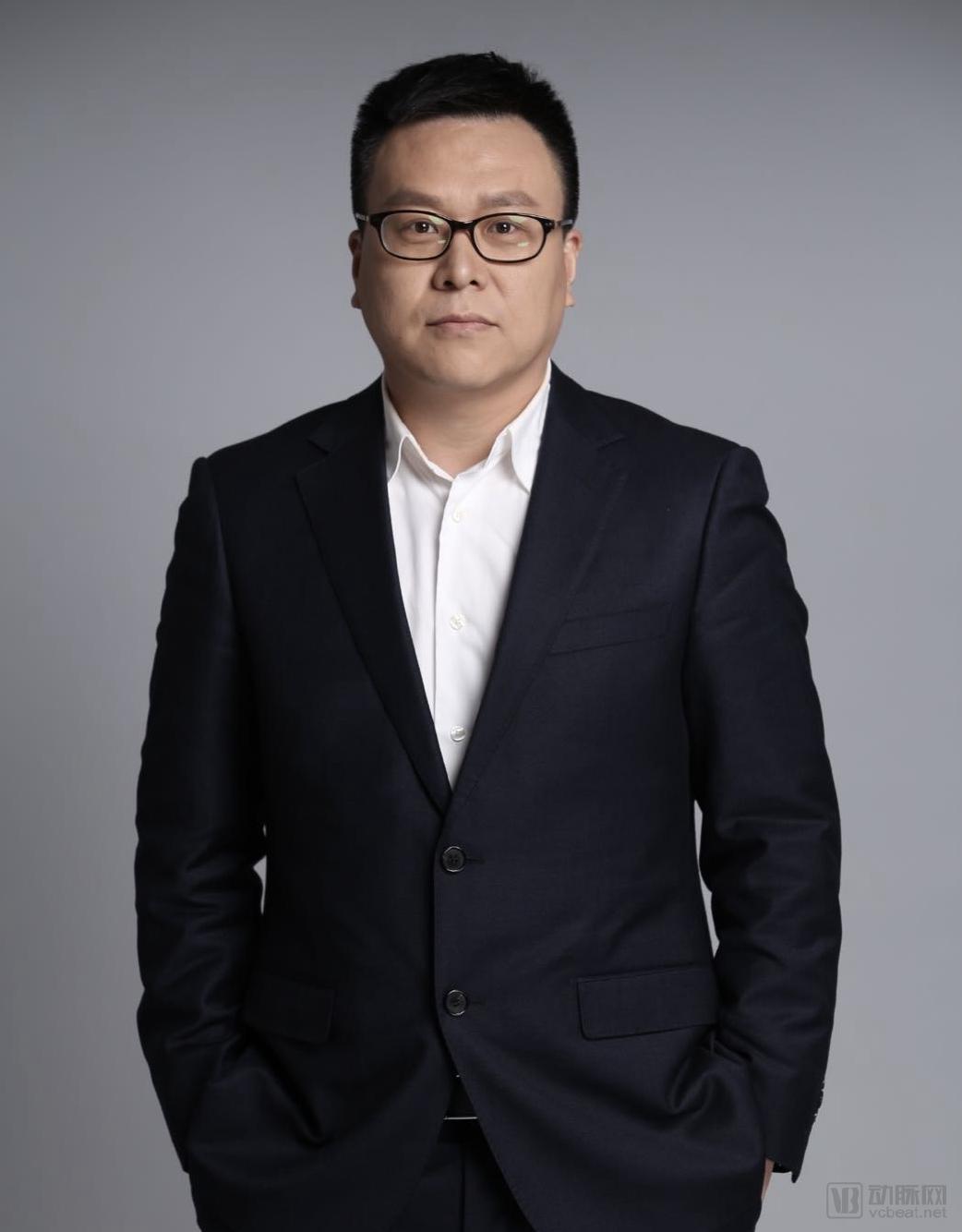
SLEEPON Founder Chang Zhaowei
Chang Zhaowei is a serial entrepreneur with a background in software engineering and holds a master’s degree from the University of Hong Kong. Interestingly, Chang previously worked not in the healthcare sector but in the fashion industry, with professional experience in the jewelry sector. This background may have inspired SLEEPON’s ring-shaped smart hardware device.
According to Chang Zhaowei, the core team members are all colleagues who have fought side by side, with extensive industry experience in algorithms, artificial intelligence technology, and product design.
Initially, the idea to establish Silip came from He Yunqi, who serves as Co-founder and CTO. During his research on heart rate, he discovered the impact of sleep on physiological indicators such as heart rate, thereby embarking on a journey in sleep technology.
He Yunqi entered university at the age of 14 and earned his master’s degree from Zhejiang University. He previously engaged in tech entrepreneurship in Silicon Valley, focusing on leveraging wearable technology to address healthcare needs. He has conducted in-depth research in areas such as low-power heart rate and blood oxygen monitoring, blood gas analysis, mental stress assessment, fatigue indices, and perfusion indices. He co-founded the BASIS heart rate watch brand, which was acquired by Intel for $140 million in 2014. Holding eight invention patents, he is a leading technical expert within the team.
Furthermore, Hu Jia, COO of SLEEPON, previously served as Technical Director of the Wearables Division at Flex, a Fortune 500 company. In this role, he oversaw smart hardware development for brands such as Fitbit, Intel-BASIS, Fossil, and TAG Heuer, and possesses extensive expertise in supply chain management, product manufacturing processes, and R&D team leadership.
CDO Chang Likun oversees product design, having successfully transitioned from jewelry and industrial design to ergonomic design, with outstanding achievements in each field. His works have been honored with the German Design Award. Addressing the pain point that sleep devices often prioritize functionality over user experience, he has implemented scientifically grounded improvements through design.
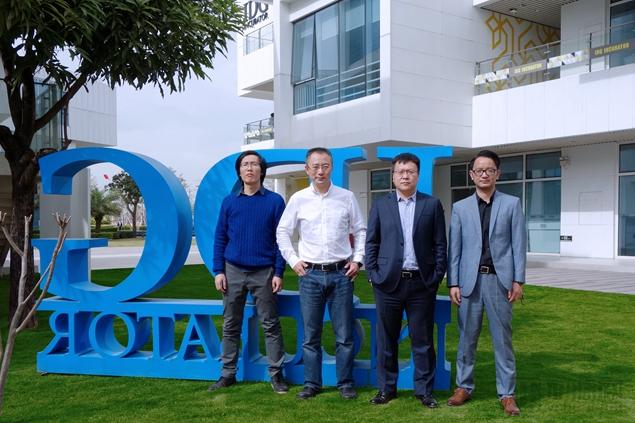
SLEEPON Core Team Members
According to data from Zhiyan Consulting, the American Sleep Association (ASA), and RightDiagnosis.com, approximately 50 to 70 million people in the United States suffer from varying degrees of sleep problems. Among them, 48% snore, 37.9% experience daytime sleepiness, 25 million have sleep apnea, and 35.5% sleep less than seven hours per night. The U.S. sleep industry’s market size was $58.08 billion in 2010 and surged to $82.09 billion by 2015.
Based on population size, China has a significantly larger population with sleep issues than the U.S. market. However, SLEEPON has chosen to focus its primary target market on the United States.
Chang Zhaowei believes that SLEEPON’s move is driven, in part, by the lower market education costs abroad. “Levels of awareness regarding comprehensive sleep management vary across countries.” The United States has relatively well-defined demand in the field of sleep apnea.
Market size figures are clearly defined, with institutions such as sleep clinics present in the market. Academic research is at the forefront, and market education has been established over many years. The entry of consumer-grade devices into the market incurs lower market education costs compared to China.
Second, the market size is determined by the U.S. population proportion and demographic characteristics. Since the beginning of the 21st century, the United States has consistently ranked among the countries with the highest obesity rates worldwide, with two-thirds of Americans being overweight or obese. According to the latest 2015 Global Obesity Index, the U.S. ranked 11th out of more than 180 countries and regions, with an obesity rate (excluding overweight) of 31.8%.
Obesity is one of the major factors contributing to sleep apnea. “There are 20 million people with sleep apnea in the United States, representing a very large market.”
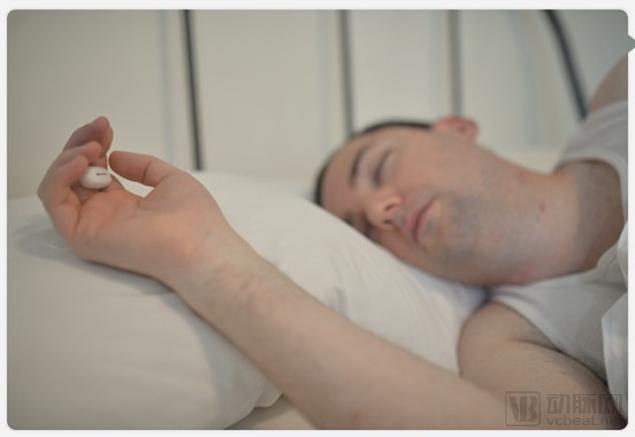
(Photo provided by the interviewee)
In Chang Zhaowei’s view, the current sleep market is developing in two extreme directions. Apart from pharmaceuticals, there are two main market segments: one is the market for lifestyle products, including brands specializing in bedding and home textiles. These brands leverage the concept of sleep health as their selling point, focusing on improving sleep and promoting sleep management principles, primarily through enhancements in materials and tactile comfort.
In recent years, the market for traditional home textile companies has improved after they introduced technologies from sleep tech firms. However, using technology to improve sleep still does not fall within the core business of these companies.
The second category is the purely medical market, which involves departments such as respiratory medicine and neurology. The mainstream products in this sector are medical devices like ventilators and PSG (polysomnography) multi-channel sleep monitors. However, these devices have several issues: they are expensive, prioritize efficacy over user experience, have limited application scenarios, and often cause a certain degree of discomfort to patients.
For sleep apnea, the mainstream treatment products currently available include ventilators and mandibular advancement devices. However, neither of these product categories manages sleep through daily scenario-based applications or delivers a superior user experience. SLEEPON has precisely targeted this market opportunity by entering the sleep technology sector with a focus on real-life usage scenarios.
Common sleep disorders include insomnia, sleep-related breathing disorders, circadian rhythm disorders, parasomnias, and restless legs syndrome. Currently, only 20% of individuals are receiving clinical treatment for sleep disorders, while over 80% of patients have mild to moderate conditions. A common characteristic of this population is that, although they experience symptoms in daily life such as difficulty falling asleep at night, drowsiness while driving, daytime sleepiness, and mild-to-moderate snoring, there are no effective clinical interventions available to treat these quality-of-life-impairing symptoms.
Go2Sleep is a smart health ring designed for patients with sleep apnea, used to monitor heart rate and blood oxygen levels during sleep and analyze sleep cycles. Data collected by Go2Sleep will be provided via the app to patients with obstructive sleep apnea-hypopnea syndrome and those with sleep-related breathing disorders.Provide accurate monitoring and status reports for patients with sleep apnea, “quantifying” users’ sleep conditions.
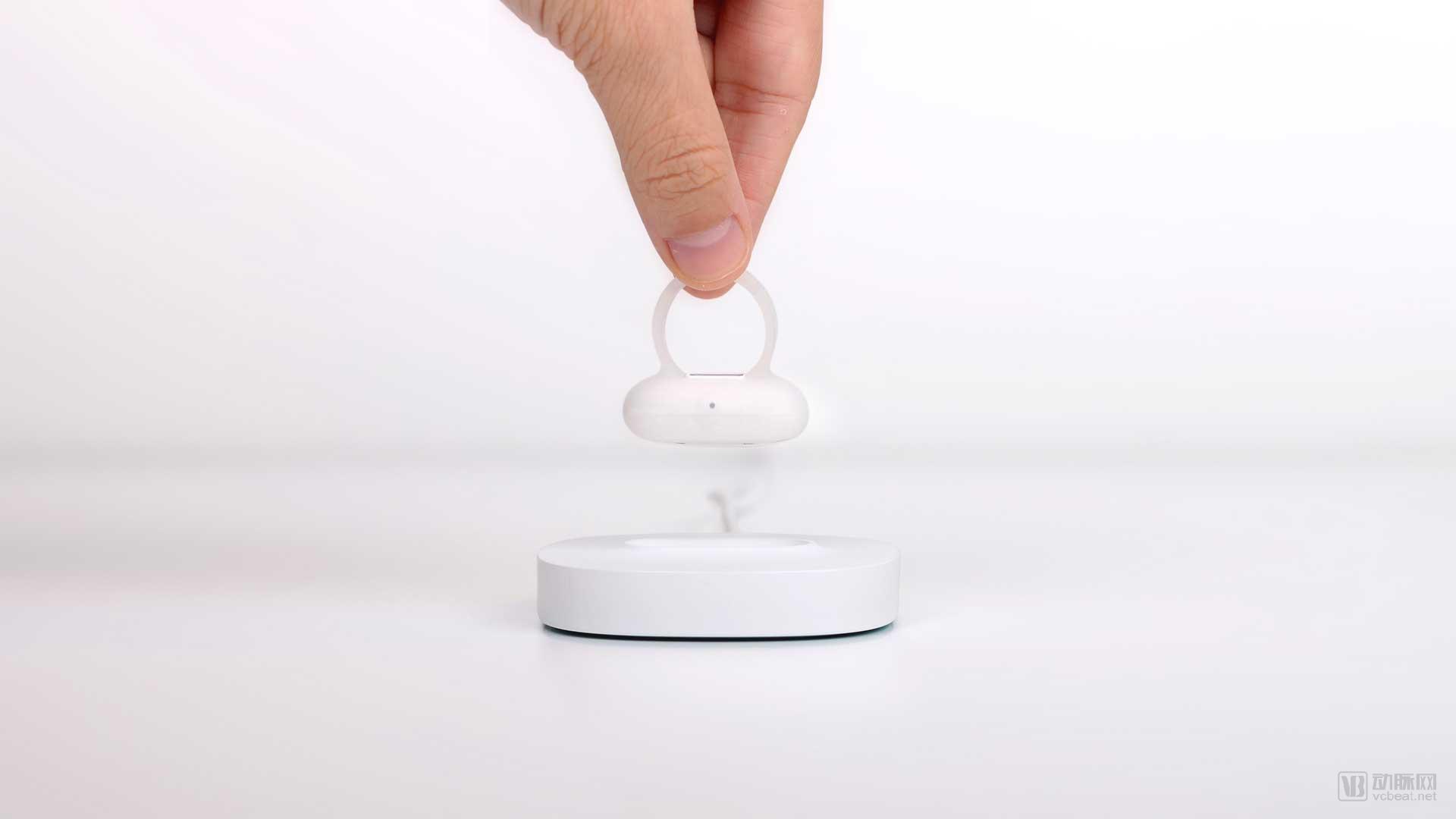
Go2sleep Smart Sleep Ring (Photo provided by the interviewee)
Sleep monitoring solutions include four types: electroencephalogram (EEG) monitoring, accelerometer sensors, radio frequency radar waves, and ballistocardiography (BCG) monitoring sensors.
Go2Sleep utilizes a 3-axis accelerometer to track movement, turning over, and other motions during sleep, while monitoring vital signs such as heart rate and blood oxygen saturation. The storage unit within the ring can store up to seven days of data, with heart rate and blood oxygen levels recorded every three seconds. Equipped with a vibration motor, the device provides haptic alerts when the user’s blood oxygen level falls below a preset threshold and can also serve as a morning alarm.
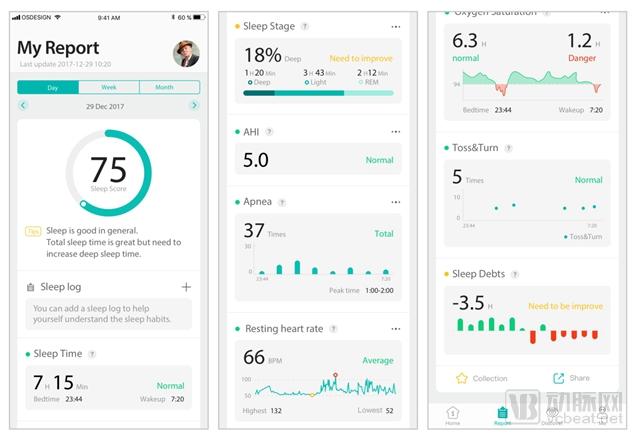
Report Data Generated by the APP Based on Users' Sleep Patterns (Image Provided by Respondent)
Chang Zhaowei stated, “To mitigate the risks associated with sleep apnea, it is essential to first quantify sleep before initiating any management strategies, as individuals cannot improve conditions they are unaware of. Just as a scale is necessary for weight management and a thermometer should be readily available at home for monitoring fever and colds, those seeking to address sleep apnea or related sleep issues should keep a Go2sleep device at home.”
According to him, SLEEPON has currently collected 100 samples in the first phase. In comparative tests against medical-grade polysomnography devices, the Go2Sleep demonstrated a monitoring accuracy of over 90%, and the company is planning to submit an FDA application for this product.
“The product’s accuracy is not achieved all at once after initial R&D; rather, it improves through gradual iteration. As the user base grows, we continuously expand the sample size to enhance the monitoring accuracy of the product. Therefore, our sample size has been gradually increased from 100 cases to 500 cases, and so on.”
For the data samples in the experiment, sleep data generated during user usage will be incorporated into SLEEPON’s next phase of research through hardware sales, with the product currently in the trial distribution stage during Phase I.
After identifying sleep outcomes, SLEEPON aims to ultimately improve symptoms in patients with apnea by partnering with institutions or products that provide solutions for sleep disorders. The Go2Sleep is currently priced at $129 in the U.S. market.
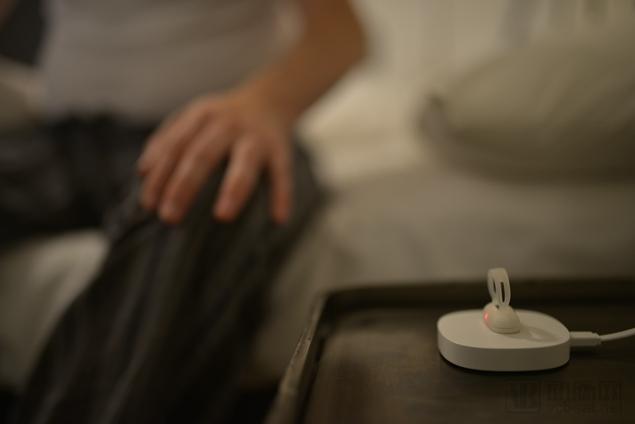
Go2Sleep Smart Sleep Ring Charging (Photo provided by the interviewee)
In the next phase, in addition to product sales, SLEEPON aims to capitalize on traffic dividends through its proprietary app. By offering courses and educational content on sleep improvement, the app will attract a user base with sleep-related needs. Through this user accumulation, SLEEPON plans to monetize the “attention” of its core audience by selling access to institutions and enterprises that provide sleep-improvement products.
Chang Zhaowei stated that SLEEPON is positioned as a brand dedicated to improving sleep, targeting core users who fall between the two extremes of pure consumer lifestyle products and purely clinical medical devices. This segment encompasses 80% of the core population with sleep disorders, representing SLEEPON’s future development path.
“From the perspective of our corporate vision, we aim to alleviate sleep disorders in individuals, thereby enhancing their overall quality of life,” Chang Zhaowei told VCBeat.