China's Internet-Based Andrology Diagnosis and Treatment White Paper: Over 361 Million Male Patients and the Rise of Online Care Models Breaking Traditional Barriers
Andrology is a medical specialty centered on men’s health, with a particular focus on disorders of the male reproductive and urinary systems, constituting a counterpart to gynecology. However, unlike the widespread public familiarity with gynecology, andrology has a later developmental origin. In both Western and Eastern contexts, modern andrology remains an emerging discipline.
Amid growing attention to men’s health, what is the current state of China’s andrology diagnosis and treatment industry? What are the future development trends for this sector in China? VCBeat·VBInsight, in collaboration with Chunyu Gangwan, an internet-based andrology diagnosis and treatment platform, has compiled and researched the landscape of men’s health and andrology disease management in China, analyzed Chunyu Gangwan’s operational data, and spent nearly a month producing the “White Paper on Internet-Based Andrology Diagnosis and Treatment in China.” This report aims to provide broader insights into the progress of andrology disease diagnosis and treatment in China by examining specific cases and data.
Table of Contents:
I. The Rapid Onset of Andrological Diseases: Internet-Based Diagnosis and Treatment Platforms Address the Systemic Drawbacks of Traditional Offline Care
(1) Andrology emerged relatively late worldwide; in China, the management of andrological diseases is primarily undertaken by urology departments.
(II) At Least 361 Million Chinese Men Suffer from Andrological Diseases of Varying Severity, with Changing Sexual Attitudes Becoming One of the Contributing Factors
(3) Systemic Issues in the Diagnosis and Treatment of Andrological Disorders in China: Bottlenecks Remain to Be Overcome for Patients, Physicians, and Hospitals
(4) Internet empowerment of the offline diagnosis and treatment system to address the drawbacks of severe information asymmetry
II. China’s Internet Healthcare Sector Is Gaining Momentum: The “Diagnosis-Treatment-Pharmacy” Closed-Loop Model May Become the Future Trend
(1) The penetration of “Internet+” into China’s healthcare system helps alleviate long-standing pain points in the industry
(II) Pharmaceutical e-commerce emerged earliest in China, addressing the issue of information asymmetry in pharmaceuticals.
(3) Medical consultations encompass video consultations and lightweight consultations, with the convenience of medical services increasing progressively.
(4) Internet hospitals span both online and offline healthcare environments, with increasingly clear business models
(5) Chunyu Harbor Explores a Closed-Loop System for Men’s Health Management, Fostering the Rooting and Development of New Internet Healthcare Models
III. Internet-based andrology diagnosis and treatment have been validated by the market and are entering a phase of healthy development
(1) Unique Visitors (UV) and Page Views (PV) maintained steady growth, while online male health diagnosis and treatment gradually matured.
(II) Paid Consultations Surpass Free Ones: Online Andrology Services Have Cultivated Patients’ Willingness to Pay
(3) The annual compound growth rate of paid consultation fees reached as high as 80%, and the market size of online male health diagnosis and treatment continues to expand.
(4) The proportion of orders created to total consultations increased by 300%, and the scope of online andrology services gradually extended from during-consultation to post-consultation care.
(5) The proportion of repeat purchase orders among completed medication transactions continues to rise.
IV. Online Andrology Diagnosis and Treatment Favored by Post-85s and Post-90s, with a Higher Patient Volume in Guangdong
(1) The mainstream patients in online andrology consultations are men aged 23–30, with men over 40 accounting for less than 10% of the patient population.
(2) The average out-of-pocket expenditure on medications per patient reached RMB 345, with patients aged 36–50 demonstrating the strongest purchasing power.
(3) Inland provinces have fewer patients but higher spending, and andrology diagnosis and treatment have not yet become widespread in economically underdeveloped regions.
(4) Integration of Traditional Chinese and Western Medicine for Treating Both Root Causes and Symptoms: Most Preferred by Consumers
5. Andrology specialists providing online diagnosis and treatment are available across China, ensuring reliable and guaranteed medical quality
(1) Doctors aged 30 to 40 account for half of online andrology consultations, with young physicians emerging as the backbone.
(2) Physicians: More than half of our physicians come from Grade A tertiary hospitals across the country, and over 90% are from hospitals at Level II or above, ensuring reliable professional backgrounds.
(3) Chief physicians account for 7.01% of the total physician population, slightly higher than the offline average.
(4) Significant Disparity in Physician Gender Ratio Determined by Disease Characteristics
(5) The physicians are highly experienced, with over 20% having more than 20 years of clinical practice.
(6) Nearly 60% of patient inquiries are answered by physicians within five minutes, significantly enhancing the convenience of healthcare services.
(7) Prolonged doctor-patient interactions and extensive information exchange have optimized the patient experience
VI. Strong privacy protection is the core competitive advantage of online andrology diagnosis and treatment, with high patient satisfaction on the platform
(1) Patients are primarily directed to online diagnosis and treatment platforms via internet channels, with privacy concerns likely being the main reason.
(2) While patients generally possess a basic understanding of andrological diseases, there is also a substantial number of patients who have no knowledge of these conditions whatsoever.
(3) Patients hope to access comprehensive andrology services through the platform, including diagnosis and treatment.
(4) Patients are most concerned about the privacy of online andrology consultations and treatment, while being relatively insensitive to price.
(5) Patients are highly satisfied with online andrology consultations, yet there remains room for improvement.
VII. China’s Internet-Based Andrology Diagnosis and Treatment Is Poised for Growth, with Both Demand and Supply Sides Continuously Unlocking Market Potential
I. The Rapid Onset of Andrological Diseases: Internet Diagnosis and Treatment Platforms Address the Systemic Drawbacks of Traditional Offline Care
(1) Andrology emerged relatively late worldwide; in China, the management of andrological diseases is primarily undertaken by urology departments.
Andrology is a medical specialty centered on men’s health, with a particular focus on diseases related to the male reproductive and urinary systems, constituting a counterpart to gynecology. However, unlike the widespread recognition of gynecology, andrology has developed at a later stage. In both Western and Eastern contexts, modern andrology remains an emerging discipline.
In the late 1960s, andrology was established as a medical specialty in the West. Subsequently, it gained increasing recognition, with male disorders previously scattered across specialties such as urology and dermatology being consolidated under the domain of andrology. In 1994, at the International Conference on Population and Development held in Cairo, Egypt, the Programme of Action, adopted by consensus among 179 countries worldwide, linked population development with reproductive health for the first time. The Programme called on all countries to develop innovative programs to provide men with reproductive health services. While safeguarding men’s health, it urged men in all countries to assume equal or primary responsibility alongside women in family planning, household chores, child-rearing, and the prevention of sexually transmitted diseases. Men’s health and andrological disorders are receiving growing attention worldwide.
Records of andrology appear early in the history of Chinese medicine; however, due to their concise nature and the lack of a systematic theoretical framework, many classical texts have been lost. Modern andrology in China began in the early 1970s. During the family planning initiatives, research by basic scientists and clinicians on gossypol as a male contraceptive contributed significantly to the development of modern andrology in China. In 1985 and 1991, the Andrology Study Groups were established under the Chinese Society of Endocrinology and the Chinese Society of Urology, respectively, both affiliated with the Chinese Medical Association. In 1995, the Chinese Society of Andrology was formally founded in Beijing. Since then, driven by the joint efforts of local andrology societies across the country, modern andrology in China has gradually developed.
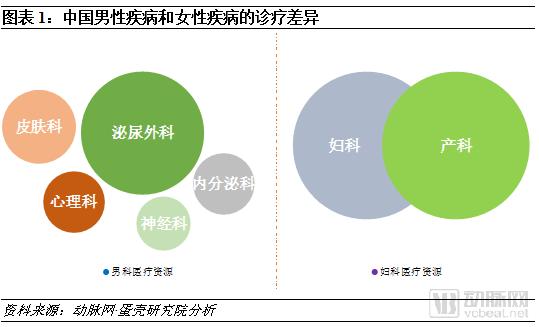
Although modern andrology in China has made significant academic progress, it is often intentionally or unintentionally overlooked in actual clinical practice within the Chinese healthcare system. In the current "List of Diagnostic and Treatment Specialties for Medical Institutions" formulated by the Ministry of Health, "Andrology" does not appear as either a primary or secondary discipline, whereas "Obstetrics and Gynecology" and "Women's Healthcare" are included. Currently, many large hospitals have separate departments of gynecology and obstetrics, allowing nearly all diseases related to the female reproductive system to be treated within these two specialties. In contrast, male patients often need to seek diagnosis and treatment from departments such as urology, dermatology, and endocrinology, with the majority of andrological conditions in China being managed by the department of urology.
(II) At least 361 million Chinese men suffer from andrological diseases of varying degrees, with changing sexual attitudes becoming one of the contributing factors.
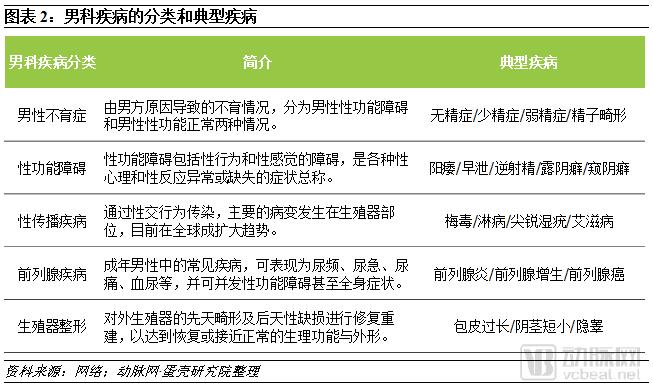
Andrology is a multidisciplinary field that, in addition to urology and reproductive science, encompasses psychology, nutrition, and other disciplines. Based on etiology, we classify andrological diseases into the following five categories: (1) Male infertility; (2) Sexual dysfunction; (3) Sexually transmitted diseases; (4) Prostatic diseases; (5) Genital reconstructive surgery.
Male Infertility: Infertility refers to a condition in which a married couple engaging in regular sexual intercourse has failed to achieve pregnancy after cohabiting for more than one year without contraception. The prevalence of infertility in China is approximately 10%, with female factors accounting for about 50% of cases, male factors for about 30%, and combined factors from both partners for about 20%. Male infertility specifically refers to infertility caused by male factors. Clinically, male infertility is categorized into two types: those associated with sexual dysfunction and those with normal sexual function. Infertility due to sexual dysfunction includes disorders of libido and erectile or ejaculatory dysfunction, while infertility in men with normal sexual function primarily includes azoospermia, oligospermia, asthenospermia, and teratospermia.
Sexual Dysfunction: Sexual dysfunction refers to impairments in sexual behavior and sexual sensation, often manifested as abnormalities or absence of psychological and physiological sexual responses. It is an umbrella term for a variety of symptoms. Statistics show that 52% of men aged 40–70 suffer from sexual dysfunction to varying degrees. Common types of sexual dysfunction include sexual desire disorders, coital disorders, ejaculatory disorders, orgasmic disorders, and dyspareunia (painful intercourse).
Prostatic Diseases: The prostate is a male accessory sex gland. Prostatic diseases are highly prevalent among adult males and generally refer to prostatitis, benign prostatic hyperplasia (BPH), and prostate cancer. These conditions may present with symptoms such as urinary frequency, urgency, dysuria, and hematuria, and can be complicated by sexual dysfunction or even systemic diseases.
Genital Plastic Surgery: Genital plastic surgery involves the repair and reconstruction of congenital malformations and acquired defects of the external genitalia, with the aim of restoring or approximating normal physiological function and appearance. Common male genital conditions addressed by this specialty include redundant prepuce (phimosis), micropenis, cryptorchidism, hydrocele, and varicocele.
Due to the fragmented delivery of diagnosis and treatment for andrological conditions across various types of hospitals, clinics, and departments, as well as limited patient awareness leading some individuals to remain undiagnosed, or cultural stigmas deterring those who are aware of their condition from seeking care, there is still no definitive statistical figure on the number of patients with andrological diseases in China.
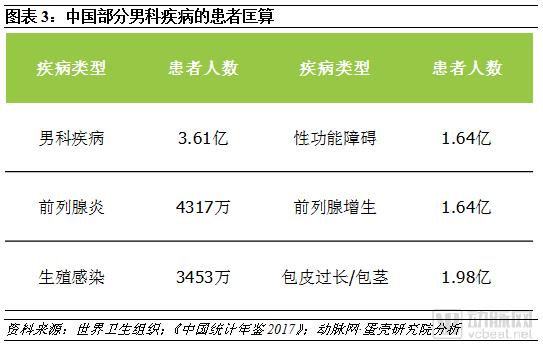
Several years ago, data provided by the World Health Organization indicated that the overall incidence of andrological diseases in China was 51%. Among men aged 20 to 40, 20% suffered from prostatitis and 16% from reproductive tract infections; among men over 40, 50% experienced sexual dysfunction and benign prostatic hyperplasia; and 28% had redundant prepuce or phimosis. Based on the population sample survey data from the China Statistical Yearbook 2017 and combined with the WHO’s incidence rates, we estimate that at least 361 million Chinese men currently have (including those who have had, currently have, or will develop) varying degrees of andrological diseases.
Currently, the incidence of andrological diseases in China is showing a trend toward affecting younger populations. Reports indicate that individuals aged 20–30 have become the primary demographic for these conditions, accounting for over 60% of cases, with many men experiencing sexual dysfunction before the age of 30. The onset of male aging has advanced significantly compared to the late 1980s; symptoms of andropause, which originally appeared in men over 60, are now emerging in men around the age of 40.
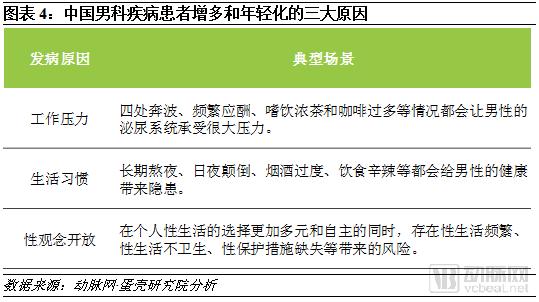
Based on VCBeat’s long-term observations in the field of andrology, we believe that the rising number of patients with male reproductive disorders and the trend toward younger onset are primarily driven by three factors: (1) work-related stress, (2) lifestyle habits, and (3) more open attitudes toward sexuality.
Work Pressure: With the rapid economic rise of China, the fast-paced social environment has led to ever-increasing work pressure.
According to a survey conducted by the professional services firm Regus among working professionals in 80 countries worldwide, Chinese office workers rank first in work-related stress. Factors such as constant travel, frequent social engagements, and excessive consumption of strong tea and coffee place significant strain on men's urinary systems, thereby contributing to the development of urological and andrological disorders.
Lifestyle Habits: The onset of most diseases is associated with poor lifestyle habits. The development of andrological disorders is primarily linked to unhealthy sleep-wake cycles and dietary patterns. Chronic late-night staying, reversal of day and night rhythms, excessive consumption of tobacco and alcohol, and a diet high in spicy foods all pose significant risks to men's health.
Open Sexual Attitudes: Renowned sociologist Ms. Li Yinhe has stated that sexual attitudes in China are undergoing revolutionary changes. It is undeniable that, after meeting basic material needs, Chinese society has begun to embrace the value proposition of “humanistic freedom,” one manifestation of which is greater diversity and autonomy in choices regarding sexual life. However, while personal sexual activity has become more readily accessible, it also carries risks associated with frequent sexual intercourse, poor sexual hygiene, and lack of protective measures.

(3) Systemic Issues in the Diagnosis and Treatment of Andrological Diseases in China: Bottlenecks Remain to Be Broken Through for Patients, Doctors, and Hospitals
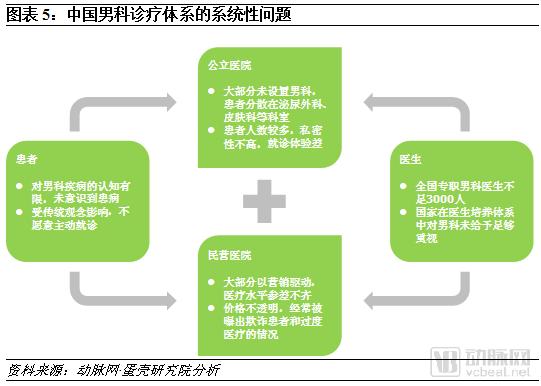
Patients, physicians, and hospitals are typically the three most critical stakeholders in medical activities; however, within China’s andrology diagnosis and treatment system, each of these stakeholders faces pressing issues that require urgent resolution.
First, consider the patients. In China’s healthcare landscape, andrology has long been regarded as a taboo subject, resulting in limited dissemination of men’s health knowledge and a lack of clear awareness among most men regarding andrological conditions. Many patients fail to recognize the importance of seeking timely medical attention during the early stages of disease, thereby missing the optimal window for treatment by the time their condition becomes severe. Furthermore, some patients, despite being aware of their diagnosis, are constrained by traditional stigmas and fear of social judgment, opting for self-diagnosis and navigating their condition through trial and error. Others, concerned about privacy breaches, choose to seek care at small clinics with unverified medical credentials rather than at reputable, large-scale hospitals.
Next are physicians. Currently, there are fewer than 3,000 full-time andrologists in China, and andrology does not appear as either a first-level or second-level discipline in the national disciplinary code system for talent cultivation. Within the education system, andrology cannot establish independent research projects because it is not recognized as an independent discipline. Consequently, andrologists face limited career development pathways, which further hinders the building of a robust talent pipeline for andrology in China.
Finally, there are hospitals, which are divided into public and private institutions. Most public hospitals do not have dedicated andrology departments; instead, patients are triaged to specialized departments such as urology and dermatology, causing inconvenience for medical consultations. Furthermore, due to the high patient volume and limited consultation time in public hospitals, patient privacy and overall care experience are often compromised. In contrast, private hospitals frequently fall into a vicious cycle driven by marketing. With no standardized fee schedules for andrological conditions, these hospitals set their own prices, and some private andrology hospitals have been repeatedly exposed for fraudulent practices and overtreatment.
(4) Internet-enabled offline diagnosis and treatment system, solving the problem of high information asymmetry
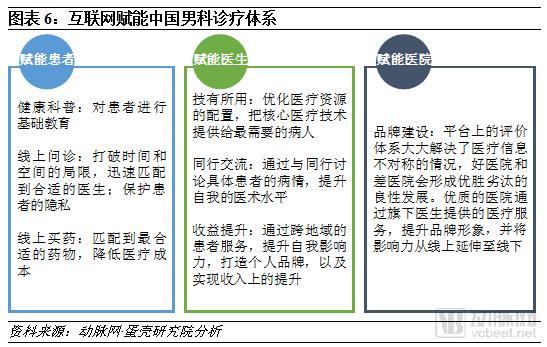
In China, beyond the distinct challenges faced by patients, physicians, and hospitals in the diagnosis and treatment of andrological conditions, there is also significant information asymmetry among these stakeholders. For instance, since most large public hospitals do not have dedicated andrology departments, the conventional wisdom of “going directly to a Grade 3A hospital for any illness to ensure safety” cannot be applied to andrology care. Meanwhile, numerous private hospitals that rely on search engine bidding rankings interfere with patients’ decision-making. Additionally, the limited availability of andrology specialists makes it difficult for patients to find physicians suited to their specific conditions.
As the internet transforms industries across the board, healthcare has inevitably been swept into the “Internet+” wave. Examining the current state of andrology diagnosis and treatment in China, we believe that the internet holds significant potential to facilitate communication among patients, physicians, and hospitals, while empowering all three stakeholders. We are also encouraged to see that internet-based andrology platforms, represented by Chunyu Gangwan, are providing comprehensive solutions for China’s traditional offline andrology care system.
II. China’s Internet Healthcare Is in the Ascendant, and the “Diagnosis-Treatment-Medication” Closed-Loop Model May Become the Future Trend
(1) The Penetration of “Internet+” into China’s Healthcare System Helps Alleviate Long-Standing Industry Pain Points
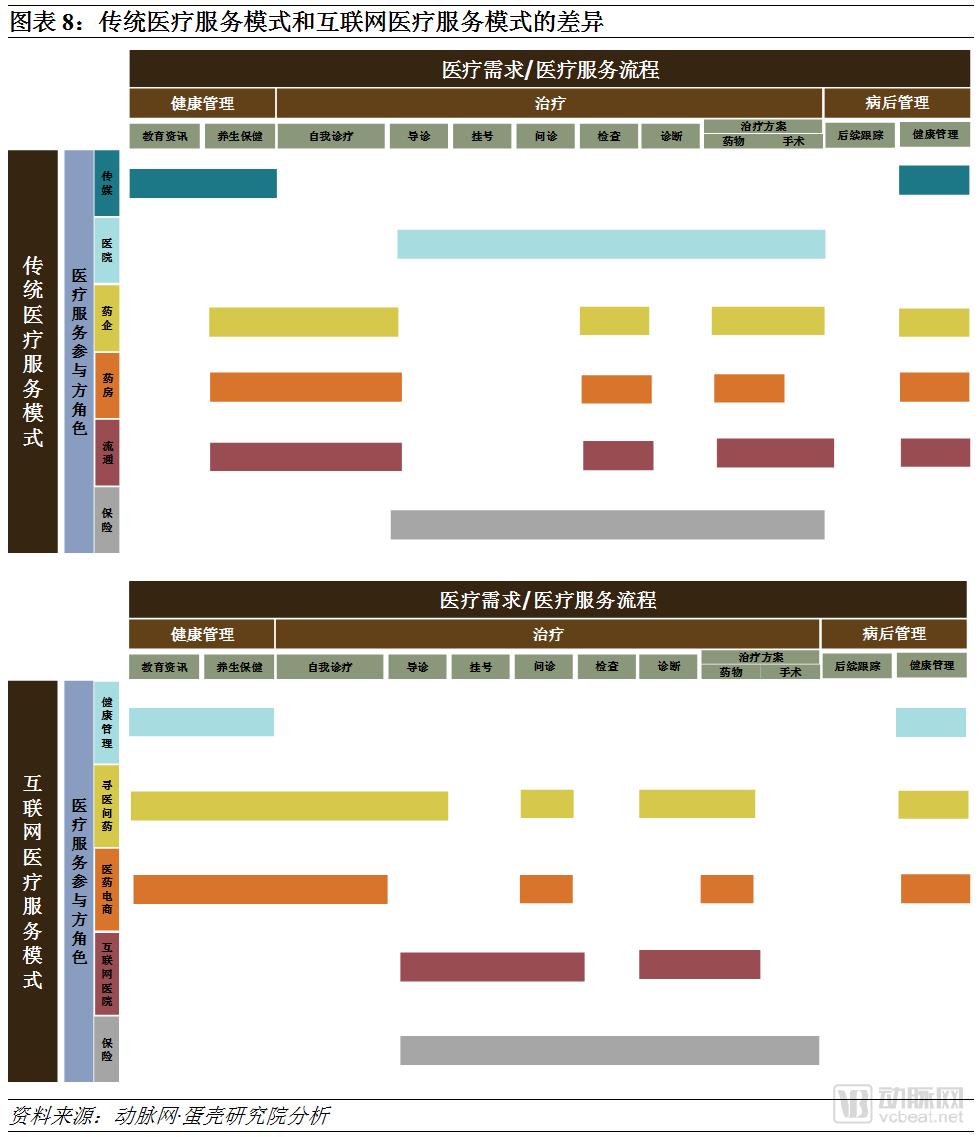
Internet healthcare is a new application of the internet in the medical industry, encompassing various forms of health and medical services such as health education, medical information inquiries, electronic health records, disease risk assessment, online disease consultation, e-prescriptions, remote consultations, and remote treatment and rehabilitation, all delivered via internet-based platforms and technologies. Among these, the three sub-sectors most directly oriented toward patients and with the highest relevance to patient care are pharmaceutical e-commerce, physician search and consultation, and internet hospitals.
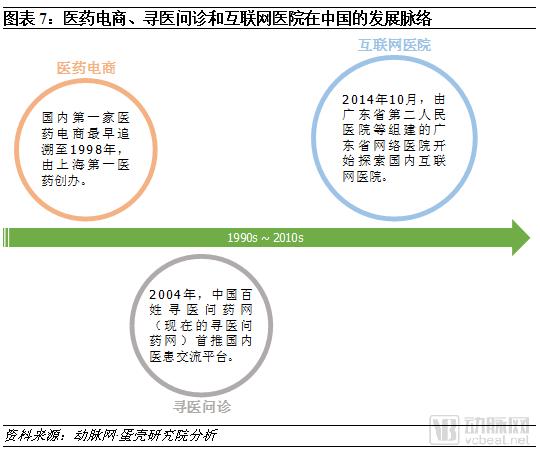
From pharmaceutical e-commerce to online medical consultation, and further to the development of internet hospitals, we can clearly discern a trajectory wherein the internet progressively penetrates the core of healthcare: pharmaceutical e-commerce addresses information asymmetry regarding product details, influencing the healthcare industry from its periphery; online medical consultation begins to engage with the core interaction between physicians and patients, albeit with supporting infrastructure still underdeveloped; internet hospitals are now exploring the integration of online and offline services to establish systematic healthcare solutions.
Internet-based healthcare emerged almost concurrently with the rise of the internet revolution. However, compared to the rapid and constant advancements of internet technology, its application and development in the healthcare sector have progressed rather slowly. This lag is partly due to the time required for patients and physicians to adapt their concepts and practices regarding medical consultations. Additionally, given the serious nature of healthcare, regulatory authorities’ stance has also been a significant factor influencing the development of internet-based healthcare in China.
Although the development of internet healthcare in China has been relatively slow, experience from regions such as Europe and the United States, where internet healthcare is already maturely applied, suggests that it is well-suited to alleviating the current challenges of “difficulty and high cost in accessing medical care” in China.
The root causes of the most pressing issues in China’s healthcare system lie in information asymmetry and irrational resource allocation. Due to the specialized nature of medical information, patients must rely on alternative criteria—such as hospital tier and physician rank—to assess service quality. Over time, this has solidified into a rigid, monolithic trust-rating system. Consequently, patient triage has become severely imbalanced, with specialists overwhelmed by minor ailments while primary care physicians face a lack of patients.
Under the healthcare systems in Europe and the United States, when patients present with medical issues, they are first evaluated by primary care physicians, who serve as gatekeepers to specialists. This role ensures that specialists can maximize their focus on conditions beyond the scope of primary care. Furthermore, through their in-depth understanding of patients’ medical histories, primary care physicians establish trusting relationships with them, enabling appropriate referrals to the most suitable specialists based on individual patient needs.
China’s current healthcare environment lacks a robust referral system and a solid foundation of trust. Patients’ trust in physicians is largely derived from the tier of the hospital and the physician’s professional title. The development of internet-based healthcare has introduced an entirely new framework for building trust. It not only enables primary care physicians to transcend existing institutional constraints and earn patient recognition through their own competencies, but also mitigates adverse selection caused by information asymmetry. Furthermore, it provides new pathways for tiered diagnosis and referral. Therefore, internet-based healthcare holds greater practical significance for improving China’s healthcare environment.
In the field of andrology, internet-based healthcare not only helps alleviate the shortage and uneven distribution of medical resources, but also holds significant value in helping patients overcome disease-related stigma and improving diagnosis and treatment rates.
(2) Pharmaceutical e-commerce emerged earliest in China, addressing the issue of information asymmetry in drug-related information.
Pharmaceutical e-commerce refers to the sale of medical products, such as pharmaceuticals, health supplements, and medical devices, via online platforms. It emerged as the earliest segment within the internet healthcare industry. Unlike online medical consultation and internet hospitals, which penetrate the core treatment processes, pharmaceutical e-commerce operates at the periphery of healthcare, facilitating convenient drug transactions between enterprises and between enterprises and patients.
As early as 1998, Shanghai No. 1 Pharmacy established China’s first pharmaceutical e-commerce platform, but it was shut down due to the lack of relevant policy support. It is generally believed that the development of China’s pharmaceutical e-commerce sector began in 2005. In September of that year, the China Food and Drug Administration (CFDA) promulgated the Interim Provisions on the Approval of Internet Drug Transaction Services, paving the way for online drug sales. However, few enterprises entered the field at that time. It was not until around 2012 that pharmaceutical e-commerce began to gain momentum, with an increasing number of companies entering the market. The growth of pharmaceutical e-commerce has been driven, on one hand, by years of consumer habit formation in online shopping fostered by e-commerce platforms such as Taobao and JD.com. On the other hand, the expanding scale of online drug sales has attracted capital attention, making pharmaceutical e-commerce a hot investment target.
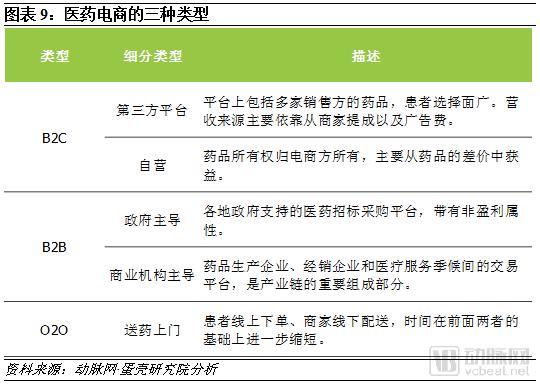
Pharmaceutical e-commerce is generally categorized into three models based on the types of transacting parties: B2C, B2B, and O2O. Among these, the B2C model can be further subdivided into self-operated and platform-based models, while the B2B model can be further divided into government-led non-profit models and transaction platform models involving manufacturers, wholesalers, and healthcare institutions.
(3) Medical consultations encompass video consultations and lightweight consultations, with the convenience of medical services increasing sequentially.
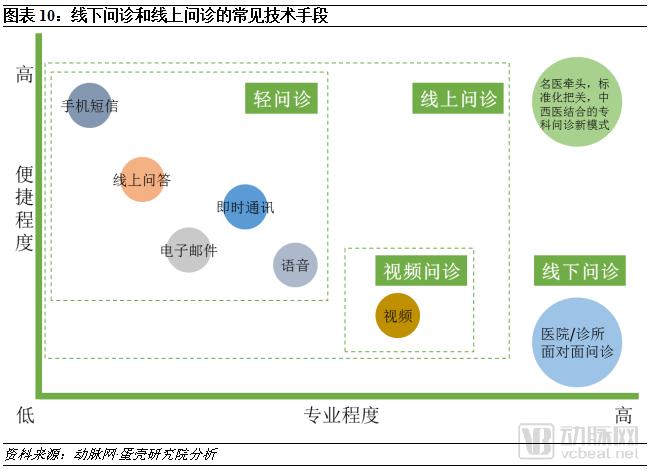
Remote Medical Consultation refers to the provision of health consultation and other services by physicians to patients remotely, leveraging technological tools such as email, online Q&A platforms, instant messaging, SMS, voice calls, and video conferencing. Based on the level of convenience and diagnostic accuracy, remote medical consultations are typically categorized into lightweight consultations and video consultations.
Light consultation primarily includes online Q&A, email, and SMS, all of which are text-based communication methods. Patients describe their symptoms and raise questions, and may also attach images or documents such as test reports. Physicians provide preliminary diagnostic opinions and health advice based on the information contained in these materials. Since communication between doctors and patients mainly occurs in a non-face-to-face manner, the accuracy of patients’ self-reported conditions is crucial, yet this is an area where patients often lack proficiency. Therefore, while light consultation offers high convenience, its diagnostic accuracy remains somewhat unstable.
Video consultations offer greater professionalism and accuracy, albeit at the expense of convenience. This consultation modality imposes certain requirements on both physicians and patients regarding time, equipment, and internet connectivity. Through video consultations, physicians can leverage their clinical experience to conduct multi-dimensional observations of patients, thereby acquiring more comprehensive information. In terms of convenience and accuracy, video consultations fall between lightweight online consultations and in-person visits.
The primary revenue streams for online medical consultation platforms are derived from consultation fees charged to patients, platform commissions levied on physicians, and fees for commercial services provided to relevant enterprises, such as advertising.
Another major payer for overseas medical consultation platforms is corporate employers. Many large companies often purchase health insurance and other health-related benefits for their employees on a long-term basis. Online consultation services are increasingly penetrating this vast demand segment. This service model has become increasingly mature in the U.S. market. In China, however, commercial health insurance has yet to gain significant traction due to the extensive coverage provided by social health insurance. As most enterprises limit their employees’ medical benefits to social health insurance, domestic medical consultation platforms have made far less headway in the enterprise market compared to their foreign counterparts.
(4) Internet hospitals span both online and offline healthcare environments, with increasingly clear business models.
Internet hospitals originated from telemedicine but, building upon it, provide end-to-end management encompassing prescription issuance, medication purchase, medical insurance processing, payment, and drug delivery.
Current internet hospitals are primarily driven by two factors. The first is third-party companies that mobilize physicians from regional to national levels to participate. The second involves hospitals providing internet-based medical services directly or indirectly to end users. Direct services enable users to have “face-to-face” consultations with specialists through online channels such as websites or mobile apps. Indirect services designate clinics, pharmacies, and community health service centers as consultation points, where users receive remote consultations with specialists from higher-level hospitals with the assistance of primary care physicians.
Based on differences in service pathways, we categorize internet hospitals into two operational models: B2C and B2B2C.
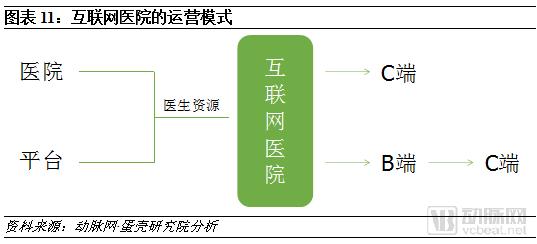
B2C consultation services include initial consultations and follow-up consultations. Due to healthcare system structures and policy constraints, initial consultations are generally limited to minor conditions. They are primarily conducted by junior physicians who provide answers or recommendations for simple, common health issues via the platform. In contrast, most internet hospital platforms currently claim that their services are predominantly focused on follow-up consultations. This model typically involves moving subsequent follow-up care online after the initial diagnosis and treatment have been conducted offline. At present, online follow-up consultations mainly target chronic diseases such as hypertension and diabetes, aiming to improve hospital operational efficiency.
The B2B2C model is typically implemented in the form of medical consortia, featuring coordination between physicians at different levels of care. Consultation points include primary care institutions such as clinics, pharmacies, community health service centers, and village hospitals. In this setup, physicians interact with other physicians, while being surrounded by patients from the local community. Primary care physicians provide patient medical histories, laboratory reports, and other relevant information to senior specialists, generally through video consultations. The specialists at higher-level hospitals then proceed with diagnosis and prescription.
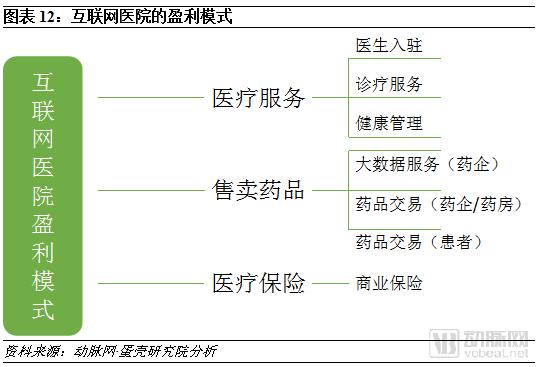
Revenue streams for internet hospitals include providing medical services, selling pharmaceuticals, and collaborating with insurance companies, which is similar to the business model of online medical consultation platforms. However, compared to the light-consultation model primarily offered by these platforms, internet hospitals are more deeply integrated in terms of both infrastructure and medical resources.
(V) Chunyu Harbor Explores a Closed-Loop System for Men’s Health Management, Promoting the Establishment and Development of New Internet Healthcare Models
As mentioned above, pharmaceutical e-commerce, online medical consultation, and internet hospitals have all improved the operational efficiency of the healthcare system within limited scopes. Currently, the emergence of Chunyu Gangwan has created a closed-loop ecosystem for online andrology diagnosis and treatment in China. It provides pre-consultation health management information such as educational resources and wellness care, offers intra-consultation services including patient guidance and appointment registration, and extends to post-consultation follow-up tracking and rehabilitation management, thereby establishing a comprehensive male health management service platform.
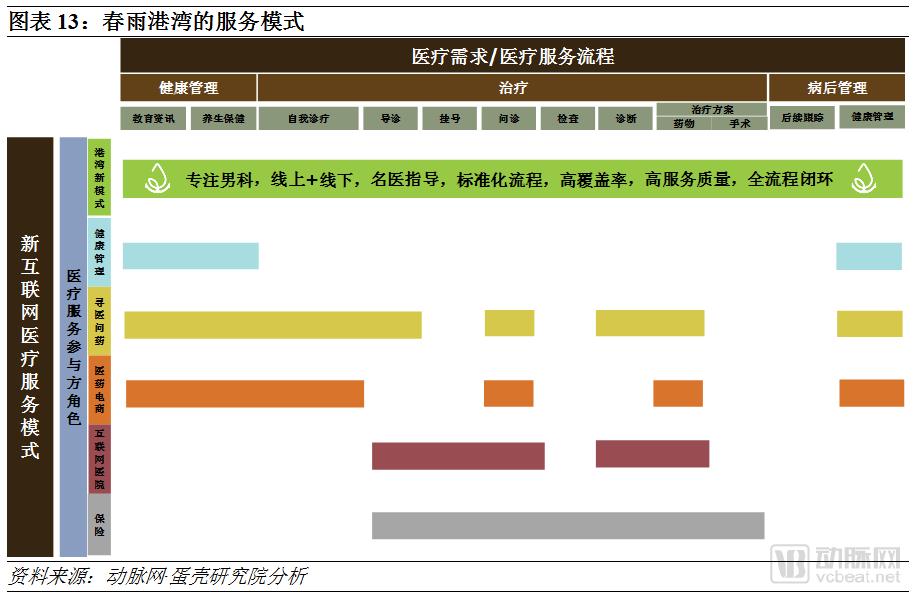
Chunyu Gangwan’s One-Stop Solution System Offers the Following Key Advantages:
Standardization of Diagnosis and Treatment:By leveraging standardized diagnostic and treatment protocols and standards developed jointly by renowned experts both domestically and internationally, the quality of patient consultation services is ensured, while also laying the foundation for precision medicine and disease management.
Data Intelligence:By leveraging diverse data collection and analysis, and digitizing the entire process of diagnosis, treatment, and medication, a comprehensive medical feedback loop has been established, laying a robust data foundation for the future AI-driven transformation of healthcare;
Service Branding:Empower physicians through a centralized physician service system and SaaS (Software-as-a-Service) tools, expand the reach of physician services, enhance their practice management capabilities, and comprehensively support them in building credible personal brands.
Product Centralized Procurement:Harbor Bay ensures a reliable supply of branded, high-quality products to users by entering into contractual partnerships with multiple renowned manufacturers and leveraging centralized bulk procurement.
III. Internet-based andrology diagnosis and treatment have been validated by the market and are entering a phase of healthy development
The emergence of Chunyu Gangwan has addressed the shortcomings of the previous andrology diagnosis and treatment system in both horizontal and vertical dimensions. But how is it reshaping China’s andrology diagnosis and treatment market? By conducting operational-level data analysis on Chunyu Gangwan, we aim to gain broader insights into the development dynamics of China’s internet-based andrology diagnosis and treatment industry.
(1) Unique Visitors (UV) and Page Views (PV) maintained steady growth, while online andrology diagnosis and treatment gradually matured.
From October 2016 to December 2017, Chunyu Gangwan recorded nearly 10,000 daily page visitors; in other words, its pages were viewed more than five times per minute. The number of page views per unique visitor to Chunyu Gangwan showed a sustained increase and gradually stabilized.
Notably, over the course of just more than a year, the proportion of paid consultations among total consultations has been steadily rising. In addition, order conversion rates, average transaction values, and repeat purchase rates have also shown consistent growth. Chunyu Gangwan has gradually cultivated a user base characterized by willingness to pay, purchasing power, and high loyalty.
(II) Paid online consultations surpass free ones, indicating that patients have developed a willingness to pay for online andrology services.
From October 2016 to December 2017, Chunyu Gangwan not only achieved remarkable growth in the total number of consultations but, more importantly, reversed the long-standing predominance of free consultations by ensuring that the proportion of paid consultations exceeded that of free ones.
This shift in proportion, on the one hand, indicates consumers’ demand for online channels in men’s health; on the other hand, it demonstrates their willingness to pay for high-quality medical services. Through their purchasing behavior, consumers have shown recognition of this healthcare delivery model and trust in the Chunyu Gangwan platform.
(3) The compound annual growth rate (CAGR) of paid consultation fees reached as high as 80%, and the market size for online male health diagnosis and treatment continues to expand.
From October 2016 to December 2017, the compound annual growth rate (CAGR) of total revenue from paid consultations on Chunyu Gangwan reached as high as 80%. Despite this rapid growth, the volume of online consultations in andrology remains negligible when compared with the overall size of China’s andrology diagnosis and treatment market.
We anticipate that the online andrology consultation industry will maintain strong growth momentum as the sector continues to mature and patient perceptions evolve.
(4) The proportion of orders created to total consultations increased by 300%, and the scope of online andrology services gradually extended from during-consultation to post-consultation care.
From the fourth quarter of 2016 to the fourth quarter of 2017, the ratio of medication purchase orders to the total number of consultations (including both free and paid consultations) increased threefold. Based on observations of patient treatment pathways, we believe that patients typically purchase medications after completing their consultations. Over the past year or more, alongside a significant rise in both the proportion and volume of paid consultations, the rate at which patients paid for treatment plans (i.e., the medication order conversion rate) also continued to climb. This indicates that once patients recognize the value of the platform’s services and decide to pay for consultations, their satisfaction with the quality of physicians’ consultation services further enhances their trust in both the platform and the doctors.
As patient trust continues to grow, so does their willingness to pay. Trust in both the platform and its physicians has enabled Chunyu Gangwan to continuously deepen the services it offers. With the establishment of a new trust evaluation system, Chunyu Gangwan has gradually evolved into a comprehensive andrology service platform spanning the broader industry chain.
(5) The proportion of repeat purchase orders in total completed medication transactions continues to rise
From the fourth quarter of 2016 to the fourth quarter of 2017, the compound annual growth rate (CAGR) of patient repeat purchase orders reached as high as 360%. The rapid increase in repeat orders indicates that Chunyu Gangwan’s stickiness with patients is continuously strengthening, while patients’ trust and loyalty toward Chunyu Gangwan are also steadily rising.
Due to space constraints, this article only excerpts the first three parts of the report; the table of contents for the subsequent four parts is as follows:
IV. Internet-based Andrology Diagnosis and Treatment Favored by Post-85s and Post-90s, with a Higher Patient Volume in Guangdong
5. Internet-based andrology physicians are available nationwide, with reliable and assured medical standards
VI. Strong privacy protection is the core competitive advantage of online andrology diagnosis and treatment, resulting in high patient satisfaction with the platform
7. China’s Internet-based Andrology Diagnosis and Treatment Is Poised for Growth, with Both Demand and Supply Sides Continuously Unlocking Market Potential
Based on the historical and survey data from Chunyu Gangwan, this study conducts an in-depth analysis of the online male health diagnosis and treatment industry by examining user behavior data, physician backgrounds, patient reviews, and development trends.
To access the full report, PC users can click to enter the VCBeat Report Download Center (http://vcbeat.top/Report/reportIndex) to view or download the full report; WeChat users can follow the VCBeat official account and click “Knowledge Base – View Reports” below to access or download the complete report.
This report (“White Paper on Internet-Based Andrology Diagnosis and Treatment in China”) is completely free. To gain unrestricted access to more paid reports from VCBeat·VBInsight, please scan the QR code below to become an official VCBeat member. You will then receive timely updates on the latest global investment and financing trends, enjoy comprehensive access to a medical enterprise database, and benefit from extensive resource-matching opportunities.