From Stool to Solution: Realbio's Journey in Microbiome Innovation and Non-Invasive Colorectal Cancer Screening
"When you gaze into the abyss, the abyss gazes also into you."
"When You Gaze into Stool, the Stool Also Gazes Back at You."
What does a lump of feces represent to you?
You always look back at it with a smile after it has left you,
Then, without any hesitation, flush it down the dark and sunless sewer...
And that was the end of it.
Yet it is vibrant with life, capable of revealing another, unknown version of you.
Feces contain a vast array of microorganisms, collectively known as the gut microbiota, which are key members of the human microbiome. Numbering over 100 trillion, they are comparable in quantity to human cells. Nobel laureate Joshua Lederberg proposed that “humans are superorganisms composed of symbiotic microorganisms.” The genomes of these fecal microorganisms constitute the gut microbiome, which is 200 times larger than the human genome.
It is unique and serves as a barometer of human health.
Feces contain not only the body’s own metabolic products but also metabolites produced by the gut microbiota. These microbial metabolites are transported via the bloodstream alongside nutrient molecules to various cellular tissues, where they influence the physiological activities of every cell in the human body, playing a crucial role in overall health.
It carries your genes and is a powerful tool for screening various diseases.
Feces contain not only abundant commensal bacteria but also shed intestinal epithelial cells. Detecting DNA derived from human intestinal epithelial cells and gut microbiota will provide a precise assessment of intestinal health status.
As the ancient saying goes, “The six meridians are rivers, and the gastrointestinal tract is the sea.” Traditional Chinese Medicine has long documented the use of human feces to treat human diseases. During the Eastern Jin Dynasty, Ge Hong’s *Handbook of Prescriptions for Emergencies* (also known as *Zhouhou Fang*) recorded the use of clear liquid from human feces to treat patients suffering from food poisoning, diarrhea, fever, and those on the verge of death. Li Shizhen’s *Compendium of Materia Medica* (published in 1596) documents more than twenty therapeutic recipes utilizing human feces for medical treatment.
In recent years, with the advancement of biotechnology, the once-utilized technique of fecal-based therapy has matured and undergone a renaissance, being bestowed with a new name: “Fecal Microbiota Transplantation” (FMT). This technology has achieved breakthrough progress in treating intestinal disorders such as recurrent Clostridioides difficile infection and intractable constipation. Related drugs have been repeatedly granted designations such as “Orphan Drug” and “Breakthrough Therapy” by the U.S. Food and Drug Administration (FDA).
It is an indisputable fact that a vast number of microorganisms are present in feces. Forty years have passed since the German researcher Volker Rush proposed the concept of "microecology" in 1977. Microecology, a branch of life science that emerged alongside microbiology at the turn of the century, addresses numerous issues concerning the adaptation of organisms to their internal environments and is closely related to human health.
From a cup of yogurt at breakfast to the inaccessible depths of the ocean, their footprints are found throughout the world. They can thrive well without humans, but without them, humanity might cease to exist.
So, what exactly is a lump of feces to you now?
For some people, it still means nothing…
For some, it represents an opportunity and a powerful tool for public benefit.
In 2008, after earning his Ph.D. in Microbiology from Virginia Tech in the United States, Qin Nan joined BGI Research as Director of the Microbiology Department. Later, during BGI’s preparations to establish the China National GeneBank, he served as Head of its Microbial Sub-bank.
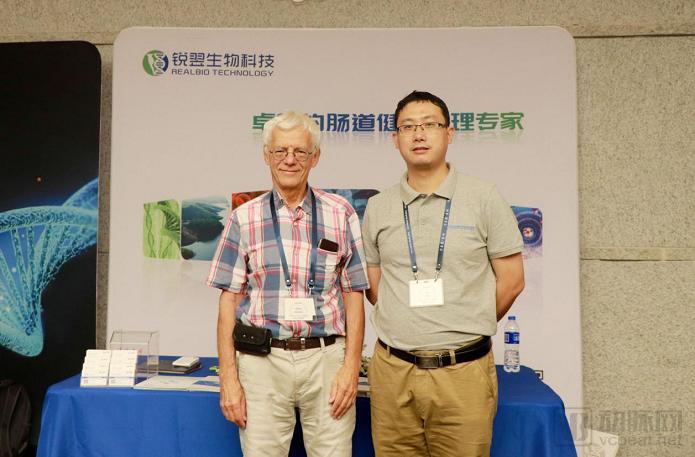
“In March 2010, BGI hosted the inaugural International Human Microbiome Consortium conference in Shenzhen. At that time, Dusko Ehrlich, head of the EU MetaHIT (Metagenomics of the Human Intestinal Tract) project, served as the conference chair, while I presided over a parallel session on new technologies, with technical leads from Illumina, Roche, and ABI as invited speakers,” recalled Qin Nan. “Over the nearly ten years since I first met Professor Ehrlich, I have learned from him not only technical expertise in metagenomics but, more importantly, a rigorous approach to scholarship. Science tolerates no errors, and this is especially true in medicine.”
The rapid development of next-generation sequencing (NGS) technology and its continuously decreasing costs have enabled its application in the field of microbiome research. Currently, an increasing number of scientists worldwide are striving to explore further insights into the human microbiome.
“Particularly regarding certain unique bacteria, how they influence our health and shape the human body,” said Qin Nan. We have reason to believe that as research deepens, the relationship between the microbiome and human health will become increasingly clear. Microbiome research holds great promise and will open new opportunities for studies in key medical areas such as chronic disease prevention and control, and tumor immunotherapy.
In 2014, research findings on the association between liver cirrhosis and the gut microbiome, with Qin Nan as the first author, were published in the prestigious international journal Nature, attracting widespread attention from peers both domestically and internationally. To further advance microbiome research and facilitate the translation of scientific achievements into practical applications, Qin Nan later co-founded Shanghai Realbio Technology Co., Ltd. with colleagues.
In its early stages, Shanghai Realbio Technology Co., Ltd. primarily provided related scientific and technological services to universities and research institutes. To date, the company has delivered high-quality sequencing and analysis services to more than 100 leading domestic and international experts engaged in microbiome research, collaborated on projects with over 200 research institutions and hospitals, and provided comprehensive technical support for more than 600 scientific research projects.
After three years of development, Realbio has gradually become the preferred partner in the field of high-throughput sequencing and analysis services for microbiomes, recognized by the industry. If the initial focus of Realbio was on technical services, then today, while providing services and products to customers, Realbio places greater emphasis on national health.
They have gradually transformed into a company that balances technical services and is committed to the general health industry.
Against the backdrop of substantial evidence confirming the pivotal role of the gut microbiome in the onset and progression of various chronic diseases, and leveraging the foundation laid by its prior research in the microbiome field, Shanghai Realbio Technology Co., Ltd. has developed a professional gut health management system based on gut microbiota sequencing, tailored to the dietary characteristics of the Chinese population—thus giving rise to Changyikang®.
This product is designed to help users establish a healthy gut microbiome by precisely detecting the composition and abundance of intestinal flora in stool samples. Based on the test results, it assesses gut health, predicts the risk of chronic disease development, and provides personalized intervention recommendations. These primarily include health management through diet and exercise, as well as targeted suggestions for prebiotic and probiotic supplementation.
Through years of accumulation, Shanghai Realbio Technology Co., Ltd. has established gut microbiota databases for patients with over a dozen diseases, particularly those suffering from chronic conditions. This enables the company to provide targeted health management and dietary supplement regimens by analyzing users' gut microbiota.
The market for health supplements and nutritional products is vast, yet it lacks effective big data support to enable more evidence-based, personalized, and precise guidance. Gut microbiome testing products have the potential to fill this gap in the future, driving the renewal and upgrading of this trillion-yuan market.
The company has currently accumulated a gut microbiota database comprising over 10,000 cases and possesses a diversified, multi-level gut microbiota analysis platform.
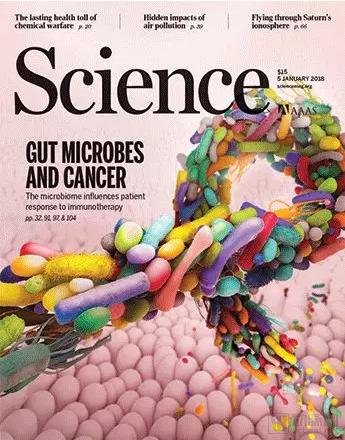
The image shows the cover of Science, January 5, 2018.
In recent years, a growing body of cutting-edge research has revealed that the gut microbiota plays a crucial role in tumor immunity. Tumor immunotherapy is a novel cancer treatment modality that leverages the human immune system to eradicate tumor cells and inhibit tumor growth.
However, only approximately 25% of patients clinically benefit from this type of immunotherapy. Fortunately, certain gut microbiota can significantly improve the outcomes of tumor immunotherapy.
The first link between gut microbiota and the efficacy of immune checkpoint inhibitors was established in 2015, when research demonstrated that oral administration of Bacteroides fragilis could restore the therapeutic response to CTLA-4 inhibitors in mice. In 2017, Science published two additional studies indicating that the human gut microbiome influences the ultimate outcomes of checkpoint inhibitor therapy. One of these studies further revealed that the presence of specific bacteria, such as Akkermansia muciniphila, can significantly enhance the efficacy of PD-1 immune checkpoint inhibitors.
The intersection of the gut microbiota and tumor immunotherapy further underscores that the gut microbiota is akin to a vast treasure trove, leaving us eager to see what surprises it will bring next.
In 2016, Shanghai Realbio Technology Co., Ltd. upgraded its product pipeline and began to expand into the broader health sector related to medical diagnostics. The company focuses on national health, particularly gastrointestinal diseases.
According to the latest national cancer statistics released by the National Cancer Center in 2018, colorectal cancer ranks as the fourth most common cancer among men and the third among women in China.The situation is severe. However, colorectal cancer is also “one of the most preventable and treatable cancers”: its disease progression spans approximately 10 years, making early screening particularly crucial.
Substantial evidence confirms that the gut microbiota is closely associated with the initiation and progression of colorectal cancer, and specific microbial biomarkers can serve as important tools for early screening, disease monitoring, and prognosis tracking. However, given concerns about sample stability, microbial markers alone are insufficient to meet the requirements for high-accuracy screening.
In addition to abundant microorganisms, feces also contain a portion of human cells. By detecting targeted mutations in the DNA of these cells, there is an opportunity to apply this approach to colorectal cancer screening, enabling early detection of intestinal cancer. Shanghai Realbio Technology Co., Ltd has consistently focused on the development and application of high-throughput technologies and is aware of overseas early-screening products for colorectal cancer that detect exfoliated cells from the intestinal wall in feces. This raises the question: Can we leverage this opportunity to develop higher-quality products tailored to China’s specific needs?
Following clinical studies on over 2,000 samples representing various stages of colorectal cancer, confirmed via colonoscopy and pathology, Shanghai Realbio Technology Co., Ltd. has launched Changyishu®, a non-invasive early screening product for colorectal cancer. By leveraging high-throughput sequencing technology in combination with fecal occult blood testing and other methods, the product analyzes gut microbiota, DNA markers from exfoliated cancer cells, and occult hemoglobin in stool samples to provide a comprehensive result. This enables the detection of precancerous lesions and early-stage colorectal cancer 5–6 years in advance.
The non-invasive colorectal cancer screening kit developed by Exact Sciences in the United States screens for colorectal cancer by analyzing fecal DNA and blood biomarkers. In 2017, approximately 570,000 Cologuard early colorectal cancer screening tests were completed, representing a year-on-year increase of 134%, with revenue reaching approximately $260 million, a year-on-year increase of 168%. It is projected that 1 million tests will be completed in 2018.
With China’s population being four times that of the United States, the market for colorectal cancer screening is projected to reach at least 4 million cases annually in the coming years.
No technology emerges overnight, and Changyishu® is no exception. A stool sample may seem simple, but mastering its analysis is far from easy.
Qin Nan has been dedicated to fecal microbiota research since 2008, marking a full decade of commitment. With a strong background in scientific research, he is not particularly adept at marketing. Several partners in the company’s R&D team are PhDs or postdoctoral researchers who returned from studies in the United States. It is precisely this academic foundation that has shaped Realbio’s culture of deep scientific inquiry and relentless pursuit of technical breakthroughs.
During the development of Changyishu®, the R&D team at Realbio Medical conducted research and found that most current stool-based genetic screening technologies utilize various PCR techniques. In 2014, Cologuard®, developed by Exact Sciences in the United States, received approval from the U.S. Food and Drug Administration (FDA) for clinical use, and its qPCR-based technology is protected by patents.
However, qPCR-based detection relies on primer design and suffers from limitations such as the difficulty of primer design, inability to screen for unknown mutations, and lack of sequence information. Poor specificity of primers and polymerase, along with suboptimal control of annealing temperature, often leads to false-negative or false-positive results.
On the one hand, to avoid intellectual property disputes, and on the other, to leverage its own strengths, Shanghai Realbio Technology Co., Ltd. employs high-throughput sequencing technology.
By controlling sequencing depth, next-generation sequencing (NGS) technology enables highly sensitive detection of low-frequency gene mutations, while also allowing quantitative assessment of all known and unknown mutation sites and methylation sites in target genes, thereby obtaining more comprehensive information on gene mutations and methylation. Using bioinformatics analysis and data mining algorithms, researchers can extract disease-related genetic variation information, make rapid and accurate diagnostic judgments, and provide a scientific basis for disease diagnosis.
Qin Nan revealed that Changyishu currently achieves over 90% in both detection sensitivity and specificity. It is reported that the product has filed multiple patent applications and has entered the certification application process with the China Food and Drug Administration (CFDA).
Changyishu® has currently established a genetic sequencing database comprising nearly 10,000 samples from the Chinese population using high-throughput sequencing technology. Through the accumulation of large-scale samples, it continuously refines disease risk prediction models tailored to China’s national conditions, thereby building a big data model for colorectal cancer screening specifically for the Chinese population.
Meanwhile, the company has actively engaged in collaborative projects with several renowned hospitals, such as the Beijing Municipal Science and Technology Commission’s special project on early screening for colorectal cancer led by the Army General Hospital in 2017, and the universal colorectal cancer screening program led by the Affiliated Hospital of Zunyi Medical College under the project approved by the Guizhou Provincial Department of Science and Technology in 2016.
Leveraging their scientific and technical expertise, they aim to deepen collaborations with hospitals and research institutions to facilitate the clinical translation of their technologies.
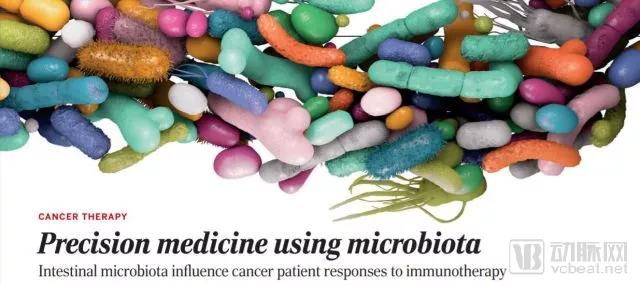
Image source: Science
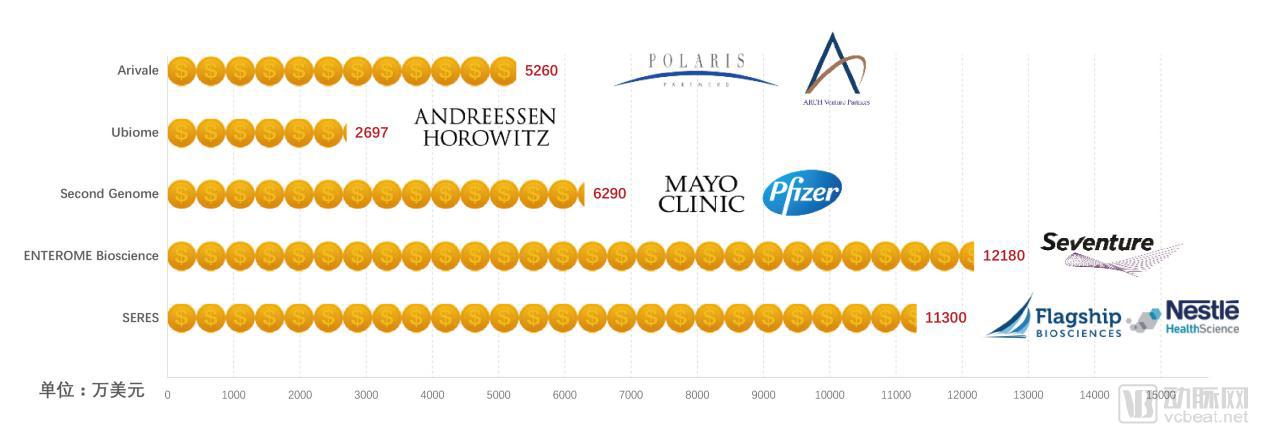
Currently, companies in the international microbiome sector are experiencing rapid growth, attracting not only significant capital interest but also prompting many traditional industry giants to enter the field. For instance, Johnson & Johnson has established a Human Microbiome Research Center; Roche and Pfizer have invested in Second Genome, while Seventure Partners, Slow Ventures, Flagship Pioneering, and others have set up specialized funds to invest in the microbiome industry. DuPont Nutrition & Health has announced the creation of a Microbiome Venture division and entered into a partnership with the Food and Fermentation Technology Centre (TFTAK), focusing on developing selection and bioprocessing capabilities for “next-generation” probiotics.
While focusing on products and technology, Realbio has always maintained an open mindset, actively engaging in close communication and collaboration with domestic and international peers as well as the investment community. Three years after its establishment, the company has successfully completed two rounds of financing. It is reported that Realbio is currently opening its Series B funding round.
The first round of financing was led by Sinovation Ventures, with Beike Fund participating; the second round was led by Yuanyi Capital.
Zhang Yunpeng, General Manager of Songhe Capital, believes that years of accumulated expertise in scientific research services, coupled with leading capabilities in data mining and analysis, will position Realbio for significant future opportunities.
Fan Zhiqiang, co-founder of VCBeat, spoke highly of Shanghai Realbio Technology Co., Ltd.’s position within China’s ecosystem. He believes that colorectal cancer early screening products based on high-throughput sequencing technology will carve out a niche in the early cancer diagnosis market.
Gao Yi, a partner at Yuanyi Capital, firmly believes that the company is a leader in China’s microbiome sector. He holds strong confidence in startups founded by researchers. Gao Yi argues that high-tech enterprises must rely on source innovation from basic scientific research and integrate industry, academia, and research to build robust and sustainable R&D capabilities.
Research and Applications of the Human Microbiome Remain an Emerging Field,There are too many unknowns. This path will inevitably be muddy and rugged. But one thing is certain: it allows us to redefine ourselves, as well as healthcare and health. The future is here; the fearless remain unafraid.
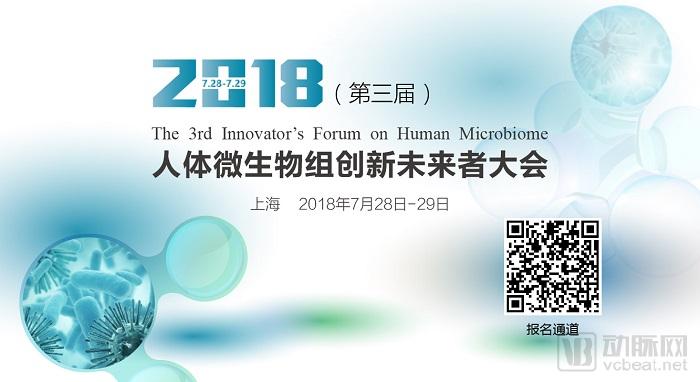
The 3rd Human Microbiome Innovation Futurists Conference
Qin Nan previously served as Secretary-General of the International Human Microbiome Consortium (IHMC). Since 2016, he has collaborated with domestic experts to launch the China Microbiome Innovators Conference, aiming to bring together Chinese entrepreneurs and investors by providing a platform for exchange.
In late July 2018, the third conference will be held in Shanghai, where numerous CEOs of international microbiome companies will attend to present their latest R&D achievements.